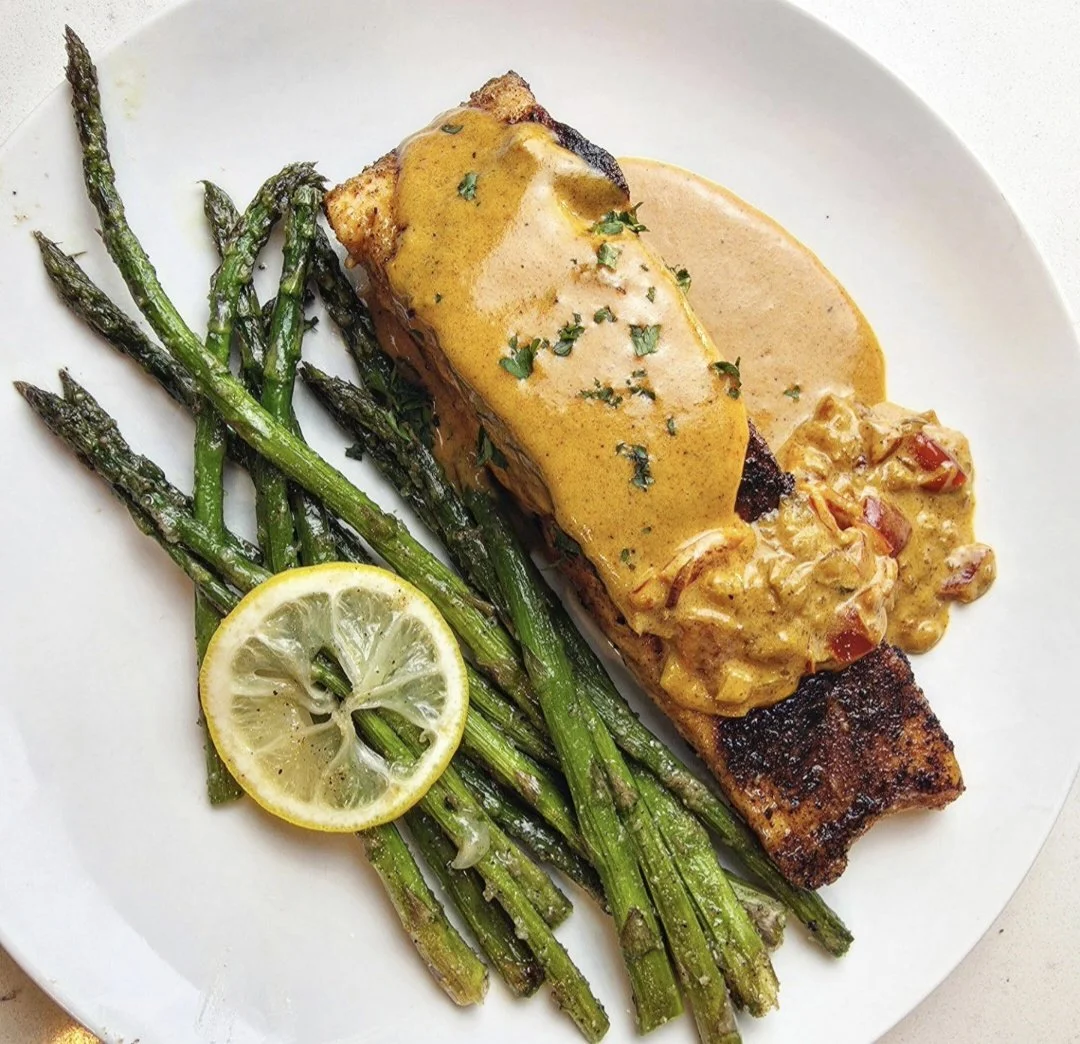
Blackened Salmon with Berbere Cream Sauce (30-Minute Recipe)
Salmon is one of my favorite proteins, in fact I try to eat it at least once a week. It’s rich in omega-3s, packed with protein, vitamins B12 and D, and it’s just plain delicious. For this recipe, I wanted to take a classic weeknight staple and elevate it with a little international flair, blending bold flavors from East Africa and the American South into one gorgeous, flavorful dish.
Blackened salmon is a favorite for a reason: the seared, smoky crust locks in moisture, giving each bite a deep, savory punch. Traditionally, you might see Cajun or Creole seasoning used, but I love swapping in berbere—a complex, aromatic East African spice blend that’s one of my go-to all-purpose seasonings. Berbere adds warmth, heat, and depth that’s a little different from what you find on every other weeknight plate.
If you’re making berbere at home, toast the whole seeds (like coriander, fenugreek, cardamom, and cumin) before grinding with paprika, chili, garlic, and ginger. The result is a fragrant, spicy seasoning that’s fantastic on salmon, roasted veggies, or even in soups. Premade blends work perfectly too, and sourcing from an authentic store is always a bonus.
For the sauce, I lean on a Creole-style cream sauce, which is similar to Cajun but generally a little more balanced and bright thanks to the tomato flavour, onions, bell pepper, and spices. Adding cream turns it into a silky, luxurious accompaniment that pairs beautifully with the bold, spiced salmon. You can keep the sauce rustic, with all the veggies, or strain it smooth for a more elegant finish, the choice is yours.
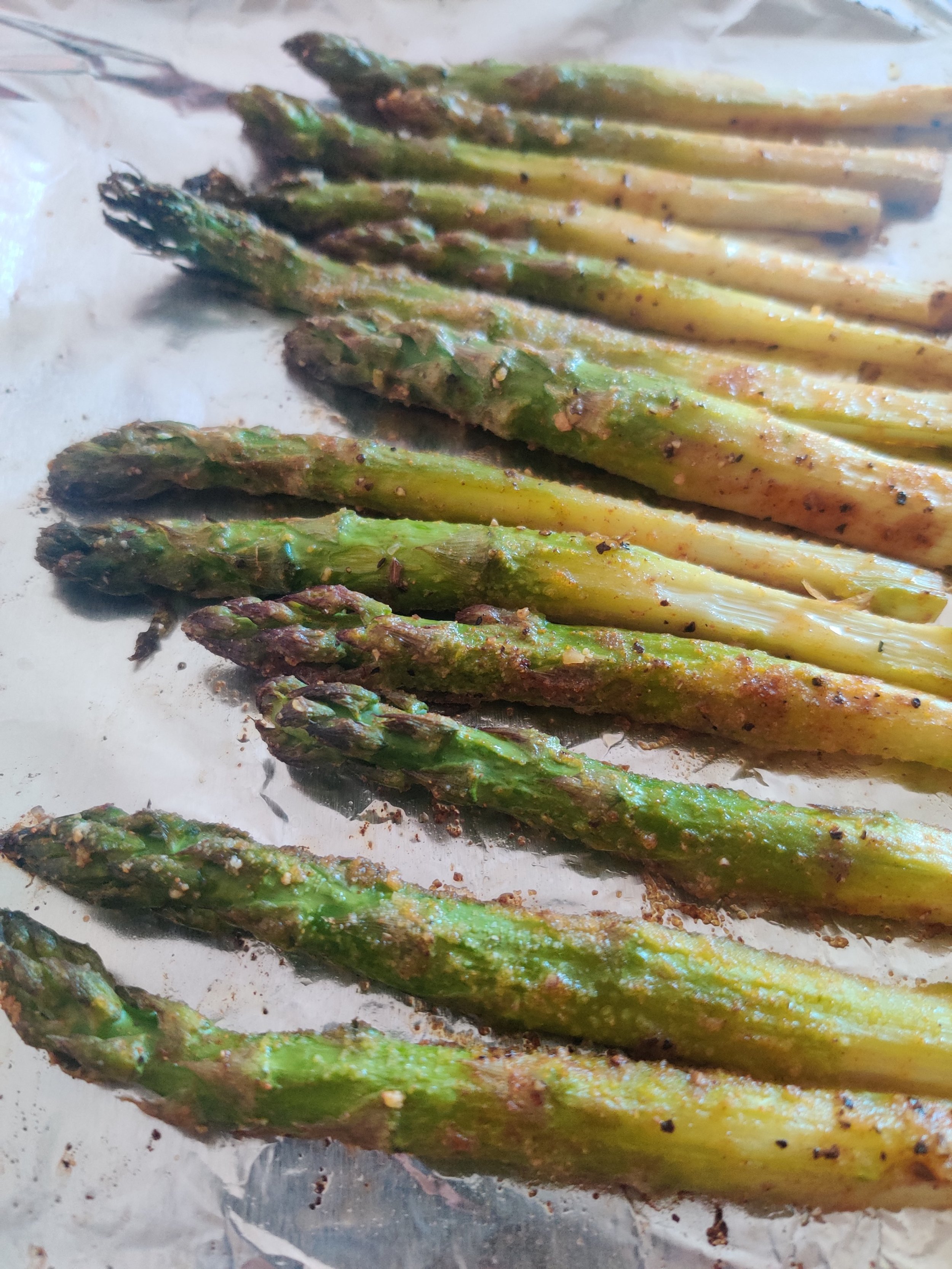
One of the things I love about this sauce is its versatility. It’s perfect on salmon, but also shines with flounder, shrimp, or any firm-fleshed fish. I served mine here with citrus forward, roasted asparagus for a classic pairing, but this is a dish that adapts beautifully to what’s in season.

Blackened Salmon with Berbere Cream Sauce
Tender, flaky salmon gets a bold East African-inspired kick with a silky berbere cream sauce. Quick, flavorful, and versatile, this dish is perfect for weeknights, entertaining, or seasonal meals.
Ingredients
- 4 salmon fillets
- 4 tsp berbere seasoning (about 1 tsp per fillet, adjust to taste)
- 1 tsp salt (¼ tsp per fillet)
- 1 tsp garlic powder (¼ tsp per fillet)
- 1 tsp onion powder (¼ tsp per fillet)
- Olive oil, for drizzling
- ½ medium red onion, diced
- 1–2 garlic cloves, minced
- 1/3 cup celery, diced
- 1 red bell pepper, diced
- 1 hot chili pepper, minced
- 2 tsp berbere seasoning
- 1 tsp smoked paprika
- 1 tsp black pepper
- 1 tsp seasoned salt
- 1 tsp cayenne pepper (optional, for extra heat)
- 2 tsp chicken bouillon paste
- 1 tbsp tomato paste
- 1 tbsp Worcestershire sauce
- 1 tbsp rice vinegar
- 1 tbsp flour
- 1 tbsp butter
- 1 tbsp sun-dried tomatoes, minced
- 1 cup heavy cream
- 1 cup water
- 1/3 cup grated Parmesan cheese
- Lemon juice, to finish (optional)
- Cooking oil or ghee, for sautéing
Instructions
- Pat the salmon dry. Drizzle lightly with olive oil, then rub with berbere, salt, garlic powder, and onion powder. Set aside to absorb flavors.
- In a pan, sauté the garlic and onion for 1–2 minutes. Add the celery and cook for 1 minute. Stir in the bell pepper and chili; cook for 2 minutes. Add the spices and sauté for 30 seconds to release their aroma, adding oil if needed.
- Stir in the bouillon paste and cook for 30 seconds. Push everything to one side, melt the butter, and mix in the flour to form a roux. Add the sun-dried tomatoes, Worcestershire sauce, and rice vinegar.
- Add the water and cream. Simmer over medium-low heat for about 5 minutes, stirring frequently. Stir in the Parmesan and cook until the sauce thickens. Adjust seasoning with salt and a squeeze of lemon juice if desired.
- Heat a cast-iron pan over medium-high heat (turn on the vent). Once hot and lightly smoking, add oil. Place the salmon skin-side down and sear for 2–4 minutes, depending on thickness. Avoid overcrowding the pan.
- Flip and cook for another 2–3 minutes. Lower heat if needed to prevent burning. For thicker fillets, transfer to a 400°F oven and cook for 3–5 minutes until the internal temperature reaches 145°F. Let rest for 5 minutes.
- Plate the salmon and spoon the sauce over top. Serve as is, or strain part of the sauce for a smoother texture.
Notes
- The berbere is customizable. Adjust the heat level to your taste.You can also substitute with Cajun, Old Bay, or Creole seasoning if needed.
- Serve with asparagus, roasted vegetables, rice, or grits.
- The sauce also works beautifully tossed with pasta like linguine.
Nutrition Facts
Calories
420Fat (grams)
30 gCarbs (grams)
10 gFiber (grams)
3 gSugar (grams)
4 gProtein (grams)
36 gI am not a certified nutritionist and any nutritional information on dontmissmyplate.com should only be used as a general guideline.

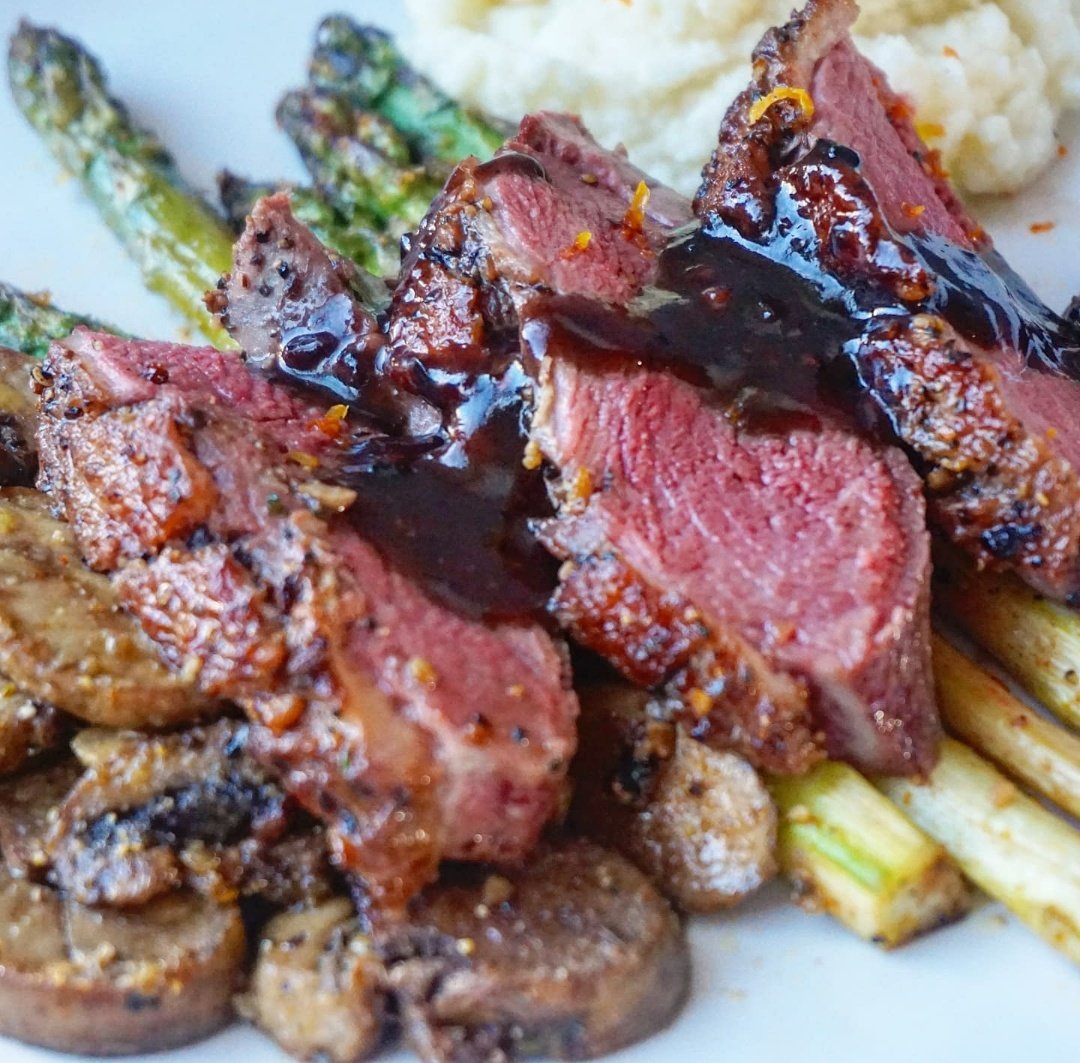
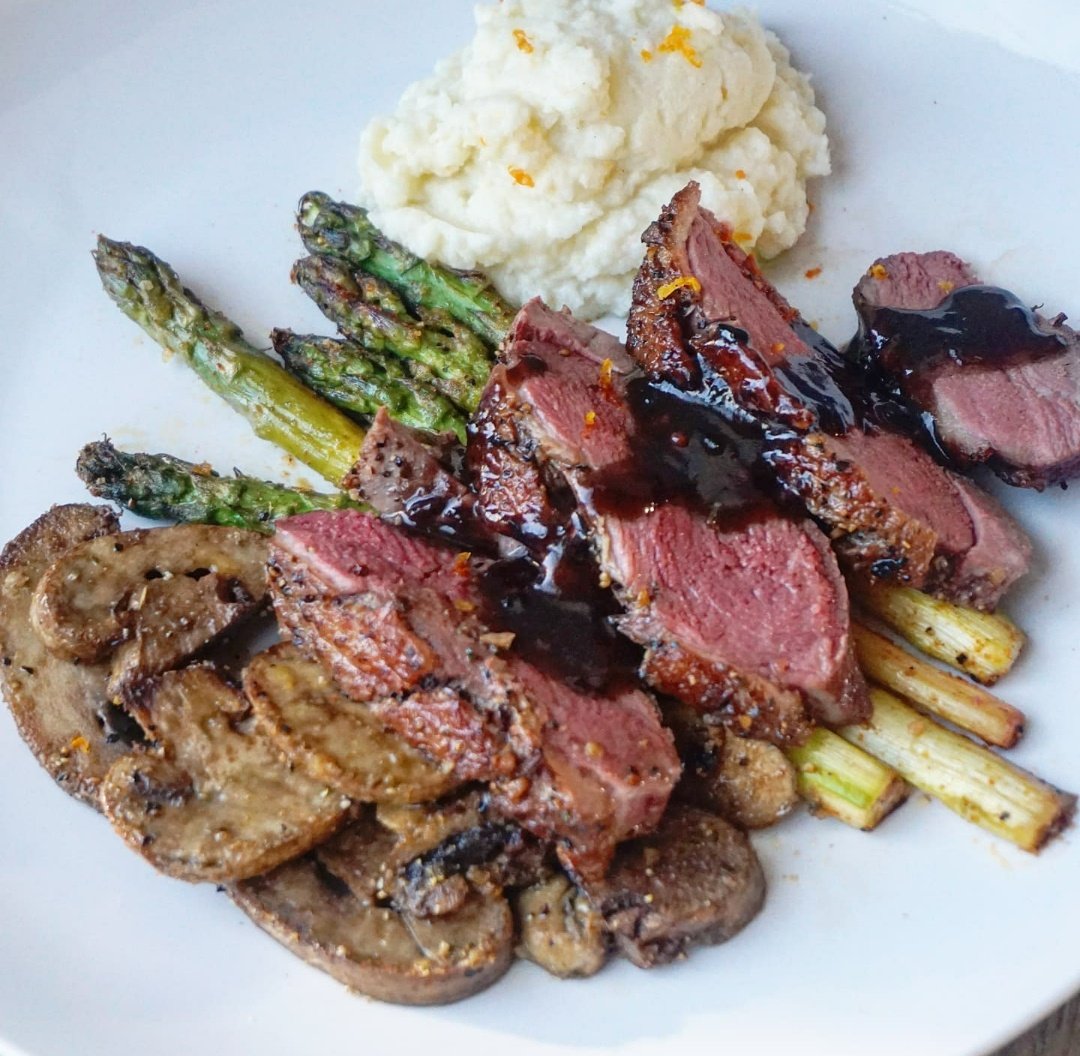
Duck Breast with Mashed Cauliflower, Mushrooms and Asparagus
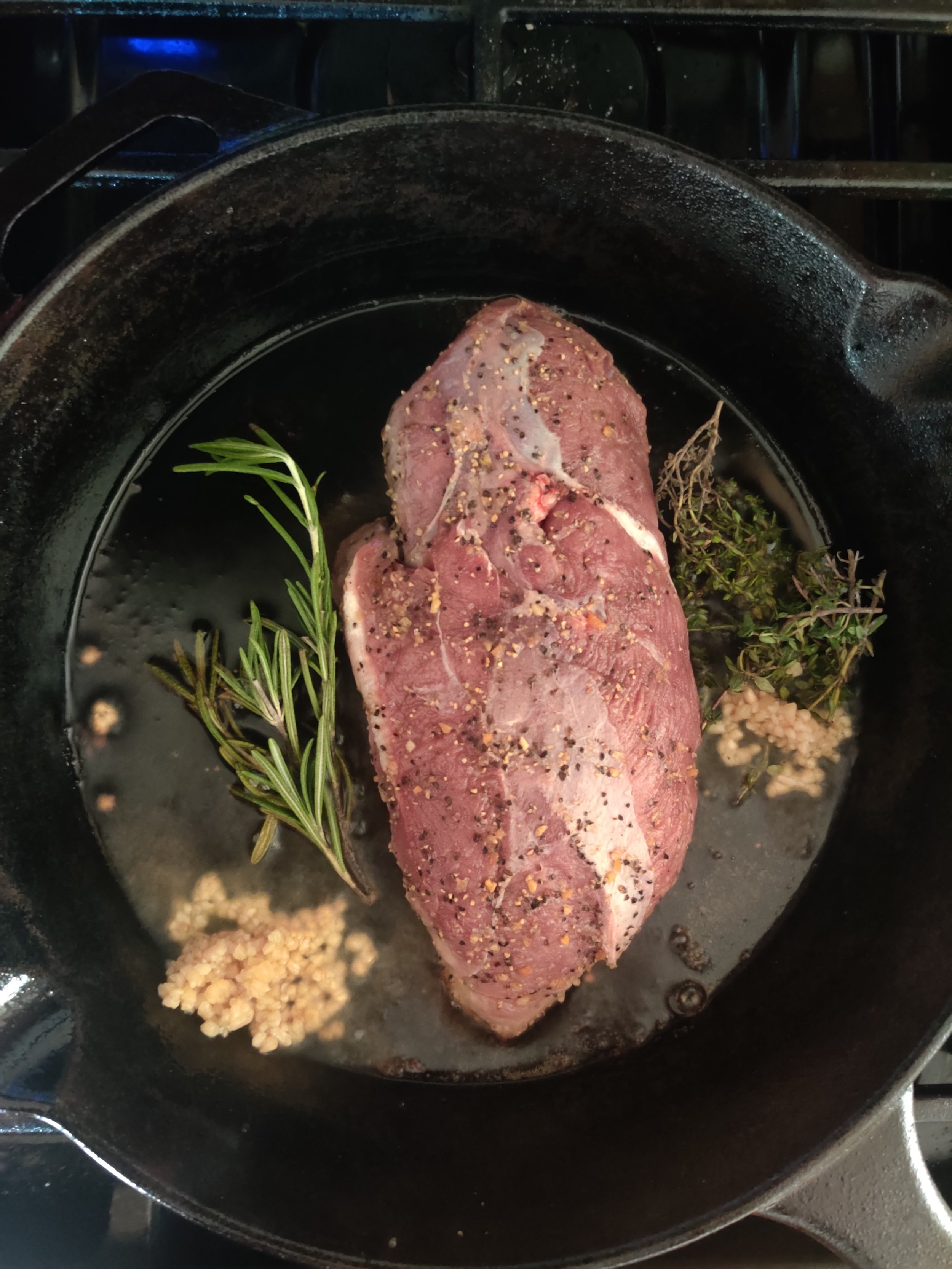
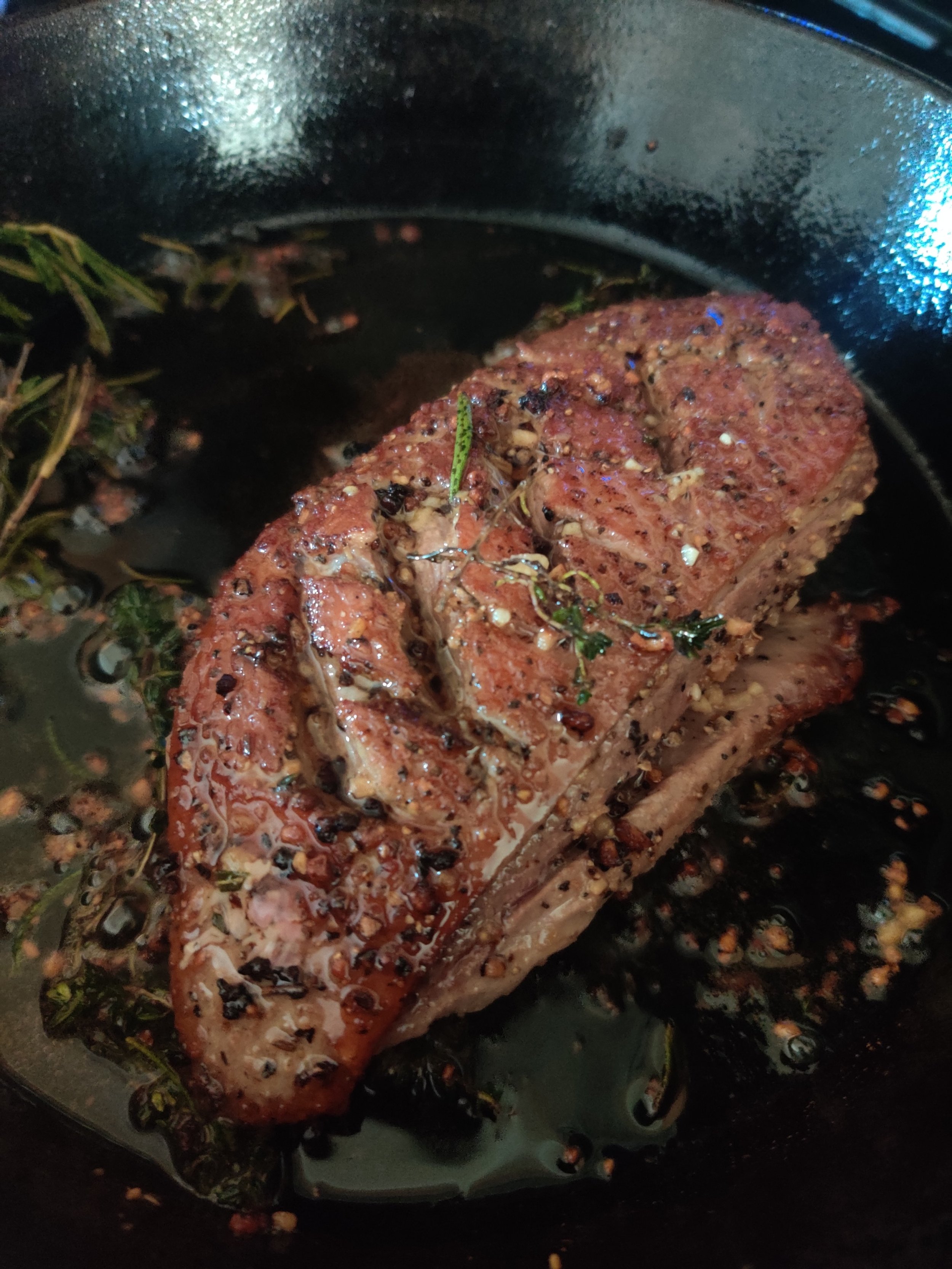
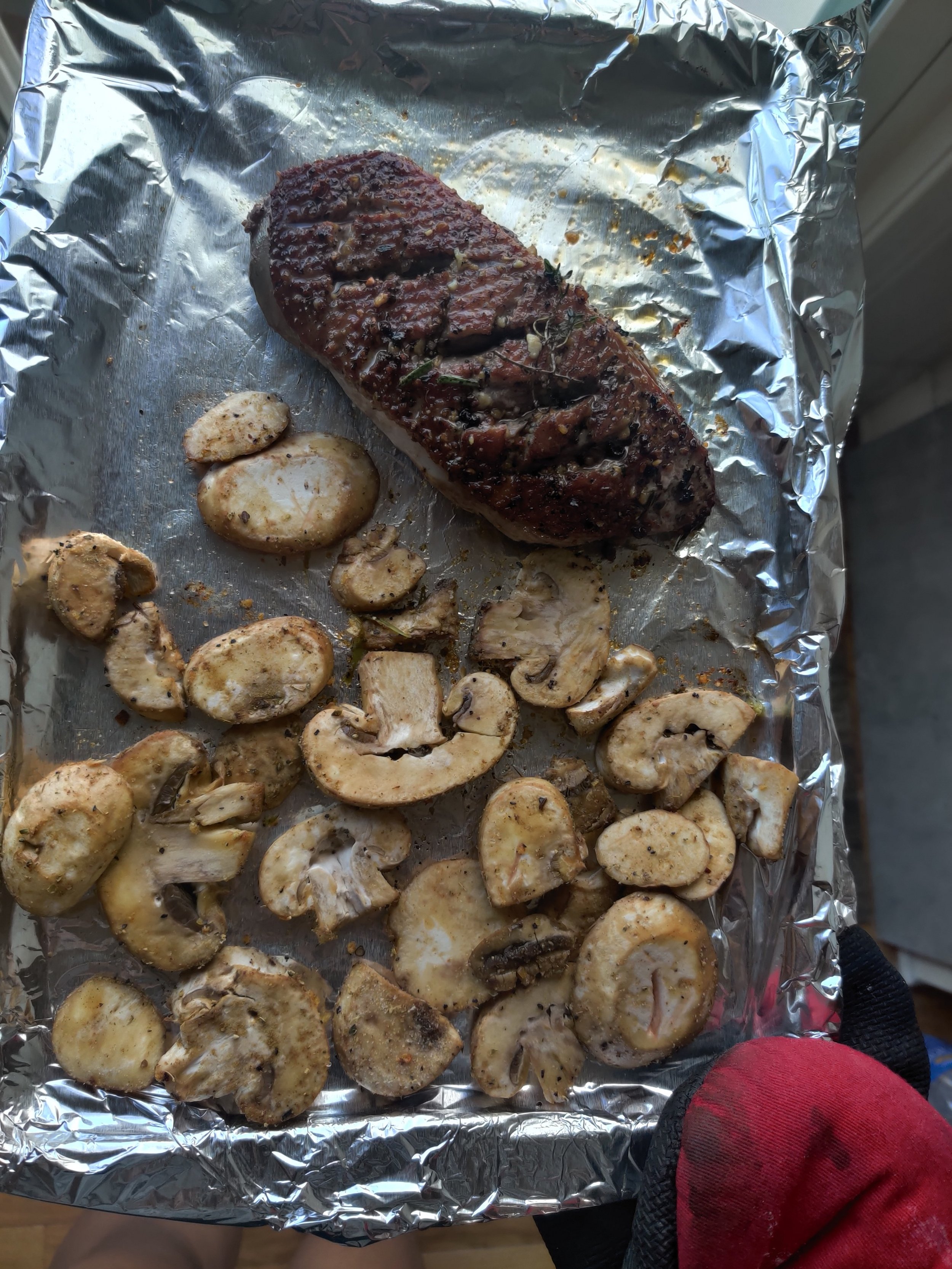
Duck breast. Easier to handle than a lot of people realize! You cook it the same way you cook steak - sear on high heat, baste with herbs and fat, and get it to your desired internal temperature. Take care not to overcook and dry it out! High in fat, yes, but also protein, and with half the daily iron requirement, it's a fancy break from what you typically eat; you can make a dinner special without leaving the comfort of your home.
Inspired by the French classic dish duck l'orange, use citrus to boost the red wine sauce and the mashed cauliflower to pair with juicy, roasted asparagus and mushrooms.
I would suggest serving this with a glass of light or medium-bodied red wine, such as a quality pinot noir, to balance out the fattiness of the duck and compliment the fruity notes in the sauce.
This recipe makes for a great winter dish that will make you feel fancy and cosy at the same time! The switch from potato to cauliflower relieves much of the guilt, and you'll get to enjoy a low-carb plate of delicious veggies and protein.