
What is AfroFusion
The diversity of African cuisine can be integrated into everyday cooking.
AfroFusion is about marrying the best of what each culture has to offer — finding the synergies, honoring the differences, and always acknowledging where inspiration comes from. Rooted in a life split between Zimbabwe and the United States, with influences from across Africa, Europe, the Caribbean, the American South, and South America. African cuisines are among the most diverse and least explored in global cooking — and there are so many ways in. That's what gets the spotlight here.
The Regions That Inspire AfroFusion Cooking
As the recipe collection grows, this page will evolve into four regional sections: West Africa, North Africa, East Africa, and Southern Africa, allowing you to explore both inspiration and interpretation.
New to African cuisines? Start here.
The Zimbabwean Cooking Starter Guide breaks down the ingredients, frameworks, and logic behind Zimbabwean cuisine — a food culture built on simplicity, natural depth, and the quality of what the land provides. It also introduces how Zimbabwean cooking connects to the broader African culinary landscape covered on this page.

West Africa
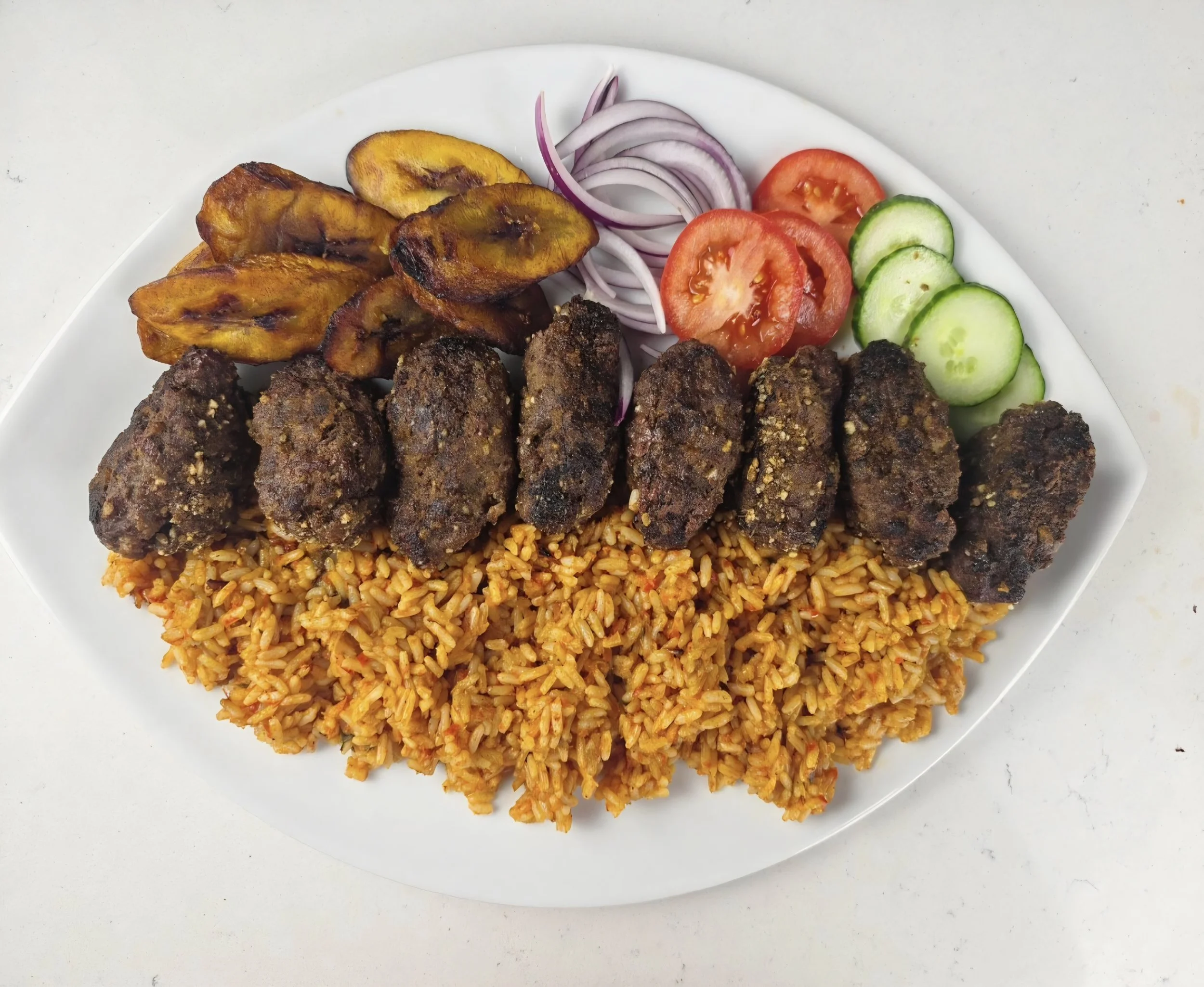
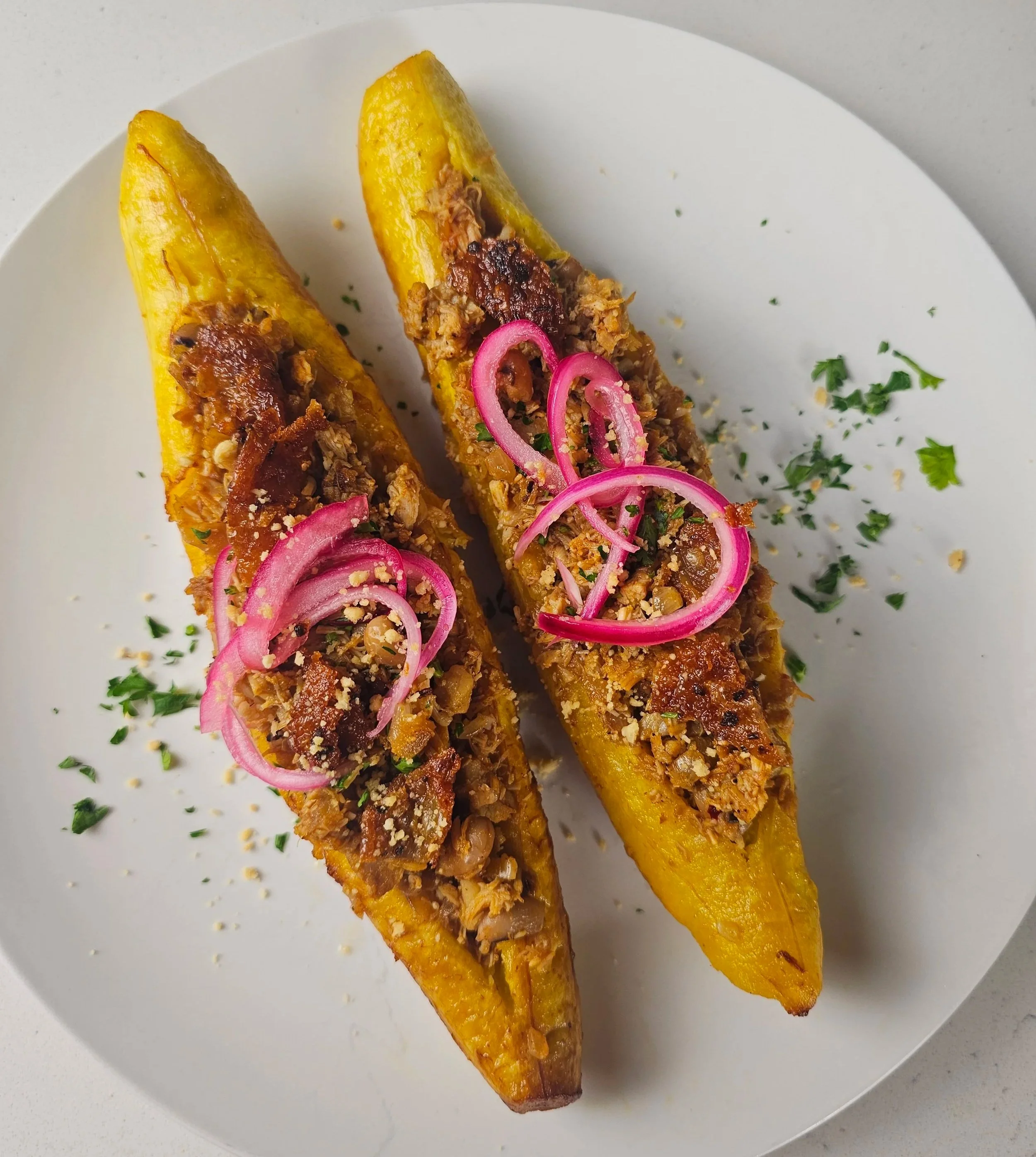
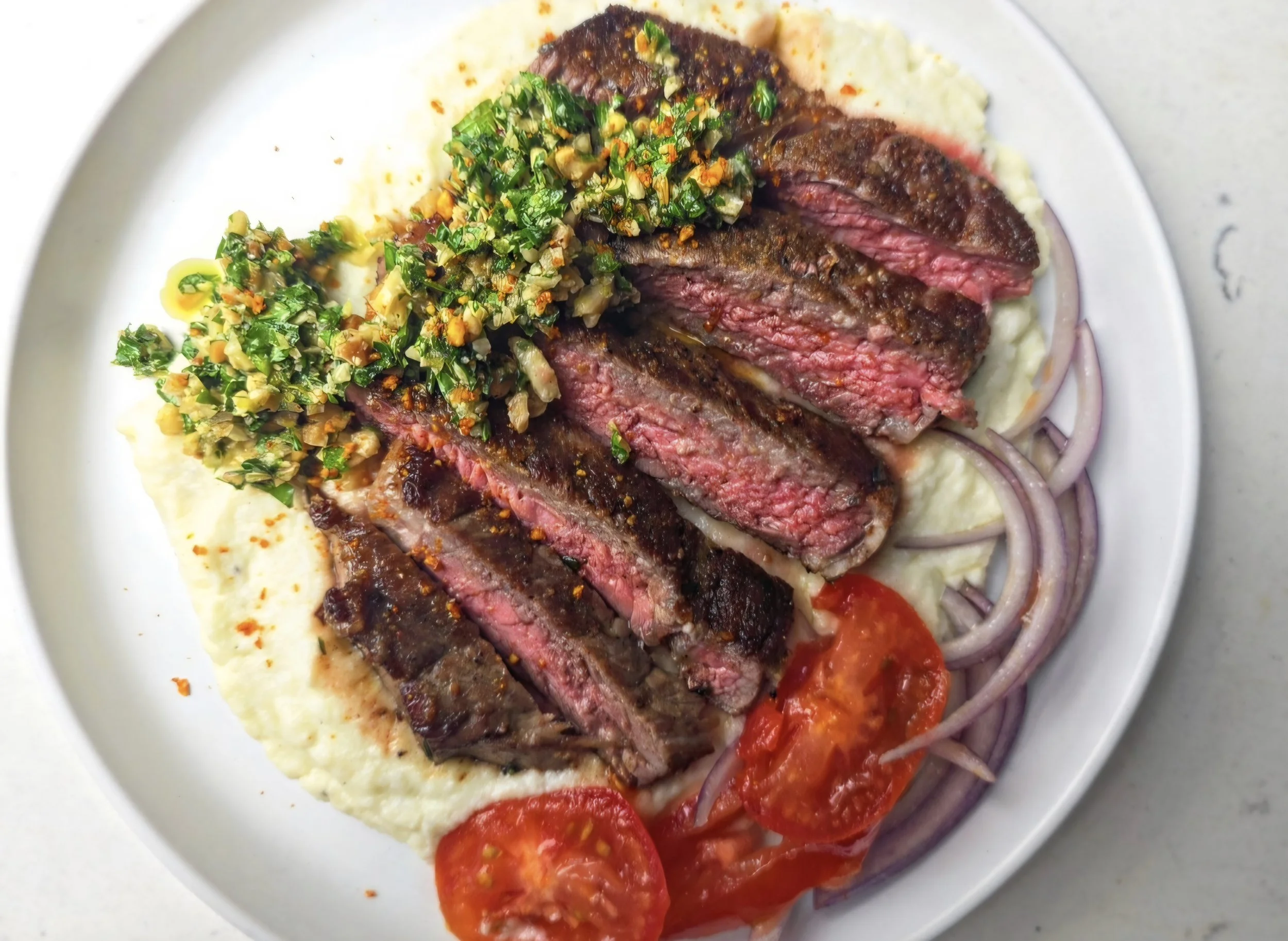
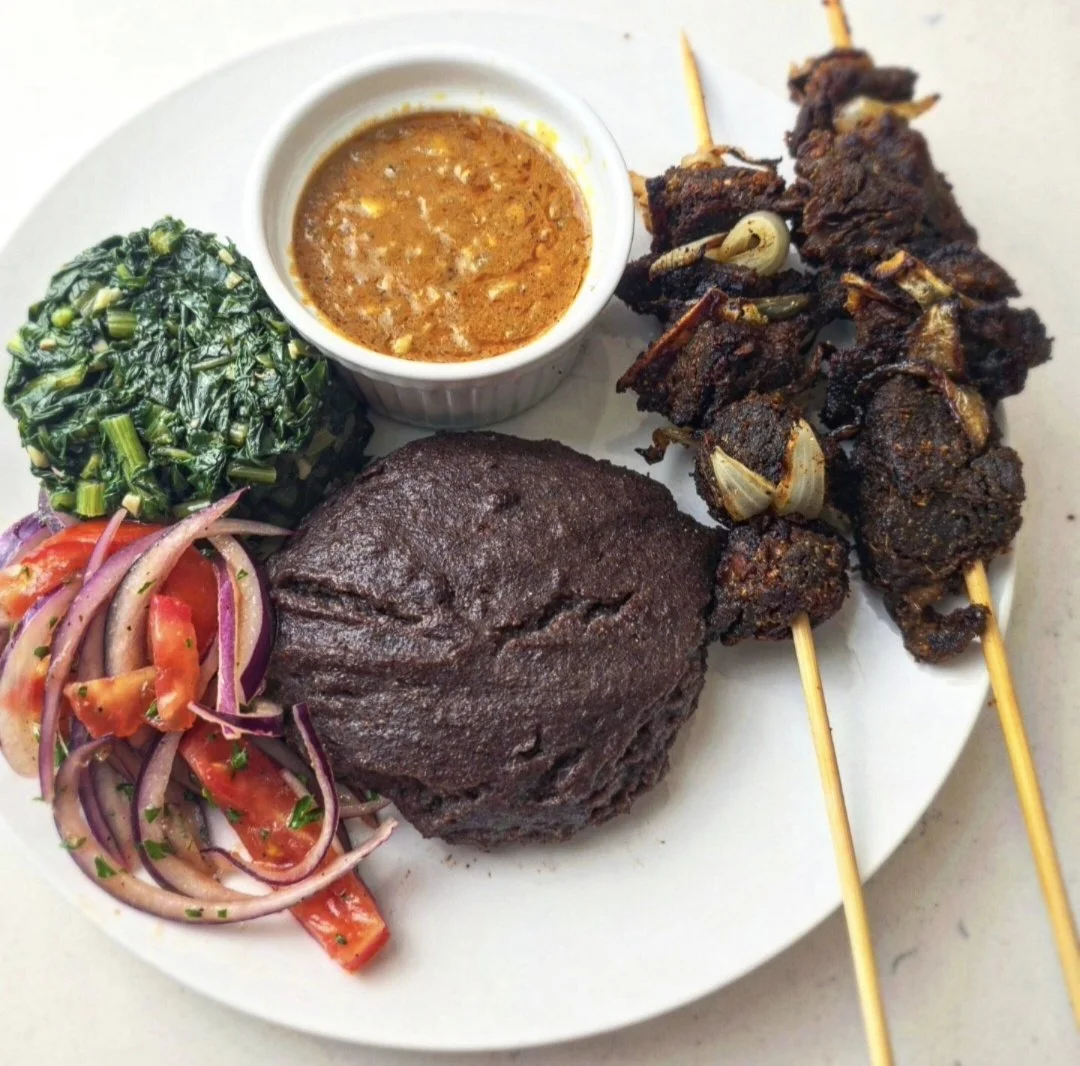
A vibrant region known for bold spice blends, layered heat, and staple ingredients like cassava, plantains, peanuts, and peppers. Dishes like jollof rice show how technique and spice come together to create something deeply rooted and fiercely celebrated. Suya spice blends, smoky grilling traditions, and rich stews are just a glimpse. The confidence of West African flavors (unapologetic, warm, and complex) runs through a lot of what you'll find here.
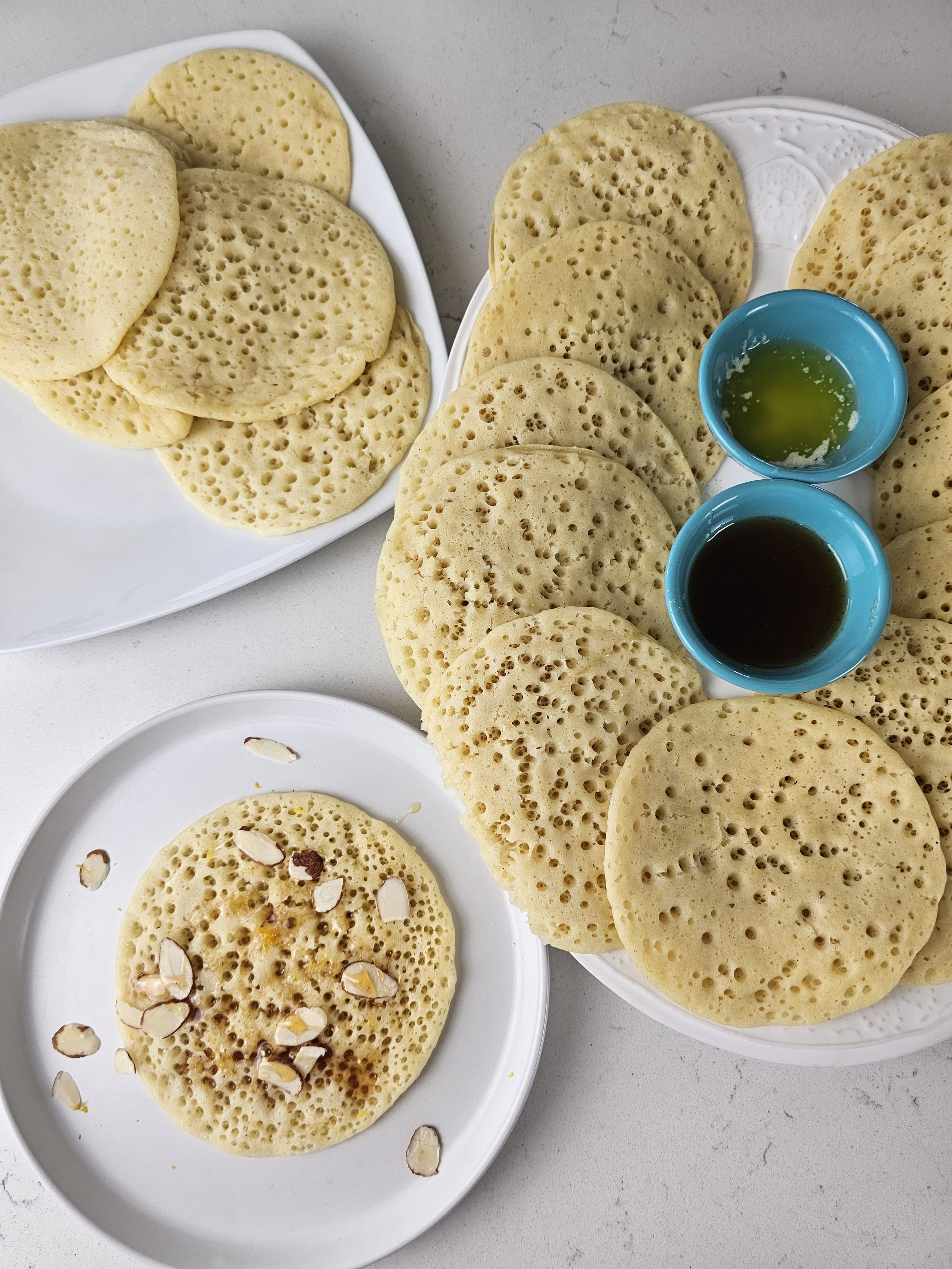
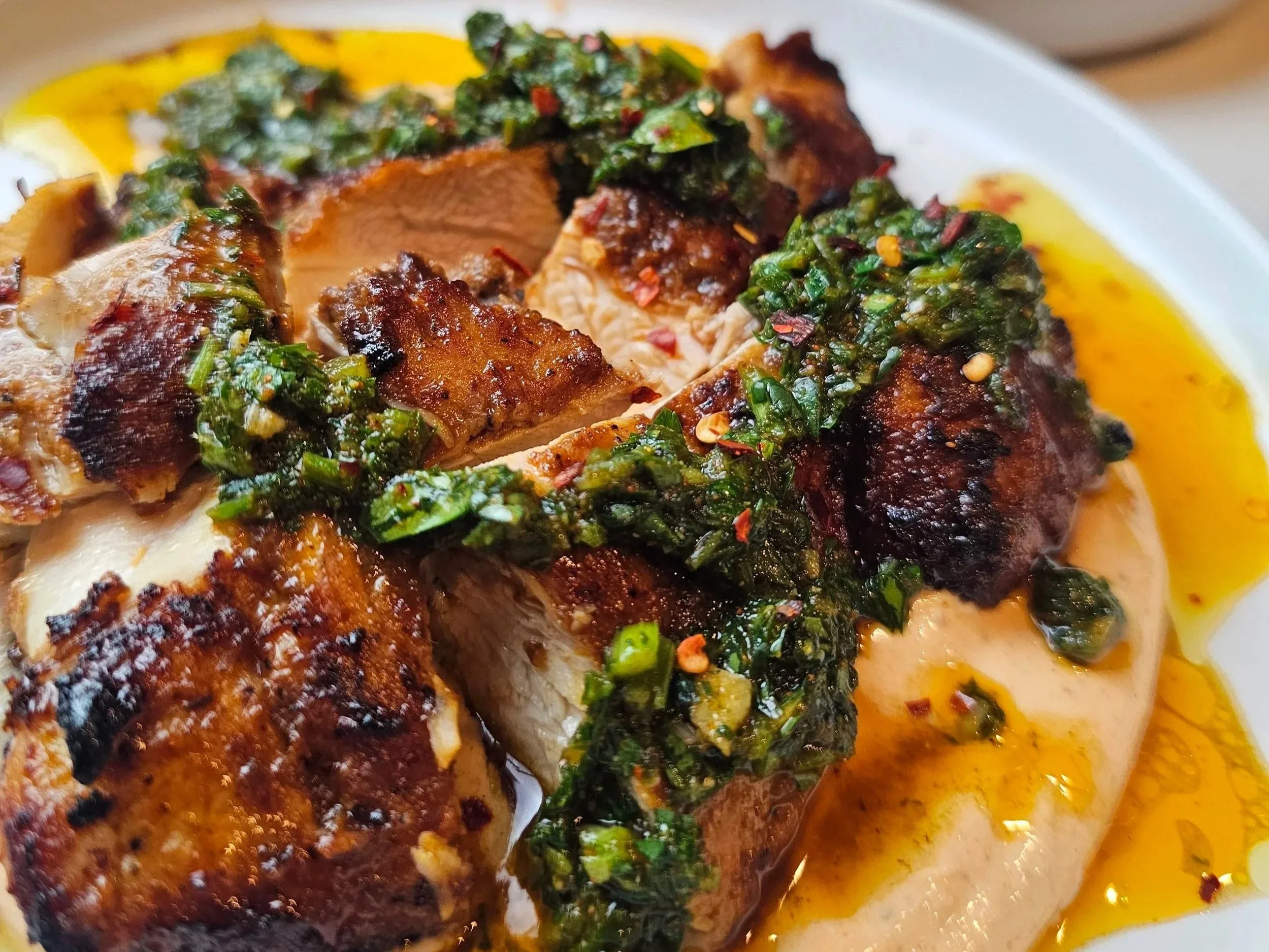

North Africa
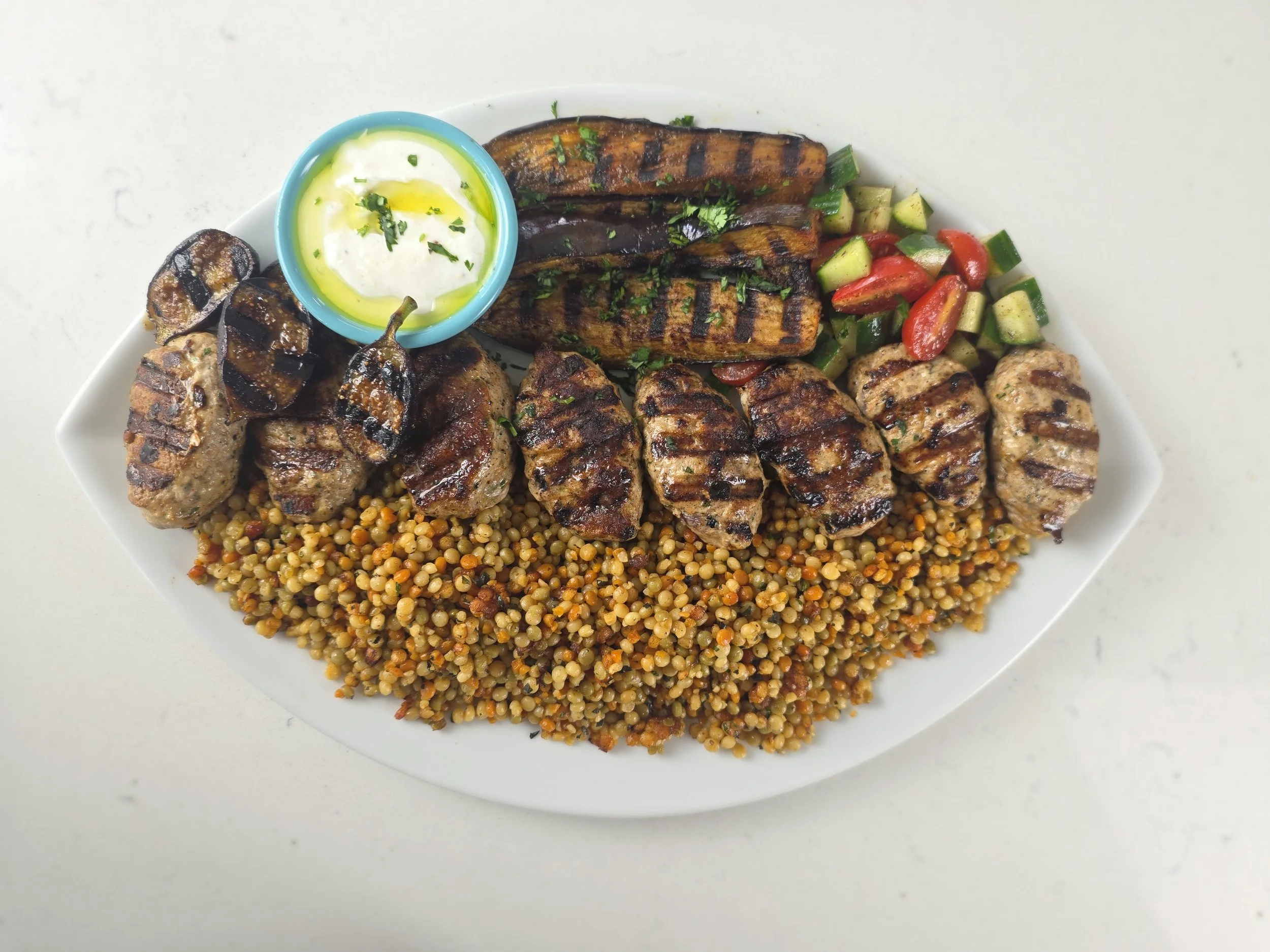
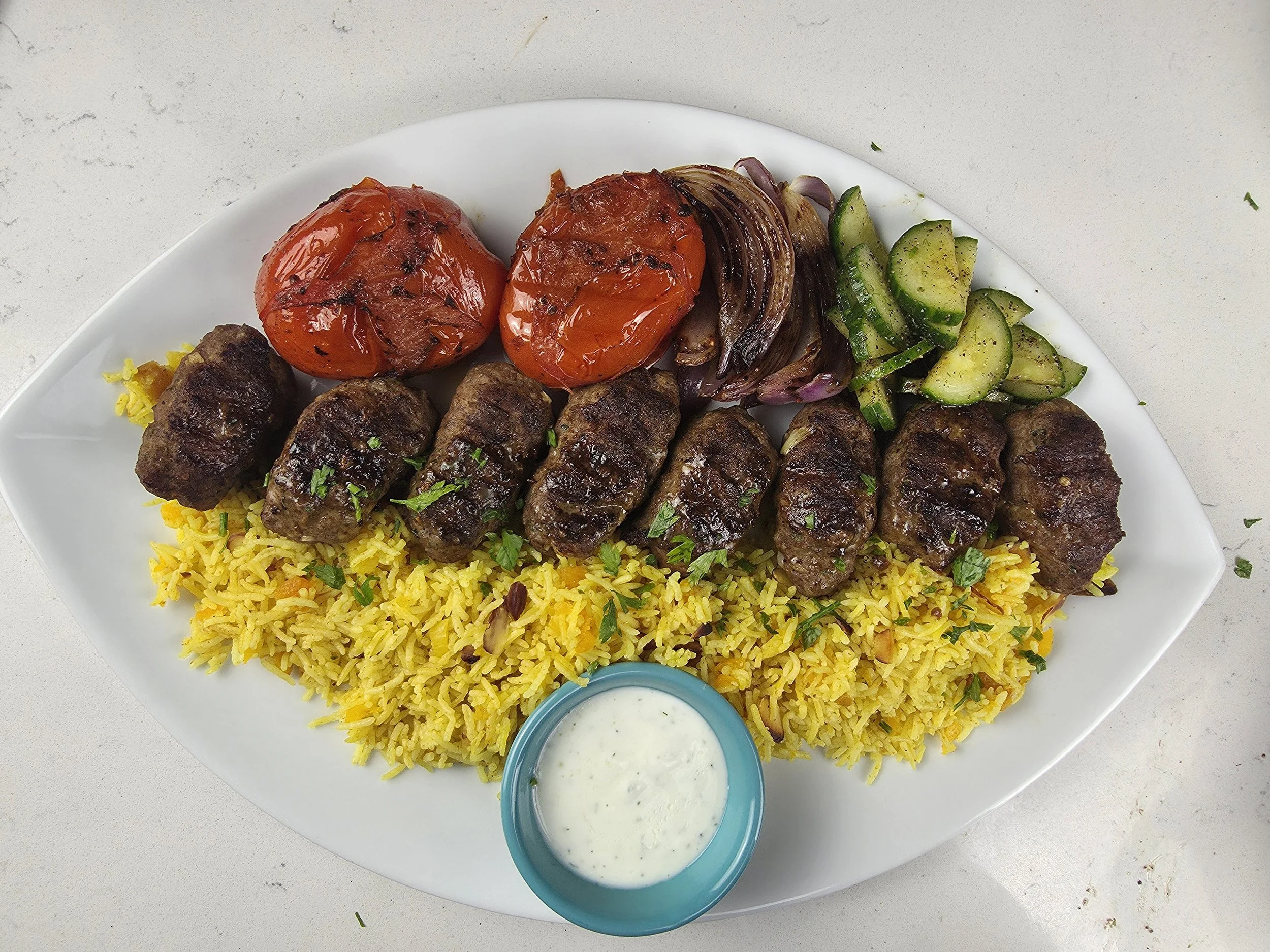
A distinct culinary identity shaped by centuries of trade across the Mediterranean and Middle East. Cumin, coriander, cinnamon, saffron, harissa, chermoula, preserved lemon, rose water, orange blossom, nuts, and honey create a layered flavor landscape that is both refined and rustic. The balance of warmth, fragrance, and texture — particularly how spice and sweetness work together in savory cooking — is a constant source of inspiration.
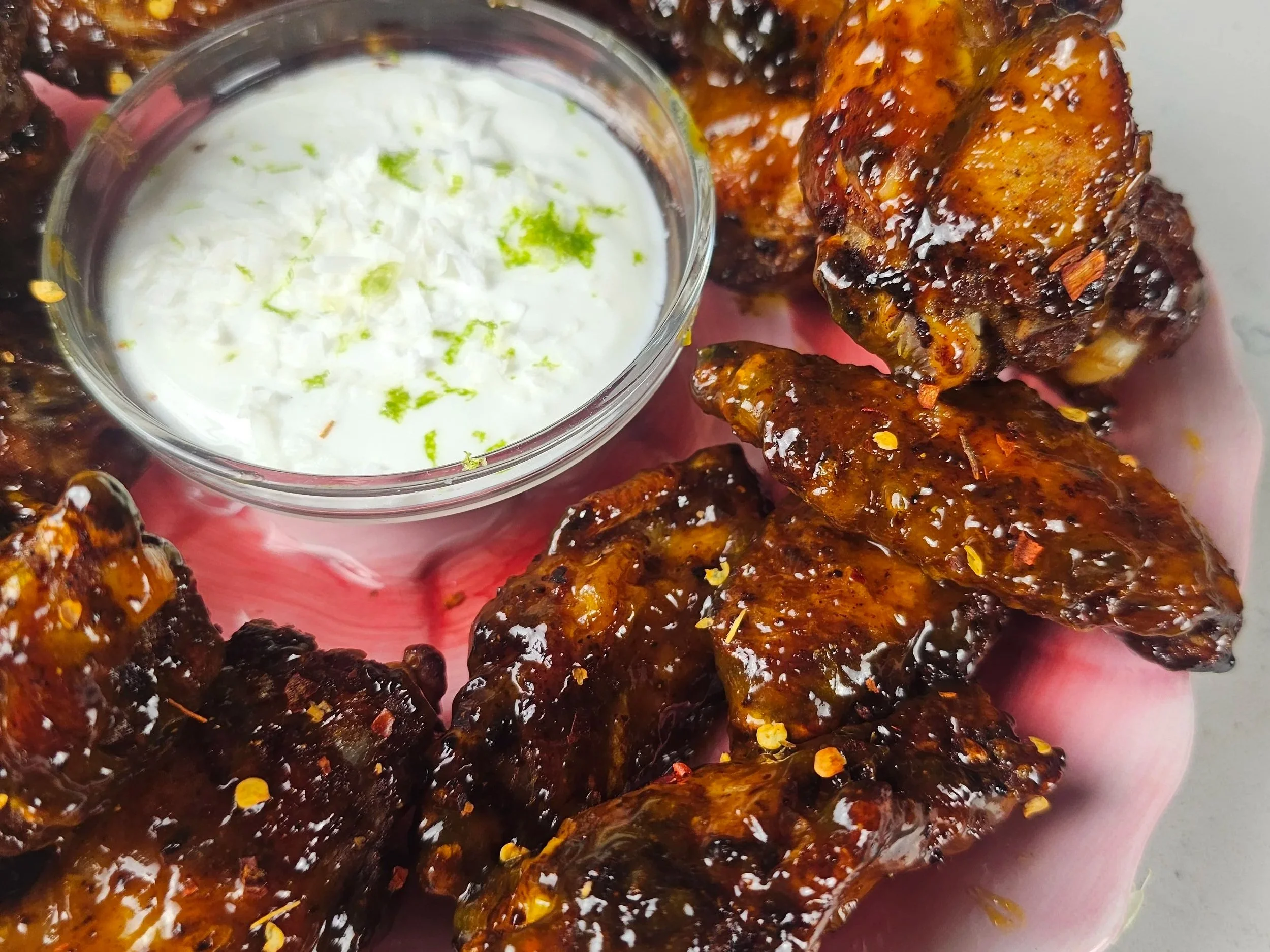
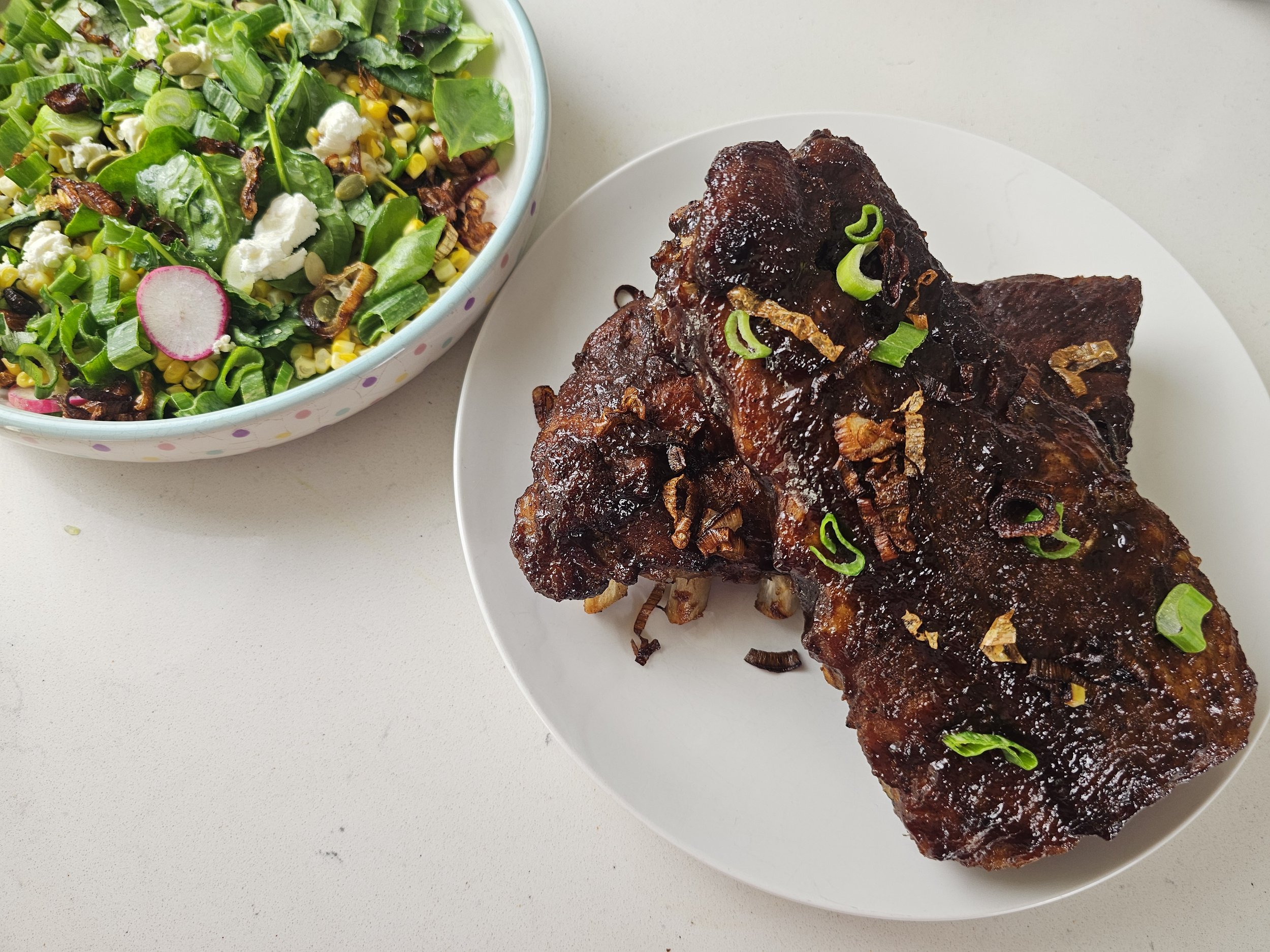
East Africa
Zanzibar is called the Spice Island for a reason. Indian Ocean trade routes shaped East African cuisine deeply — from cloves and cardamom to coconut and cashews. Ethiopian cuisine brings powerful spice blends like berbere and mitmita, while masala influences reflect long-standing connections to South Asia. Warm spices, coastal ingredients, and earthy staples make this one of the most dynamic regional foundations to cook from.
Southern Africa
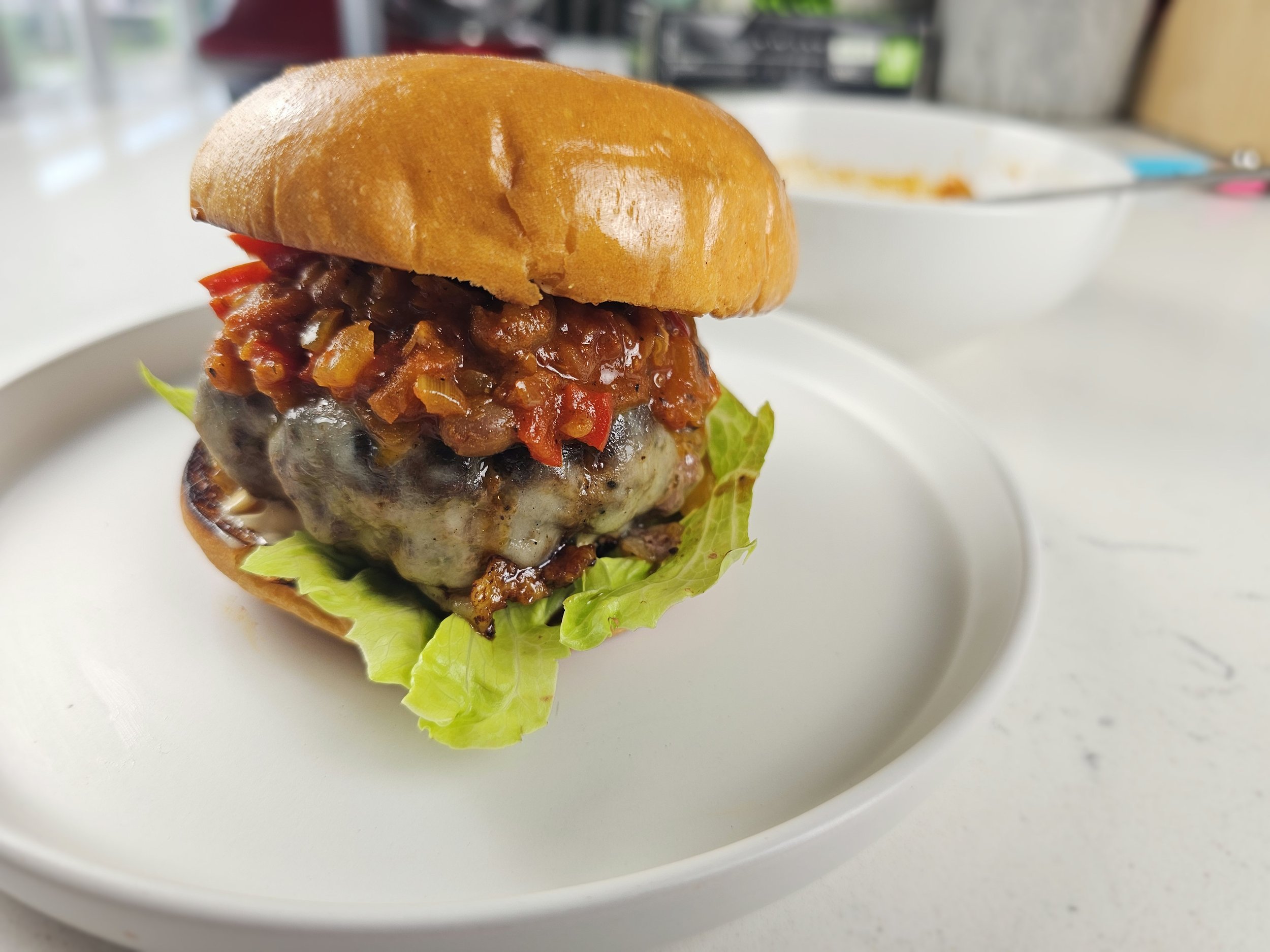
From Zimbabwe to Mozambique to South Africa, Southern African cuisine carries both simplicity and depth. The braai is central, alongside stewed greens, grain-based porridges, chutneys, chakalaka, slow-cooked meats, and the extensive use of peanut butter, pumpkin, sweet potato, beans, and local fruit. Cape Malay communities in South Africa brought Southeast Asian spice influence that still runs through the region today. Southern African food often speaks for itself — seasonal, grounded, and comforting, yet deeply nuanced when you look closer.