
My Approach
Food is not a category of content to me, it is a lens. A way of understanding how people move through the world, how memory attaches itself to flavor, and how culture is carried, quietly and constantly, through what we choose to cook and share.
My work sits at the intersection of food, travel, and storytelling, but not in the sense of constant production or performance. I work in cycles. I observe, I travel, I read, I cook, I absorb. Then I return to the kitchen with something more than a recipe, a question, a connection, or a story that wants to take shape through food. I am less interested in speed and repetition, and more interested in depth and return.
Food, to me, is a form of exchange. Ingredients travel, people travel, techniques shift and adapt, and dishes evolve as they move between homes, countries, and generations. I don't believe in rigid ownership of food. I believe in acknowledging origin while recognizing that transformation is part of how culture stays alive. History matters and context matters, but respect does not require rigidity. Food can be both rooted and fluid.
This perspective is shaped by migration. Moving from Zimbabwe to the United States changed how I understand food entirely. What might have remained observation became participation, and living within cultural overlap revealed food not as something fixed, but as something continuously negotiated, at home, in restaurants, in markets, and in memory.
Cooking is not production, it is reflection. A way of asking where something comes from, and what it means to bring it into your kitchen. Food is a portal, not just to culture, but to attention itself, to slowing down enough to notice the relationships between land, people, history, and taste.
I return to food not because it is constant, but because it is endless.
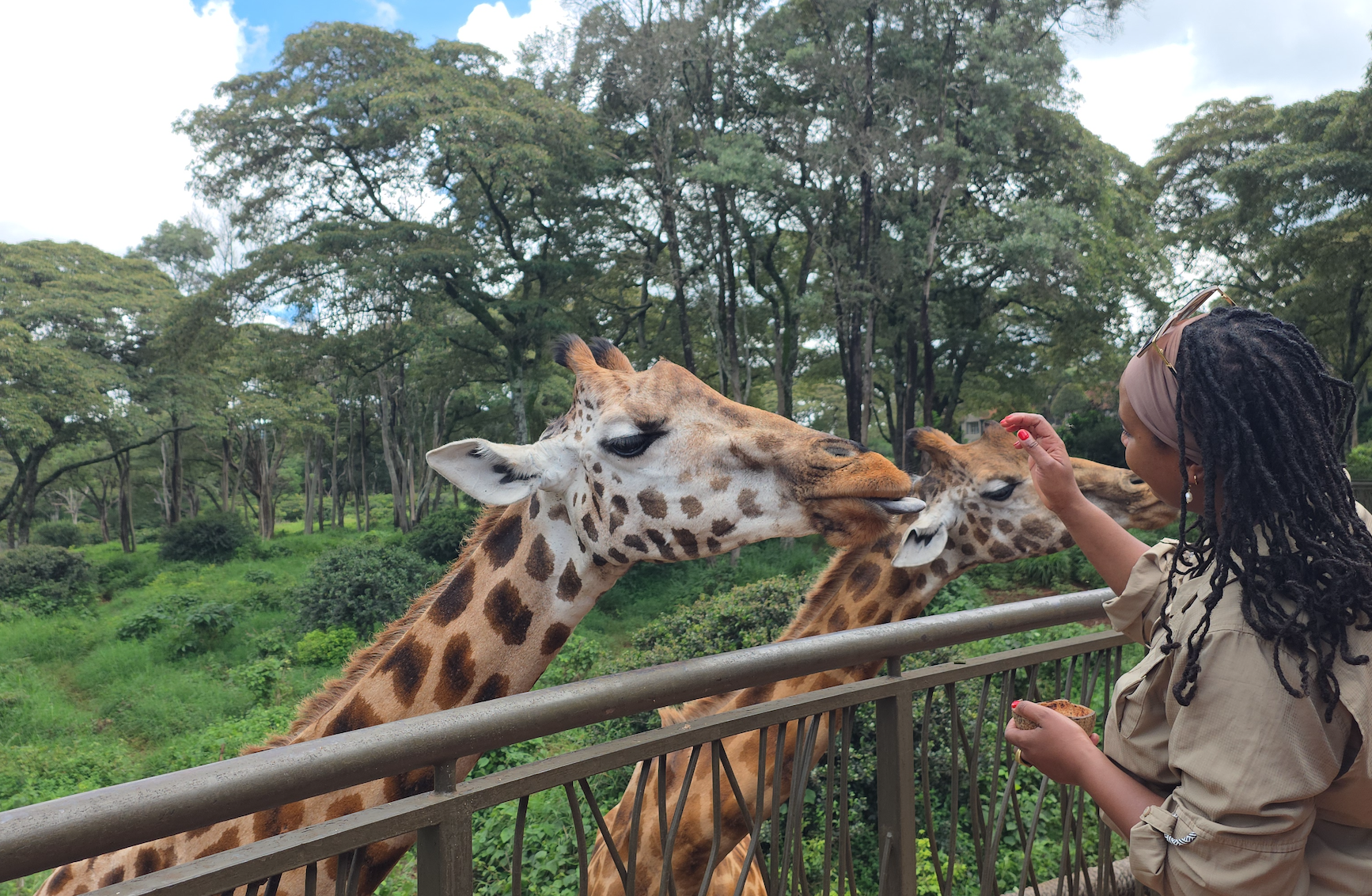
“My work sits at the intersection of food, travel, and storytelling, but not in the sense of constant production or performance. I work in cycles. I observe, I travel, I read, I cook, I absorb.”
On the Ground
Food has always made more sense to me in person, in the market, at the table, in conversation. This is an ongoing archive of those explorations, documented from the field. Projects and videos are currently in progress.
Rural Zimbabwe — Food, Wellness, and Generational Knowledge (Upcoming)
A short documentary exploration of rural food traditions and everyday wellness practices. This includes conversations around indigenous herbs, traditional preparation methods, and the role of food in sustaining both health and cultural memory within family life.
This work is especially focused on intergenerational knowledge—what is preserved, what is changing, and what risks being lost.
Nairobi, Kenya — Urban Food Exploration (Upcoming)
Exploring Nairobi through its food spaces, moving between restaurants, markets, and everyday food environments. Kenya is a particularly compelling place to do this work, sitting at the crossroads of so many cultures, histories, and influences that its food tells several stories at once.
This work focuses on how a modern African city expresses identity through what it serves, how it serves it, and how people move through those spaces.
Lisbon, Portugal — Diaspora Food Mapping (Upcoming)
Portugal's colonial history left a long reach, and Lisbon is where you can taste it. African, Caribbean, and Brazilian food communities have shaped the city's culinary identity in ways that don't always make it into the tourist conversation.
This work explores those spaces, focusing on migration, adaptation, and how food becomes a marker of memory, belonging, and reinvention when you're far from home.