
Eating in Harare: 18 Places Worth Your Time (An Honest Guide)
Harare has a way of surprising people. Not in the dramatic, postcard sense that other African capitals lean into, but quietly. In the way the jacaranda trees line the roads in violent purple each November, or the way a suburb gives way to a kopje, or the way someone's garden has been converted into one of the best restaurants you will eat at all year. It is a city that rewards the curious and frustrates anyone arriving with assumptions. This is my honest review of eighteen places I ate at during my most recent visit, with enough detail to help you decide where your time and money are best spent, whether you are returning home for the first time in years, or arriving with no context at all and an appetite.
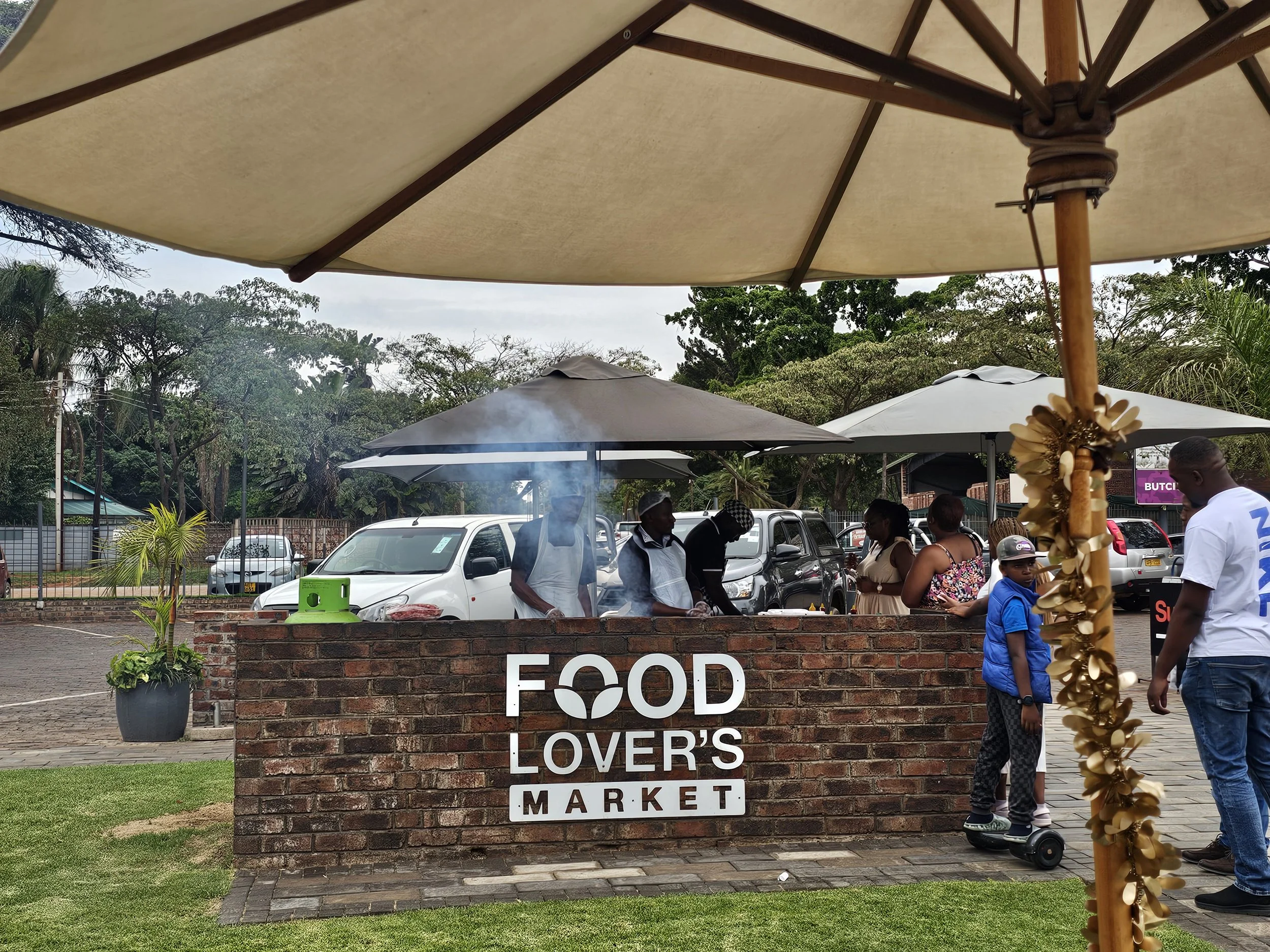
I grew up here, left, and have been returning ever since, each time through the lens of someone who thinks about food constantly. Nearly ten years of food blogging will do that to you. And what I can tell you is that the food scene in Harare is not what most people expect. It is not trying to be Lagos or Johannesburg. It is doing something quieter and, in many ways, more interesting, leaning into the quality of what the land actually produces. The meat is grass-fed. The fruits and vegetables carry real flavour. The grain is good. That foundation matters more than any concept or décor, and the best restaurants here know it.
What you find here is pockets of almost everything. Spacious family restaurants and suburban homes with gardens converted into dining rooms. Spots tucked deep into the CBD. Places to eat inside golf courses, which makes more sense than it sounds. There are long-standing local institutions and newer arrivals, many with roots in South Africa, bringing a different energy and occasionally a different standard. The people are warm and industrious, and the sense of community across the suburbs and townships is something you feel almost immediately. Your experience of the city will depend enormously on what you are there for, where you are staying, and who you are with.
Three Monkeys — Greendale
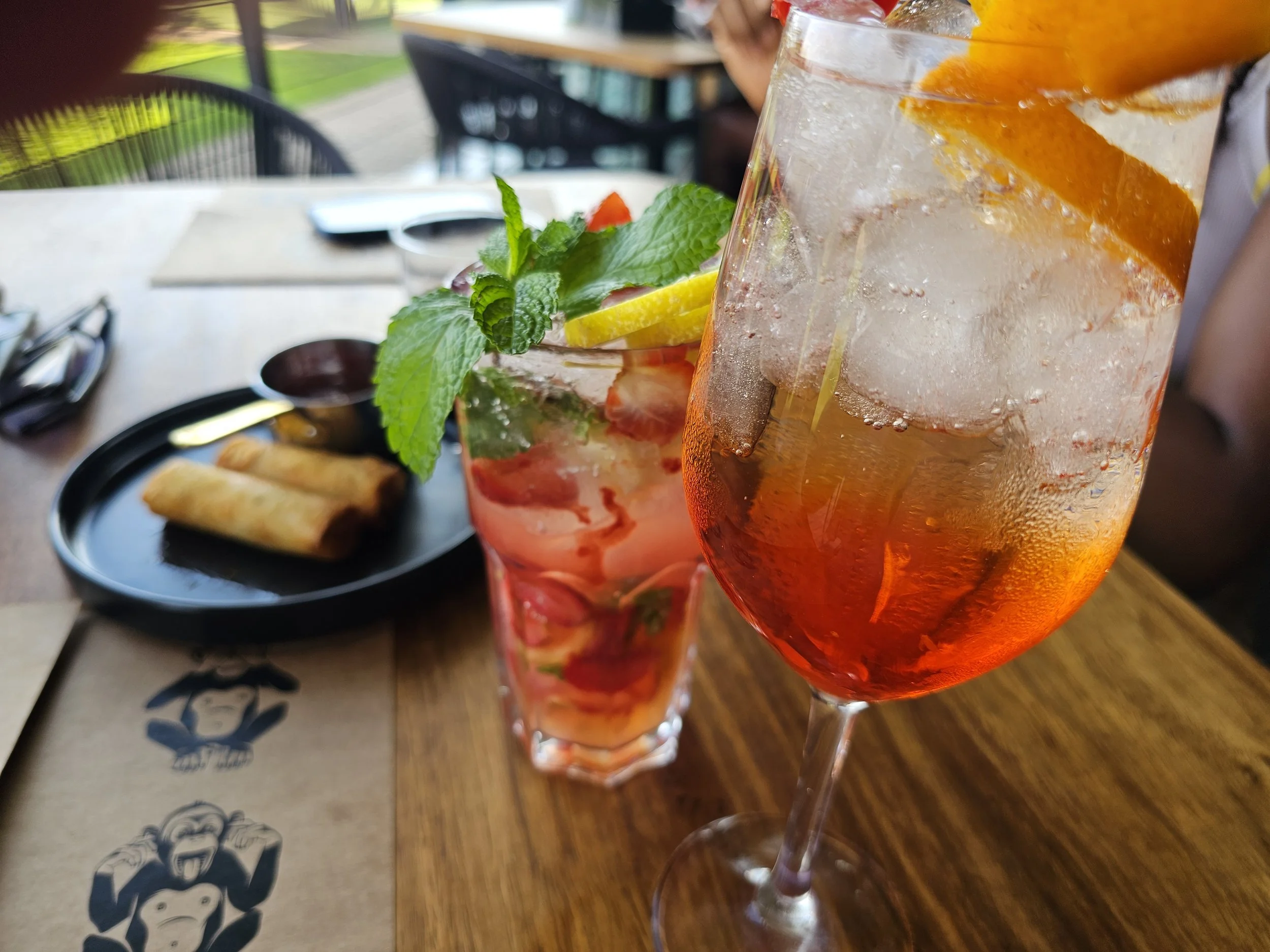
Three Monkeys has a reputation for burgers, pizzas, and cocktails, and it earns that reputation under the right conditions. The outdoor space does a lot of the work: open, scenic, a water feature that softens the noise. The catch is that the crowd shifts dramatically depending on when you turn up. Midweek it is relaxed. Weekend nights are a different restaurant entirely.
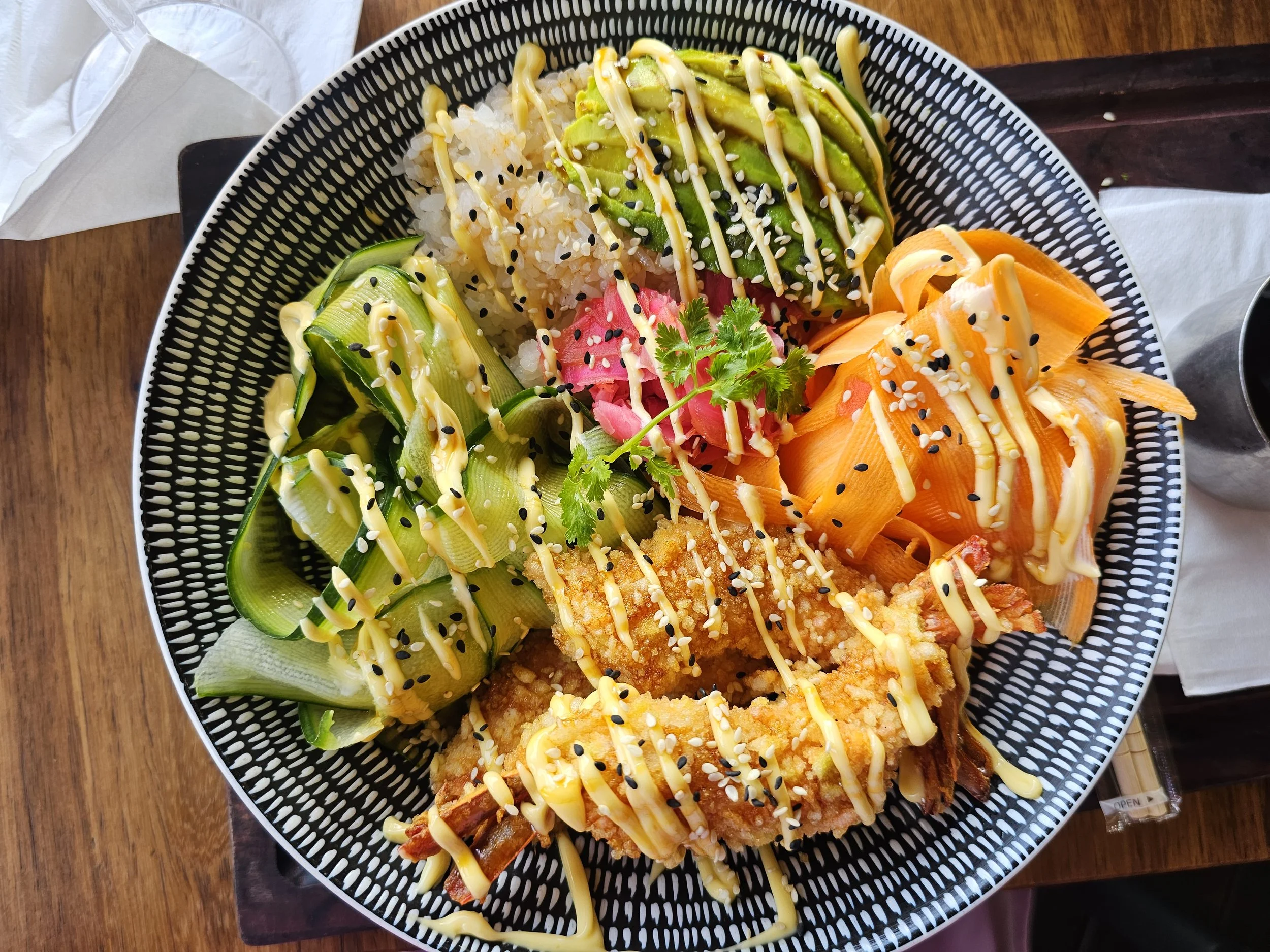
The surprise here was the poke bowl. I ordered it with crusted prawns, mostly out of curiosity, and it arrived fresh, properly sauced, and generous in a way that suggested somebody in that kitchen actually cares about it. Poke is not what I came to Greendale expecting to be impressed by, but here we are. Before that, an Aperol Spritz, a strawberry mojito, and veggie spring rolls that did their job without demanding much attention.
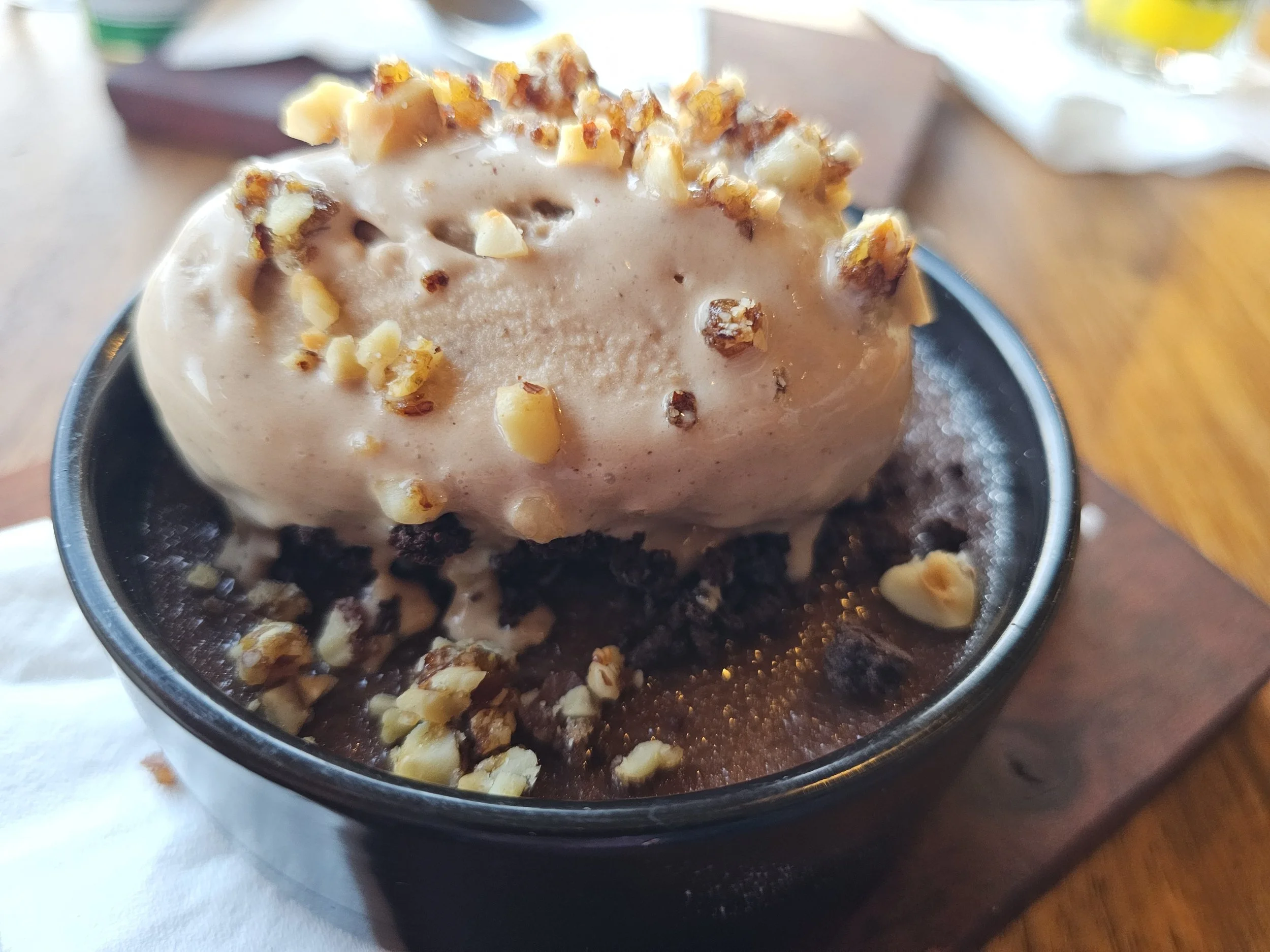
The chocolate brûlée was closer to a pot de crème, which is fine, though it came topped with ice cream. This seems to be a thing in Harare, and I have not made peace with it. Satisfying enough, but I would have preferred to taste the custard on its own terms. If you want the place at its best, go midweek.
La Parada — Chisipite
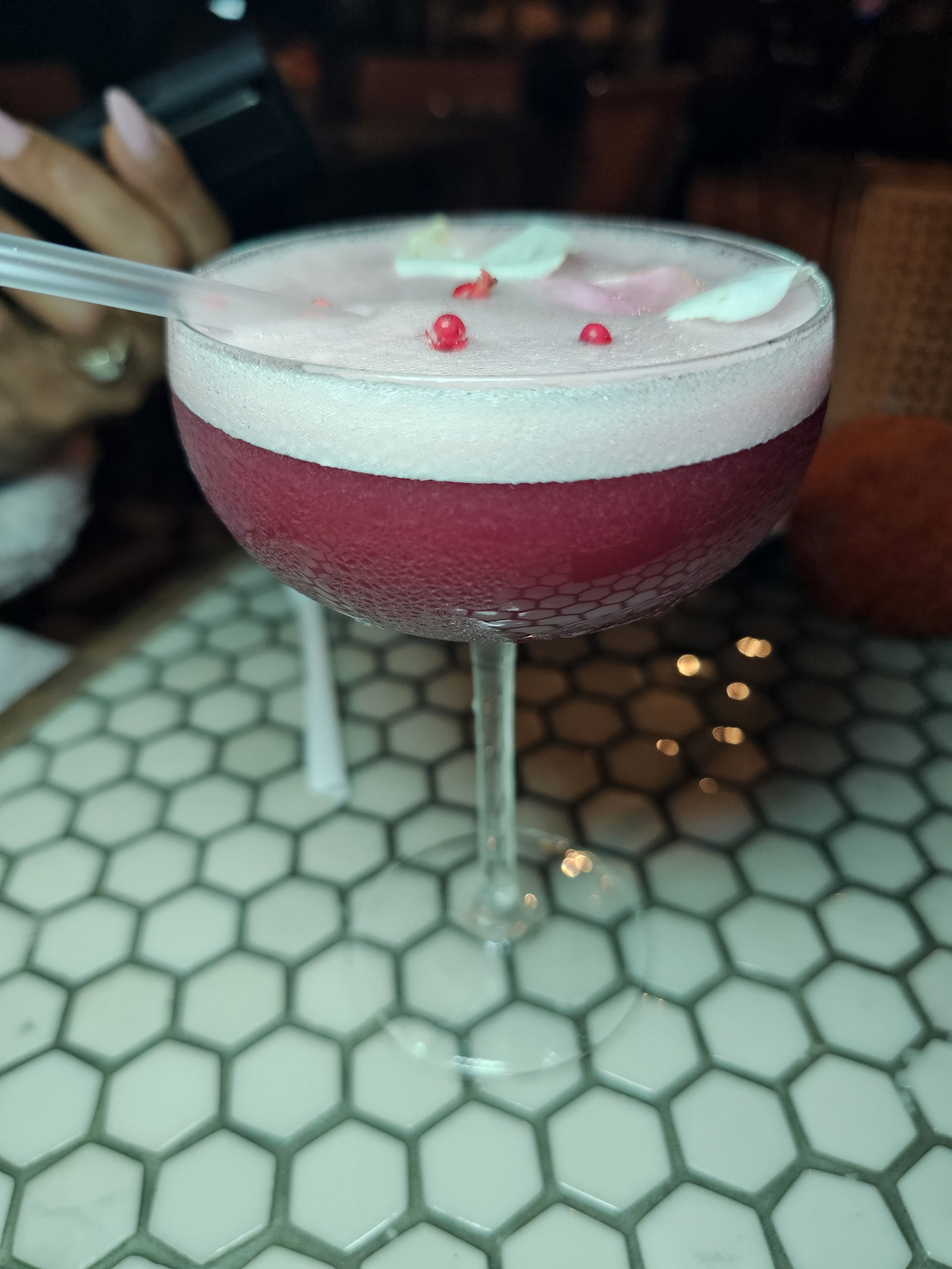
La Parada is where the who's who of the city goes, and it knows it. The original is South African and the Harare outpost has imported the same energy wholesale: a beautiful garden, tapestry strung across the ceiling, a bar that anchors the whole room, and a cocktail list long enough to be a menu in its own right. On a Friday or Saturday night there is a DJ and the place transforms. On a Tuesday it is an entirely different restaurant. Both are worth seeing if you want the full picture.
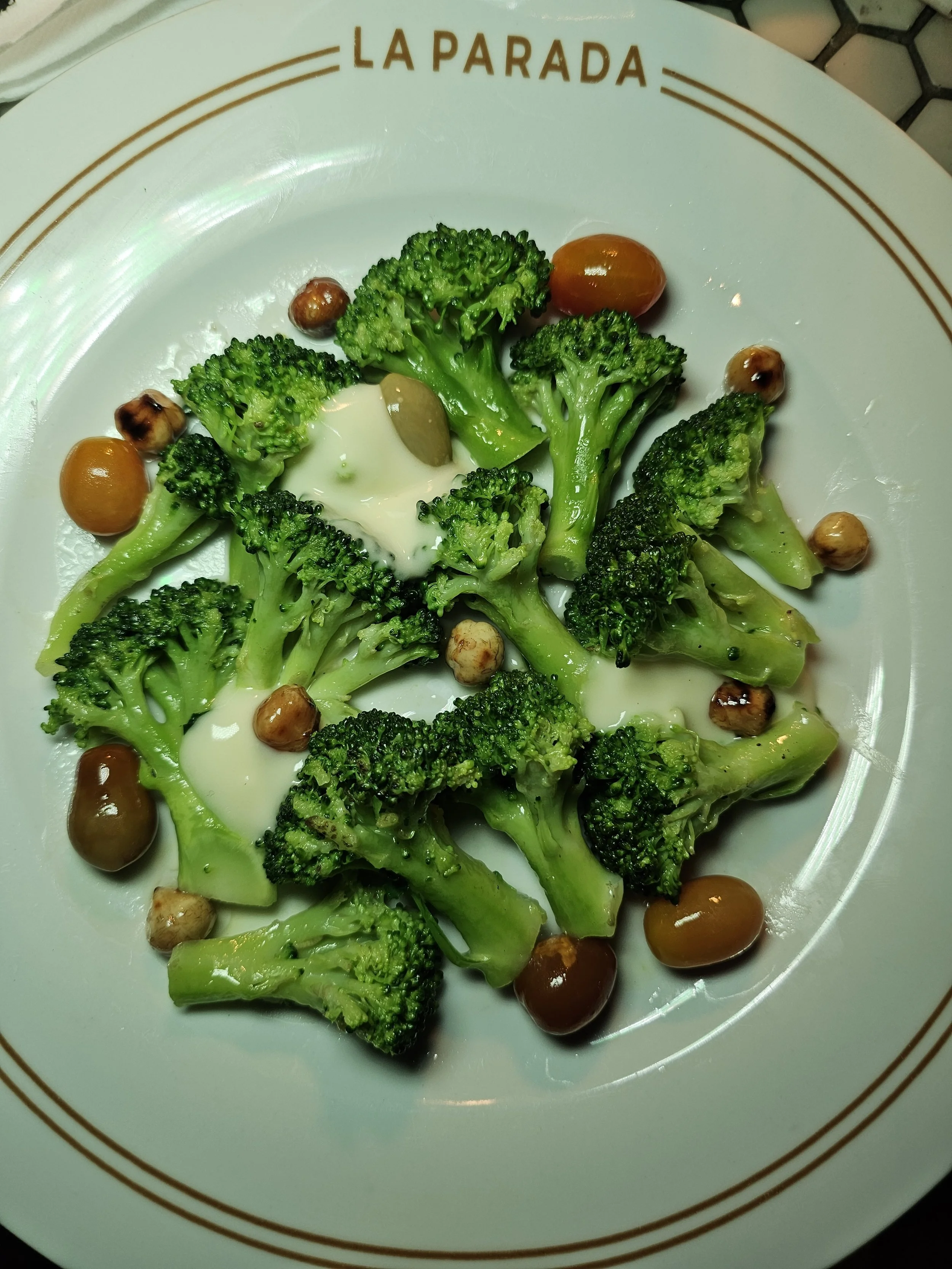
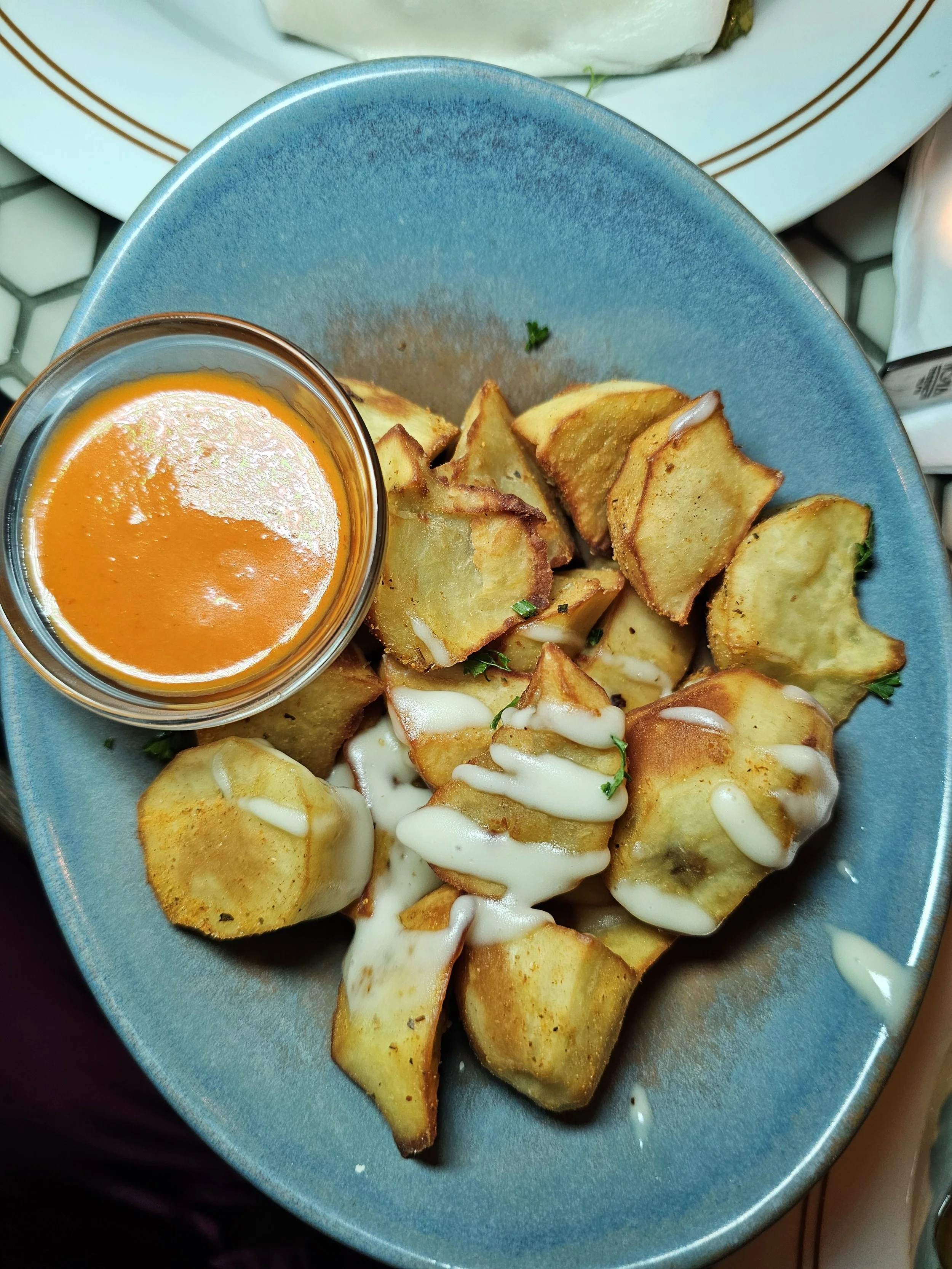
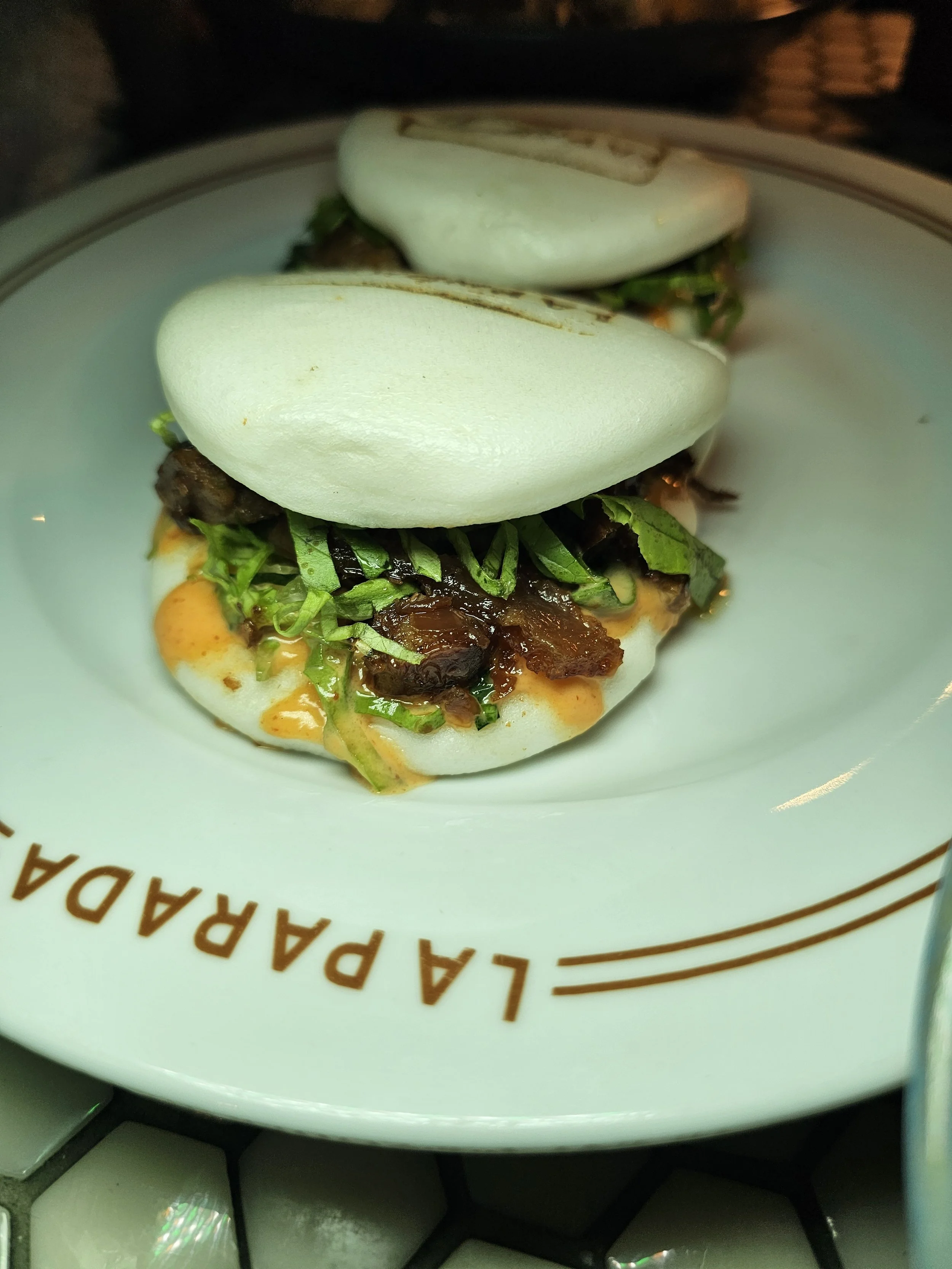
The food is where I have reservations. It is fine, but the menu is sprawling and global in a way that works against the Spanish identity the name implies. My favourite thing I ate there was the pork belly bao buns, which are Chinese. Make of that what you will.
Service was inconsistent the night we went, which takes some of the shine off. I would still go back without hesitation, because what La Parada is actually selling is atmosphere and it delivers that reliably. Just do not come expecting to keep the bill down.
Mozambik — Chisipite, Multiple Locations
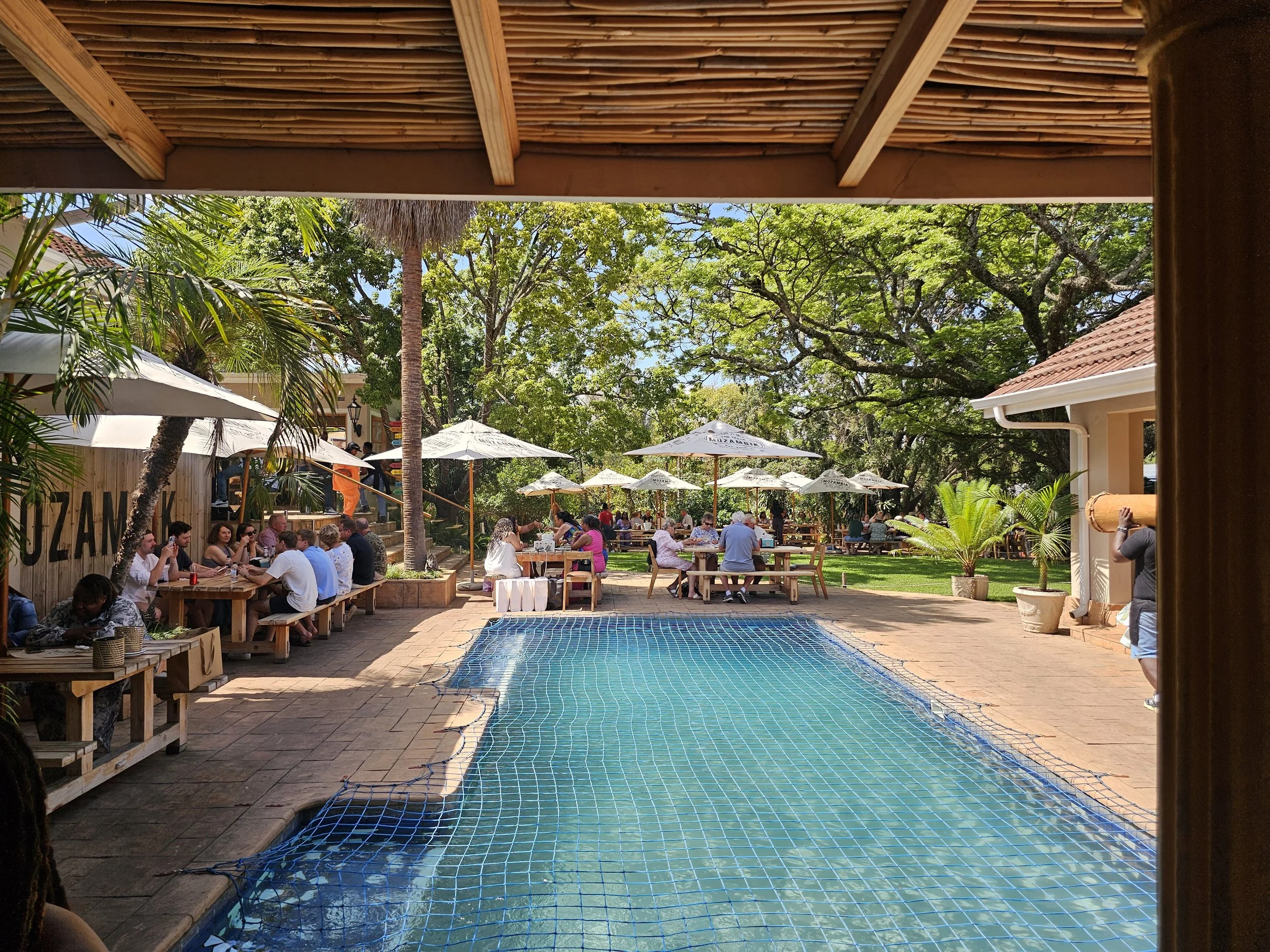
If you are already at La Parada, walk next door. Mozambik is a beautiful house converted into a restaurant with a pool sitting in the middle of it, and the atmosphere is one of my favourites in the entire city. Where La Parada is selling a scene, this is selling a long, easy meal with people you actually like.
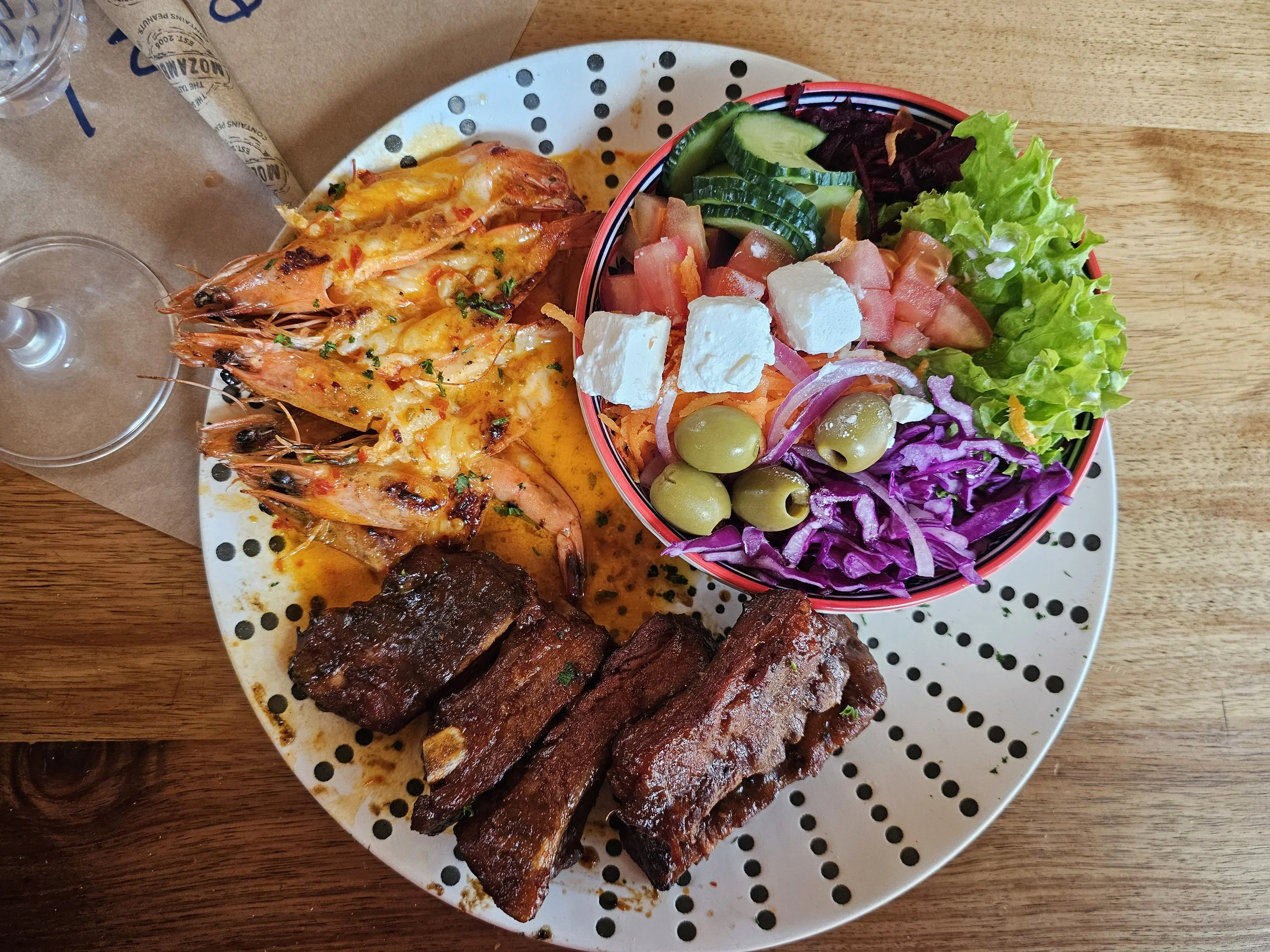
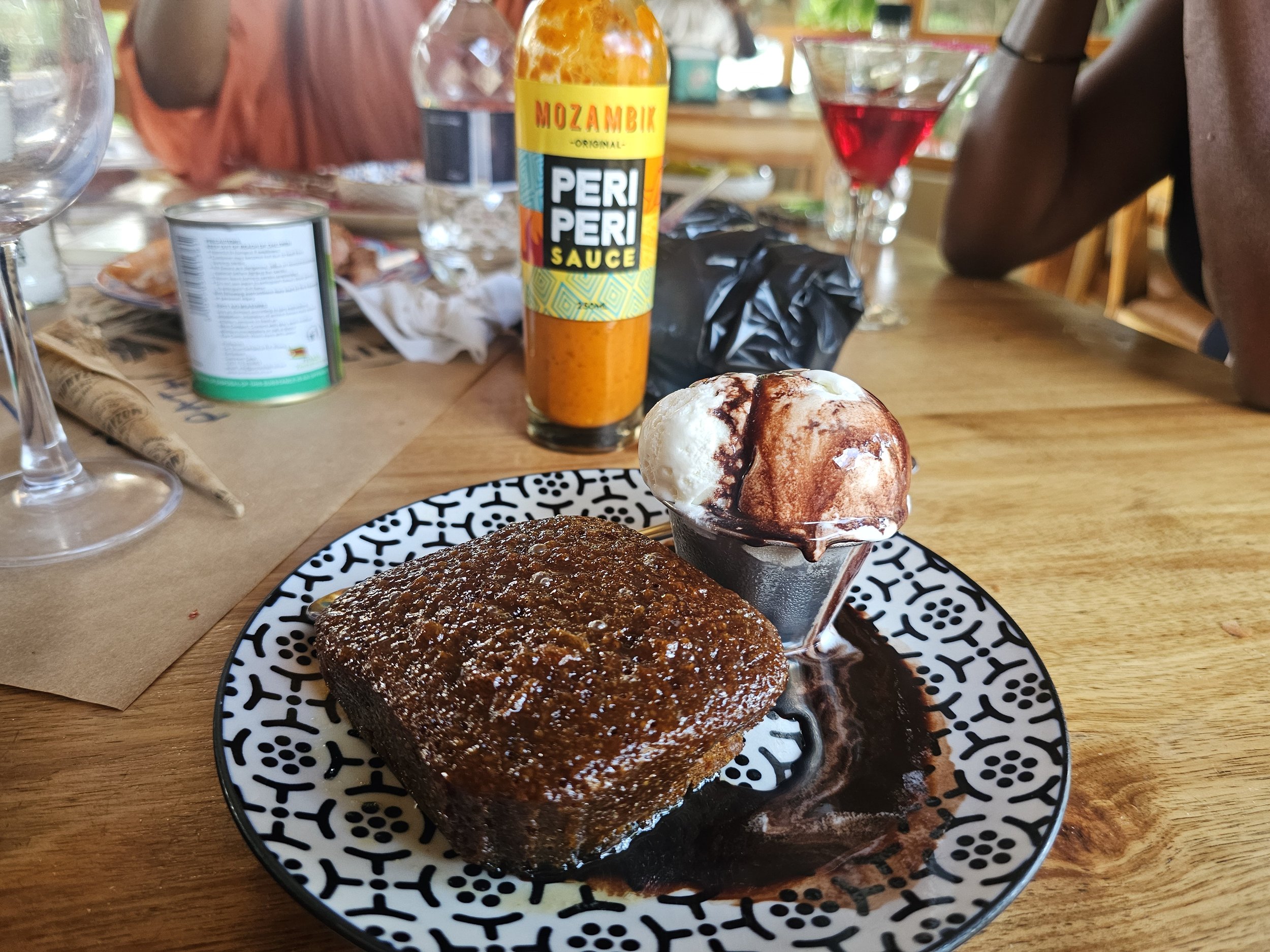
The kitchen delivers on what Portuguese-African promises, which is bold and fresh. They bring out a little cigar of nuts while you wait, a small touch that tells you somebody thought about the experience. We drank Portuguese Vinho Verde and rosé, started with the squid heads, and I went for the shrimp and rib platter with a Greek salad. That platter was one of the best things I ate on the entire trip. The seafood is clearly where their attention goes and you can taste it. I took a bottle of their OG peri-peri sauce home and it is still in my fridge.
Dessert was malva pudding, and it was good, though I will tell you later in this post where I had one that edged it out. There are four locations across the city, so you are likely to find one near wherever you are staying.
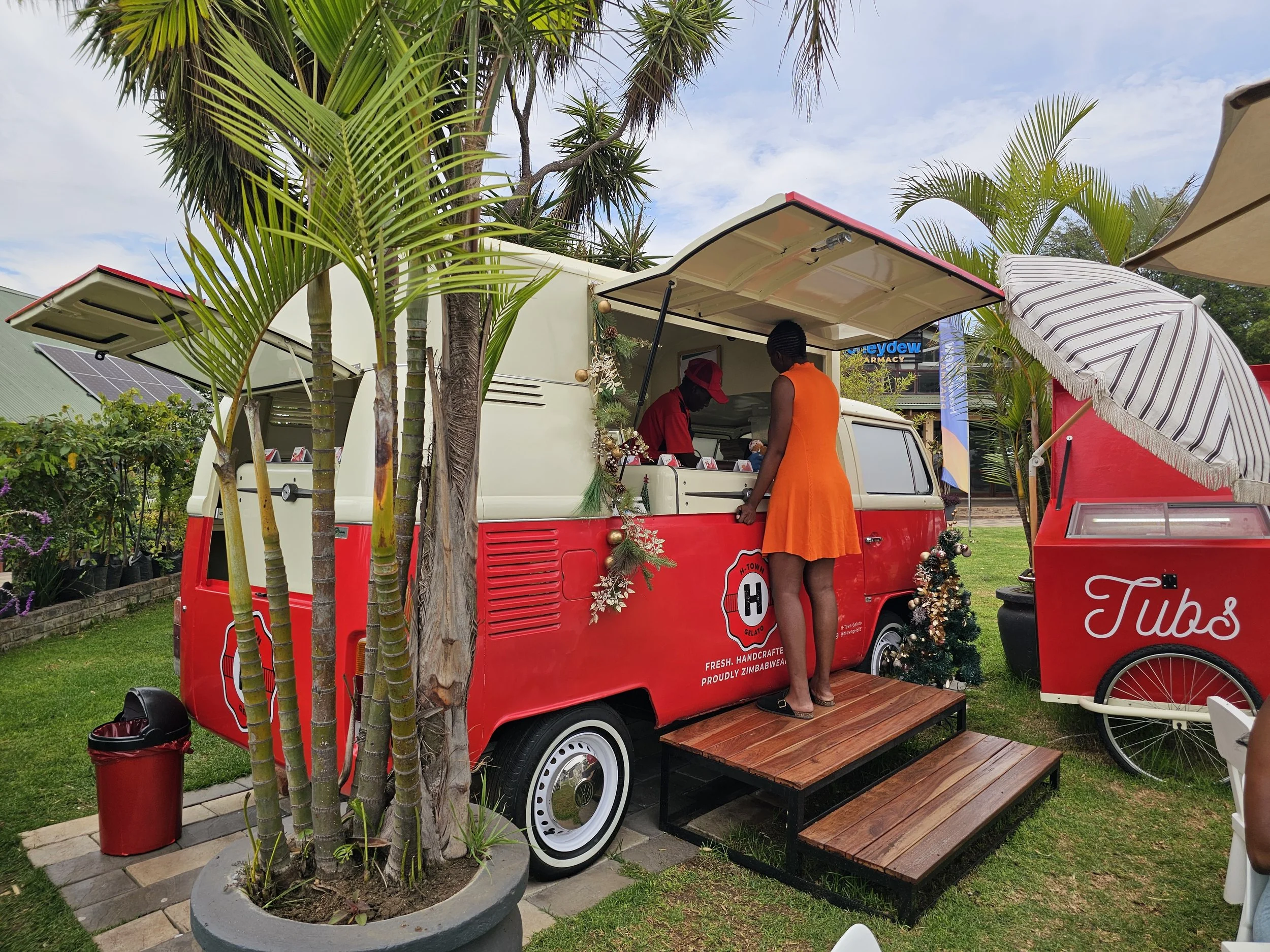
H-Town Gelato — Greendale, Multiple Locations
H-Town Gelato is that stranger you meet at a party, have the most interesting conversation of the night with, and then they leave early. That was genuinely my experience.
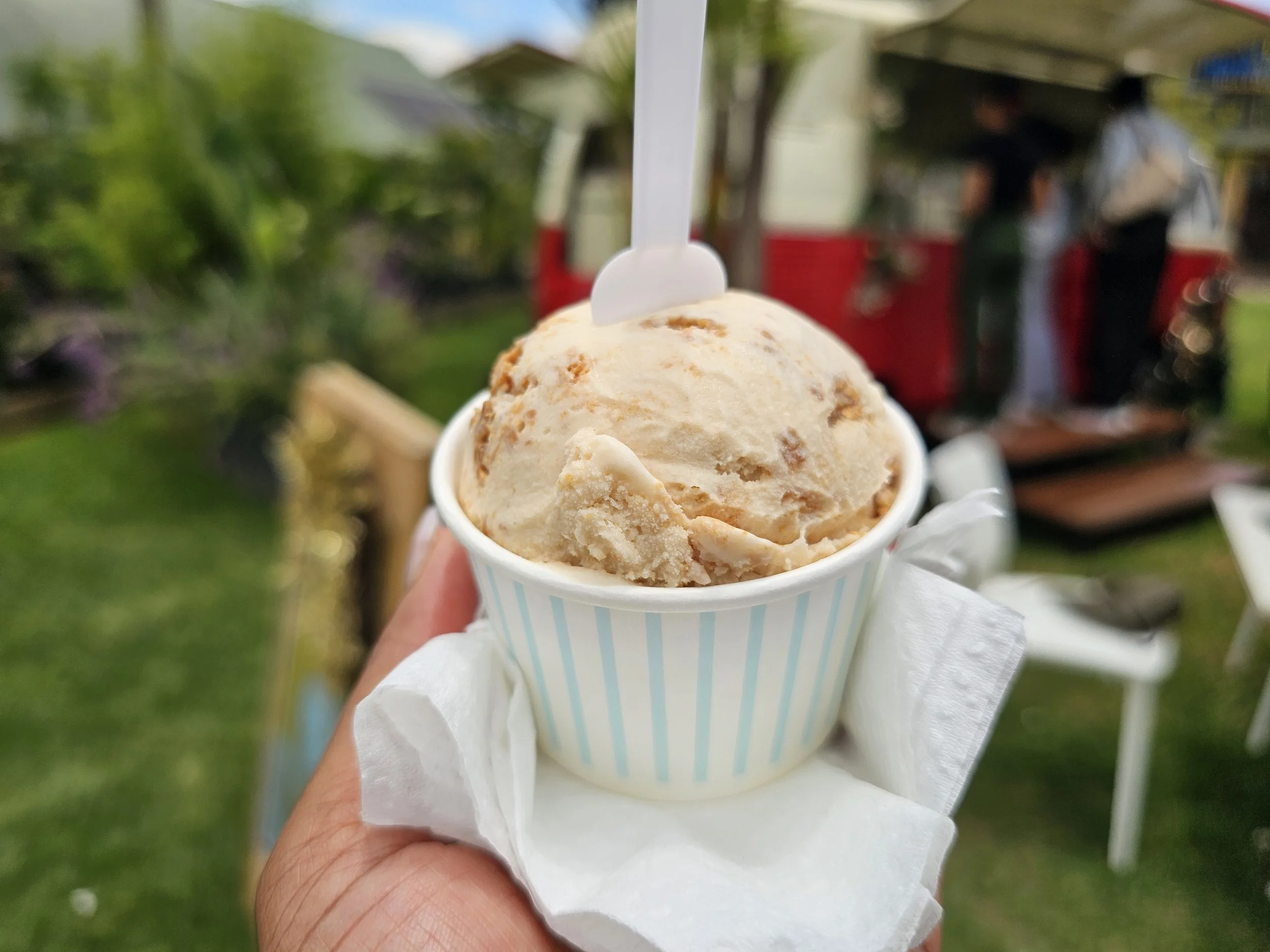
This is an artisan operation built on fresh local ingredients, and you can taste the difference in the flavours. The Biscoff was phenomenal. They also do a malva pudding flavour that I never got to try, and I am not fully over it. I found them at their van in Greendale, which is as picture perfect as it sounds, though locations are popping up around the city now. My only real complaint is structural: if they ever introduced flights so you could sample properly, I would be a permanent fixture.
Pizza Inn — Borrowdale, Nationwide
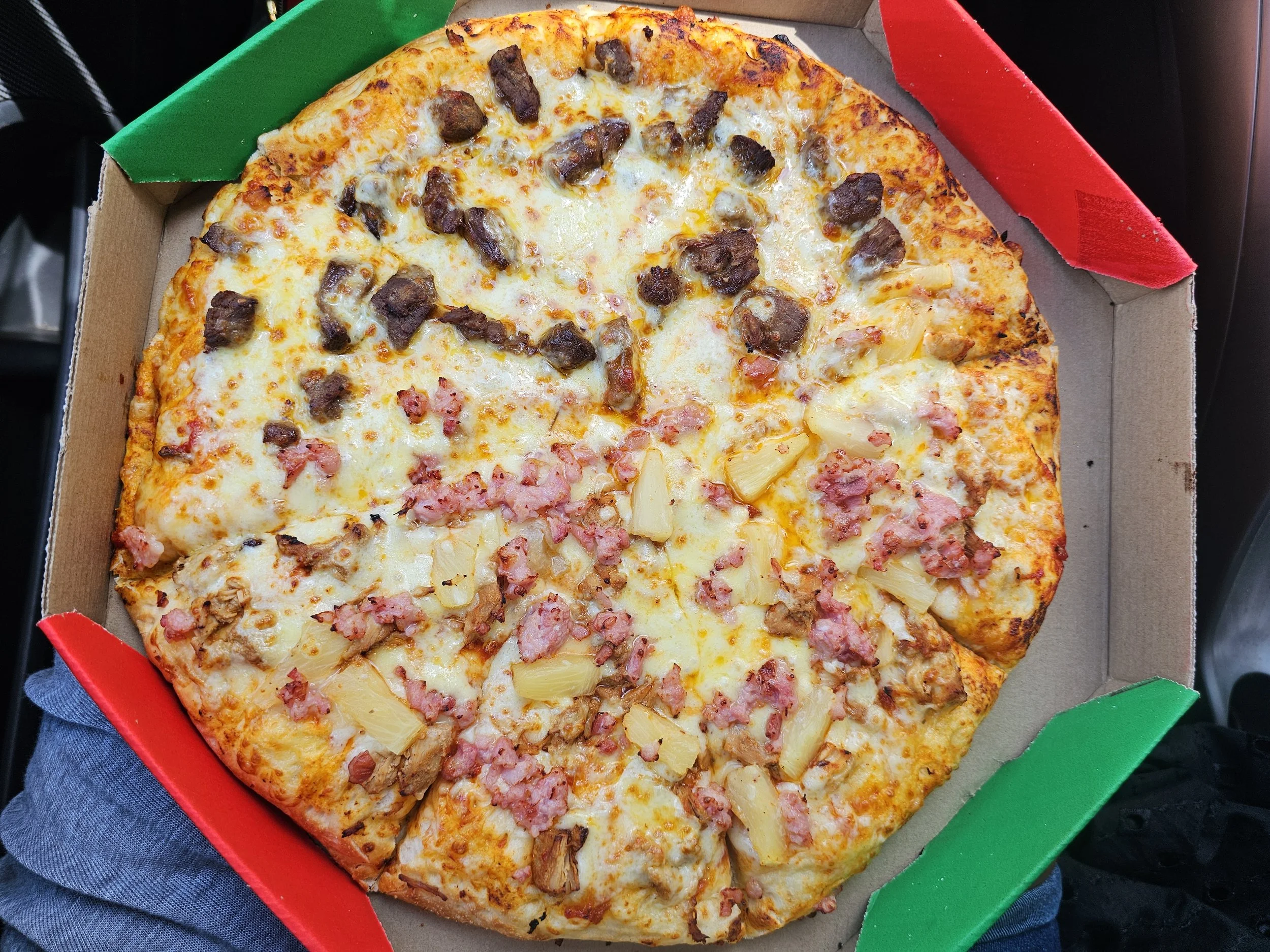
There is bias here and I will name it upfront. Pizza Inn was my introduction to pizza as a child, every Friday night, alternating with Chinese and Nando's. That was just how it was.
My palate has moved a long way in almost ten years of food blogging. I understand wood-fired Neapolitan now, why fermentation matters, how a properly thin and flavourful dough changes everything. None of that is the point here. Eating at Pizza Inn in Harare is a rite of passage in the same way Chicken Inn and Nando's are, part of the Innscor empire and woven into the fabric of how the country actually eats. If you are visiting and want to understand something about daily life here, this is more useful than another fine dining reservation.
Service at the Borrowdale location was not great on this visit, though that varies, so check recent reviews before you go. And for the record: Hawaiian, always.
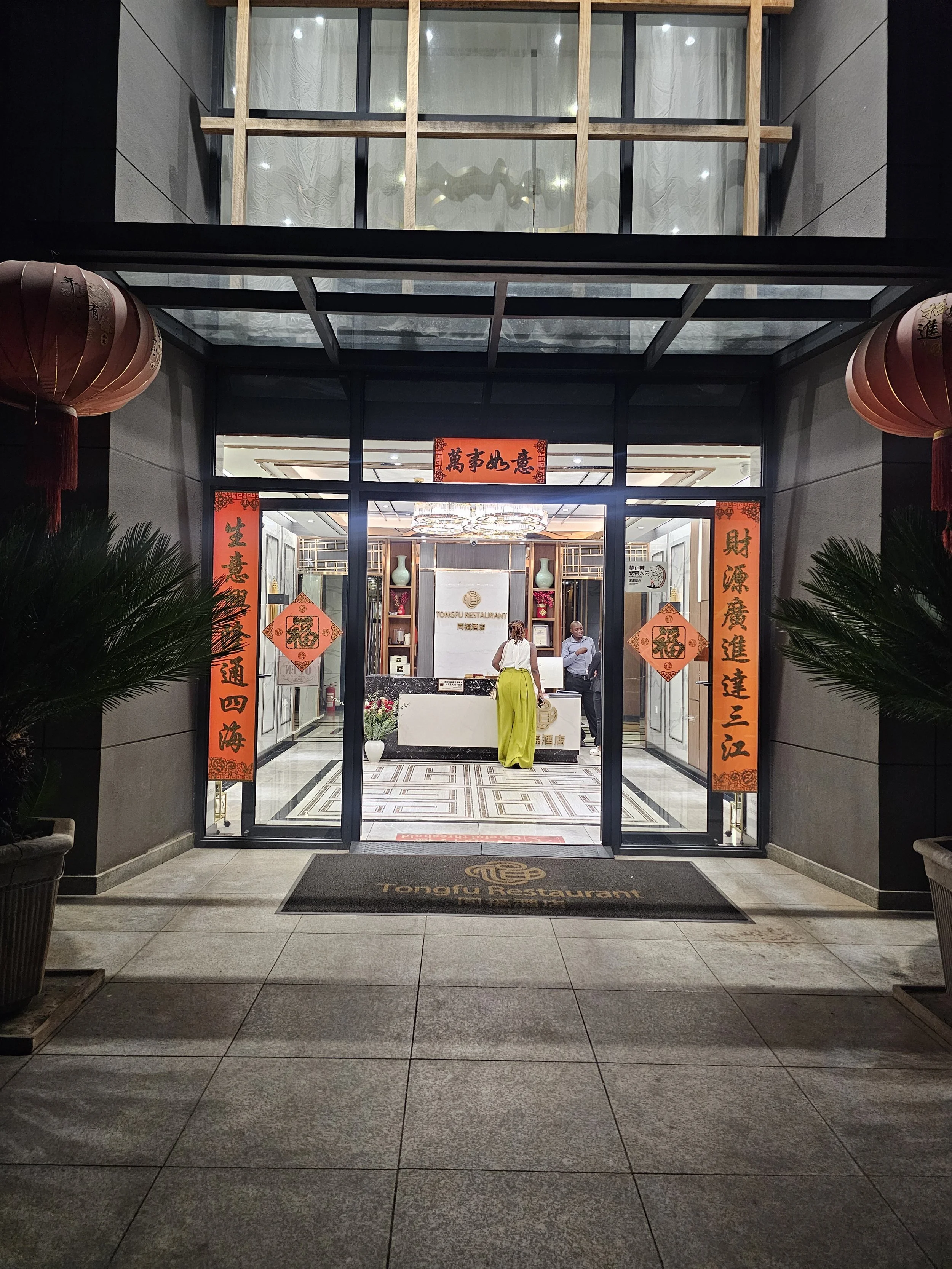
Tongfu — Belgravia
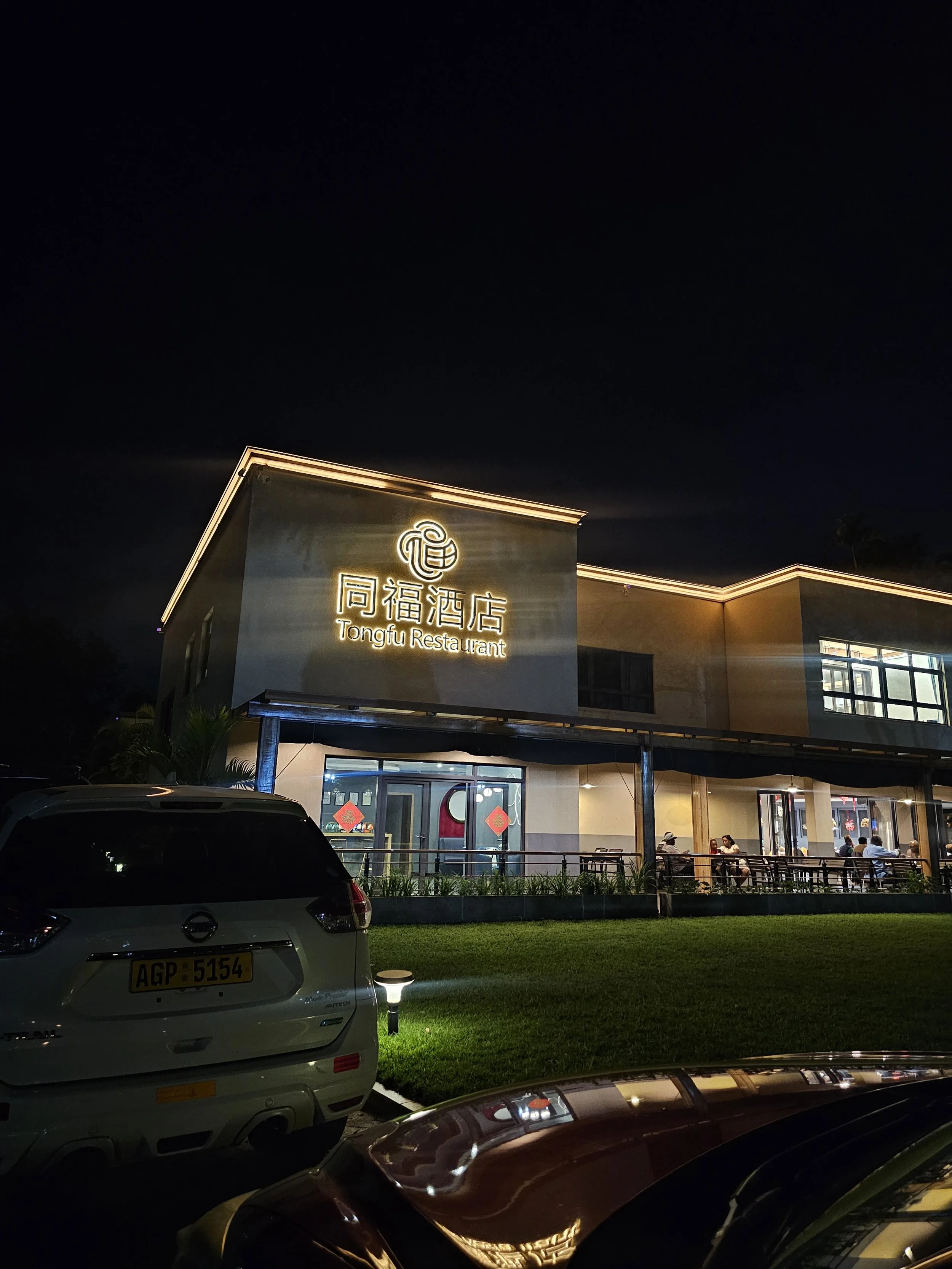
Bad Chinese food has left enough of a mark on me that I approach it with caution now. Tongfu is the opposite of every bad experience I have had, and it corrected something I did not realise I had stopped expecting.
One piece of advice: go with a group. The more people at the table, the more plates you can order, and you want to try as much of this as possible. They start you with tea, then an egg drop style soup with a rich broth, tofu, chicken, and vegetables, and then the mains begin arriving in earnest.
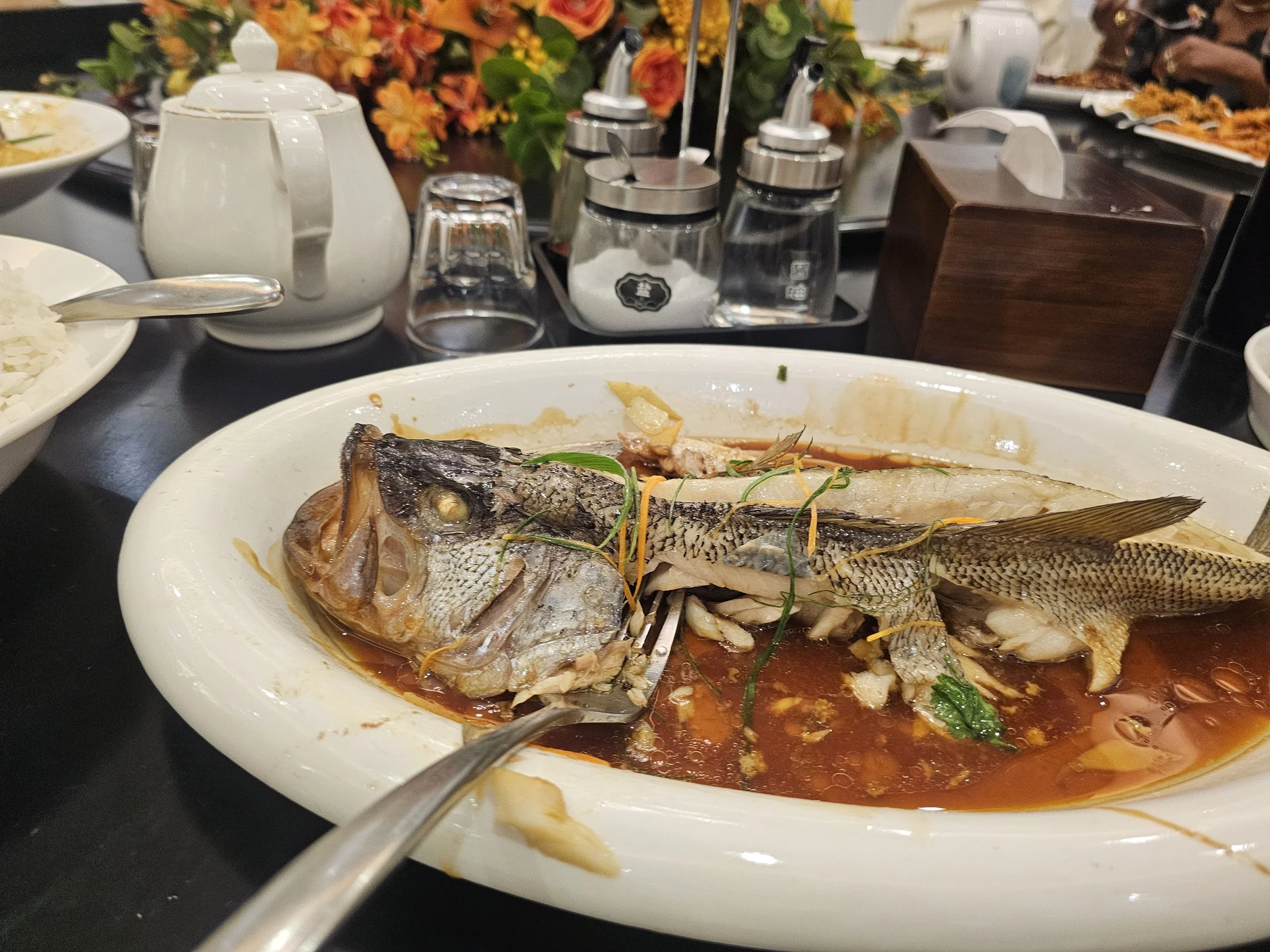
The duck was glorious. Perfectly seared, crispy skinned, and they bring the bones too, which turns out to be strangely addictive. The Sichuan chicken is the one I still think about: breaded fried chicken, crunchy groundnuts, chilli peppers, and mouth-numbing peppercorns, genuinely spicy in a way that most kitchens outside China hedge on. It was one of the most memorable things I ate all year. And order the sea bass. It is a masterpiece, and I do not say that to be generous.
Upstate and Denga — Highlands Park
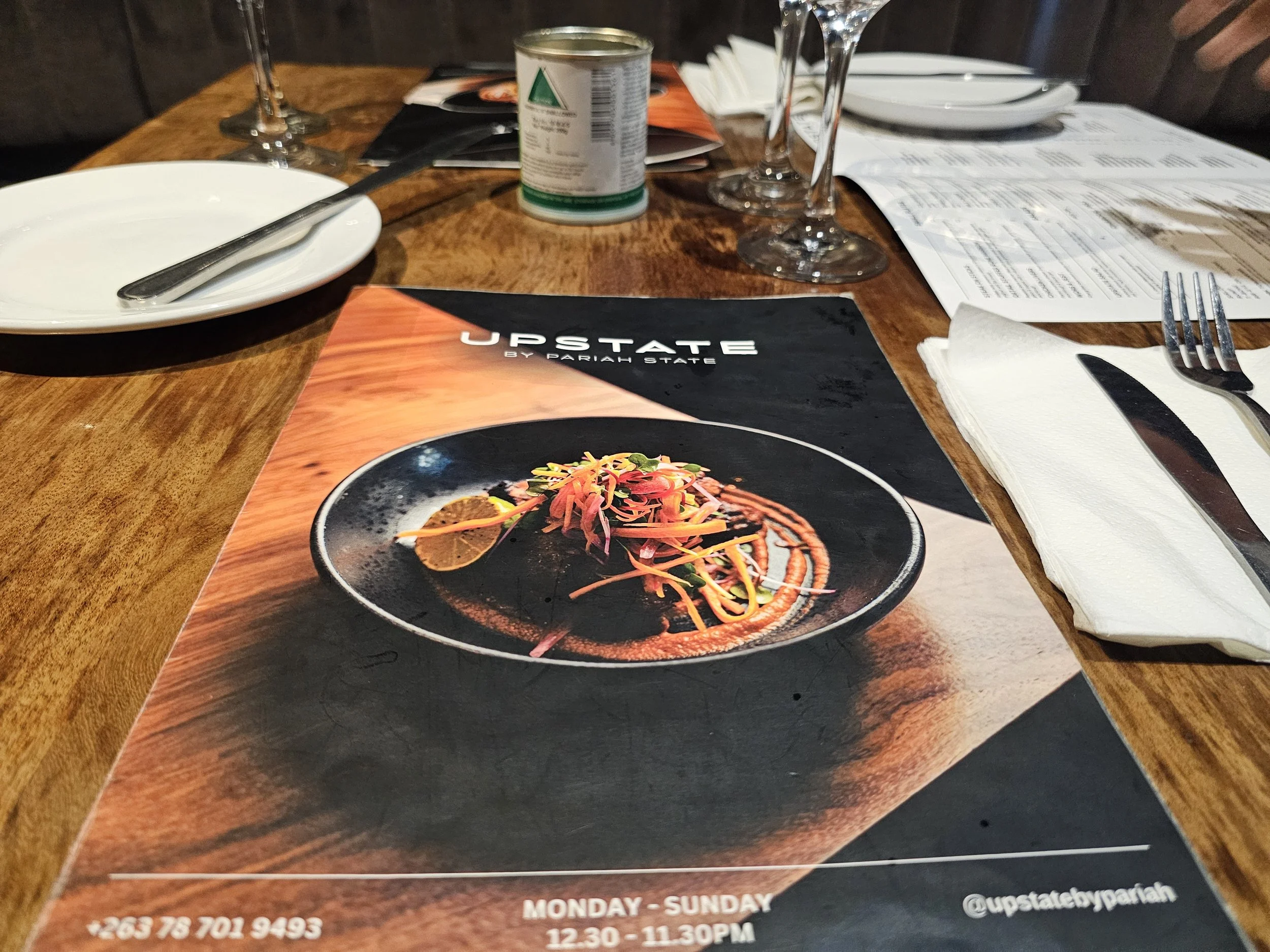
Highlands Park houses both Upstate and Denga, run by the Pariah State group, and conceptually I love what they have built: a proper dinner and a proper place to go afterwards, twenty feet apart, so the night does not have to end when the plates are cleared.
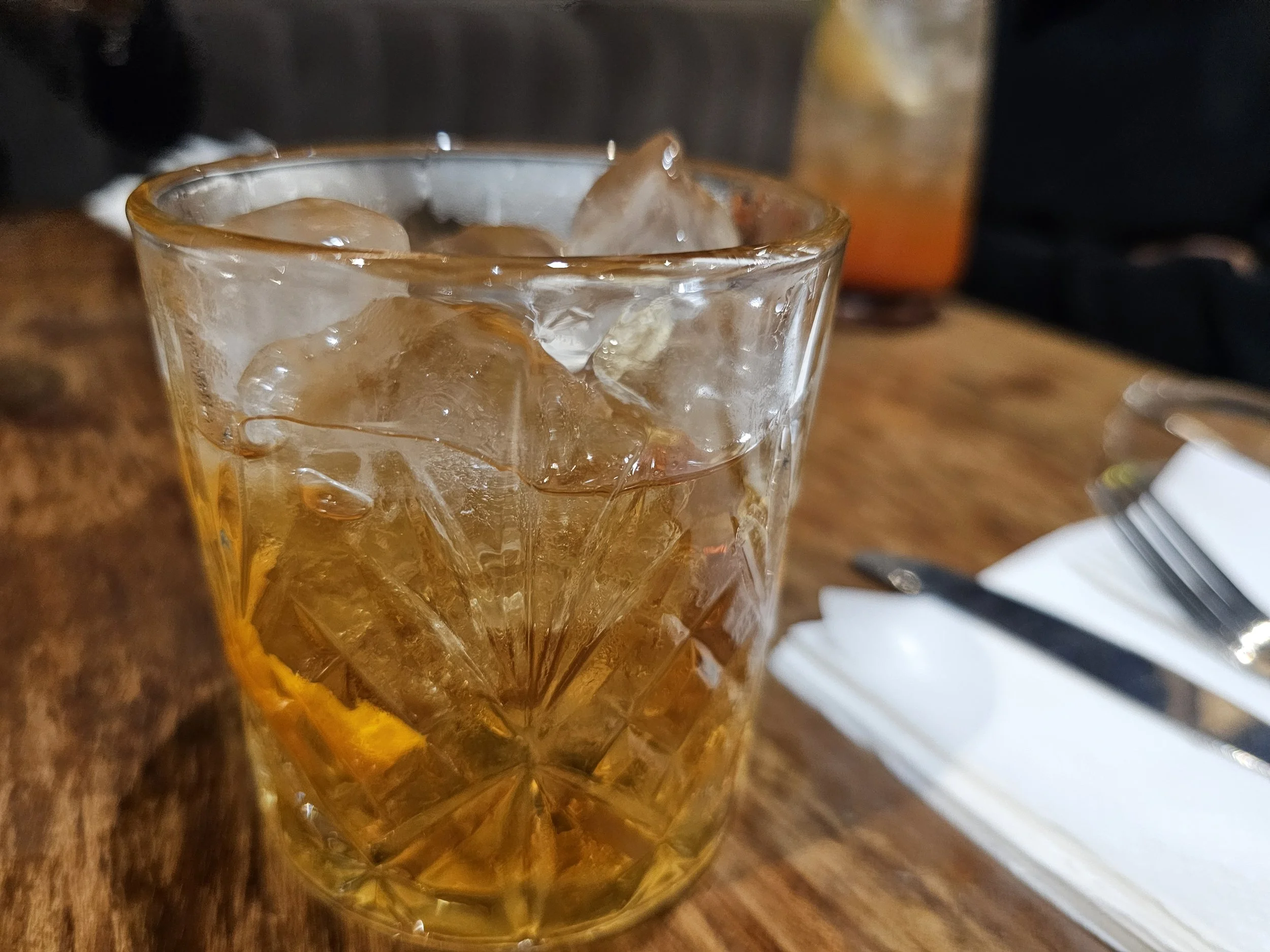
Denga is the lounge. Small, dark, strong cocktails, and a playlist that someone clearly cares about. We had the Watermelon Gin Fizz and The Godfather, a smoked bourbon and amaretto build that lingered. Both worth ordering.
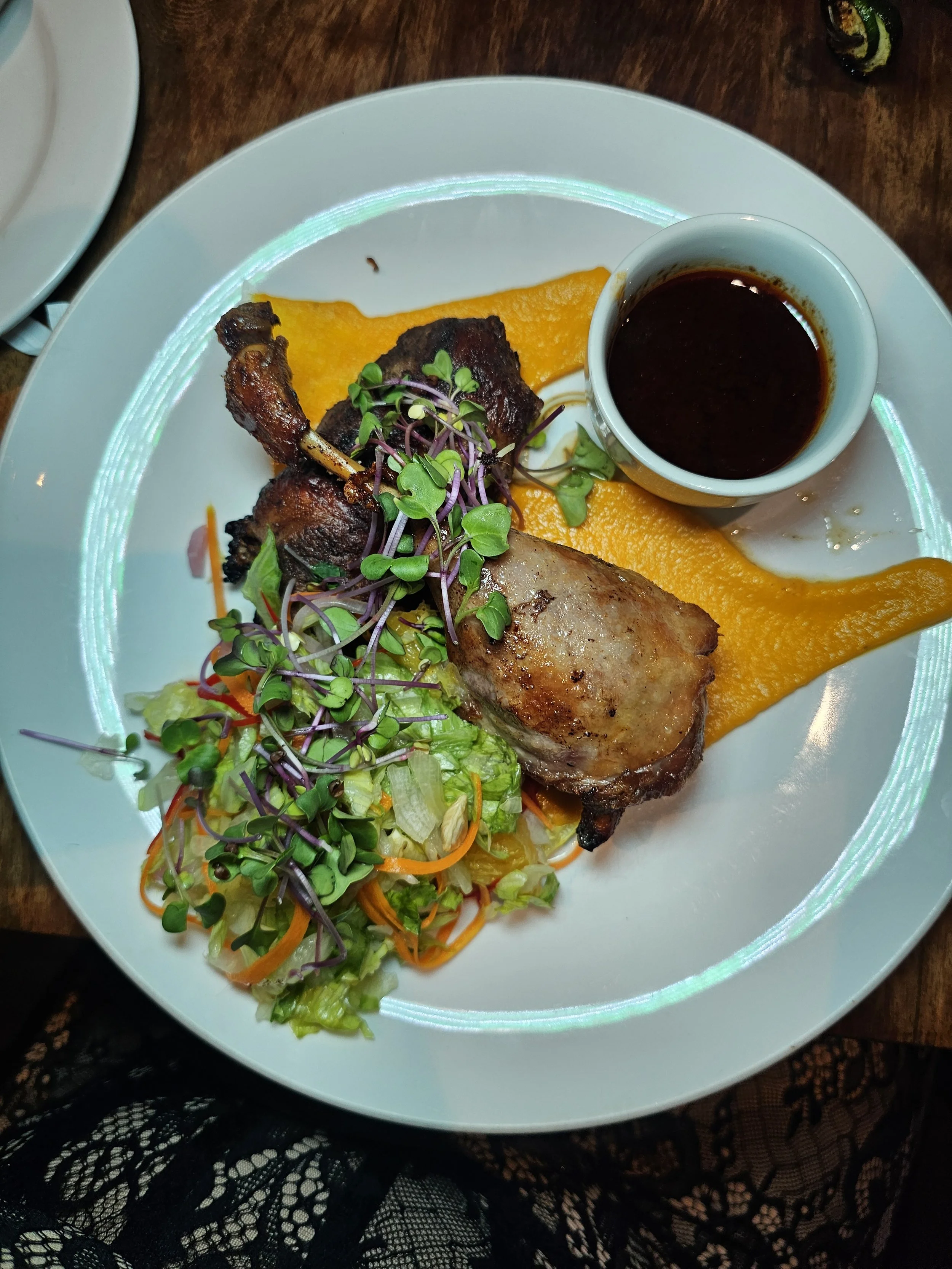
Upstate is the white-tablecloth side. The duck on pumpkin mash was refined enough that I started mentally working out how to recreate it at home. Read the menu carefully, though: my friend's Moroccan lamb skewers arrived underseasoned relative to what the description promised. The evening got off to a slow start, which is worth flagging, but on the right night this is a genuinely classy way to spend one.
Bishop's Mistress — Borrowdale
Bishop's Mistress is worth considering if you want a quiet, unhurried lunch. We had come for the nighttime version, which apparently leans into a British gastropub feel, and never got there, so I cannot speak to it. What we got instead was a slow afternoon, which turned out to suit the place.
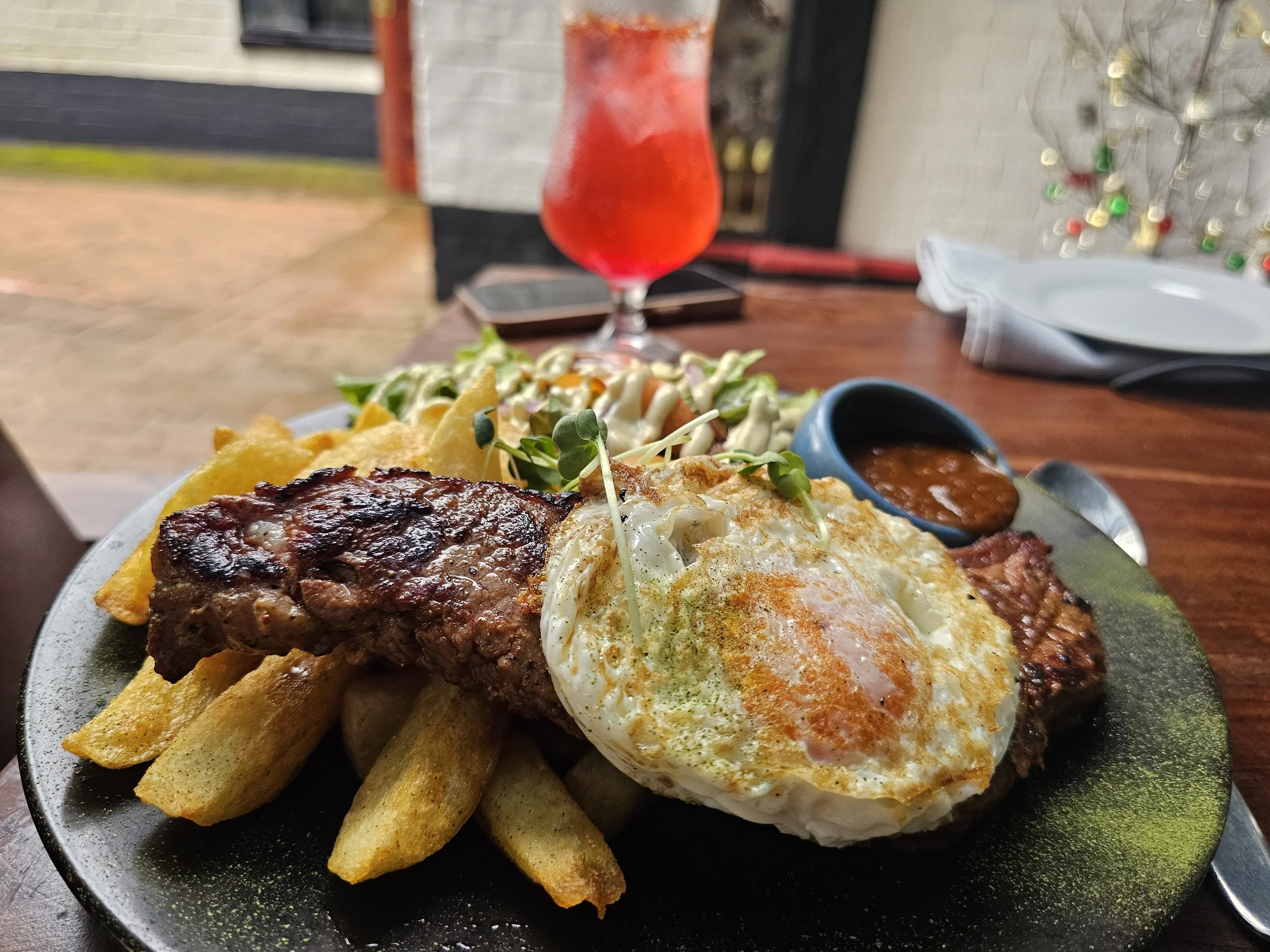
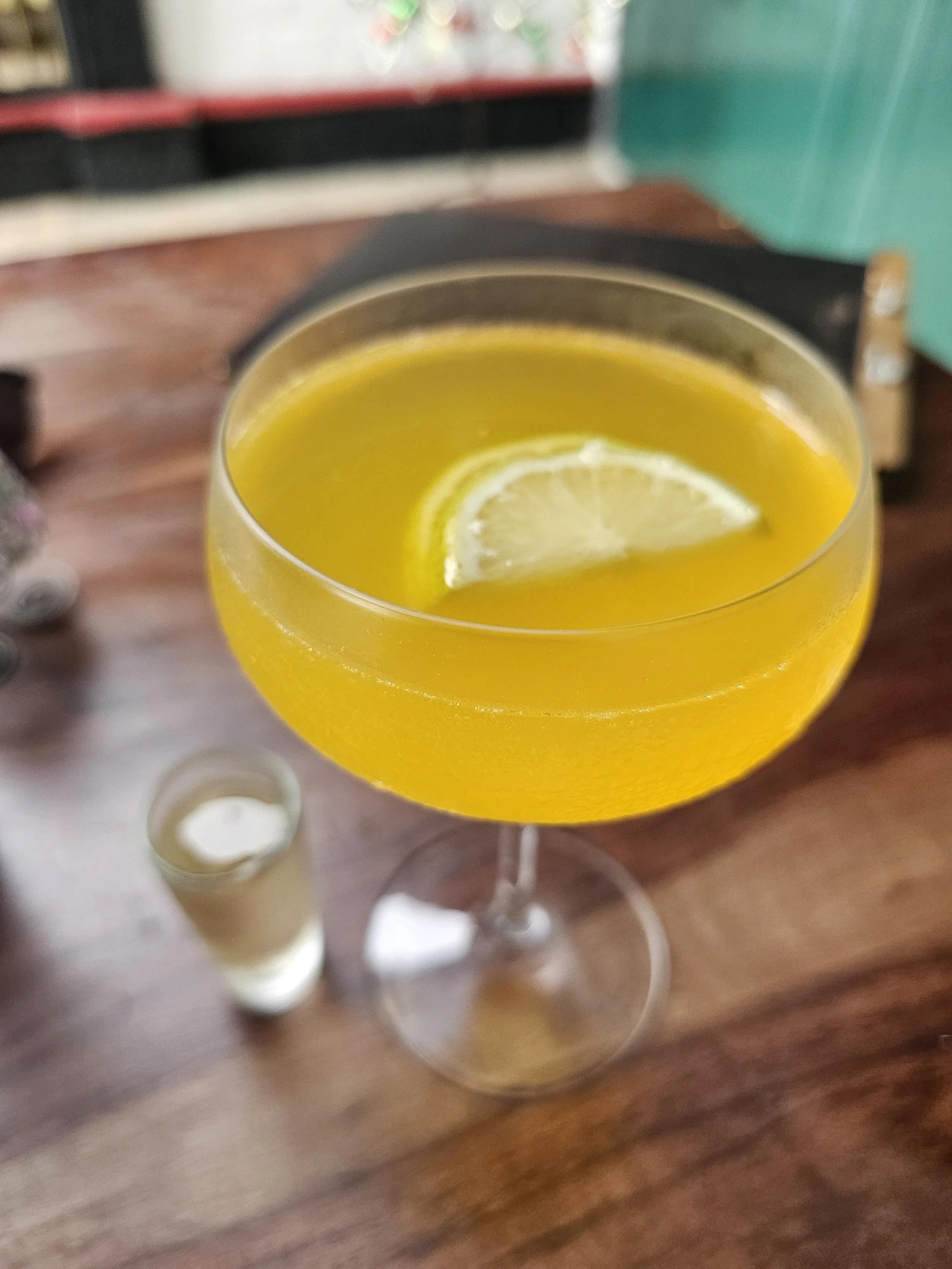
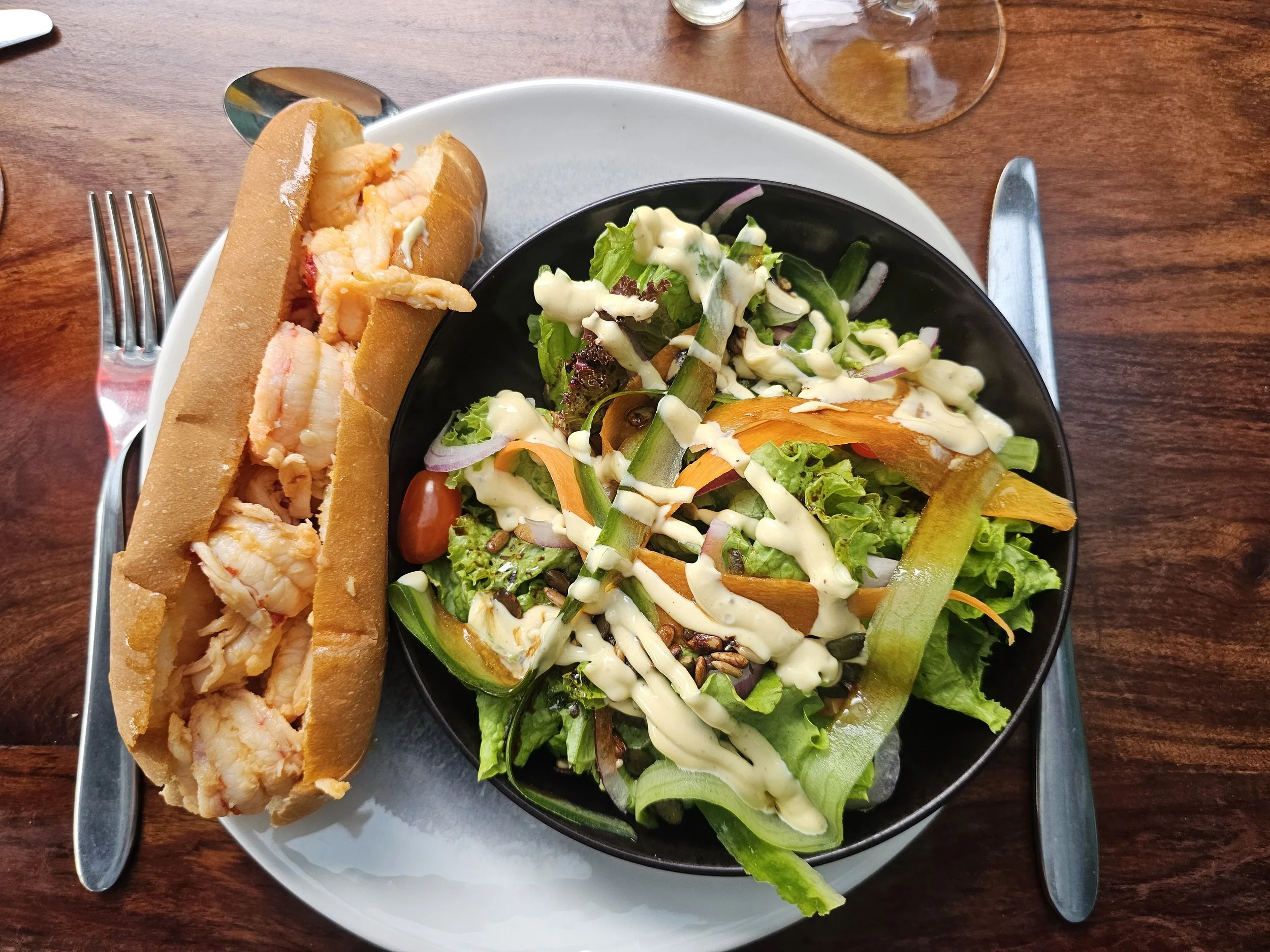
The cocktails are where the kitchen's ambition shows. The Gin Kick has actual chilli seeds in it and works. The Pope's Martini is a Pornstar Martini with a considerably better name. Both delicious. The food was patchier. Several items were out of stock, and the Maine-style crayfish roll arrived wanting more butter, which I say as someone who has eaten the original in Maine and therefore came in with expectations. Not bad, just not the thing it was reaching for. The steak and chips with eggs was hearty and did precisely what it set out to do.
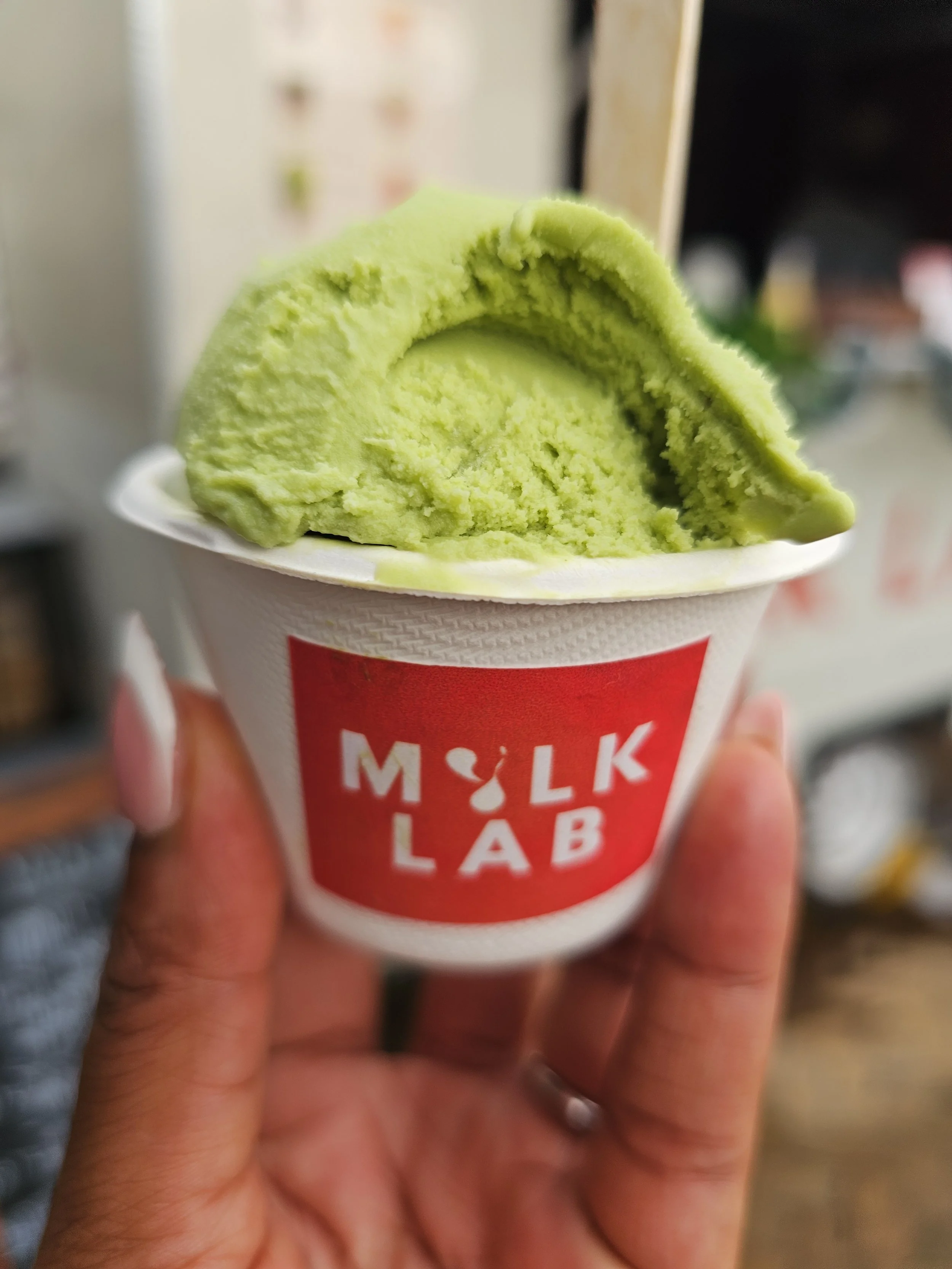
If you sit outside, go inside at some point and look at the décor. It really does give Bishop's Mistress, and you will know exactly what I mean the moment you are in there. Check the food trucks in the car park too. I finished with a matcha gelato from The Milk Lab that I had not planned on and did not regret.
Luna's — Highlands
Luna's is where you go for a relaxed daytime meal without having to think too hard about it. It sits in a small shopping centre alongside an art gallery, a boutique, a food market, and a gym, and the cluster gives the whole corner a curated, neighbourhood feel.
The menu is large, global classics built around whatever is seasonally available, and the portions match. Very family-friendly. I started with a cold green juice, which I was glad to find at all. Harare needs more fast-casual places doing this kind of food, the green bowls and smoothies and proper salads, and there is a real gap in the market waiting for someone to fill it.
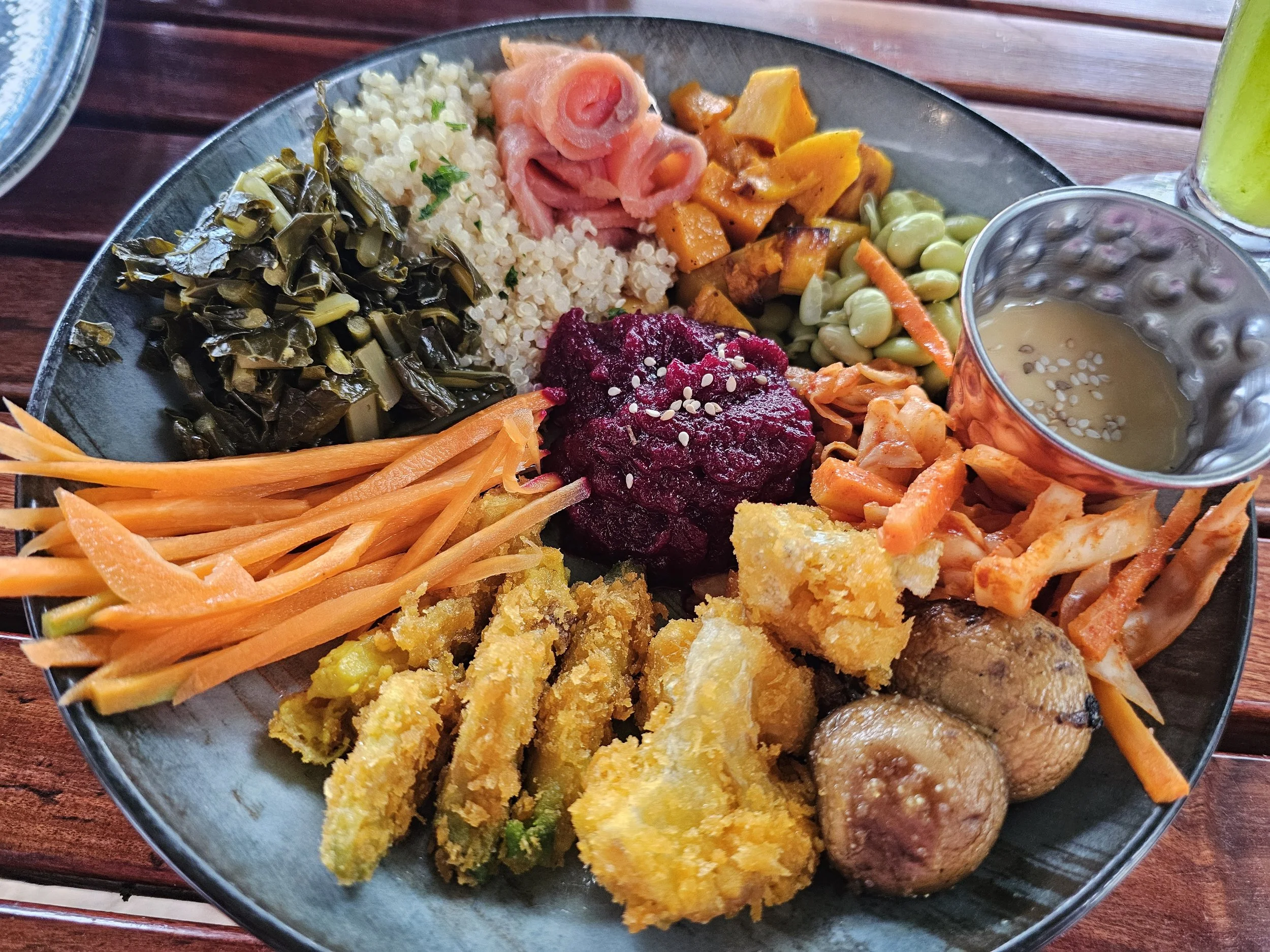
My main was the Buddha bowl: kale, cauliflower, beetroot hummus, fried avocado, kimchi, butternut, quinoa, and an Asian dressing. Visually striking, and every individual element was good, though it did not quite cohere as one dish. The sticky toffee pudding was a strong close and made up for it. It is hard to go badly wrong here, which is precisely the point of a place like this.
Amanzi — Drew Road
If you grew up in Harare you have probably been to Amanzi, or at minimum driven past the original Enterprise Road location enough times to feel like you have. The Drew Road lodge is the more intimate of the two, closer to an art gallery and sculpture garden that happens to serve dinner, and it draws expats and people marking an occasion.
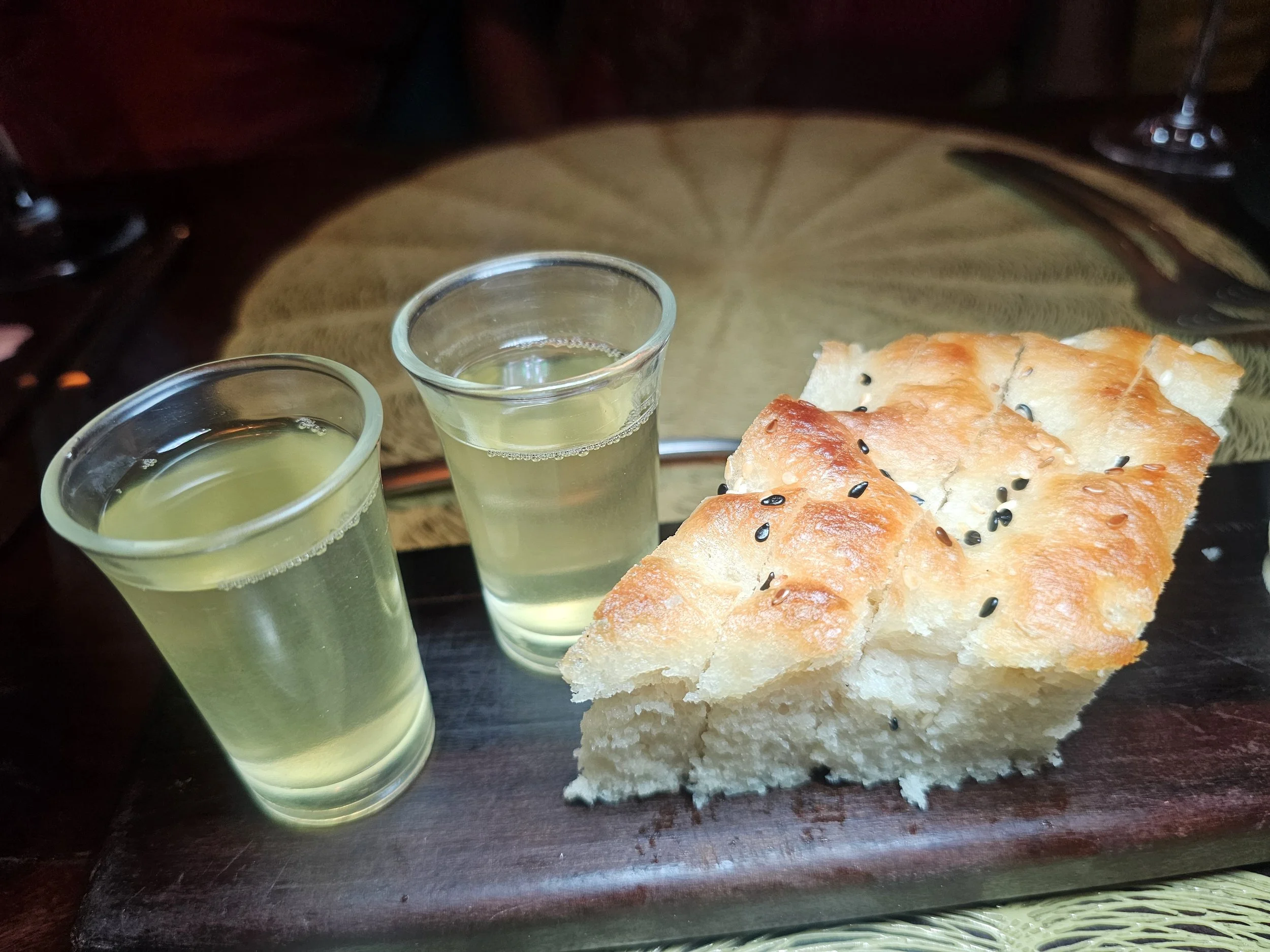
The artwork is not decoration here, it changes how the room feels. I drank a classic Manhattan, which was the right register for the place. Ask for the amuse-bouche when you sit down: focaccia with butter and tomato essence, which I can only describe as tomato nectar, and which is a genuinely beautiful way to open a meal.
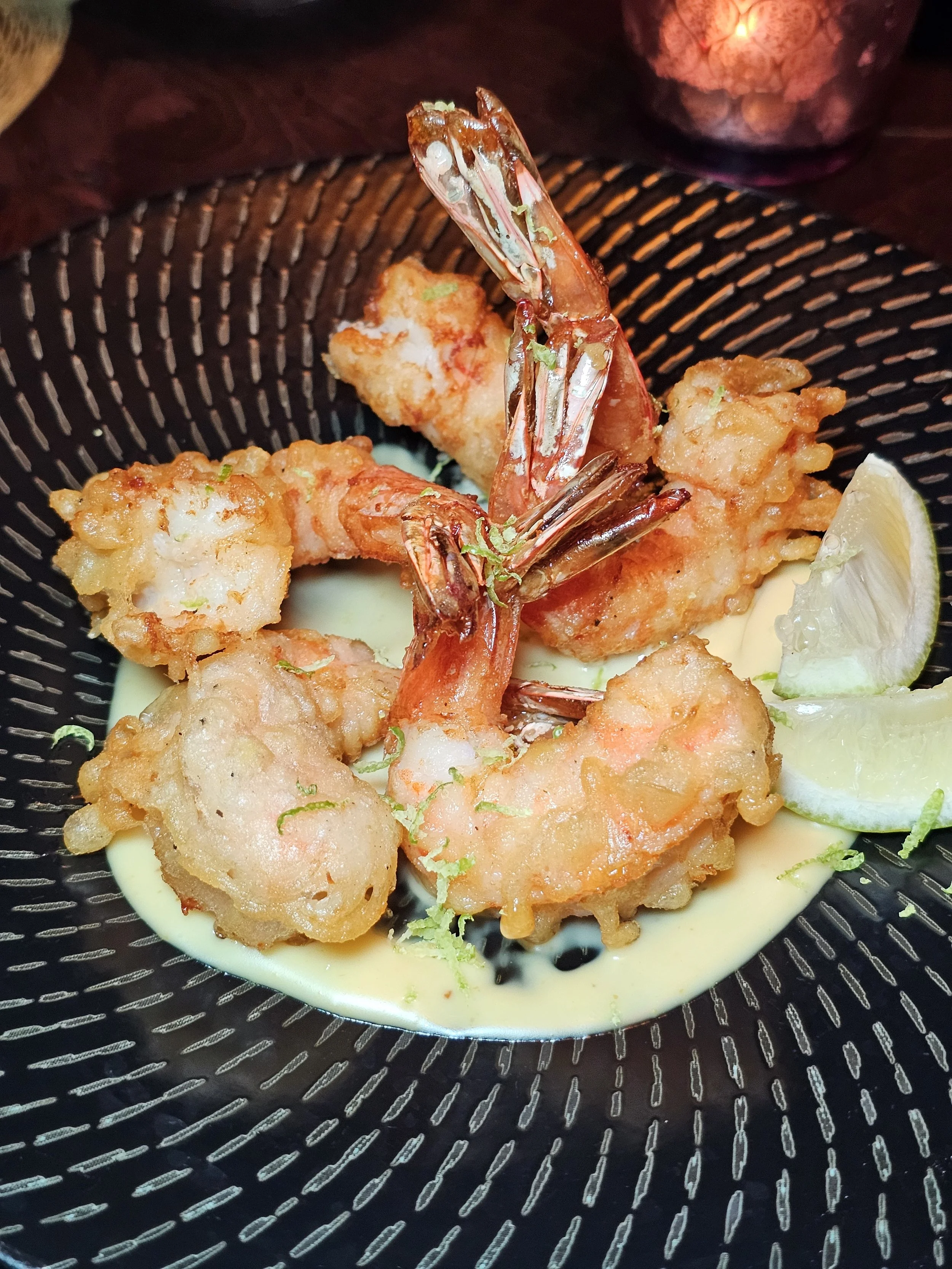
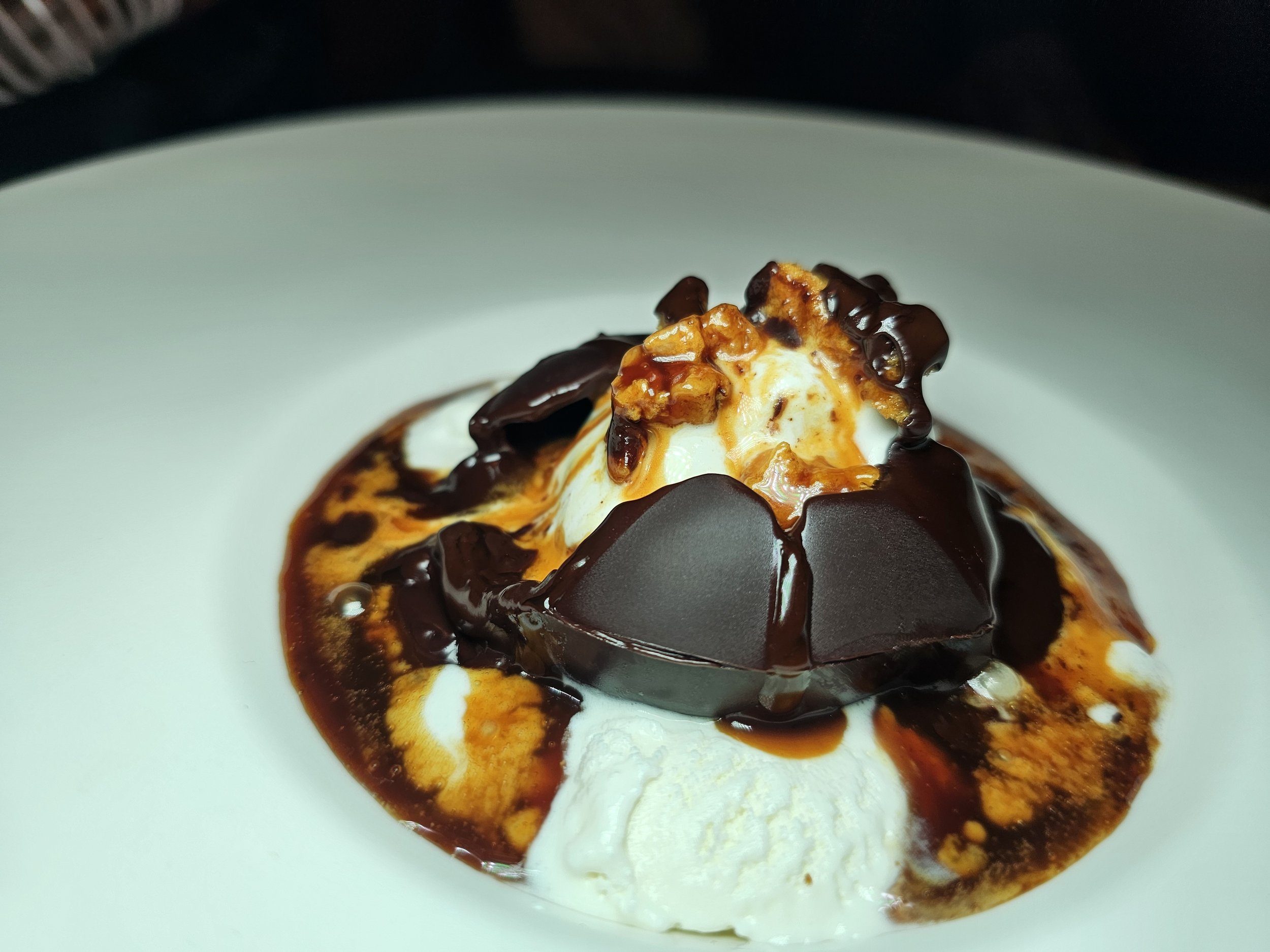
We ordered across the table: lamb shank in wine sauce, Bengal fish curry, pork chops with caramelised pears, prawn tempura with wasabi mayo, and Naija pepper soup with chicken dumplings. A serious spread, and the range of it tells you something about the ambition of the kitchen. For dessert, ask for the chocolate bomb. It is borrowed from a London original, it is interactive in a way that could easily be gimmicky and somehow is not, and it tastes as good as it looks.
Cafe Nush — Avondale, Multiple Locations
If you need somewhere reliable for a meeting, a few hours of work, or just to sit with a coffee before the day starts properly, Cafe Nush is one of your safest bets. Harare's coffee culture has grown a lot and there are smaller independents doing more interesting things, but Nush has consistency and reach, which is a different kind of useful.
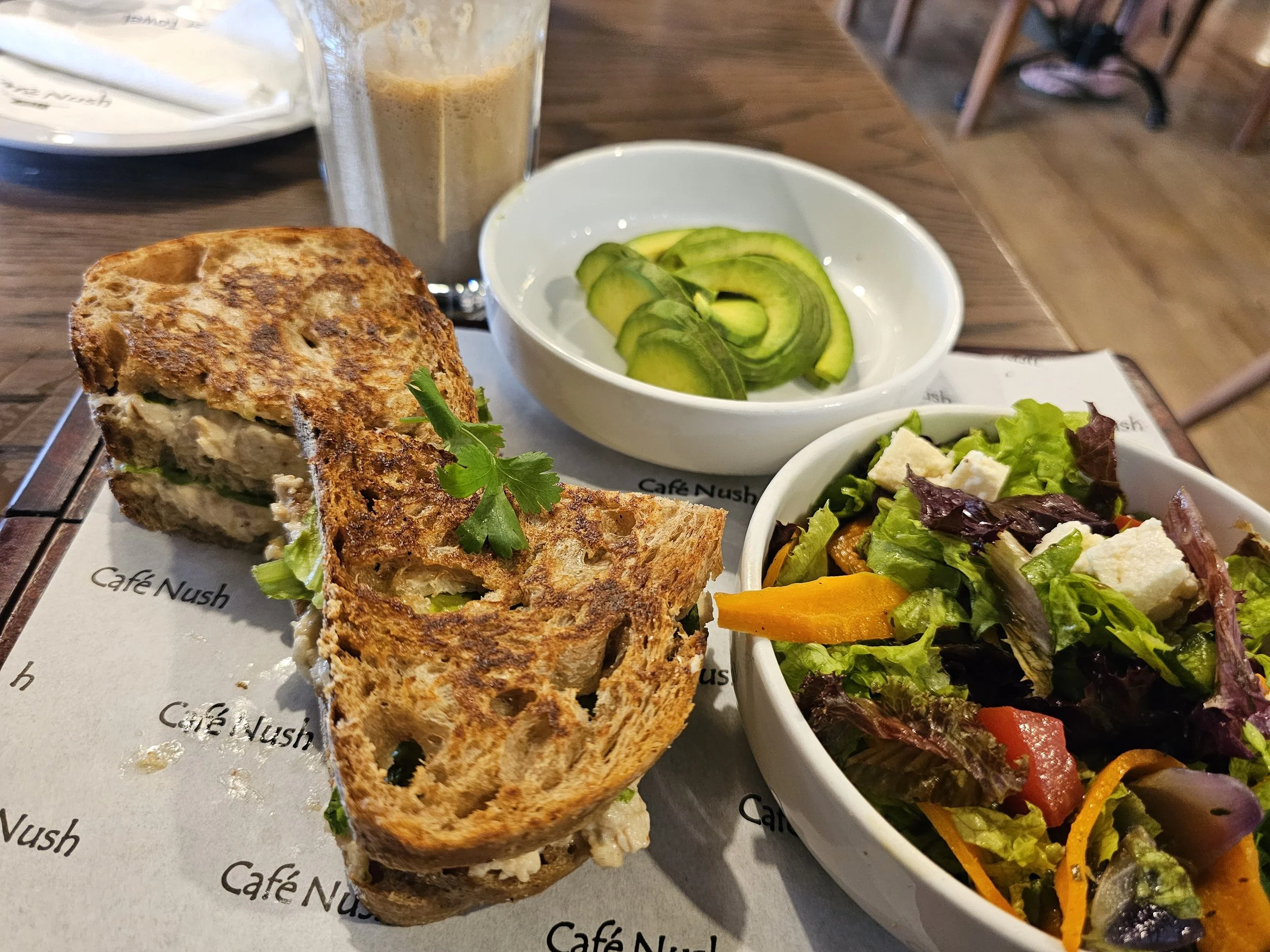
Good pastries, decent pies, a solid enough coffee list. The Avondale branch is my comfort zone, and I order the same thing every time: chocolate milkshake, chicken mayo sandwich, side salad with avocado. They are the only ones who get it exactly right, which is either about that kitchen or about me having eaten it there too many times to accept a variation.
There are Nush2Go kiosks in service stations and smaller outposts including Borrowdale Village and the airport, so you can find one at almost any point in a trip, including the last twenty minutes of it.
Kelly's Kuttings — Domboshawa
This was my favourite excursion of the entire trip, and I do not say that lightly.
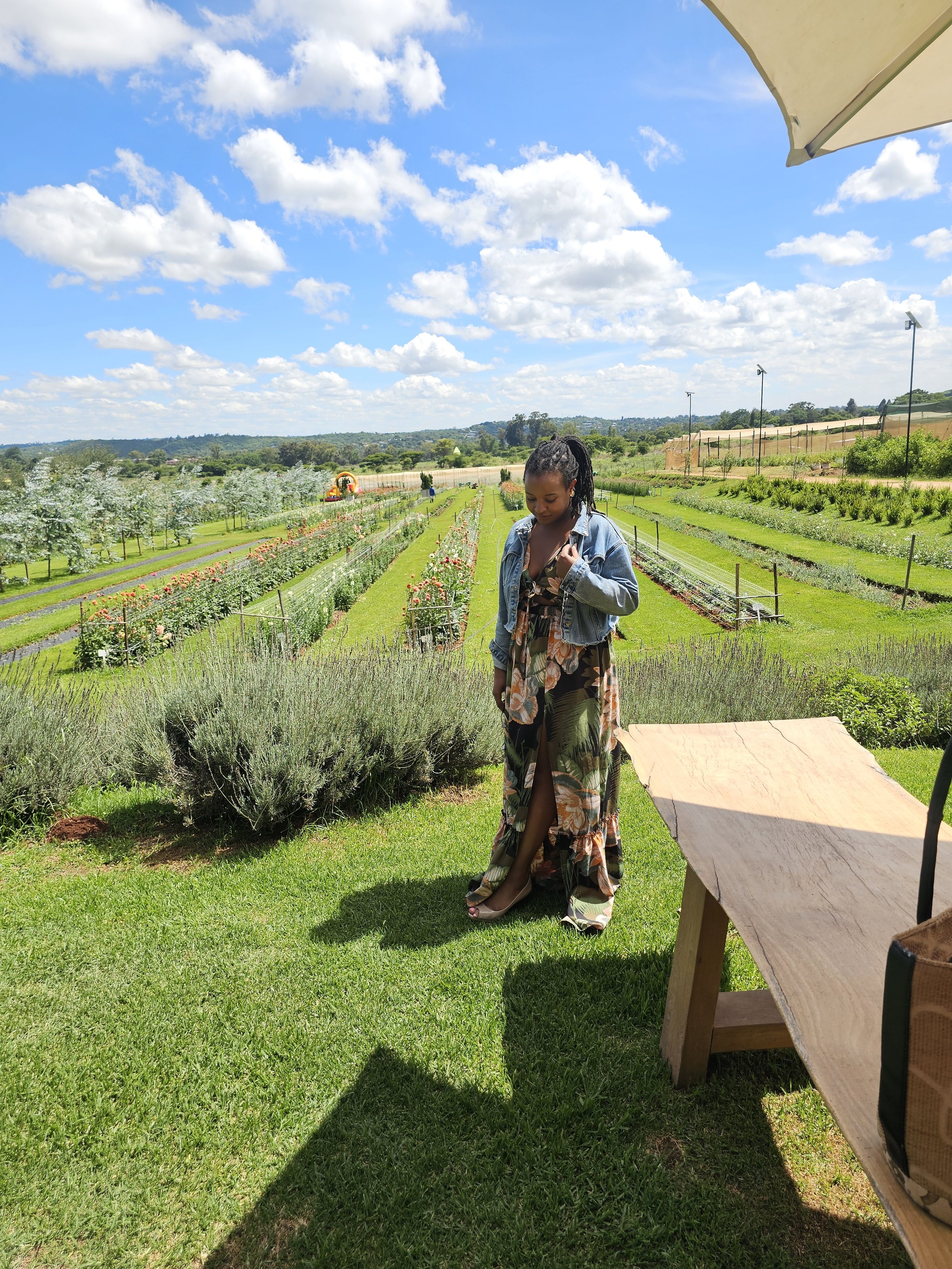
Kelly's Kuttings is a working flower farm a few minutes past Borrowdale Brooke where you eat, drink, and then go and cut your own flowers. Wildflowers, nurtured on site, and they last weeks if you look after them. We sat outside in the sun with the views and I ordered a French 75, which is one of my favourite classic cocktails and one of the first properly made ones I have had in Harare. That alone would have justified the drive.
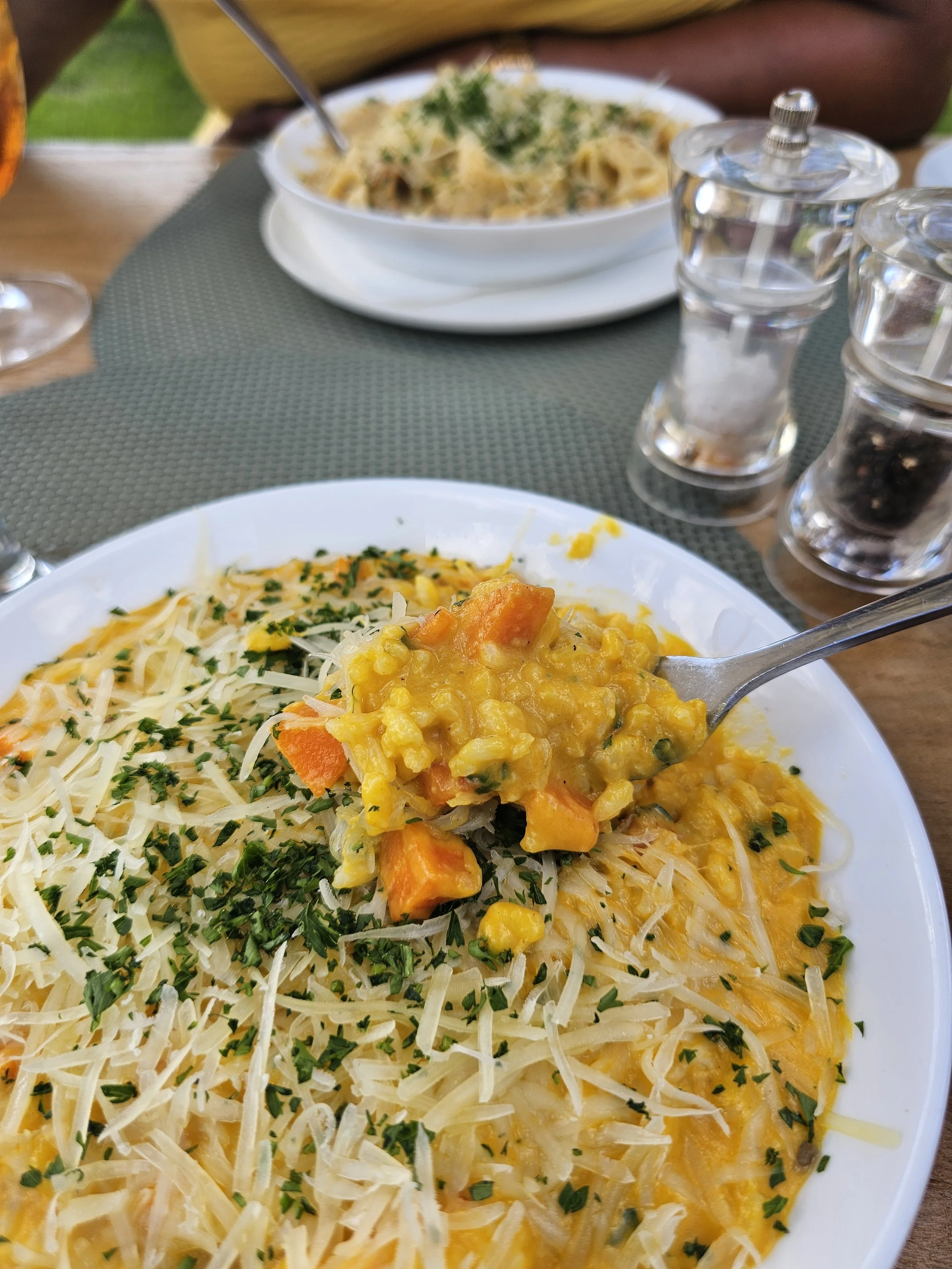
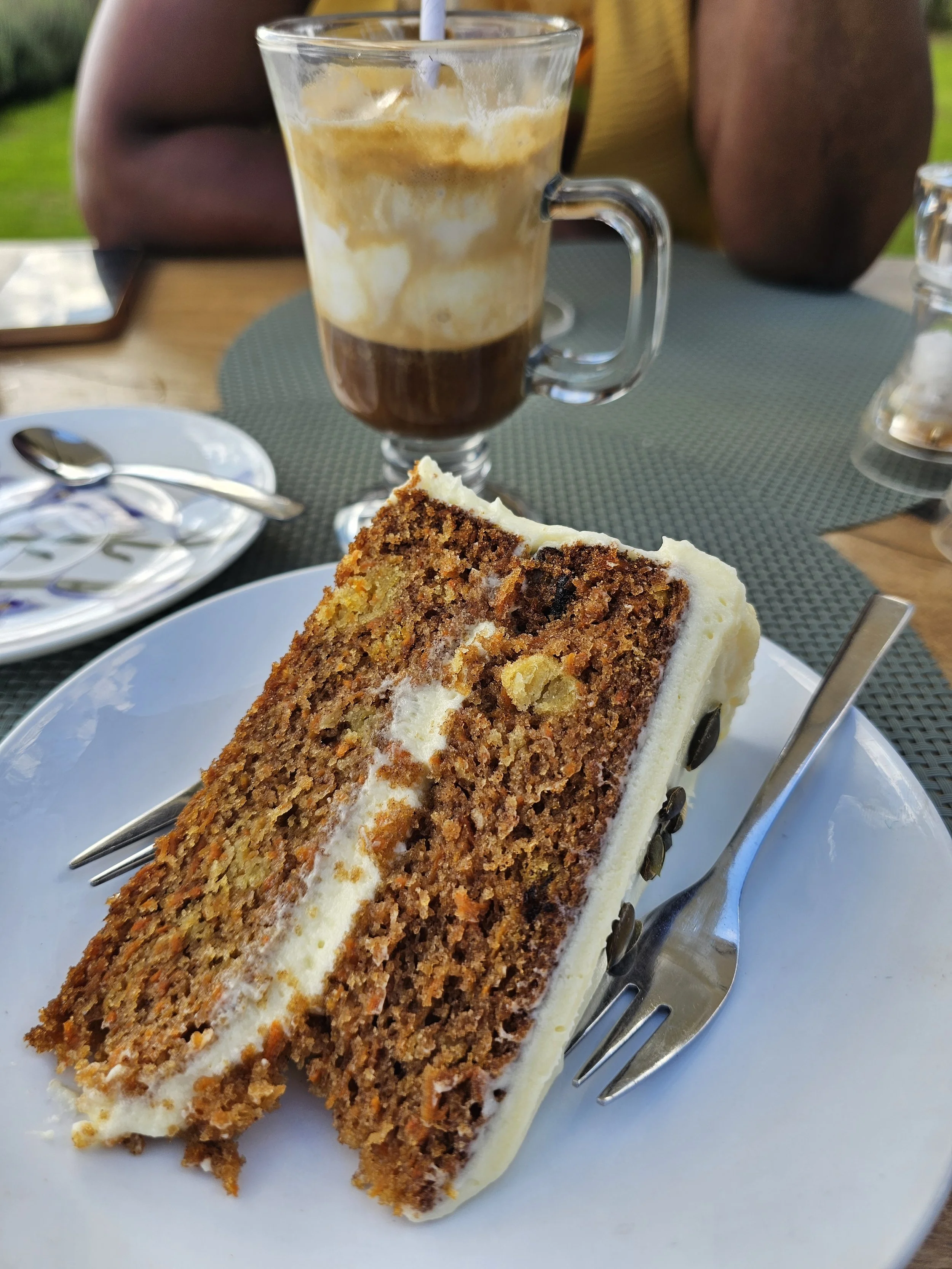
Lunch was carrot risotto with shrimp, which I had never eaten before and which turned out to be a genuinely clever use of the vegetable, sweet enough to carry the dish without needing much help. Then carrot cake and an affogato before the picking started.
The picking is the part I keep describing to people. Rows of different varieties, ducks wandering through, hills behind and cattle somewhere in the distance, and at one point I caught myself feeling like I was walking through a royal garden. They trim and wrap everything for you at the end, so you leave with a bouquet you assembled yourself. If you only have a few days in Harare, this should still make the list.
The Kitchen — Town
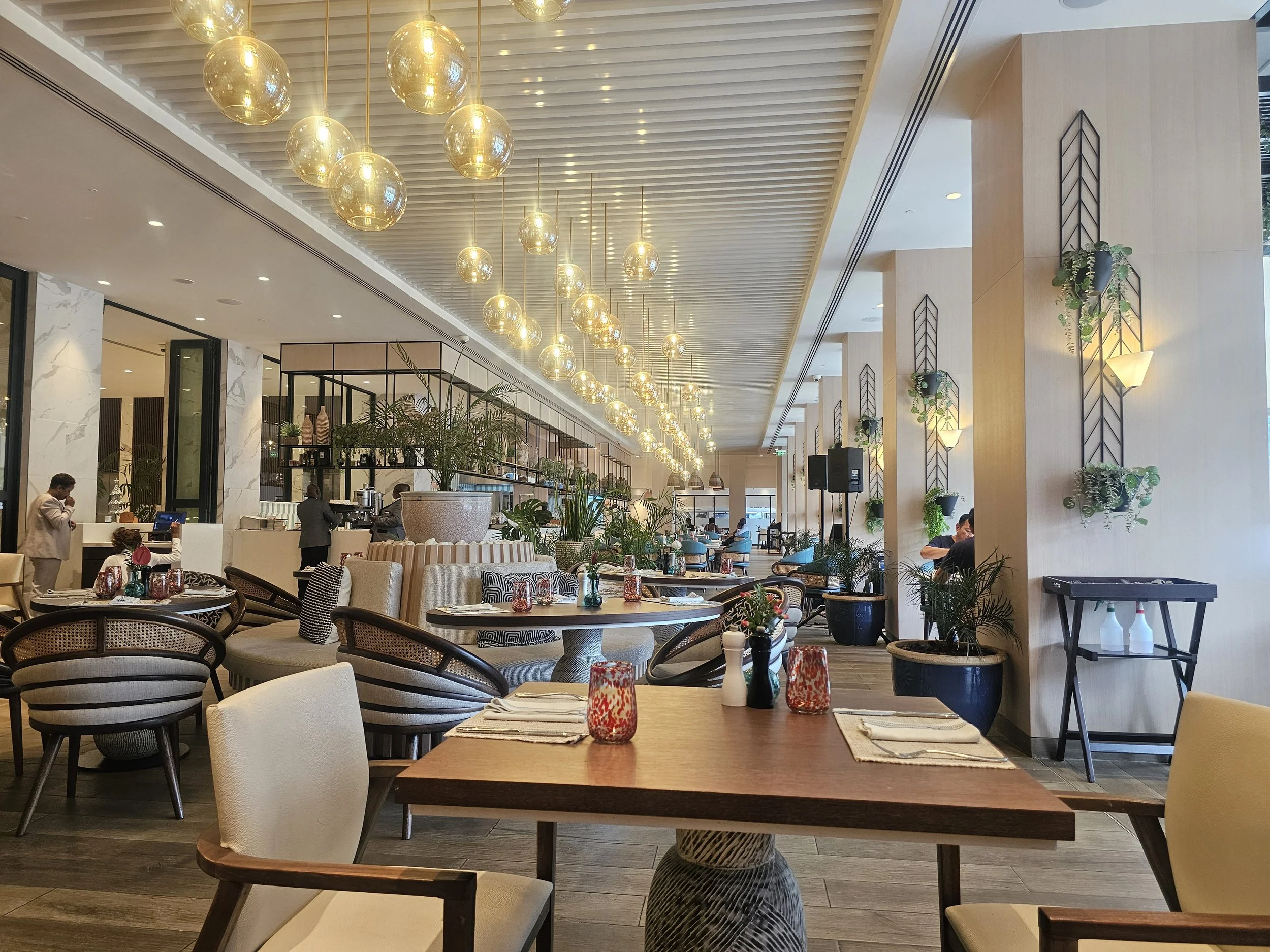
For refined dining in the heart of the central business district, The Kitchen is worth the trip into town. It sits inside the Hyatt Regency, formerly The Meikles, which will mean something to anyone who grew up here. I had heard good things, but what actually interested me was the concept: global classics threaded with Zimbabwean ingredients and flavours. That is a harder balance than it sounds, and it lands on the right side of intentional rather than gimmicky.
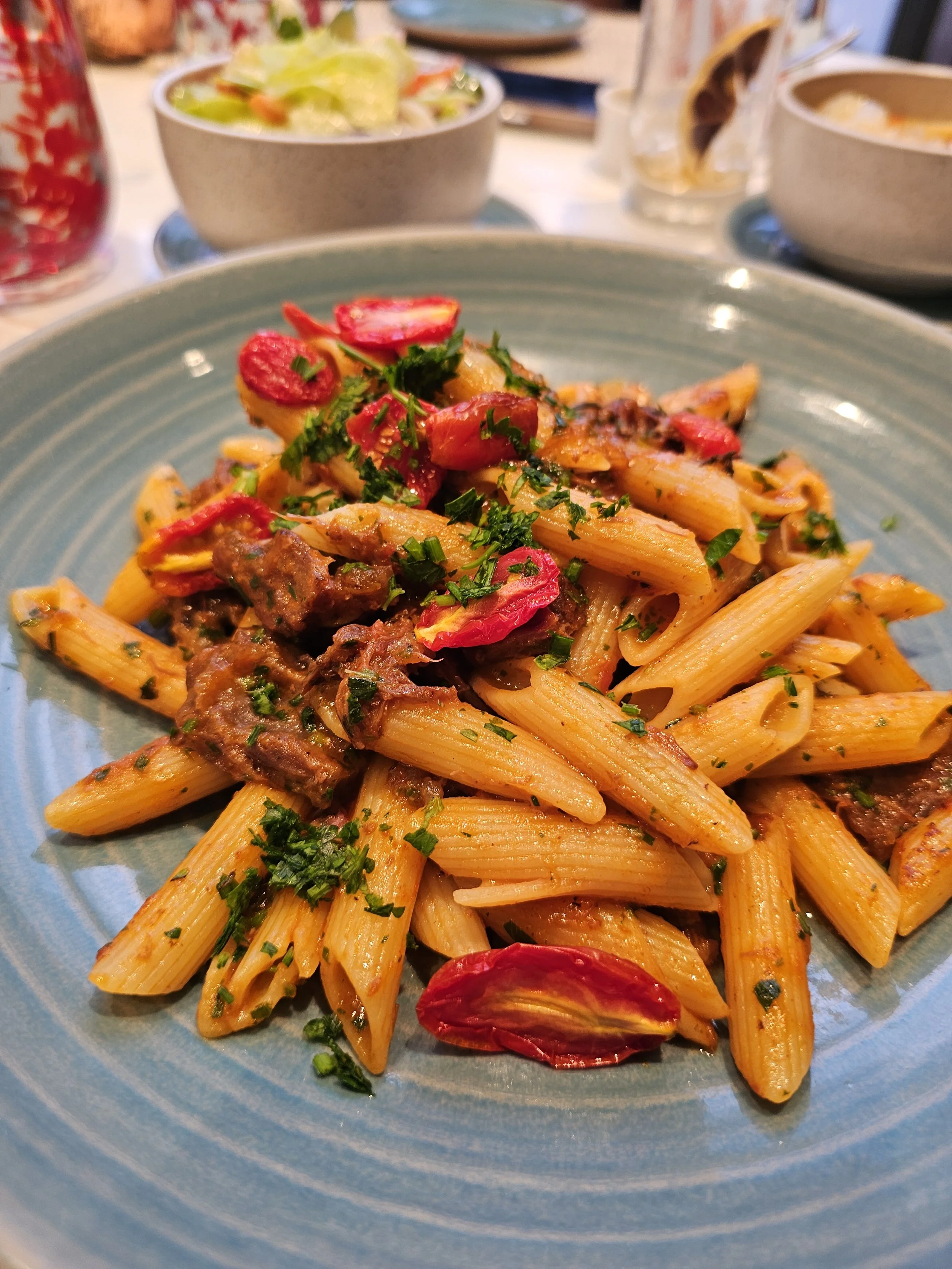
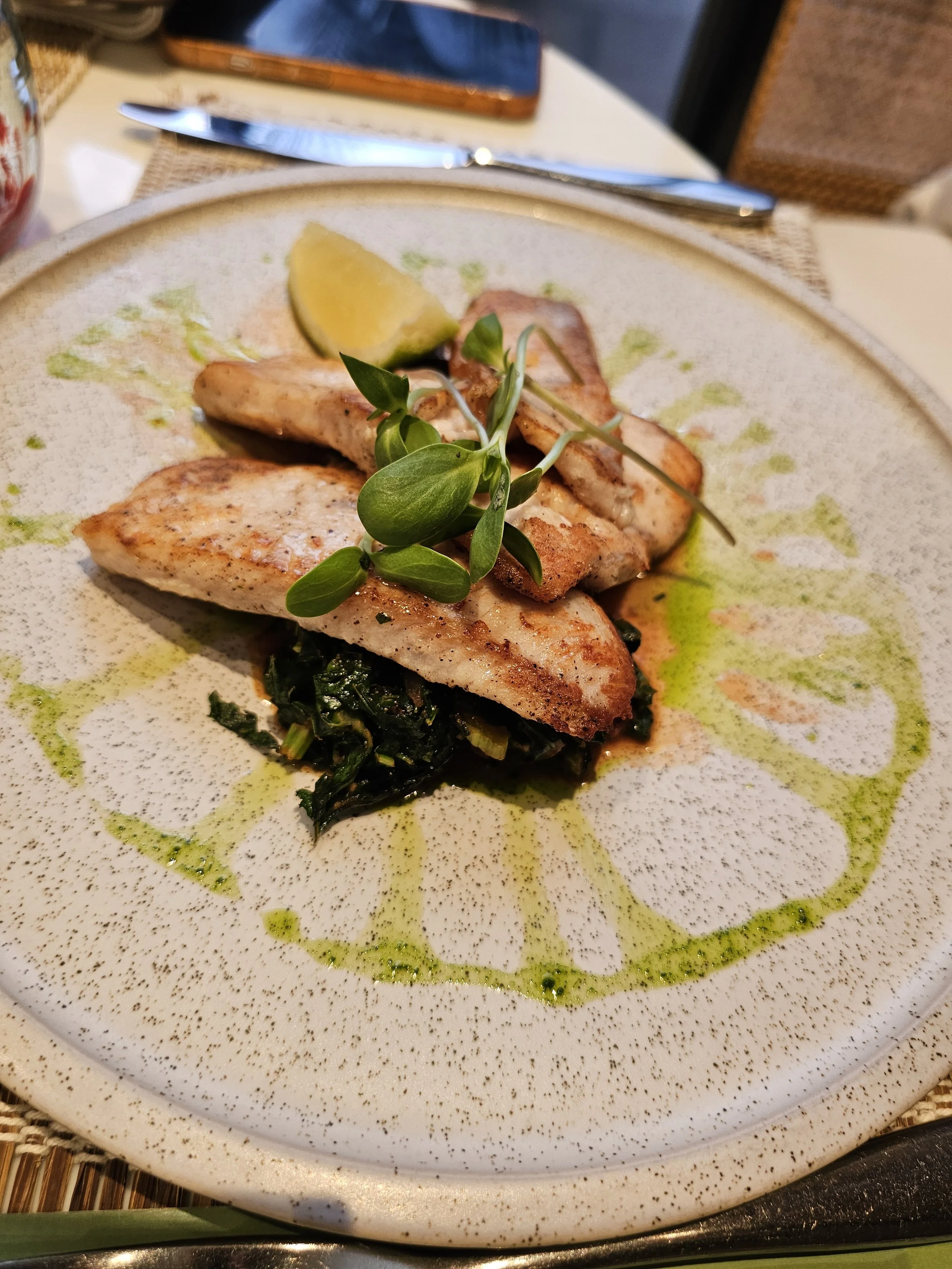
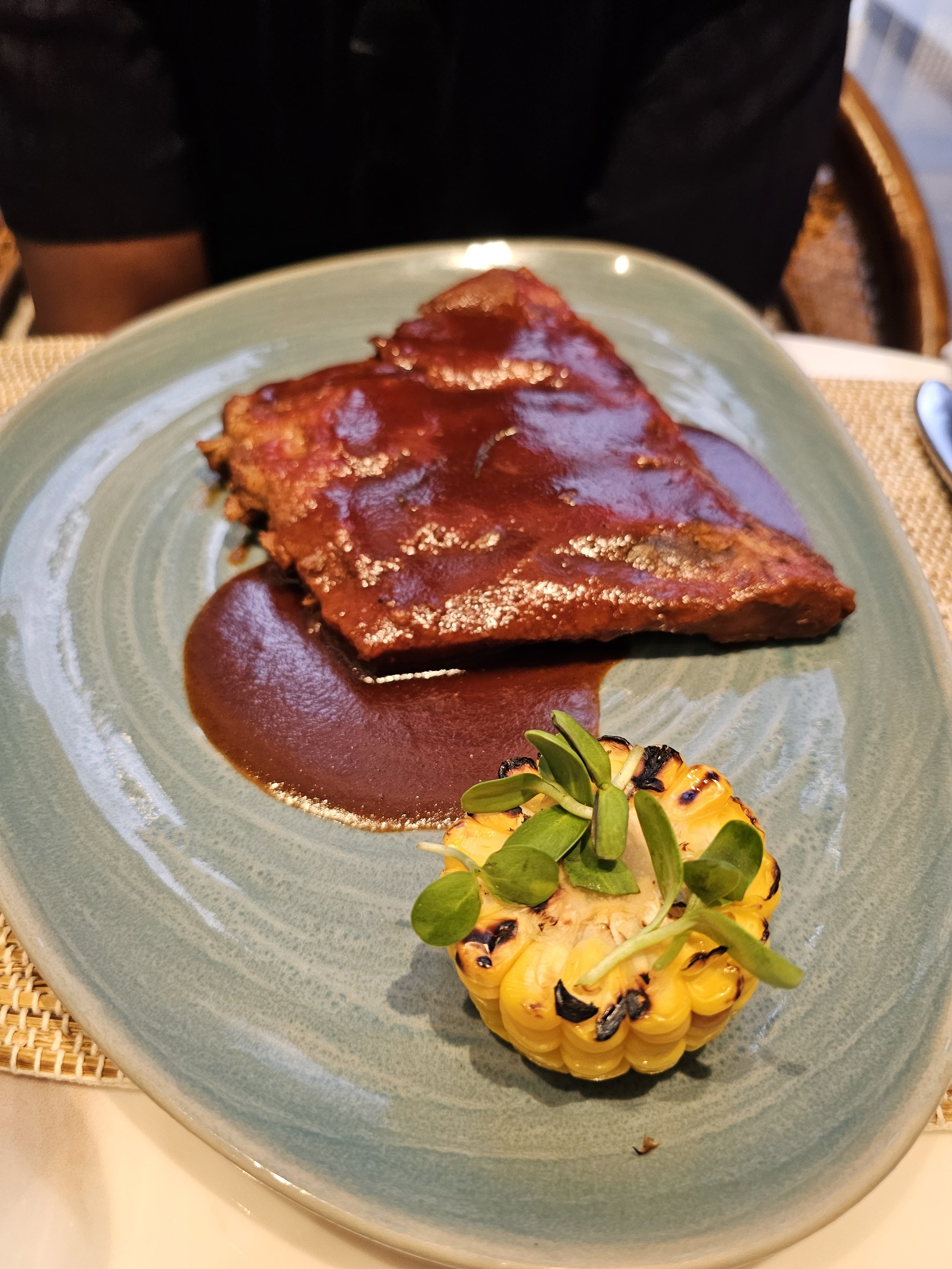
The room is clean and modern. We started with cocktails, and mine was a gin build infused with moringa, which I had never seen in a glass before and appreciated more than I expected to. Fresh pita and caponata arrive at the table while you wait. My main was the oxtail pasta, rich and comforting and closer to a saucy stew served over pasta than a pasta dish proper. I liked both the idea and the execution, though I would have pushed for fattier cuts to get more depth out of it. We also had the tilapia and the ribs, both solid.
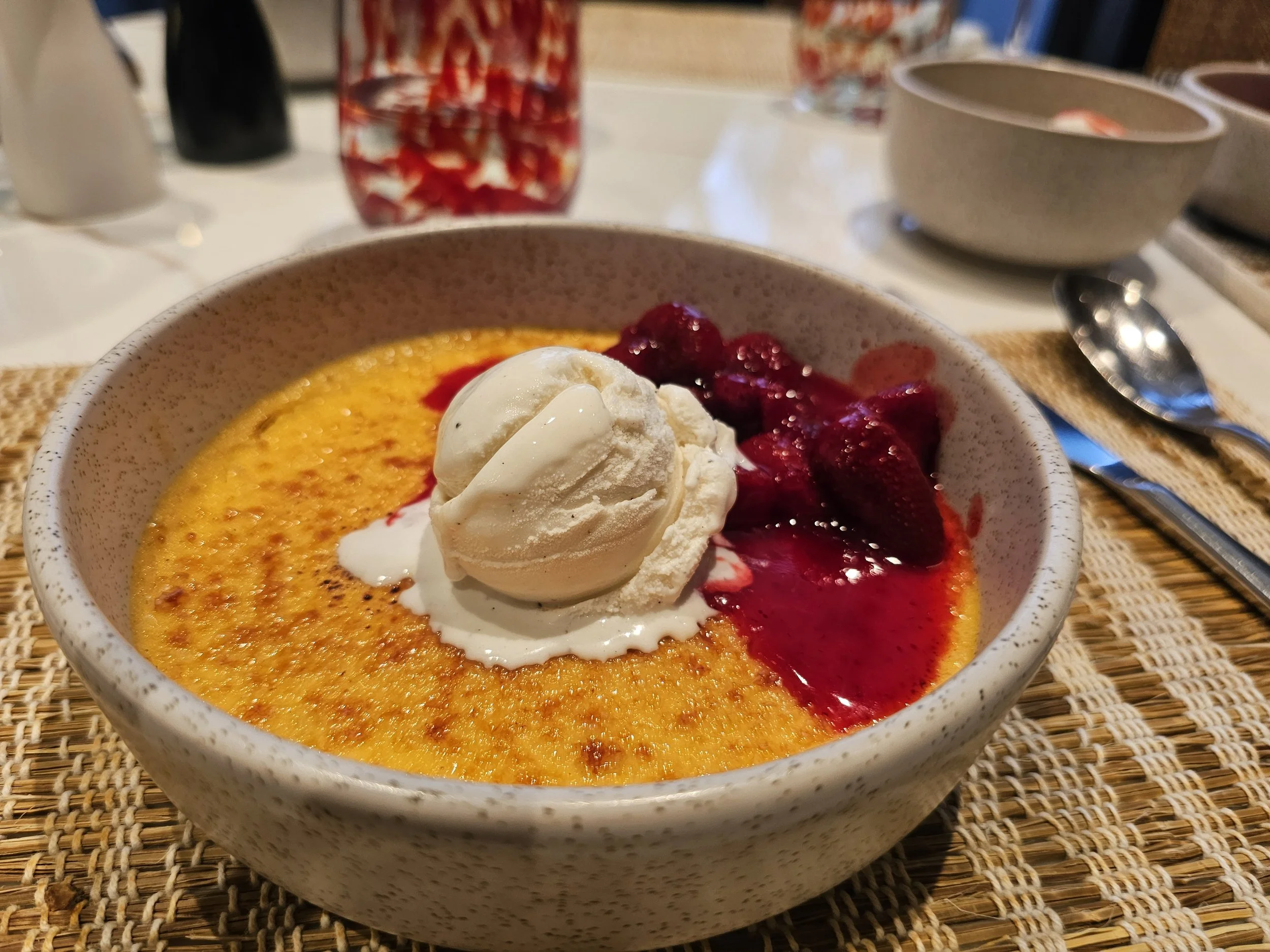
Dessert was a baobab crème brûlée, which had my attention immediately because baobab is so badly underused in Zimbabwean desserts. It was slightly heavy and a touch large for the format, and the ice cream on top was not doing it any favours, but the idea is genuinely exciting. With a little refinement that dish could be the thing people come for. They also do weekend brunch and there is pool access, so ask what is on before you book.
Gava’s — Belgravia
Gava's sits at Belgravia Sports Club in an open outdoor setting, and it does traditional Zimbabwean food: sadza, greens, beans, braaied meats, stews. You know exactly what you are getting, and that predictability is most of the appeal.
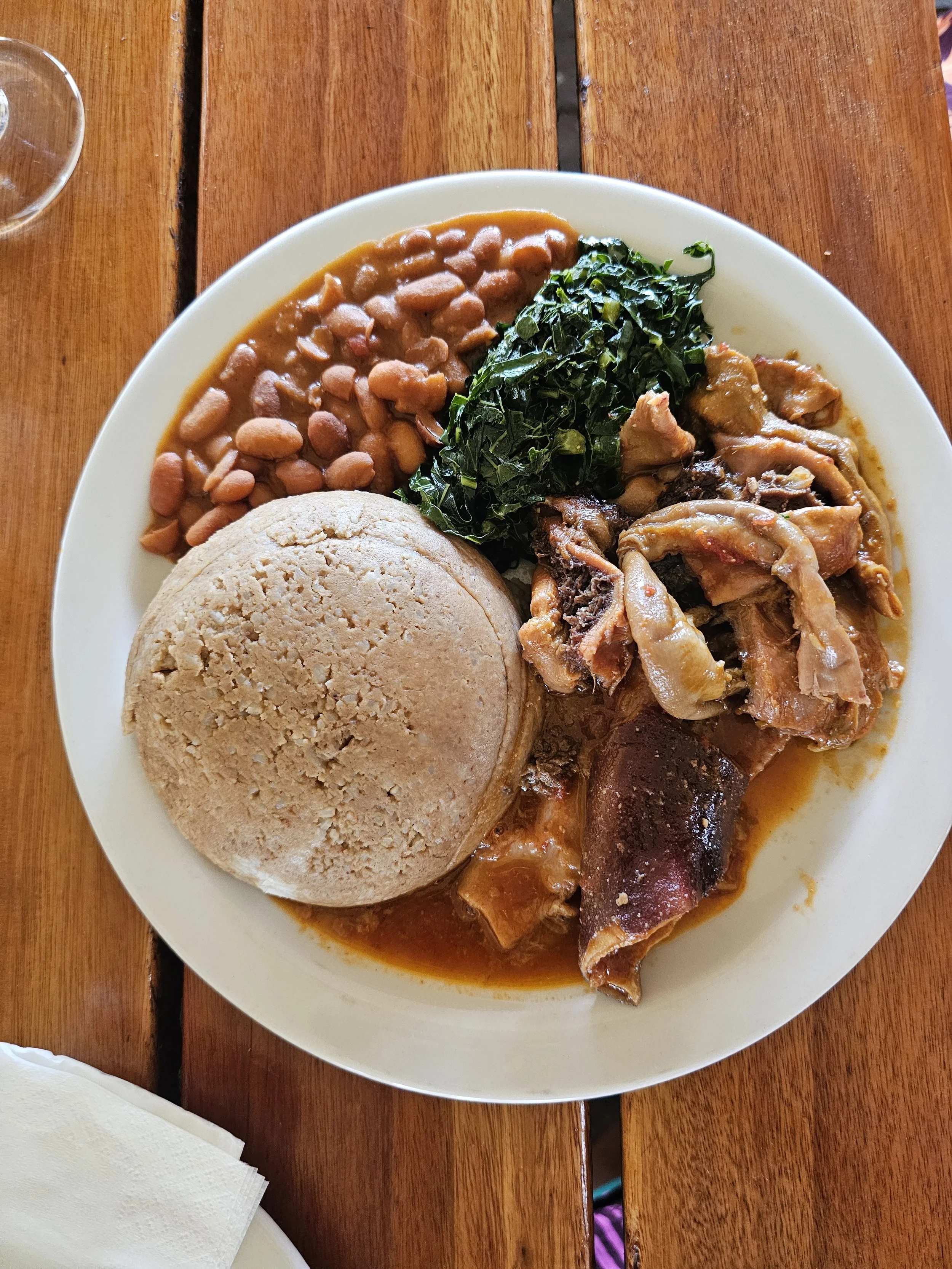
The waiters come round with a jug and bowl for handwashing before you eat, which is customary and also practical, because you will be eating with your hands. I was there with my mum. I had guinea fowl stew with sorghum sadza, greens, and sugar beans. She had the same and added maguru, cow stomach lining, served with peanut butter rice. Both are classics that you either grew up on or are brave enough to try for the first time, and there is no shame in either position.
On weekends there is live music and the place fills out. If you are visiting and want a real entry point into traditional Zimbabwean food, this is not a bad place to start, though it is worth knowing there are more authentic spots if you want to go deeper. And if you are hosting people, or feeding family, it does that job better than almost anywhere.
Brahman's — Borrowdale
Brahman's sits inside Sam Levy's Village, an open-air shopping centre in Borrowdale, and it is a lively gastropub that somehow manages not to be overwhelming, which is a harder balance than most places manage. We went twice, once during the day and once at night, and the energy shifts noticeably between the two. Daytime is laid-back. Evenings get social. I prefer the outdoor section when the weather cooperates, which in Harare is most of the time.
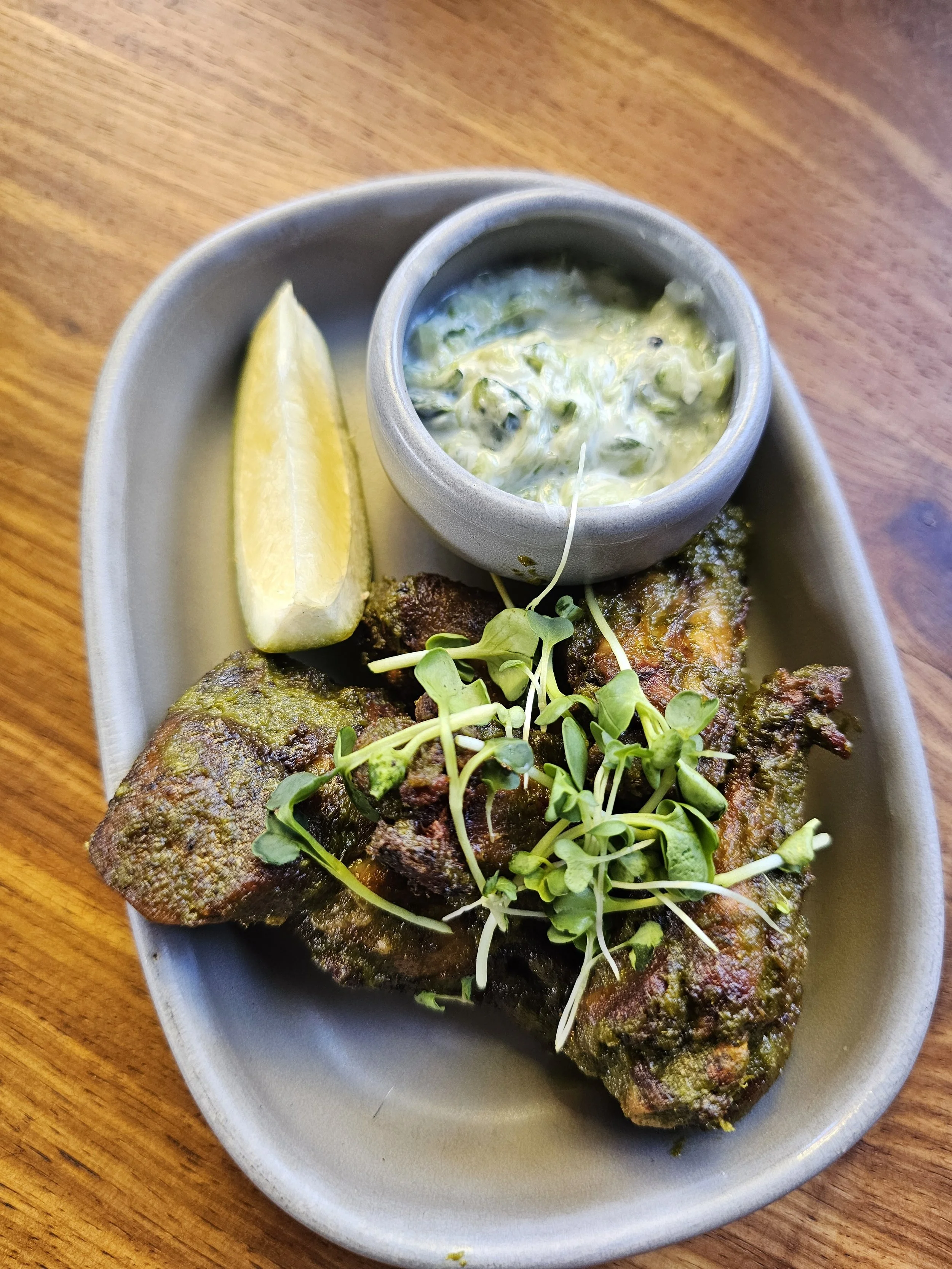
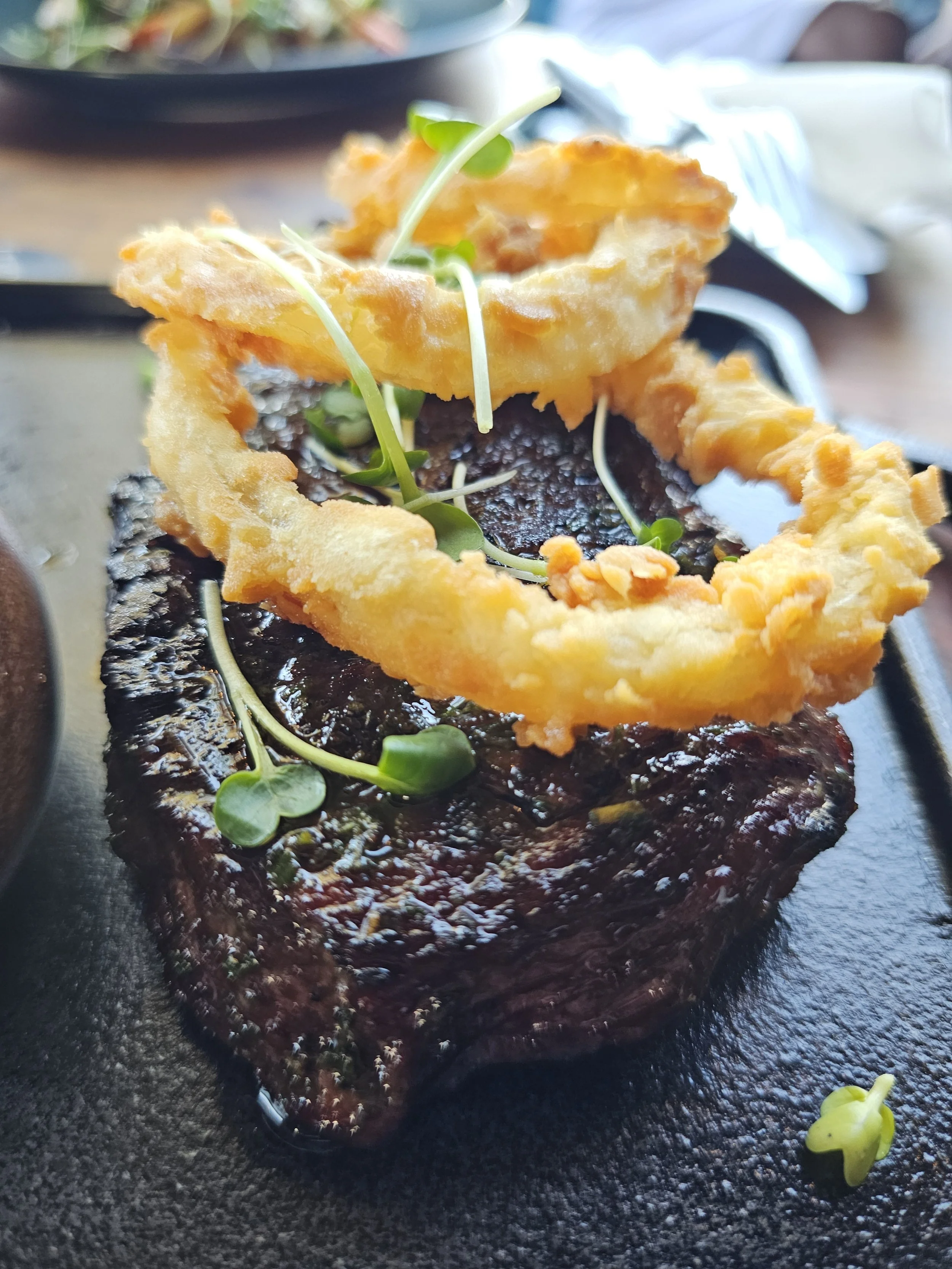
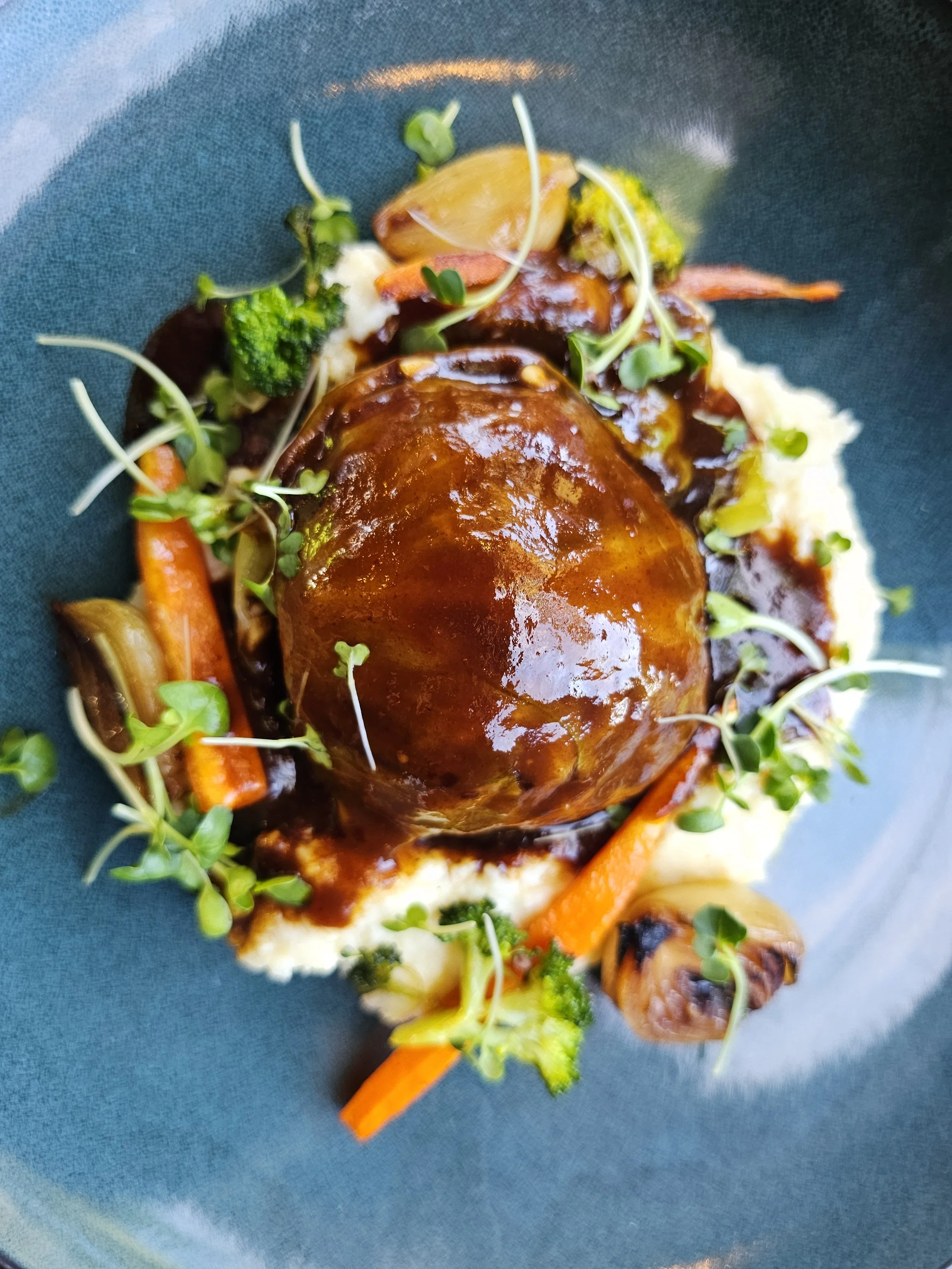
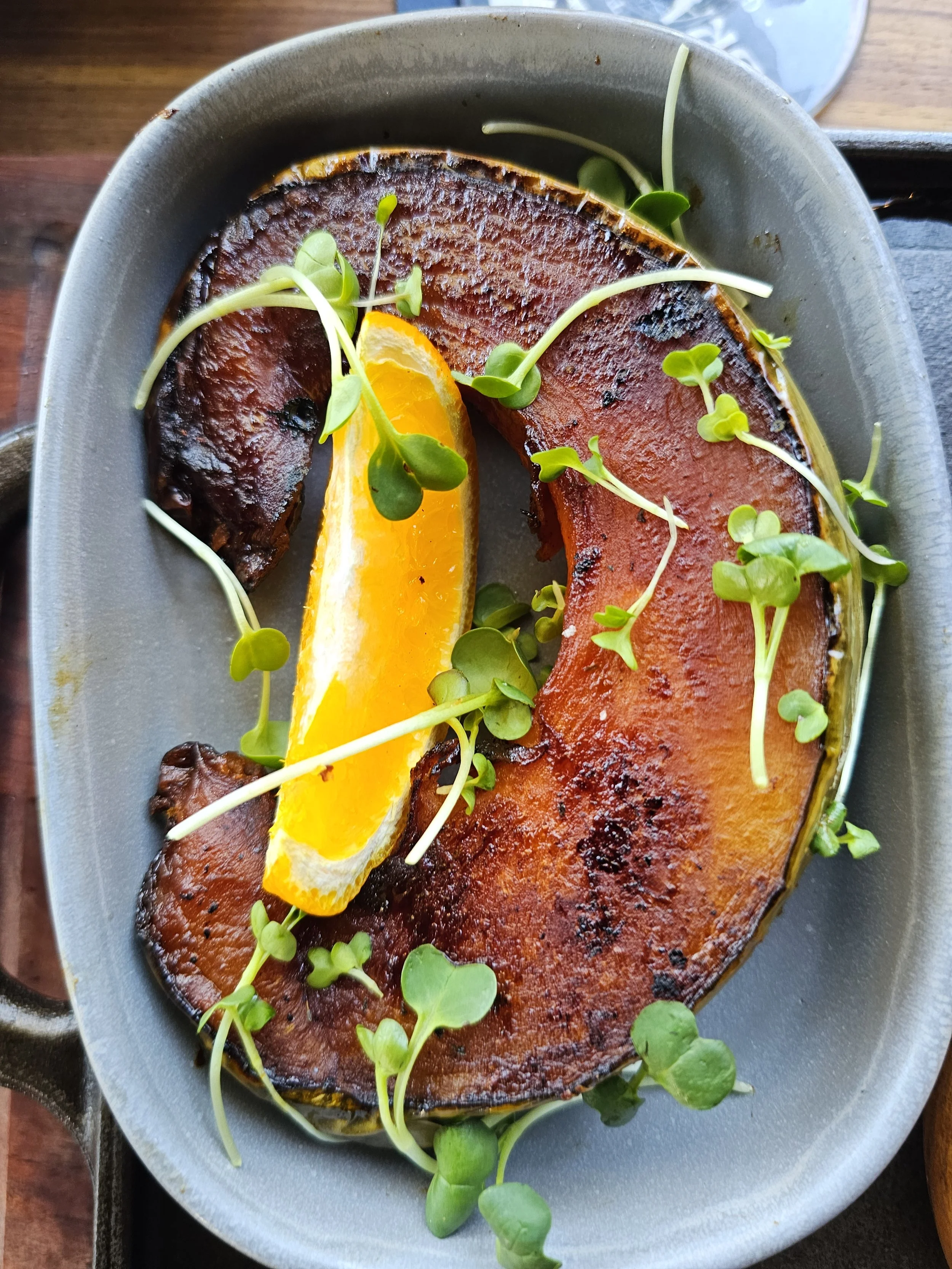
The menu is short and solid. Start with the char-grilled chicken wings, smoky and rich, served with a lemon and herb dip. The pulled lamb meatballs with red wine gravy and mash are generous and comforting in the way you want that dish to be. My main was the dry-aged sirloin with onion rings, orange roasted pumpkin, mushrooms, and a thyme sauce, and the pumpkin was the smart addition, that sweetness cutting against the beef. The wine list is decent too.
Practically speaking, this is a good place to catch up with someone properly, or to stop and reset in the middle of a shopping afternoon at the Village.
Wine Bar — Newlands
This was the stop I was most looking forward to, and it is the one I can tell you to go to without a single qualification.
Wine Bar is an extension of Victoria 22, one of the most respected fine dining restaurants in the city, opened in 2020 by Lucas and Matthias, the sons of the family who have run Victoria 22 since the nineties. I checked in with the executive chef personally to secure our table. Victoria 22 sets a high bar, so I arrived expecting a lot. The menu is modern European with global fusion touches and rotates seasonally, so ask your waiter what is actually on that night rather than planning around anything you read online. The cocktail list is short and genuinely impressive. We had the lychee rosemary margarita, which was outstanding, and a citrus red sangria before moving onto wine.
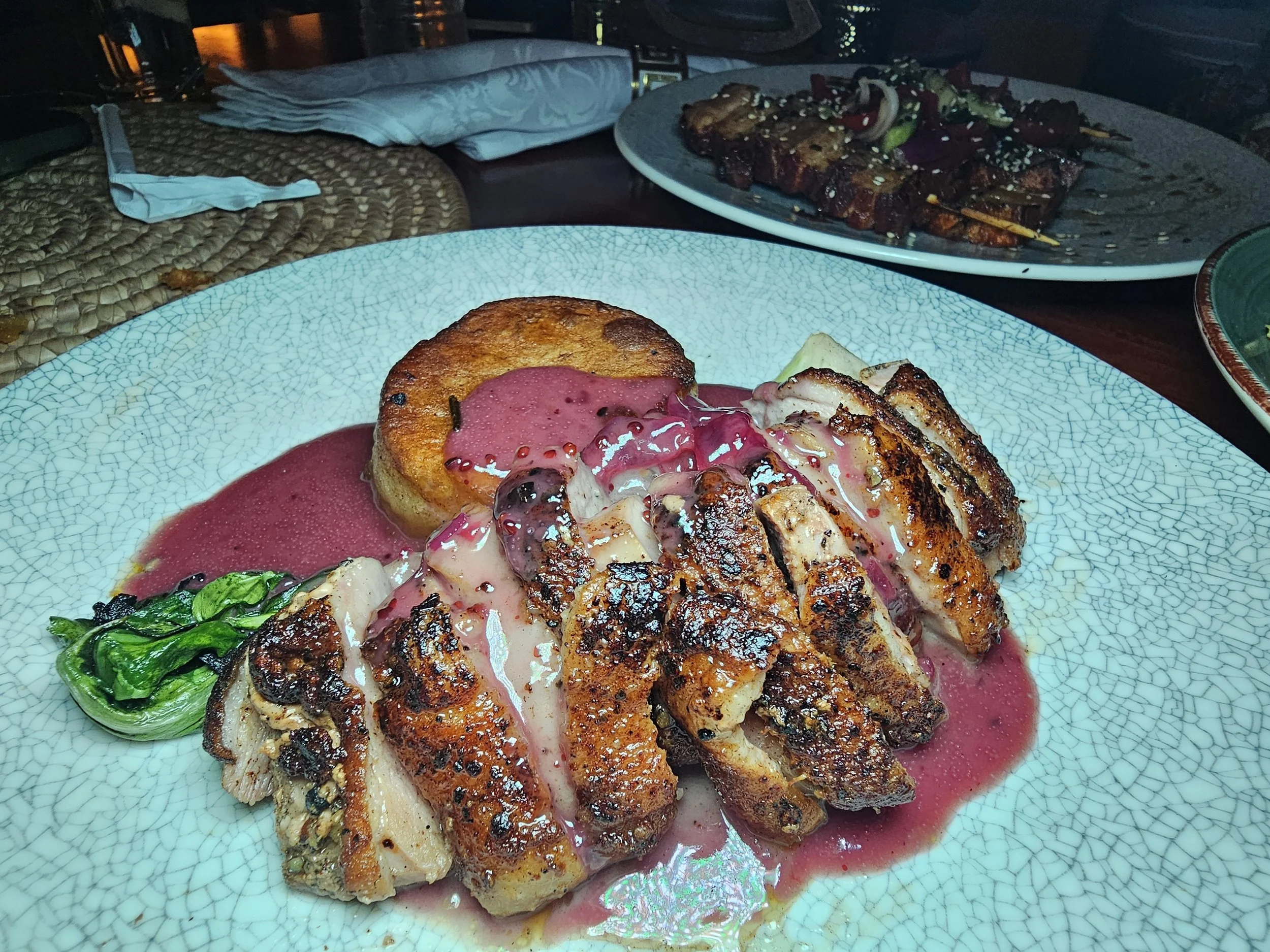
The approach to the food is simple: order many small plates and share all of it. Wasabi tempura prawns with sweet chilli. Pork belly and cucumber salad with ponzu. Lamb quesadillas that were not on the menu at all and arrived with tzatziki and were somehow one of the best things on the table. Then the potato fondant with duck breast and a blueberry red wine sauce, which is the dish I have been telling people about since. World-class, and I do not use that phrase loosely.
We also had the jerk chicken with apple slaw, and closed on the chocolate Amarula malva pudding, which is the one I mentioned earlier that edged out Mozambik's. This is a place I would book every single time I am in Harare, without thinking about it.
Plato — Chisipite, Multiple Locations
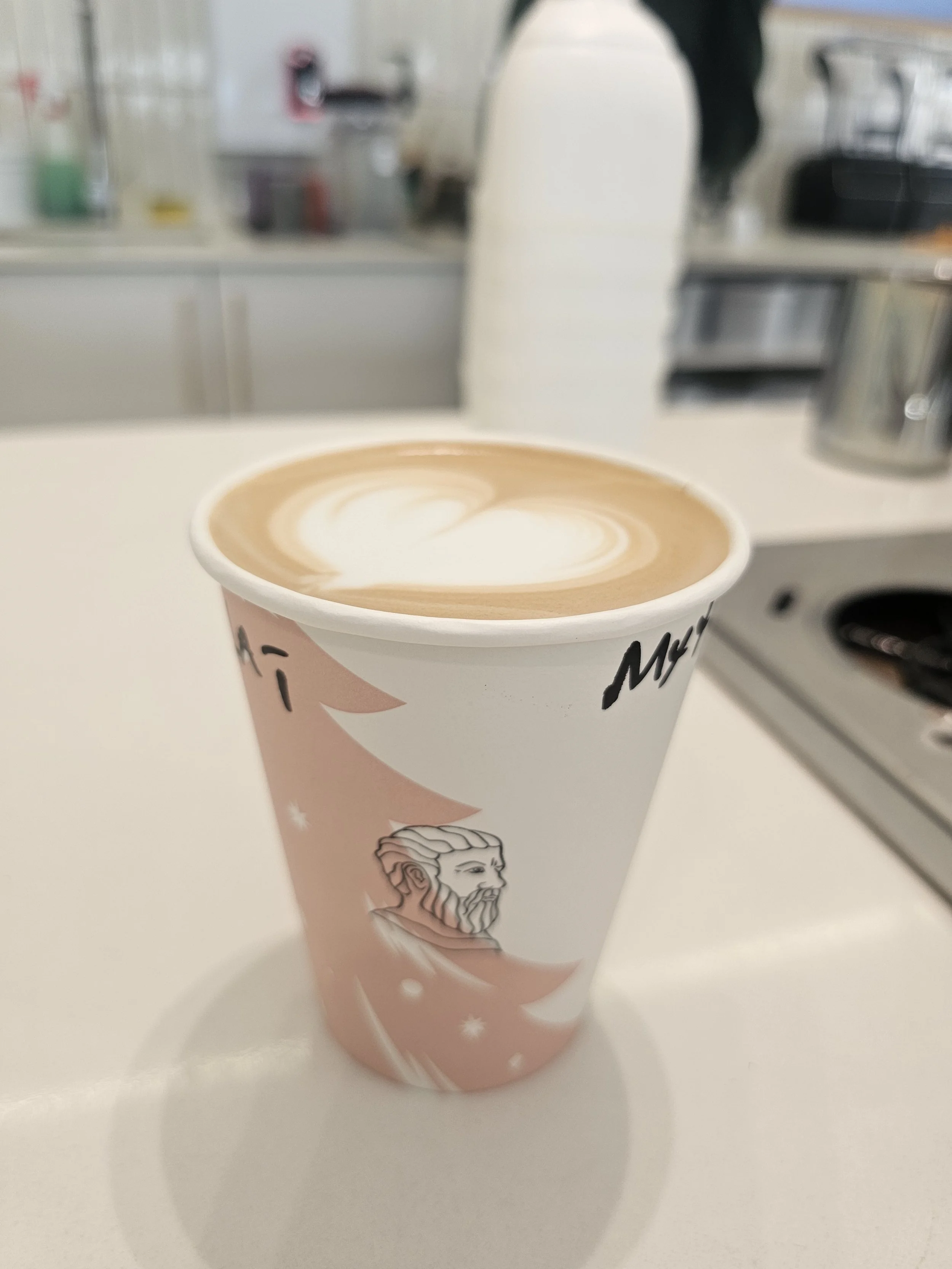
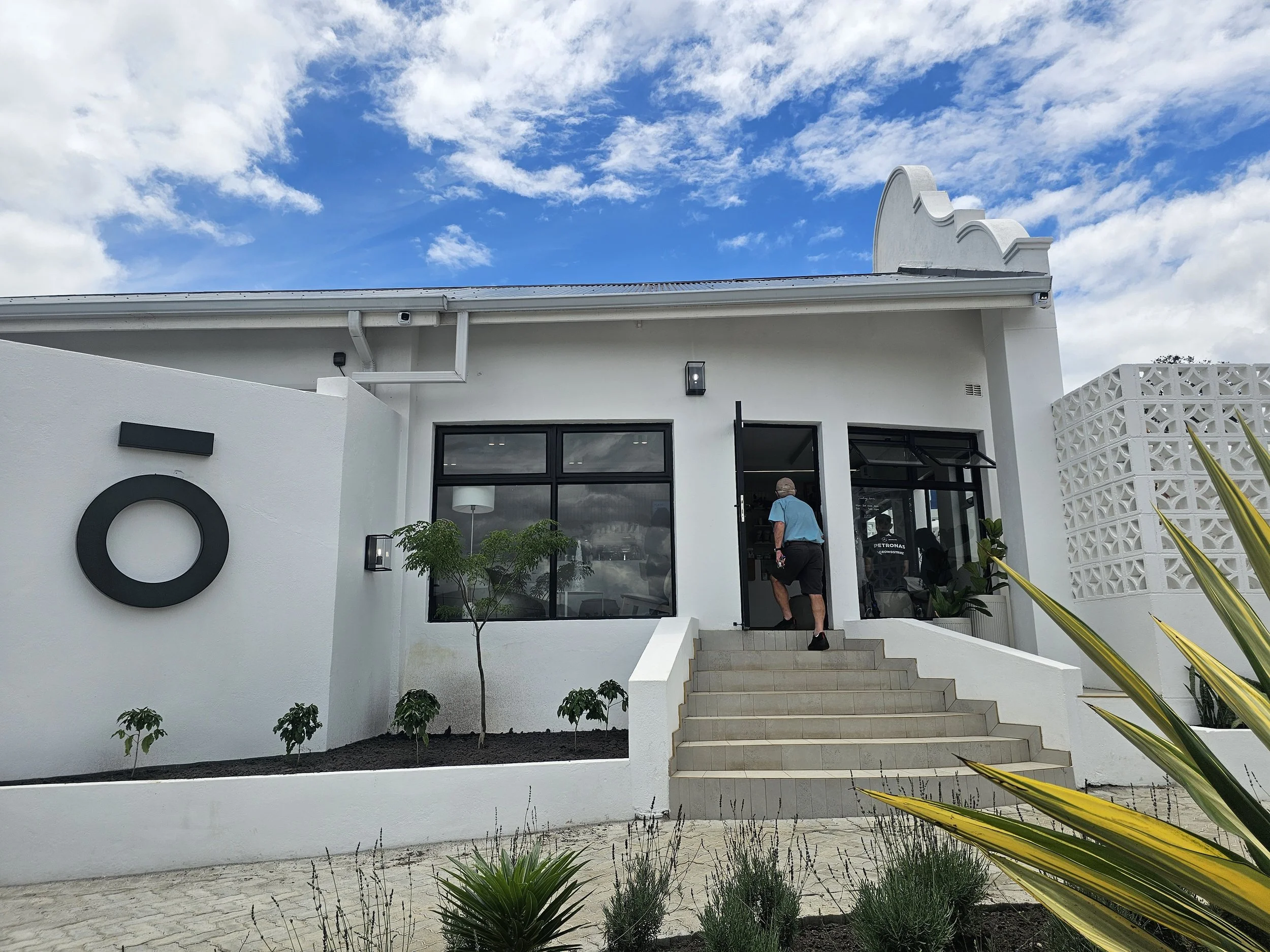
Plato is a South African chain doing well in Harare, and its arrival says something useful about where the city's coffee culture is heading. I stopped in for a latte and it was exactly what it needed to be. The space is clean, modern, and comfortable, the kind of room that works equally for a meeting or an hour of quiet work.
There are pastries, baked goods, and sandwiches, plus a few drinks that play with local flavours like rooibos. Some are named after Greek philosophers, which gives the menu more personality than it strictly needs. And yes, they write your name on the cup, which I first encountered at Starbucks in the States and have appreciated ever since.
Not a destination, but a genuinely useful thing to know about when you need one.
Surrey Pies — Multiple Locations
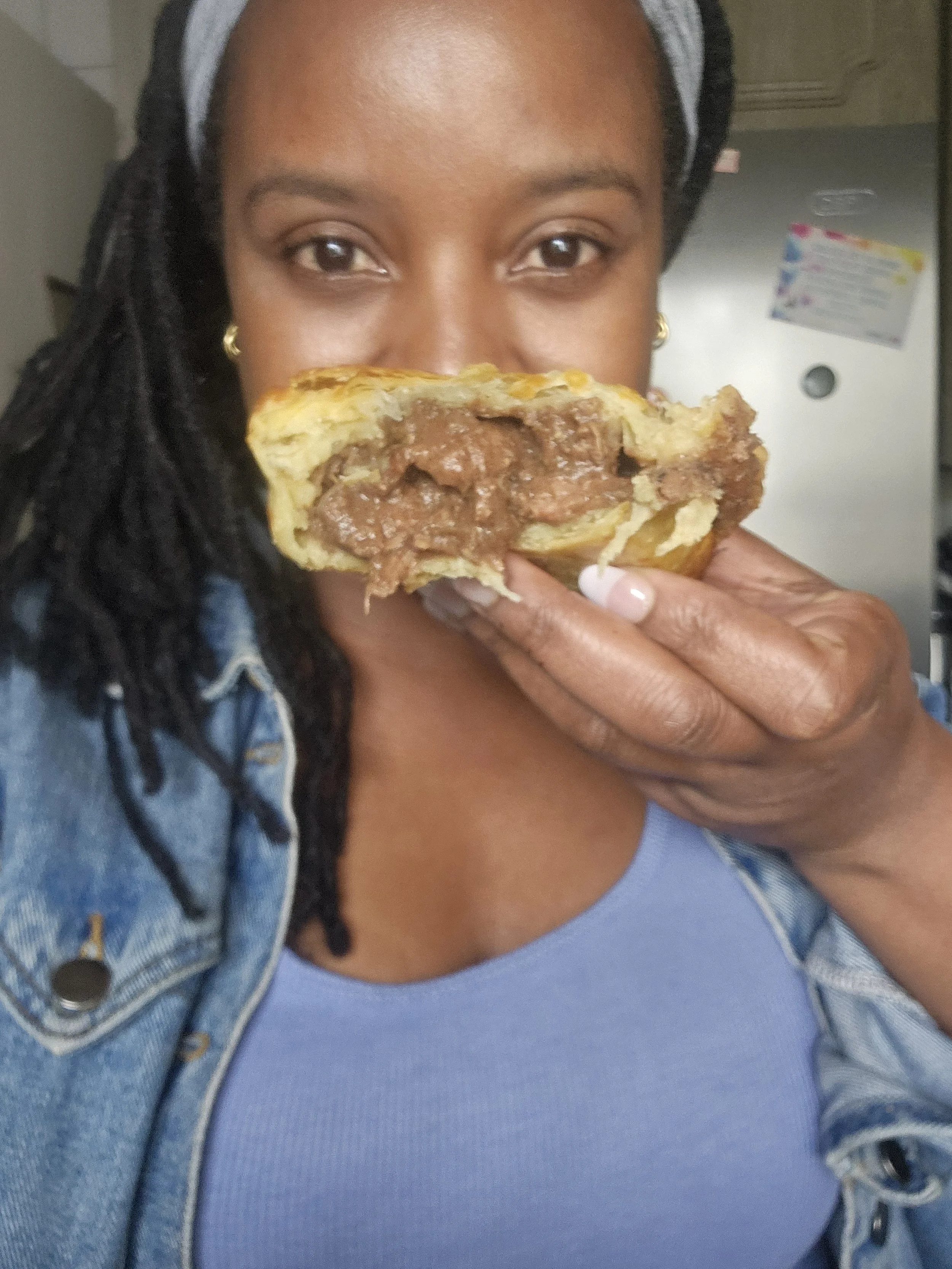
Zimbabwe does not lack for meat pies. There is Bakers Inn, Cafe Nush, the refrigerated section of any grocery store. But Surrey Group's pies are widely held to be the gold standard, and I wanted to test that properly rather than take it on faith. You can buy them fresh or frozen, the selection shifts by location, and steak and chicken are the main proteins.
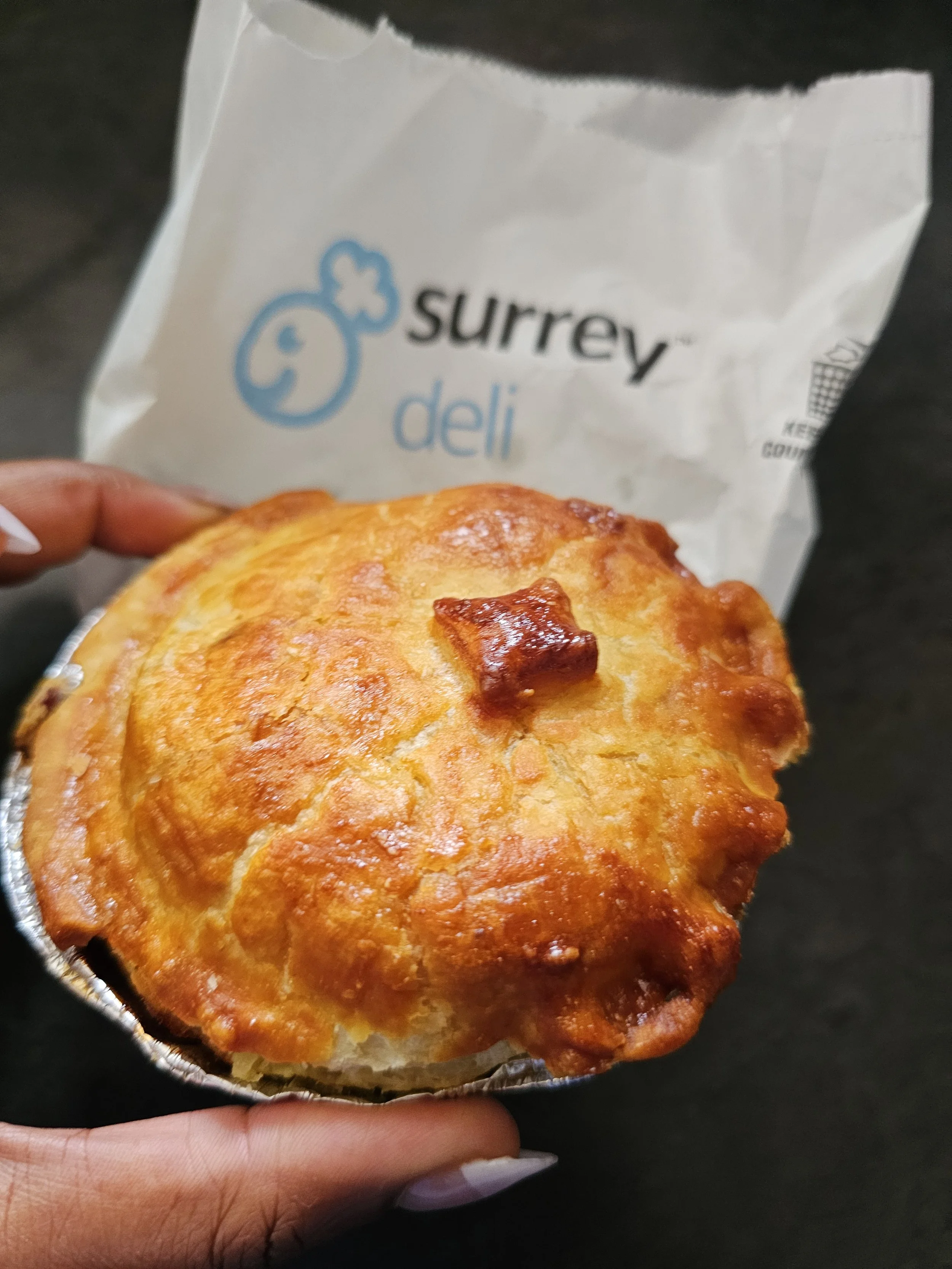
Here is what you actually need to know: pepper steak is the order. The pastry is buttery and properly flaky, the meat-to-pastry ratio is correct, and the filling is well-seasoned steak in a gravy rich enough to justify itself. I could eat them all day and have come close.
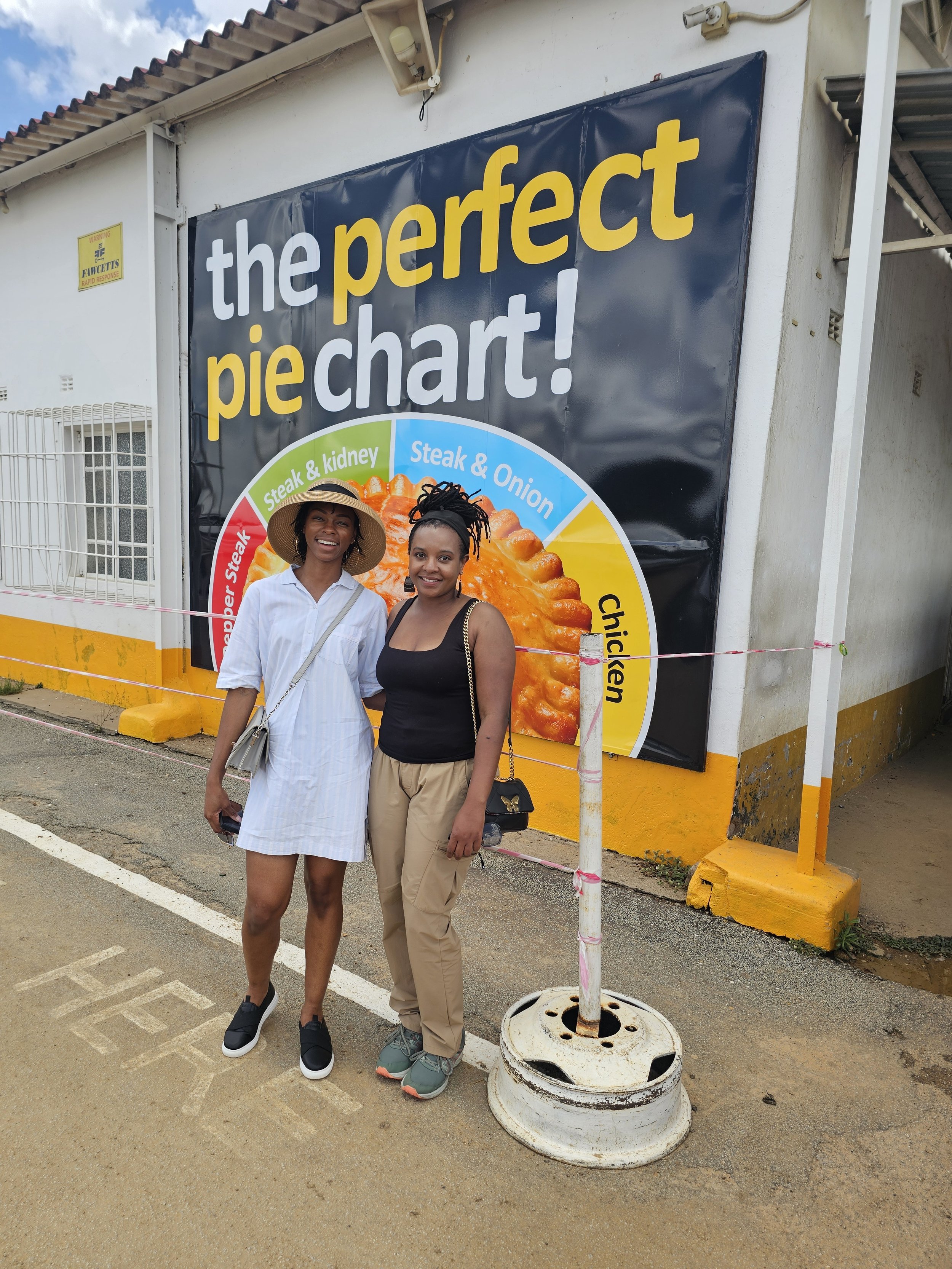
We stopped at the production site outside the city, past Ruwa on the Harare-Mutare Road toward Marondera, on the way back from Imire Conservation Park. Pepper steak, peri peri chicken, gango, and a bag of fresh buns. There is a butchery on site too, with biltong, fresh cuts, fish, and grocery staples.
If Pizza Inn is one Zimbabwean rite of passage, this is the other. Eat one warm, ideally in the car, and you will understand why nobody here needs it explained to them.
Eighteen places over a few weeks is not a survey of a city, but it is enough to notice what is shifting. The coffee culture has arrived properly. New concepts are opening with actual points of view rather than borrowed ones. And there are chefs here doing something genuinely interesting with local ingredients, treating the quality of Zimbabwean produce as an asset rather than a constraint to work around.
What has not changed is the foundation. The meat is still better than it has any right to be. The produce still tastes like it was grown rather than manufactured. And the best meals I had were not necessarily the most expensive ones, which is usually a sign that a food scene is healthy rather than performing.
If you are only here briefly, book Wine Bar for one evening and give Kelly's Kuttings a whole afternoon. Go to Mozambik for the seafood and bring people to Tongfu. Buy a pepper steak pie from Surrey and eat it warm.
And if you grew up here and have been away, the thing worth knowing is that the city has not been waiting for you to come back. It has been getting on with it. That is a better outcome than nostalgia.

48 Hours in Madrid: 6 Must-Try Food and Drink Spots While Sightseeing
Welcome to Madrid—a city where every corner tells a story, every bite is an experience, and two days just aren’t quite enough. Between its historic landmarks that seem to transport you through time and a vibrant food scene steeped in tradition, this Spanish capital is a feast for all the senses.
If you’re planning a quick trip, I’ve put together six must-try food and drink spots to visit as you explore the city. From cozy cafés and bustling markets to speakeasy-style bars, these places will give you a true taste of Madrid. Ready? Let’s dive in.

A Few Tips Before You Start
Arrive early at popular markets and brunch spots—they fill up fast.
Ask locals for dessert recommendations. That’s how we found our unforgettable churros stop!
Pace yourself. Everything looks amazing, but it adds up quickly.
Don’t skip the sweets. Spanish pastries and turrón are absolutely worth every bite.


We walked it off, of course, making a few stops along the way. We started with the Royal Palace, which is amazing to walk through, and then headed to the Almudena Cathedral, which is right opposite. There's so much to see, and Madrid is just screaming with history. I suppose you can say the same thing about most European capitals, but Madrid is just one for the books.

El Riojano: A Historic Start to Your Day
If you find yourself in Madrid early with luggage and no hotel check-in yet (been there!), a stop at El Riojano is a perfect way to fuel up before you begin your adventures. This bakery-café has been around since 1855, founded by a royal pastry chef. Step inside, and you’ll feel like you’ve traveled back to 19th-century Madrid, thanks to its original mahogany and marble counters gifted by the queen herself.
Despite its popularity, locals love this place just as much as tourists, so getting there early means snagging a seat in the cozy back area. The menu is extensive, with Spanish-style pastries, puff pastries, cakes, pies, desserts, sweets, and savory bites. My personal favorites? The tiramisu (arguably one of the best I’ve ever had), a savory (chicken) empanada, and the classic puff pastry bartolillo filled with cream. Don’t miss the honey-smothered pestiños either. The best plan? Order a variety and share so you can sample it all.
Mercado de San Miguel: Foodie Heaven in a Historic Market
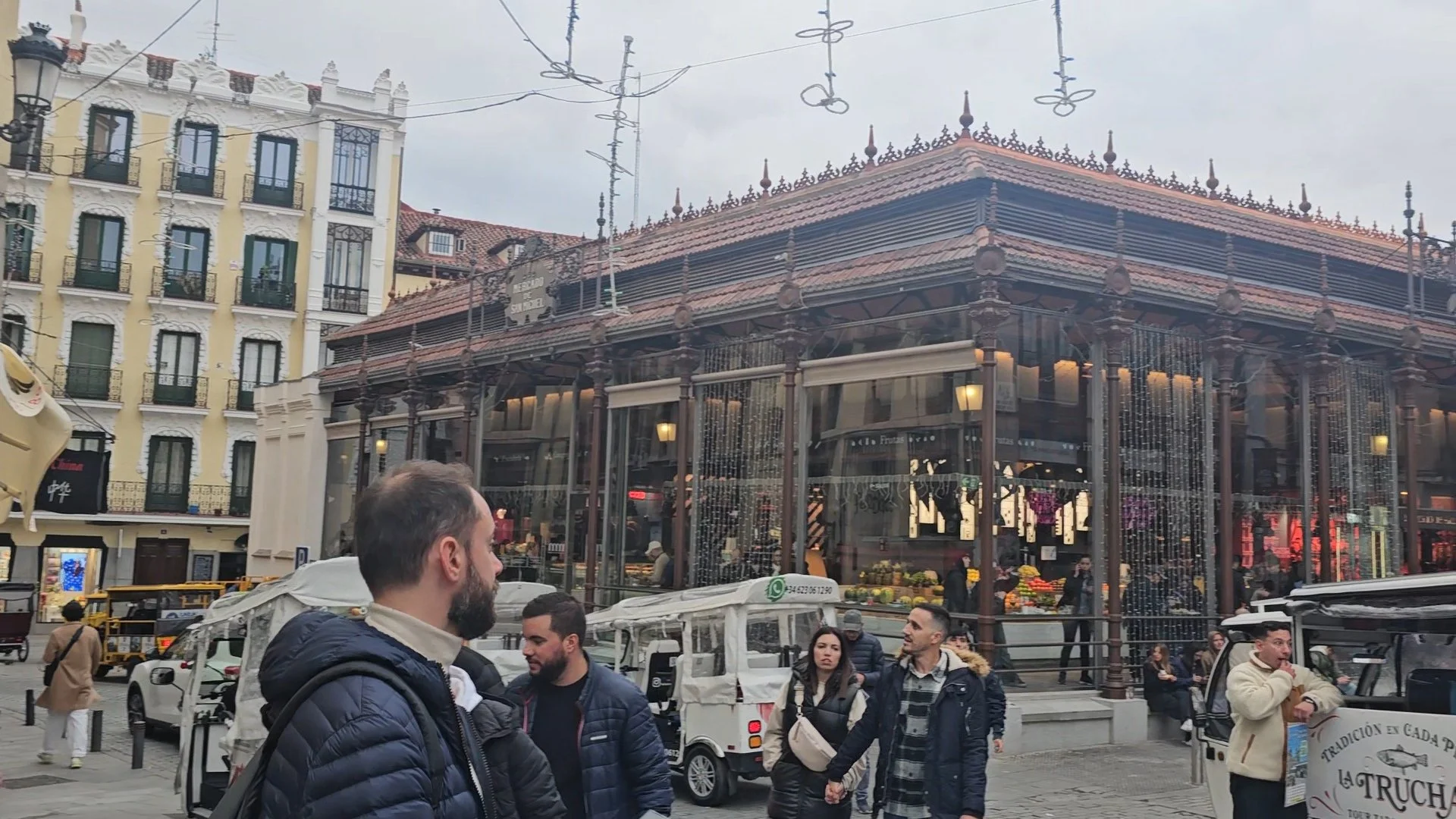
After a quick nap to shake off travel fatigue, we headed to Mercado de San Miguel, a must-see for any foodie visiting Madrid. I even made a video walking through the whole experience, but here’s the gist: this market has everything you could dream of, from traditional paella to sweet treats, and even adventurous bites like squid-ink calamari sandwiches and the ever-popular dry-cured ham (jamón).
One standout? Pig ears, yes, really! The drink options are just as impressive, with wines and Aperol Spritz cocktails everywhere, perfect for sipping as you wander. The bao buns with all sorts of fillings were another unexpected highlight.
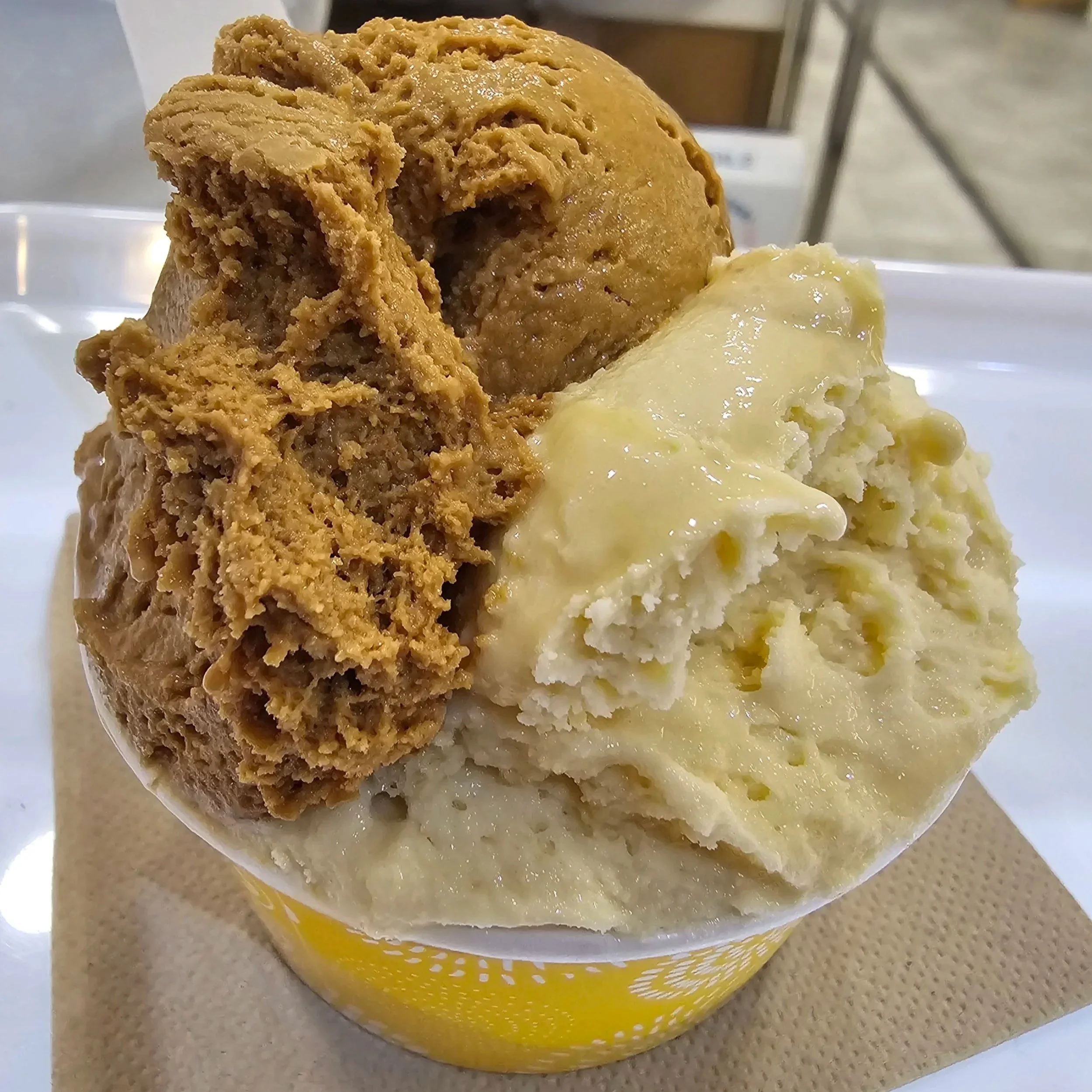
We got so distracted we skipped dessert there, opting instead for Italian-style gelato from La Dolcissimo Helado Y Más, rum and raisin and salted caramel flavors that were absolutely divine. On the way back, we made a few souvenir stops, where you can find everything from sidewalk stalls to shops selling regional specialties.
Cervecería Don Calamar: Brunch in Plaza Mayor
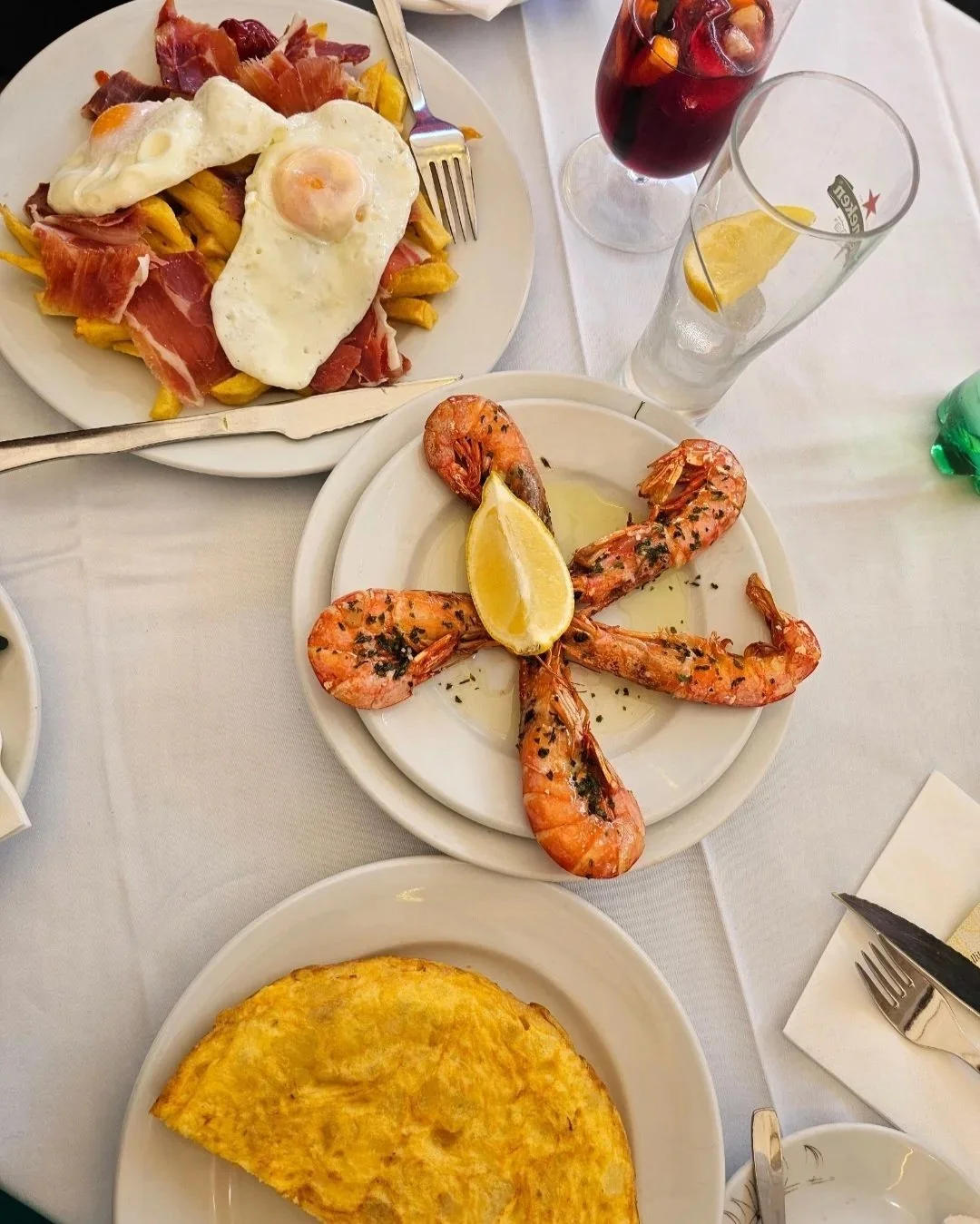
Day two started with brunch at Don Calamar, right in the heart of Plaza Mayor. Known for their fried calamari sandwiches, the menu here is much bigger, and you can see the dishes on display, super helpful when deciding. The interior is small and charming, perfect for a quieter meal amid the buzz of the square. We loved the fried potatoes with jamón serrano and the classic Spanish omelette (which is surprisingly filling, half a portion was plenty!). If you plan to stay active after brunch, a cappuccino is a great choice, alongside a refreshing sangria. Little touches like olive oil squeeze bottles added a distinctly European vibe. And a heads-up if you order grilled shrimp, they’re giant prawns with heads on. It’s not intimidating once you try them; they’re delicious but do require a bit of work.
Keep in mind, reviews here vary, so if you’re feeling adventurous, it’s worth trying other nearby brunch spots too.
Viscens Turrons: Sweet History in Every Bite
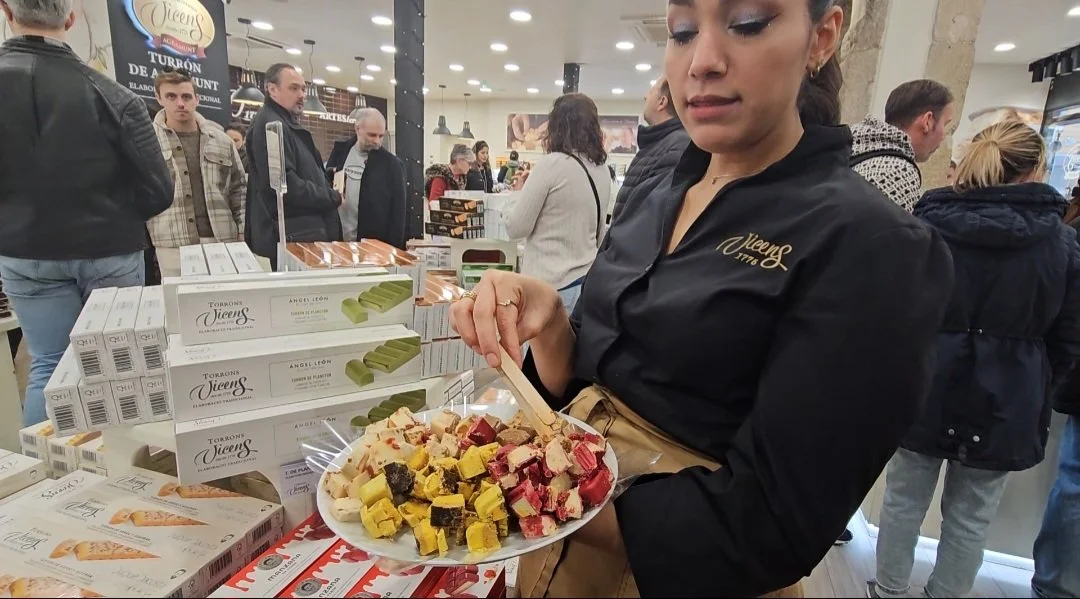
For a sweet energy boost while sightseeing, stop at Viscens Turrons. Turrón is a traditional Spanish nougat with a history going back over 500 years, made from honey or sugar, toasted nuts, and egg whites. It comes in chewy or crunchy forms and is especially popular around the holidays. Viscens offers over 300 flavors, including seasonal varieties and alcohol-infused options like Baileys, gin and tonic, and margarita. The free samples and friendly service make this stop irresistible. I picked up Soft Almond Nougat and a festive Gingerbread flavor, perfect for gifts or a special treat.
Tacita de Plata: The Ultimate Churros Experience
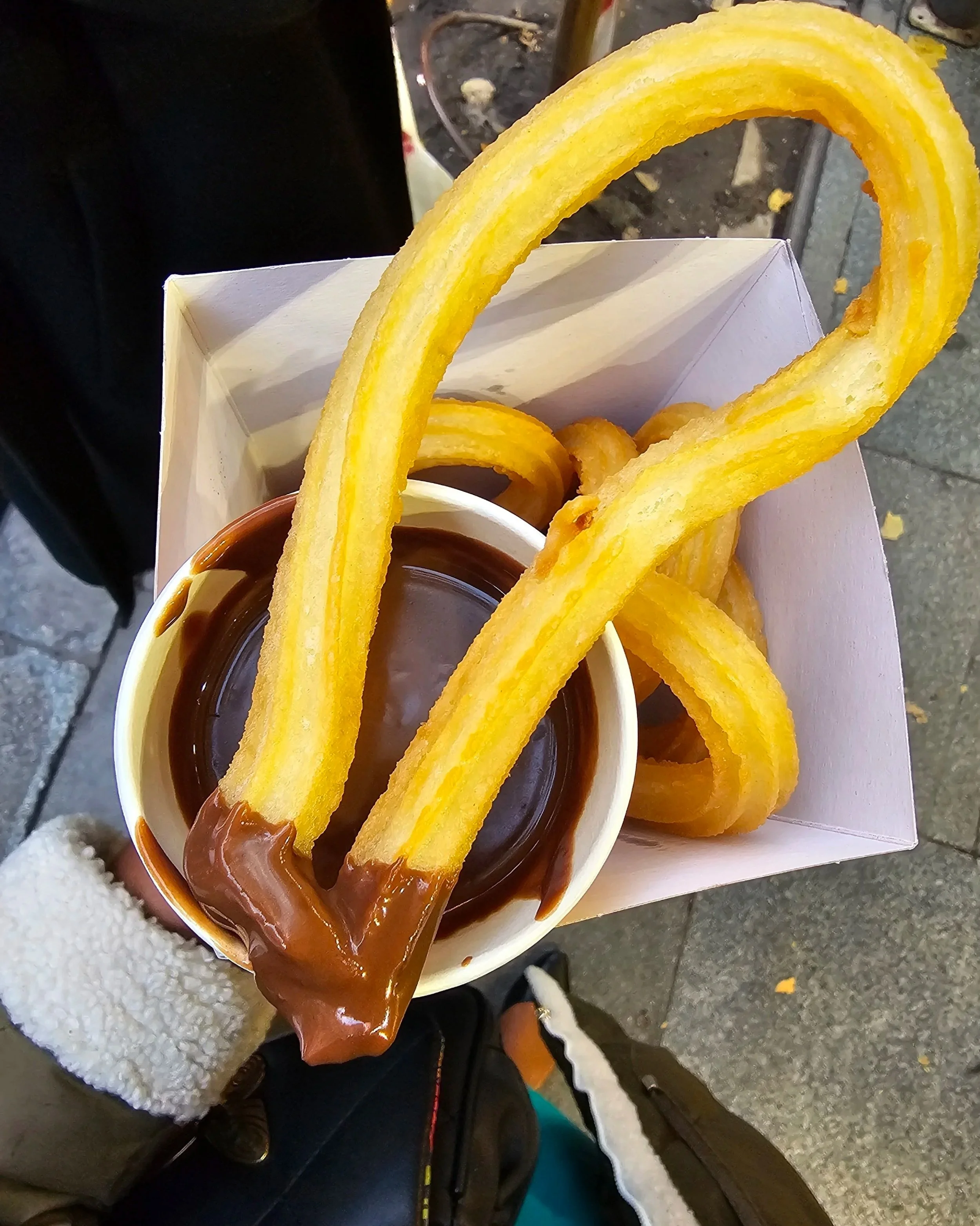
If you’ve ever dreamed of the perfect churros dipped in rich, velvety chocolate, Tacita de Plata is your spot. This family-run business has become a Madrid institution, and their churros are a world apart from what you might find elsewhere. They serve generous portions ideal for sharing, paired with thick, luscious hot chocolate—not the thin cocoa you might be used to. They even offer several chocolate varieties, including options for dietary restrictions. The churros themselves are crisp, fluffy, and warm—definitely deserving of a relaxed, sit-down moment. If churros aren’t your thing, their menu also features doughnuts, waffles, and other treats. But trust me, the chocolate should be your priority here.
Calle 365: Madrid’s Hidden Speakeasy
Last but certainly not least, Calle 365 is a secret gem hidden behind what looks like an old door to a spirits shop. This speakeasy-style bar and discothèque is full of surprises. There are two entrances, and upon entry, you get a shot and a playfully presented cocktail (there’s usually a small cover fee). Sometimes you even need a password to get in!
When we visited, the place had a Brazilian theme, which extended to the food served by a food truck right on the dance floor, tacos and arepas, anyone? I tried the RANA “AMADO” cocktail from the secret menu, a refreshing blend of Larios 12 gin, violet and lychee syrup, white vermouth, lemon juice, and soda. It was an unforgettable experience and a fantastic way to cap off our Madrid food journey.


Madrid offers so much more than this, but if your time is tight, these six spots will give you a delicious snapshot of the city. After this trip, we headed to Ávila to explore more of Spain’s countryside, but Madrid was an incredible start.
Ocean City, MD in 3 Days: Top Things to Do, Eat and See on a Weekend Getaway
Thinking of heading to Ocean City, Maryland this summer? Whether you’re planning a quick weekend escape or a full beach week, this vibrant coastal town is packed with things to do, but even more importantly, things to eat. In this post, I’m sharing a 3-day journey up and down the Ocean City strip, from boardwalk staples to hidden gems, all through the lens of a foodie trying to make every bite count.

Day 1: Hit the Strip Running
As soon as we arrived, I didn’t even want to unpack, we hit the strip running. First stop: Fish Tales Bar and Grill.
This spot is a vibe. It’s got a deck right on the beach, with sand under your feet, open-air seating, and floating tiki bars that make you feel like you’re in the Caribbean. Start your visit with the frozen coconut margarita, a tropical and ultra-refreshing. We ordered the walking tacos, a fresh garden salad, and split the mahi Reuben, which was a clever spin on a classic. The shrimp and chips also hit the spot, hot, crispy, and just what you want near the water.


Once we checked in at Princess Royale, we relaxed and took advantage of the direct beach access. Note: it's a little farther from the boardwalk, so plan your transport accordingly.


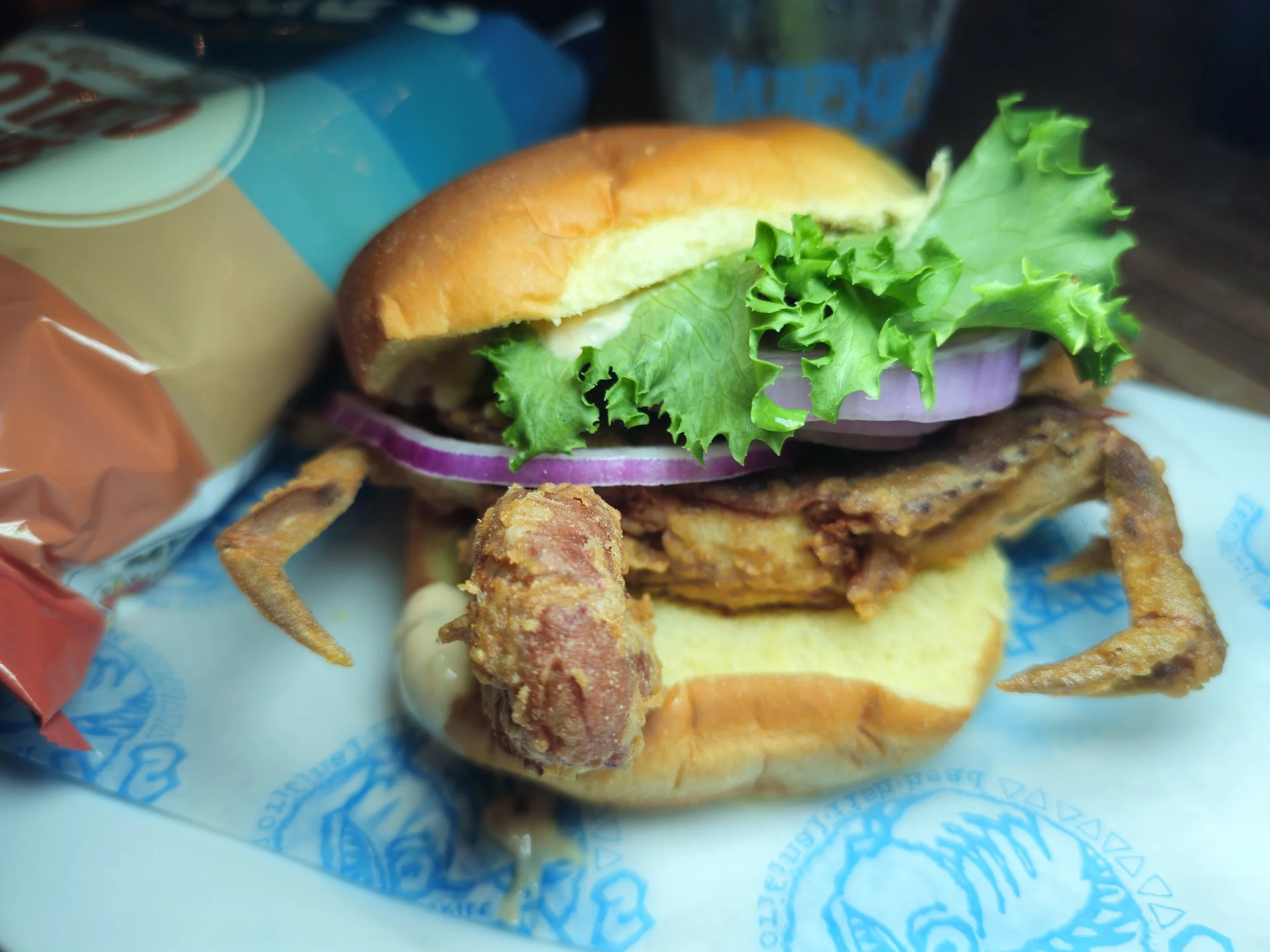
That evening, we grabbed dinner at Macky’s Bayside Bar and Grill, a lively waterfront spot perfect for watching the sunset. Their signature cocktail, the Dirty Banana, is practically a requirement. I paired mine with a soft-shell crab sandwich that was in season and absolutely delicious. The crowd is upbeat, the music’s going, and you can catch a game on the big screens.

To end the night, we swung by Dodo’s Edible Cookie Dough and Ice Cream, where we loaded up a custom dessert with cake batter dough and salted caramel brownie ice cream. If cookie dough is your thing you will want to check this place out.


Day 2: Sand, Spirits and Sweets
We kicked off day two with some beach time before heading to Seacrets Jamaica USA, hands-down one of the most memorable stops of the trip. Seacrets is more than just a restaurant, it’s part beach bar, part club, part waterfront oasis. Picture palm trees, floating tables in the bay, and multiple live music stages. It’s electric. We didn’t dine there this time, but I did try a few of their house-distilled spirits: the Bumbleberry Vodka, Passion Fruit Vodka, and their award-winning Spiced Rum, all incredibly smooth and flavorful.
If you’re a spirits fan, the distillery tour next door is a must. Pro tip: get to Seacrets early to avoid long lines and cover charges.


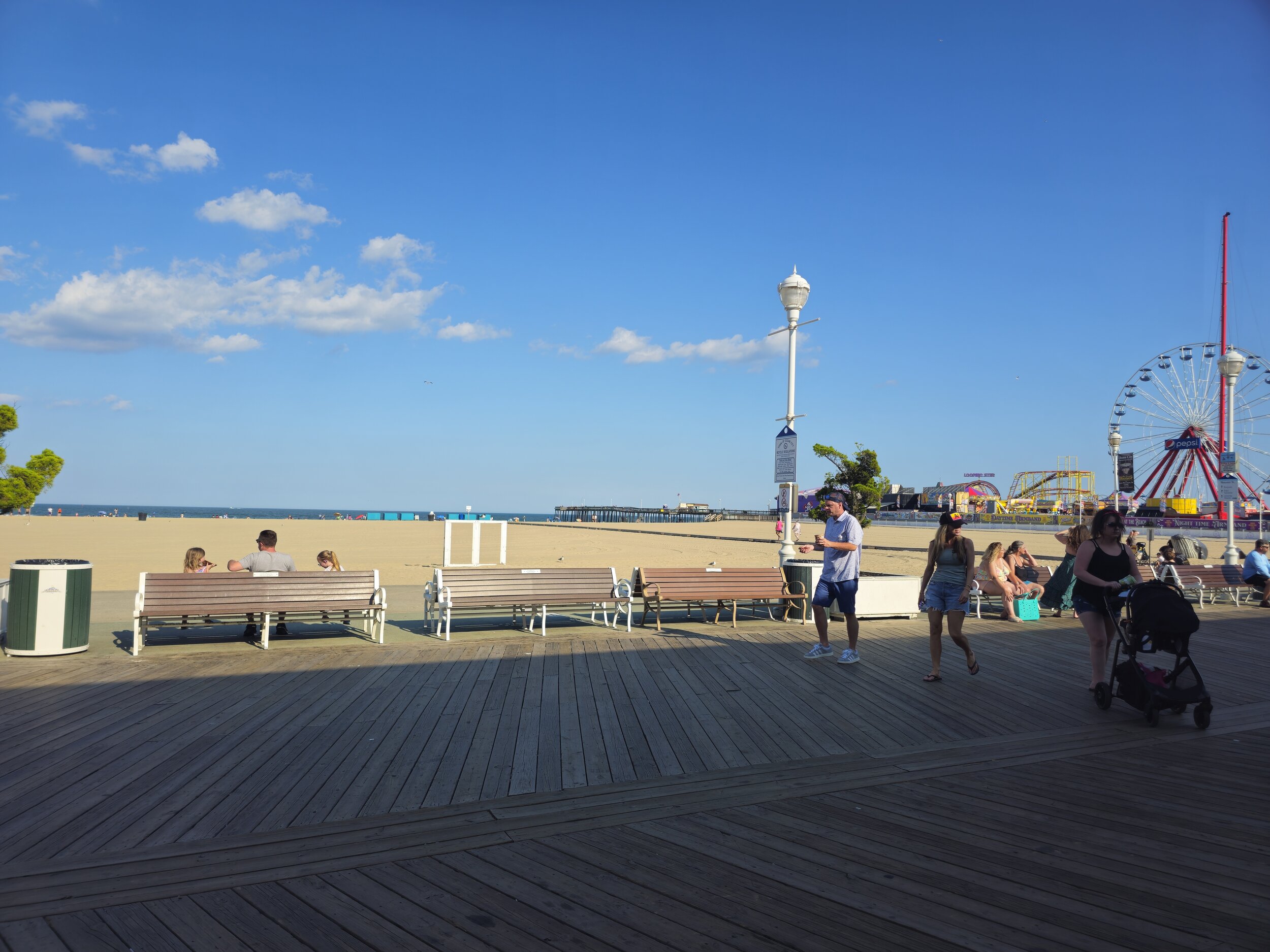
Later in the day, we finally explored the Ocean City Boardwalk, which regularly ranks among the top in the country. To cool off, we hit Dumser’s Dairyland, a local legend for over 80 years. I went classic with Oreo, and it did not disappoint. We tried Fisher’s Popcorn next (you can find them nationwide), but nothing beats grabbing a fresh bucket on the boardwalk. I sampled the Old Bay caramel and white cheddar — both worth taking home. Not all boardwalk snacks are created equal, though. We had some very underwhelming funnel cake and then churros later that night — dry and flavorless — so choose your vendors wisely.


For dinner, we scored a reservation at The Hobbit, one of the more refined dining experiences in Ocean City. Located beneath the Rivendell Condos, this upscale seafood restaurant has been around since 1977. The view is usually stunning, but it was already dark when we arrived. We started with some Spanish wine and warm bread. I ordered the special: the Shire Mixed Grill , a beautiful surf-and-turf plate with pork tenderloin, jumbo shrimp, chorizo, chipotle mashers, and broccolini. A return visit is already on my list.

From there, we popped into Guido’s Burritos, a late-night spot serving Mexican street fare and a massive selection of tequilas, apparently the largest in Ocean City. The vibe is upbeat and fun; just double-check kitchen hours if you're looking to eat late. We ended the night at Skye Bar, one of the few rooftop lounges in town. The host was lively and welcoming, even treated us to kamikaze shots. Skye is known for its fresh oysters and seafood, but I went with their Watermelon Crush and a side of sweet potato tater tots, both hits. It’s open late and makes a great final stop for the night.


Day 3: Brunch, Sailing, and a Sunset Show
On day three, we took it a bit slower. After a morning beach session, we stopped by Current Oceanfront Bar and Grille at Princess Royale. They can get backed up during busy hours, but the beachside location and solid drink menu make up for it. Favorites included the Hot Honey Bourbon Peach Smash, Peach Crush, and Pina Colada. We also split the Summer Berry Arugula Salad with blackened shrimp and the Crabby Pups, hush puppies stuffed with crab. Surprisingly good for hotel fare.


In the afternoon, we booked a sunset sail with Sail Alyosha, a 50-foot catamaran that offers beautiful views and a chill escape from the bustle. The cherry on top? They served Taharka Brothers Ice Creamfrom Baltimore during the cruise. I tried the Olive Oil and Sea Salt flavor, rich, creamy, and completely unique.

Back on land, we wrapped up the night at Ropewalk, a fun, family-friendly waterfront spot with multiple decks, bars, games, and a playground. The seasoned waffle fries are beloved for a reason, and I ordered the Flounder Roulade, fresh fish with crab stuffing and a light sauce that elevated the dish beautifully. The Murphy’s Mac and Cheese, however, was overpriced for the portion and protein. But the fireworks show over the bay (yes, they played Katy Perry) was a perfect finale to the evening.

After dinner, be sure to stop by Justine’s Ice Cream Parlour — a retro-style dessert shop known for its iconic Wall of Shakes, neon lights, and old-school vibe. Their award-winning ice cream has earned local cult status, and it's easy to see why. I went with the caramel pretzel flavor in a chocolate-dipped cone, rich, creamy, and indulgent without being overly sweet. The salty-sweet combo was perfectly balanced, with a satisfying crunch from the pretzels.
They offer over 40 flavors, as well as massive specialty milkshakes topped with full desserts like brownies, cookies, and even cupcakes. If you’re indecisive, ask for a sample or two, the staff is friendly and used to helping people find their new favorite.


Final Morning: Brunch at Barn 34 and Mini Golf Victory
Before heading out of town, we brunched at Barn 34, one of the most popular spots for good reason. It’s first come, first served, but the wait was absolutely worth it. I ordered the Cinnamon Roll French Toast with a side of eggs, bacon, and avocado. Add a passion fruit mimosa to the mix and it was a full send-off. To walk it off, we played a round at Embers Island Mini Golf. We chose the Pirate’s Course and had a blast, $12 well spent. Mini golf is huge here, and while it's lighthearted fun, there are real courses nearby if you're serious about your swing.

Final Thoughts
I hope you found this guide to Ocean City useful, and that the references come in handy when planning your next beach getaway. It’s a fun, flavorful destination, whether you're traveling solo, with family, or as a couple.

Flavors of the Pearl: What to Eat When Visiting Uganda
Exploring the Pearl of Africa
I didn’t think I’d have the chance to visit Uganda any time soon, but it happened while I was there for a business conference. I’ve been to Tanzania and Kenya before, but Uganda wasn’t a place I had ever associated with “must-try” food. I can now say—that was a mistake.

From the little I experienced, Uganda offers a rich and diverse food culture. Different regions are known for specific dishes, influenced by local climate, soil, and taste preferences. And as is common in much of East Africa, you’ll notice subtle or even direct influences from Indian and Arab cuisines, creating a fusion of flavors and techniques that make the food scene truly unique.
Why It’s Called the Pearl of Africa
Uganda is called the "Pearl of Africa" for a reason. Similar to the way I viewed Kenya, Uganda offers so much variety—its landscapes, cultures, food, and wildlife are all incredibly diverse. There’s nothing monolithic about this last landlocked African country. It’s rare, rich in character, and quietly stunning—like a pearl. The nickname was popularized by Winston Churchill, who used it to describe the country's beauty and ecological wealth.
A Taste of Uganda’s Regional Flavors
To give you a clearer picture:
In the Central Region, matoke (steamed green bananas) is a staple, often served with peanut sauce or beef stew.
The Northern Region features dishes like malakwang, a tangy vegetable stew commonly eaten with millet bread.
In the East, meals like atapa (a mixture of millet and cassava flour) are served with smoked fish or groundnut sauce.
The Western Region is known for rich dishes like Eshabwe, a ghee-based sauce typically paired with matoke or potatoes.
Each region brings its own flavor and identity to the table, turning food into a journey across the country.
By Lake Victoria
One of the most memorable aspects of this trip was being near Lake Victoria. Its presence contributes to Uganda being known as the "food basket" of East Africa. The lake supports an abundance of fresh fish—especially tilapia and Nile perch. At one point, I asked a local if the fish ever run out, and they laughed, telling me that Uganda exports so much fish you can even find Ugandan fish in UK supermarkets. Wild, right?

The fruits get the same treatment and are a boon for the economy, shipped to neighboring countries and praised for their flavor and texture—especially the mangoes, pineapples, and papayas. Uganda is also known for other major exports, including coffee and tea, much of which is grown in Jinja and other fertile regions across the country.


I managed to grab some at the airport, but unfortunately, I couldn’t get my hands on a spice blend to make the famous African spiced tea or masala chai. That wasn’t the only thing I grabbed either. I noted that papaya is a must eat fruit, so of course when I saw the jam had to grab some! I don’t think I I’ve ever seen jam made using pawpaws as I've known them, and figured it would inspire me to make my own.
As for the gin? Well, I first tried the coconut flavour at the bar, and in my way back homedecided to get both that and the plain. Ugandan gins often incorporate local botanicals, giving them distinctive flavor profiles compared to Western gins.Waragi gin specifically, is probably the most iconic Ugandan gin. “Waragi” is a local term for gin and also colloquially refers to any strong spirit. This one is made from sugarcane and has a rich, slightly sweet profile. The coconut is my favorite woth a subtle but rich coconut after taste.

Where Did I Stay: Speke Resort, Munyonyo
I was in town for a conference and stayed at Speke Resort Munyonyo, located in an upper-middle-class area of Kampala, about 30 minutes from Entebbe via the expressway. The venue is massive and regularly hosts some of the country’s largest conferences and events.
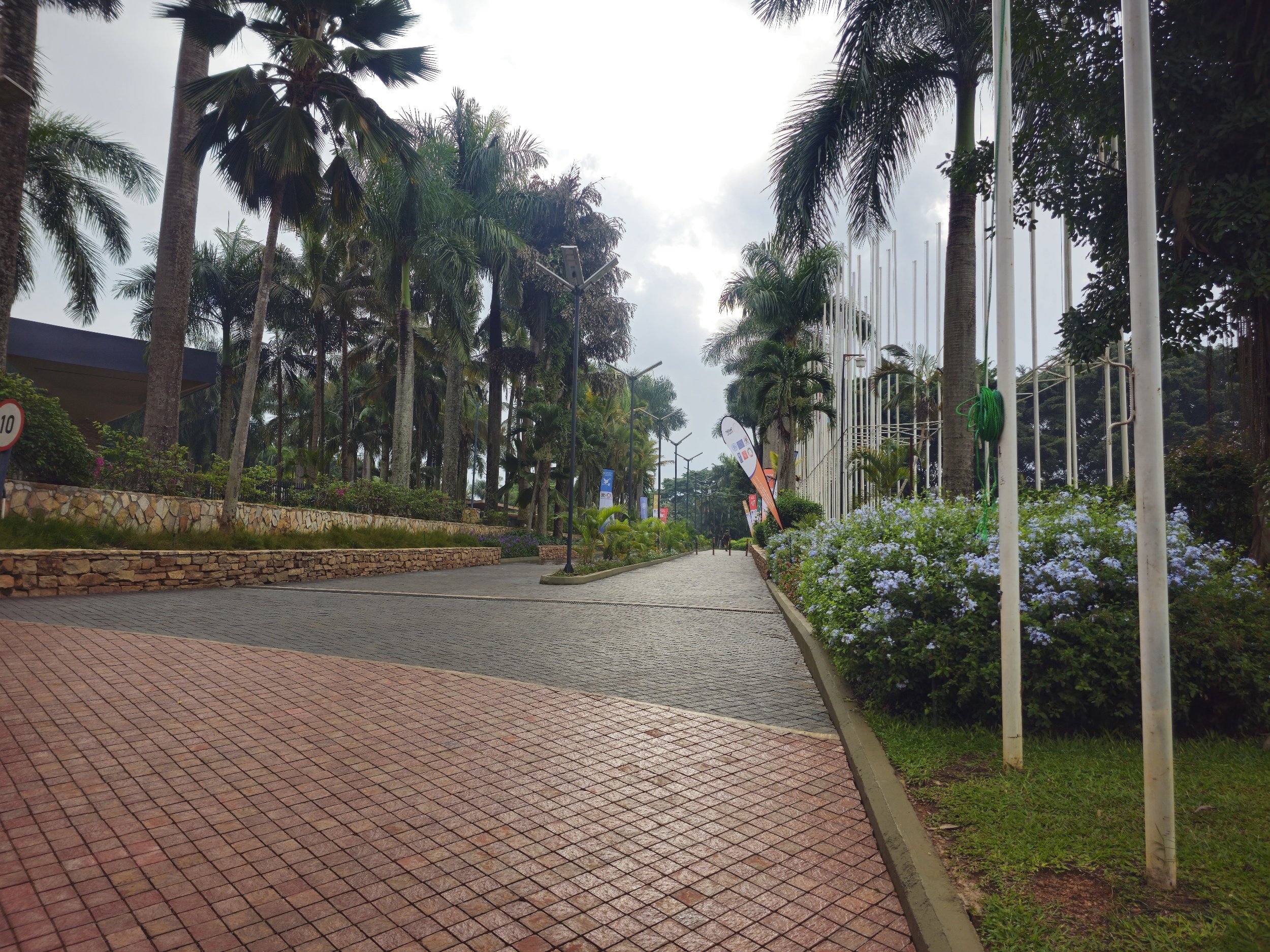
If you're organizing something, the resort offers plenty of options. And if you're a guest, there’s no shortage of activities—from horse riding to boat rides to the Ssese Islands, and even fishing. The rooms are comfortable, with most featuring an outdoor area like a mini veranda or patio. The beds? Absolutely massive.
One tip though: bring bug spray. Not just the kind for your skin, but something you can use in the room as well—just in case a critter or two finds its way inside. It's a fairly wild, natural environment, with monkeys and large birds gathering near the water, which runs right by the resort.
That said, it’s a small inconvenience compared to the proximity you get to Lake Victoria—and yes, that translates straight to the food. The fish is fresh-caught and ends up right on your plate, beautifully prepared and incredibly tasty.


What Did I Eat: Breakfast Buffet Fusion
If you’re reading this, chances are you’ve traveled enough to know that most resorts aim to offer international options while still reflecting local culinary traditions—and working with what’s fresh and available. Speke Resort is no exception.
The breakfast and lunch buffets include everything you’d typically expect at an international resort: fresh juice, coffee and tea, eggs, bacon, sausage, French toast, pancakes, baked goods, and pastries. But they also make space for locally inspired dishes—though often presented with a gentler twist to appeal to a broader palate.
Being in Uganda, here are a few food highlights (some of which I captured in the video below):
1) The Fruits: Ultra-Fresh and Unforgettable
You’ll definitely want to try the pineapples, papayas, and mangoes—which are famous in Uganda for a reason. They’re fresh, organic, and intensely flavorful. There’s nothing quite like tasting fruit that was likely picked that same morning. It’s also part of why Uganda is sometimes called the breadbasket of Africa.
I also loved the passion fruit and the pieces of sugarcane available—a nostalgic street snack that's popular across many African countries, including my native Zimbabwe.
2) The Juices: As Fresh as the Fruit
Naturally, if the fruit is good, so is the juice. The resort offers a wide variety—green juice, detox blends, and tropical mixes made fresh daily. A great, refreshing way to start the day. The Indian influence shows up here as well: they offer lassi, a traditional Indian yogurt-based drink that’s both cooling and satisfying.
3) International Meets Local: Four Breakfast Styles
You can choose from four distinct breakfast options at the resort:
Continental
American
Local Ugandan (called “Nyanza” breakfast)
Indian
Each comes with its own flair. The Indian breakfast includes homemade yogurt, stuffed paratha, chutneys, fruits, and masala chai. If you’d rather not head to the dining hall, you can also order any of these breakfasts directly to your room.
Side Note: Why So Much Indian Influence? You might be wondering how Indian food became so integrated in Uganda, a former British colony. It dates back to the late 1800s, when thousands of Indian laborers were brought in by the British to help construct the Uganda Railway. Many stayed, started businesses, and became an essential part of Uganda’s cultural and culinary identity. The rest, as they say, is history.
4) Buffet Balance: Comfort Meets Culture
Like many resorts, Speke aims to balance international comforts with traditional local dishes. While it may not always hit the depth and soul of a home-cooked meal or a local hotspot, it does a solid job of introducing guests to regional flavors.
At lunch, for example, we got to try matoke (local bananas) in a tomato-based sauce, groundnut (peanut) stew, and Nile perch curry, along with sides like steamed pumpkin, yams, grilled beef, and chapati. Breakfast featured a variety of flavorful options as well, including aloo subzi (spiced potatoes), ajwain paratha (herbed flatbread), poha (spiced flattened rice), and accompaniments like mint chutney, fritters, and pickled mango.


Dining in Kampala: Afro Park Hotel and Health Club
I had a highly respected former colleague show me this place—it was my one real chance to see a different side of the city, or at least the neighborhoods just outside Kampala’s central business district. She spoke about how the capital is famously built around a series of hills, and it really does feel that way.
Located in a serene part of town, surrounded by several other upscale restaurants, Afro Park Hotel offers a blend of modern luxury and African charm. It’s known for its spacious rooms, excellent service, and a top-tier health club that includes a gym, spa, and wellness center.


But the main reason we dined there? The view. You can sit back and enjoy the tropical weather and delicious food—including freshly caught, grilled tilapia, served with spiced African tea (also known as masala tea)—while taking in the stunning panorama. From up there, it truly feels like Kampala is at your feet.


Final Thoughts and Recommendations
If you find yourself in Uganda and have the means, I definitely recommend Speke Resort. Located in Munyonyo, it’s conveniently positioned—close to both the airport and Kampala city center.
Budget-wise, Uganda is actually quite affordable, much more so than I expected. Do a bit of research, but you’ll find that a little goes a long way.
When it comes to food, try to explore your options—with guidance if you can—and sample a variety of fresh fish, including those influenced by local and Indian culinary traditions. Prioritize the fruits—they're truly special here—and make time to sit down for a hearty meal centered around freshly caught Lake Victoria fish, accompanied by classic East African sides like kachumbari (a fresh onion and tomato salad) and ugali, a thick maize-based porridge similar to sadza, which I grew up eating in Zimbabwe. You’ll find versions of it across the continent, each with its own local flair, as I’ve mentioned before.

Discovering Sintra, Portugal: A Magical Visit to Pena Palace and Downtown Dining

Is it Worth it Visiting Sintra, Portugal?
When planning your first—or next—trip to Portugal, don’t assume Lisbon is the only destination worth exploring. From Porto to Sesimbra, the country offers a diverse range of food, subcultures, climates, and activities. But one place stands out as a must-visit, just under an hour from the capital: Sintra!
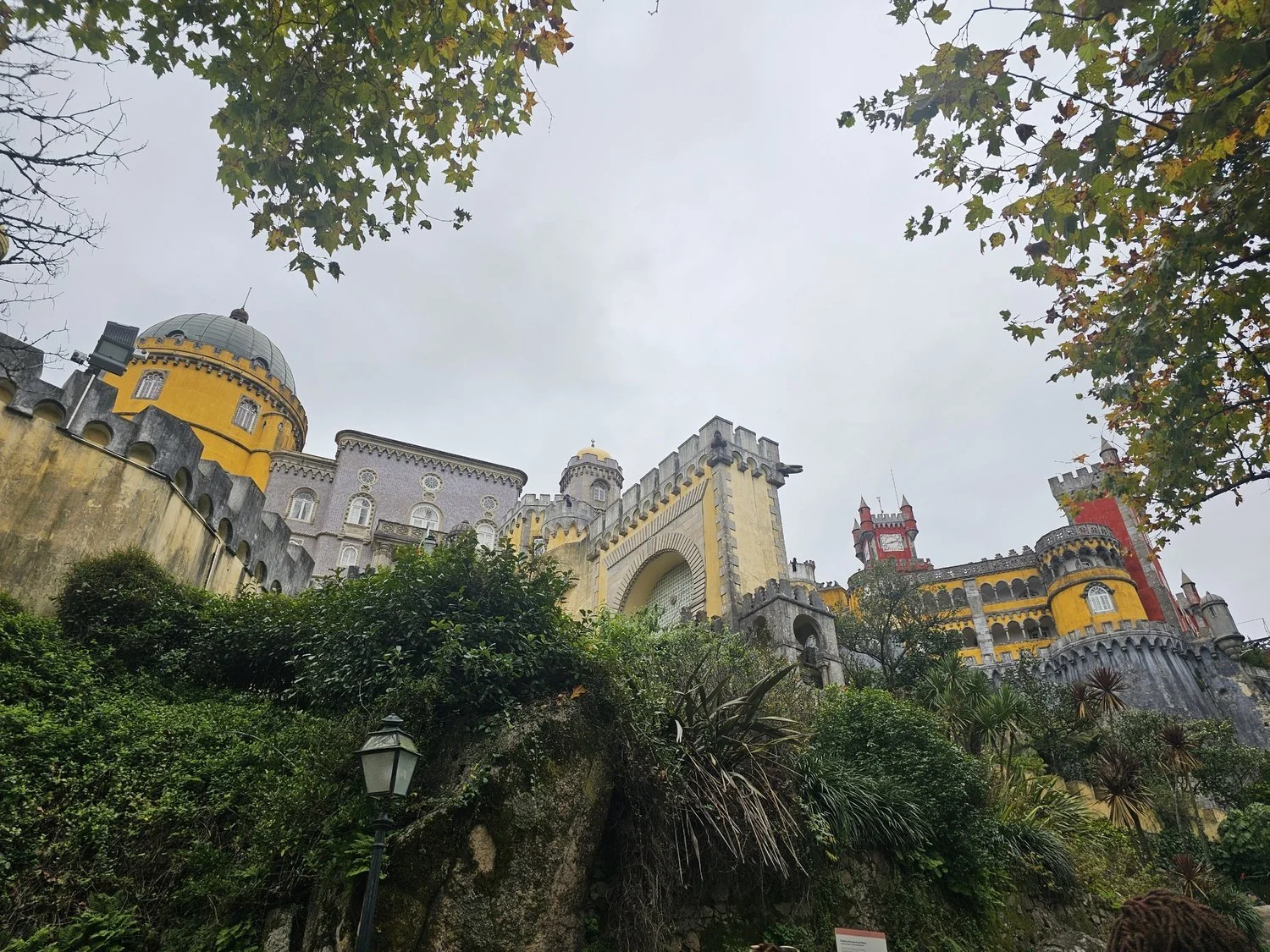
Sintra, a charming town in the Lisbon district, captivates visitors with its enchanting atmosphere, historic palaces, lush landscapes, and the breathtaking Pena Palace. If you’re looking to immerse yourself in rich history and culture, Sintra has plenty to offer. Its stunning views set it apart from other regions in Portugal, and with easy access from Lisbon, adding it to your itinerary is a breeze.
And of course, don’t miss the downtown dining scene, where you can savor traditional Portuguese pastries, fresh seafood, and local delicacies that perfectly complement Sintra’s charm. I wouldn’t highlight this part of my trip if I didn’t think the food was worth experiencing!

The Two Must-See Castles in Sintra That Draw the Biggest Crowds
Perched atop the hills of Sintra, as I noted, Pena Palace is a vibrant, fairy-tale-like masterpiece that stands as one of Portugal’s most recognizable landmarks. With its striking colors, eclectic design, and breathtaking hilltop views, it draws visitors from around the world and holds the prestigious status of a UNESCO World Heritage Site.
Not far from it, the Moorish Castle (Castelo dos Mouros) tells a different story—one of ancient history and resilience. Built during the 9th century Moorish occupation, this fortress offers panoramic views of Sintra and the surrounding landscape, providing a glimpse into Portugal’s past while rewarding visitors with stunning scenery.

Pena Palace is not only a symbol of Portugal’s wealth during its era of overseas conquests but also a testament to a royal love story. King Ferdinand II transformed it into the magnificent boutique palace it is today for his first wife, Queen Maria II Tragically, she passed away in childbirth before its completion.
It was the first palace or castle I visited in Portugal, and it felt remarkably different from the Royal Palace of Madrid (Palacio Real de Madrid), which I had seen on a previous trip.
We managed to catch a glimpse of the Moorish Castle on the way to Pena Palace, so you’ll have so much to be excited about.

The Moorish Castle is an architectural gem that offers a unique glimpse into Portugal's medieval past. Located just a short walk from Pena Palace—though almost opposite in terms of public access—this ancient fortress provides an entirely different yet equally captivating experience, allowing visitors to explore the historical heart of Sintra from a new perspective.

As we walked along the entry pathway, we noticed the well-preserved food storage systems, offering a fascinating glimpse into how the castle's inhabitants survived centuries ago. Among the sights were cisterns, granaries, and storage rooms used by the Moors to store water, grain, and other essential supplies—an intriguing contrast to the fine dining tables found in Pena Palace!
Two other fascinating discoveries along the route are a collection of artifacts and burial sites.
The first includes artifacts unearthed during various excavations, such as tools, pottery, weapons, coins, and personal belongings. Each piece provides insight into the social and economic activities of the time, painting a vivid picture of daily life within the castle walls.
The second discovery is much more somber, particularly if you visit with a guide. You’ll learn about and see several family burial sites, including mass graves marked by simple stone markers or more elaborate tombstones. These graves offer a poignant reflection of the customs and rituals surrounding death during the medieval period, adding an eerie yet thought-provoking layer to the castle’s history. Out of respect, I did not take any photos of these sites.

How to Get to Pena Palace
We stayed in Cascais, just 30 minutes outside of Lisbon, making the drive to Sintra easy and convenient. However, if your budget allows, consider booking a tour for a more relaxed experience with valuable insights along the way. We chose Get Your Guide, which picked us up at 8 AM. The 45-minute drive to Sintra was a sightseeing experience in itself, transitioning from Lisbon’s suburbs to a town with its own unique climate and ecosystem.
Our driver was friendly and informative without being overly chatty. He shared useful tips for visiting Pena Palace, such as using the restroom before the uphill trek and taking advantage of a free path to view part of the Moorish Castle. He also recommended excellent lunch spots in downtown Sintra and made a stop at Cabo da Roca for family photos on the way back to Cascais. Tickets range from $45 to $80, with seasonal discounts available.
Recommendation: Lisbon: Sintra, Pena, Cabo da Roca Coast & Cascais Day Tour
On your way back to Lisbon, stop at Cabo da Roca, the westernmost point of mainland Europe. It can get chilly, but the breathtaking views make for unforgettable photos. Standing there, I half expected a dragon to fly by—it was truly magical!
Taking A Tour of the Inside of Pena Palace
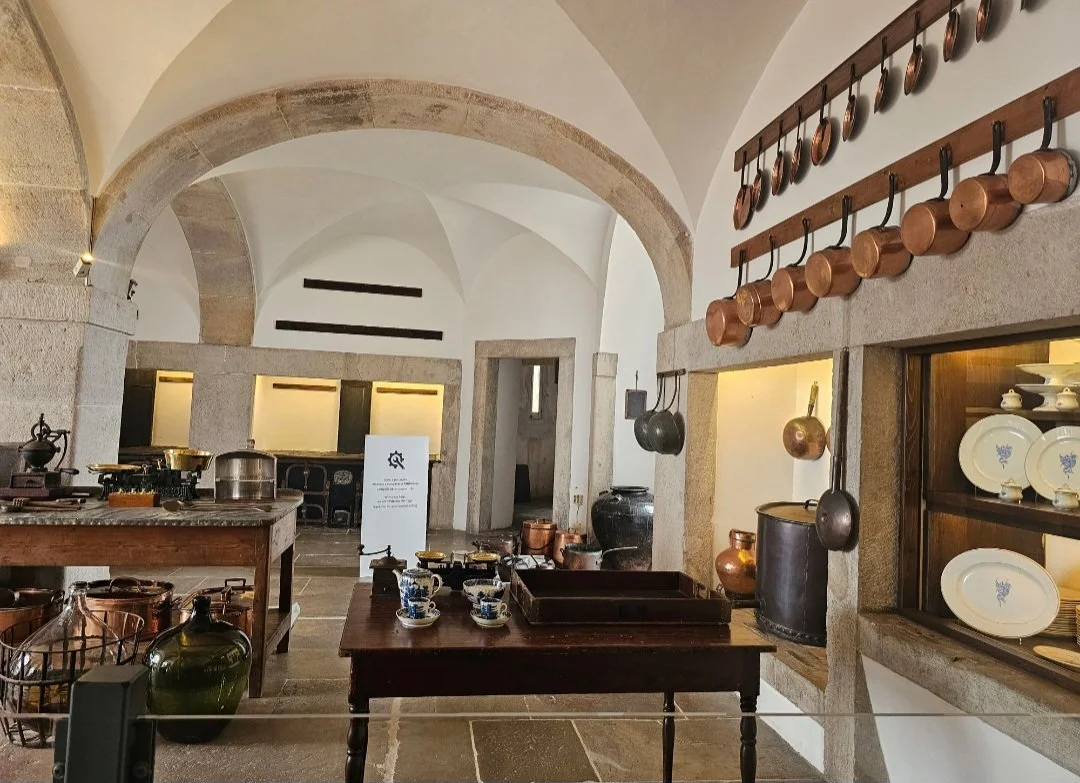
The palace’s boutique hotel features stunning rooms and intricate architectural details. The free-flow tour guides visitors through all open sections of the castle, offering an up-close look at its grandeur. The kitchen and dining hall are particularly magnificent, showcasing beautifully preserved cupboards filled with tea sets, decorative ornaments, and even a sample royal menu from centuries past.


If you’re fascinated by medieval kitchens, royal dining traditions, historical cookware, and antique tea sets, Pena Palace is a must-visit. It offers a glimpse into a bygone era, yet many elements—like rustic copper pots and pans—remain relevant today, often resurfacing as sought-after vintage antiques.
The royal kitchen is one of the palace’s standout features, offering an authentic peek into medieval culinary traditions. These kitchens were massive, designed not only to accommodate the vast number of people they served but also to house large stoves and firepits used for cooking. The kitchen still contains original utensils, copper cookware, and intricately shaped baking molds, featuring designs like bees, mermaids, and pigs—a testament to the royal family’s high dining standards. The sample menu, written in French, suggests that regardless of a cook’s origins, only the finest culinary expertise was brought in.


What to Expect and Tips for Visiting Sintra
Pena Palace can get very crowded, so it’s important to be strategic about navigating the castle. While there are plenty of popular photo spots, two areas you must see—besides the kitchen—are:
1. The Royal Chapel – A breathtaking space with intricate details and stunning stained-glass windows. Take a moment to admire the craftsmanship up close.
2. The Wind Hallway – Designed to create a natural rush of air as you walk through, showcasing the architectural ingenuity of the time.
If you need a break, there are outdoor seating areas and a small rest area near the kitchen with restrooms and snacks. While it’s important to take your time exploring, I’d avoid visiting during peak summer months—the crowds can be overwhelming, and the heat makes it harder to enjoy the experience.
I visited in November, which meant fewer crowds, cooler weather, and a much more enjoyable visit. Plus, I didn’t have to worry about dehydration, and it was much easier to capture the perfect photo!

Exploring Downtown Sintra to Dine: Where to Go
Nestled at the foot of the Sintra Mountains, the town’s charming downtown area is a food lover’s paradise. After exploring Sintra’s castles and historic sites, you’ll likely be ready for a great meal. Following our visit to the medieval kitchens of Pena Palace and the ancient Moorish dwellings, we were eager to indulge in the local cuisine.
Downtown Sintra retains its unique microclimate and offers a diverse selection of savory and sweet dishes in a charming, quaint setting. If you visit on a rainy day (as we did), you’ll definitely want something warm and comforting. It is also a great spot for souvenir shopping, so be sure to add that to your itinerary.
As you walk along Sintra’s narrow streets, you’ll pass outdoor cafés (perfect on a nice day) and take in the mouthwatering aroma of local specialties. You’ll see a range of specilalties, from chorizo (Chouriço à Bombeiro), to traditional Sintra cheesecakes (Queijadas de Sintra).
Pro tip: Wear nonslip shoes! The limestone paving throughout Portugal can be very slippery.

Bacalhau na Vila
Visiting on a rainy day, we craved hearty comfort food and stopped at a popular restaurant specializing in salted codfish (bacalhau) dishes. Bacalhau na Vila is just as charming as the cobbled limestone streets of Sintra. Warm, welcoming, and cozy, the first thing you’ll notice is the ceiling—it resembles the inside of a cave. The restaurant has a television on, and most diners seem to be taking a break from their excursions, enjoying a meal and conversation before heading out again.
The first thing I’d recommend? Get the sangria pitcher—it was pretty good. The menu offers a wide selection, and the dining concept is tapas-style, so guests can sample multiple dishes.


I opted for a comforting bowl of Arroz de Peixe—a rich medley of rice, seafood broth, fish, and mussels. The portion was generous, and the balance of rice, broth, and protein was just right. I would have loved to try more dishes, but we were on the clock. There’s a reason this restaurant ranks 11th out of 304 restaurants in Sintra on TripAdvisor. I spotted several other dishes I’d love to sample (you’ll see them in the video), so next time, I’d definitely go back and take my time.
Tip: When heading to the restroom downstairs, be careful! The door opens immediately to a narrow staircase—it would be all too easy to take a hard, fast tumble.

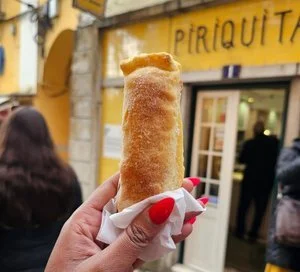
Casa Piriquita
And for a sweet ending, Sintra is one of the best places in Portugal for traditional sweets, and your first stop should be Casa Piriquita—they have it all! This historic bakery, founded in 1862, even caught the attention of royalty. In fact, King Carlos I nicknamed the founder, Constância, “Piriquita” due to her petite stature—hence the name. Cute, right?!


One must-try item on the menu are the queijadas (Sintra-style cheesecakes), made with fresh cheese, sugar, eggs, flour, and a hint of cinnamon. These date back to medieval times and were among the king’s favorites. And yes, they actually contain cheese! They were my favorite as well.
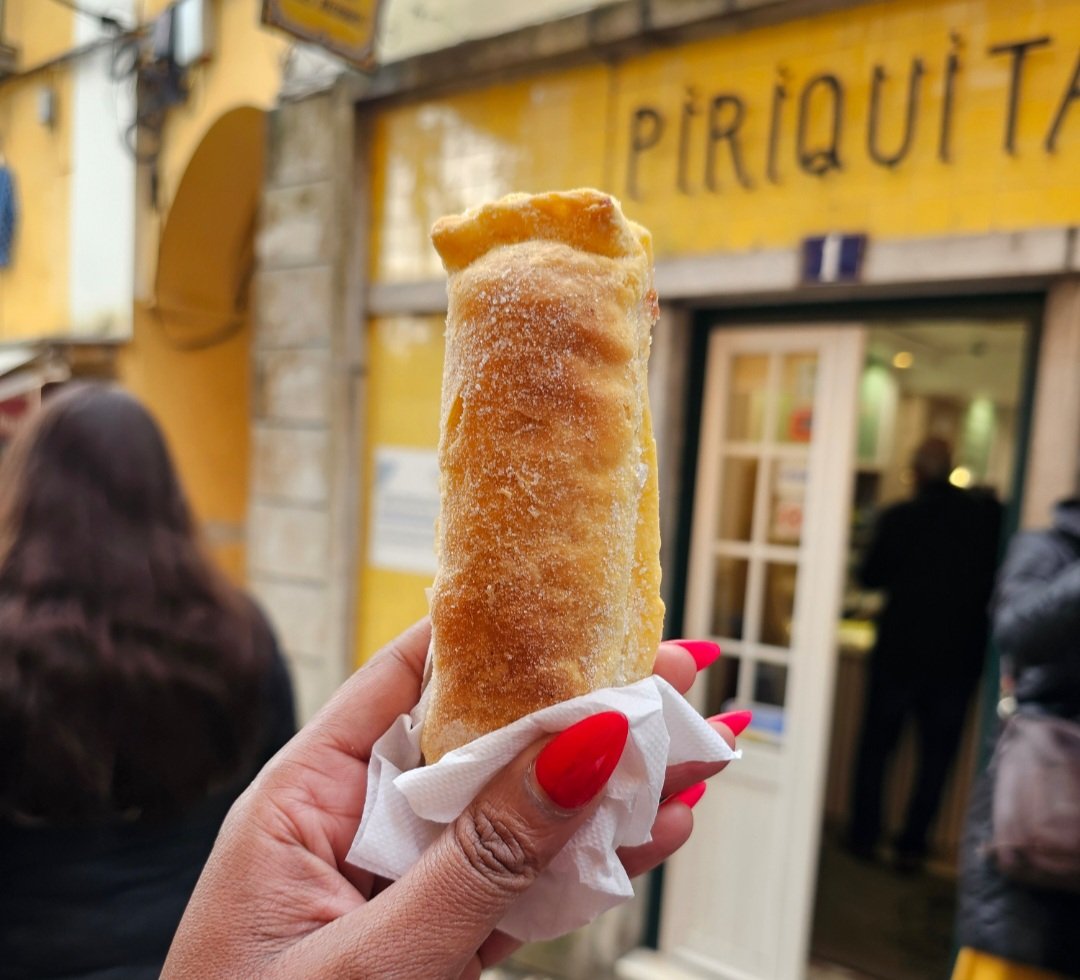

Next on the list: Travesseiro—you’ll definitely come across these while researching Sintra. Developed in the 1940s by Constância’s granddaughter, it’s another Sintra signature. This puff pastry with almond paste filling is a local favorite. While I preferred the queijadas, these were decent. If I were taking them home, I’d probably add some fresh cream!
The bakery also sells pastéis de nata, but I’d recommend trying those in Lisbon first—I actually made a video about that and Portuguese desserts in general.
I hope this summary of my day in Sintra is helpful! I’ll be sure to document an update next time I go back. Watch the video for a clearer picture of what your downtime in Sintra could look like.