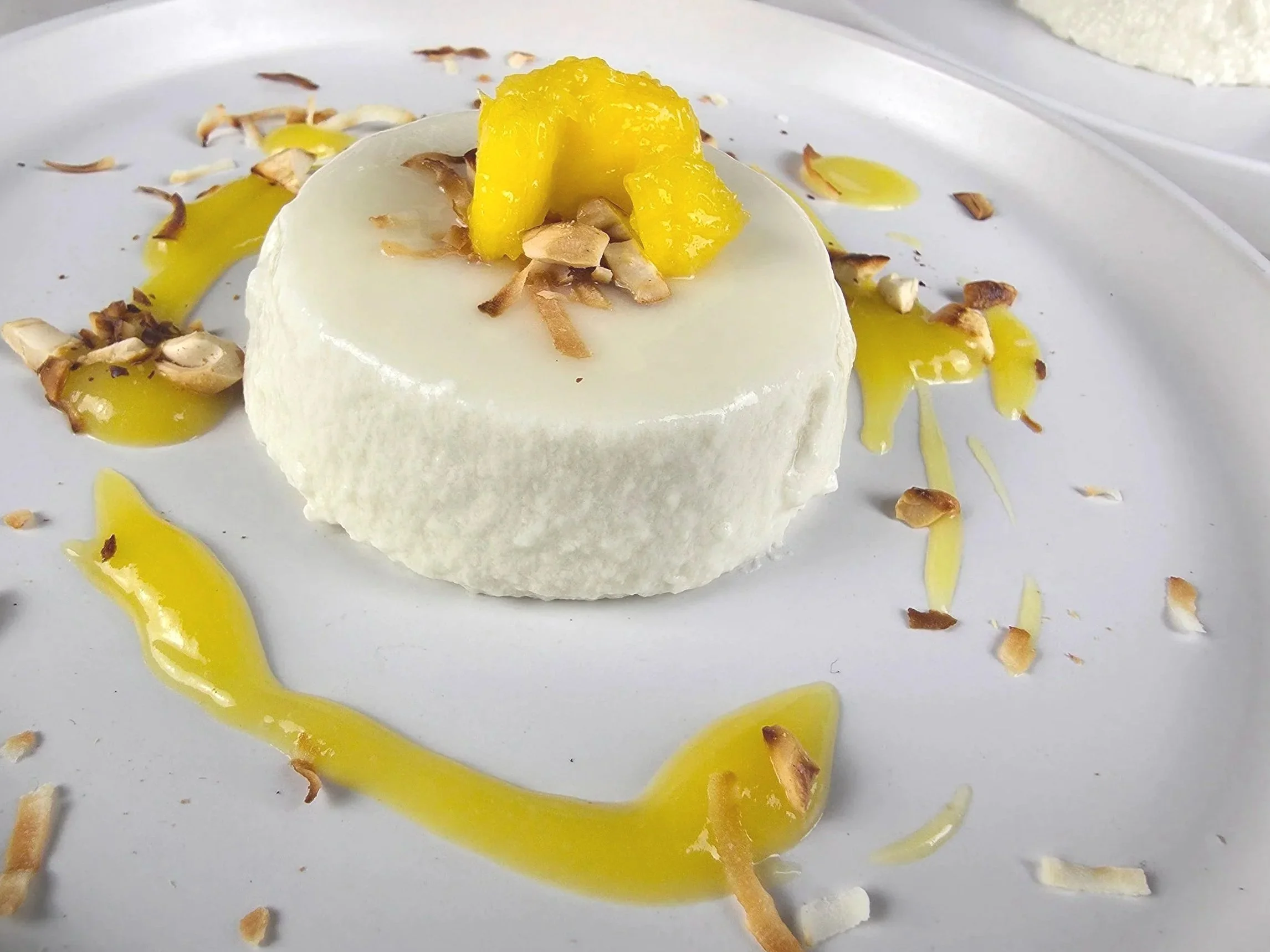
Coconut Panna Cotta with Mango (Zanzibar Inspired)
A coconut panna cotta infused with Zanzibar spice, topped with mango, toasted coconut, and cashews, born from a trip to Italy and a love of East African flavour.
Some of my favourite recipes are inspired by the places I've travelled rather than traditional recipes themselves. After returning from Italy, where panna cotta seemed to appear on every dessert menu I came across, I couldn't stop thinking about how beautifully its delicate texture would pair with the tropical flavours I'd fallen for while visiting Zanzibar.
So instead of a classic vanilla panna cotta, I swapped in creamy coconut, added just enough vanilla and warming spice to perfume every bite, then finished it with sweet mango, toasted coconut, and crunchy cashews. The result is rich yet surprisingly light, the kind of elegant dessert that feels just as at home after a summer barbecue as it does at the end of a special dinner party. The coconut never overwhelms, the spices stay in the background, and the mango brings just enough brightness to tie it all together.
It's Italy meeting East Africa on one plate, and it might be one of my favourite desserts I've ever created. It's also make ahead friendly, naturally gluten free, and tropical without tipping into overly sweet, so it works just as well for casual entertaining as it does for something a little more special.
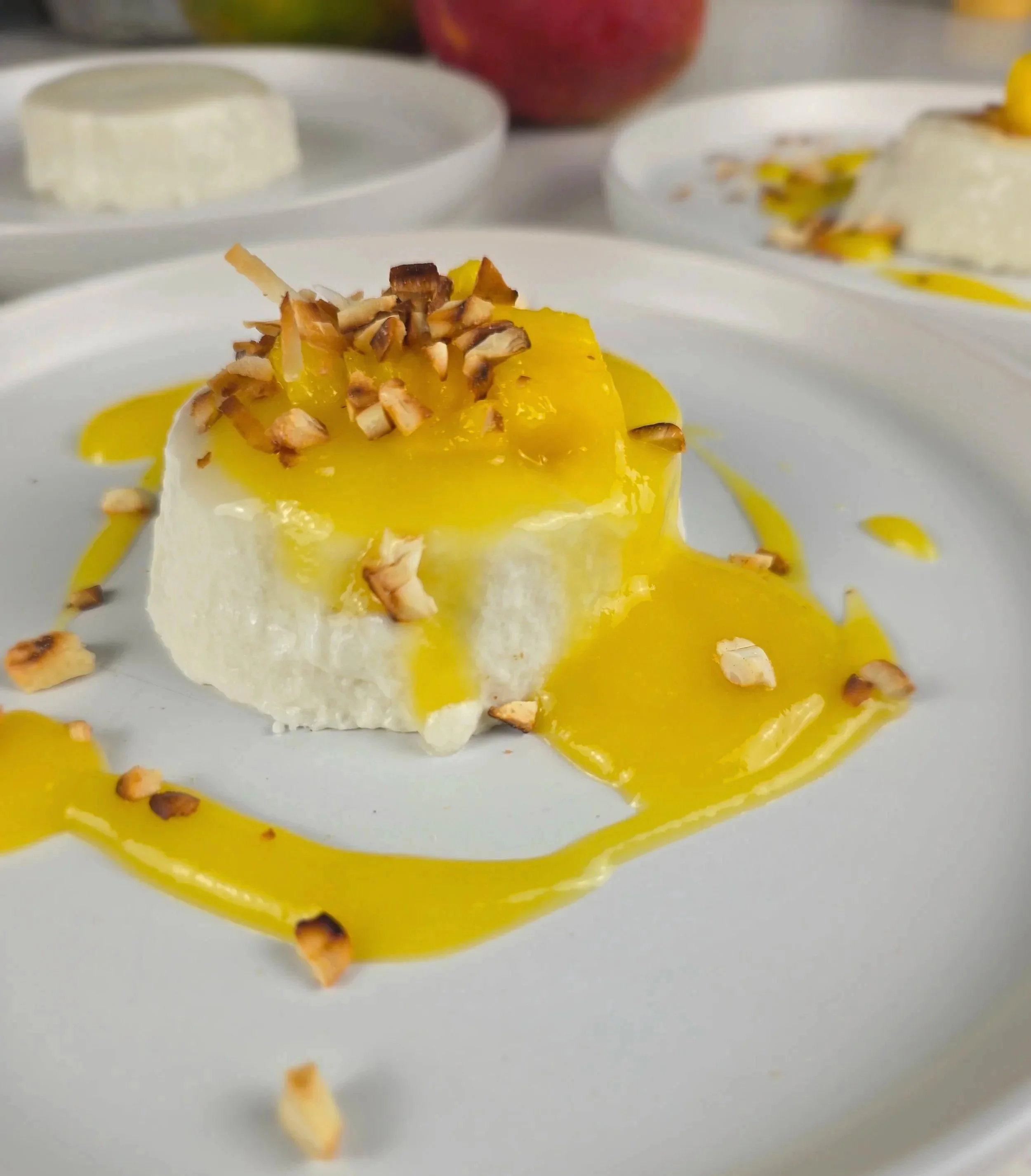

Coconut Panna Cotta with Fresh Mango
Inspired by my travels through Zanzibar, this silky coconut panna cotta combines the elegance of a classic Italian dessert with the tropical flavours of East Africa. Creamy coconut, fragrant vanilla and warming spices are finished with sweet mango, toasted coconut and crunchy cashews for a dessert that's rich, refreshing and effortlessly elegant.
Ingredients
- 2 cups (480ml) full-fat coconut milk
- 1 cup (240ml) heavy cream
- ⅓ cup (65g) granulated sugar
- 2 tsp vanilla extract
- ⅛ tsp ground cinnamon
- ⅛ tsp ground cardamom
- Pinch of salt
- 2¼ tsp powdered gelatin
- 3 tbsp cold water
- 2 cups frozen mango chunks, thawed
- 1–2 tbsp honey (adjust to taste)
- Pinch of salt
- 1–3 tsp water, only if needed for consistency
- Fresh mango cubes
- Toasted coconut flakes
- Toasted chopped cashews
Instructions
- Bloom the gelatin, then sprinkle the gelatin evenly over the cold water. Leave untouched for 5 minutes until fully bloomed.
- Combine and warm the coconut milk, heavy cream, sugar, cinnamon, cardamom and a pinch salt.
- Heat over low to medium-low to heat for about 5 minutes, whisking gently until the sugar dissolves and milks begins to steam. Do not boil!
- Remove from the heat.
- Stir in the vanilla.
- ---
- Step 3 – Add the gelatin
- Add the bloomed gelatin.
- Whisk until completely dissolved.
- Strain through a fine mesh sieve.
- Allow to cool for about 10–15 minutes, until no longer steaming but still pourable.
- ---
- Step 4 – Fill the ramekins
- Lightly grease each ramekin with a very thin film of neutral oil.
- Pour in the panna cotta.
- Tap gently to remove air bubbles.
- Refrigerate overnight.
- ---
- Step 5 – Prepare the mango
- Blend together:
- thawed mango
- honey
- pinch salt
- If needed, add 1 teaspoon of water at a time until it reaches a thick, spoonable consistency.
- If using very frozen mango, gently warm the purée before blending again.
- ---
- Step 6 – Unmold (Optional)
- Serve directly in the ramekin for the easiest presentation.
- If unmolding:
- Dip the ramekin in warm water for 20–30 seconds.
- Run a thin smooth knife gently around the edge if needed.
- Invert onto the serving plate.
- ---
- Step 7 – Assemble
- Spoon a little mango purée over or beside the panna cotta.
- Top with
- fresh mango
- toasted coconut
- toasted cashews
- Serve immediately.
Notes
General
- Don't boil the coconut mixture.
- Bloom the gelatin completely before adding.
- Strain before pouring for the smoothest finish.
- Serve in ramekins for the easiest presentation.
- Silicone moulds work beautifully if you prefer unmolded panna cotta.
- Frozen mango works perfectly.
---
Troubleshooting
- My panna cotta won't release.
- Dip in warm water for 20–30 seconds.
- Use a smooth knife to break the seal.
- Or simply serve in the ramekin.
---
- My mango is too thick.
- Allow it to thaw completely.
- Blend again.
- Only add water one teaspoon at a time.
---
- My panna cotta has tiny bubbles.
- The mixture was likely whisked a little too vigorously.
- Tap the filled ramekins on the counter before chilling and allow the mixture to rest briefly before pouring.
---
Storage
- Panna cotta: 3 days refrigerated
- Mango purée: 3–4 days refrigerated
- Do not freeze.
Nutrition Facts
Calories
400Fat (grams)
33 gSat. Fat (grams)
26 gCarbs (grams)
25 gFiber (grams)
2 gSugar (grams)
21 gProtein (grams)
4 gI am not a certified nutritionist and any nutritional information on dontmissmyplate.com should only be used as a general guideline.
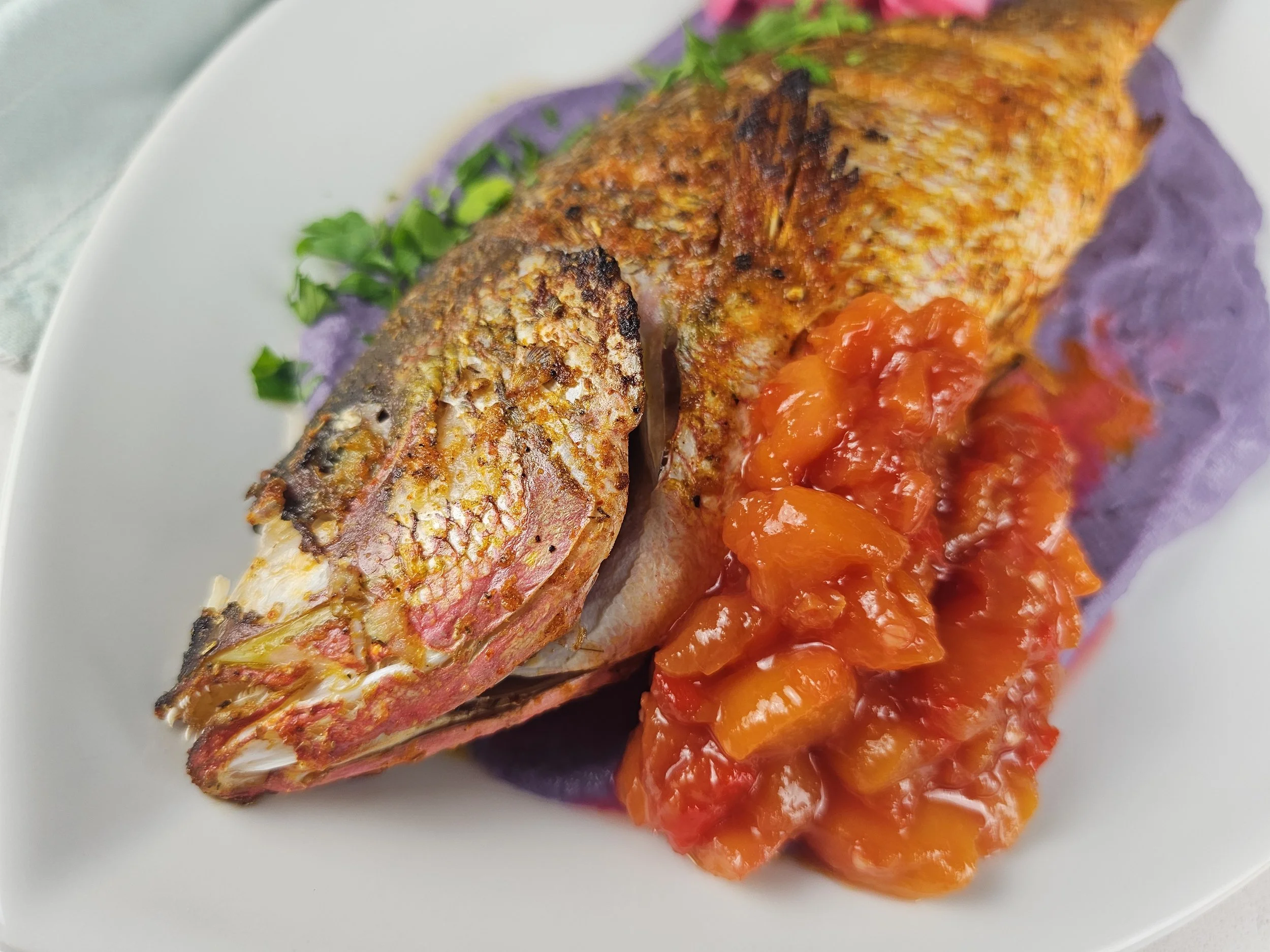
Yellowtail Snapper with Spicy Peach Chutney
This yellowtail snapper recipe is a vibrant, restaurant-style fish dish built around bold contrast, fresh acidity, and layered texture. The snapper is roasted until the skin turns golden and the flesh remains tender and flaky, then served over a smooth cauliflower purée that provides a creamy, neutral base to balance the sharper, brighter elements on top.
The dish is finished with a peach habanero chutney inspired by the broader use of chutneys in Zimbabwean and Southern African cooking culture, where chutneys are commonly served alongside grilled meats to add sweetness, acidity, and spice. While chutney traditions vary across regions, the idea of pairing fruit-based relishes with savoury proteins is a familiar and widely appreciated technique. In this version, ripe summer peaches bring natural sweetness and seasonal freshness, while habanero adds heat and intensity. Together they create a balanced sweet-spicy glaze that enhances rather than overwhelms the delicate fish.
Peaches are especially effective in summer cooking because they are naturally juicy and aromatic, and they pair beautifully with chillies like habanero when reduced into a chutney. This creates a condiment that sits between sauce and relish — thick enough to coat, but bright enough to cut through richness.
The snapper itself is a lighter, more delicate white fish, often used as a more accessible and affordable alternative to red snapper, which is traditionally popular in West African and Caribbean households and cooking styles. Yellowtail snapper offers a similar structure and versatility, with slightly softer, more subtle flesh that works well with bold accompaniments like chutney, pickled vegetables, and creamy purées.
To complete the dish, pickled red onions add acidity and crunch, while fresh parsley brings herbal brightness. The result is a layered plate that balances creamy, sweet, spicy, tangy, and savoury elements in every bite, designed for both flavour and visual impact.
This dish is inspired by coastal and tropical cooking traditions where fish is paired with fruit-based condiments and acidic components to enhance natural flavour. It is ideal for elevated home cooking, dinner parties, or visually driven food content where colour, contrast, and plating composition are just as important as taste.

Yellowtail Snapper with Peach Chutney and Cauliflower Purée
Yellowtail snapper served on cauliflower purée with a peach habanero chutney inspired by Zimbabwean-style chutney traditions, where fruit-based relishes are commonly paired with grilled meats to add sweetness, acidity, and heat. This version uses seasonal peaches for natural summer sweetness and habanero for controlled spice, creating a balanced condiment that enhances the delicate fish.
Ingredients
- 2–3 yellowtail snapper fillets (skin-on if possible)
- 1½ tsp salt
- 1 tsp black pepper
- 1 tsp paprika
- 1 tsp garlic powder
- 1 tbsp oil (for searing)
- Optional: squeeze of lime to finish
- 4 ripe peaches, peeled and diced
- 1 habanero (whole or minced, adjust to heat preference)
- 1 tbsp honey or sugar (adjust to taste)
- 2 tbsp lime juice
- 1 tbsp vinegar (apple cider or white)
- 1 tbsp water
- ¼ tsp salt
- 1 medium head cauliflower, cut into florets
- 2 tbsp butter
- 2–4 tbsp cream or milk (as needed)
- 1 garlic clove (optional)
- Salt to taste
I am not a certified nutritionist and any nutritional information on dontmissmyplate.com should only be used as a general guideline.
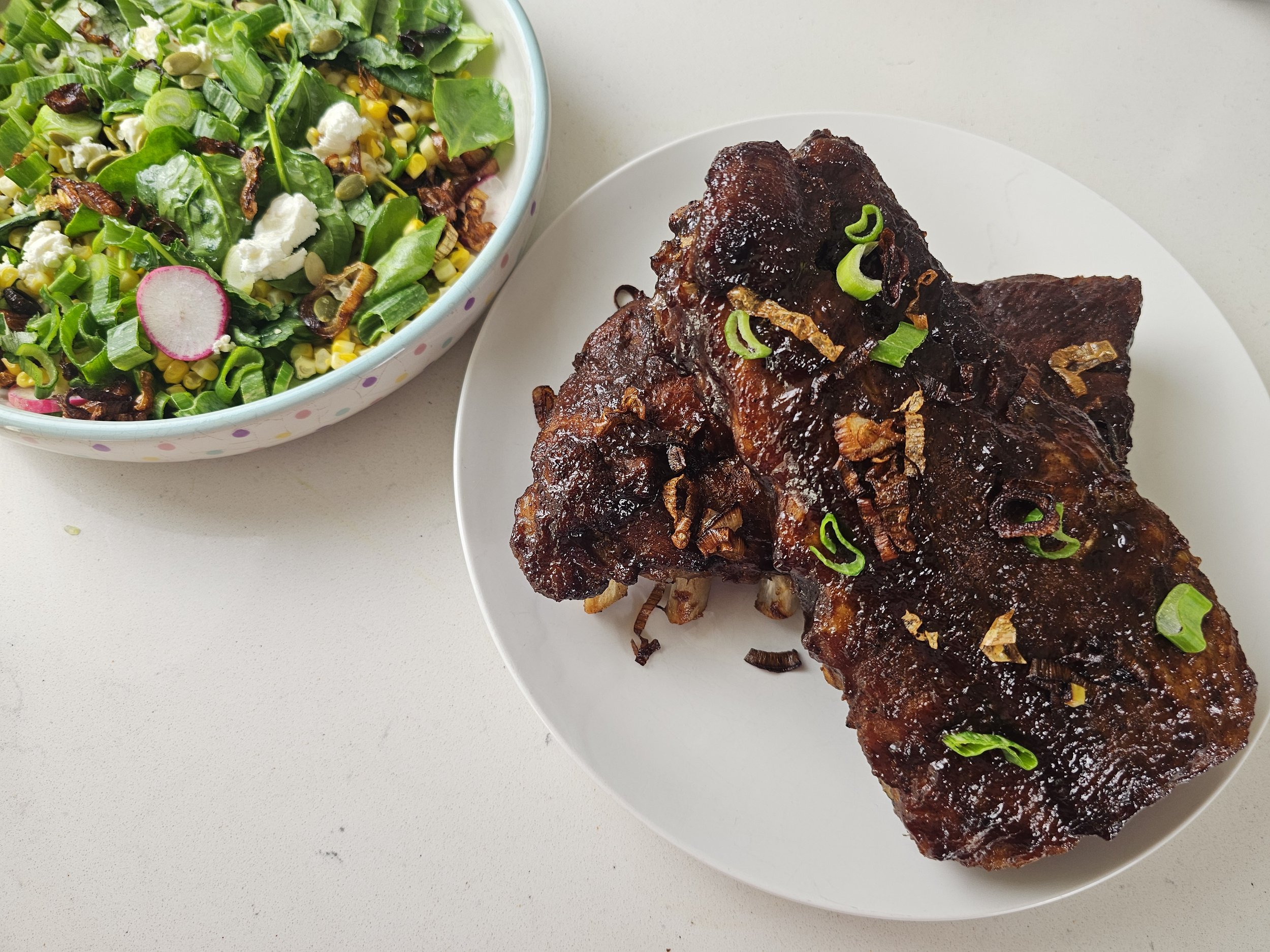
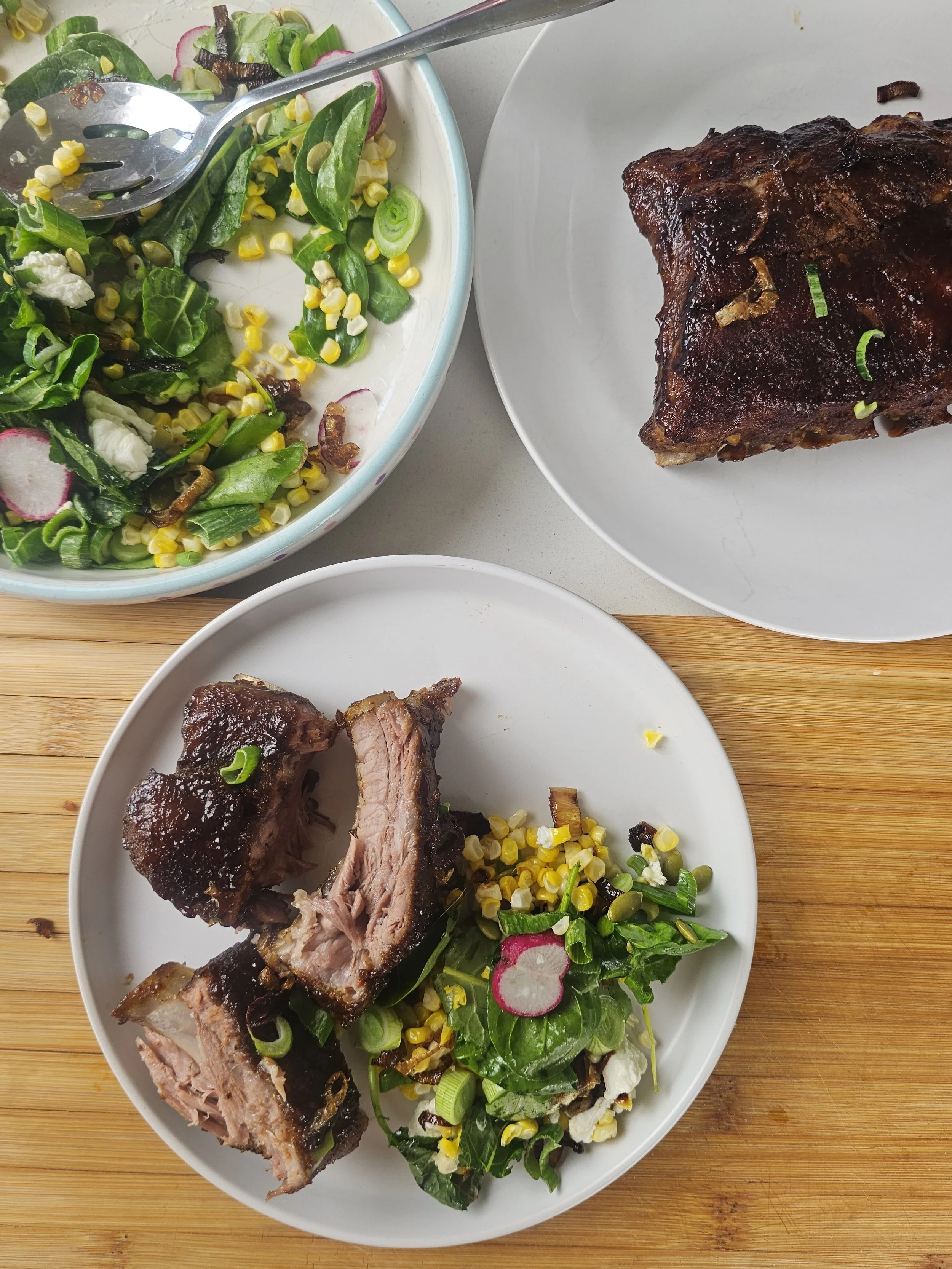
Tamarind-Glazed Baby Back Pork Ribs
Let’s talk about ribs.
I’ve always had a serious weakness for them. There is something about that sticky, smoky, sweet and savory bite that just hits differently. My first real memory of ribs was at a place called Spur, tucked inside a Holiday Inn in Harare, and I remember being completely obsessed. That was the moment I understood why ribs have such universal appeal. They are messy, rich, comforting, and a little indulgent in the best way.
For this recipe, I wanted to bring that same cookout energy into summer with a twist that reflects how I cook now. Simple, bold, and built for real home kitchens.
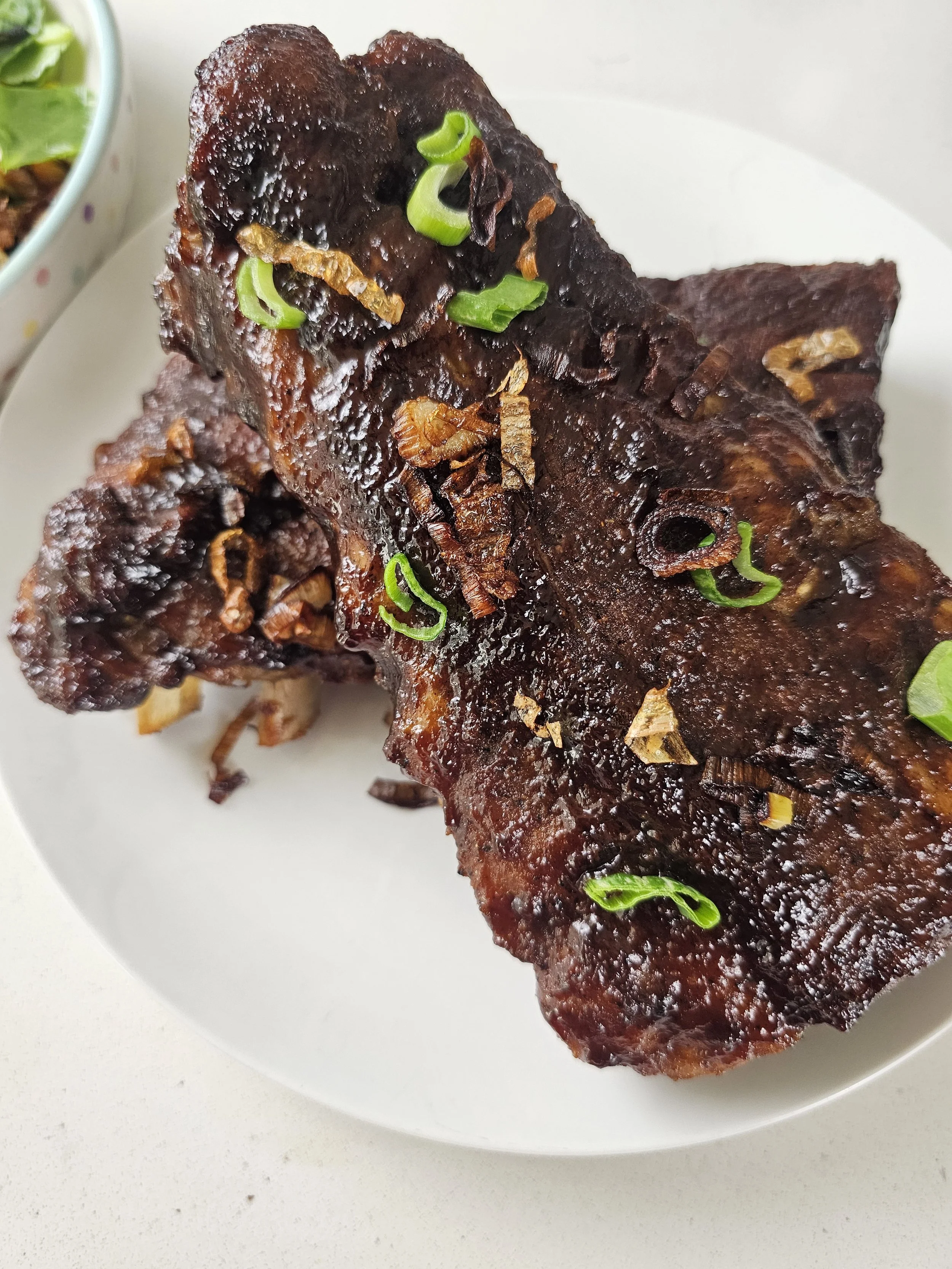
One of the key elements here is tamarind, a classic ingredient used across East African cooking and many other global cuisines. It has that deep tangy sweetness that works beautifully in savory dishes, which is exactly why it pairs so well with ribs. That sweet and sour balance cuts through the richness of the meat and creates a sticky glaze you cannot stop going back for. If you are not into sweet and sour, a classic BBQ sauce will also work.
I keep the ribs straightforward with simple seasoning, oven baking, and a high heat finish until caramelized. Nothing complicated. The focus is flavor, texture, and accessibility so it can be recreated easily at home.
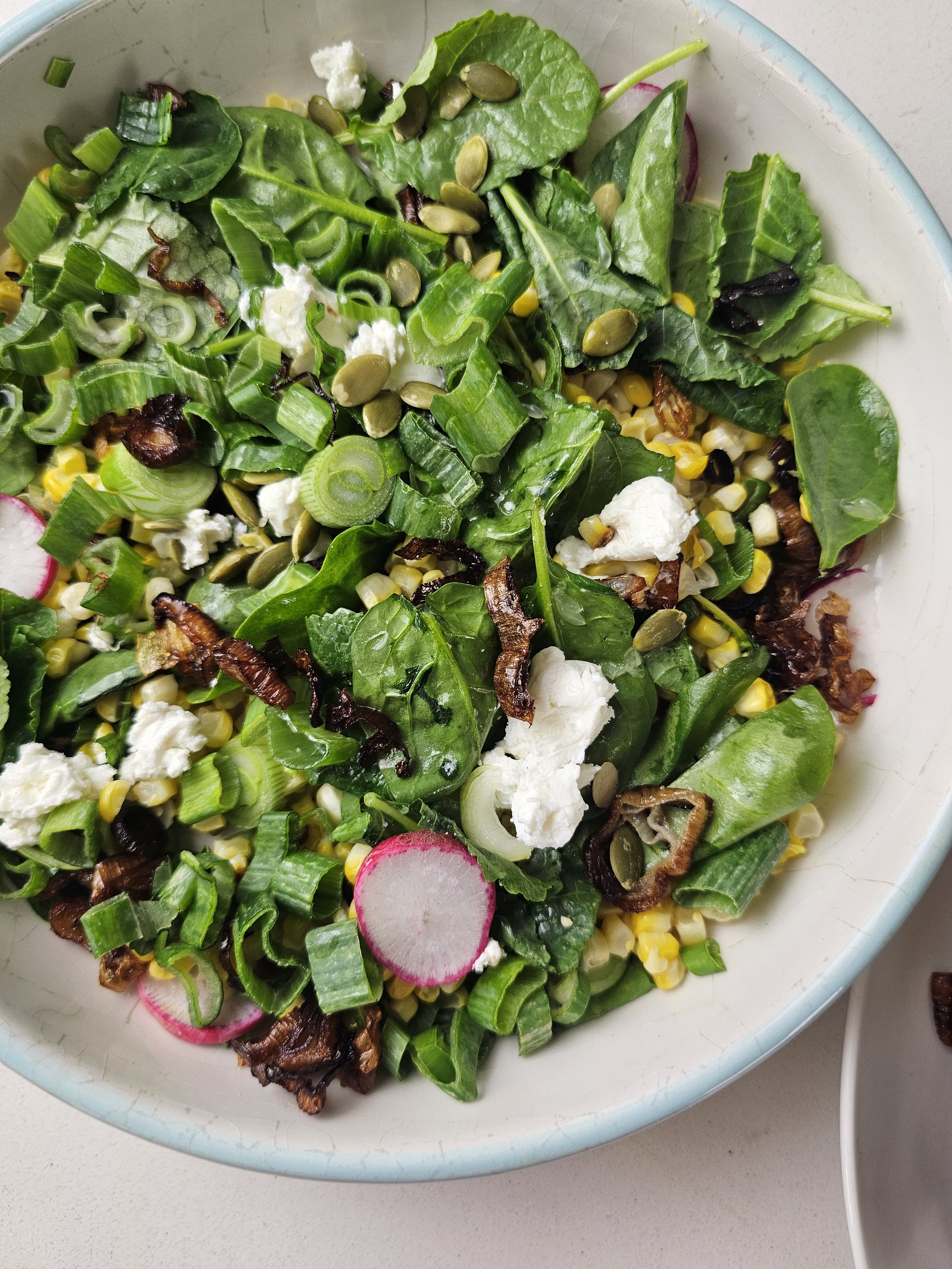
The farmers’ market influence is in the side dish, not the ribs. A corn salad made with seasonal corn, radish, goat cheese, pumpkin seeds, and spring onions. I use the spring onions two ways, fresh for brightness and fried for crunch, adding contrast and texture without overcomplicating the plate.
In the end, it comes together as a dish that feels like summer. Sweet heat from the glaze, freshness from the salad, richness from the ribs, and crunch in every bite.

Tamarind-Glazed Baby Back Pork Ribs
Tender baby back ribs baked in the oven, then coated in a glossy tamarind glaze with a bright sweet-sour depth and gentle smokiness. Served with a fresh seasonal corn salad with goat cheese, crisp radish, and spring onions, it brings easy summer cookout vibes with a subtle East African-inspired twist.
Ingredients
- 1 rack baby back pork ribs
- 1½ tsp seasoned salt
- 1 tsp black pepper
- 1 tbsp BBQ seasoning (I used Robertson's)
- 1 tsp smoked paprika
- 1 tsp garlic powder
- 3 tbsp tamarind concentrate
- 3 tbsp brown sugar
- 2 tbsp soy sauce
- Juice of ½–1 lime (adjust to taste)
- 1–2 tsp water (or more, if needed for looseness)
- 2-3 corn cobs (charred or grilled on grill plate)
- 1–2 tbsp olive oil (your chili olive oil works)
- 1 cup salad greens (spring and spinach mix)
- 1–2 tsp white balsamic vinegar
- 2-3 small radish (thin sliced)
- Pumpkin seeds
- Goat cheese (crumbled)
- 1 bunch spring onions (with large bulbs, to be fried and used fresh)
- Salt and pepper to taste
Instructions
- Set oven to Oven: 300°F (150°C)
- season ribs and rub every surface, nook and cranny.
- Wrap ribs tightly in foil and palce on a bakign tray.
- Bake for 2 to 2½ hours.
- while that bakes, make the tamarind glaze. just mix iall the infgrindeitns together, heat on medium ubtil it gently. bubbles, then reuce to lwo for 5-88 mnutes ubtil thciiken, or rather a hioney consitincy. use water to help if needed and taste and adjsut as neeed.
- then rpepr your salad, on a grill plate grill the corn until soften with black rbwon spots, rotinaint got about 10-15 min utes. tey to keep the heat steayd for even cooking. mix aeveryhing then nd hold off on dressing until ready to serve.
- once the ribs are done, uncover and brus with th glaze. set oven to broil at 500F/xxC for 2-5 mon tues, deopneding on your oven snd th epsoiton of the bakign tray. make sure you keep an eye you dont want it to burn!
- Serve immedialey with salad.
I am not a certified nutritionist and any nutritional information on dontmissmyplate.com should only be used as a general guideline.