
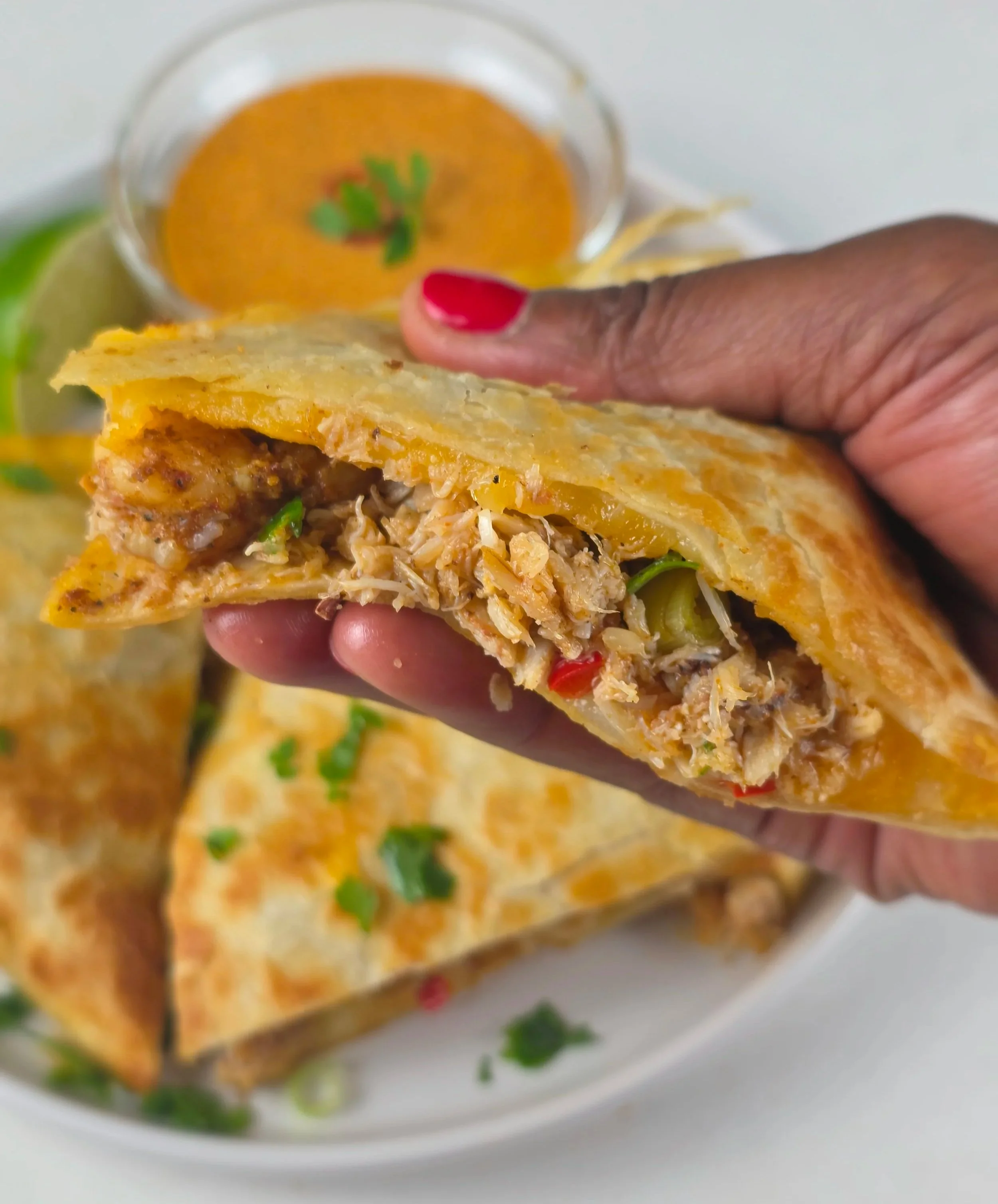
Berbere Bang Bang Crab & Shrimp Quesadillas
These quesadillas take a familiar cheesy favorite and give it a seafood-forward Afrofusion twist. They're packed with sweet lump crab, whole seasoned shrimp, melted Monterey Jack and Colby cheese, fresh red chili, and a creamy homemade Bang Bang sauce layered with fragrant berbere.
Quesadillas are one of those wonderfully adaptable foods that can take on almost any flavor profile, and this version is a great example. The combination of seafood and cheese might not be the first pairing that comes to mind for everyone, but here it absolutely works. The mild, creamy cheese provides the perfect backdrop for sweet crab and juicy shrimp, while berbere brings warmth, chile heat, and aromatic depth.
Berbere is one of the spices I reach for again and again, especially when I'm cooking seafood. I love the way its combination of chile and warm spices works with the natural sweetness of shrimp and crab. I've used it in recipes like my Blackened Salmon with Berbere Cream Sauce, and here I've taken it in a completely different direction by building it into both the seafood seasoning and the Bang Bang sauce. The result is a quesadilla that's creamy, spicy, savory, slightly sweet, and packed with flavor. The Berbere Bang Bang sauce is the signature element, adding a creamy, sweet-and-tangy finish with enough berbere to make its presence known without overwhelming the seafood.
This is also the kind of recipe I love for summer: quick enough for a weeknight lunch or dinner, fun enough for a casual gathering, and indulgent enough to feel like something you'd order at a restaurant. The seafood comes together quickly, while the quesadillas get golden and crisp in a skillet. For the cheese, I use Monterey Jack because it melts beautifully, with Colby adding a little more flavor. I intentionally use a generous amount for that dramatic cheese pull, but you can absolutely adjust the amount to your preference—the seafood is the star, after all.
There are a few tricks that make a big difference.
Don't overcook the shrimp; they only need a few minutes in a hot skillet and should be removed as soon as they're opaque and cooked through. The lump crab is already cooked, so you're simply warming it with garlic, butter, seasoning, lime, and scallions. Cooking it too long can dry it out and take away its delicate texture. I also recommend having all of your fillings ready before you start cooking the tortillas. Once the quesadilla is golden and the cheese has melted, fill it while it's still hot. As it cools, the melted cheese can seal the edges together, making the quesadilla difficult to open and fill neatly.
I like to finish these with fresh scallions, chili, and sauce on the side for dipping. Since the quesadillas are rich and cheesy, something fresh and acidic makes the perfect accompaniment. Try serving them with a simple lime-dressed green salad, cucumber and tomato salad, crunchy cabbage slaw, avocado and citrus salad, or even fresh fruit with lime and chili. I would skip the fries here—the quesadilla is already doing plenty of heavy lifting.
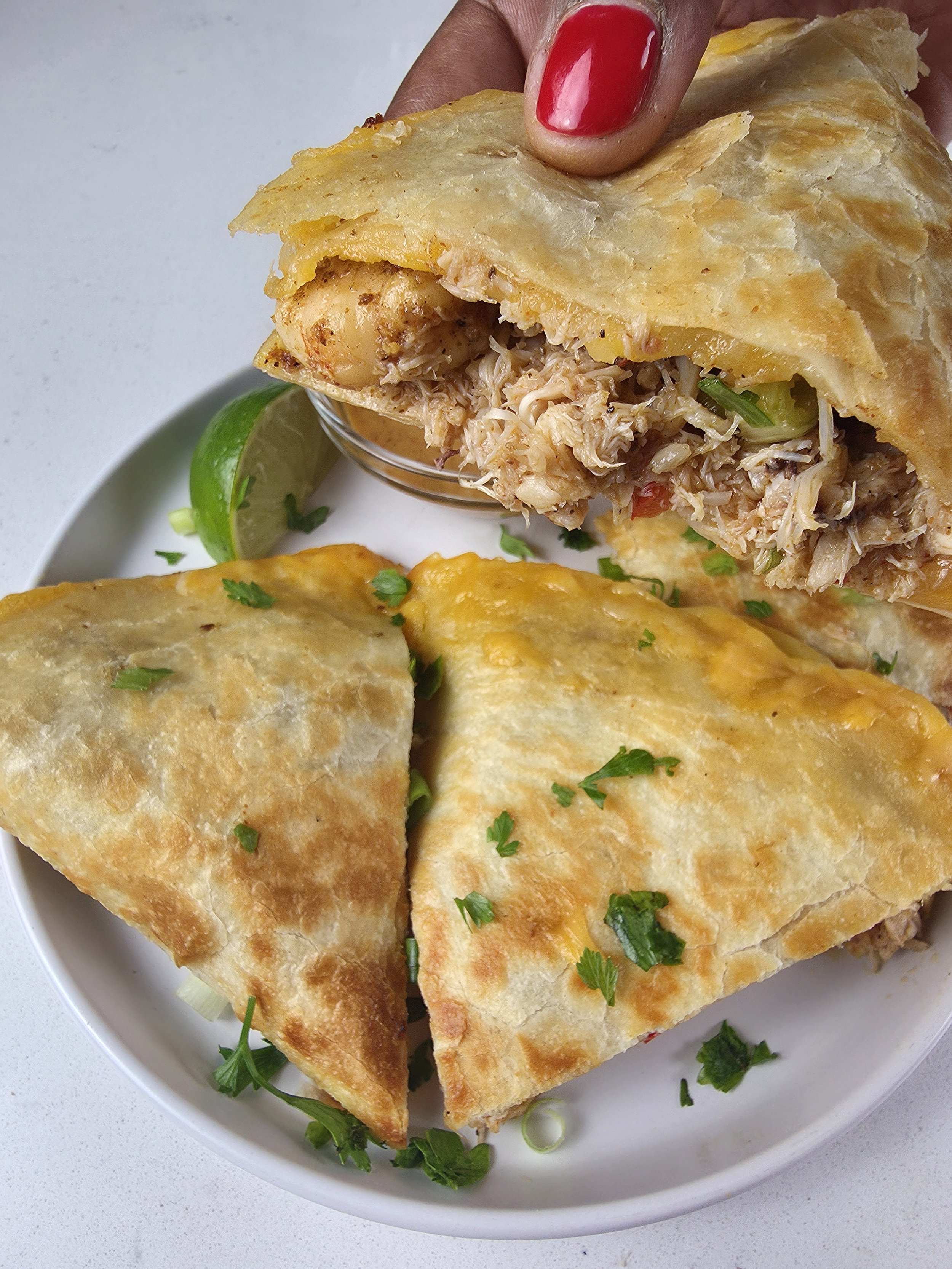
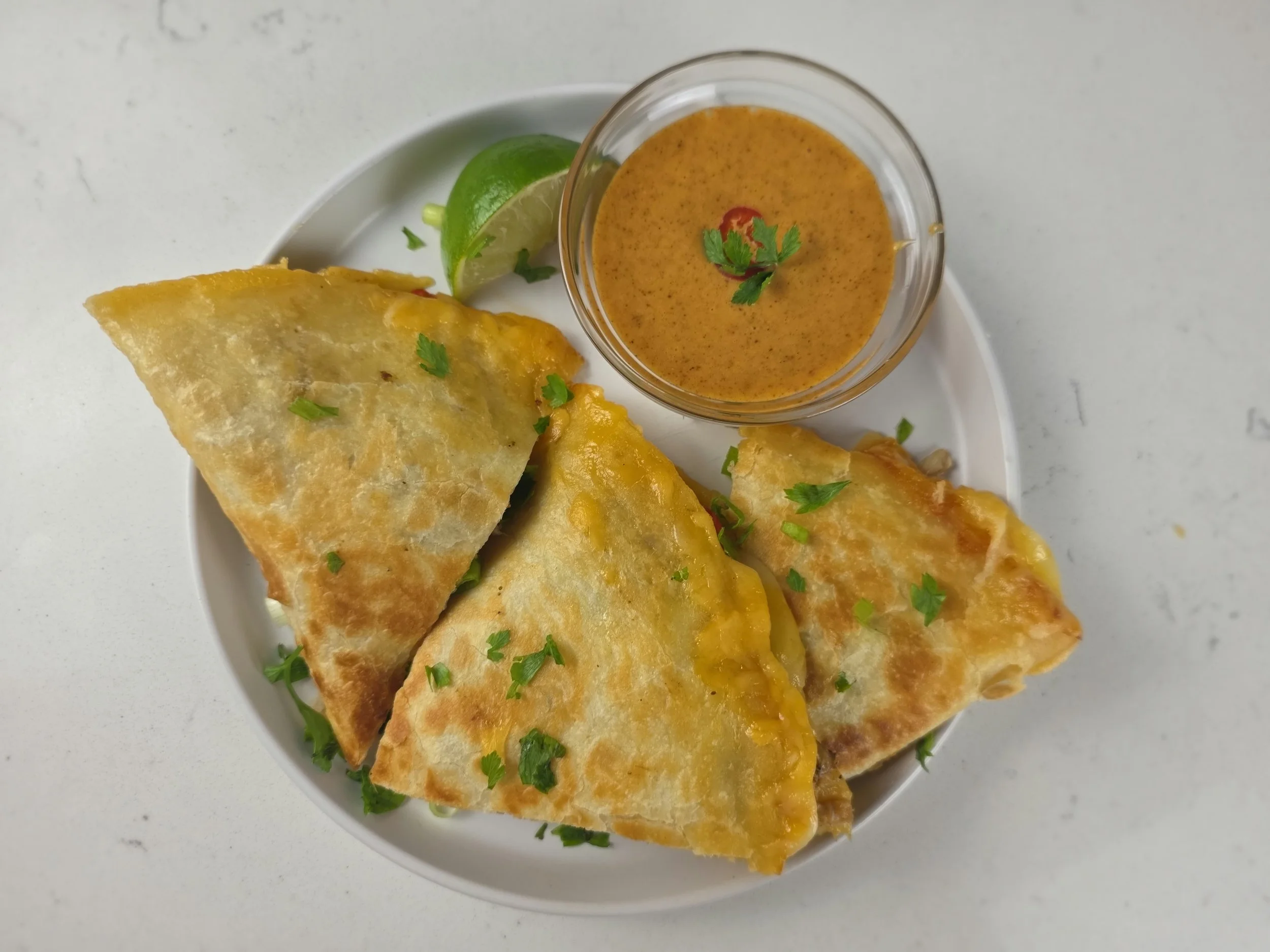

Berbere Bang Bang Crab & Shrimp Quesadillas
Golden 10-inch quesadillas filled with whole seasoned shrimp, tender lump crab, Monterey Jack and Colby cheese, and fresh red chili, finished with a creamy, sweet-and-spicy Berbere Bang Bang sauce. Berbere is used throughout the recipe to give the seafood and sauce a warm, aromatic chile flavor.
Ingredients
- ½ cup mayonnaise
- 2 tablespoons sweet chili sauce
- 1 tablespoon honey
- 1 tablespoon fresh lime juice
- 1 teaspoon hot sauce
- 2 teaspoons berbere seasoning
- ¼ teaspoon garlic powder
- Pinch of salt
- ½ lb whole shrimp, peeled and deveined
- 1 teaspoon neutral oil
- ½ teaspoon berbere seasoning
- ¼ teaspoon garlic powder
- ¼ teaspoon onion powder
- ¼ teaspoon chili powder
- ¼ teaspoon salt
- ⅛ teaspoon black pepper
- 1 teaspoon fresh lime juice
- 8 oz lump crab meat, well drained
- 1 teaspoon neutral oil (to coat when seasoning)
- ½ teaspoon Old Bay seasoning
- 1 tablespoon thinly sliced green onion
- 1 teaspoon butter (for warming)
- 1 small garlic clove, finely minced
- 1 teaspoon fresh lime juice
- 2 large 10-inch flour tortillas
- 1½ cups shredded Monterey Jack and Colby cheese, combined
- ½–1 fresh red chili, thinly sliced into rings
- 1 tablespoon thinly sliced green onion, reserved for garnish
- Ghee or neutral oil, for cooking
Instructions
- Make the Berbere Bang Bang Sauce: Whisk together the mayonnaise, sweet chili sauce, honey, lime juice, hot sauce, berbere seasoning, garlic powder, and salt. Cover and refrigerate while preparing the rest of the recipe.
- Season the shrimp: Pat the shrimp very dry and keep them whole. Toss with a little oil, then season with the berbere, garlic powder, onion powder, chili powder, salt, and black pepper. Set aside for a few minutes while preparing the crab.
- Prepare the crab: Drain the crab and gently check for any shell pieces, keeping the lumps as intact as possible. In a bowl, season the crab with a little oil, Old Bay seasoning, and sliced green onion.
- Cook the shrimp: Heat 1 teaspoon ghee or neutral oil in a skillet over medium-high heat. Add the whole shrimp in a single layer and cook for approximately 1½–2 minutes per side, depending on size, until opaque and just cooked through (145°F). Turn off the heat and add 1 teaspoon lime juice. Remove the shrimp from the skillet immediately and set aside. Do not overcook.
- Warm the crab: Reduce the skillet to medium-low heat. Add the butter and minced garlic and cook for approximately 30 seconds. Add the seasoned lump crab and gently warm for 1–2 minutes. The crab is already cooked, so you're simply warming it and allowing the seasonings to coat it. Turn off the heat, add 1 teaspoon lime juice, and set aside.
- Cook the first quesadilla: Heat a nonstick skillet over medium-low to medium heat and lightly coat with ghee or neutral oil. Place one 10-inch tortilla in the skillet.
- Spread approximately ¾ cup of the cheese mixture over one half of the tortilla, using more or less depending on your preference. Add several thin rings of red chili as the cheese melts. Once the tortilla begins to brown and the cheese is melting, fold the tortilla over.
- Cook for 2–3 minutes, until lightly golden underneath and the cheese is beginning to melt. Carefully flip and cook another 2–3 minutes, until golden. Remove from the skillet and place on a cutting board.
- Fill while hot: This step is important! Carefully open the folded quesadilla while it is still hot, before the melted cheese has cooled and sealed the edges together. Add half of the crab, half of the shrimp, and some of the remaining green onion. Gently close the quesadilla.
- Cut the quesadilla into 3 wedges. Repeat the process with the second tortilla.
- Finish and serve: Garnish with the remaining sliced green onion and a few thin rings of fresh red chili. Serve immediately with Berbere Bang Bang sauce for dipping.
Notes
- Use a flavorful berbere blend. Berbere is essential to this recipe and is used in the shrimp, crab, and Bang Bang sauce. Different blends vary in heat and intensity, so adjust to your preference.
- Don't overcook the seafood. Cook the shrimp just until opaque and cooked through, and gently warm the already-cooked crab so it stays tender.
- Fill the quesadilla while it's hot. Have the seafood ready before cooking the tortillas, then fill each quesadilla immediately after cooking. Once the melted cheese cools, it can seal the tortilla shut and make it difficult to open neatly.
- Adjust the cheese to your preference. The recipe uses a generous ¾ cup per 10-inch tortilla for a dramatic cheese pull, but you can use less if you prefer a lighter quesadilla. Serve with a fresh salad or slaw to balance the richness.
Nutrition Facts
Calories
550Fat (grams)
38 gSat. Fat (grams)
13 gCarbs (grams)
35 gFiber (grams)
2 gSugar (grams)
8 gProtein (grams)
30 gI am not a certified nutritionist and any nutritional information on dontmissmyplate.com should only be used as a general guideline.
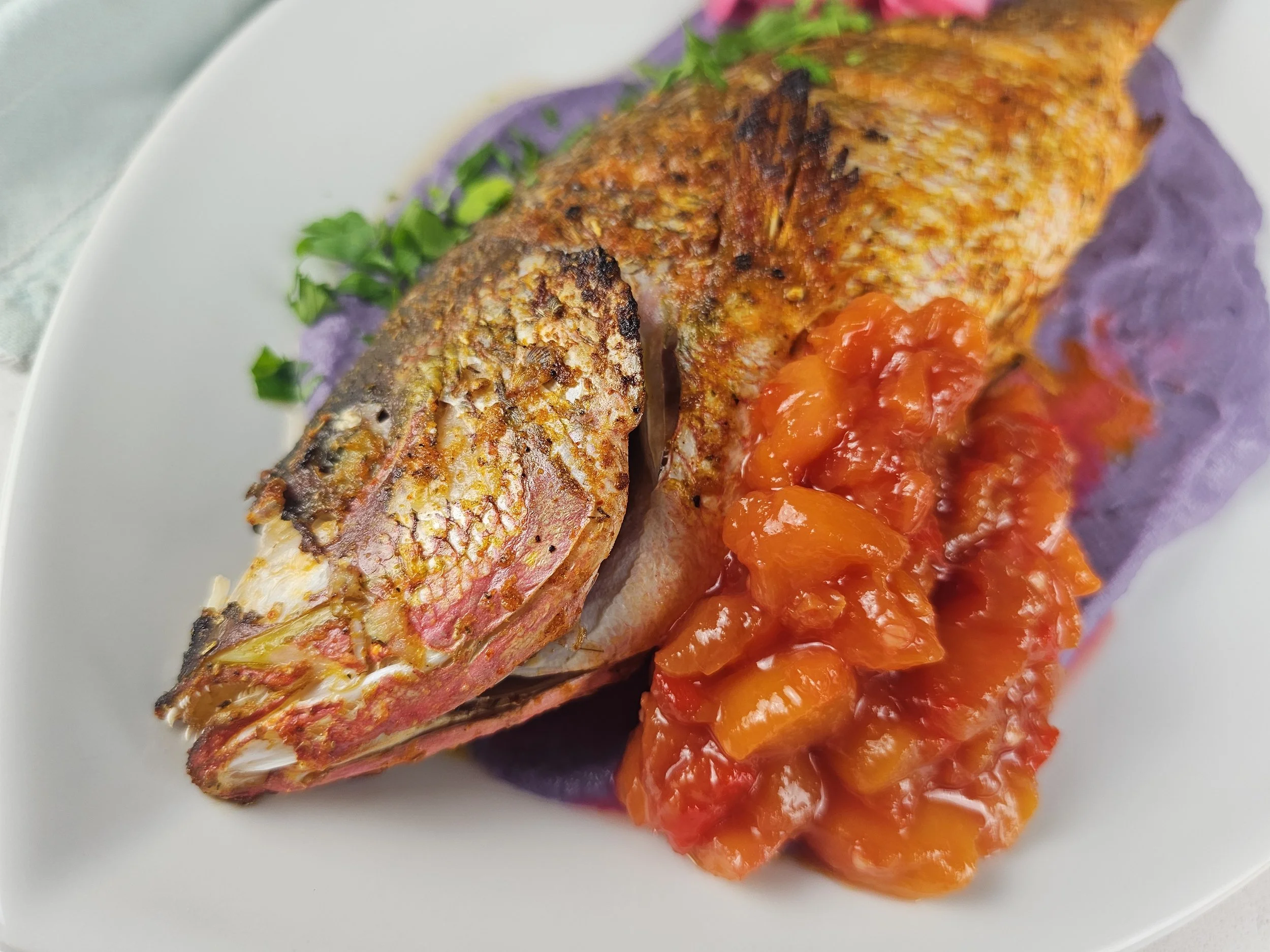
Yellowtail Snapper with Spicy Peach Chutney
This yellowtail snapper recipe is a vibrant, restaurant-style fish dish built around bold contrast, fresh acidity, and layered texture. The snapper is roasted until the skin turns golden and the flesh remains tender and flaky, then served over a smooth cauliflower purée that provides a creamy, neutral base to balance the sharper, brighter elements on top.
The dish is finished with a peach habanero chutney inspired by the broader use of chutneys in Zimbabwean and Southern African cooking culture, where chutneys are commonly served alongside grilled meats to add sweetness, acidity, and spice. While chutney traditions vary across regions, the idea of pairing fruit-based relishes with savoury proteins is a familiar and widely appreciated technique. In this version, ripe summer peaches bring natural sweetness and seasonal freshness, while habanero adds heat and intensity. Together they create a balanced sweet-spicy glaze that enhances rather than overwhelms the delicate fish.
Peaches are especially effective in summer cooking because they are naturally juicy and aromatic, and they pair beautifully with chillies like habanero when reduced into a chutney. This creates a condiment that sits between sauce and relish — thick enough to coat, but bright enough to cut through richness.
The snapper itself is a lighter, more delicate white fish, often used as a more accessible and affordable alternative to red snapper, which is traditionally popular in West African and Caribbean households and cooking styles. Yellowtail snapper offers a similar structure and versatility, with slightly softer, more subtle flesh that works well with bold accompaniments like chutney, pickled vegetables, and creamy purées.
To complete the dish, pickled red onions add acidity and crunch, while fresh parsley brings herbal brightness. The result is a layered plate that balances creamy, sweet, spicy, tangy, and savoury elements in every bite, designed for both flavour and visual impact.
This dish is inspired by coastal and tropical cooking traditions where fish is paired with fruit-based condiments and acidic components to enhance natural flavour. It is ideal for elevated home cooking, dinner parties, or visually driven food content where colour, contrast, and plating composition are just as important as taste.

Yellowtail Snapper with Peach Chutney and Cauliflower Purée
Yellowtail snapper served on cauliflower purée with a peach habanero chutney inspired by Zimbabwean-style chutney traditions, where fruit-based relishes are commonly paired with grilled meats to add sweetness, acidity, and heat. This version uses seasonal peaches for natural summer sweetness and habanero for controlled spice, creating a balanced condiment that enhances the delicate fish.
Ingredients
- 2–3 yellowtail snapper fillets (skin-on if possible)
- 1½ tsp salt
- 1 tsp black pepper
- 1 tsp paprika
- 1 tsp garlic powder
- 1 tbsp oil (for searing)
- Optional: squeeze of lime to finish
- 4 ripe peaches, peeled and diced
- 1 habanero (whole or minced, adjust to heat preference)
- 1 tbsp honey or sugar (adjust to taste)
- 2 tbsp lime juice
- 1 tbsp vinegar (apple cider or white)
- 1 tbsp water
- ¼ tsp salt
- 1 medium head cauliflower, cut into florets
- 2 tbsp butter
- 2–4 tbsp cream or milk (as needed)
- 1 garlic clove (optional)
- Salt to taste
I am not a certified nutritionist and any nutritional information on dontmissmyplate.com should only be used as a general guideline.
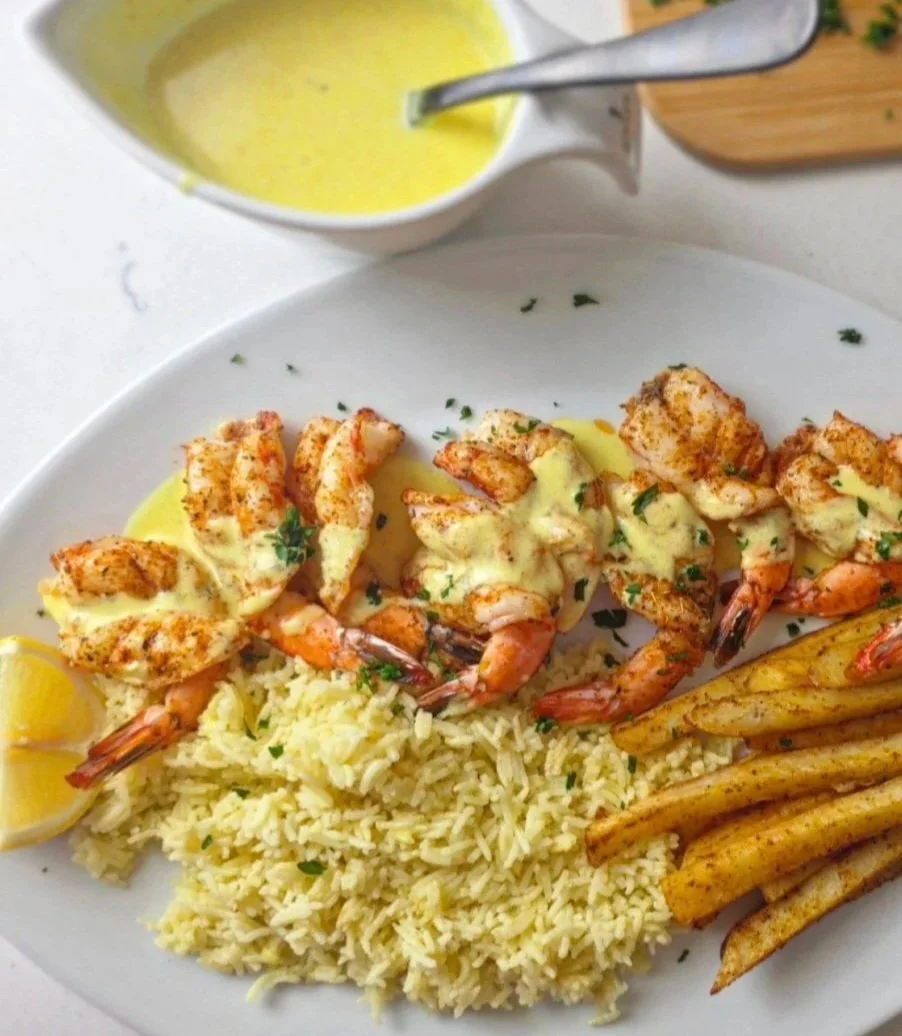
Copy Cat Ocean Basket Shrimp Platter with Lemon Cream Sauce
If you grew up in Southern Africa, or simply love a good seafood platter, you’ll recognize the iconic Ocean Basket experience. The restaurant chain became known for its generous platters of seafood, crispy fries, flagrant rice and most importantly a creamy, indulgent, lemon-forward signature that feel both comforting and celebratory.
This recipe is inspired by that classic, reimagined for a spring-ready table. The lemon cream sauce brings brightness and balance, cutting through the richness with a fresh, zesty lift that pairs beautifully with seafood. It’s a perfect example of how African coastal flavors naturally blend with Mediterranean influences (think citrus, butter, gentle spice, and herbs) creating something vibrant yet familiar. You may also see this combination with Mozambiquean peri-peri prawns.
Beyond flavor, the shrimp is a nutritional powerhouse: high in protein, low in calories, and rich in vitamin B12, selenium, and iodine. Paired with a citrus-forward cream sauce, it becomes a dish that feels indulgent without being heavy, ideal for warmer days and effortless entertaining.
Serve it simply with fries, rice, a crisp salad, or warm crusty bread to soak up the sauce.
For a wine pairing, serve with a chilled Sauvignon Blanc, crisp Chardonnay, or light rosé complements the lemon and enhances the natural sweetness of the shrimp.
Best of all, this dish comes together quickly, making it just as suited for a relaxed weekend lunch as it is for a quick but impressive spring lunch or dinner.
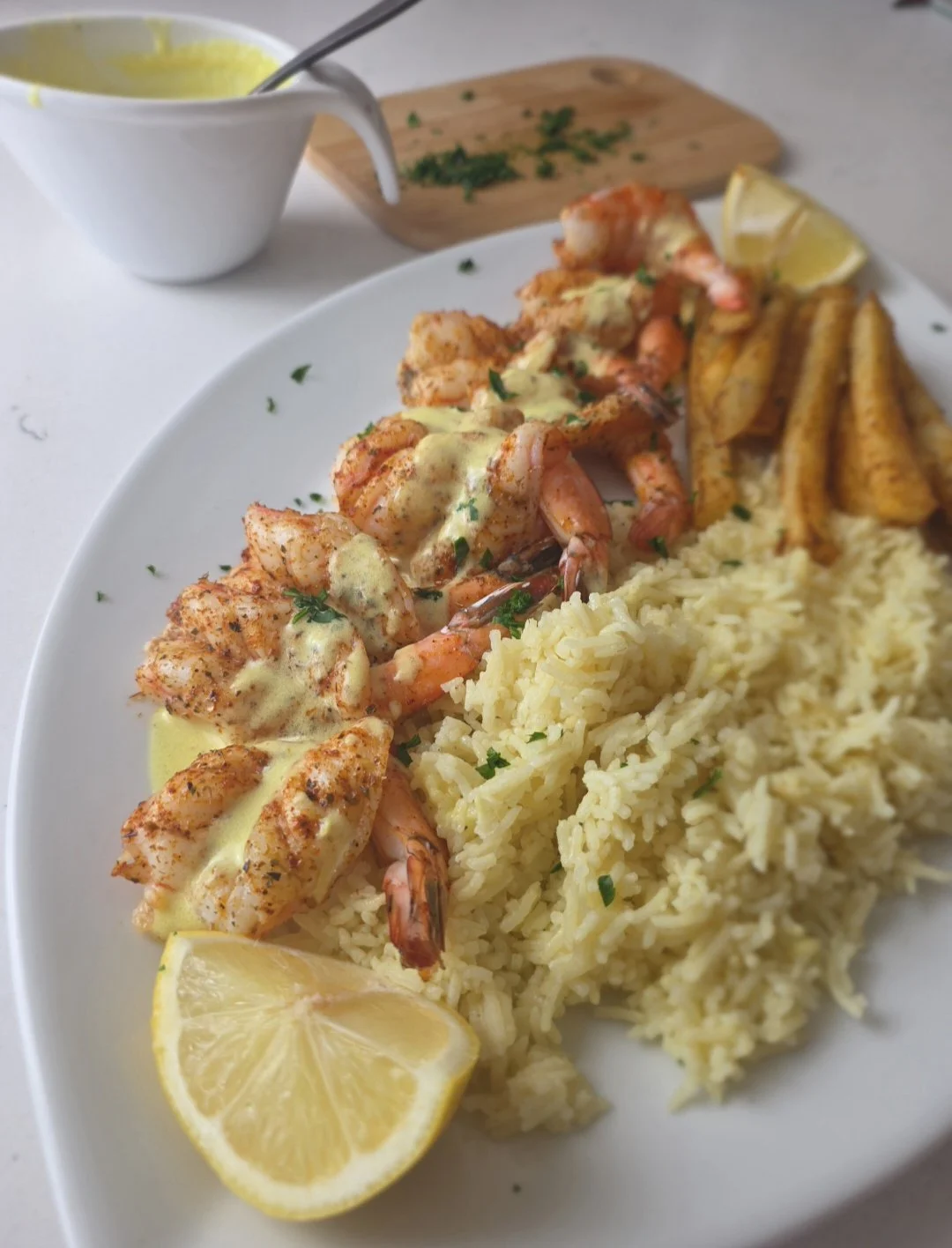

Copycat Ocean Basket Shrimp Platter with Lemon Cream Sauce
A simple, flavorful take on the iconic Ocean Basket shrimp platter. Juicy shrimp in a bright lemon cream sauce—easy enough for weeknights, but layered with flavor for something special.
Ingredients
- 1 lb (450 g) large shrimp, tail-on and deveined
- 2 tbsp olive oil
- 1 tsp Old Bay seasoning or peri-peri seasoning
- 2 tsp lemon juice (divided)
- 1/2 tsp garlic powder
- 1 tbsp smoked paprika
- 1 tbsp oregano
- Lemon wedges, for serving
- 1/2 cup (120 ml) heavy cream
- 5 tbsp unsalted butter
- 1/4 tsp flour
- 1/4 tsp turmeric (for color)
- 1 tsp Robertson’s Spice for Rice
- 1 tsp Aromat all-purpose seasoning
- Juice of 1 lemon (about 2 tbsp)
- 1 tsp lemon zest
- 1 tsp Dijon mustard
- Salt and pepper, to taste
- Chopped parsley, for garnish
Instructions
- Preheat the oven to 400°F (200°C).
- Make the lemon cream sauce: On low heat, melt the butter. Whisk in the flour until fully dissolved. Do not overheat, or the milk solids may separate.
- Turn off the heat, then add the lemon juice and zest, followed by the mustard, seasonings, salt, and pepper. Simmer for 1–2 minutes until slightly thickened. Set aside.
- Prepare the shrimp: Pat the shrimp dry. Peel the shells, keeping the tails on by pinching the tail and gently removing the outer shell. (Reserve shells for seafood stock, if desired.)
- Butterfly the shrimp: Using a sharp knife or kitchen scissors, carefully make an incision along the back of each shrimp. Do not cut all the way through. Gently open and flatten with your fingers to create a butterfly shape.
- Season the shrimp: In a bowl, mix olive oil, lemon juice, garlic powder, and Old Bay (or peri-peri). Brush the mixture evenly over the open side of the shrimp.
- Bake: Arrange shrimp flat-side down on a parchment-lined baking tray. Bake for 8–10 minutes, or until the shrimp reach an internal temperature of 145°F (63°C).
- Serve: Arrange the shrimp on a plate or tray with your chosen sides (like rice or fries). Drizzle with lemon cream sauce, garnish with parsley, and serve with lemon wedges.
Notes
- For deeper flavor, use the full spice blend listed above. You can keep it simple or build layers, it’s up to you.
- For the authentic Ocean Basket experience, serve shrimp over fries and drizzle sauce just before serving.
- Use fresh lemon juice for best flavor.
- Can be doubled for a crowd or adapted with other seafood like calamari, mussels, or fish.
- Optional: add a pinch of chili flakes for a subtle kick.
Nutrition Facts
Calories
320Fat (grams)
22 gCarbs (grams)
9 gProtein (grams)
25 gI am not a certified nutritionist and any nutritional information on dontmissmyplate.com should only be used as a general guideline.
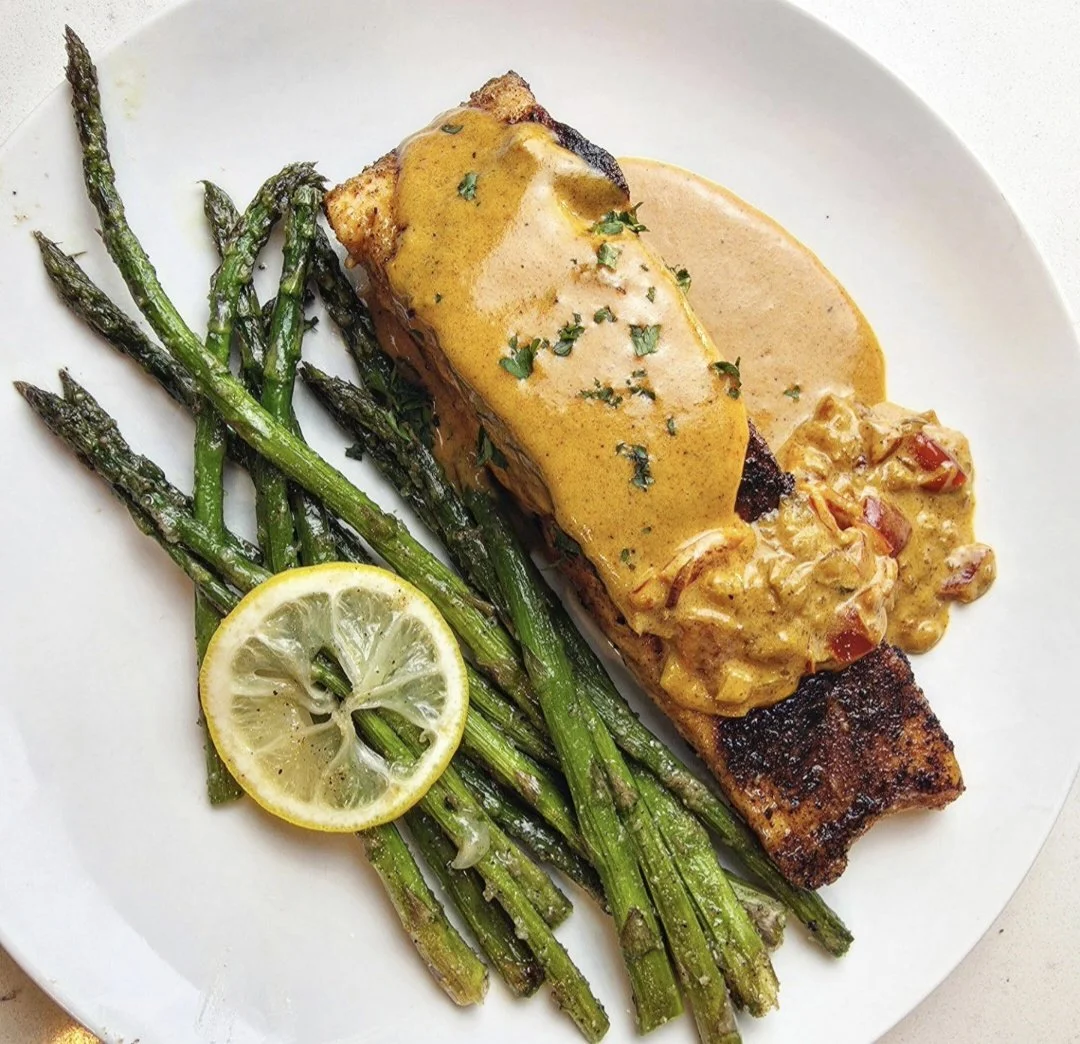
Blackened Salmon with Berbere Cream Sauce (30-Minute Recipe)
Salmon is one of my favorite proteins, in fact I try to eat it at least once a week. It’s rich in omega-3s, packed with protein, vitamins B12 and D, and it’s just plain delicious. For this recipe, I wanted to take a classic weeknight staple and elevate it with a little international flair, blending bold flavors from East Africa and the American South into one gorgeous, flavorful dish.
Blackened salmon is a favorite for a reason: the seared, smoky crust locks in moisture, giving each bite a deep, savory punch. Traditionally, you might see Cajun or Creole seasoning used, but I love swapping in berbere—a complex, aromatic East African spice blend that’s one of my go-to all-purpose seasonings. Berbere adds warmth, heat, and depth that’s a little different from what you find on every other weeknight plate.
If you’re making berbere at home, toast the whole seeds (like coriander, fenugreek, cardamom, and cumin) before grinding with paprika, chili, garlic, and ginger. The result is a fragrant, spicy seasoning that’s fantastic on salmon, roasted veggies, or even in soups. Premade blends work perfectly too, and sourcing from an authentic store is always a bonus.
For the sauce, I lean on a Creole-style cream sauce, which is similar to Cajun but generally a little more balanced and bright thanks to the tomato flavour, onions, bell pepper, and spices. Adding cream turns it into a silky, luxurious accompaniment that pairs beautifully with the bold, spiced salmon. You can keep the sauce rustic, with all the veggies, or strain it smooth for a more elegant finish, the choice is yours.
One of the things I love about this sauce is its versatility. It’s perfect on salmon, but also shines with flounder, shrimp, or any firm-fleshed fish. I served mine here with citrus forward, roasted asparagus for a classic pairing, but this is a dish that adapts beautifully to what’s in season.

Blackened Salmon with Berbere Cream Sauce
Tender, flaky salmon gets a bold East African-inspired kick with a silky berbere cream sauce. Quick, flavorful, and versatile, this dish is perfect for weeknights, entertaining, or seasonal meals.
Ingredients
- 4 salmon fillets
- 4 tsp berbere seasoning (about 1 tsp per fillet, adjust to taste)
- 1 tsp salt (¼ tsp per fillet)
- 1 tsp garlic powder (¼ tsp per fillet)
- 1 tsp onion powder (¼ tsp per fillet)
- Olive oil, for drizzling
- ½ medium red onion, diced
- 1–2 garlic cloves, minced
- 1/3 cup celery, diced
- 1 red bell pepper, diced
- 1 hot chili pepper, minced
- 2 tsp berbere seasoning
- 1 tsp smoked paprika
- 1 tsp black pepper
- 1 tsp seasoned salt
- 1 tsp cayenne pepper (optional, for extra heat)
- 2 tsp chicken bouillon paste
- 1 tbsp tomato paste
- 1 tbsp Worcestershire sauce
- 1 tbsp rice vinegar
- 1 tbsp flour
- 1 tbsp butter
- 1 tbsp sun-dried tomatoes, minced
- 1 cup heavy cream
- 1 cup water
- 1/3 cup grated Parmesan cheese
- Lemon juice, to finish (optional)
- Cooking oil or ghee, for sautéing
Instructions
- Pat the salmon dry. Drizzle lightly with olive oil, then rub with berbere, salt, garlic powder, and onion powder. Set aside to absorb flavors.
- In a pan, sauté the garlic and onion for 1–2 minutes. Add the celery and cook for 1 minute. Stir in the bell pepper and chili; cook for 2 minutes. Add the spices and sauté for 30 seconds to release their aroma, adding oil if needed.
- Stir in the bouillon paste and cook for 30 seconds. Push everything to one side, melt the butter, and mix in the flour to form a roux. Add the sun-dried tomatoes, Worcestershire sauce, and rice vinegar.
- Add the water and cream. Simmer over medium-low heat for about 5 minutes, stirring frequently. Stir in the Parmesan and cook until the sauce thickens. Adjust seasoning with salt and a squeeze of lemon juice if desired.
- Heat a cast-iron pan over medium-high heat (turn on the vent). Once hot and lightly smoking, add oil. Place the salmon skin-side down and sear for 2–4 minutes, depending on thickness. Avoid overcrowding the pan.
- Flip and cook for another 2–3 minutes. Lower heat if needed to prevent burning. For thicker fillets, transfer to a 400°F oven and cook for 3–5 minutes until the internal temperature reaches 145°F. Let rest for 5 minutes.
- Plate the salmon and spoon the sauce over top. Serve as is, or strain part of the sauce for a smoother texture.
Notes
- The berbere is customizable. Adjust the heat level to your taste.You can also substitute with Cajun, Old Bay, or Creole seasoning if needed.
- Serve with asparagus, roasted vegetables, rice, or grits.
- The sauce also works beautifully tossed with pasta like linguine.
Nutrition Facts
Calories
420Fat (grams)
30 gCarbs (grams)
10 gFiber (grams)
3 gSugar (grams)
4 gProtein (grams)
36 gI am not a certified nutritionist and any nutritional information on dontmissmyplate.com should only be used as a general guideline.
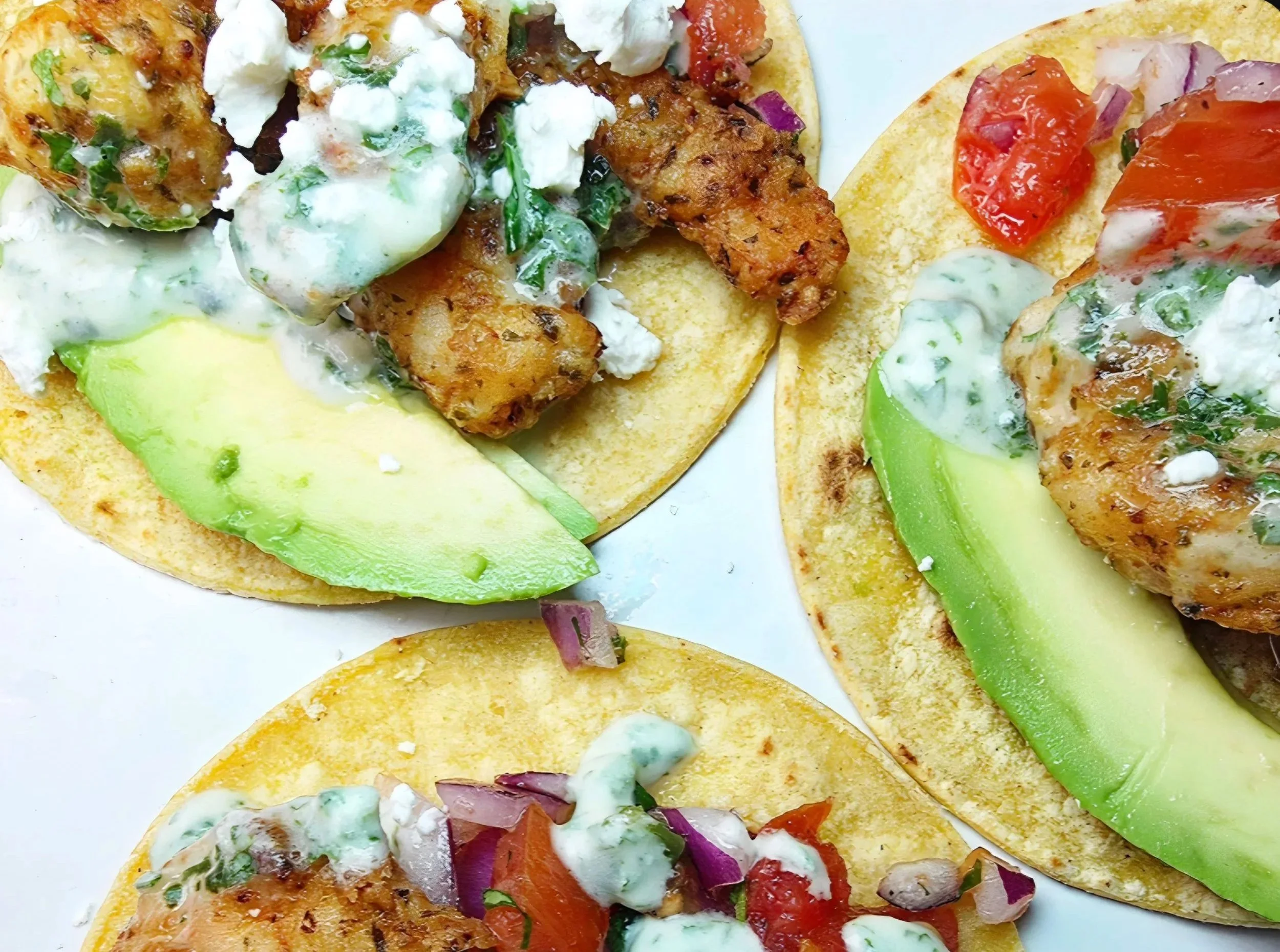
Coconut Lime Shrimp Tacos with Fresh Basil
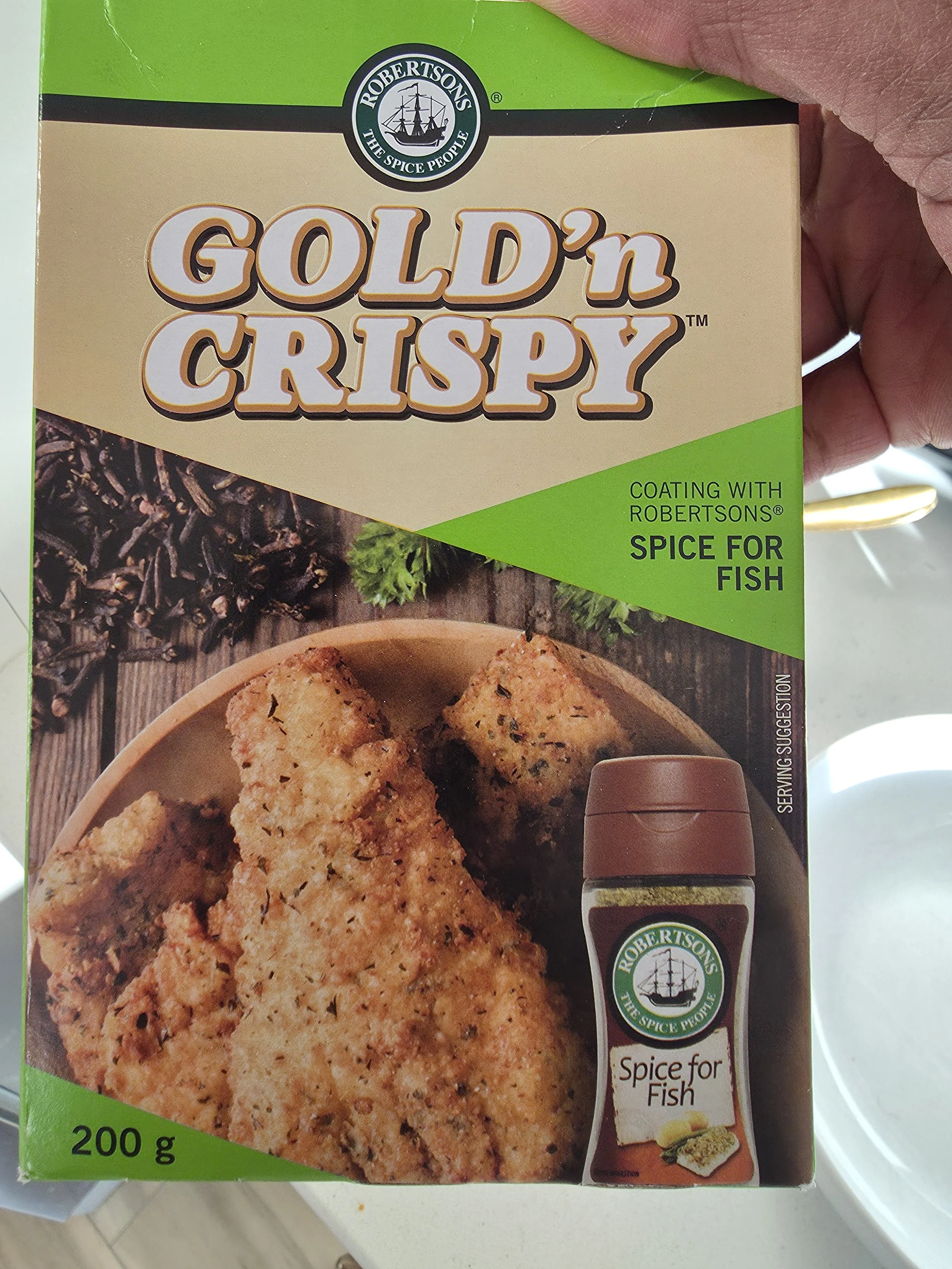
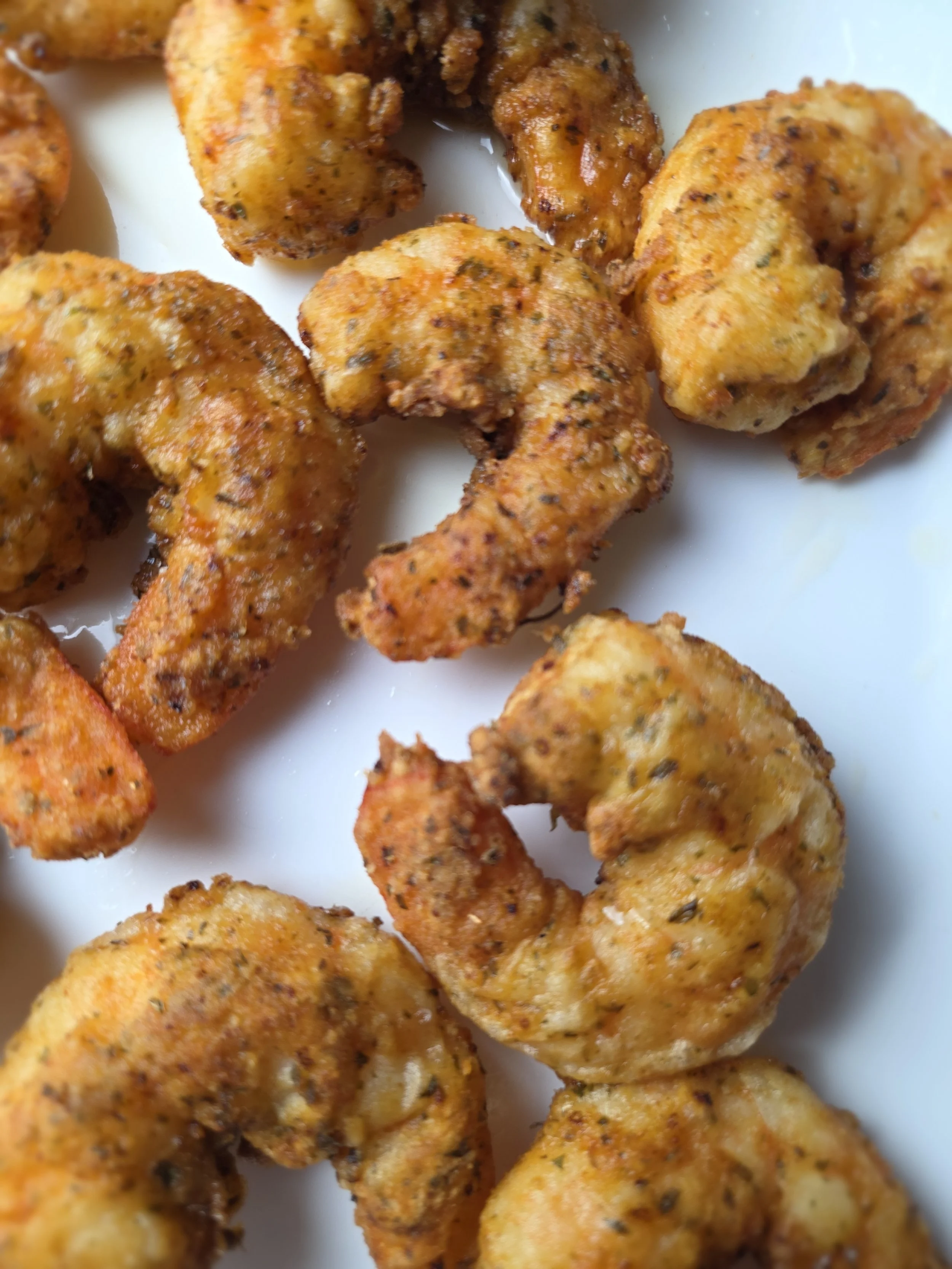
I started this recipe with a bunch of wilted basil I didn’t want to go to waste, and before I knew it, I also had some shrimp calling my name, and suddenly, shrimp tacos were born. Who needs an excuse to make these? I decided to try Robertsons Gold'n Crispy Fish Coating on the shrimp, usually meant for fillets, and it gave each bite a perfectly crunchy, umami-packed finish.
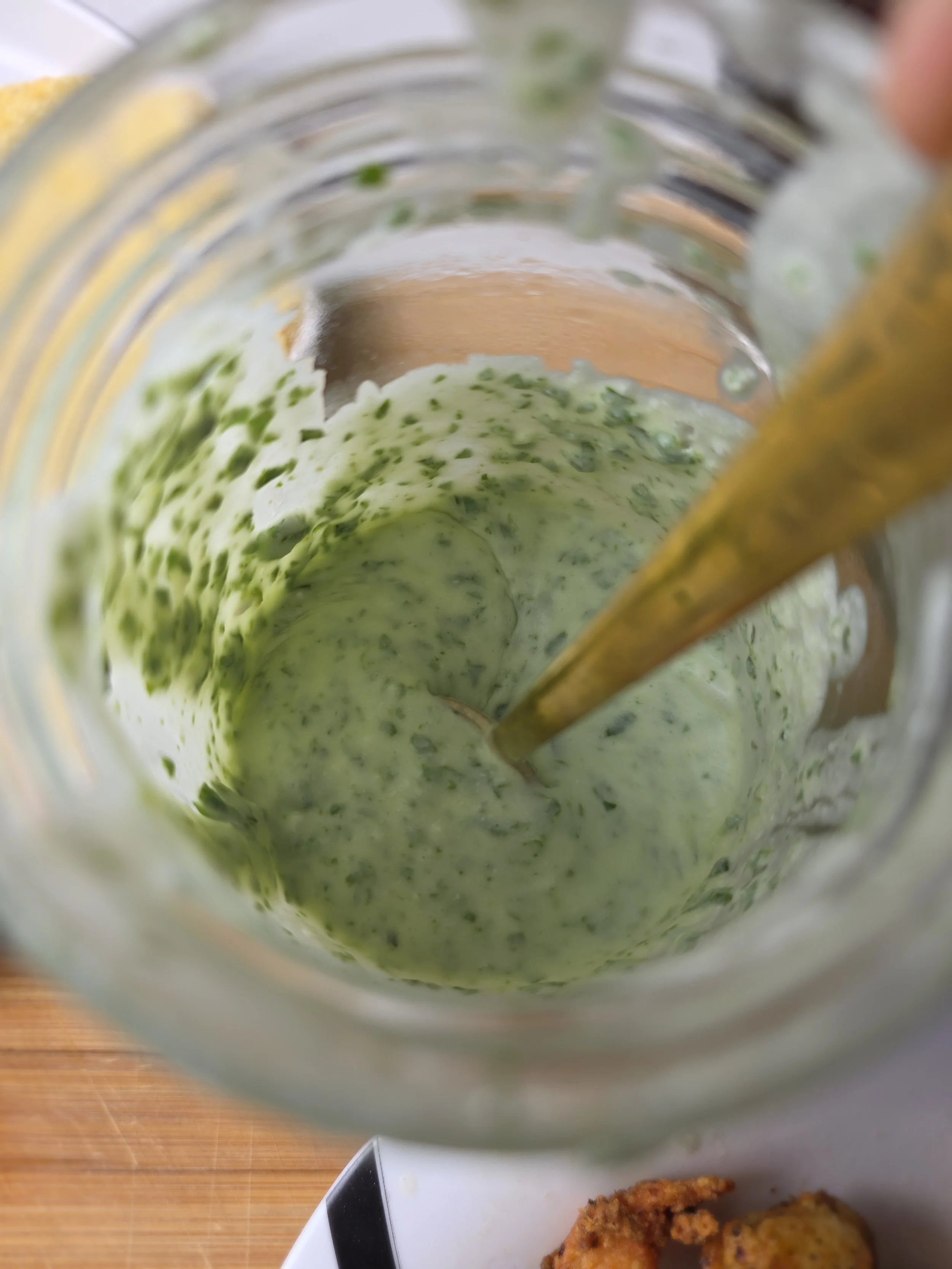
The real star is the coconut cream basil lime sauce. Coconut cream brings a smooth richness with a subtle sweetness, fresh basil adds a bright, slightly peppery herb note, and lime cuts through with a sharp citrus lift. Together they create a sauce that is creamy but fresh, balanced but bold, and the perfect complement to the crispy shrimp.
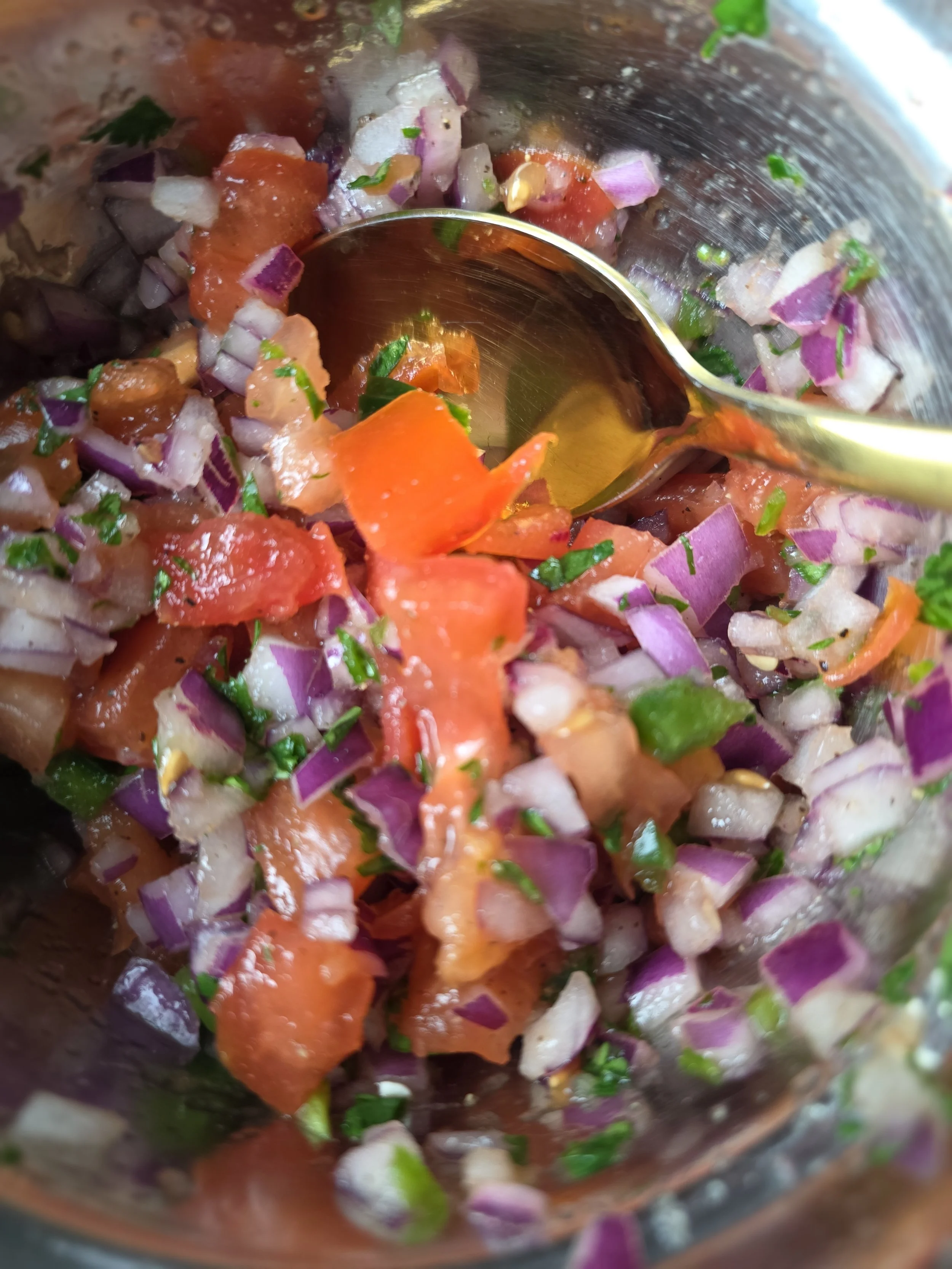
Layered with sliced avocado and fresh pico de gallo, these tacos are bursting with vibrant, irresistible flavor.
Shrimp tacos are one of those easy, no-fuss meals that work for lunch or dinner, and a good sauce really makes all the difference. It ties everything together and elevates a simple dish into something special.
DIY Crispy Coating for Shrimp
If you can’t track down Robertson’s Gold’n Crispy Fish Coating, no worries — you can make a crunchy coating at home. Just mix some all-purpose flour with a little cornstarch for extra crispness, then season with salt, black pepper, paprika, garlic powder, and a pinch of cayenne if you like a little kick. The cornstarch helps the shrimp get that perfect golden crunch, while the seasoning layers in flavor. It’s an easy swap that works just as well and keeps your tacos irresistibly crispy.

Coconut Lime Shrimp Tacos with Fresh Basil
Shrimp tacos finished with a creamy coconut basil lime sauce that steals the show. Fresh, herb-forward, and perfectly balanced with avocado and pico de gallo.
Ingredients
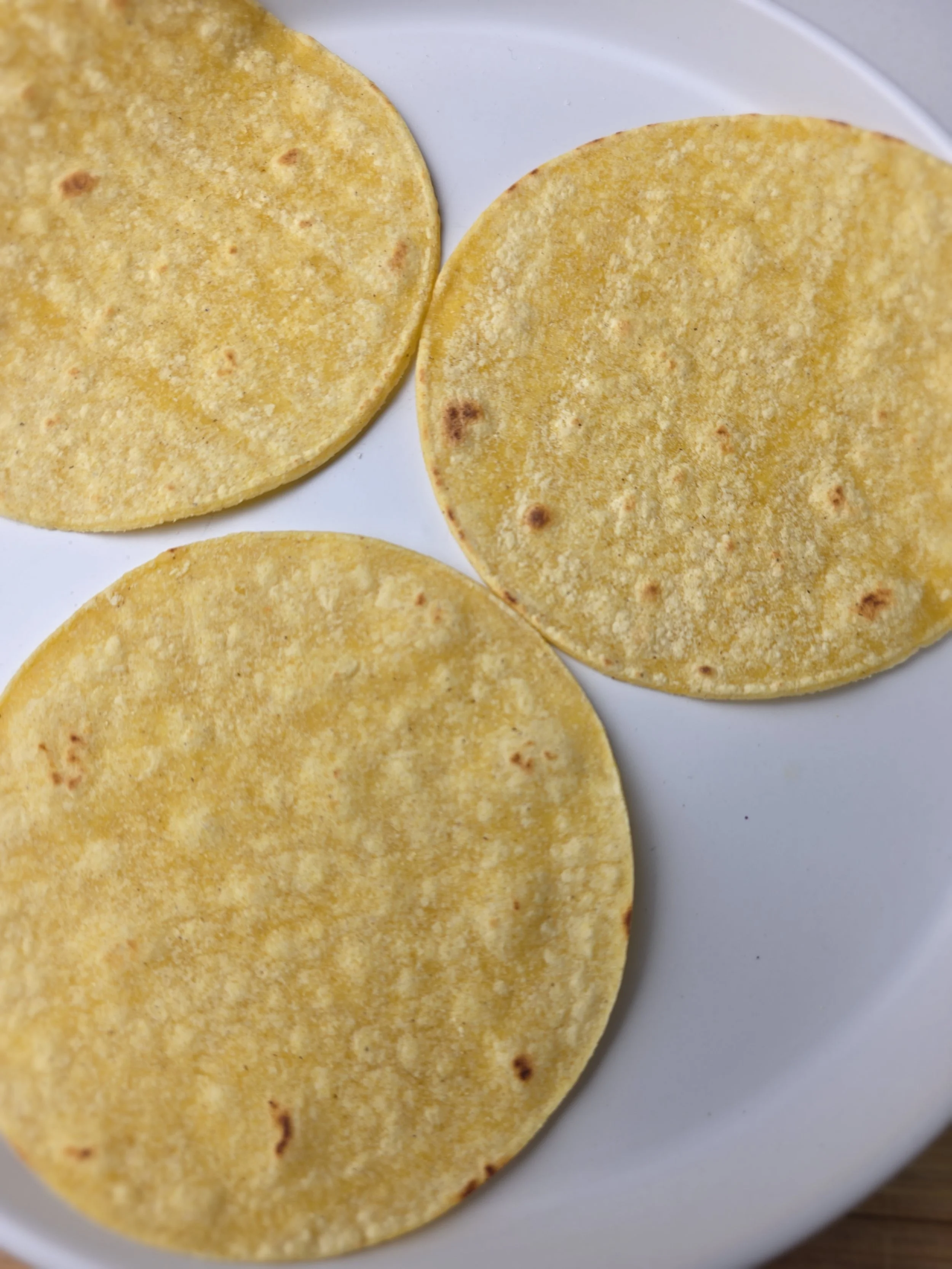
- 4 corn tortillas
- 1/2 lb jumbo or large shrimp
- 1 cup Robertson’s Gold’n Crispy Fish Coating
- 1 egg, beaten
- 1 tsp Old Bay Seasoning (optional)
- Peanut oil (or another high-smoke point frying oil)
- 1–2 avocados, sliced
- Feta or goat cheese, for garnish
- Pico de Gallo:
- 2 Roma tomatoes, chopped
- 1/2 red onion, chopped
- 1/4 cup cilantro, chopped
- Juice of 1/2 lime
- Salt and pepper to taste
- Optional: diced jalapeño for a kick
- 1/2 cup fresh basil (even if slightly wilting)
- 5.4 oz coconut cream (1 small can)
- Juice of 1/2 lime (about 2 tbsp)
- 1 garlic clove
- 1 tbsp honey
- 1/2 tsp salt
- Zest of 1/2 lime
Instructions
- Prepare the Basil Coconut Lime Sauce:
- Remove basil leaves from stems and chop.
- In a food processor or small blender, combine basil, coconut cream, lime juice, garlic, honey, salt, and lime zest.
- Blend until smooth and creamy; small basil shards will remain, giving a fresh green tint. Taste and adjust seasoning.
- Cover and chill.
- Prepare Pico de Gallo:
- Combine chopped tomatoes, red onion, cilantro, lime juice, salt, pepper, and optional jalapeño. Chill until ready to serve.
- Prepare the Shrimp:
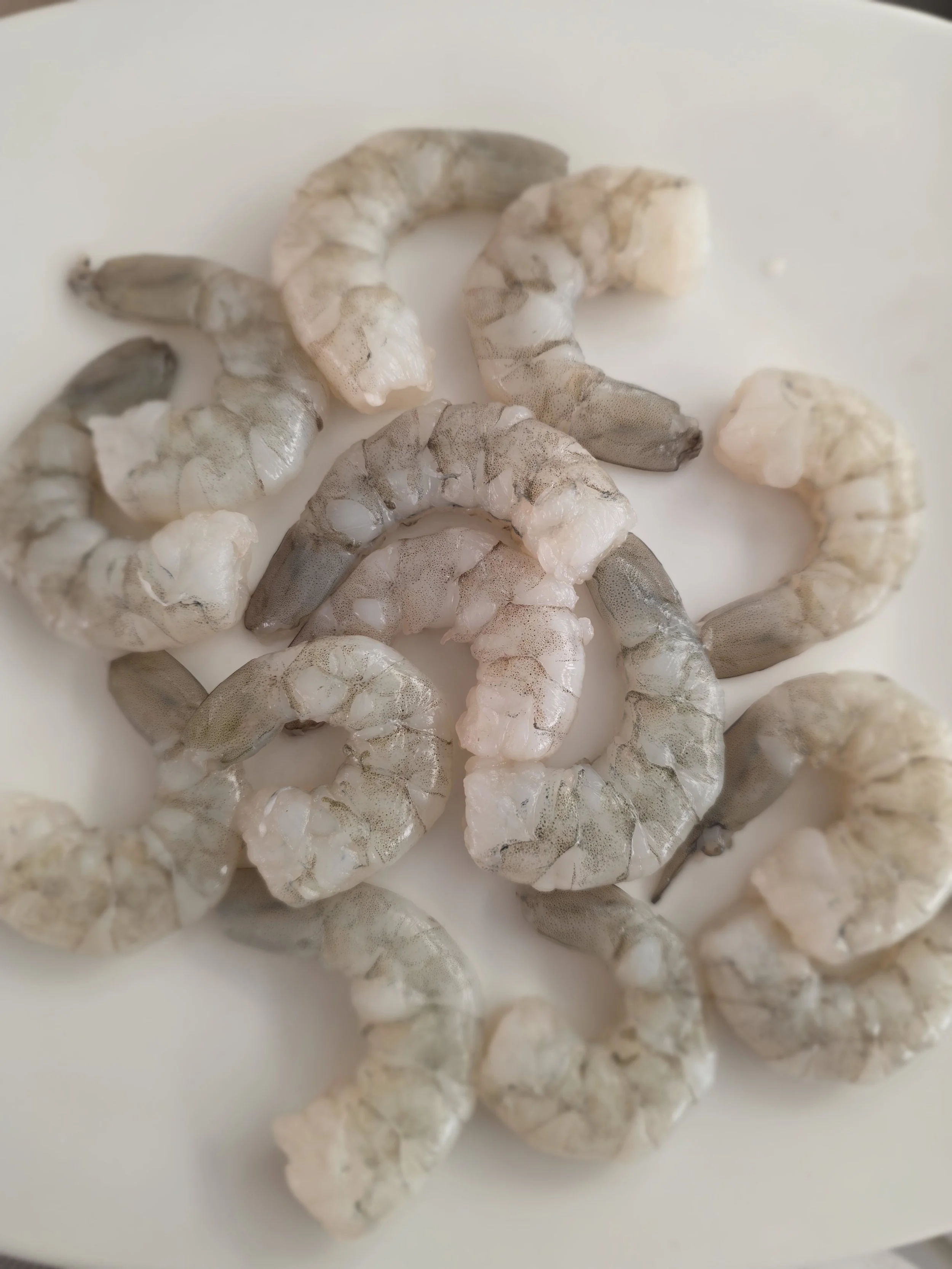
- Remove tails and pat shrimp dry.
- Set up a dredging station with beaten egg (seasoned with Old Bay, if using) and Robertson’s coating.
- Dip shrimp into the egg, then coat with the fish coating. Shake off excess and place on a clean plate. Repeat for all shrimp.
- Cook the Shrimp:
- Heat oil in a skillet or fryer to 350°F (175°C).
- Fry shrimp 2–3 minutes per side, until golden brown. Transfer to a paper towel-lined plate to drain.
- Assemble the Tacos:
- Warm corn tortillas.
- Layer shrimp, sliced avocado, pico de gallo, and basil coconut lime sauce.
- Top with feta or goat cheese and serve immediately.
Nutrition Facts
Calories
420Fat (grams)
28 gCarbs (grams)
23 gFiber (grams)
5 gSugar (grams)
5 gProtein (grams)
22 gI am not a certified nutritionist and any nutritional information on dontmissmyplate.com should only be used as a general guideline.