

East African Mashed Kale Stew (Sukuma Wiki) with Chapati
This dish is inspired by one of East Africa’s most beloved comfort foods: Sukuma Wiki, a flavorful sautéed kale or collard green dish often served with chapati or ugali. Common across countries like Kenya, Uganda, and Tanzania, Sukuma Wiki is a simple, affordable way to stretch meals, the name literally means “stretch the week” in Swahili.
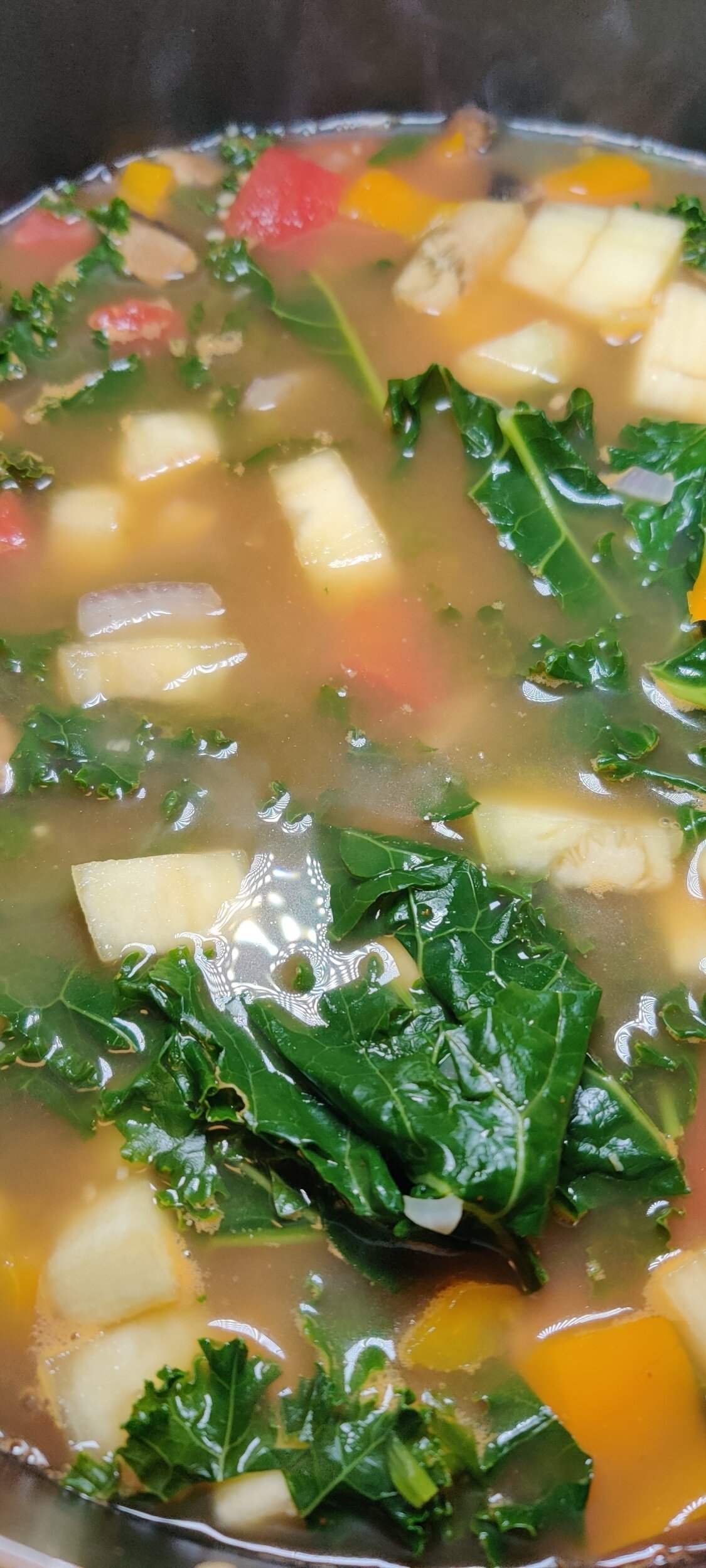
I’ve taken that foundation and turned it into a heartier, stew-like version by adding peanut butter, yam, mushrooms, and eggplant for extra richness. This version leans into bold spices and a creamy texture, making it filling enough to enjoy as a main dish.
While this stew draws heavily from Sukuma Wiki, I was also inspired by other traditions across the continent. In Zimbabwe, pumpkin leaves (muboora) are cooked with peanut butter to create a deeply savory side or main. They’re often overlooked, but when cooked right, they're just as good as kale or collard greens. Since I’m currently in the United States, I’ve used kale (muriwo) as a substitute, it’s readily available and holds up beautifully in stews.
In Rwanda, a dish called isombe uses ground cassava leaves stewed in a similar way, often served with plantains and, of course, chapati, my favorite flatbread of all time.
I’ve paired this stew with East African chapati, which is soft, flaky, and layered. It’s made differently from Indian chapati, using a coiled rolling technique that creates those signature flaky layers. You can find my chapati recipe [here] if you’d like to make it from scratch.
This dish is warm, deeply nourishing, and full of flavor. It’s a beautiful mix of traditions and ingredients that come together to celebrate African cooking in a way that’s comforting and easy to recreate at home.
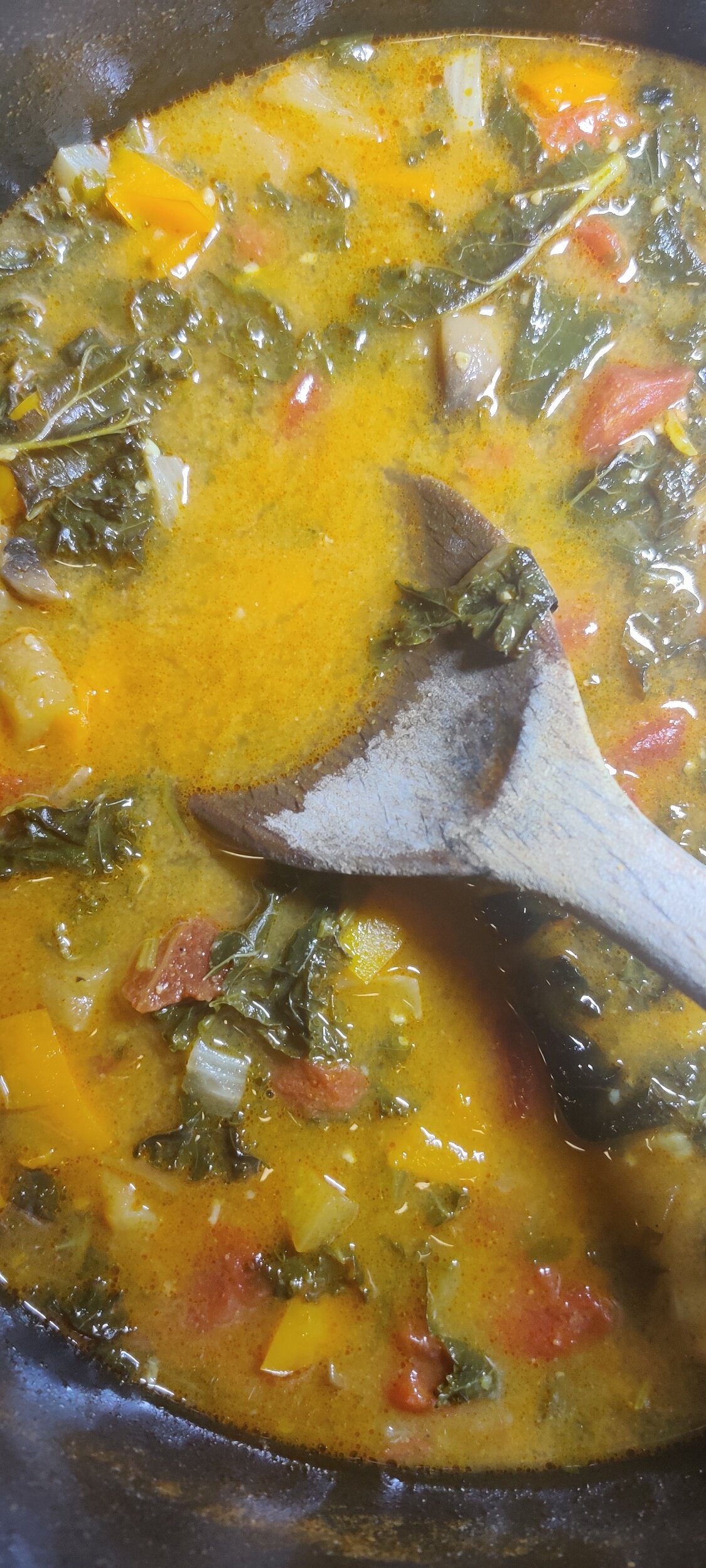
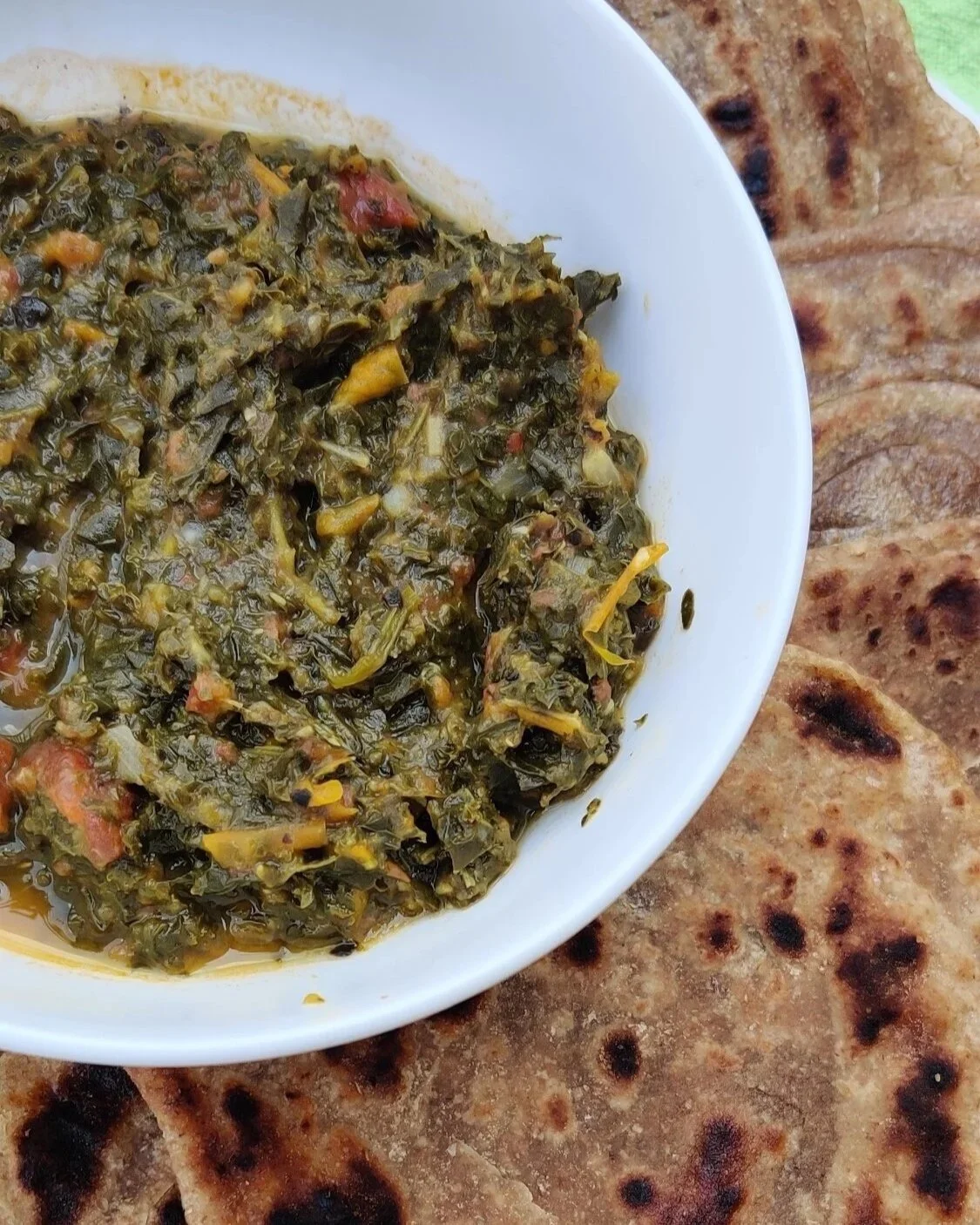
East African Mashed Kale Stew (Sukuma Wiki) with Chapati
A hearty, comforting East African-inspired kale stew packed with vegetables, spices, and richness from peanut butter. Serve with chapati for a complete meal.
Ingredients
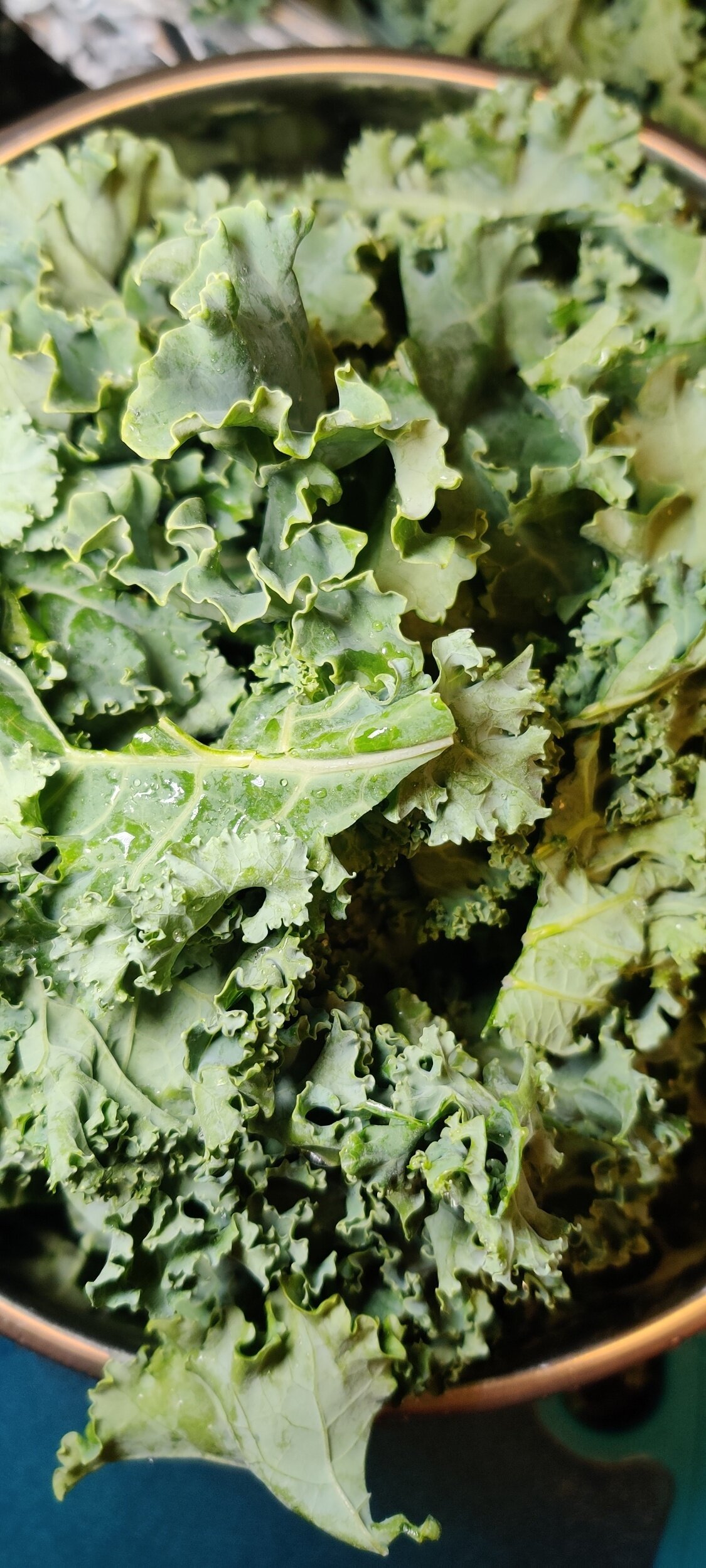
- 1 pound kale, chopped
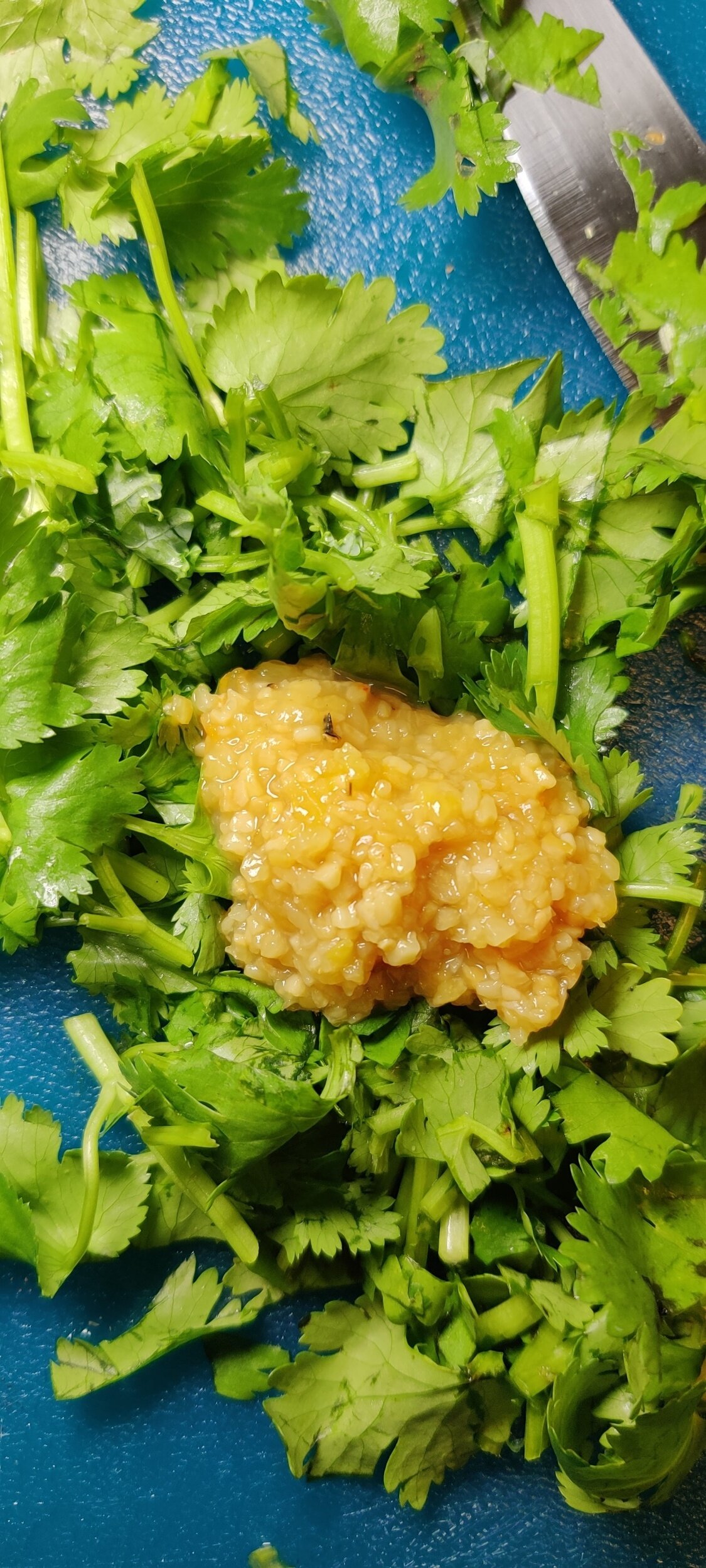
- 2 tablespoons garlic, minced
- ¼ cup fresh parsley, chopped
- ½ large eggplant, chopped
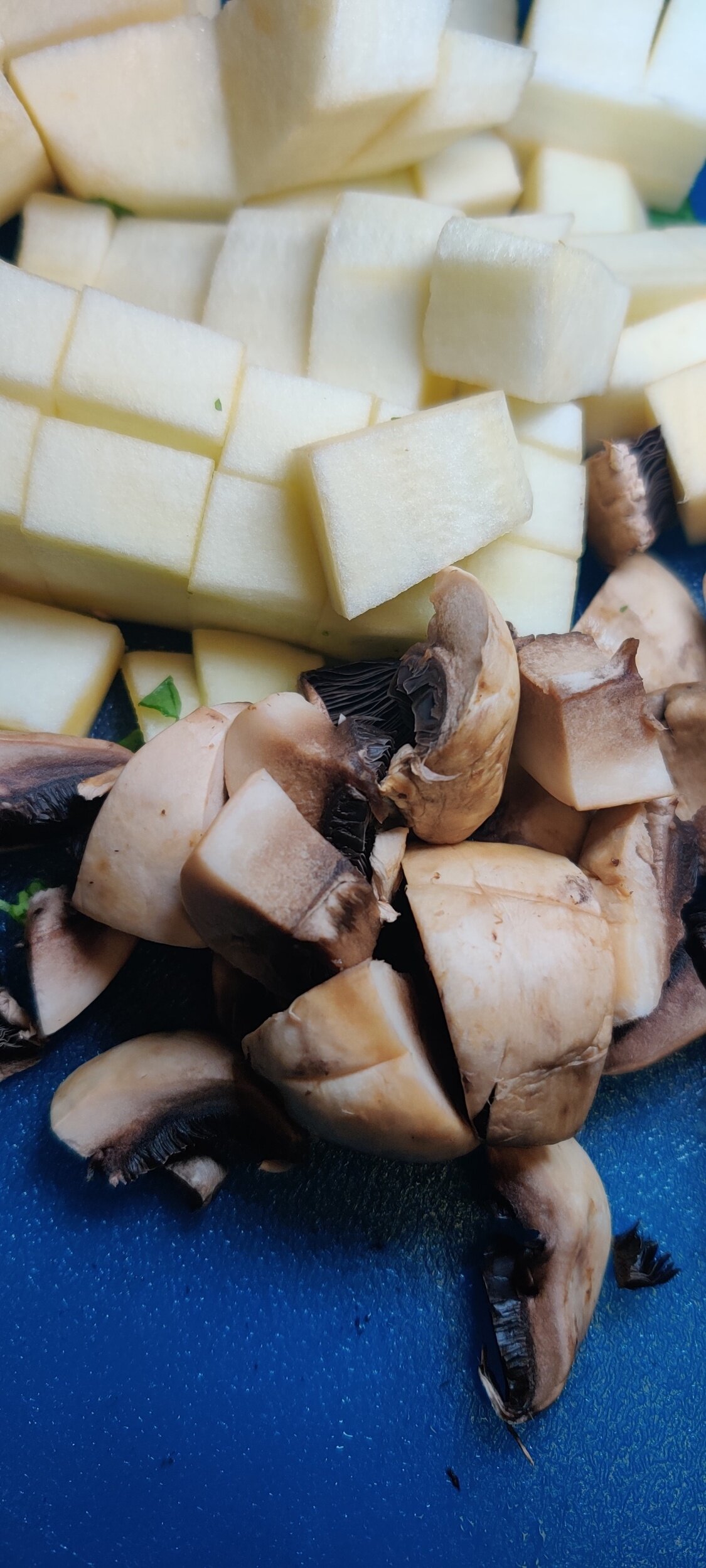
- ½ cup mushrooms, chopped
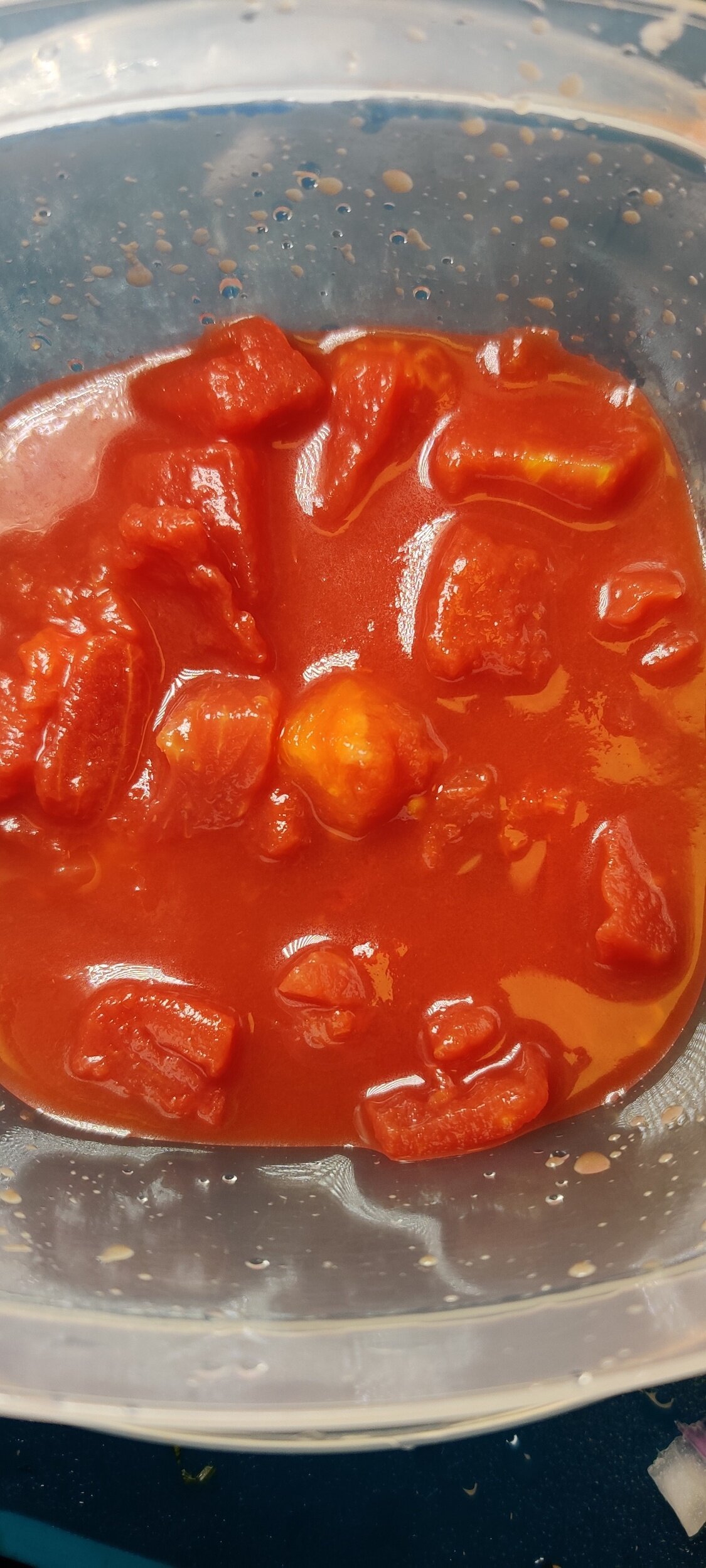
- 1 large tomato or 1 (14-ounce) can diced tomatoes
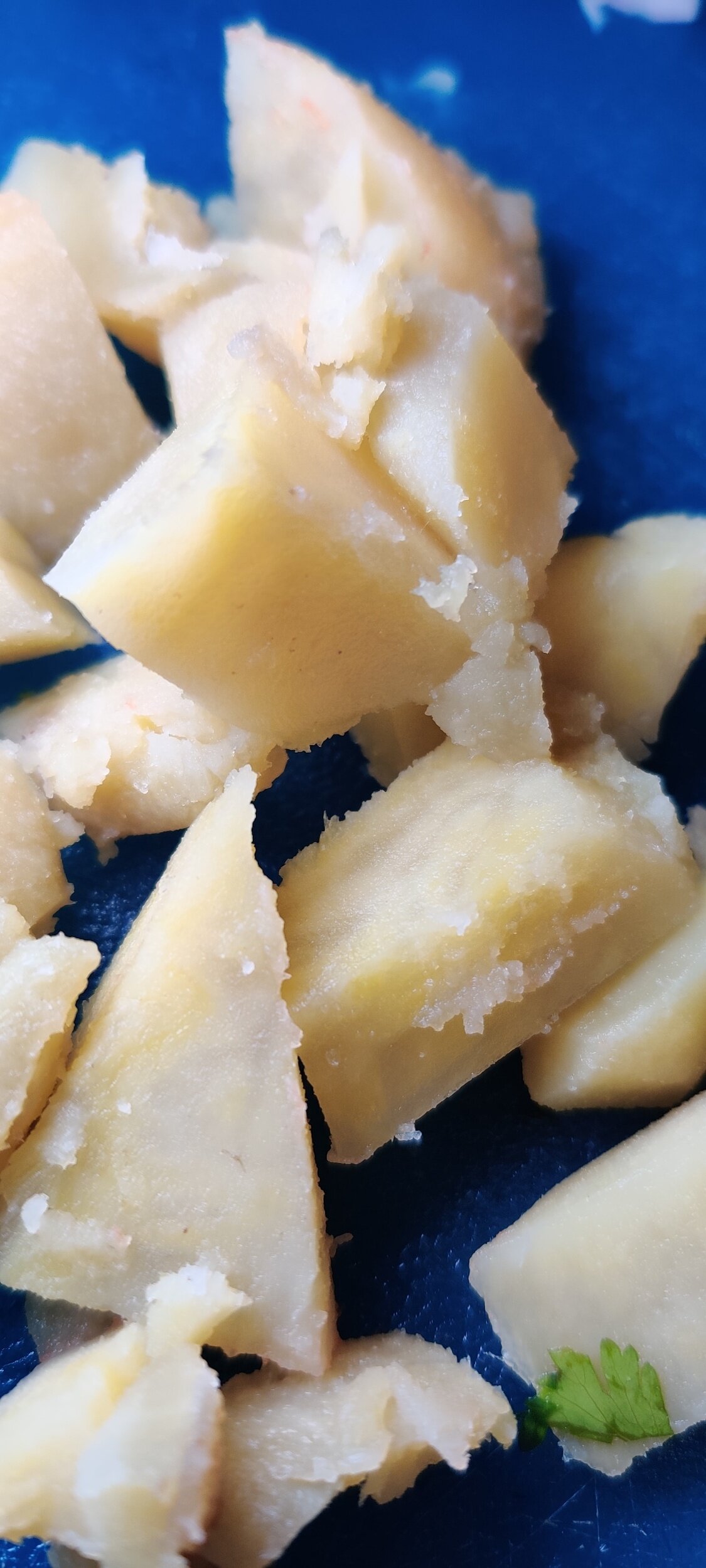
- ½ white-fleshed yam or sweet potato, chopped
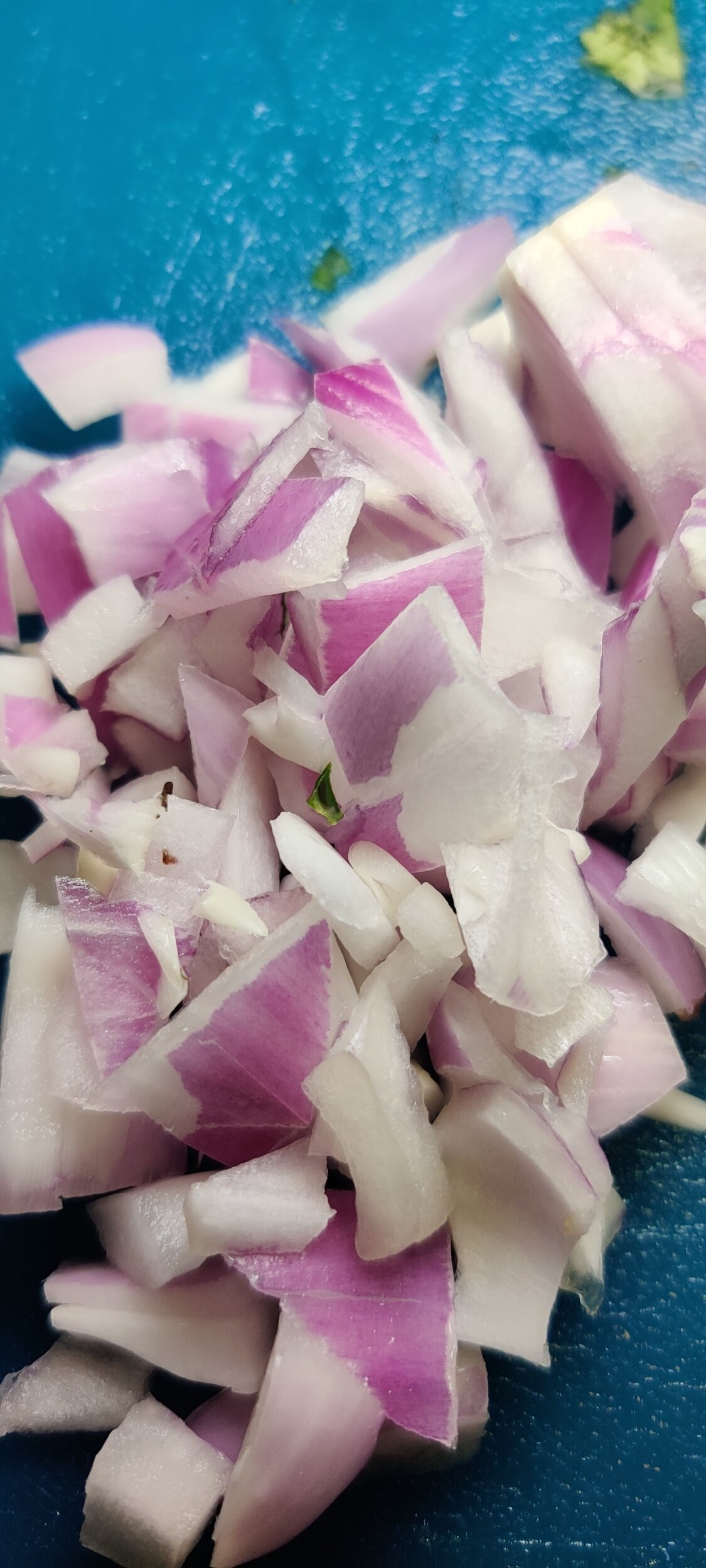
- ½ large onion, chopped
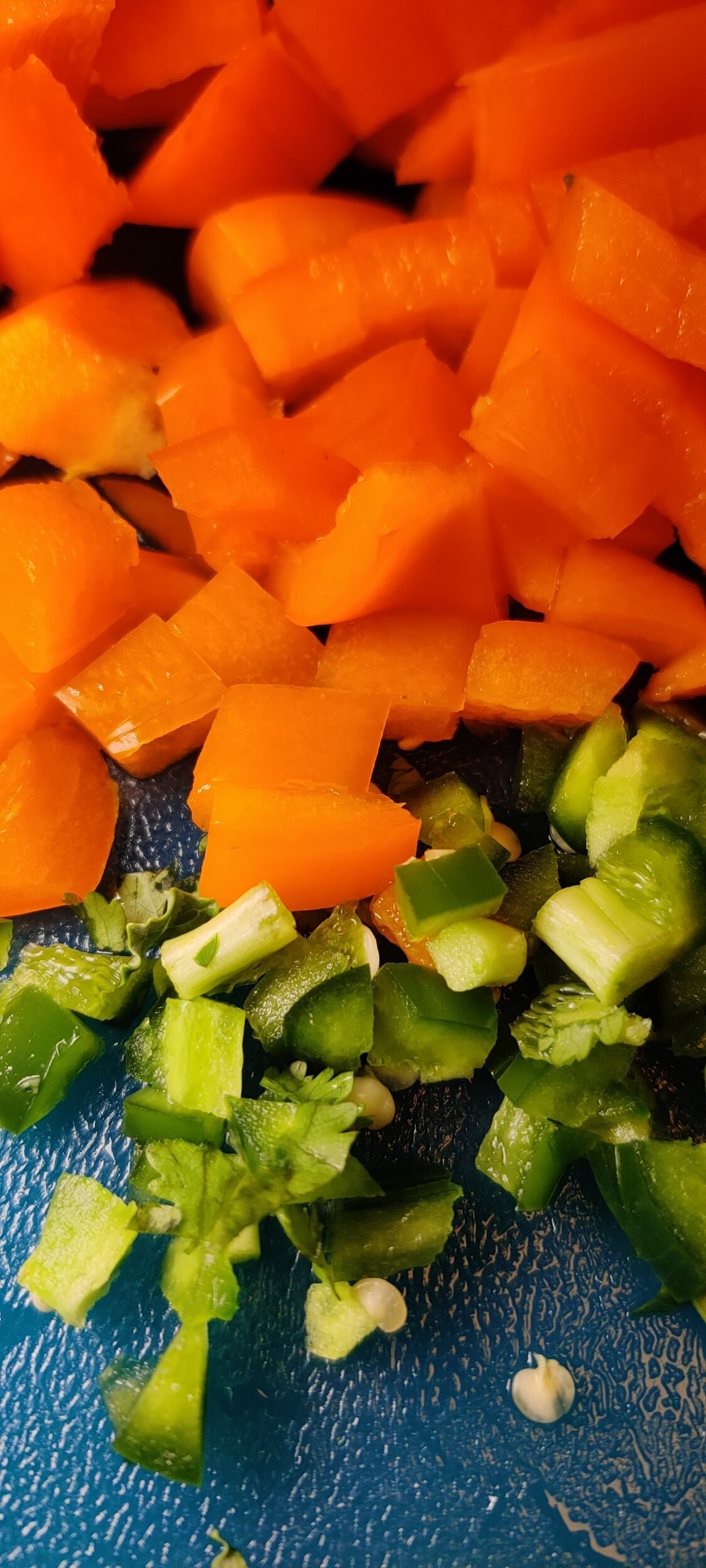
- ½ large bell pepper, chopped
- ½ jalapeño, chopped
- 6 cups beef broth
- 2 vegetable bouillon cubes
- 1 tablespoon salt
- 2 tablespoons black pepper
- 1 tablespoon chili flakes
- ½ cup peanut butter
- 2 cups water
- 2 tablespoons vegetable oil
- 1 teaspoon fenugreek
- 1 teaspoon cumin
- 1 teaspoon coriander
- 1 teaspoon paprika
- 1 teaspoon sugar
- 1 teaspoon fennel
- ¼ cup chopped parsley (for garnish or added at the end)
Instructions
- Heat the vegetable oil in a large pot over medium heat. Add the chopped kale and cook until wilted and the edges begin to crisp slightly.
- Stir in the garlic and parsley. Cook for 2 minutes, until fragrant.
- Add the onion, eggplant, mushrooms, and all the spices (fenugreek, cumin, coriander, paprika, sugar, fennel, salt, pepper, and chili flakes). Sauté for another 2 minutes.
- Add the bell pepper and jalapeño, and cook for 1 more minute.
- Stir in the tomato, yam (or sweet potato), bouillon cubes, water, and beef broth.
- Reduce the heat to low, cover, and let the stew simmer for about 35 minutes. Stir occasionally and add more water if the stew becomes too thick.
- Once the vegetables are soft and the flavors are well developed, stir in the peanut butter and simmer for 5 more minutes. Taste and adjust seasoning as needed.
- Serve hot, ideally with freshly made chapati or another flatbread.
Notes
Tips:
- The richer your broth, the more flavorful the stew will be. Homemade stock or beef bone broth adds incredible depth.
- While traditionally made with beef broth, this stew can easily be made vegetarian or vegan by using a well-seasoned vegetable broth.
- You can also blend part of the stew for a smoother texture or leave it chunky, depending on your preference.
I am not a certified nutritionist and any nutritional information on dontmissmyplate.com should only be used as a general guideline.

How to Make East African Chapati – Step-by-Step Recipe
Chapati is one of the most beloved and widely eaten flatbreads in East Africa. Popular in countries like Kenya, Uganda, and Tanzania, it’s a staple at family dinners, street food stalls, and festive gatherings. While chapati originated from the Indian subcontinent and was introduced to Africa through trade and migration, it has evolved into a distinct East African version that is softer, flakier, and richer than its Indian counterpart.
What sets East African chapati apart is the generous use of oil or ghee in both the dough and the cooking process. This gives the bread its signature soft texture and golden, flaky layers. When made well, chapati is slightly crisp on the outside, soft and chewy on the inside, and perfectly seasoned with just the right amount of salt and fat.
In many African homes, bread is more than just food. It plays an important cultural role at the table and is often shared during meals as a symbol of hospitality. Chapati in particular is used to scoop up stews, beans, or vegetables, making it an essential part of everyday meals and celebrations. For many, learning to make chapati from scratch is a family tradition passed down through generations.
I originally created this recipe to pair with a mashed kale stew, but it's incredibly versatile. Chapati is also perfect with curries, lentils, grilled meats, or simply served as a side with a variety of other dishes.
If you’ve ever ended up with dry or tough chapatis, this recipe offers a few simple but essential tips. Be generous with the oil or ghee, knead the dough thoroughly to build elasticity, and give it time to rest before rolling. For extra flaky layers, try the folding and coiling method described in the recipe. These steps make a big difference in achieving that classic East African chapati texture.
Whether served with sukuma wiki, lentils, or a cup of tea, this chapati brings the flavor and comfort of East African home cooking to your kitchen.
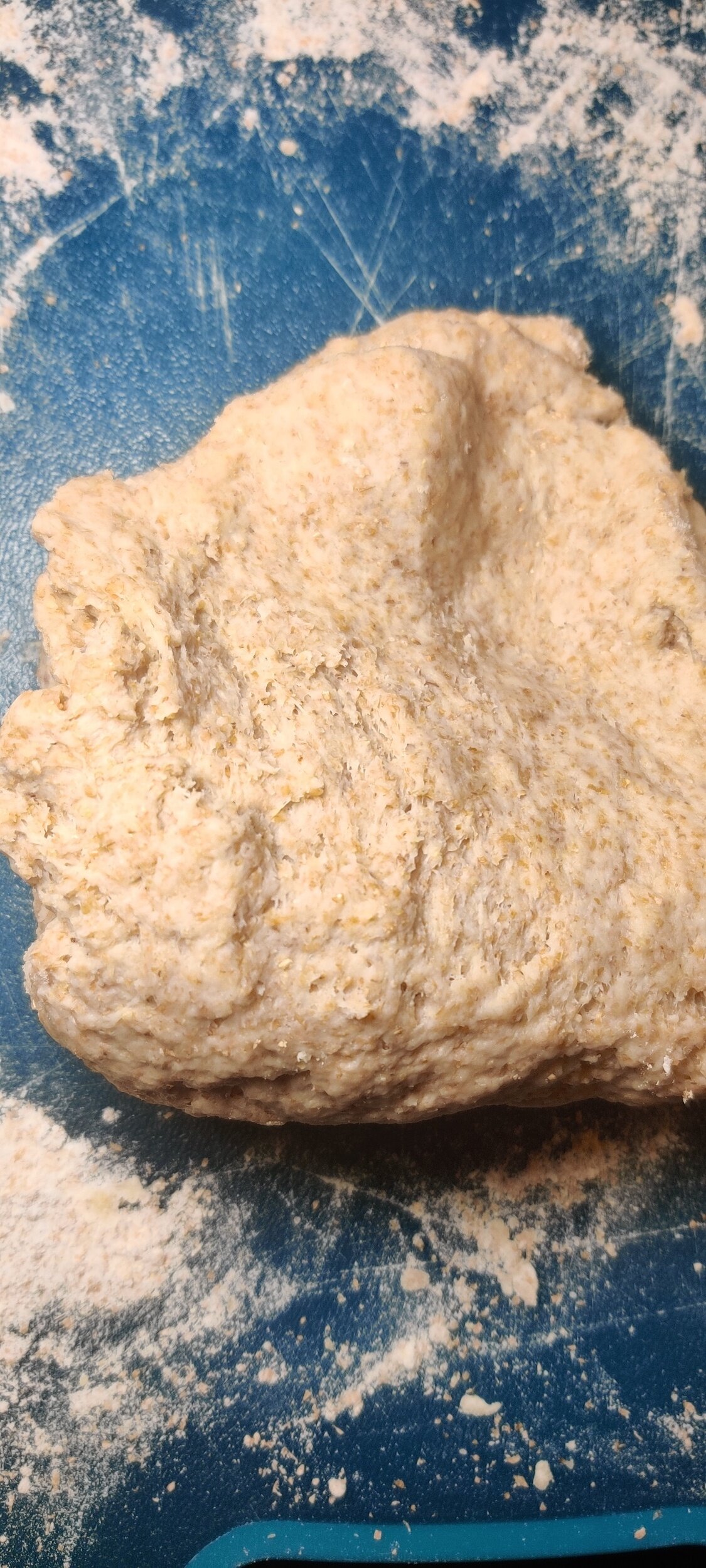


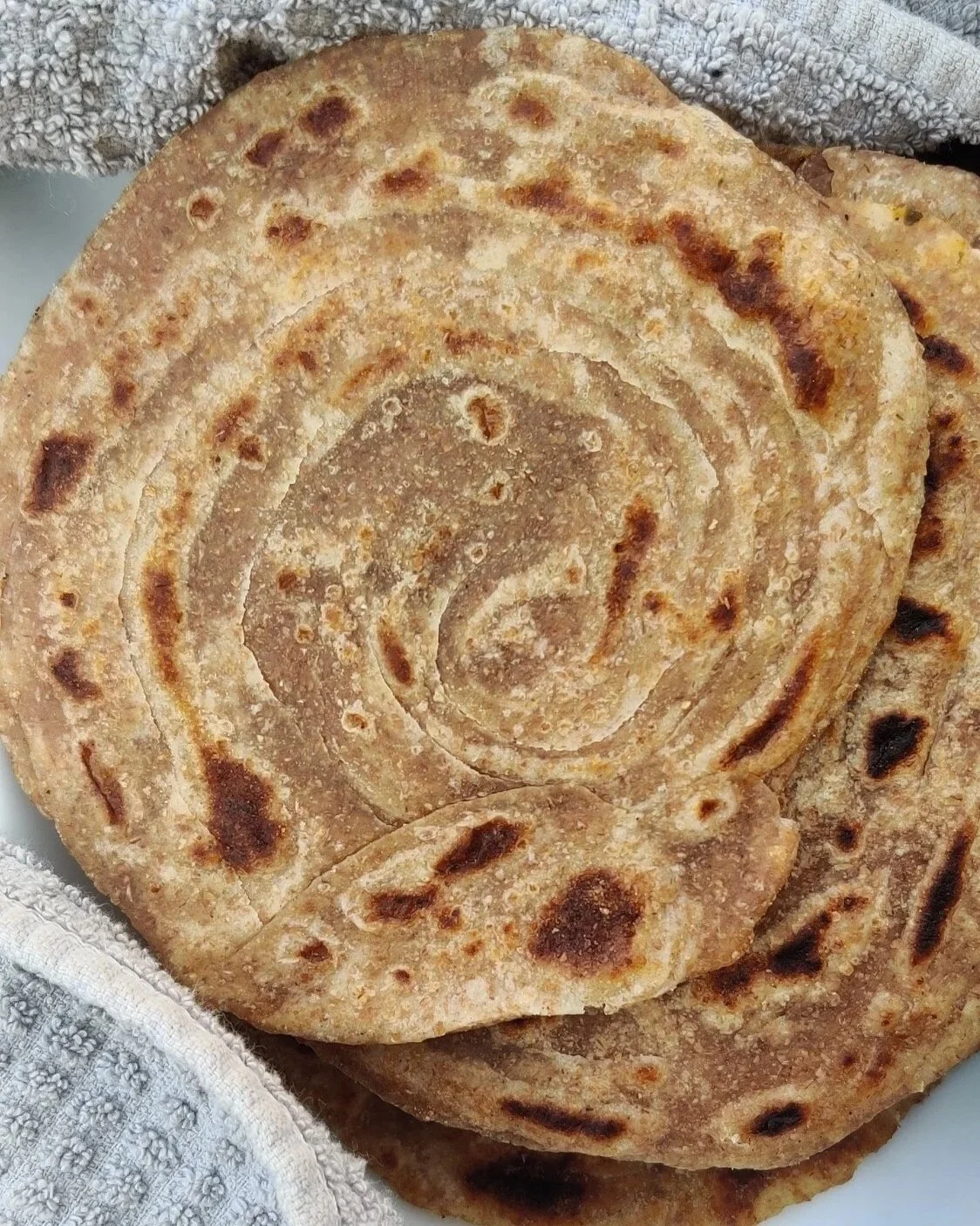
How to Make East African Chapati – Step-by-Step Recipe
A soft, flaky flatbread that's a staple across East Africa. This chapati is easy to make, incredibly versatile, and perfect with stews, curries, or on its own.
Ingredients
- 1 cup whole-wheat flour (you can substitute all-purpose flour if desired)
- 1 cup all-purpose flour, plus extra for dusting
- 1 teaspoon salt
- 2 tablespoons olive oil or ghee, plus extra for brushing
- ¾ cup hot water
Instructions
- In a large bowl, combine the whole-wheat flour, all-purpose flour, and salt.
- Using a wooden spoon or spatula, mix in the oil or ghee. Gradually add the hot water in two parts, mixing until a soft, elastic dough forms. Don’t skimp on the oil or ghee, this helps prevent dry chapatis.
- Turn the dough out onto a lightly floured surface. Knead for about 10 minutes until smooth and pliable.
- Divide the dough into 8 to 10 equal portions, depending on your preferred chapati size.
- Cover and let rest for 10 minutes.
- On a floured surface, roll out each dough ball into a round shape, similar to a tortilla but slightly thicker.
- Lightly brush each side with oil or ghee, then dip both sides in flour, shaking off any excess.
- Heat a dry, non-stick pan over medium-high heat.
- Place one chapati in the pan and cook for about 30 seconds, or until brown spots begin to form. Flip and cook the other side. Repeat with the remaining dough.
- If you'd like to create distinct layers inside your chapati, follow these extra steps after dividing the dough:
- Take each dough ball and fold it back and forth like a fan or piece of paper.
- Alternatively, roll it up tightly like a carpet.
- Coil the folded dough into a spiral shape (like a cinnamon roll), then cover and let rest under a damp towel for 30 minutes.
- After resting, gently press each dough coil flat and roll it out again into a round shape.
- Lightly brush both sides with oil/ghee, press into flour, and shake off the excess.
- Cook as described above.
Notes
Serving and Storage Tips
- Serve chapatis warm, ideally right off the pan.
- To store, wrap them tightly in foil or a clean cloth to keep them soft and prevent drying out.
I am not a certified nutritionist and any nutritional information on dontmissmyplate.com should only be used as a general guideline.

Ras El Hanout- Spiced Eggplant Crust Mini Pizzas
If you have some leftover eggplant and don't know what to do with it, make some mini Margherita pizzas! These crustless babies are keto, low-carb, and vegetarian, with umami taste similar to mushrooms. They absorb flavour like a sponge!
Speaking of flavour, instead of a regular, tomato sauce, I wanted a flavour that would pack a punch and not rely on the cheese. I seasoned the pizza base with homemade ras el hanout, a spice blend prevalent in North Africa, particularly in Algeria, Morocco and Tunisia. It’s a mix of intense, complex flavours (better if you can grind it up to from whole spices)! The ras el hanout enhances the sauce and goes well with the eggplant, and is often used to season meat, fish, couscous and other vegetables.
I love the spice mix because there are no hard rules in terms of ratios, but generally cumin, cardamom, cinnamon, coriander, turmeric, ginger, paprika, black pepper, and cayenne pepper make a feature.
The name ras el hanout translates to ‘head of the shop’, alluding to a blend of the best spices in store!
Also, if you can get your hands on fresh herbs, use them! This will give your pizzas a fresh bite.
Ingredients
1/2 large eggplant
Olive oil
1 tablespoon dried thyme
1 tablespoon fresh thyme
1 tablespoon fresh basil, chopped
5 basil leaves
Dried parsley
1 heaped teaspoon garlic
1 teaspoon Worchester sauce
1/4 cup tomato salsa
1/2 cup tomato ragu
Salt and black pepper
Mozzarella or sharp cheddar, cut into small squares
Chili flakes
Ras el hanout:
1 teaspoon salt
1 teaspoon black pepper
1/2 teaspoon cumin
1 teaspoon cinnamon
1 teaspoon coriander
1/4 teaspoon cardamom
1/2 teaspoon cloves
1/2 teaspoon turmeric
1/2 teaspoon cayenne pepper
1/2 teaspoon ginger
1 teaspoon smoked paprika
1/2 teaspoon nutmeg
(Makes about 1/4 cup)

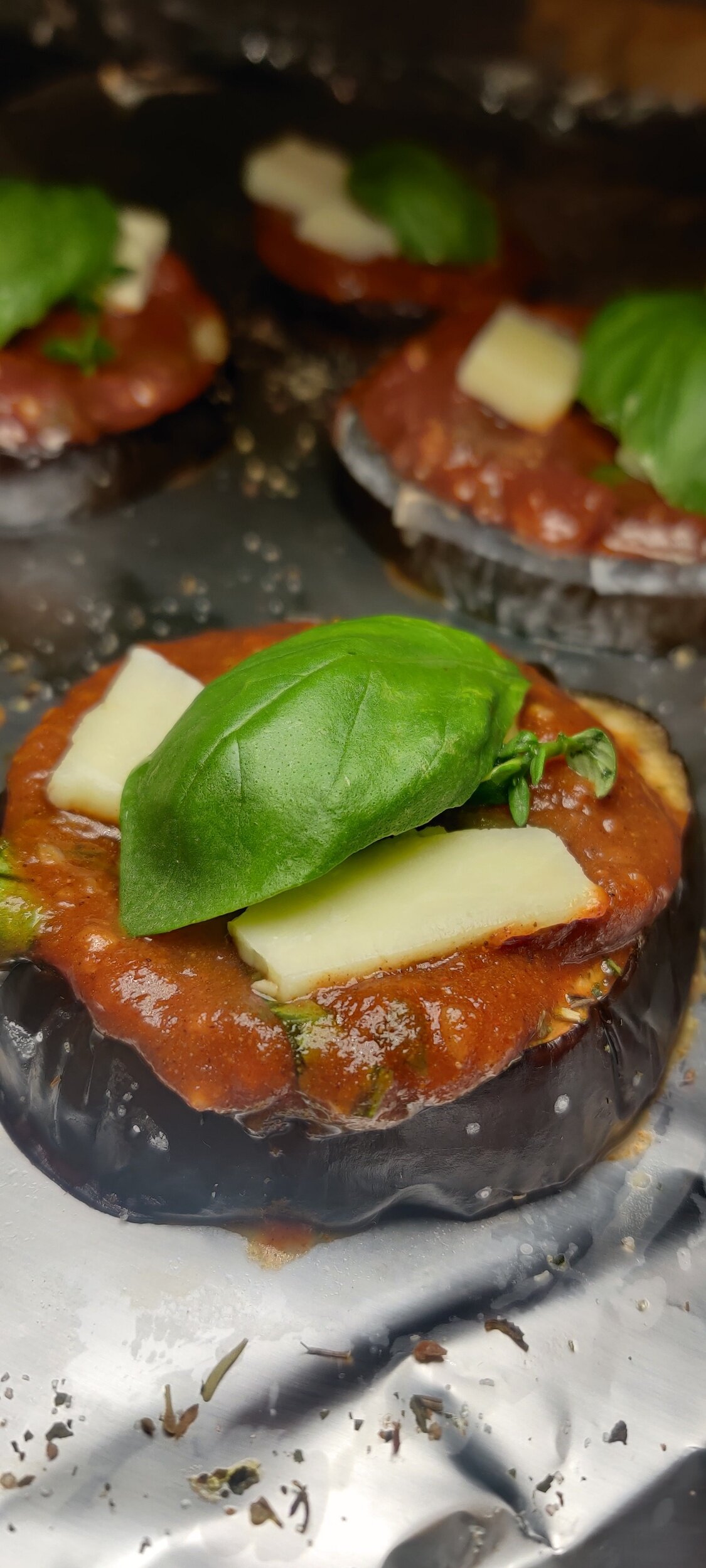
Instructions
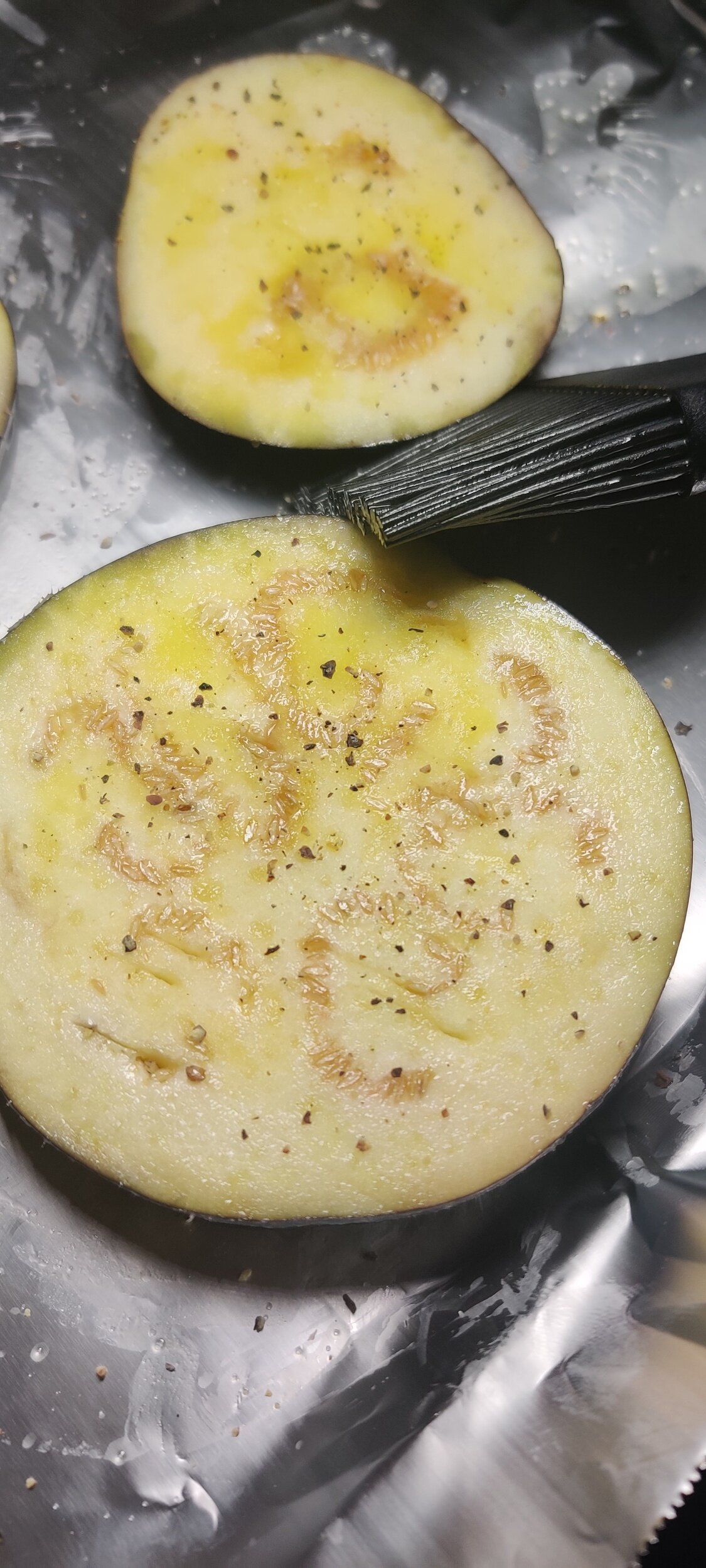
Cut your eggplant into thick slices (not too thin, they will shrink a bit in while baking). Brush them generously with olive oil and sprinkle with dried thyme, salt, and pepper on both sides. Bake at 400F for 15 minutes.
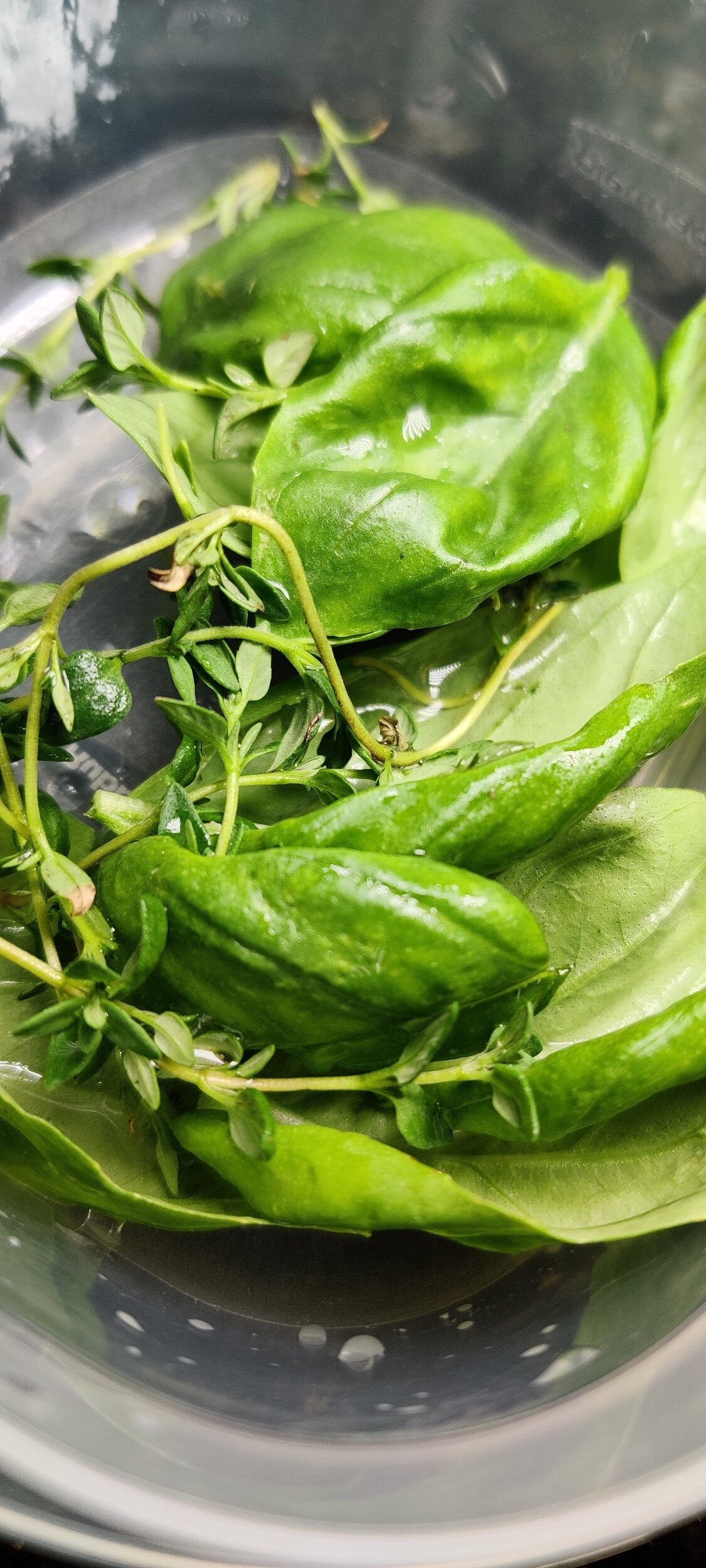
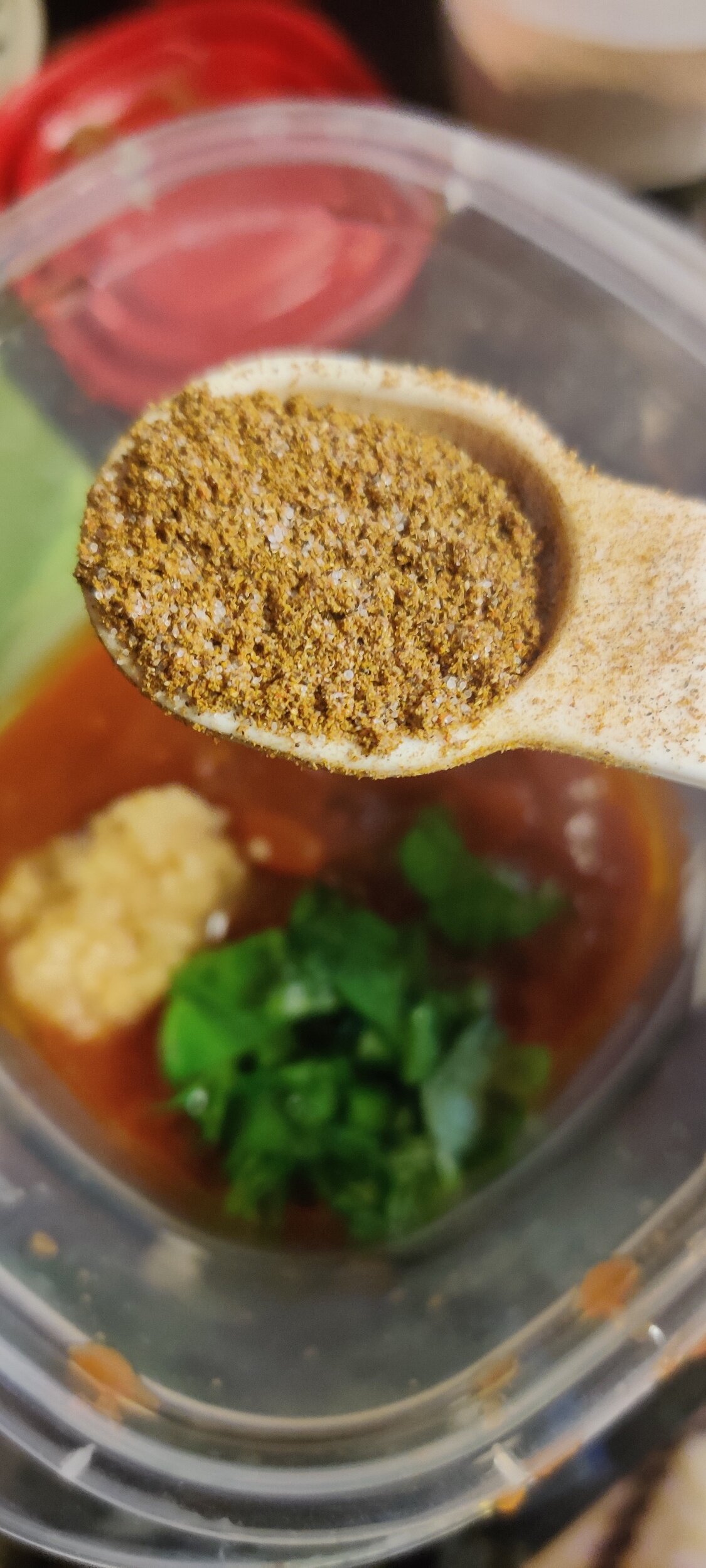
While the eggplant is in the oven, prepare your spiced tomato sauce in a small bowl. Mix the ragu, salsa, Worchester sauce, garlic, and basil. Blend the spices in a small container where you can store what remains. Add one teaspoon to the tomato sauce and mix well.
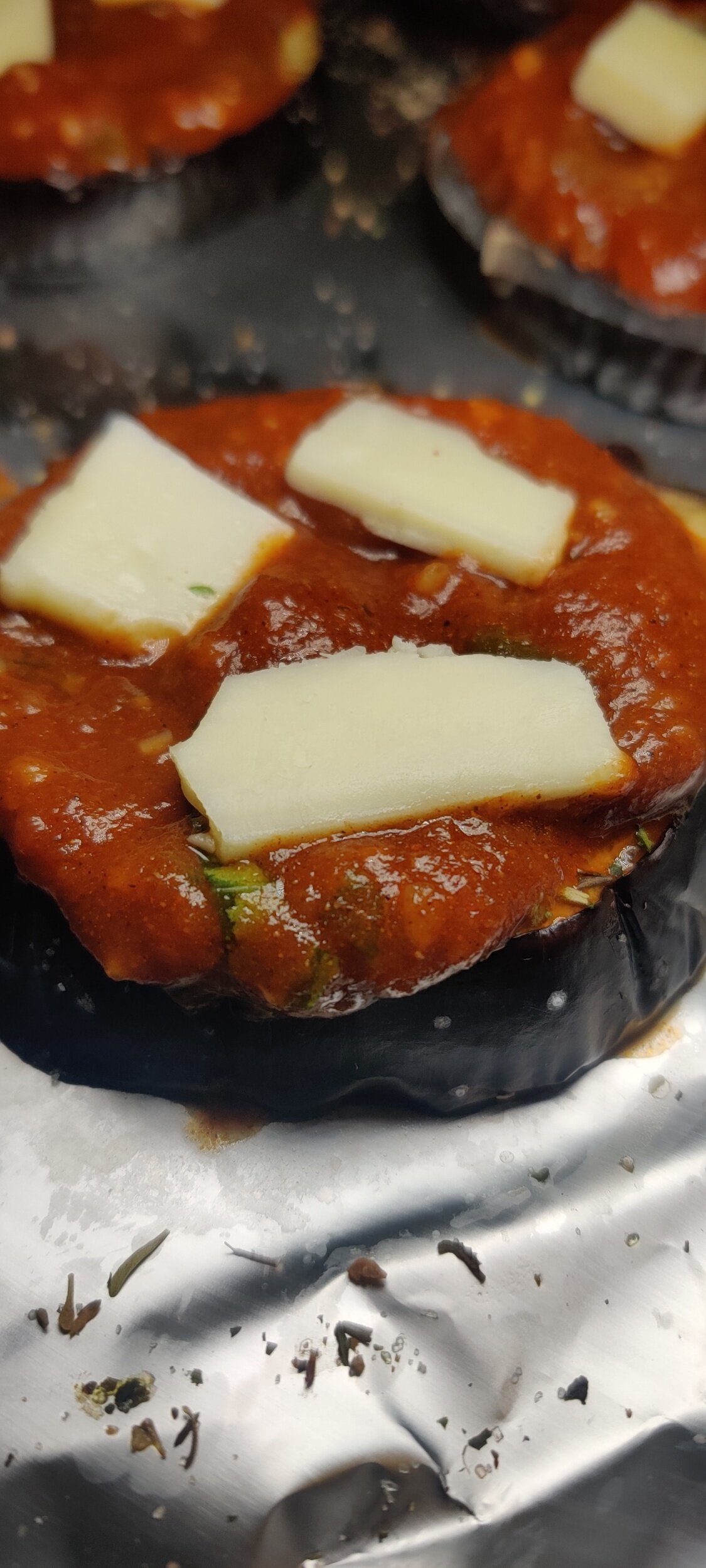
Remove the eggplant from the oven and top with the tomato sauce, cheese squares, fresh thyme, and basil leaves.
Bake for another 10 minutes and until the cheese starts to melt.
Serve hot and garnish with chilli flakes, parsley, and ground pepper.

Chermoula Red Snapper with Peanut Butter Rice
This dish is a combination of a lot of different influences. Meals like this that make me appreciate the exposure I've had to food from my background, visiting restaurants, reading, and exploring in the kitchen.
Let’s start with the peanut butter rice!
This is a favoured way of preparing rice in Zimbabwe. It’s an easy, affordable way to add protein to the rice when there is no meat, but even when there is adds an interesting dimension to rice. If you haven’t tried peanut butter rice, I encourage it of course!

The second most important thing, the fish and the marinade!
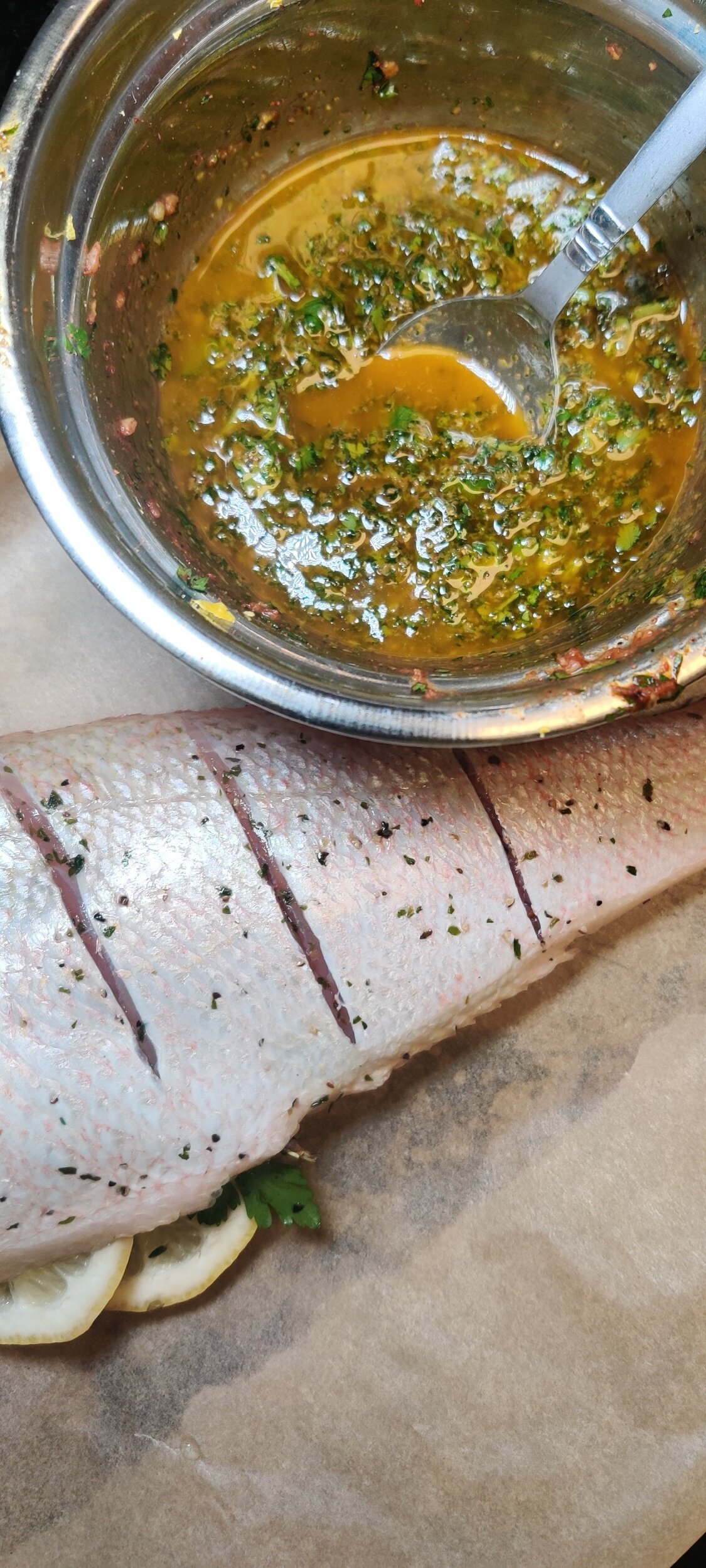
Chermoula is a herb marinade used to season fish and vegetables in Morocco, Tunisia, Libya, and other parts of North Africa. It adds a rich taste to even the mildest fish. Once you make it you will be using it forever.
As for the red snapper, once clean, stuff it with simple herbs and add some lemon slices for favour on the inside. You can also get it from the butcher prepared for you, but that doesn’t mean you can’t add seasoning!

Ingredients
Chermoula and fish:
1 red snapper, cleaned
1/2 cup parsley, chopped
1/4 cup cilantro, chopped
1 teaspoon cumin
1/2 teaspoon black pepper
Pinch of salt
1 teaspoon paprika
1/2 cup olive oil
1 tablespoon lemon zest
4 teaspoons garlic, minced
1 teaspoon chili powder
4 lemon slices
1 thyme sprig
1 parsley spring
Peanut butter rice:
1 cup white rice
1/3 cup peanut butter
1/2 teaspoon black pepper
1/4 teaspoon salt
1/4 hot cup water
1 3/4 cups water
1 vegetable sachet or bouillon
1 tablespoon olive oil
1 teaspoon garlic, minced
Beans:
1 teaspoon paprika
1 teaspoon chili powder
1 can pinto beans (sugar beans if you can get them, that was my first choice!)
1 teaspoon black pepper
1/2 teaspoon salt
1/2 cup water
1/2 vegetable bouillon, crushed
1 tablespoon Scotch bonnet pepper sauce
Instructions
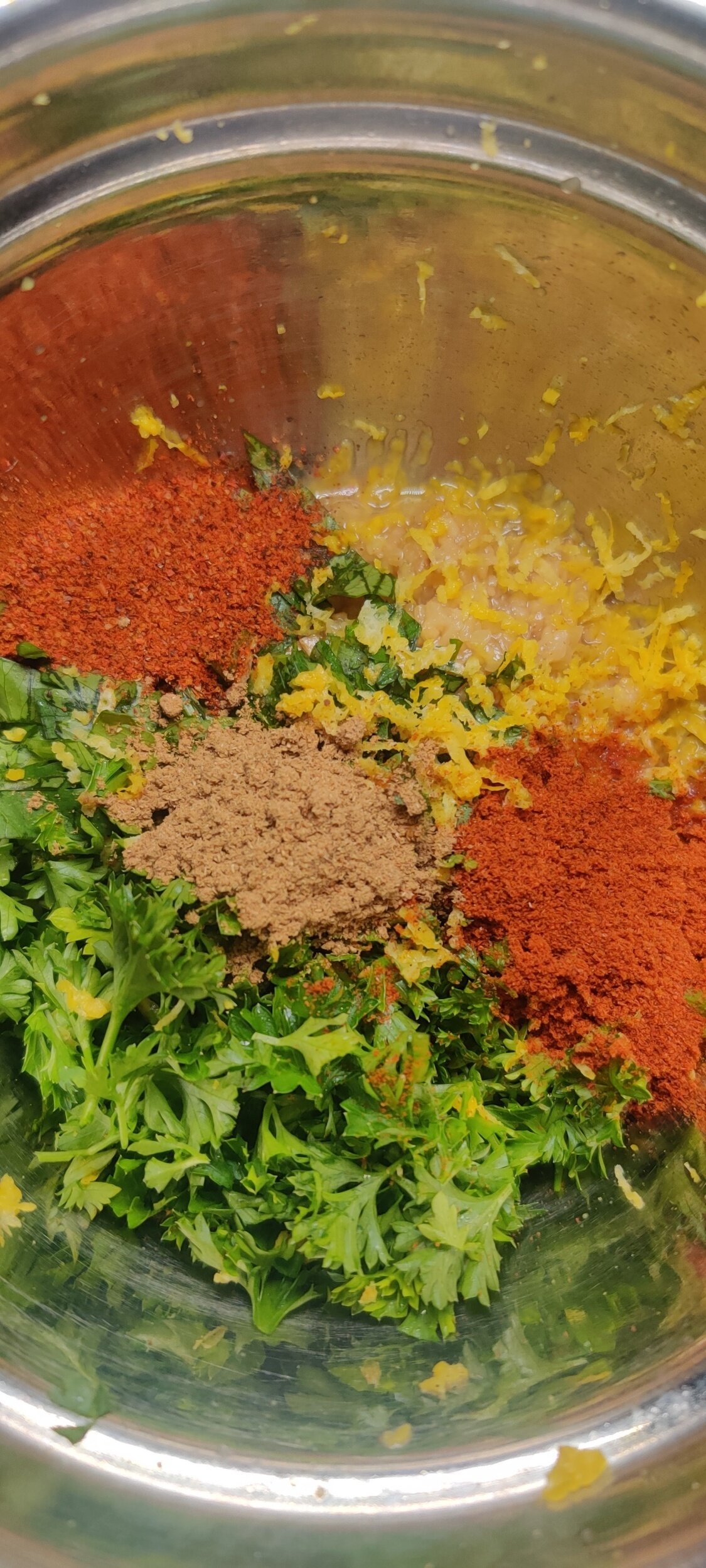
Prepare the chermoula. In a blender or food processor, add the parsley, cilantro, lemon zest, paprika, cumin, and chilli powder. Mix on low while adding the olive oil to create a paste, so don’t blend until it turns into a liquid! If you accidentally do, add some more parsley to thicken.
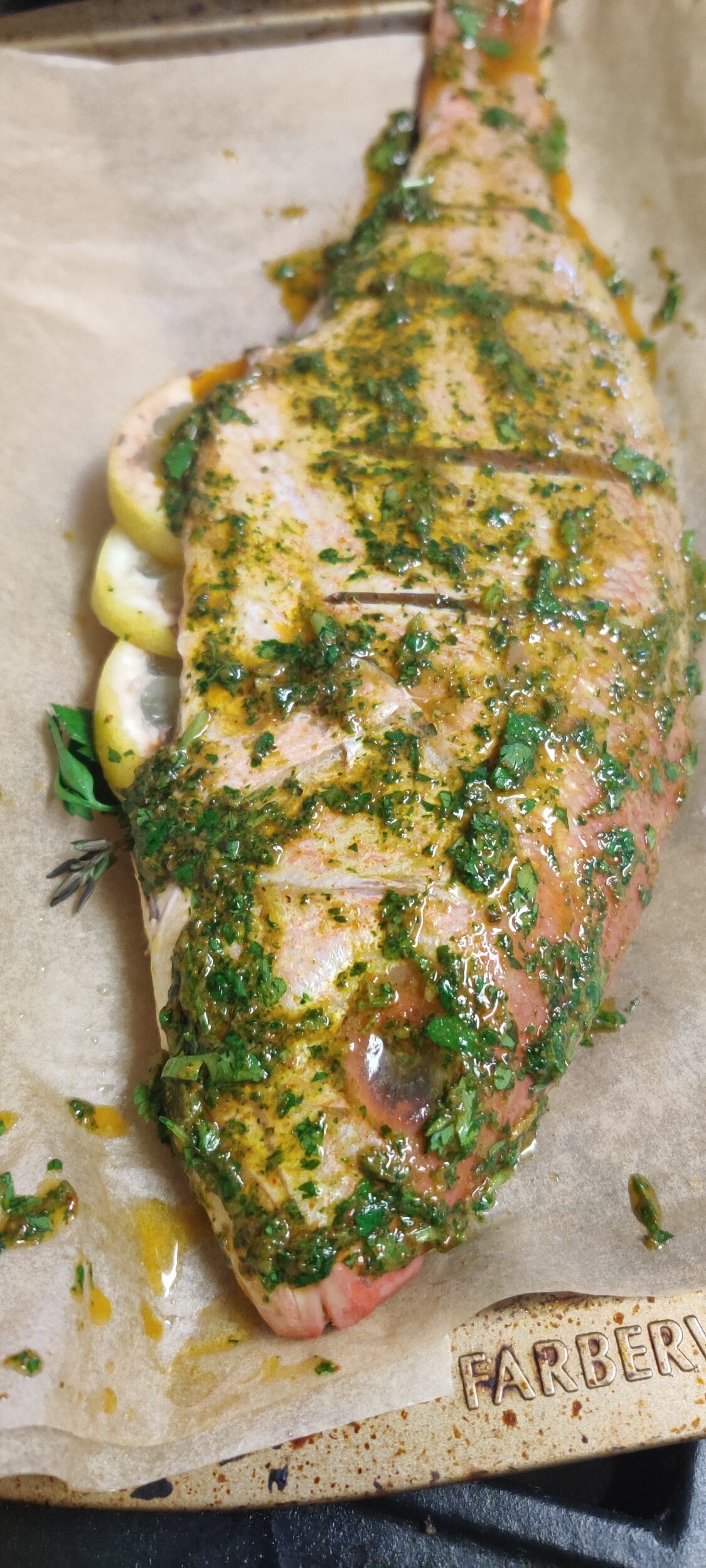
For the red snapper, if it isn’t already, stuff the fish with the herb sprigs and lemon slices. Baste the fish on both sides with the chermoula and chill what remains for later. Bake the fish at 450F on each side for 10-15 minutes. When done, the fish should flake easily using a fork. You can also check the internal temperature and go by what’s recommended. Set aside to rest.
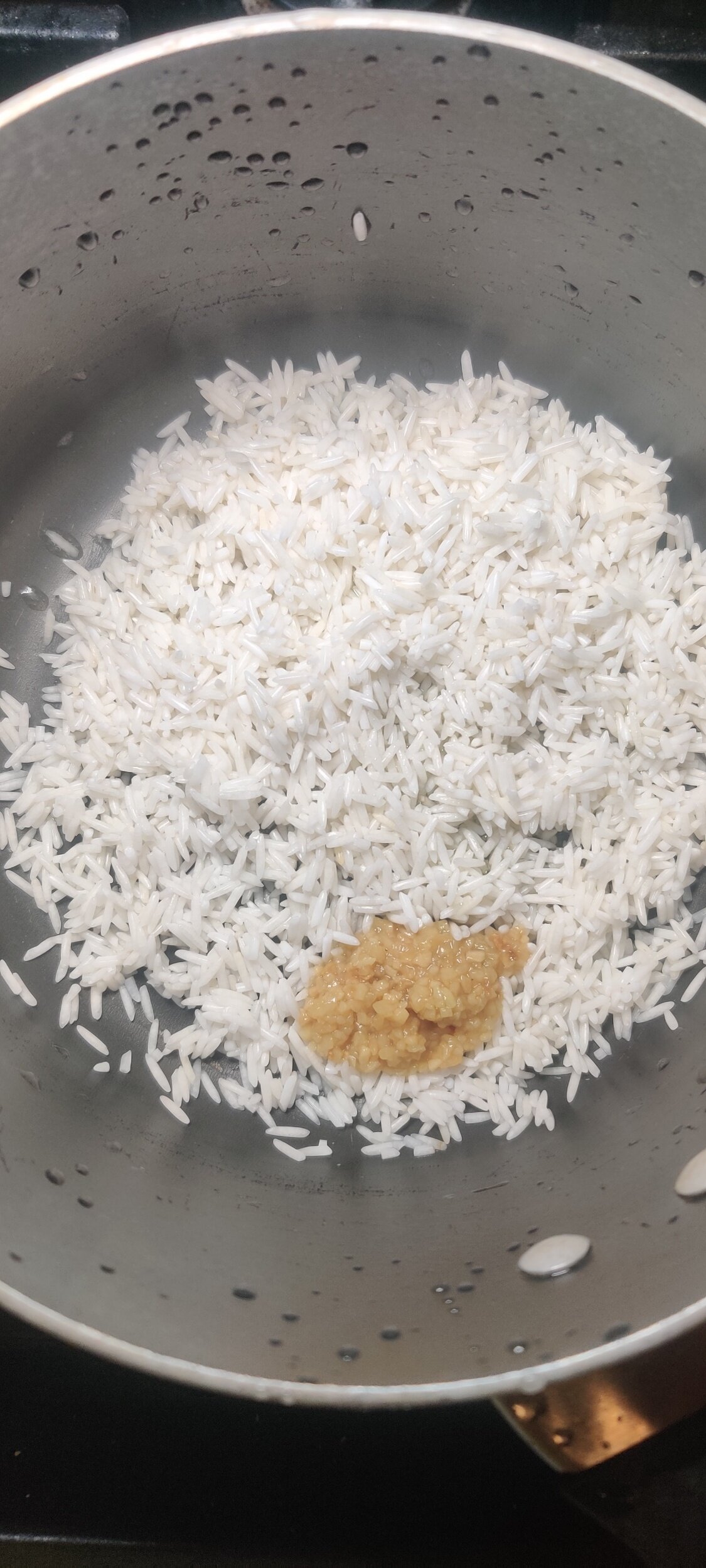
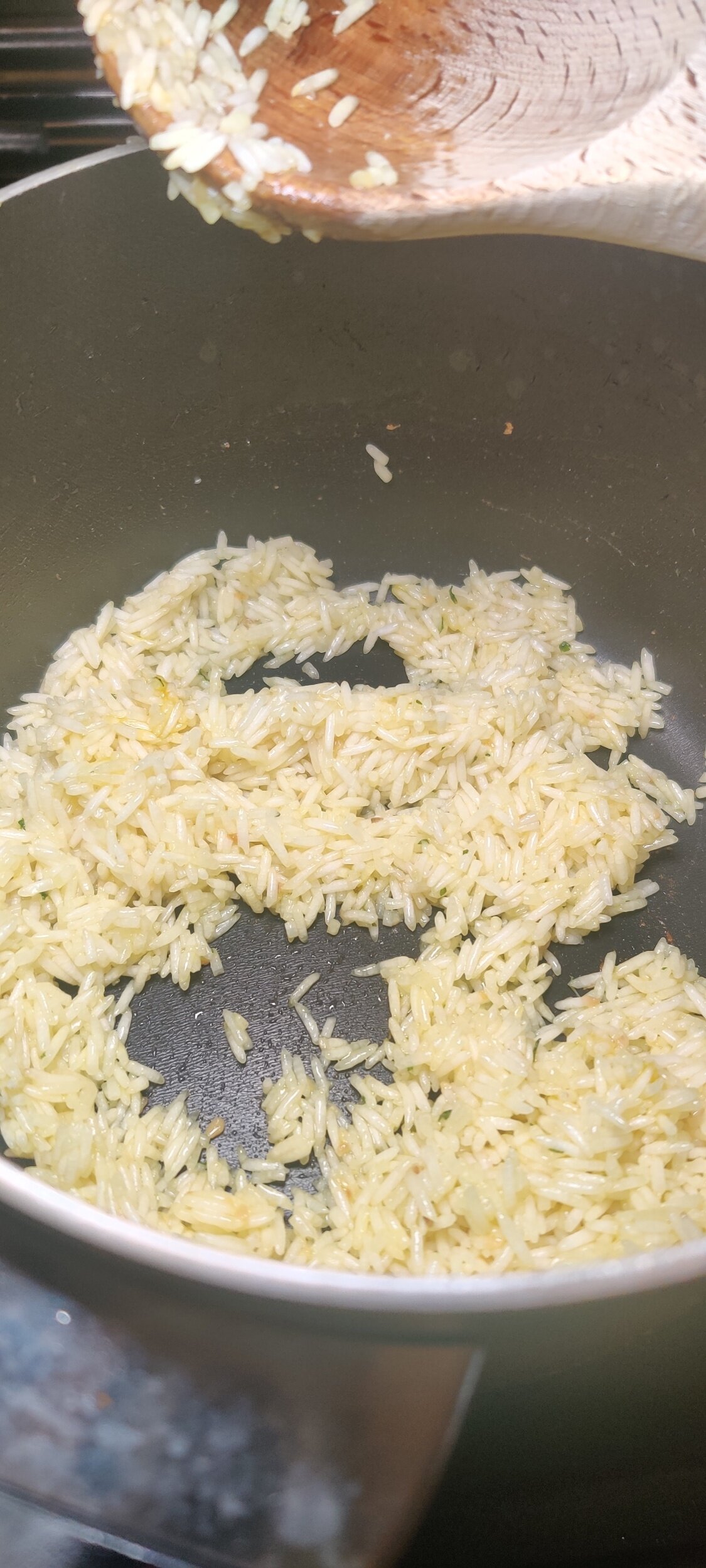
While the fish bakes, prepare your rice. Cook the rice with garlic and olive oil before adding the broth sachet. Follow up with 1 3/4 cups water (or whatever rice quantity you want according to the package) and simmer with a lid until the water has evaporated - you want your rice on the drier side because the peanut butter will be added.
Mix the hot water with the peanut butter to make a smooth paste and mix it into the rice. Steam with the lid on for 5 minutes, then remove from heat.
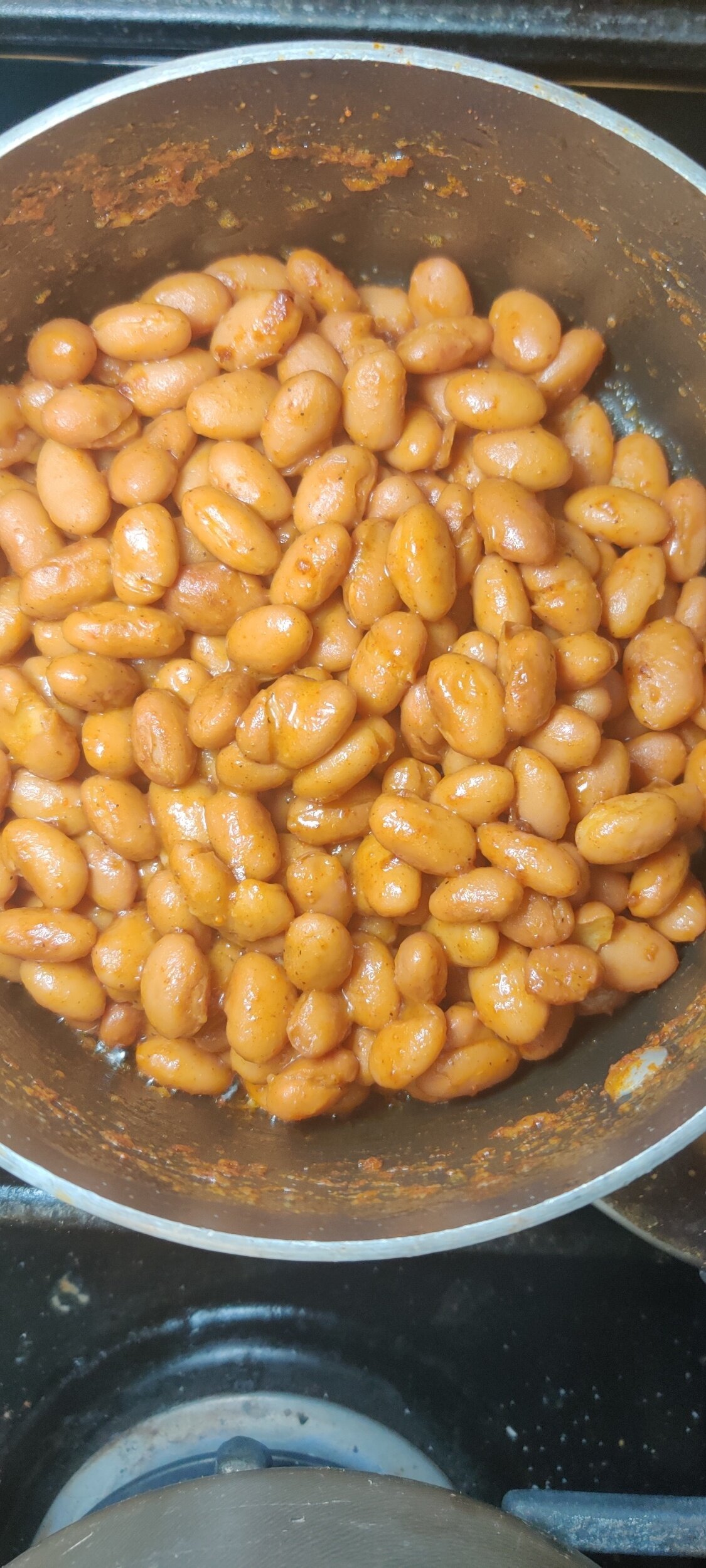
For the beans, sauté them in the oil, bouillon, and spices for about 3 minutes, then simmer in water for about 5-7 minutes. Since canned beans are cooked this should not take long otherwise the beans will break down into mush.
Use the chermoula to baste the cooked snapper and serve with the hot beans and peanut butter rice, feeds 2!

Plantain Stew with Black Beans
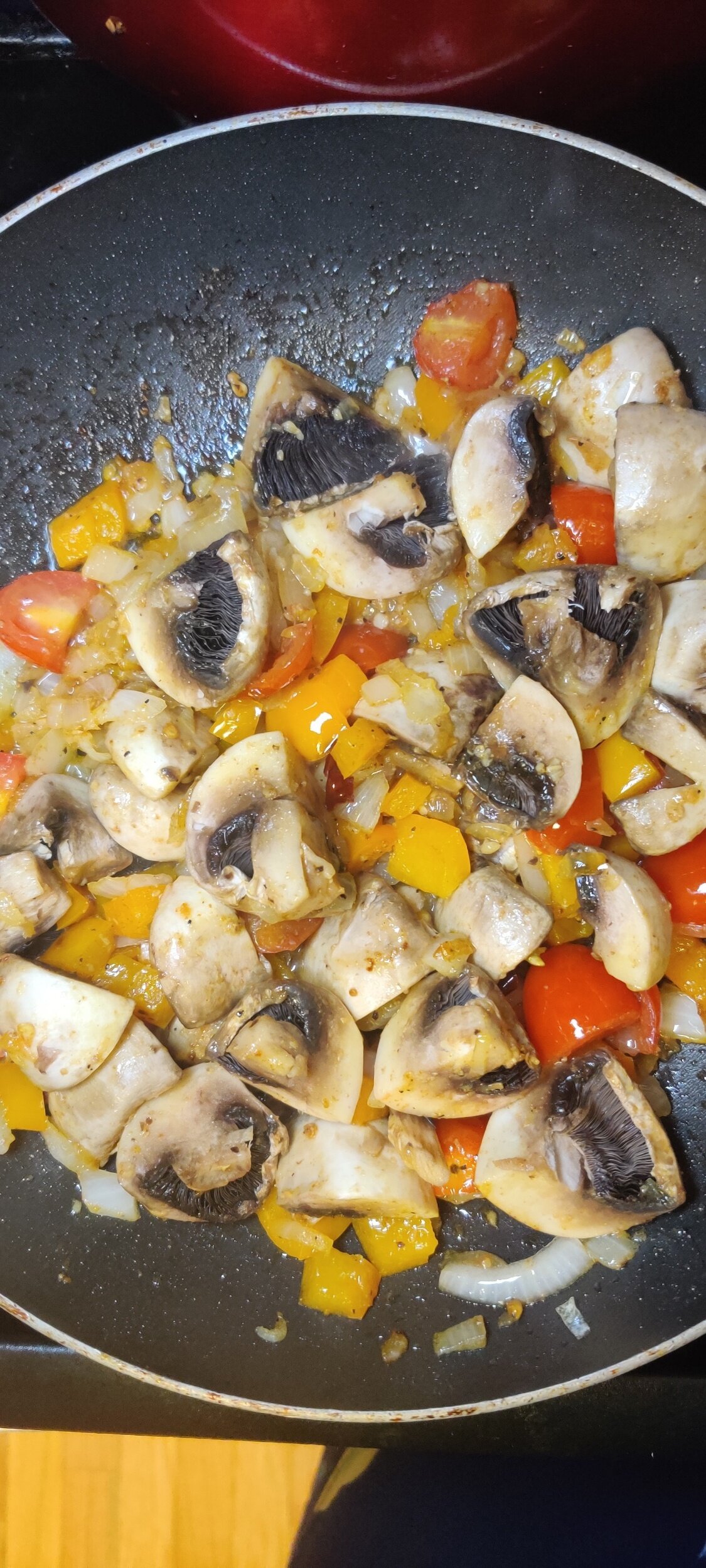
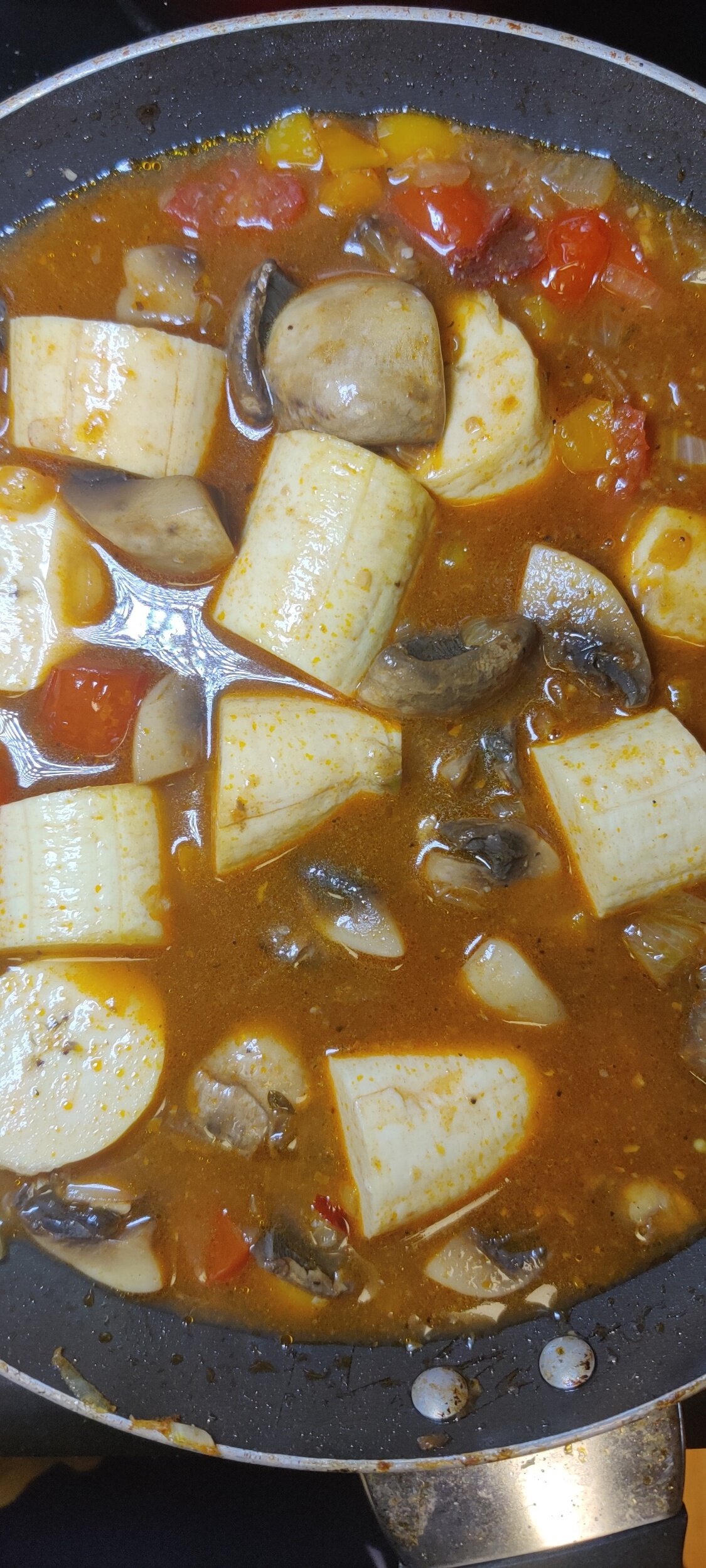
If you're looking for a rich, plant-based meal, this is it. I was inspired to cook these plantains and make them the star of the dish like matoke, Uganda’s national dish that uses East African Highlands bananas. They are starchy bananas made into a stew and sometimes mashed, often mixed or served alongside stewed beef. I substitute the beef with mushrooms and still got a great flavour with simple spices and broth. This melody makes for a comforting dish that is mostly guilt-free!
Ugandan cuisine does have some elements also found in Zimbabwe such as ugali (thick corn porridge), but cooked bananas play an unparalleled role in the region as a whole which I don't see in Southern Africa.
Many people are familiar with fried plantains, but they are just as delicious stewed!
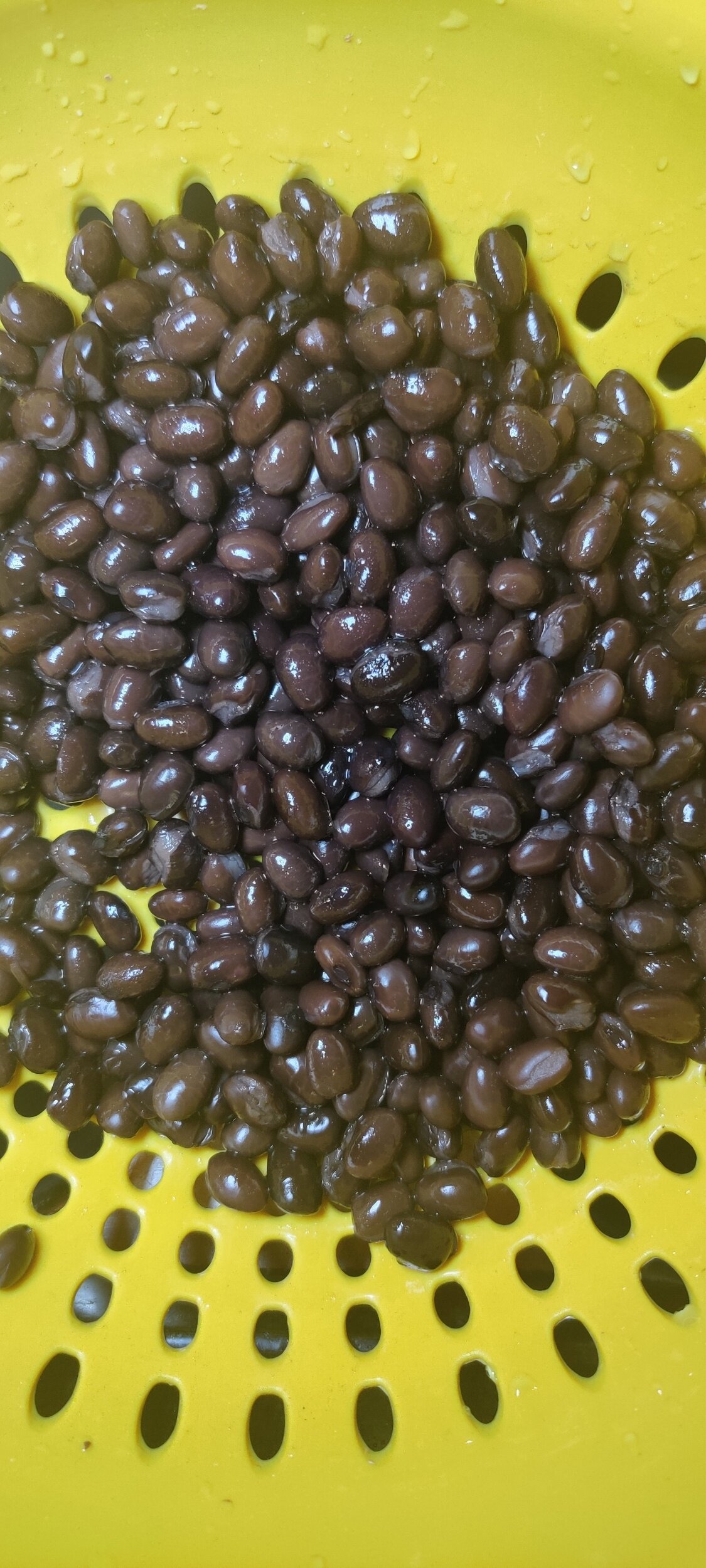
Since you already have starch in this dish, I would suggest pairing the plantains with some high protein beans! I seasoned my black beans with a pepper sauce, and it all came together perfectly.
Ingredients
2-3 plantains, chopped
1/2 white onion, finely chopped
1 tablespoon garlic, minced
1 tablespoon black pepper
1 teaspoon salt
1/2 bell pepper, chopped
2 dried peppers, finely chopped
8 ounces mushrooms (1/2 pound, cubed)
1/2 cup tomatoes, chopped
2 cups vegetable or beef broth
2 cups water
2 vegetable or beef bouillons
1/2 teaspoon Usavi mix
1/2 teaspoon coriander
Lemon juice
2 dried chili peppers, finely minced (keep the seeds for more heat)
1/3 cup tomato ragu sauce
Black beans:
1 tablespoon pepper sauce (I used Camella's kitchen)
1/4 cup onion, finely chopped
1/2 teaspoon salt
1 can black beans
1 teaspoon black pepper
1/4 cup tomato ragu sauce
1/4 cup water

Instructions
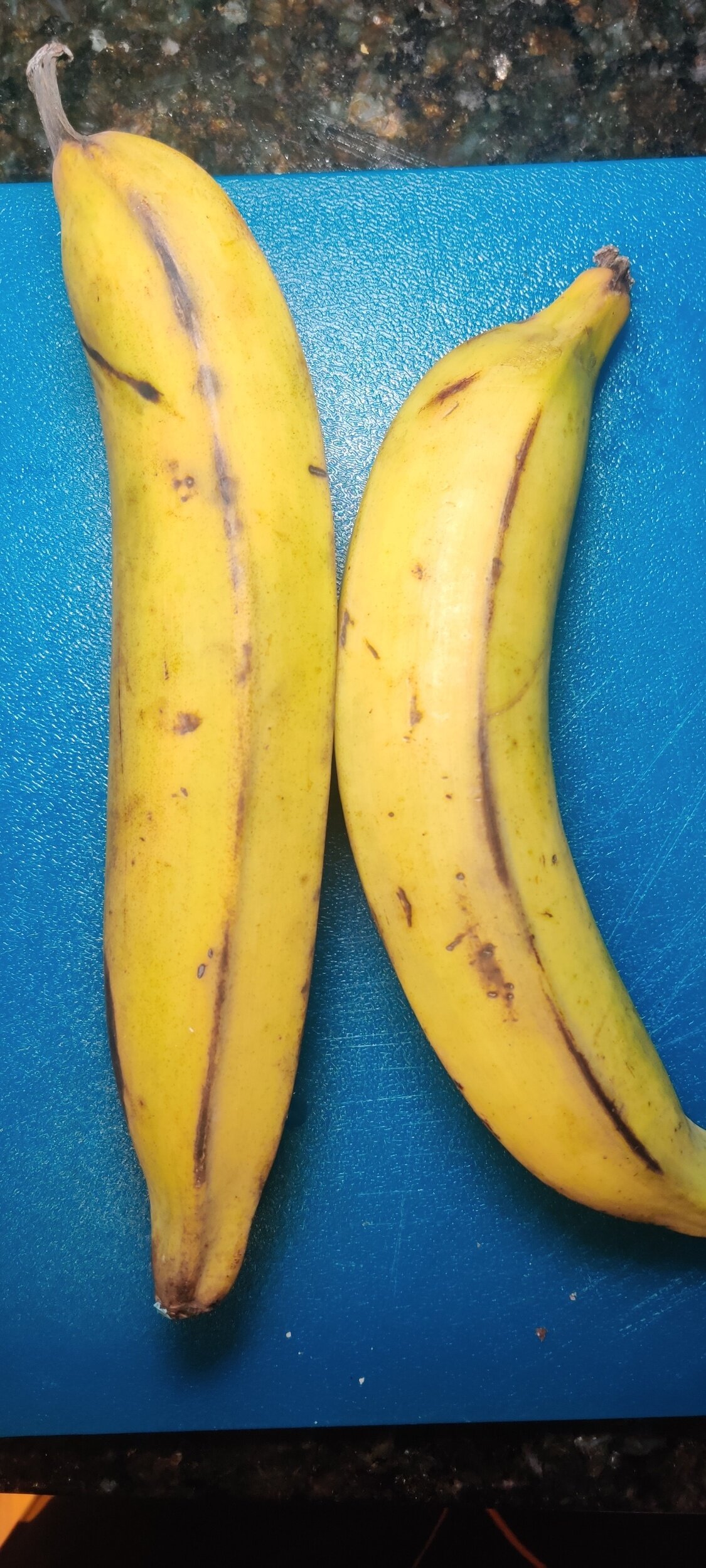
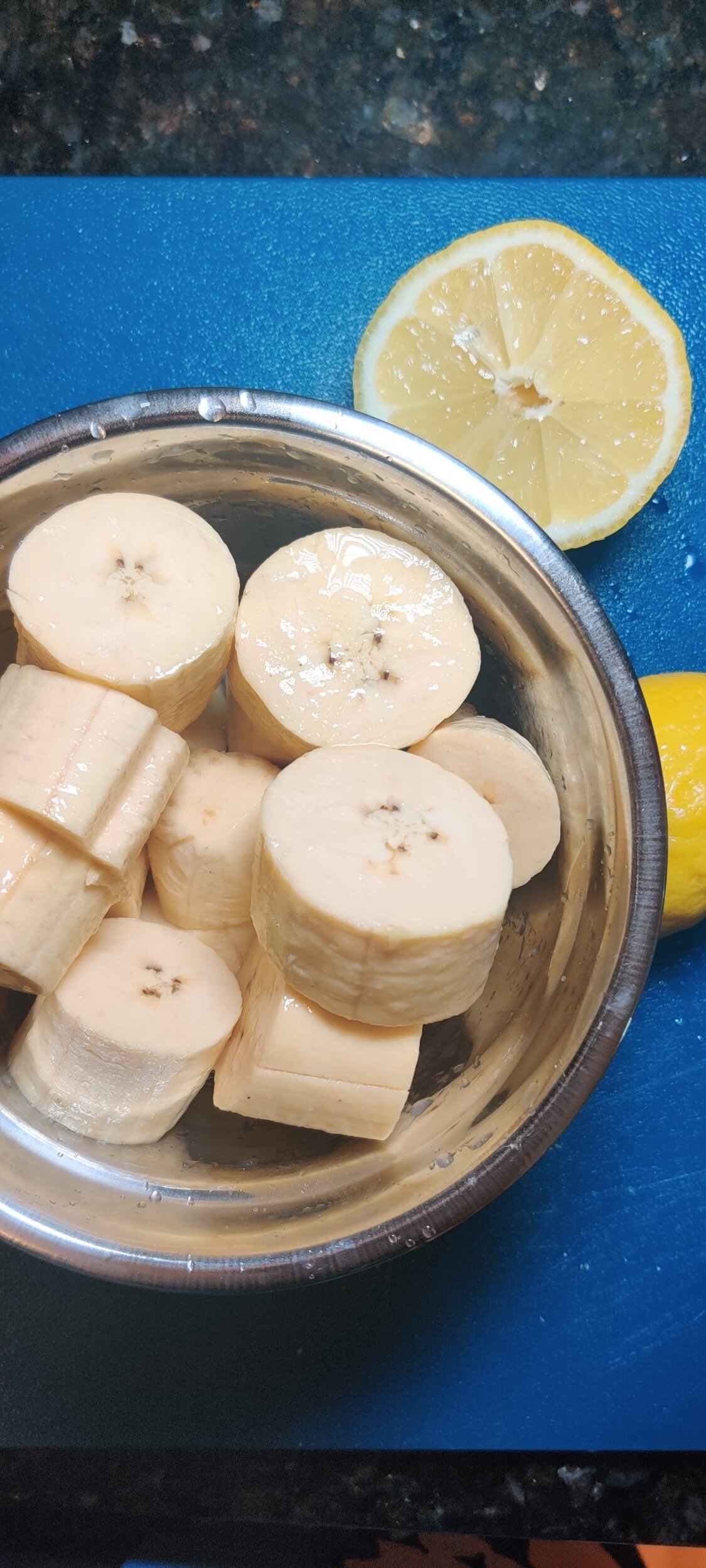
Cut your plantains or green bananas into small pieces lengthwise, toss in lemon juice and set aside.
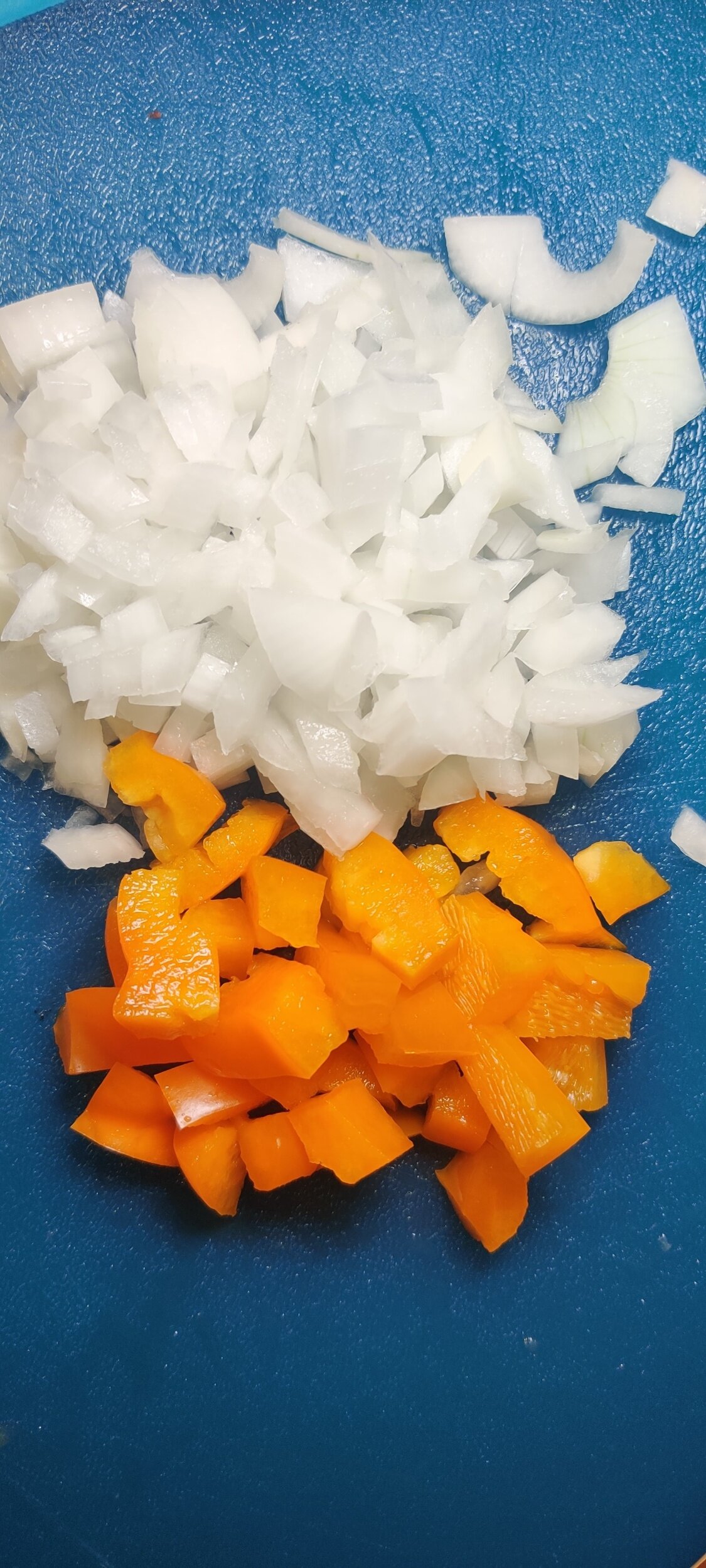
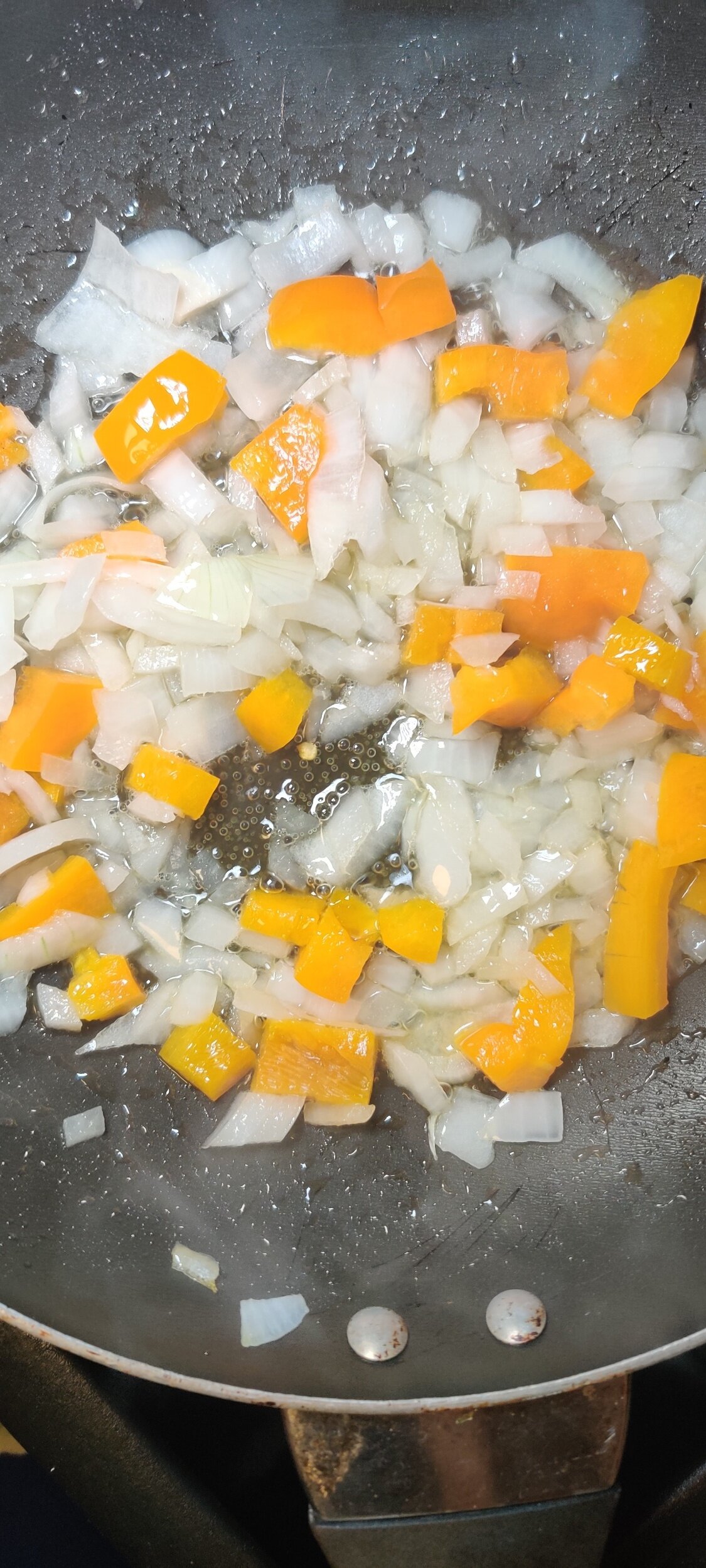
Saute the onion and pepper in the vegetable oil, cook for 3-4 minutes.
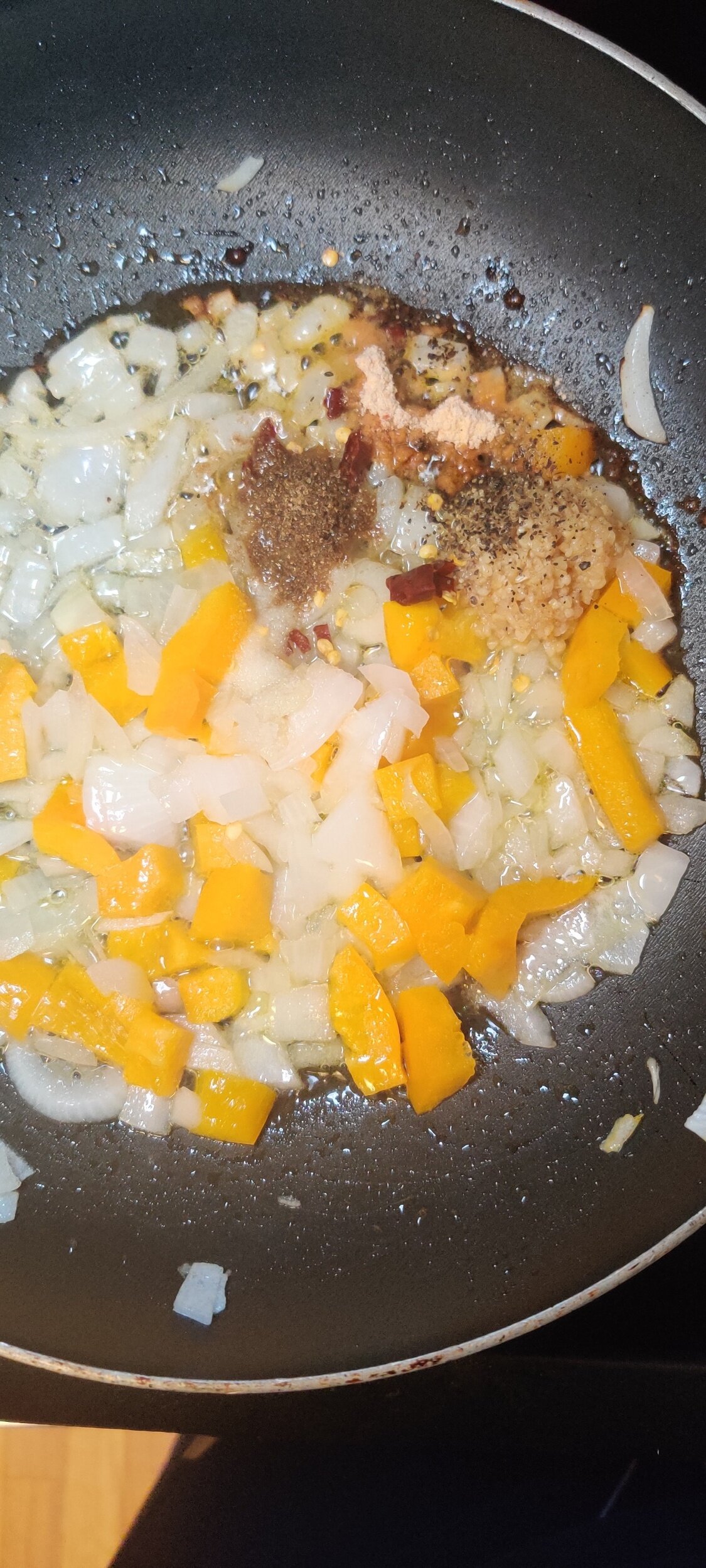
Add the spices, chilli peppers, and the garlic, cook for another 2 minutes until fragrant.
Add the tomato, mushrooms, and ragu, cook for 5 minutes to sweat out the tomato.
Add the bouillons and water. Reduce the heat and simmer for 10 minutes.
Add the plantains and the broth, season with additional salt and pepper if needed. Simmer for another 20 minutes or until the plantains have softened.
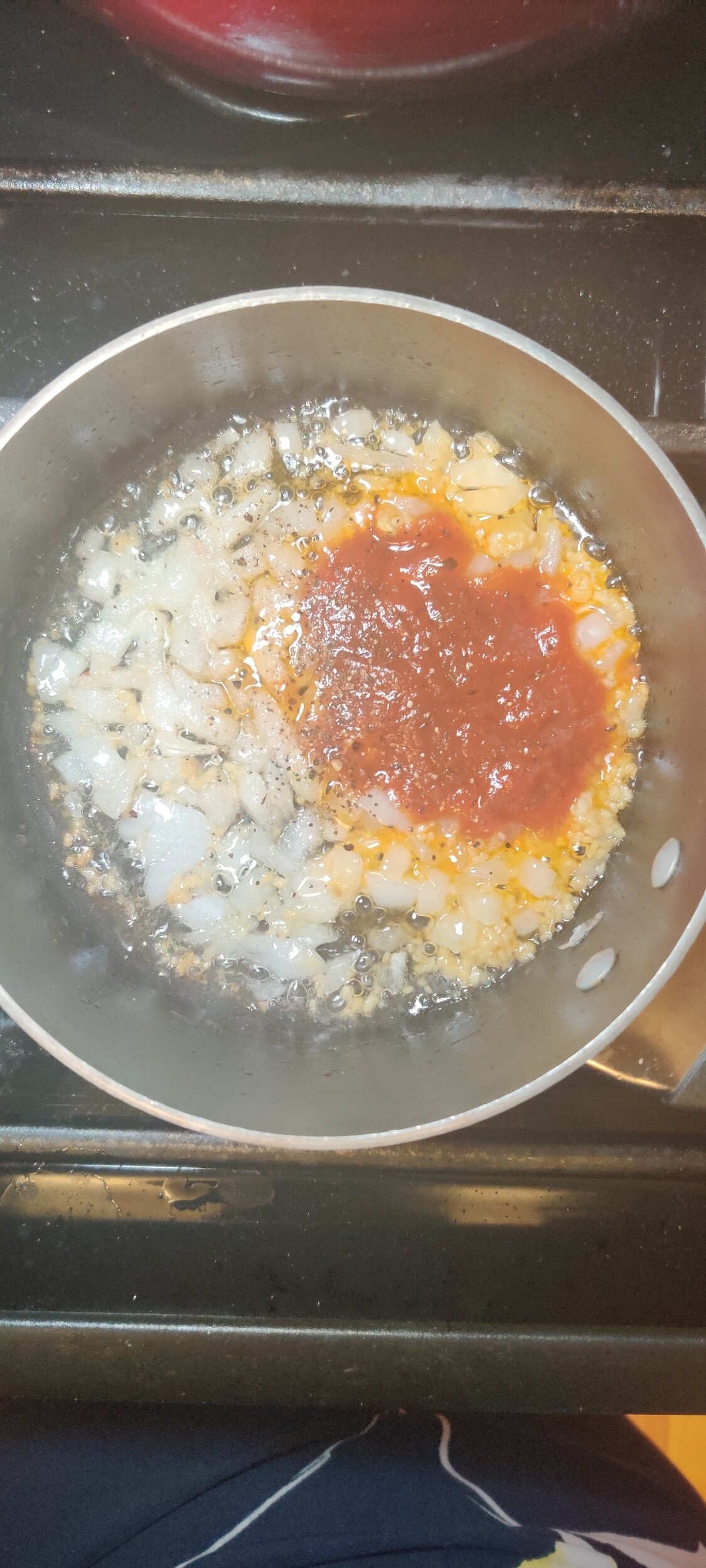
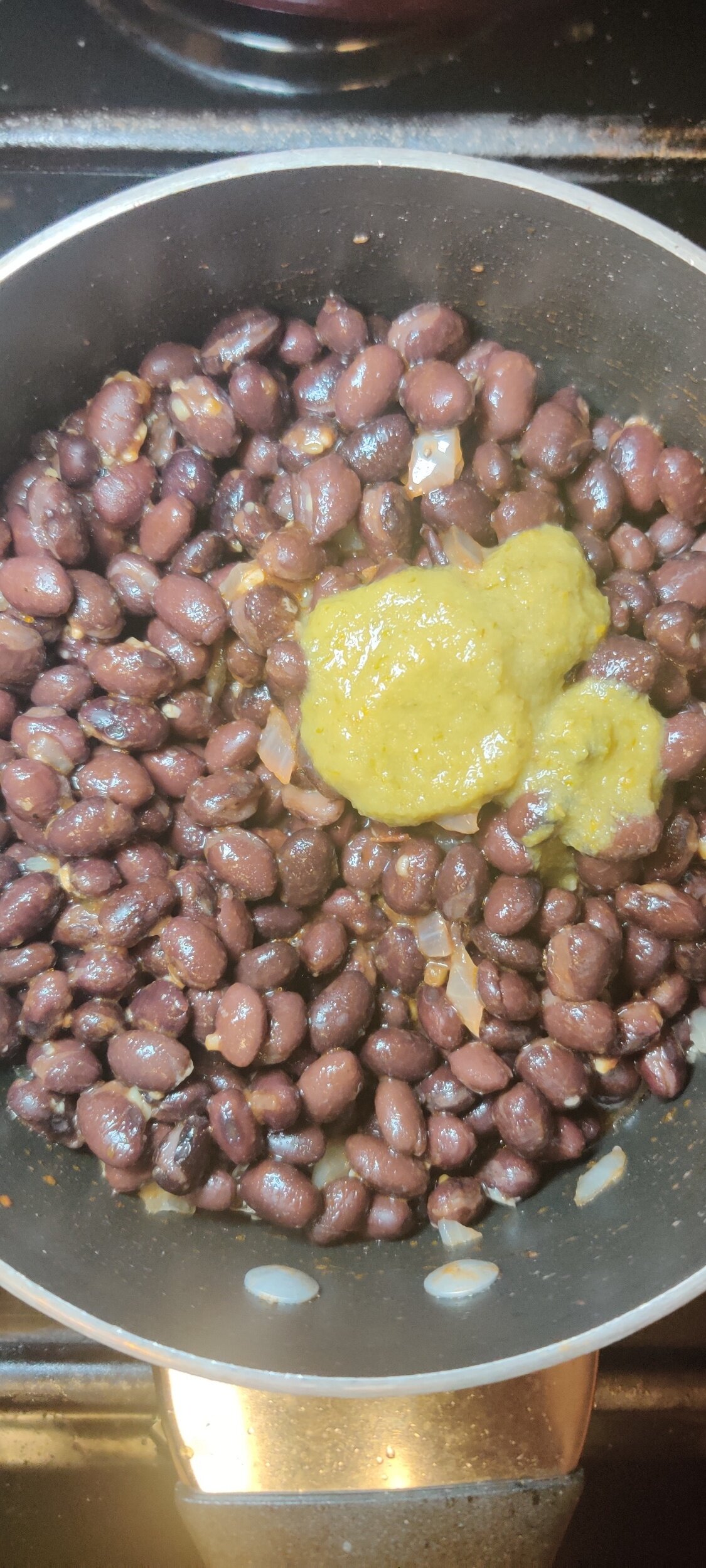
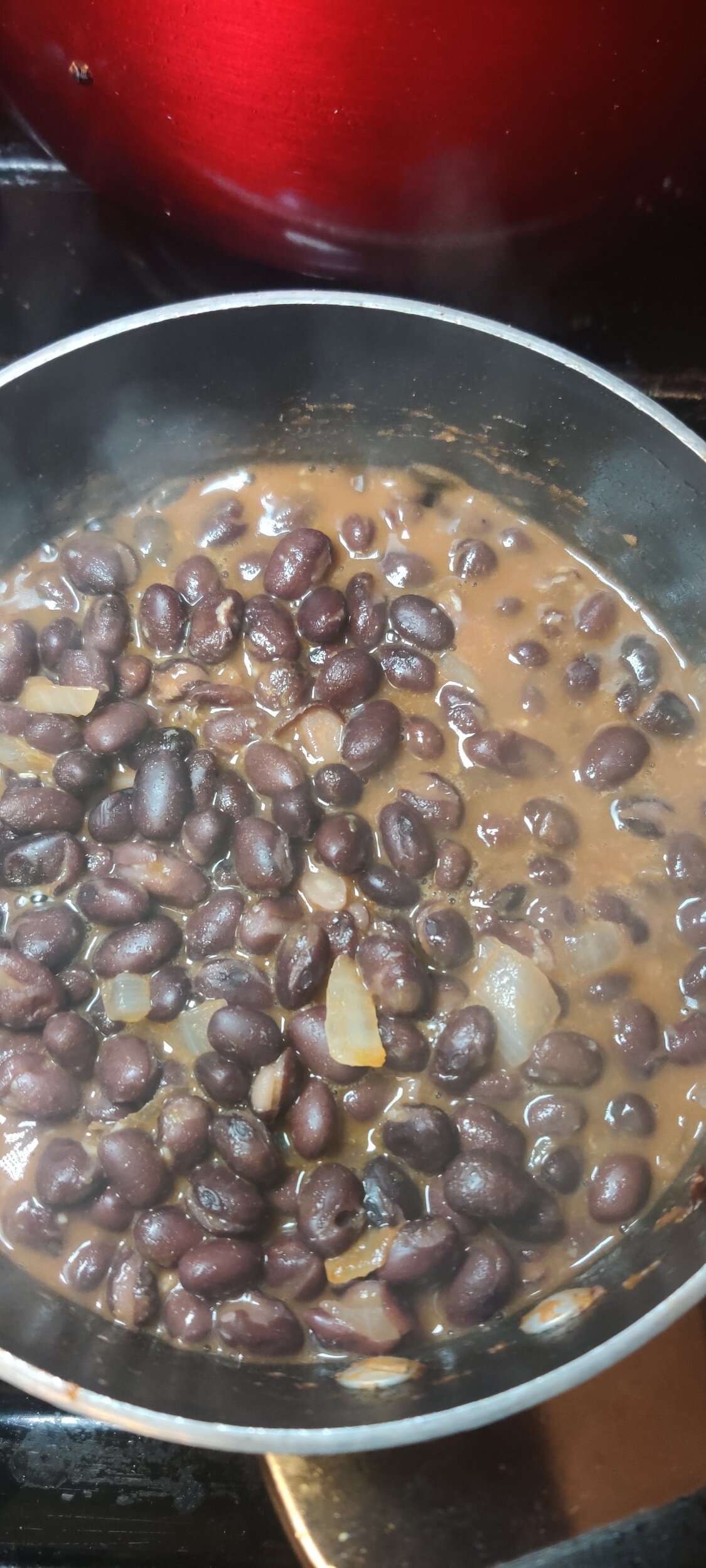
As the plantains simmer, prepare the beans (or whatever side you have in mind). Cook the onion, water, ragu, salt, and black pepper for about 3 minutes, until the onions softened.
Add the beans and pepper sauce, simmer for about 3-5 minutes, season to taste and serve with the plantain stew.
Serves 2-3 people!
Pistachio and Orange Pancakes (Inspired by North African Baghrir)
Breakfast across North Africa often feels celebratory. Tables are filled with yeast-risen breads and delicate pancakes, drizzled with honey, scattered with nuts, and paired with fragrant mint tea or coffee. The flavors are warm, aromatic, and deeply comforting, meant to be enjoyed slowly rather than rushed through.
In much of Southern Africa, breakfast traditions tend to be simpler and more grounding, often centered around porridges or grain-based staples like sadza. These meals are hearty and sustaining, but typically less sweet or airy than their North African counterparts. Exploring the contrast between these breakfast cultures inspired this recipe.
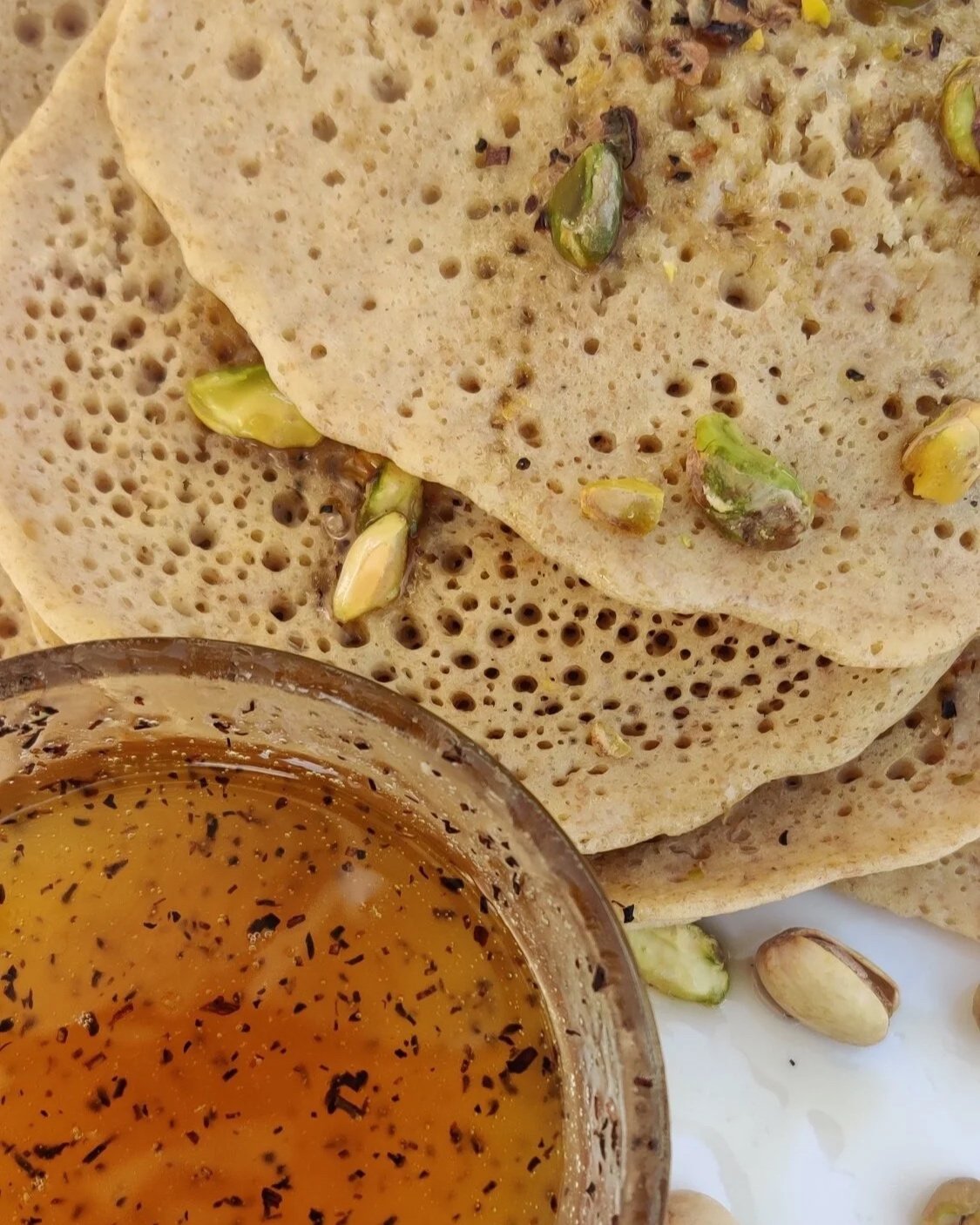
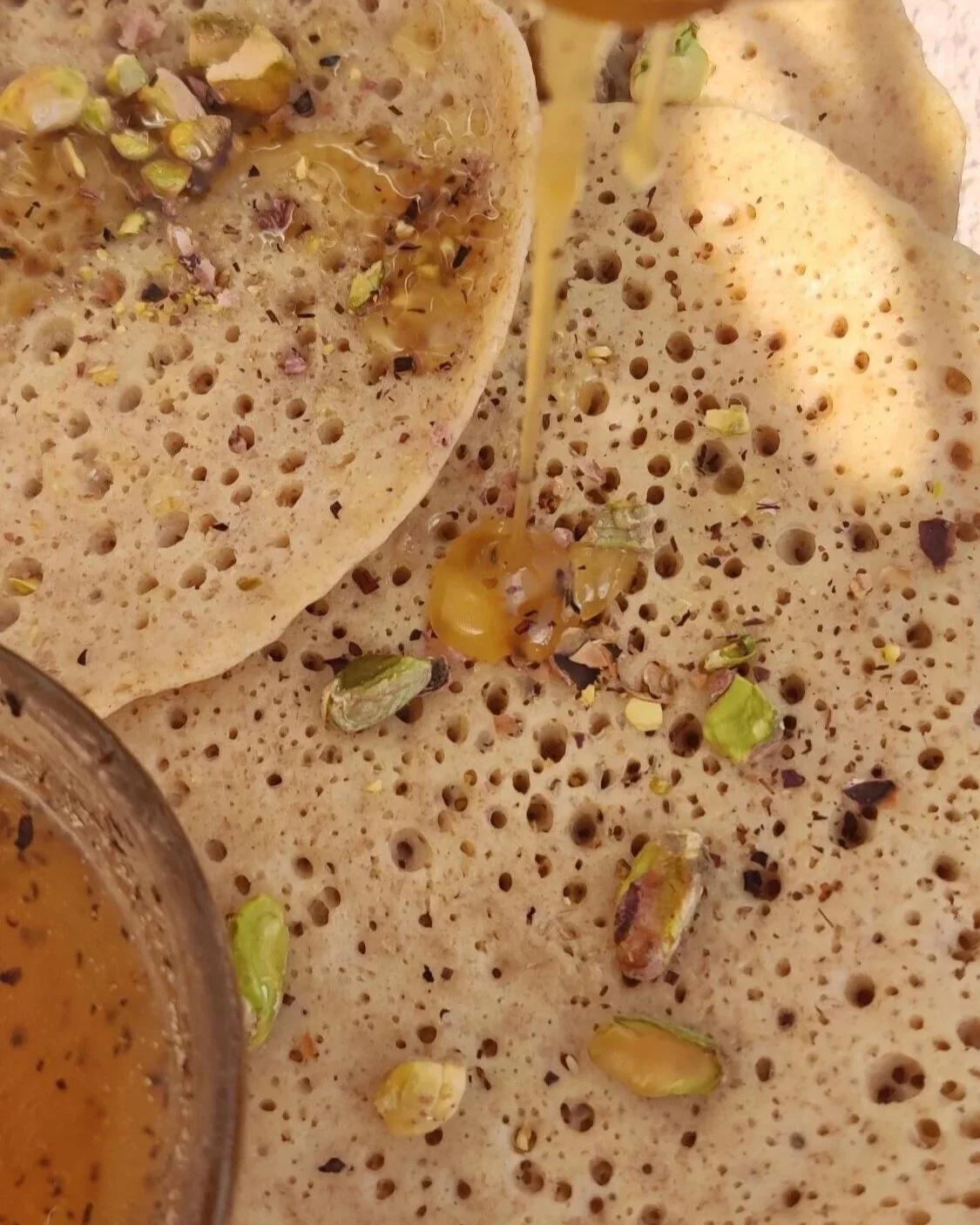
This recipe draws inspiration from Moroccan baghrir, the famous “thousand-hole” pancakes known for their soft, sponge-like texture and ability to absorb syrup beautifully. I had pistachios on hand and wanted to lean into the citrus and honey flavors often found in North African cuisine. The result is a pancake that feels both familiar and distinctive: light, fluffy, fragrant, and layered with texture.
Unlike traditional baghrir, which is typically made with semolina and yeast, this version uses whole wheat flour for a more approachable everyday pancake while still maintaining an airy texture. Chopped pistachios add crunch and richness, while orange zest and honey bring brightness and warmth. A simple honey-orange glaze ties everything together beautifully.
These pancakes work just as well for a slow weekend breakfast as they do for brunch, afternoon tea, or even dessert. Optional whipped ricotta adds a creamy contrast, though the pancakes are just as delicious served simply with syrup and nuts.
What sets these apart from regular pancakes is their balance of texture and flavor. The combination of citrus, honey, and pistachios gives them a depth that feels a little more special, while the North African inspiration adds warmth and character to every bite.
If you want a texture closer to traditional Moroccan baghrir, check out this recipe.



Pistachio and Orange Pancakes – Moroccan-Inspired
Light, spongy pancakes inspired by Moroccan baghrirs, topped with crunchy pistachios and a fragrant honey-orange glaze. Perfect for breakfast, brunch, teatime, or dessert!
Ingredients
- 1 cup all-purpose flour
- 1 cup whole wheat flour (or semolina for traditional texture)
- 2 tsp baking powder
- 1/2 tsp fast-acting dry yeast
- 1/2 tsp salt
- 1/2 tsp sugar (optional)
- 2 eggs
- 1 cup warm milk
- 1 cup warm water
- 1 tsp orange zest
- 1 tsp orange juice
- 1/4 tsp vanilla extract
- 1/4 cup crushed pistachios (plus extra for garnish)
- 1/2 orange herbal tea bag (or 1 tsp loose orange tea)
- 1/2 cup honey
- 4 tbsp butter
- 1 tsp orange zest
- 1 tsp orange juice
- 1/8 tsp almond extract
- Contents of brewed orange tea (see above)
- 1 tsp orange blossom syrup (optional)
- Ricotta cheese
- Orange zest and juice
- Pinch of salt
- Sugar to taste
- Few drops of orange syrup
Instructions
- Mix warm water, sugar, and yeast. Let sit 5–10 min until foamy.
- Add flours, milk, baking powder, salt, vanilla, eggs, orange zest & juice, and tea to yeast mixture.
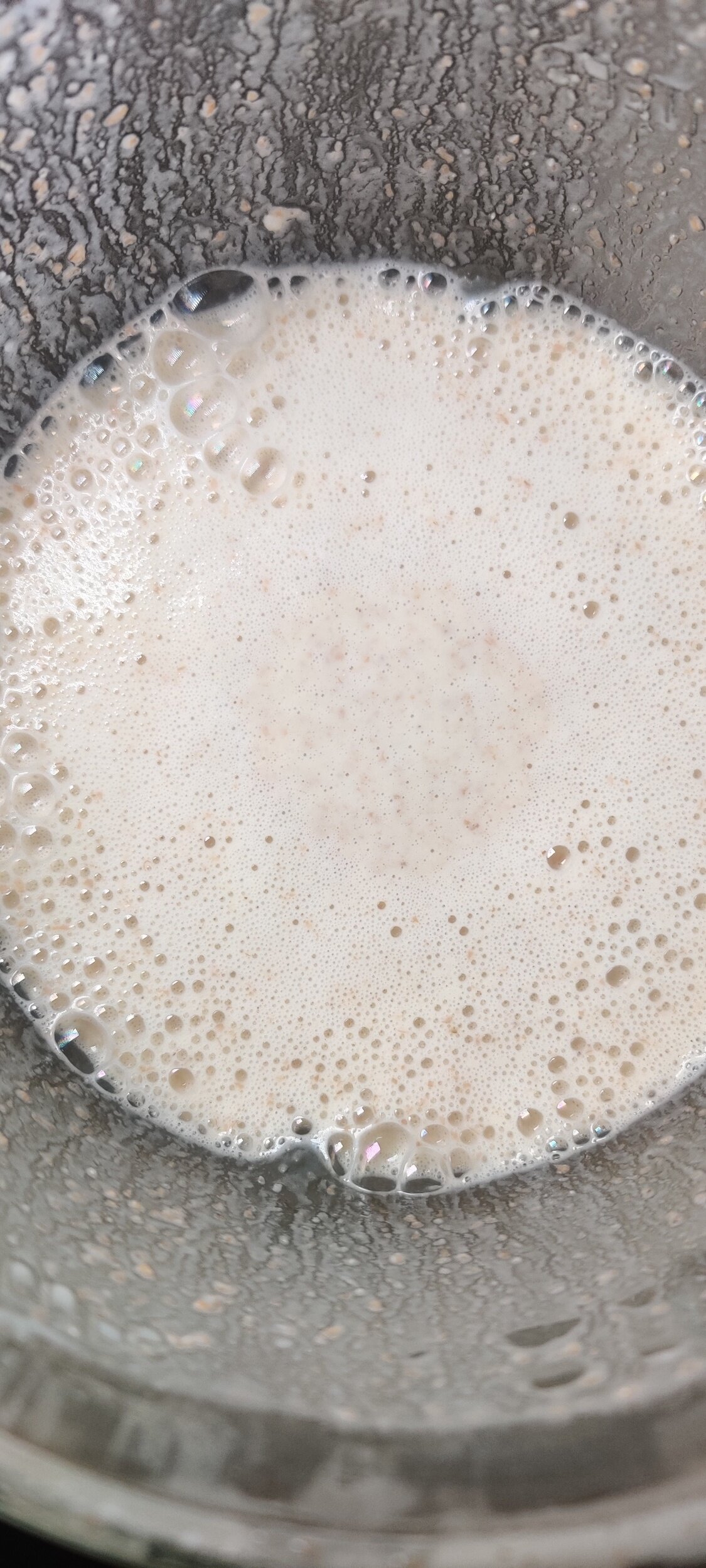
- Blend or whisk until smooth. Let rest 35 min to develop bubbles.
- Heat non-stick pan over medium. Scoop 1/4 cup batter per pancake.
- Cook without flipping until bubbles form and burst on the surface, bottom golden. Remove and repeat.
- Heat butter, honey, orange zest & juice, almond extract, and brewed tea in a saucepan or microwave until combined.
- Pour glaze over pancakes, sprinkle pistachios, add candied peel if desired.
- Optional: top with whipped ricotta.
Notes
- Toasting pistachios: Toast in a dry pan over medium heat for 2–3 minutes, stirring frequently, to enhance flavor and crunch.
- Candied orange peel: Adds a beautiful garnish and little bursts of citrus sweetness.
- Texture: Resting the batter allows the yeast to create the signature spongy texture with holes that soak up the glaze.
- Make ahead: Batter can rest up to 1 hour before cooking; the glaze can be prepared ahead and warmed before serving.
Optional: Semolina Variation (More Traditional)
- Use 2 cups semolina flour + 1/2 cup all-purpose flour instead of the flours in the main recipe.
- Increase sugar to 1 tbsp and salt to 1/2 tsp.
- Add 1/2 tsp cinnamon for warmth.
- Use 1 tsp instant yeast.
- For the glaze, reduce honey to 1/4 cup, brewed tea to 2 tbsp, and add 1 tsp orange blossom honey.
- Optional whipped ricotta topping: mix orange zest, juice, salt, sugar, and a few drops of orange syrup.
Serving: Same as main recipe — ~4 servings.
Nutrition Facts
Calories
290Fat (grams)
10 gCarbs (grams)
42 gSugar (grams)
18 gProtein (grams)
6 gI am not a certified nutritionist and any nutritional information on dontmissmyplate.com should only be used as a general guideline.

Sadza with Butter Bean Kale Relish
Ah yes, I love a meal that tastes like home. Home being Zimbabwe in this case. There's nothing like a plate of hot relish (stewed vegetables) and sadza (thick corn/maize meal porridge). This is considered one of the cornerstones of our cuisine and feeds millions of people across the country. It's kind of like how pasta is to the Italians dare I say!
Perhaps I'm biased, but it's some of the best-tasting comfort food, and not smothered in fat either. I made it vegan although some Zimbabweans would request some grilled or in-bone meat. You can do without it.
The one thing I'd insist you include if possible is the Usavi mix. It's a spice brand you'll find in most households but is essentially just a blend of cornstarch, salt, sugar, turmeric, coriander, garlic, fennel, methee/fenugreek, cumin, and paprika. Some people like to add curry powder to their relish, but I find that changes the flavour profile into something completely different. This is all about simple deliciousness!
Ingredients
1 can butter/Lima beans (keep the sauce)
1 tablespoon garlic, minced
1 tablespoon olive oil
1/2 onion, chopped
1/4 tomato, chopped
2 tablespoons Usavi mix
1/2 teaspoon salt
1 tablespoon chili flakes
1 teaspoon black pepper
1/4 cup water
1 tablespoon butter
2 tablespoons vegetable
3 cups chopped kale
Sadza:
1 cup white corn/maize meal
3/4 cup cold water
2 1/2 - 4 cups boiling water (depending on how thick you want your sadza)
1/2 teaspoonsalt


Instructions
Heat the olive oil and butter, saute the garlic and onions for about 3 minutes to sweat them out.
Add the Usavi mix, salt, and pepper, cook for another 2 minutes to bring out the flavours.
Add the chopped kale and cook until wilted down, then add the tomato and vegetable oil and fry for 2 minutes.
Add the beans along with the sauce from the can, chilli flakes, and water. Reduce heat and simmer for about 10 minutes, stirring occasionally. Set aside.
Prepare your sadza. In a pot, make a paste using the cold water and a 1/2 cup of maize meal, add the salt. When you add the cold water, do it gradually to keep control of the consistency of the paste, you don’t want clumps and it should all come together.
Place the pot over medium-high heat and add 1/2 cup of boiling water. With a wooden spoon, stir quickly and get rid of any lumps. You want a smooth porridge to form. If you need to, use a whisk!
Add the rest of the hot water a 1/2 cup at a time, still stirring or whisking to ensure you still develop a smooth porridge. At this point, it will start to bubble or kwata. Reduce to medium-low heat and place a lid on top. Careful not to get burnt. Let the sadza cook for about 10 minutes.
Once cooked, fold in the rest of the corn/maize meal. You’ll want to use a twisting or figure-8 motion with your wooden spoon to make sure all the dry mix is coated and you incorporate air. This is the final step to make it a thick, dough-like consistency. You can add more corn/maize meal depending on the texture and consistency you want.
Put the lid back on and sit on low heat to allow the sadza to rest for about 5 minutes. You might hear it 'breathing' or puffing at this point.
When ready to serve, dip your wooden spoon in some cold water to prevent too much sticking. Mould your sadza into a round shape and serve with your relish, enough for 2 people.
Tip: to smoothen your sadza use cling wrap as you shape it.
Also, eat with your (washed) hands! It tastes better.

Creamy Mushroom Soup with Plantain Fufu
I love mushrooms and appreciate fufu even though I'm more familiar with its starchy cousin sadza (a thick maize/cornmeal porridge).
Fufu is pounded or ground cassava or yam cooked with water often served with vegetable relish, soup or meat stew. It is central to many West African dishes.
I used plantain fufu flour. I love plantains, and they are gluten-free, high in antioxidants, fibre and several other nutrients. You can use other types of ground or pounded root or starchy vegetable such as malanga.
Groundnut or pepper soup are commonly served with fufu, but I was inspired to use mushrooms instead, or more specifically nhedzi. This is a type of mushroom found in Zimbabwe often served as a rich broth-based soup. I used what I could get my hands on - namely dried shiitake (which helps add extra flavour) and cremini mushrooms. I add the coconut milk element to make the soup creamier. Not surprisingly, cream of mushroom soup is very popular, I hope you try the recipe out!
Ingredients
1 cup dried shiitake mushrooms, rehydrated
1 1/2 cups frozen cremini mushrooms
1/3 cup vegetable oil
1 tablespoon butter
2 tablespoons Worchester sauce
1/4 cup cooking marsala wine
1 1/2 teaspoons salt
2 tablespoons olive oil
2 tablespoons black pepper
1/2 teaspoon chili flakes
2 tablespoons thyme
2 teaspoons cumin
1/2 cup yellow onion, chopped
1/2 cup red onion, chopped
1 tablespoon garlic, minced
1 teaspoon garlic powder
1 tablespoon Royco Usavi mix (optional)
2 tablespoons flour
1/2 cup coconut milk (or heavy cream)
1 vegetable bouillon
2 cups water
1 tablespoon tomato paste
Plantain fufu:
1/2 - 1 cup plantain fufu powder (I used Tropiway’s)
1-2 cups water
Depends on how much you need for serving.




Instructions
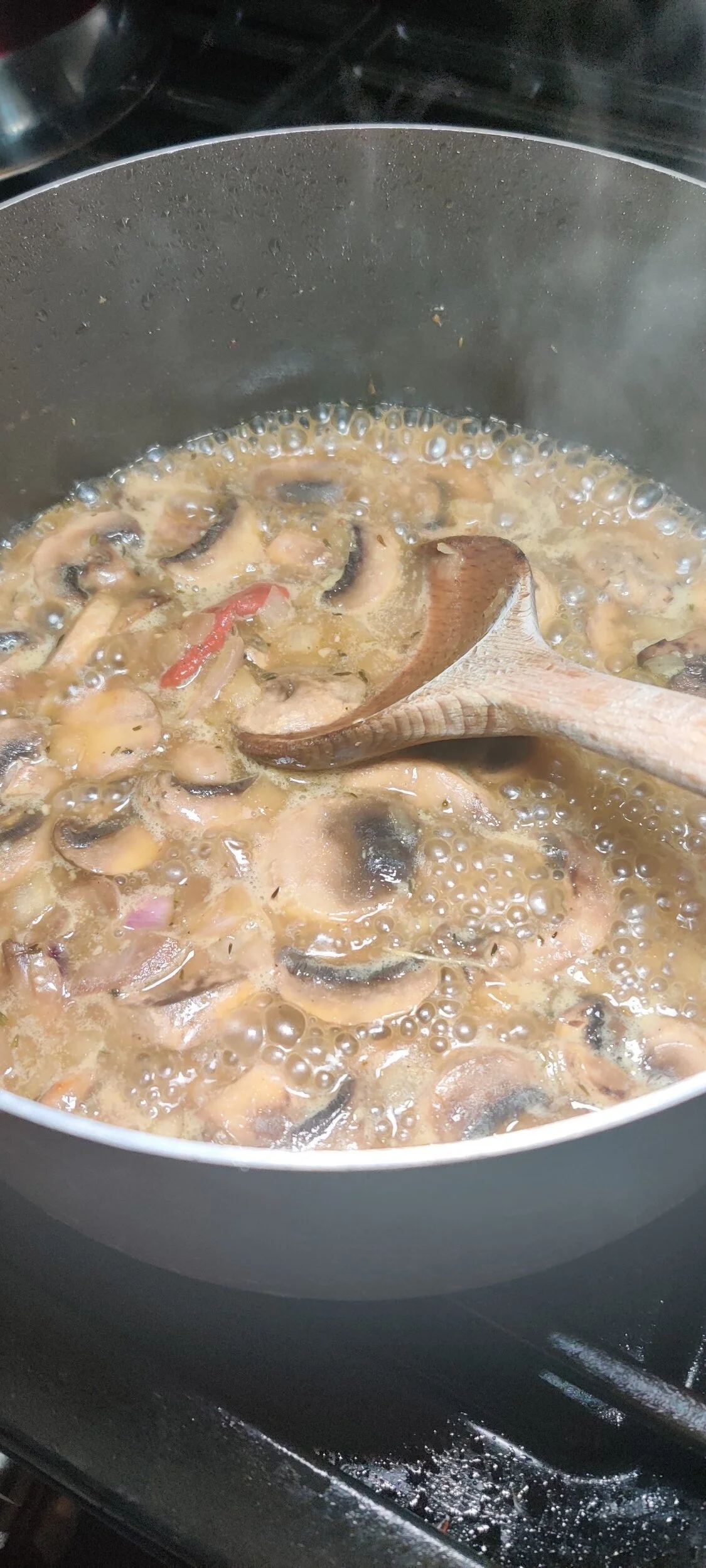
In a medium pan, fry the shiitake mushrooms in vegetable oil with 1/2 teaspoon salt, 1 teaspoon black pepper, 1 teaspoon thyme, 1 teaspoon cumin, 1 teaspoon garlic powder, and 2 tablespoons Worchester sauce.
Fry for 5-7 minutes, or until the mushrooms start to crisp up around the edges without burning, set aside.
In a large pot, saute the onions and minced garlic in butter and olive oil for about 3 minutes. Add 1 teaspoon salt, 1 tablespoon black pepper, 1 teaspoon cumin, 1 tablespoon Usavi mix, and 1 tablespoon thyme. Cook for another 2-3 minutes until fragrant.
Add the frozen mushrooms to the pot, cook until the water has melted and the mushrooms are mixed in well. Add the vegetable bouillon (crush it), water, and cooking wine. Reduce the heat and simmer for about 10 minutes.
Whisk in the flour until the soup begins to thicken and it's completely dissolved. Add the coconut or cream and 3/4 of the shiitake mushrooms, simmer for another 5 minutes.
In another pot, prepare the fufu according to the box's instructions. All you will need is water and the fufu powder, which you will knead and shape with a wooden spoon and your hands into a dough.
Serve the fufu ball(s) with the soup ladled on top or to the side with the rest of the fried mushrooms.

Lentil Peanut Stew
Dhal is a lentil or split pea curry popular in parts of the Caribbean with its origins in India. In Zimbabwe, peanut stew involves cooking peanut butter with chili, spices, vegetables and starch or protein (typically chicken). The dish is common in many other parts of West and southern Africa.
I had to combined the two and it worked seamlessly! This is in no way an exact rendition of either dish, I'm not an expert.
This is based this off what I have tasted eating at various restaurants, grew up eating in my own culture as a Zimbabwean, and read.
I wanted to serve the stew with plantains so I needed a thicker consistency but dhal is typically blended into a soup texture. You can do what works best for you. I did, however, add sautéed garlic and cumin, which is meant to add a smoky element to the dhal.
This is a hearty, tasty meal perfect for weeknights, enjoy!
Ingredients
1 1/2 cups lentils
1/2 large sweet potato, diced
1 cup coconut milk
1/2 cup peanut butter
3 cups water
2 tablespoons Worchester sauce
2 tablespoons tomato paste
1 tablespoon hot madras curry powder
1 tomato + 1/3 cup tomato sauce
1/2 large yellow onion, diced
1 teaspoon salt
1 tablespoon black pepper
1 small chili pepper, finely chopped
1 teaspoon turmeric
1/2 teaspoon garam masala
2 tablespoons palm oil (or vegetable oil)
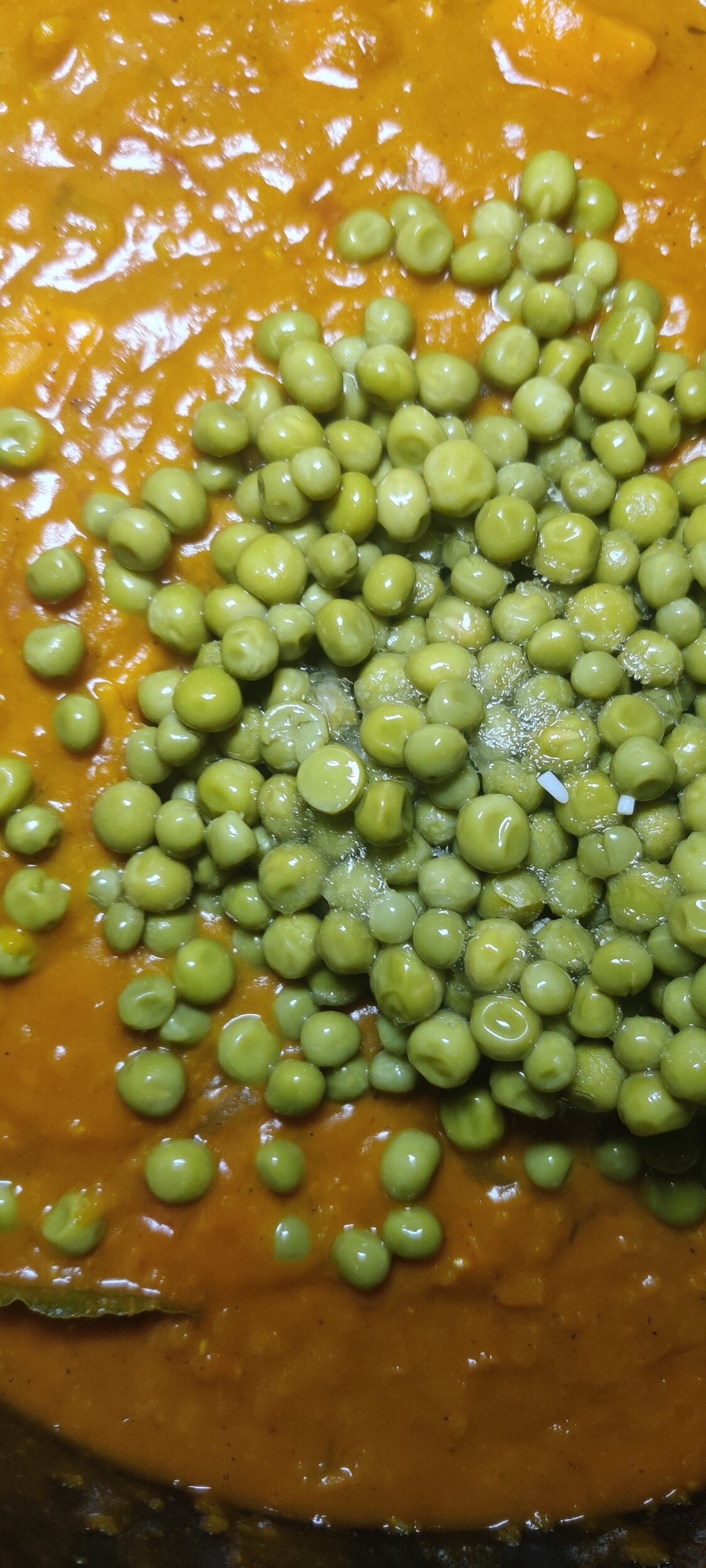
1/2 cup frozen peas
1/2 teaspoon ginger
3 tablespoons garlic, minced
2 tablespoons ground cumin
1 scallion, chopped
2 bay leaves
Instructions
Wash the lentils and sweet potato.
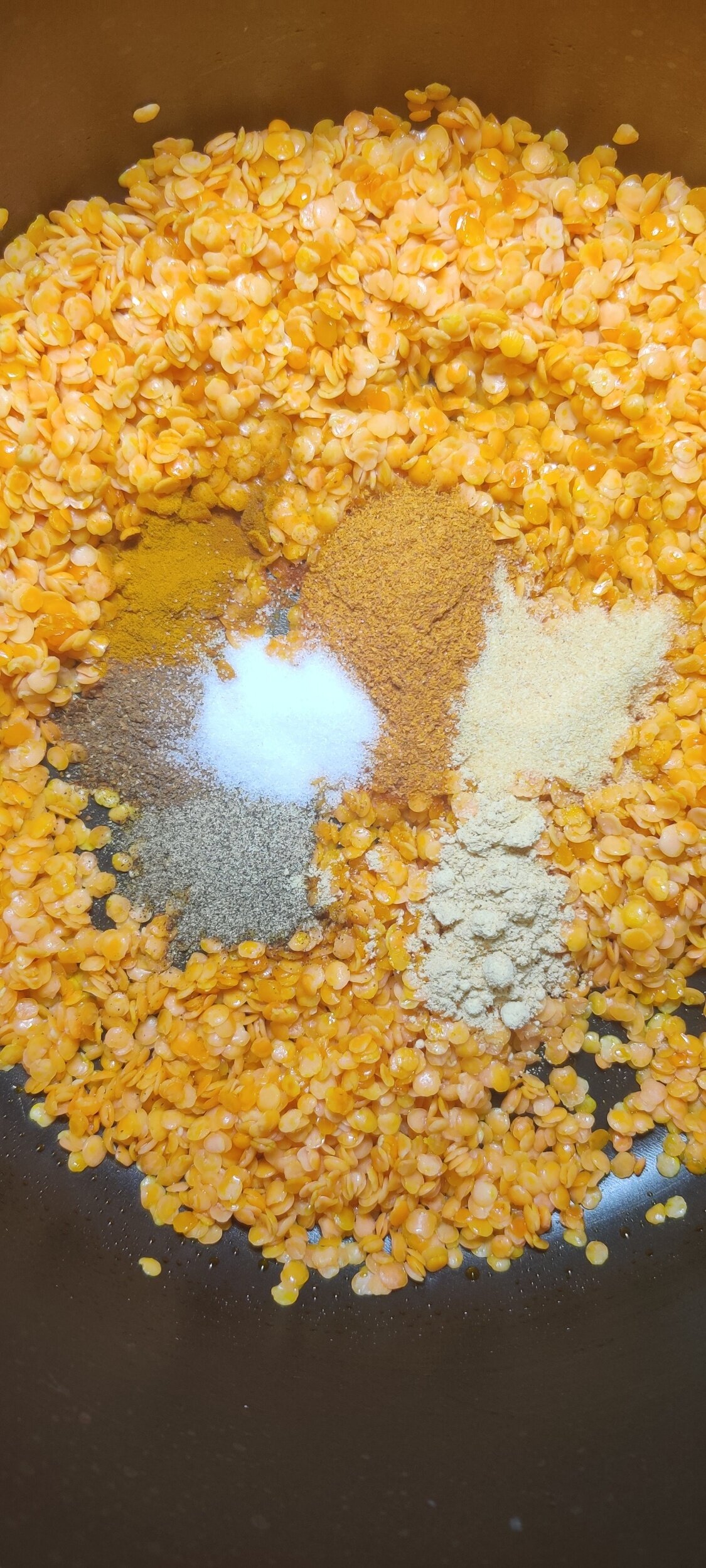
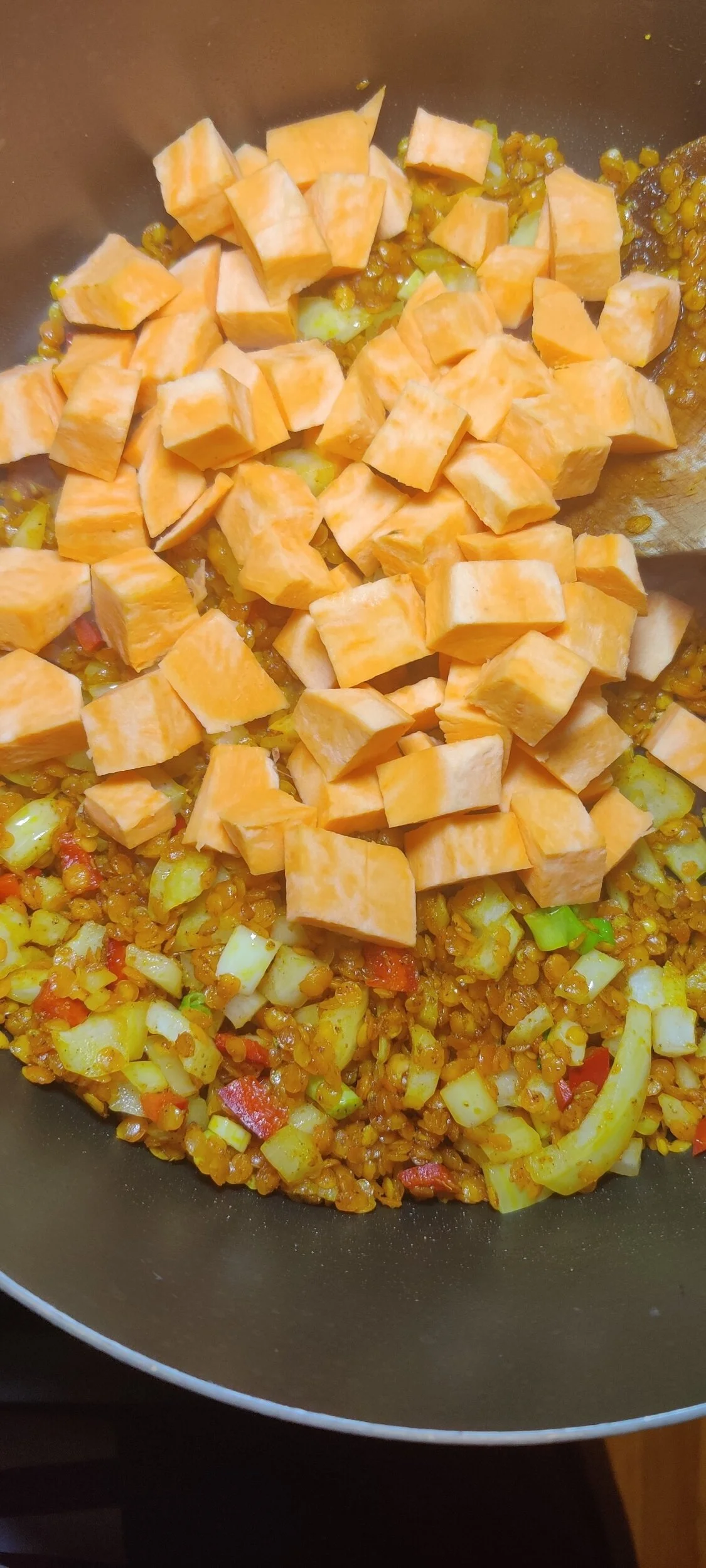
In a large pot mix in the lentils with palm oil and the spices. Cook for 3 minutes.
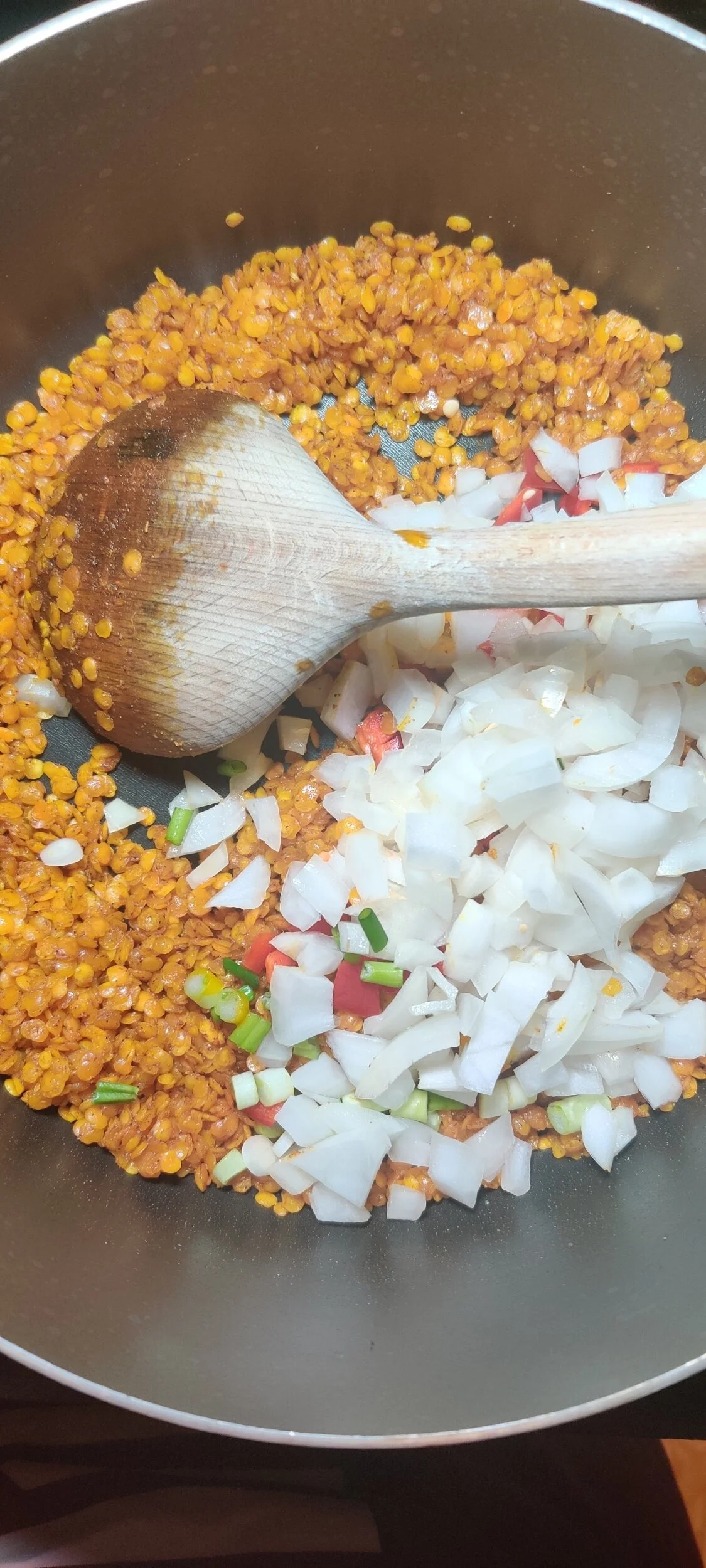
Add the onions, chili pepper, sweet potato and scallion, cook for another 2 minutes.
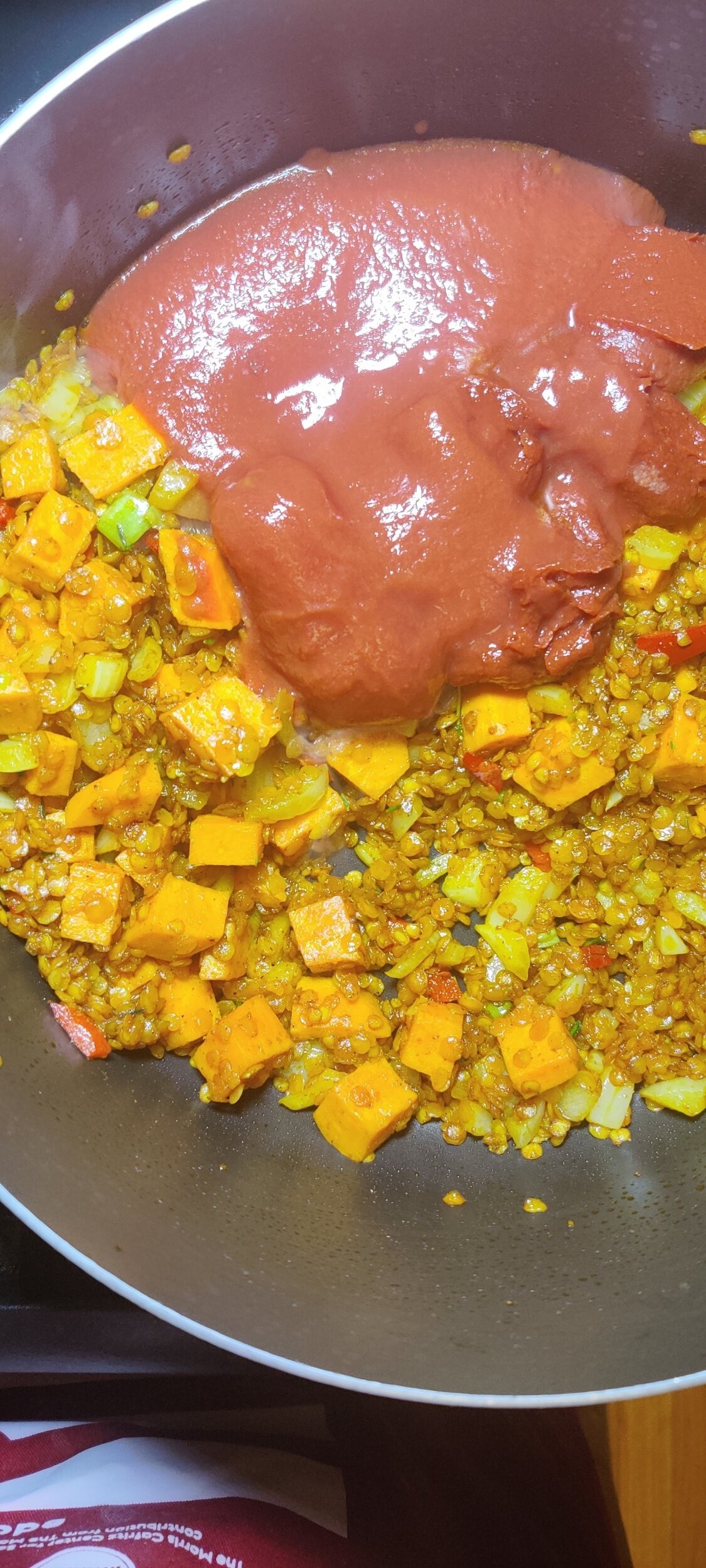
Add the tomato paste, sauce, and tomato. Cook for 2 minutes.
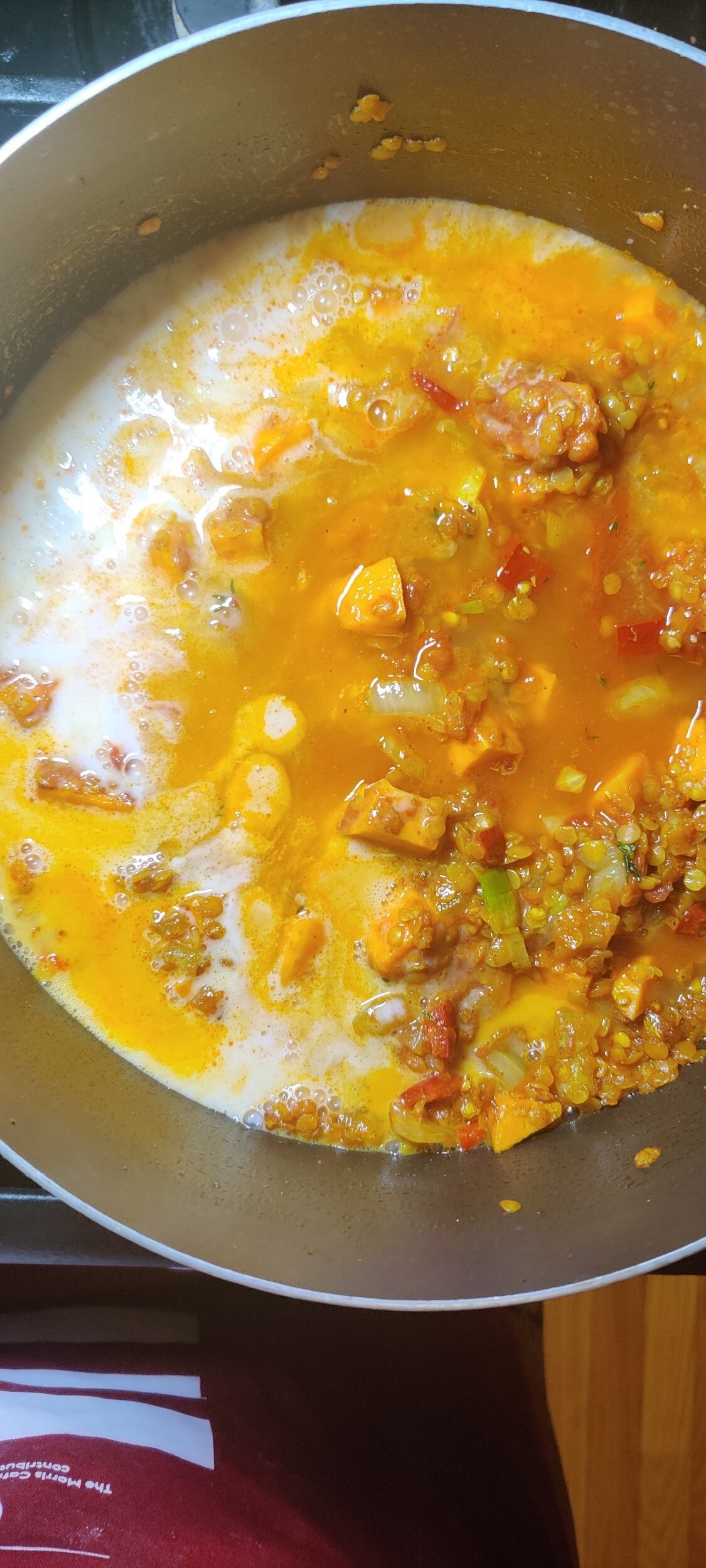
Add the water and coconut milk, then simmer for about 25 minutes with the bay leaves until the sweet potato is softened and the lentils break down easily.
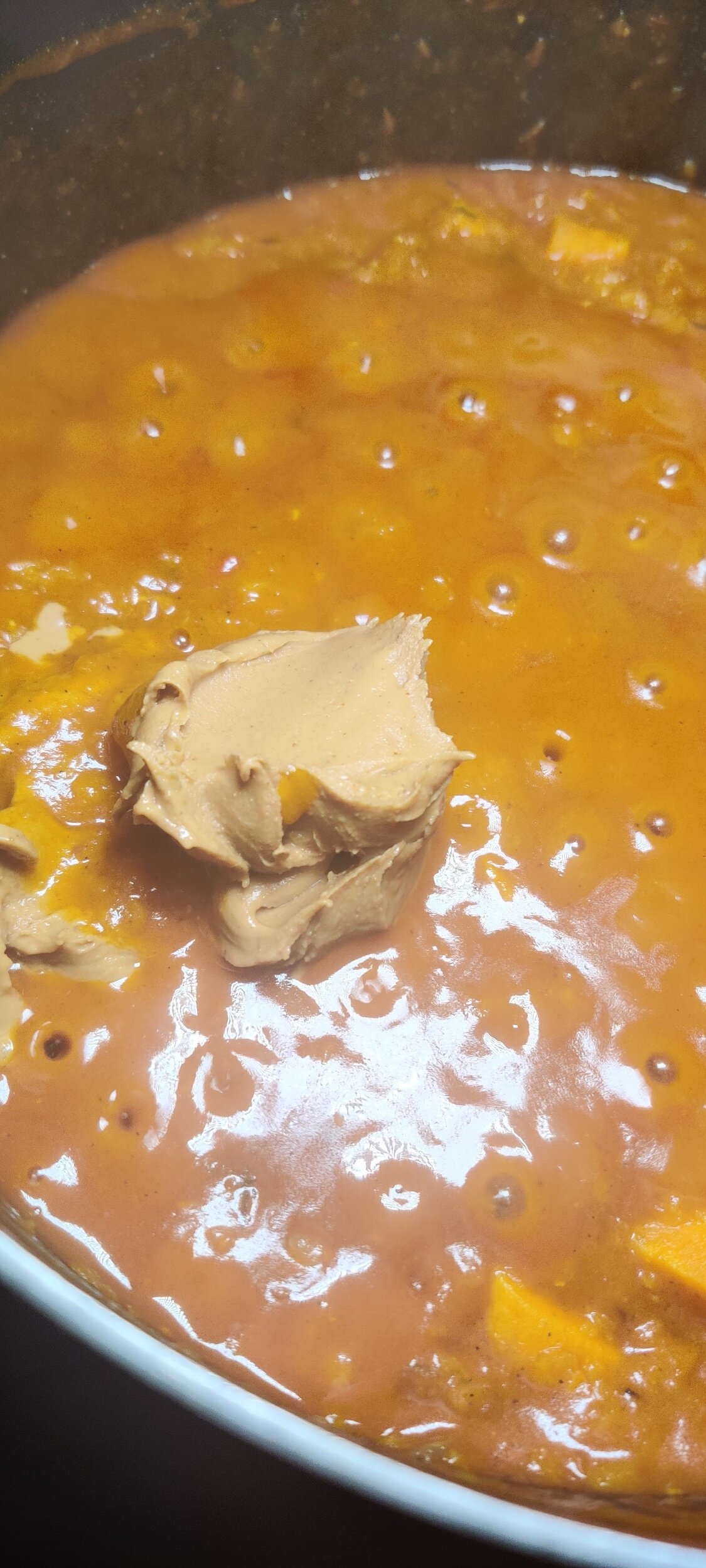
About halfway through add the peanut and stir until incorporated.
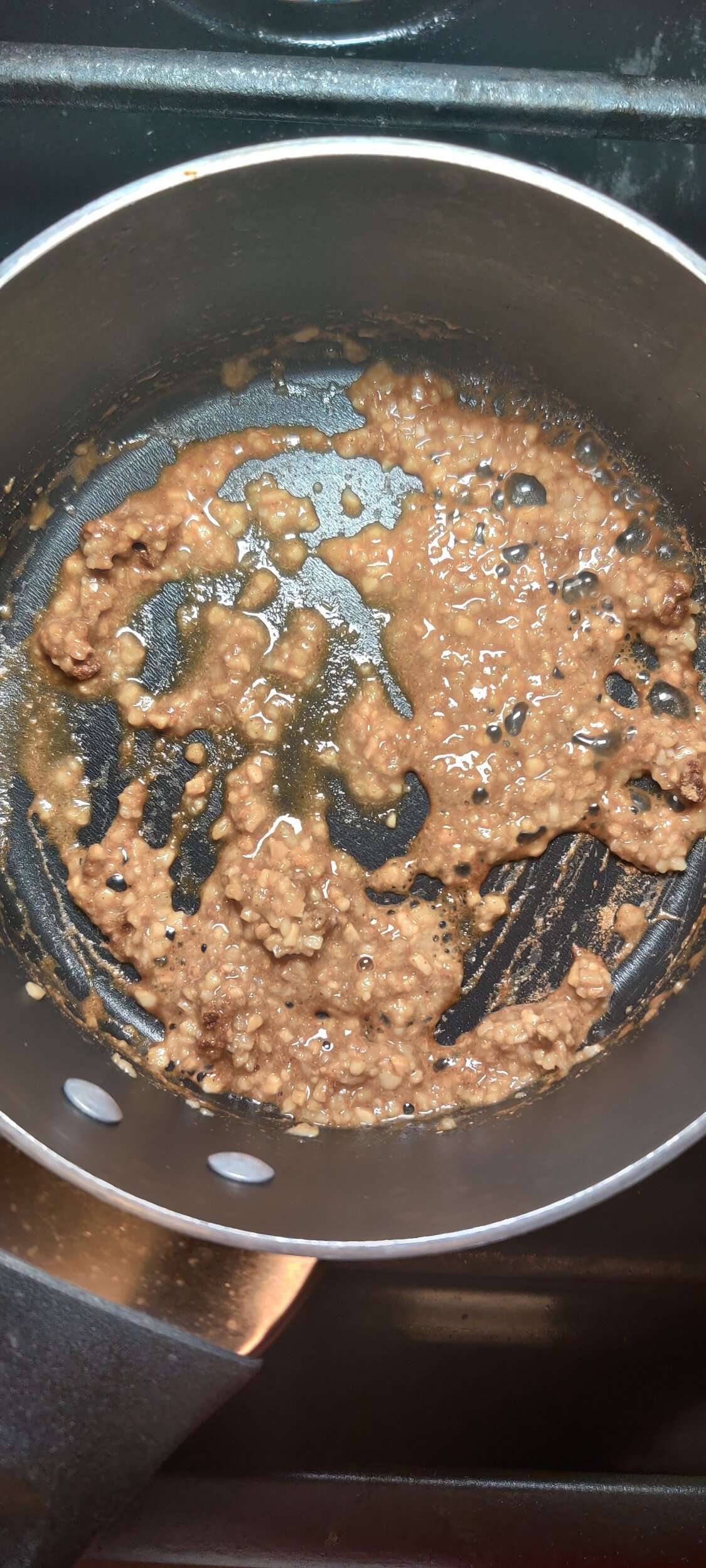
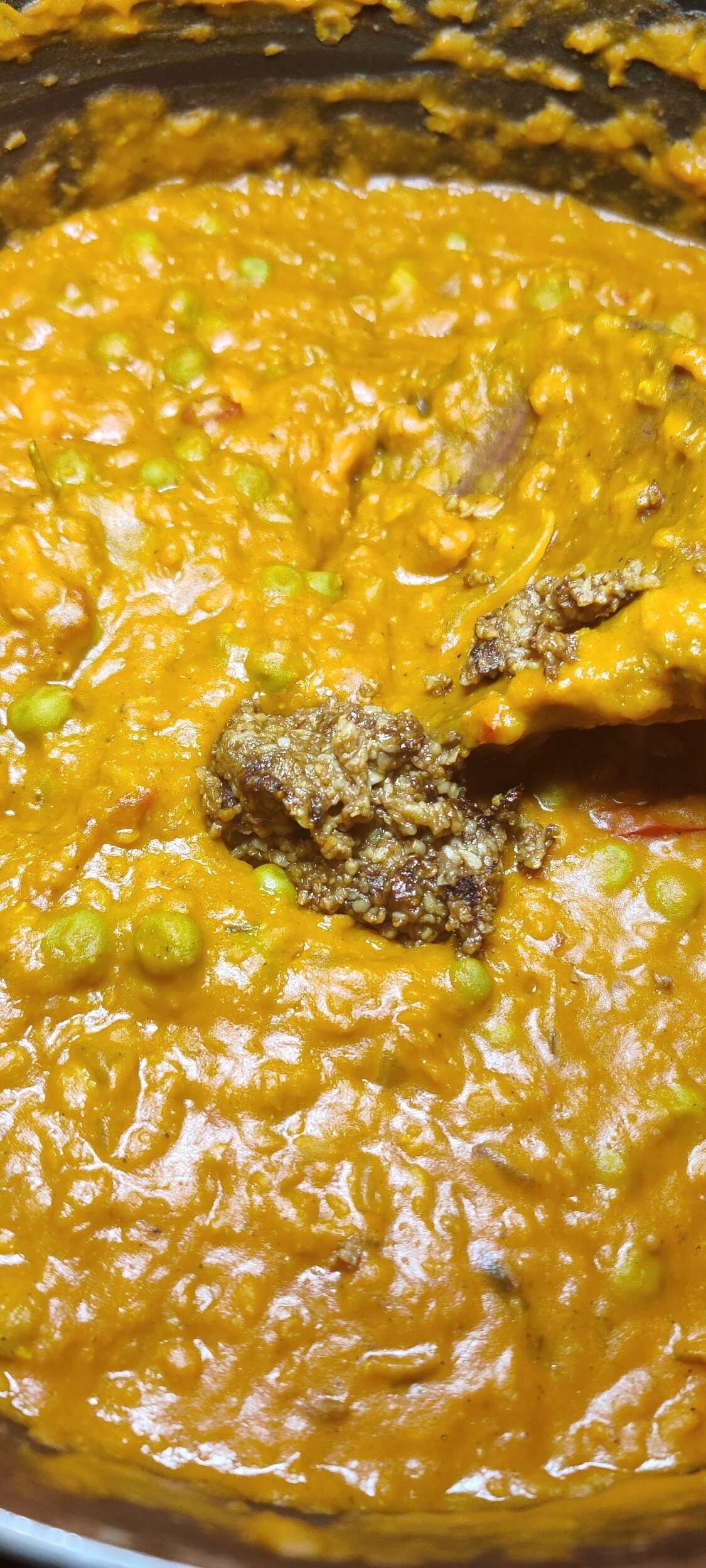
In a small separate pan, heat the garlic and cumin until almost burnt, then add to the stew. Remove the bay leaves.
Serve hot with plantains, rice or flatbread.

Finger Millet Peanut Butter Porridge
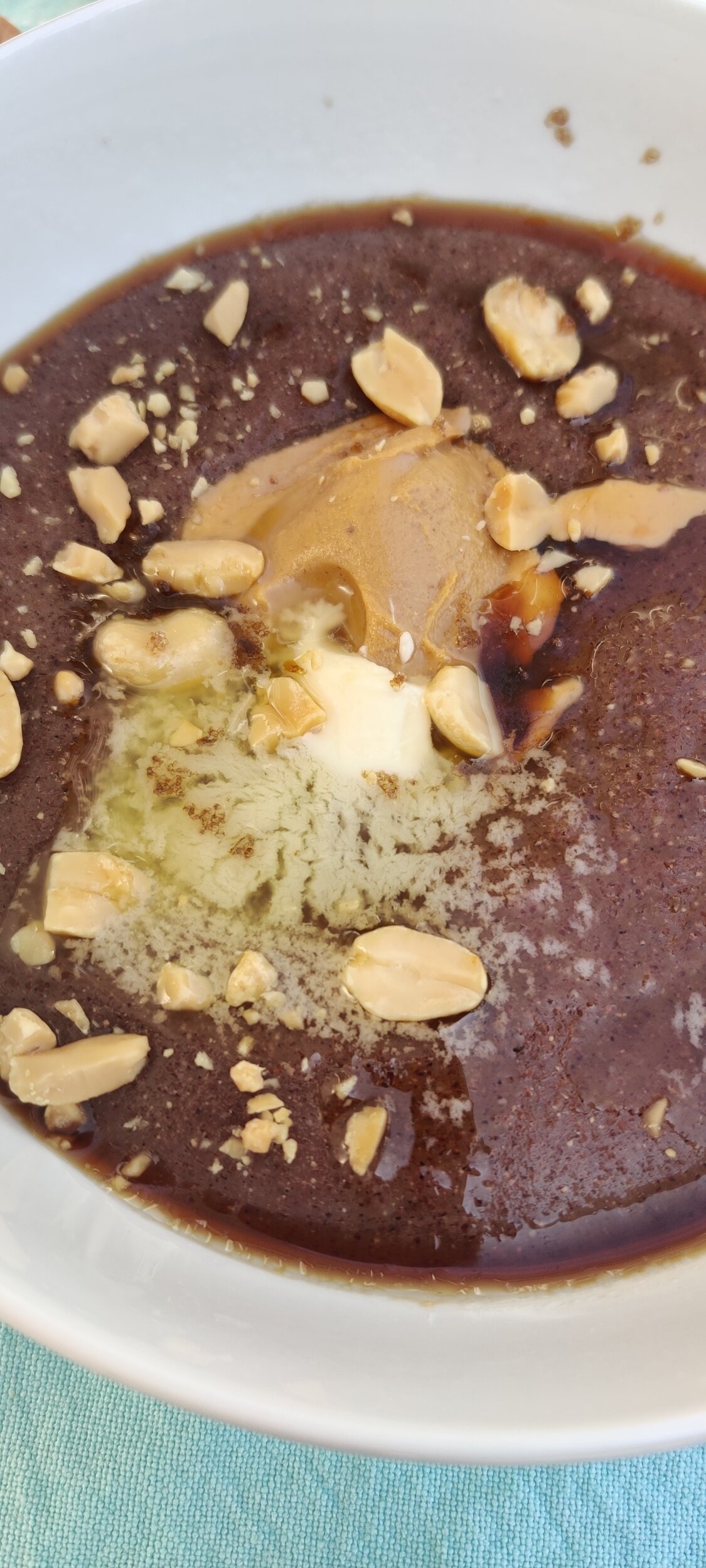
Most people enjoy porridge as oatmeal, but it's also quite popular in cornmeal form with an array of toppings. I grew up eating it pretty plain, save for butter, sugar, honey or peanut butter. I used to love it in the morning before school, especially during the winter. Porridge is a very popular breakfast option for most Zimbabweans. It's cheap and can keep you full for hours. Peanuts also feature prominently in African cuisine, so you won't find a shortage of meals that include them. Luckily, peanut butter is amazing! Ground millet is a healthier option with tons of calcium and tastes better than ground cornmeal porridge in my opinion. So try this recipe out, it's comforting and delicious!
Ingredients
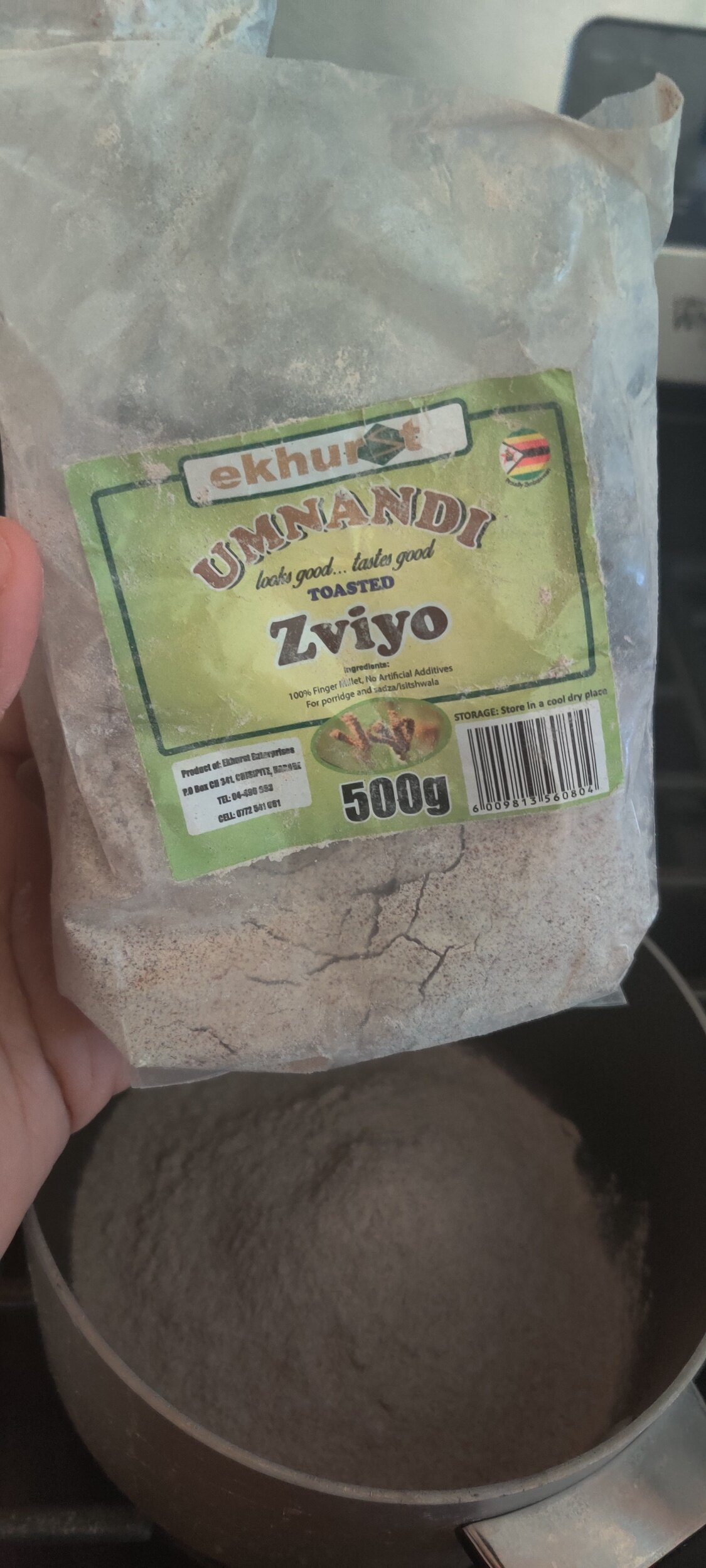
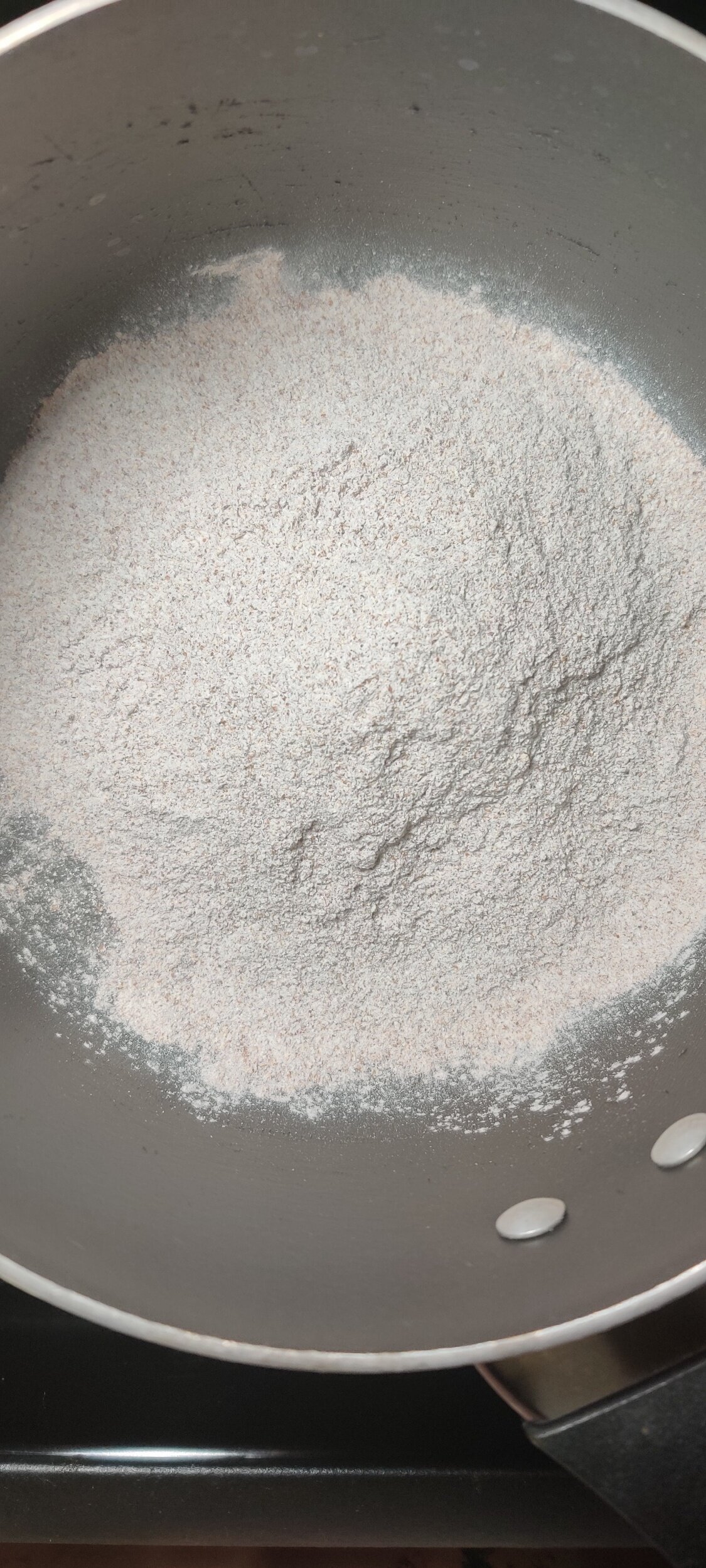
1 cup finger millet, ground and toasted
2 1/2 cups hot water
1 cup cold water
1/2 teaspoon salt
1 teaspoon butter
1 tablespoon peanut butter
1 teaspoon honey
1 teaspoon sugar
1 teaspoon peanuts (to garnish)
Instructions
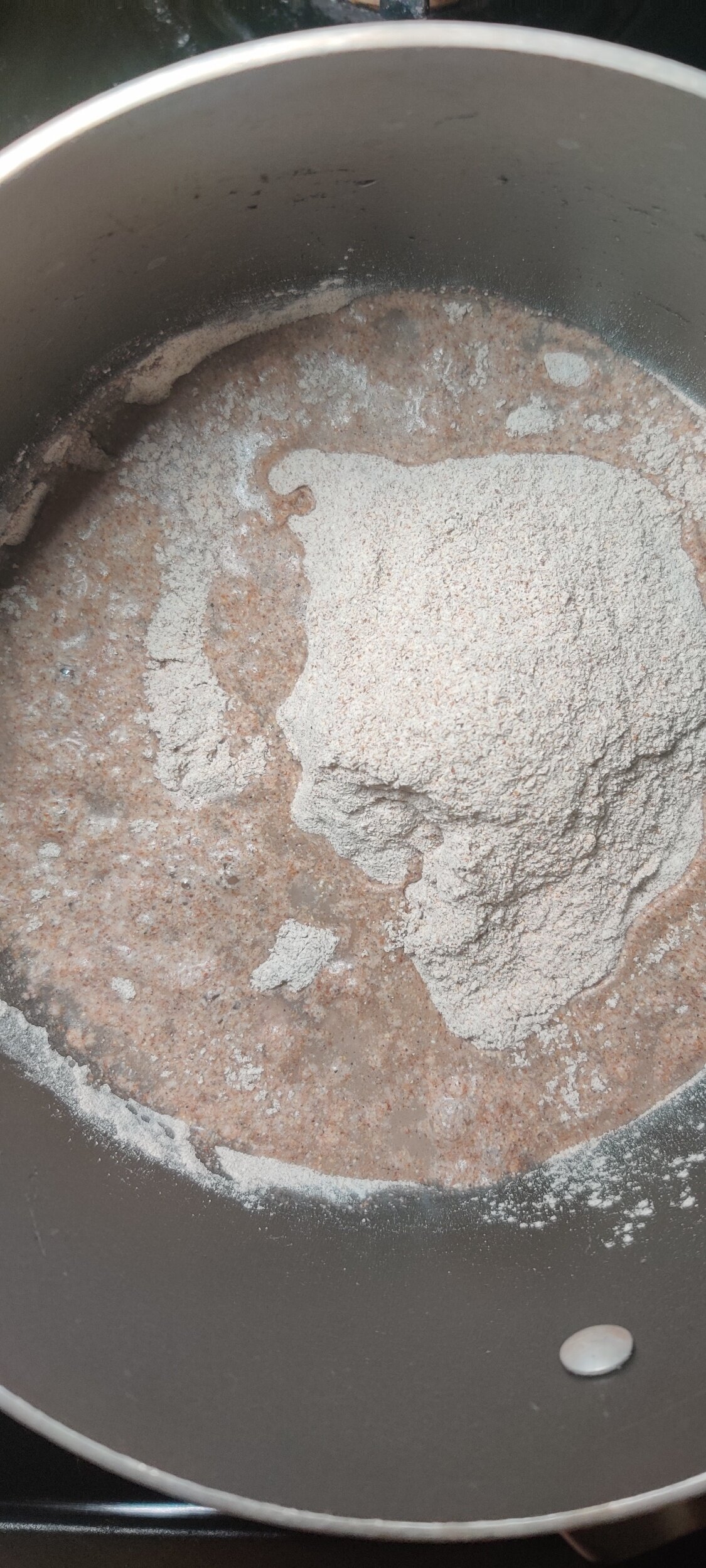
Combine the millet and cold water to make a paste.
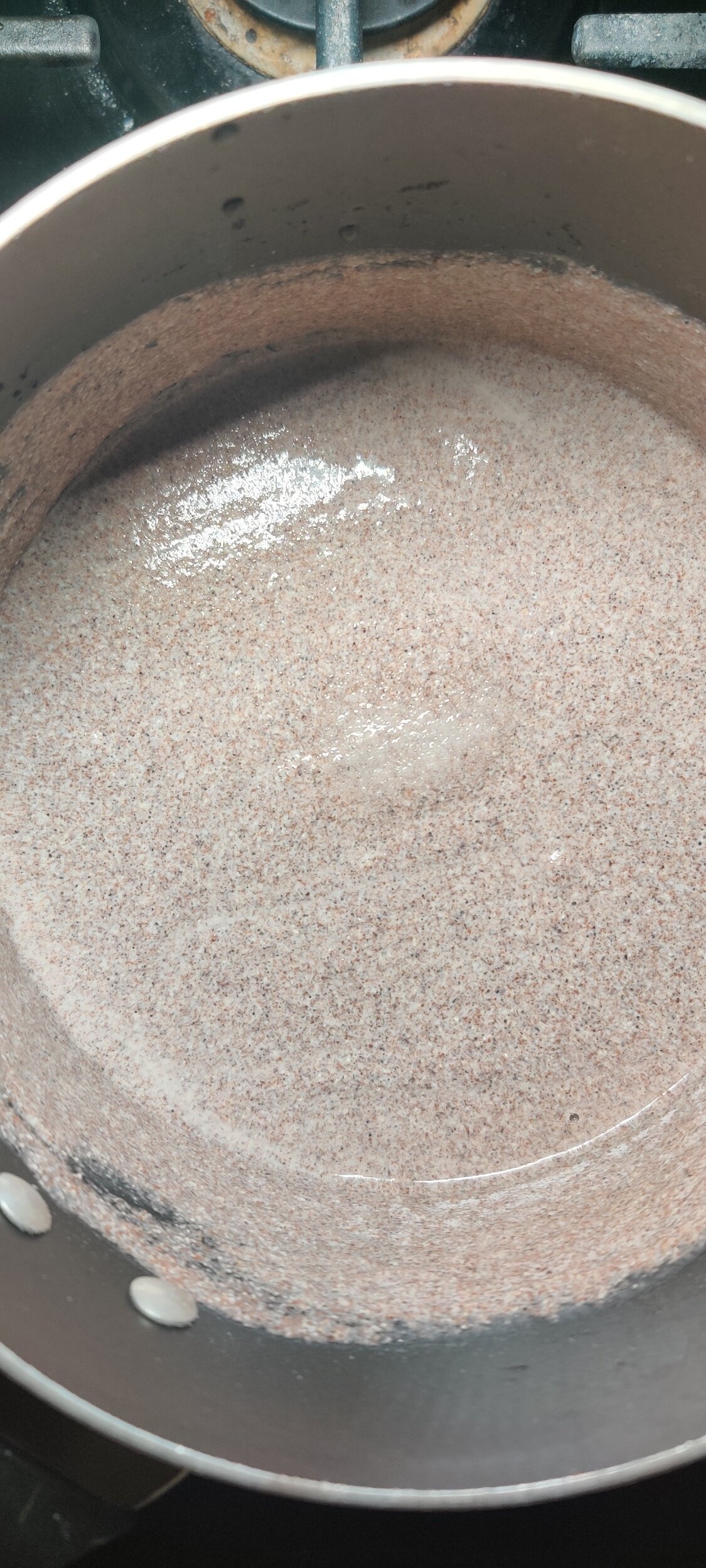
Add the boiled water and stir with a wooden spoon or whisk to remove the lumps.
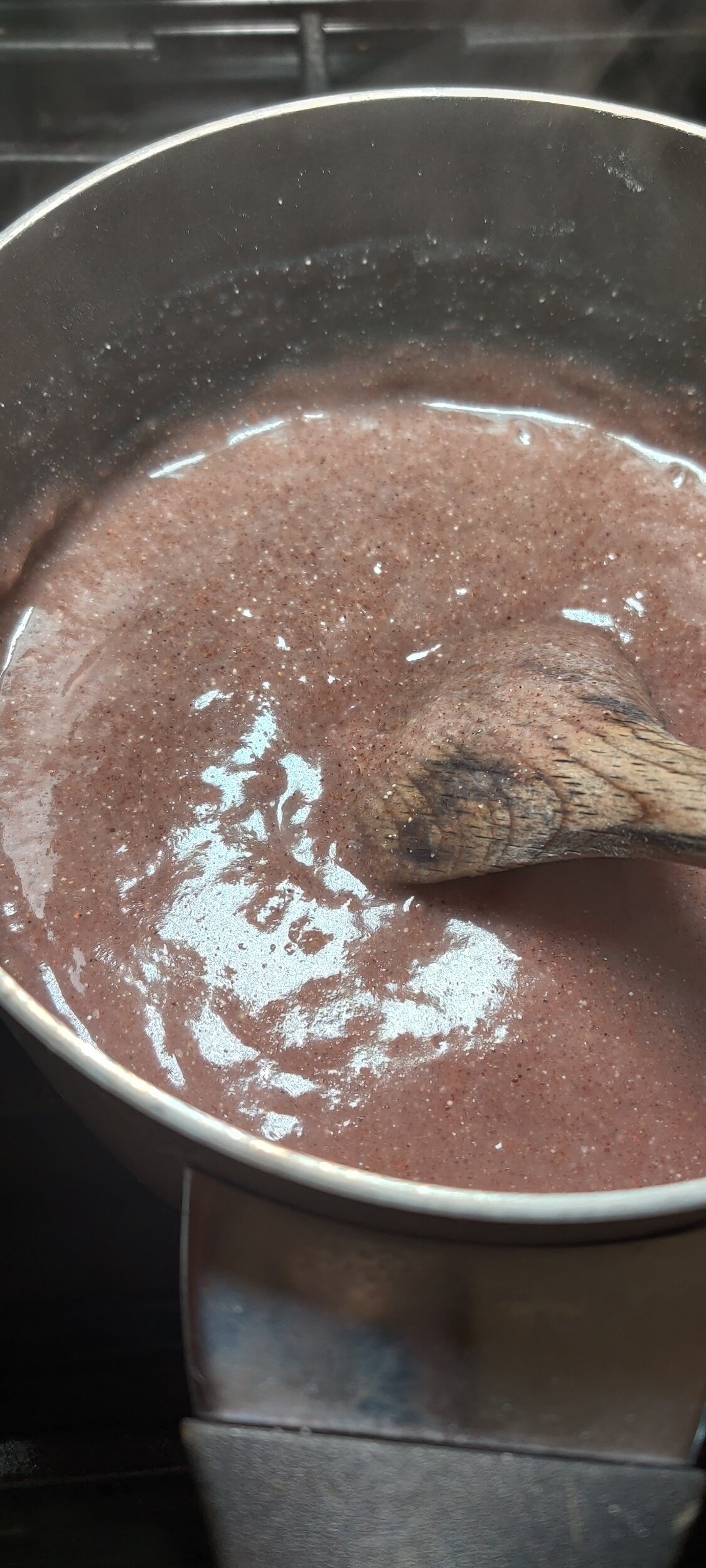
Reduce the temperature and simmer covered for 10-15 minutes.
Serve hot with sugar, honey, butter, and peanut butter.
Lemon Chicken with Caramelized Onions
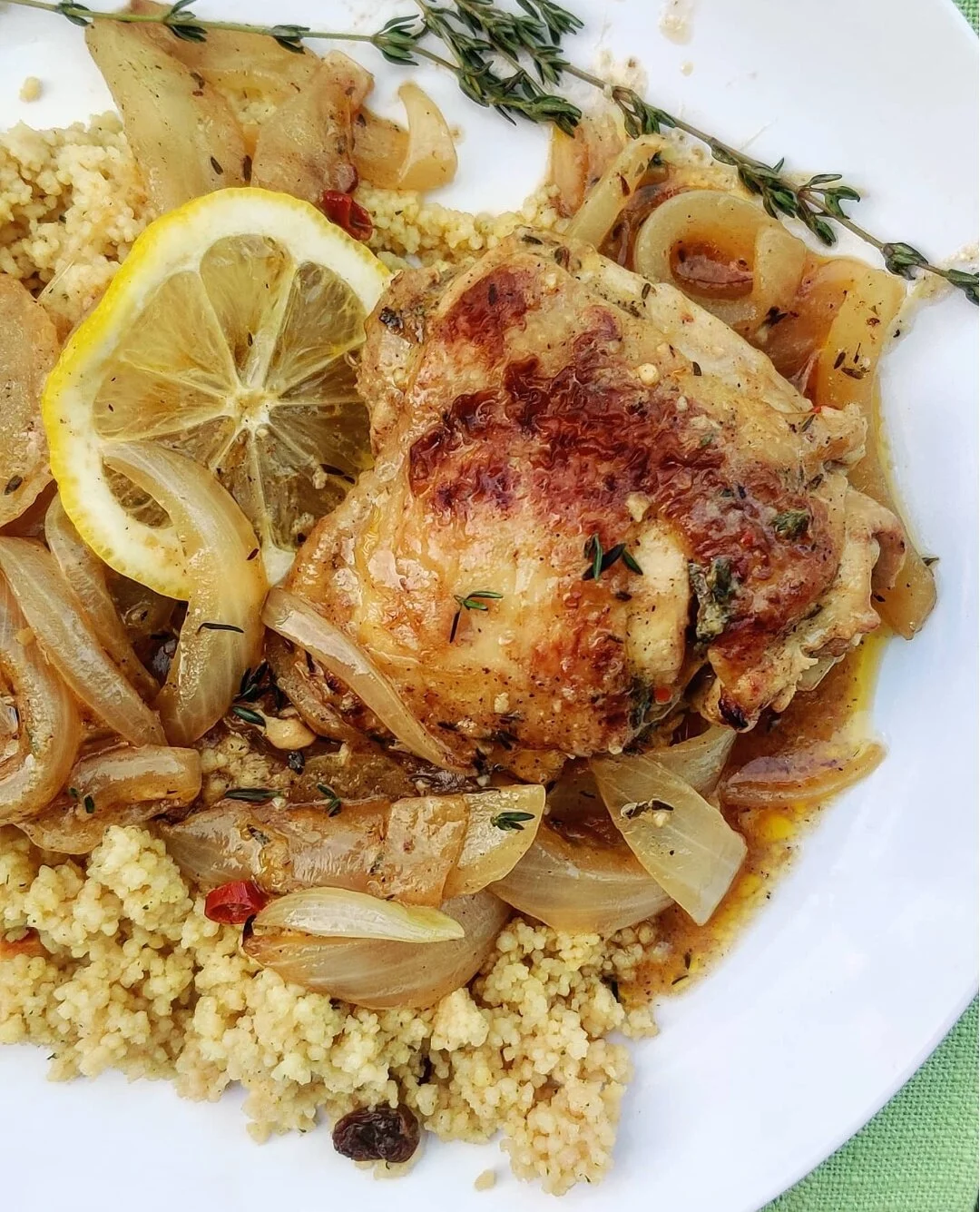
I first tried a version of this lemony, onion-packed chicken in Little Senegal in Harlem, and the flavors stuck with me ever since. The combination of tender chicken thighs, tangy lemon, and savory caramelized onions is unforgettable.
This dish works because the chicken is marinated in lemon juice, garlic, and herbs, which not only adds flavor but also keeps it juicy and tender. Searing the chicken first locks in those flavors and gives the skin a lightly crispy texture, while finishing it in the oven ensures it cooks evenly.
Cooking the onions slowly in the same pan caramelizes their natural sugars, creating a rich, tangy pan sauce that coats every piece of chicken. The balance of acidity from the lemon, warmth from the spices, and savoriness from the onions and pan sauce makes it a standout dish.
Serve it over rice or couscous, spooning extra sauce over the top. It’s perfect for weeknight dinners when you want something easy yet flavorful, and impressive enough to serve to guests.


Lemon Chicken with Caramelized Onions (Chicken Yassa)
Tender, juicy lemon chicken thighs cooked with caramelized onions, garlic, and aromatic herbs. This Chicken Yassa-inspired dish is easy to make and perfect for a flavorful weeknight dinner or a special meal. Serve with rice or couscous and enjoy every bite of the zesty, savory pan sauce.
Ingredients
- 4 chicken thighs (bone-in, skin on)
- 1 large sprig fresh thyme
- 1 tablespoon dried thyme
- 1 ½ tablespoons black pepper
- 1 teaspoon hot dried chili, finely chopped
- 2 teaspoons salt
- 2 tablespoons olive oil
- 2 tablespoons minced garlic
- 5 slices fresh lemon
- 3 tablespoons fresh lemon juice
- ¾ cup vegetable broth (½ + ¼ cup)
- 1 chicken bouillon cube
- 2 large yellow onions, thinly sliced
- 1 tablespoon butter
- 2 bay leaves
- 2 tablespoons Dijon mustard
- Olives (optional to garnish)
Instructions
- Score chicken and season with 1 tsp salt, 1 tbsp black pepper, dried chili, and minced garlic.
- Add onions, 1 tbsp olive oil, 4 lemon slices, ¾ of the fresh thyme sprig, ¼ cup broth, Dijon mustard, bay leaves, lemon juice, and dried thyme.
- Mix well, cover, and refrigerate for at least 2–4 hours or overnight.
- Heat a large ovenproof pan. Melt butter with 1 tbsp olive oil.
- Brown chicken thighs along with remaining lemon slices and thyme sprigs, ~4 minutes per side until skin is mostly crispy. Remove chicken and lemons; set aside.
- Cook onions and any remaining marinade in the pan fat for ~5 minutes until soft and caramelized.
- Add remaining broth and bouillon cube; simmer 10 minutes. Taste and adjust salt and pepper.
- Place chicken thighs on top of onions, center a hot pepper if desired. Cover with a lid and simmer 10 minutes.
- Transfer the pan to a 400°F oven and cook an additional 10 minutes. Baste chicken with onions and pan sauce at least once.
- Remove bay leaves, lemon slices, and unwanted thyme.
- Plate hot with couscous or rice. Garnish with fresh lemon slice and olives.
Notes
- Marinating: Overnight gives the deepest flavor, but 2 -4 hours is fine for a quicker meal.
- Spice level: Adjust the chili depending on your heat preference.
- Leftovers: Store chicken and onions separately in the fridge; reheat gently to avoid drying out.
Nutrition Facts
Calories
450Fat (grams)
34 gCarbs (grams)
8 gFiber (grams)
1 gProtein (grams)
28 gI am not a certified nutritionist and any nutritional information on dontmissmyplate.com should only be used as a general guideline.

Eggplant and Fish Stew
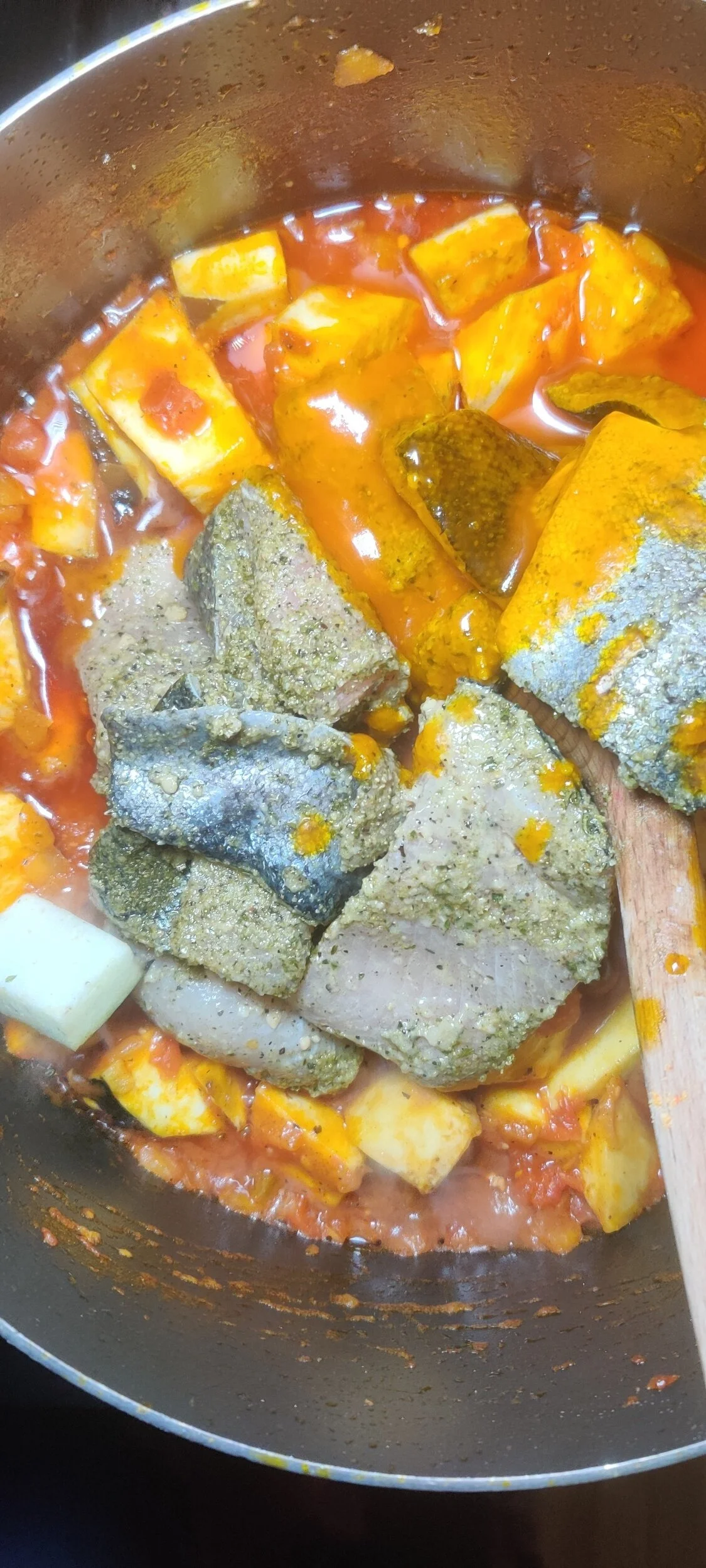
Garden egg is another term for eggplant, and they lend themselves well to stews because they absorb like sponges. The traditional Ghanaian ‘garden egg stew’ - what inspired this recipe - uses a white eggplant different the type I have always known (the elongated, purple version). The palm oil adds a unique flavor and reddish colour to the dish, but if you don’t have any babassu or coconut oil should do! That said, with the palm oil, this is a dish you will want to make once in while since it's on the greasy side, but it’s super yummy!
Ingredients
1 cup onion, chopped
1 teaspoon butter
3 large eggplants (chopped and peeled)
1 can diced tomato (15oz)
1/2 jalapeno, chopped
1 teaspoon garlic
1/4 cup palm oil
2 tablespoon fish spice
1 tablespoon lemon juice
1 teaspoon lemongrass
1 tablespoon lemongrass spice
1 tablespoon + 1 teaspoon black pepper
1 tablespoon + 1 teaspoon salt
3 trout fillets or steaks with skin, halved
3 cups broth
2-3 boiled eggs (optional)


Instructions
Step 1
Marinate your fish in 1 teaspoon lemongrass, lemon juice, 1 teaspoon salt, and 1 teaspoon pepper. Put it in the fridge for about half an hour.
Step 2
Heat the butter, onions, jalapeno, and garlic in a large pot, sauté for 3 minutes.
Step 3
Add the can of tomatoes, broth, and palm oil, cook for 5 minutes.
Step 4
Add the fish, eggplant, fish spice, lemongrass, salt, and black pepper, simmer for about 20 minutes. Top with the boiled eggs and cook for another 2-3 minutes. Careful while cooking not to over stir and break down the fish.
Serve with mealie cobs, rice, plantains, or your starch of choice, enough for 3.

Black Bean & Lentil Bobotie
Think of bobotie as a curried shepherd’s pie with a layer of egg custard instead of potato on top. This rendition of the traditionally South African dish, however, is vegetarian. The recipe usually uses ground beef seasoned with curry powder, chutney, and other fruits and spices. It is still a filling, protein-packed deal and is equally as delicious with the use of black beans, lentils, cheddar cheese, and spices familiar to Mexican cooking such as chili powder, cumin, and chipotle.
What you need 🛒🛒🛒:
1 tablespoon butter
2 tablespoons vegetable oil
1/4 cup red onion, chopped
3 large green onions/scallions, chopped
1/2 jalapeno, finely chopped
1 teaspoon garlic
1 teaspoon chili flakes
1 teaspoon salt
1 teaspoon black pepper
1 teaspoon chipotle
1 teaspoon chili powder
1 teaspoon cilantro (dried or fresh)
1 teaspoon cumin
8oz dry lentils, soaked (half a 16oz packet)
1 can black beans
1 can diced tomato (15oz)
1 tablespoon tomato paste
2 1/2 cups broth
2 slices of bread
6 bay leaves (3 to garnish)
2 eggs
3/4 cup milk
1/4 cup heavy cream
1/2 cup sharp cheddar cheese, shredded


What you do 🍳🍳🍳:
Step 1
Heat the butter and oil. Add the onions, garlic, jalapeno, and chili flakes, sauté for 3 minutes. Add all the spices, cook for another 2 minutes.
Step 2
Soak the bread in some water, set aside.
Step 3
Add the lentils, sweat them out for about 5 minutes until fragrant and they begin to soften. Add the tomatoes and tomato paste, cook for another minute.
Step 4
Add the broth, black beans, and 3 bay leaves, simmer for about 10 minutes.
Step 5
Squeeze the water out of the bread then whisk it into the pot, remove the bay leaves.
Step 6
Pour the mix into an oven-proof pan, sprinkle the cheese on top.
Step 7
Beat the eggs, cream, and milk, season with some salt and pepper. Pour over the bean mix, top with some bay leaves and bake at 350F for 40-45 minutes. (Broil for an additional 5-10 minutes to further brown/cook the egg custard if necessary).
Serve hot with avocado and sour cream, enough for 4-5.