

Huku ne Dovi (Zimbabwean Peanut Chicken Stew)
How to Make Chicken Stew at Home
Zimbabwean Peanut Chicken Stew, also known as huku ne dovi, is a rich and hearty dish that brings together tender chicken, creamy peanut butter, fresh vegetables, hot chilies, and aromatic spices. The result is a perfectly balanced blend of savory and nutty flavors. Whether served over rice, sadza (Zimbabwe’s staple maize porridge), or with warm bread, this traditional dish is a true comfort food favorite.
It might seem like an unusual combination, but across several African cultures, this pairing is wholeheartedly embraced as a bold, comforting meal. In my household, we didn’t have it often, but when we did, it was a glorious treat—especially during the colder months.
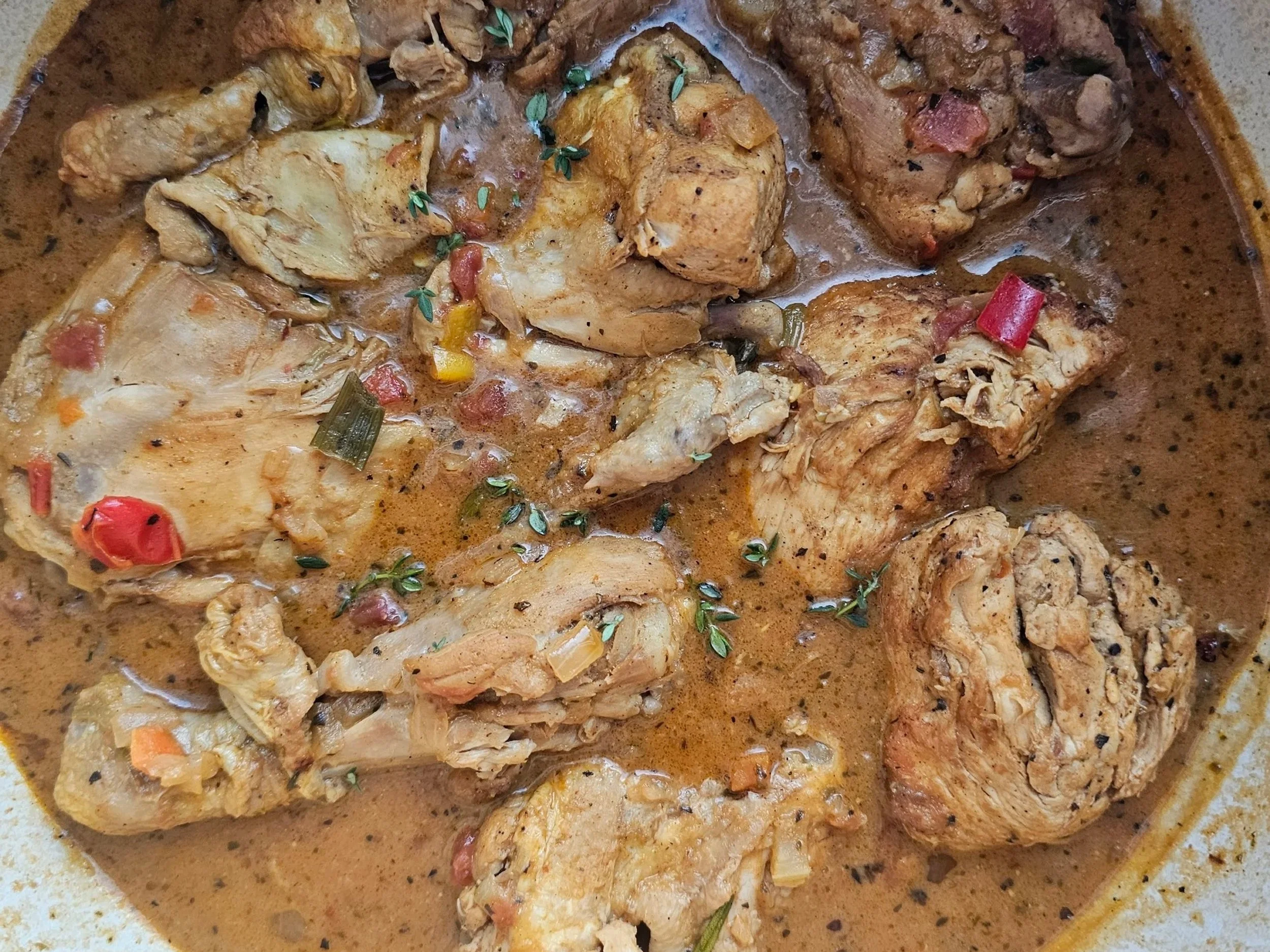
A Note on Chilies and Peanut Butter
The key to this dish lies in balancing the heat of the chilies with the creamy sweetness of the peanut butter. You’ll want just enough of both to create a harmonious dance of flavors on your taste buds. That interplay is where the magic of this stew truly shines.
Chicken Texture: Crispy or Tender?
When it comes to the texture of the chicken, there are two camps:
Tender and falling off the bone – Juicy chicken pieces that soak up the stew’s flavors.
Crispy and intact – For those who prefer firmer, browned pieces of chicken.
If you belong to the second group, hold off on adding the chicken back to the pot after browning, or roast the pieces separately and add them just before serving. This way, the chicken stays crispy and retains its texture.
Adjusting the Sauce Consistency
The thickness of the sauce can also be tailored to suit your preference:
Thinner Sauce: Ideal for serving over rice—just shy of soup-like, but light enough to soak into the grains.
Thicker Sauce: Perfect for pairing with sadza or bread, as it clings better to each bite. For a thicker consistency, follow the optional instructions to reduce and thicken the sauce once the flavors have melded together.

Need Some Extra Tips for Your Chicken Stew?
1. Choose the Right Cut of Chicken. Bone-in, skin-on chicken pieces (like thighs, drumsticks, or a whole chicken cut into parts) add rich flavor to the stew. Boneless cuts are also fine but may cook faster and lack the depth of flavor bones provide.
2. Brown the Chicken First. Sear the chicken pieces in hot oil until golden brown before adding them to the stew. This step locks in flavor and adds a delicious depth to the dish.
3. Build Flavor with Aromatics. Use a base of onions, garlic, and fresh or dried herbs like thyme, rosemary, or bay leaves. These aromatics infuse the stew with a rich, savory aroma.
4. Don’t Rush the Cooking Process. A good stew takes time. Simmering the chicken slowly allows the flavors to meld and the meat to become tender. Resist the urge to boil, as this can make the meat tough..
5. Season in Layers. Season the chicken, the broth, and the vegetables as you go. This ensures the flavors are well-balanced throughout the dish. Adjust salt and spices as needed during cooking.
6. Use a Flavorful Liquid. Chicken broth, stock, or even a combination of broth and water enhances the stew's richness. You can also add a splash of wine, coconut milk, or tomato puree for added depth, depending on the recipe.
8. Thicken the Stew to Your Liking. For a thicker consistency, use flour or cornstarch as a thickener. You can also mash a few of the potatoes or add a slurry (a mixture of flour or cornstarch with water).
9. Taste and Adjust Seasoning. Before serving, taste the stew and adjust seasoning with salt, pepper, or a squeeze of lemon juice for brightness.
10. Garnish for Extra Flavor. Add fresh herbs like parsley, cilantro, or dill just before serving for a pop of freshness. You can also top the stew with a dollop of sour cream or a drizzle of olive oil for added richness.
11. Let It Rest. Allow the stew to sit for a few minutes off the heat before serving. This helps the flavors settle and intensify.
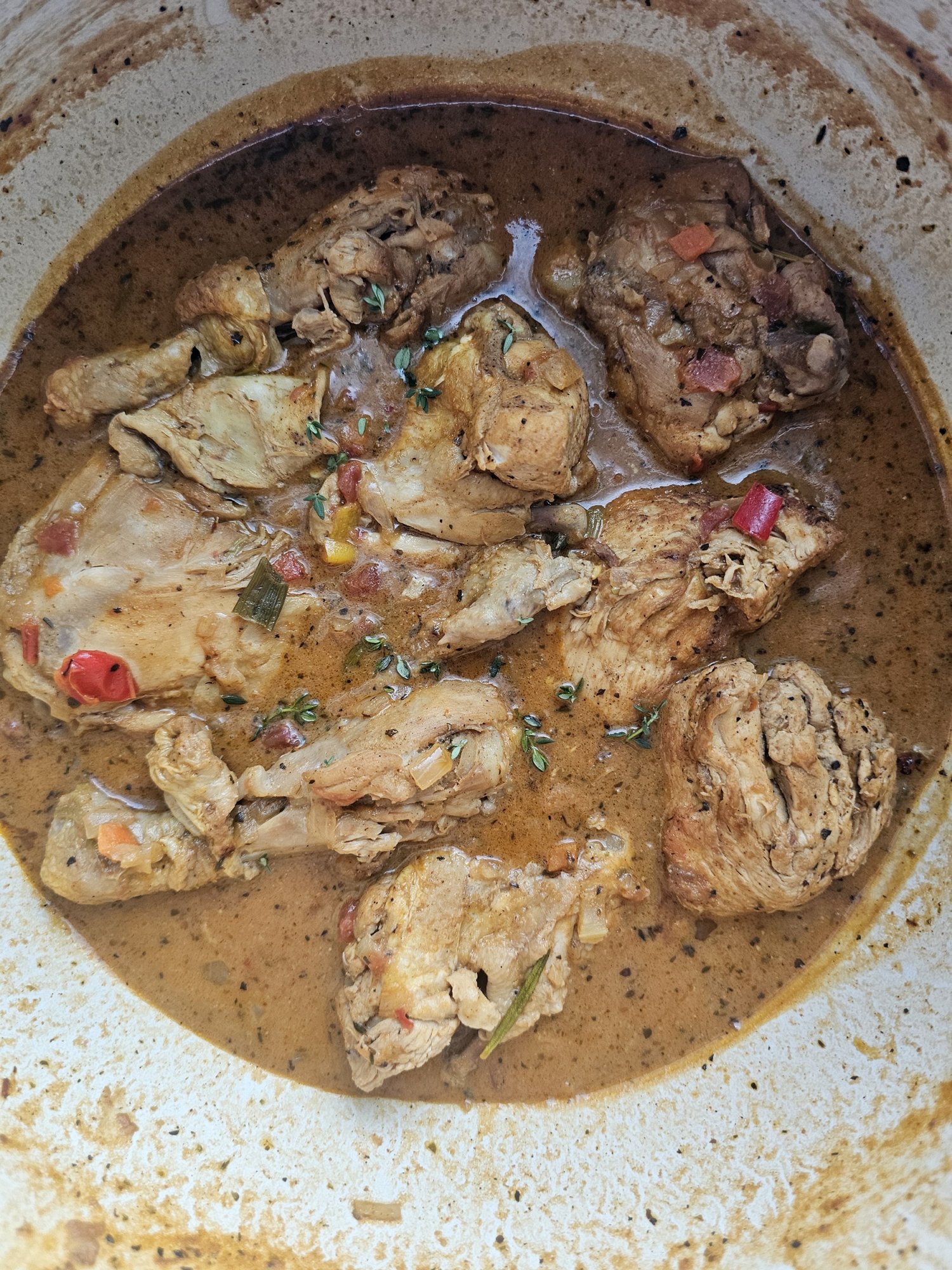
Huku ne Dovi (Spicy Zimbabwean Peanut Chicken Stew)
Zimbabwean Peanut Chicken Stew, or *huku ne dovi*, is a flavorful and comforting dish that combines tender chicken, smooth peanut butter, vibrant vegetables, spicy chilies, and fragrant spices.
Ingredients
- 1/4 cup olive oil
- 1 whole chicken, cleaned and cut into pieces
- 2 tablespoons chicken spice (I used Hind’s)
- 2 green onions
- 1 large hot chilli pepper
- 1/2 large yellow onion
- 1/2 cup mirepoix (chopped onion, carrots and celery)
- 1-2 tablespoons butter
- 1 tablespoon garlic powder
- 1 teaspoon black pepper
- 1 tablespoon paprika
- 1 tablespoon Royco Usavi Mix
- 3 chicken bouillon cubes
- 1/3 cup red wine
- 1 cup diced tomatoes
- 3 sweet bell peppers
- 1/3 cup peanut butter
- 2 tablespoons tomato paste
- 1 teaspoon ginger
- 1 teaspoon cumin
- 1 teaspoon coriander
- 1 teaspoon herb blend (I used basil and thyme)
- 3 cups water
- 3 bay leaves
- 2-3 tablespoons cornstarch or flour (optional)
Instructions
- Season the chicken with all-purpose chicken spice, then brown it in a Dutch oven or non-stick pan over medium to medium-high heat. Once browned, remove the chicken and set it aside.
- In the same pot, add the remaining oil and butter. Stir in the mirepoix, onions, bouillon cubes, garlic powder, black pepper, paprika, and Royco Usavi Mix. Sauté for 2-3 minutes until caramelized. Deglaze the pot with the wine, scraping up any browned bits to incorporate all the flavors.
- Next, add the tomatoes, peppers, chili peppers, cumin, ginger, and coriander. Cook for 1-2 minutes to allow the spices to bloom and the vegetables to soften.
- Return the chicken to the pot and pour in the water. Add more water if you prefer a thinner stew or soup-like consistency. Ensure as much of the chicken as possible is submerged to help it cook evenly. Simmer on low heat for 15-20 minutes.
- In a small bowl, mix the peanut butter with some of the hot stew liquid to thin it out. Stir in the tomato paste, then add the mixture to the pot, ensuring it is evenly distributed.
- Add the bay leaves and continue simmering for another 15-20 minutes.
- Optional: After 5-10 minutes, if you don’t want the chicken to fall off the bone, you can remove it and let the stew continue cooking separately to allow the flavors to come together.
- To thicken the sauce: Remove the chicken, then mix 2 tablespoons of cornstarch or flour with hot liquid from the pot to create a smooth slurry. Stir the slurry back into the pot, mixing well to activate the thickening. Continue cooking until the desired consistency is achieved.
- Season to taste, return the chicken to the pot, and serve hot with yellow rice or your preferred starch.
Nutrition Facts
Calories
438Fat (grams)
20.3 gSat. Fat (grams)
4.8 gCarbs (grams)
62.1 gFiber (grams)
18.5 gProtein (grams)
15.6 gI am not a certified nutritionist and any nutritional information on dontmissmyplate.com should only be used as a general guideline.

Baked Snapper with a Quick African Pepper Sauce
At least in its authentic glory, African pepper sauce is commonly served as a condiment, dip or cooking sauce to pair with grilled meats and vegetables or used in stews, giving your dish a perfect balance of heat and depth of flavour. It's most popular in West Africa, but you see other versions of this with other peppers taking centre stage across the Continent. The combination of peppers, herbs, and spices can enhance or top off almost any dish, and it is extremely versatile. I pick this over conventional hot sauce any day because it uses fresh vegetables, and you can make batches to freeze for future use.
This version provides a quick, easy and convenient way to add flavour to your fish. I used red snapper in this recipe, but you can also use halibut, sea bass, bream, tilapia, or any fish with a mild taste that will absorb all the flavours. For the pepper sauce, instead of cooking down and frying the blended vegetables on the stovetop as is typically done, I roasted the vegetables to bring the flavours out before blending them, then used the pepper mix to coat the fish while it baked.
One great thing about this sauce is that you can tailor it to your tastes and tolerance by adding more or fewer tomatoes and peppers. You can also remove the seeds from the hot peppers to take the heat down a notch. I prefer habanero peppers in terms of the heat and flavour, but you can use a range of peppers, from jalapenos to scotch bonnet. In any case, I recommend using the freshest ingredients possible. In addition, especially since peppers are part of the Dirty Dozen, try using organic peppers if you can afford them.

Baked Red Snapper with Quick African Pepper Sauce

Ingredients
- 1 large red snapper
- 1 tablespoon garlic powder
- 2-3 garlic cloves
- 2 lemon slices (optional)
- 1 sprig fresh thyme
- 1 sprig fresh parsley
- 2 teaspoons salt
- 2 teaspoons black pepper
- 2 teaspoon Royco Usavi Mix (optional)
- 2 teaspoons oregano
- 2 teaspoons basil
- 1/2 cup olive oil, and extra for roasting the peppers
- 1 teaspoon salt
- 1/2 teaspoon black pepper
- 1 chicken bouillon cube
- 1/4 cup parsley, stems removed
- 5 large basil leaves
- 1/3 large yellow onion
- 3-4 mini sweet peppers
- 2 small habanero peppers
- 1 1/2 - 2 Roma tomatoes
- 1 inch piece fresh ginger
- Salt and pepper to taste
Instructions
- Place your peppers, onion, tomato, and garlic on a baking sheet with parchment paper—season with salt and pepper to taste.
- Roast the vegetables for 25 minutes at 400F or until roasted to your desired doneness.
- Remove from the oven and allow to cool for 15 minutes, then transfer to a food processor or blender. Add the ginger, parsley, basil, bouillon cube, salt, and pepper. Blend until combined, and a paste forms. Add the olive oil during this process to help smoothen the mixture.
- Set aside while you prepare the fish.
- Make sure your fish is clean, and then pat it dry with paper towels. Add the salt, pepper, garlic, herbs, and optional Royco/all-purpose seasoning.
- Stuff the inside of the fish with the thyme, parsley, lemon and garlic.
- Place the fish inside some foil and place it on a baking tray. Spoon the pepper sauce over both sides of the fish, ensuring it is fully coated.
- Place the fish in the oven and bake at 350F for 30 minutes. After 15-20 minutes, remove the fish, open the foil (without burning yourself with the hot air) and baste the sauce over the fish.
- Leave the foil open and allow the cause to continue cooking. This will help thicken and caramelize the sauce, developing the flavours further.
- Remove from the oven and spoon some sauce into the serving dish, placing the fish on top and adding the rest of the sauce on top. Garnish with fresh parsley and serve!
Notes
- To avoid overcooking the fish, check the internal temperature after 15-20 minutes and use that to determine how much more time you need.
- If you want a thicker sauce, you can place it on the stovetop before covering the fish with it and baking.
- If you get fresh fish from the market, ensure it is cleaned and descaled.
Nutrition Facts
Calories
237Fat (grams)
13.3 gSat. Fat (grams)
1.9 gCarbs (grams)
24.9 gFiber (grams)
6 gProtein (grams)
10.9 gI am not a certified nutritionist and any nutritional information on dontmissmyplate.com should only be used as a general guideline.

Oxtail and Butternut Stew
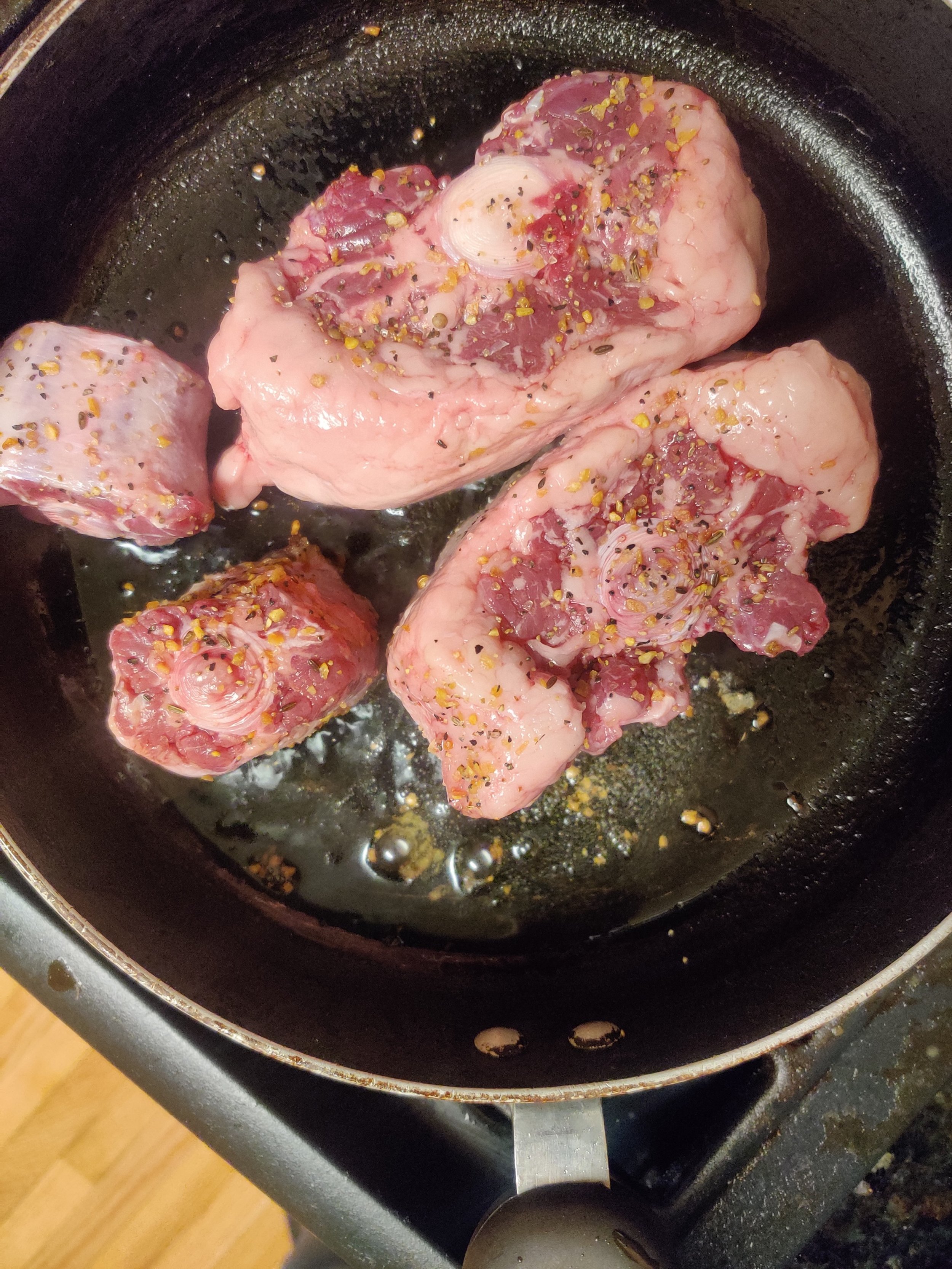
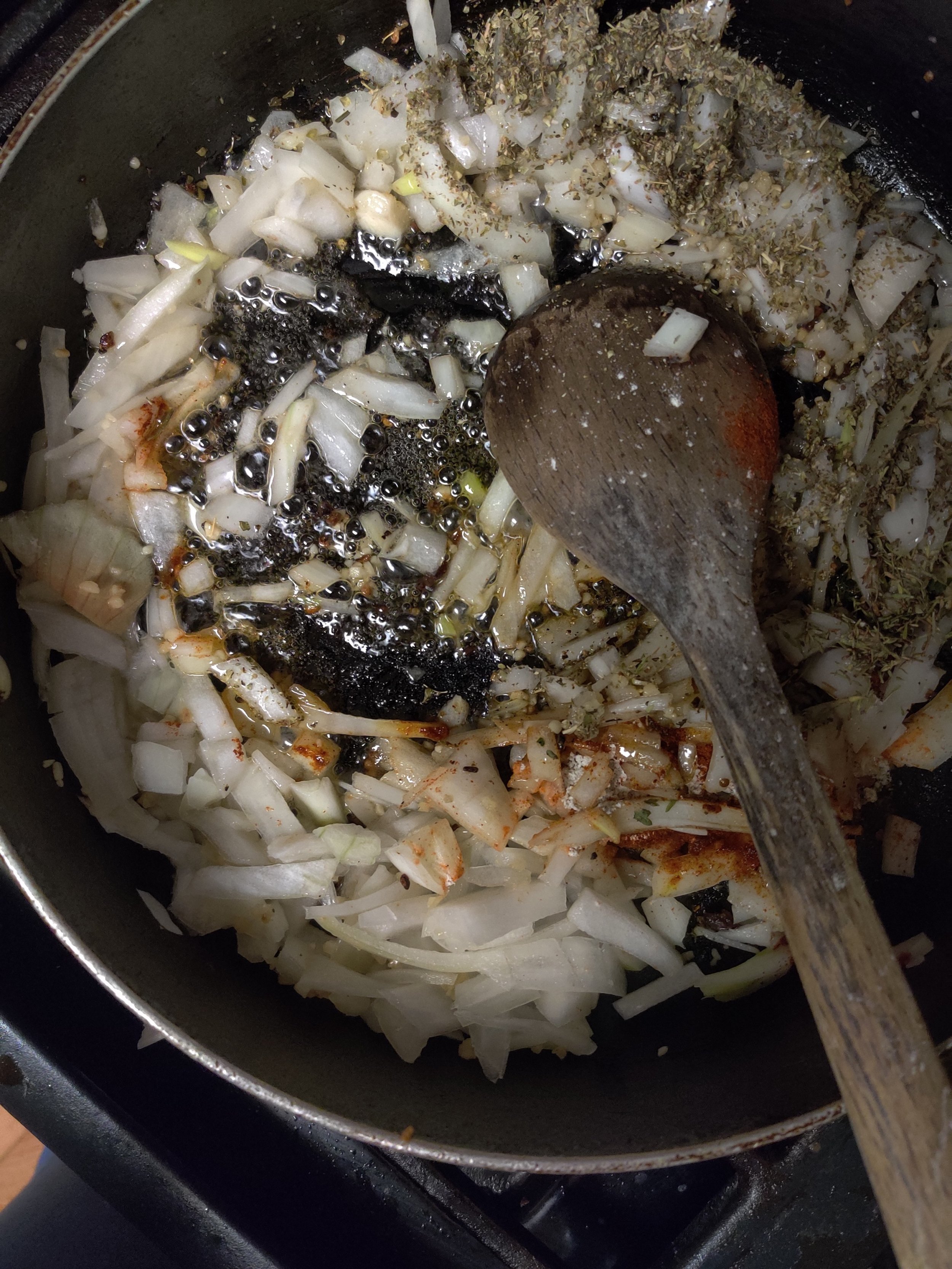
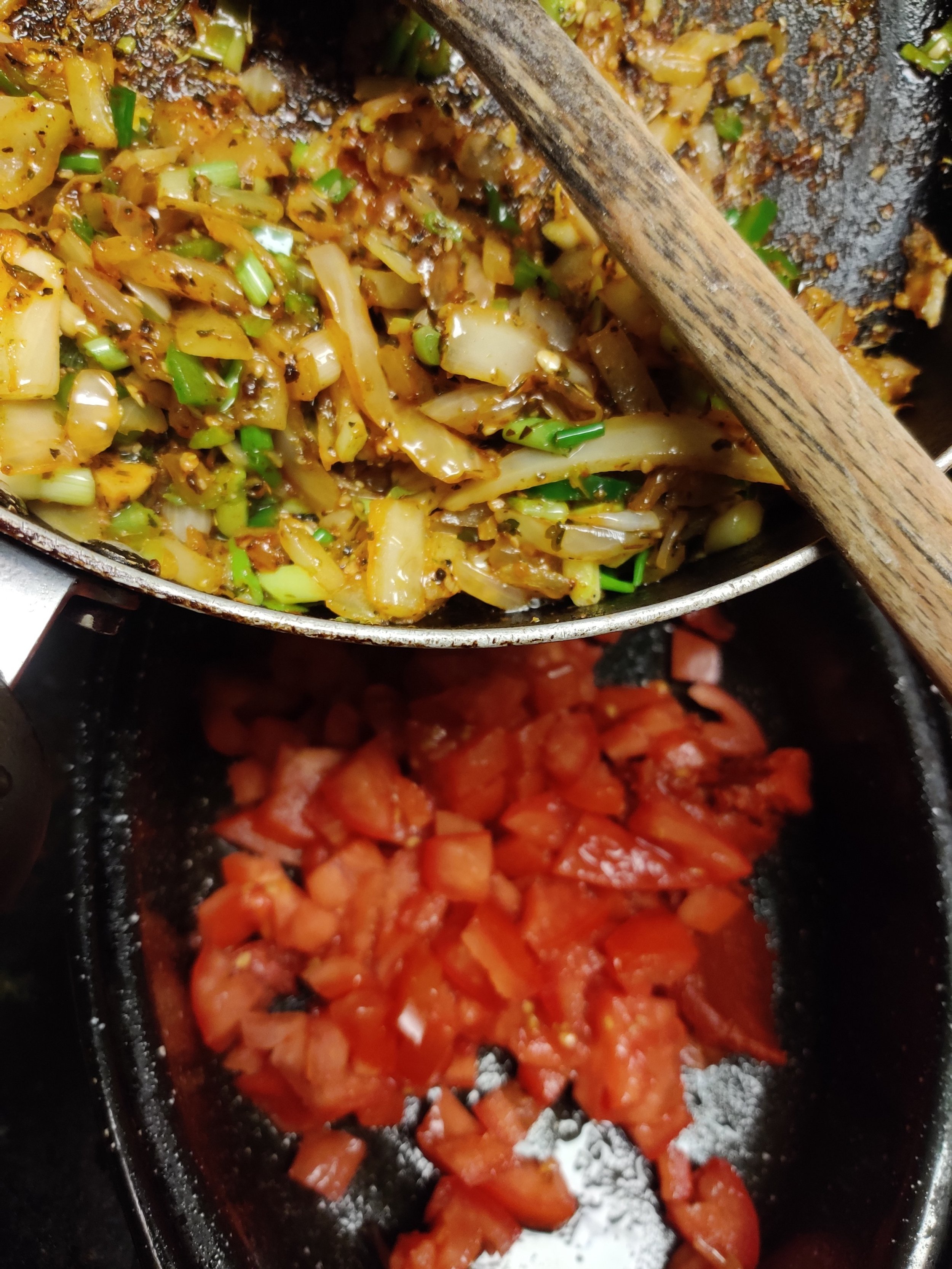
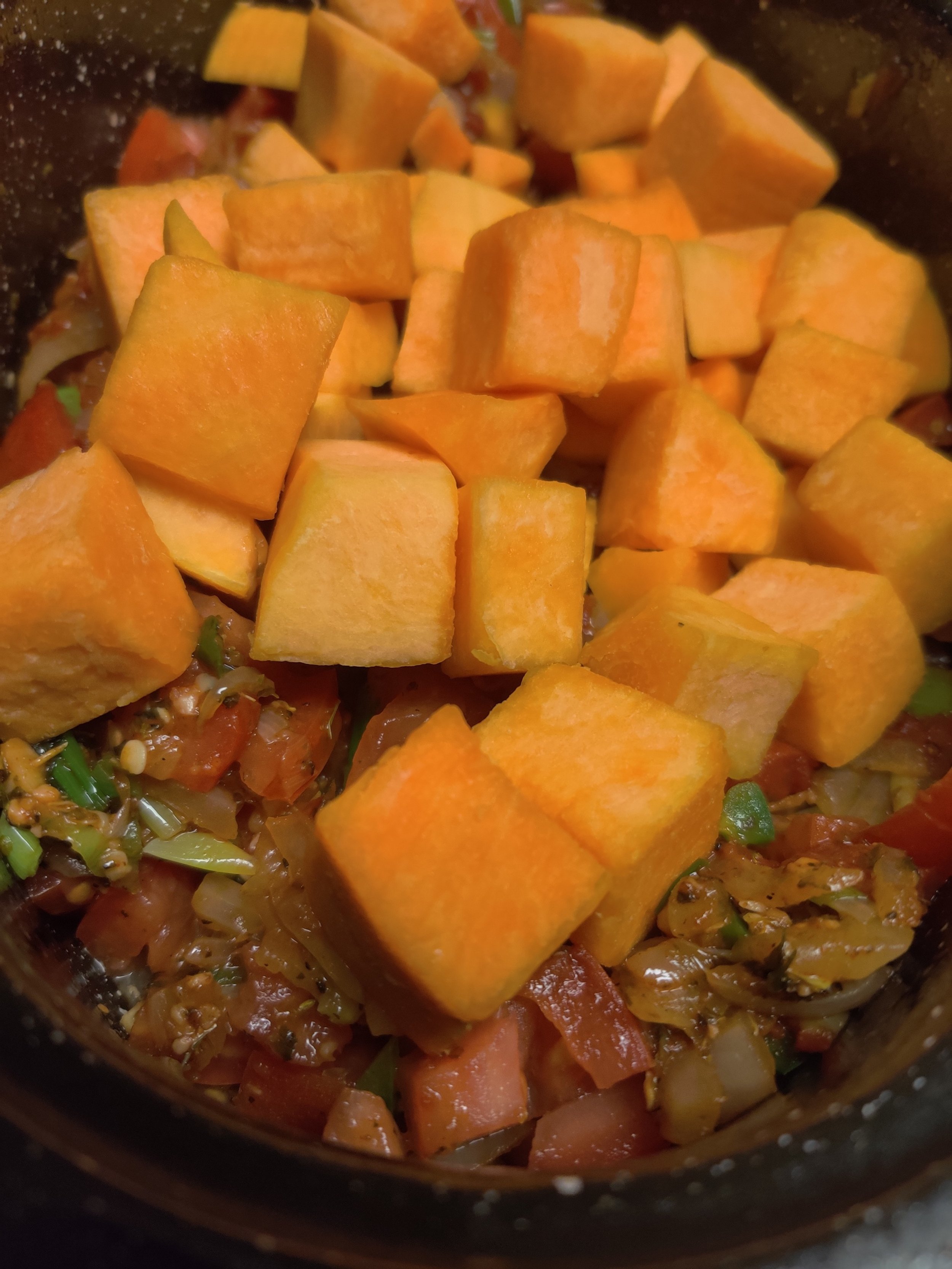
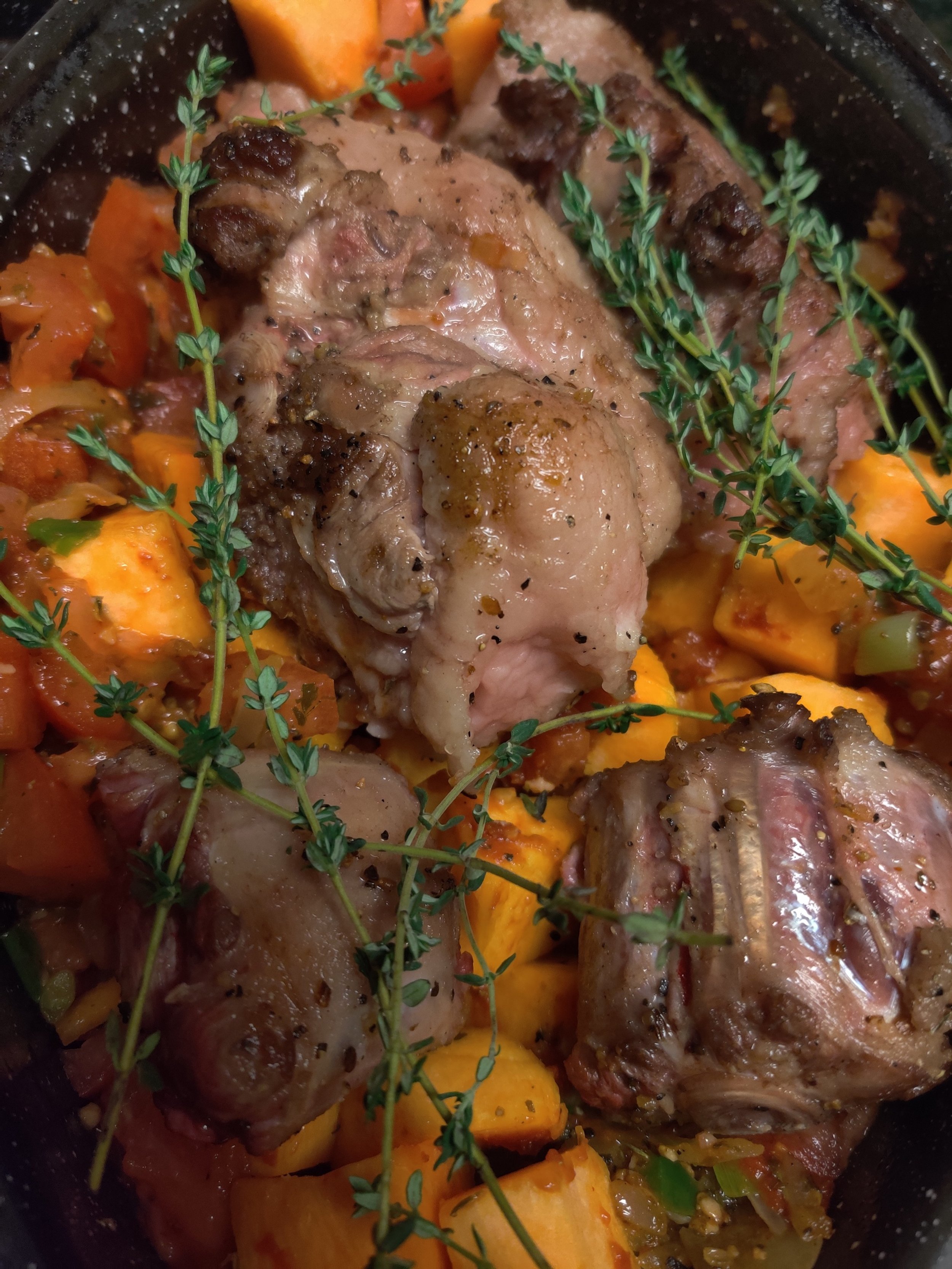
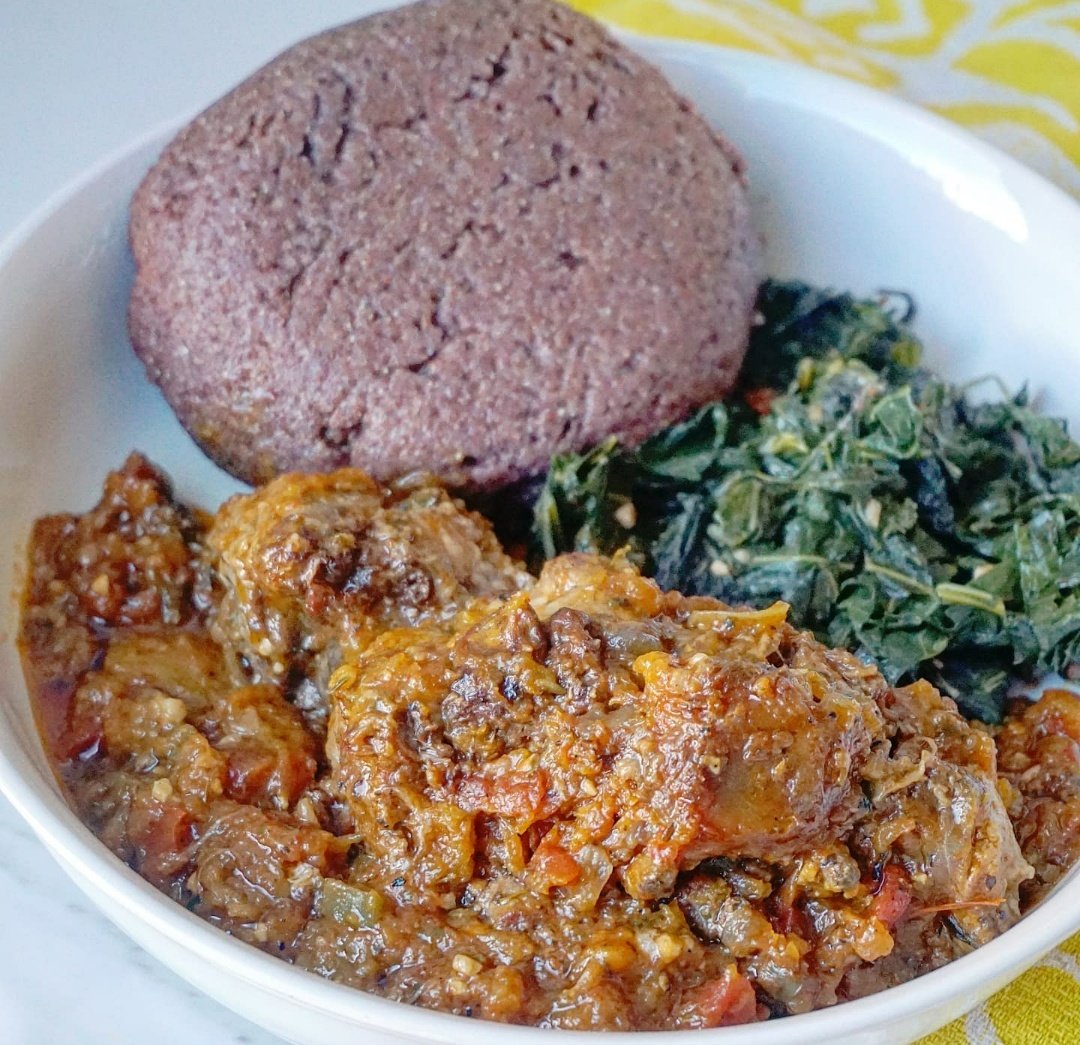
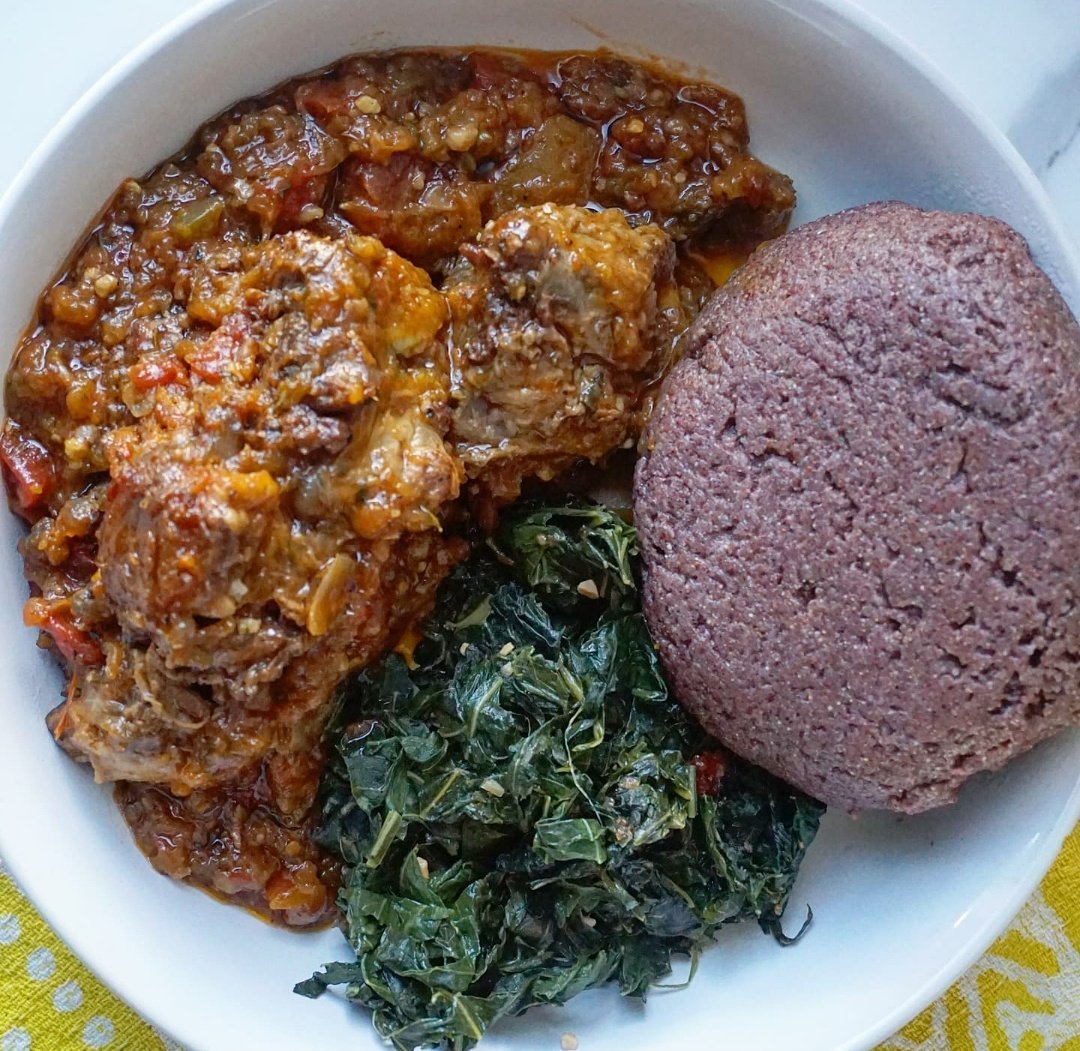
Oxtail. A delicacy set aside for special occasions (at least for me growing up in Zimbabwe). Whenever I saw my mother preparing the bones for the pressure cooker, I would get so excited. Nothing delighted me more than watching every part, from the chopping of the green onions to the constant check-ups and stirs. I've tried oxtail in various cuisines, from Vietnamese oxtail pho to Jamaican jerk oxtail with white beans. I appreciated both, but this simple version of slow cooking the bones with tomatoes and onions many Zimbabwes tend to go for is ideal, in my opinion!
Southern African potjiekos inspired this recipe. Potjiekos are stews left untouched in cast-iron three-legged pots over hot coals, often a mixture of meat, bones and vegetables. With this method in mind and to add some substance, I used butternut.
Oxtail is something to indulge in once in a while, but it's worth it every time. Check out this recipe if you need instructions for the sadza (traditional Zimbabwean starch made of mealie/cornmeal cooked into a soft, thick porridge), although in this case I used finger millet (zviyo).

Spicy Roasted Butternut and Peanut Soup
When the weather gets chilly, all you need is a hot bowl of soup. This recipe will give you something rich, creamy, smooth, and flavorful, thanks to the spices and, of course, the texture of the peanut butter.
Yes, butternut (or pumpkin and other members of the squash family) goes well with the nutty condiment. In Zimbabwe, it's a common practice to combine the two, whether it's the flesh of the vegetable or the leaves (muboora or pumpkin leaves cooked with peanut butter and chilies, for instance, is quite popular--the peanut butter serving as a substitute protein from meat and well, to enjoy!).
The trick to get the silky texture if you desire is to use a good quality blender, and to be patient; you'll get there! This soups is super easy and will impress anyone you make it for.
Ingredients
Spicy Roasted Butternut:
48-ounces chopped butternut
1 tablespoon chili flakes
1 tablespoon garlic powder
1 tablespoon steak seasoning (mixture of ground salt and black pepper)
1 teaspoon dried rosemary
1 tablespoon cayenne powder
1 tablespoon smoked paprika
1/4 cup olive oil
8-ounces mirepoix (mix of 2 parts onion, 1 part carrots and 1 part celery)
1 red bell pepper, diced
1 jalapeno, diced
1 teaspoon salt
1 tablespoon black pepper
1 teaspoon cayenne powder
1 tablespoon curry powder
1 teaspoon Royco Usavi (optional)
1 teaspoon smoked paprika
1 tablespoon garlic powder
1 teaspoon ginger powder or fresh, grated ginger
2 1/2 cups broth (add more as needed)
1 2 tablespoons butter
12 tablespoons bacon fat (optional)
2 tablespoons tomato sauce
1/4 cup Worchester sauce
1/2 cup heavy cream
1/3 cup peanut butter
Cilantro
Peanuts
Instructions
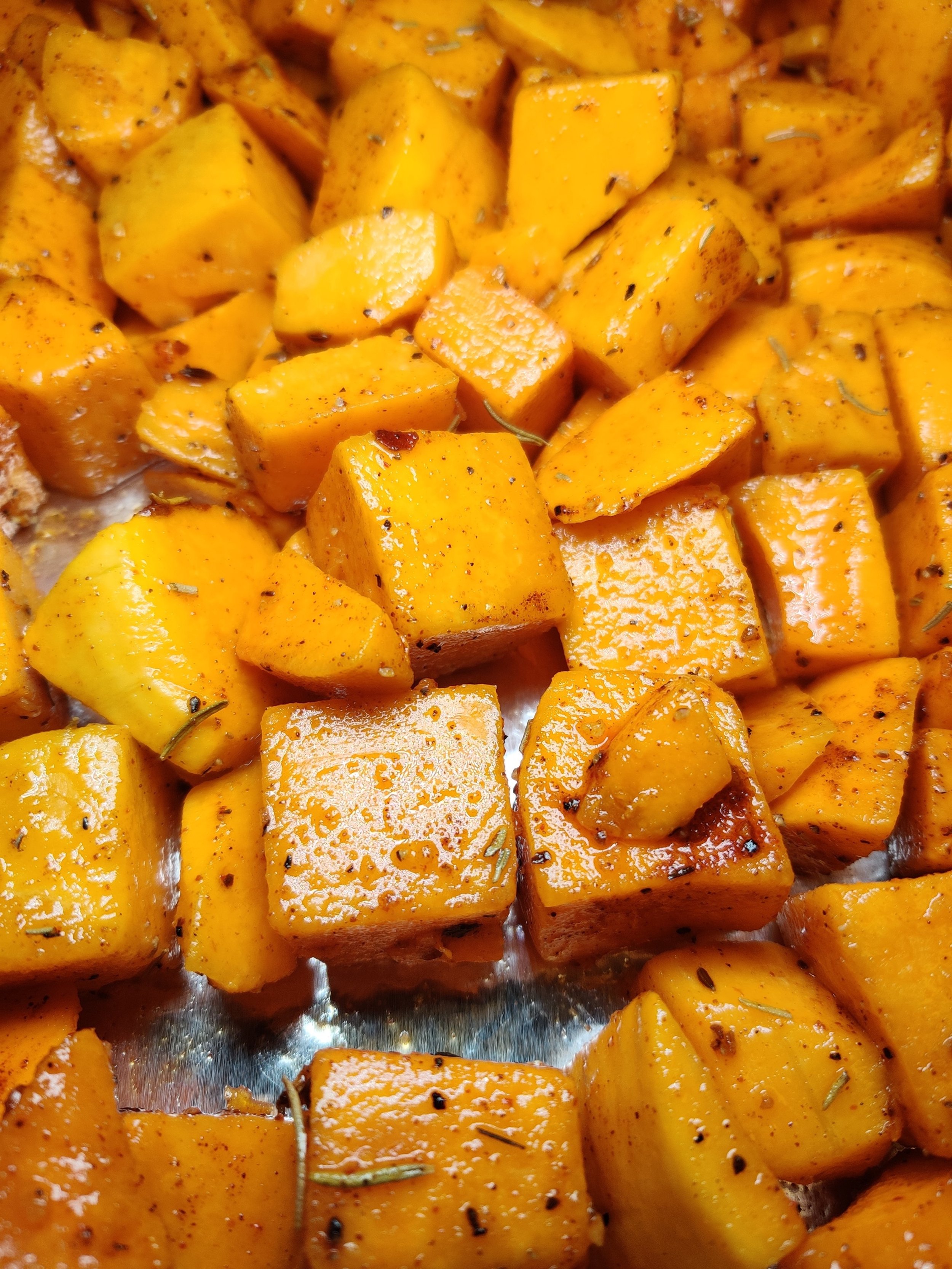
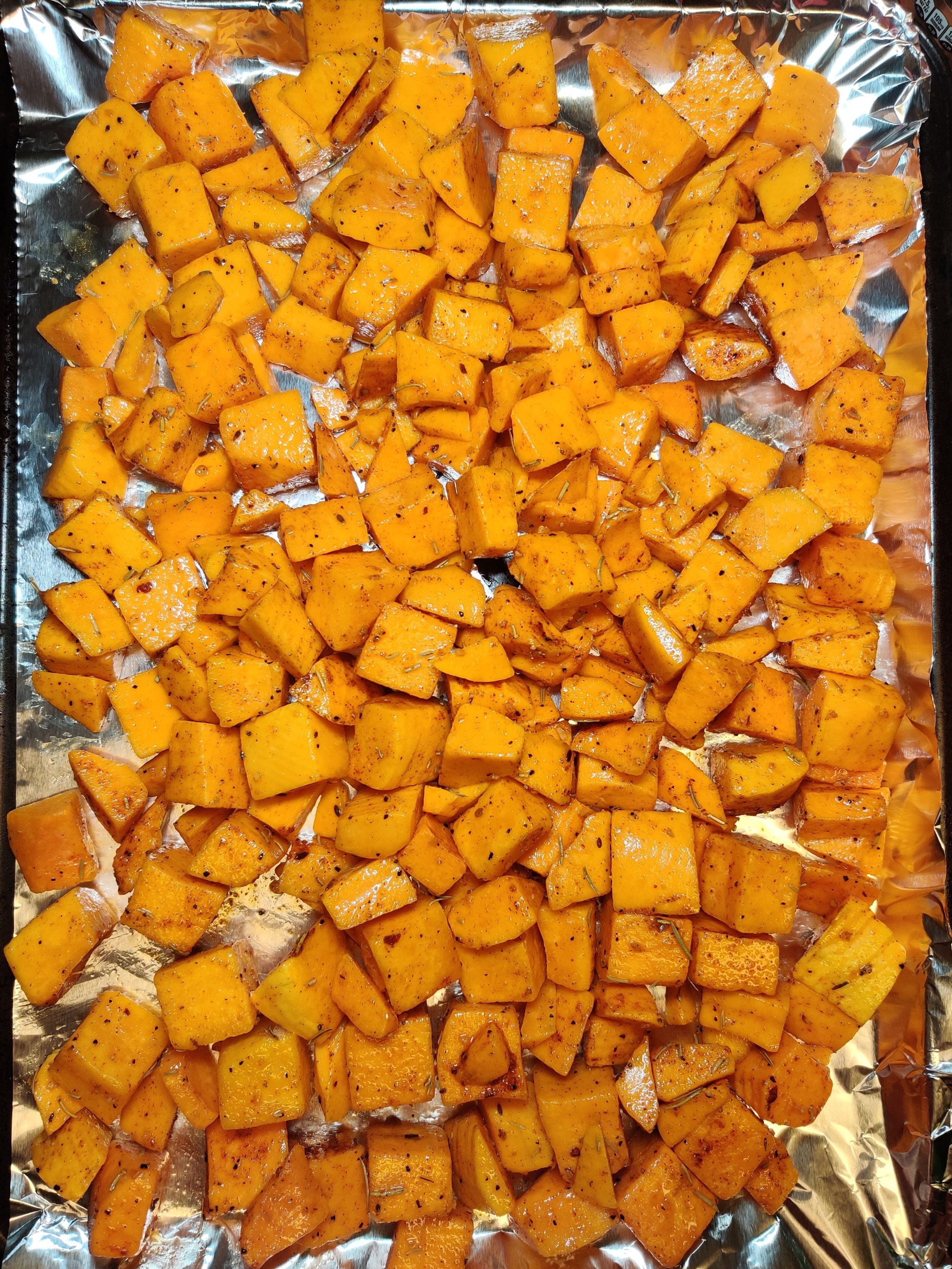
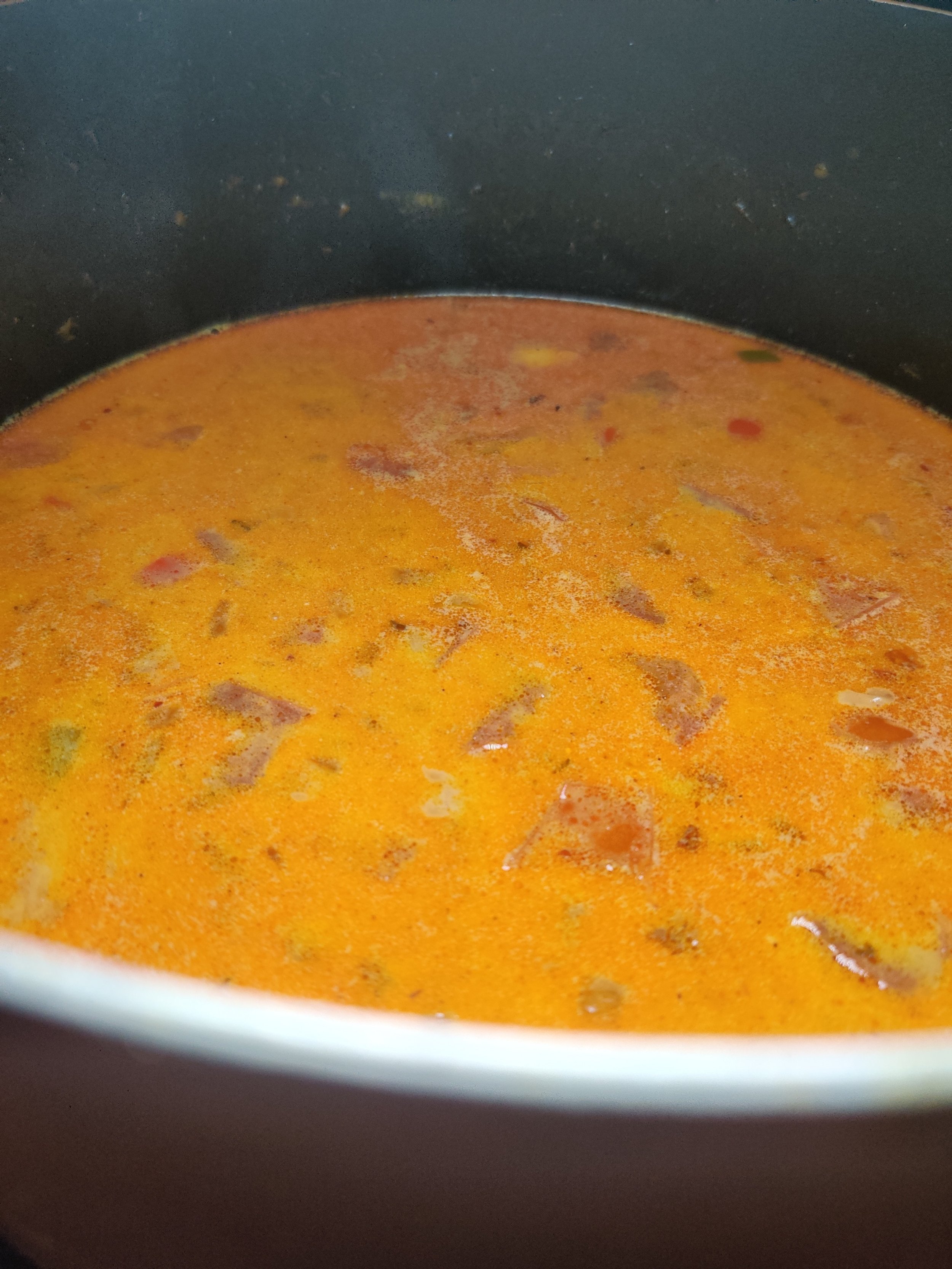
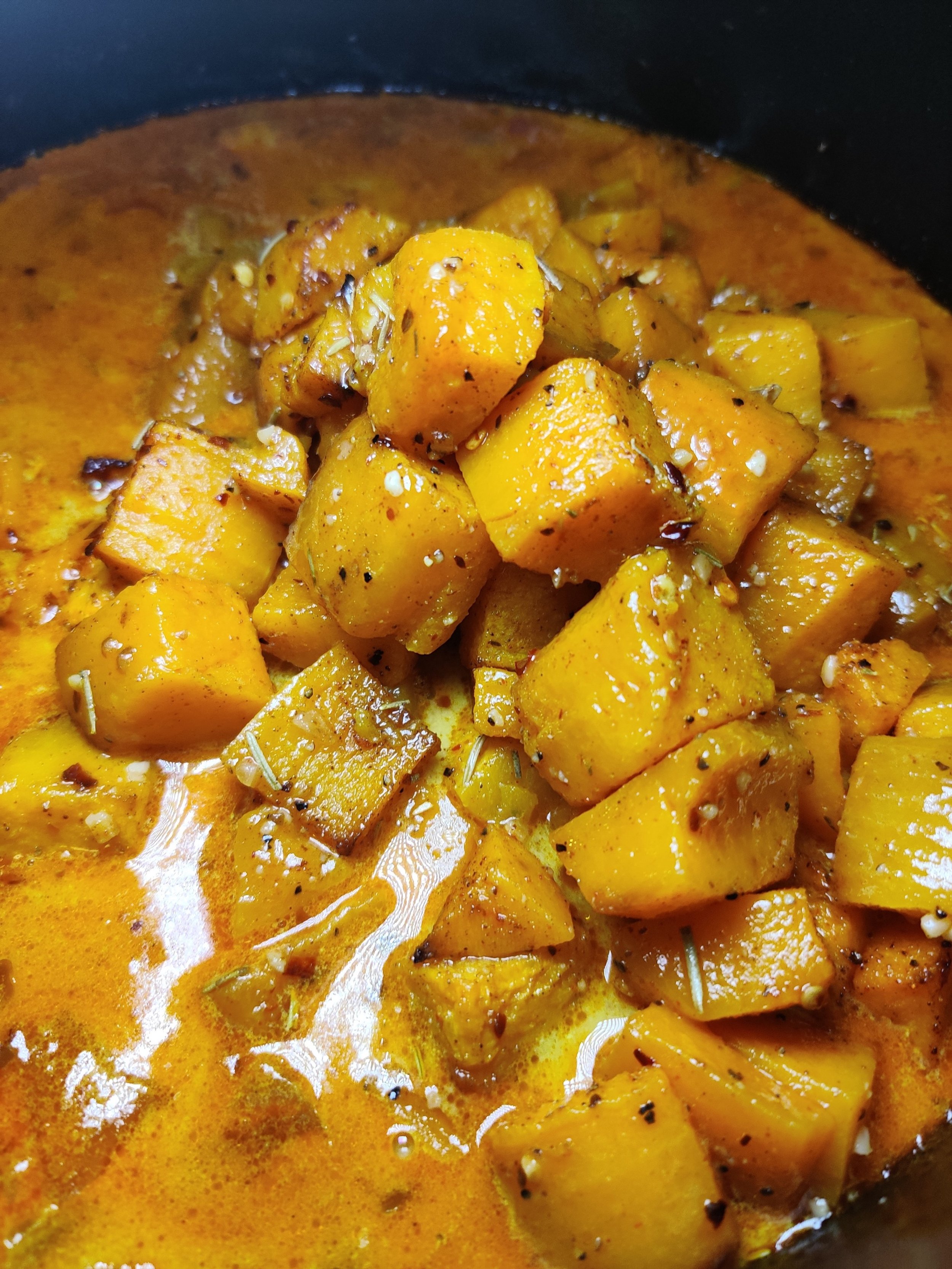
Toss the diced butternut in the olive oil, spices and rosemary, and bake at 400F for 12-15 minutes on parchment paper and a baking tray. The butternut should be fully cooked and caramelized on the outside. Remove from oven and set aside, including a few pieces to garnish.
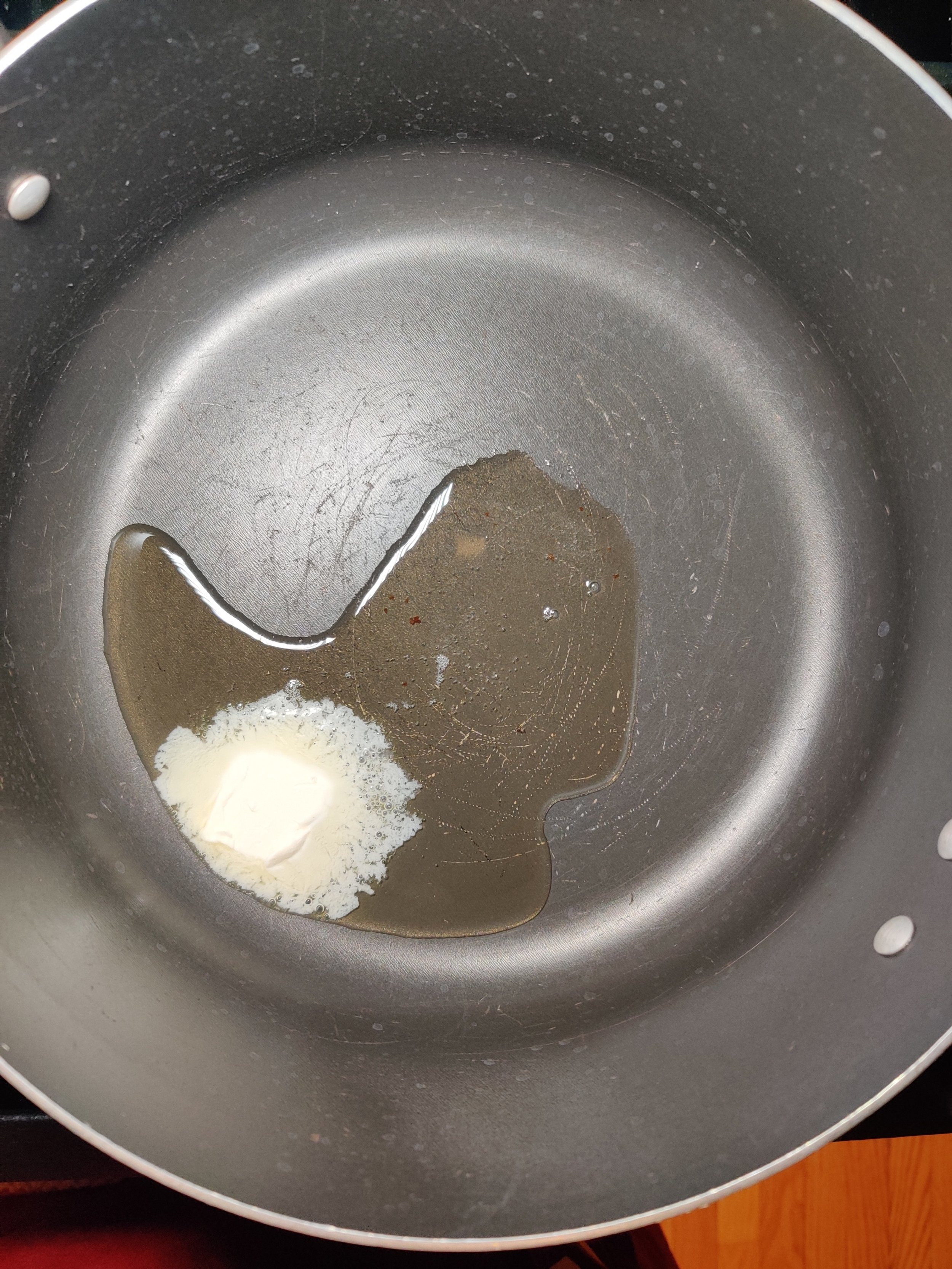
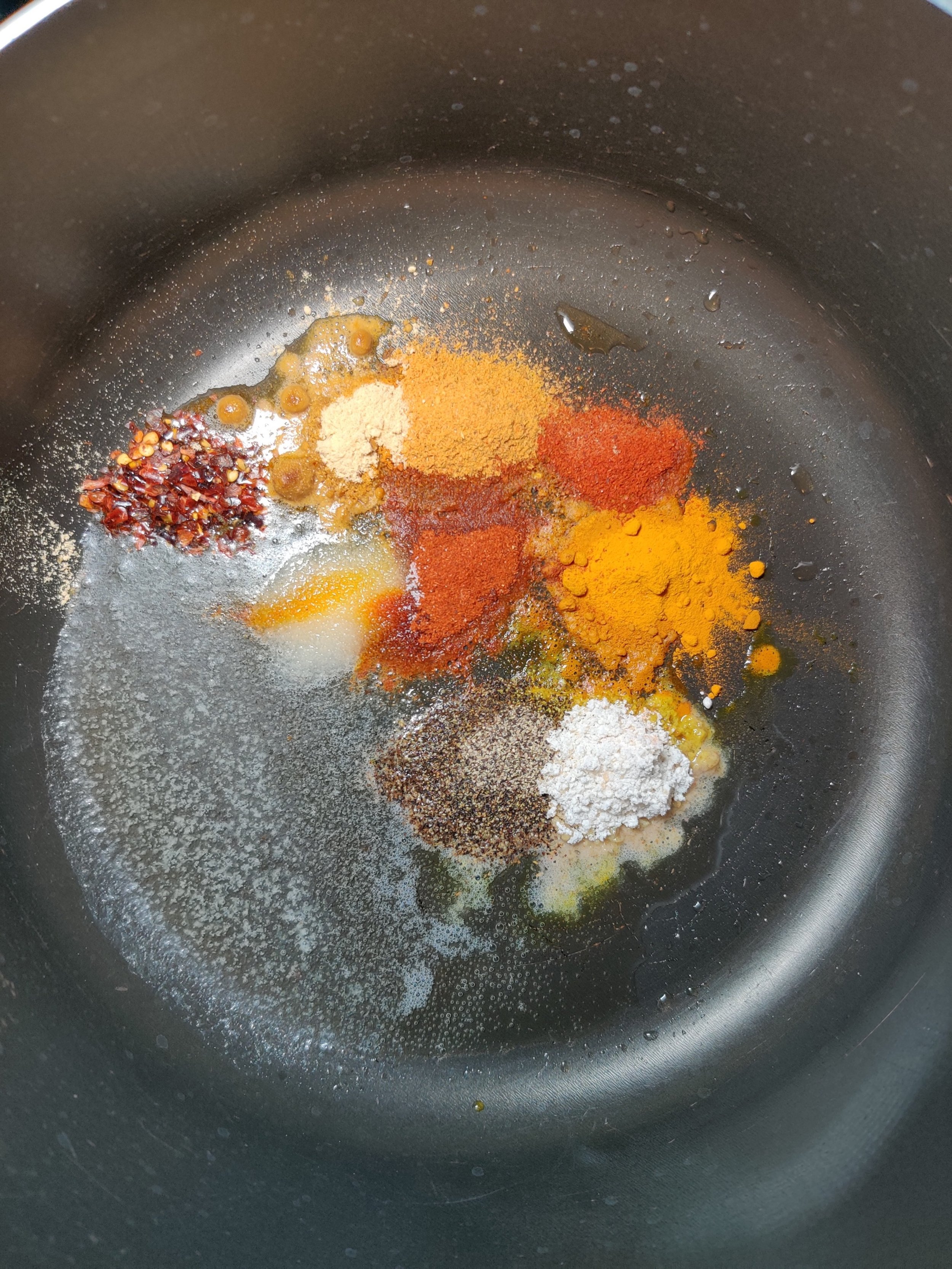
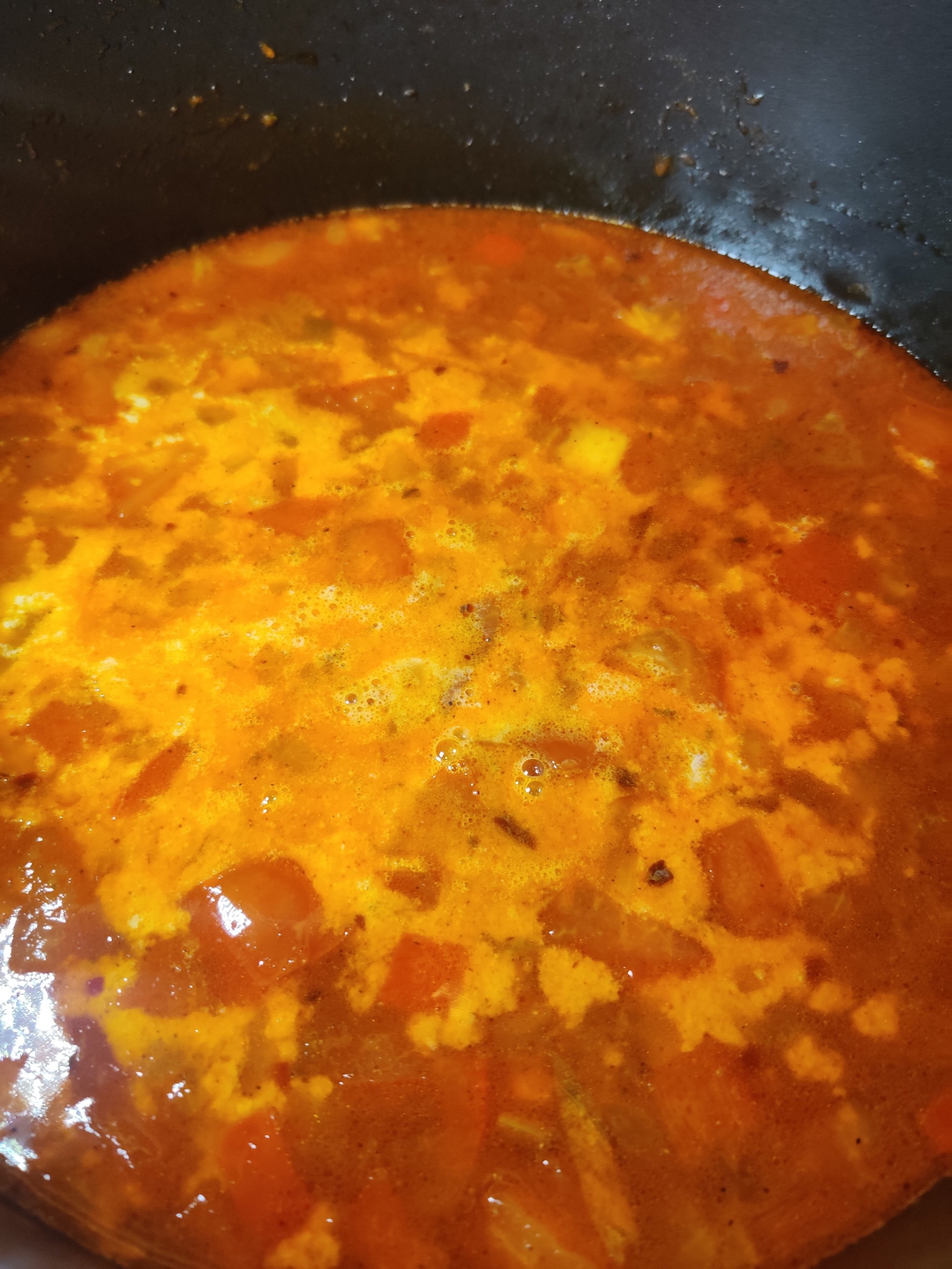
Heat the butter and bacon fat in a large pot, and bloom the spices (cook for about 1-2 minutes on medium-high heat to bring out the flavour).
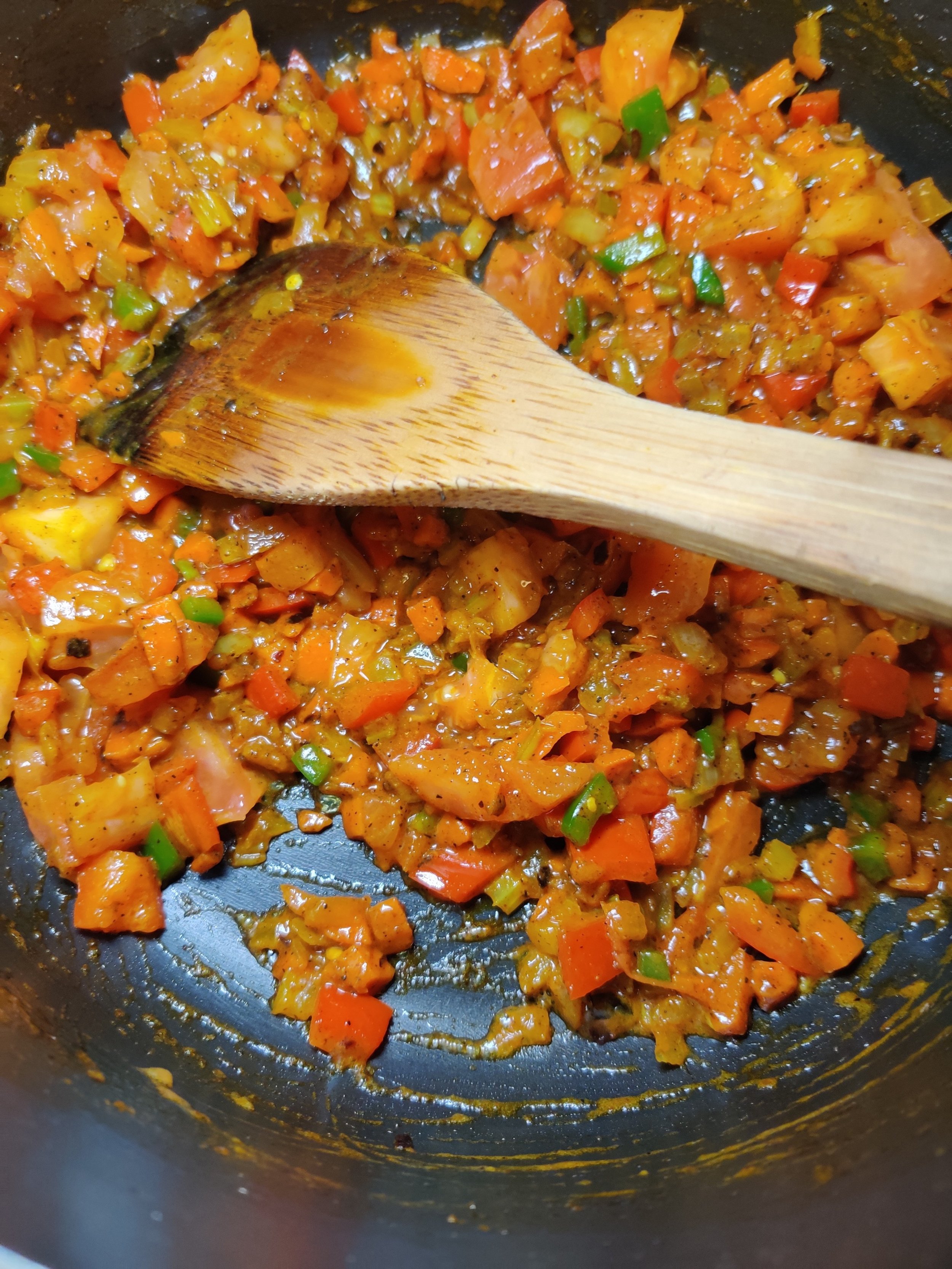
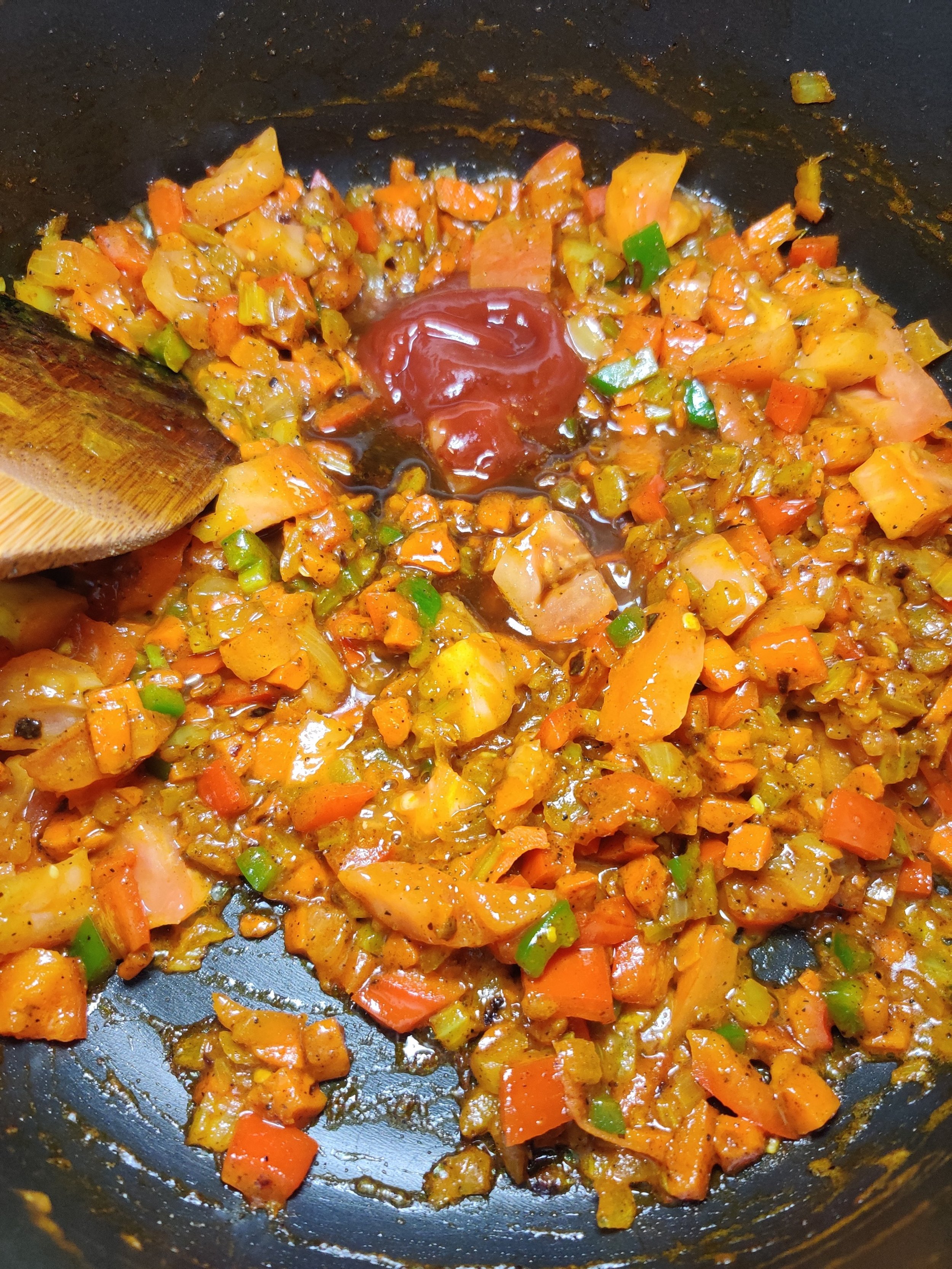
Add the mirepoix and sauté for 3-4 minutes until fragrant, then add the Worchester sauce and tomato sauce, cook for another 1-2 minutes.
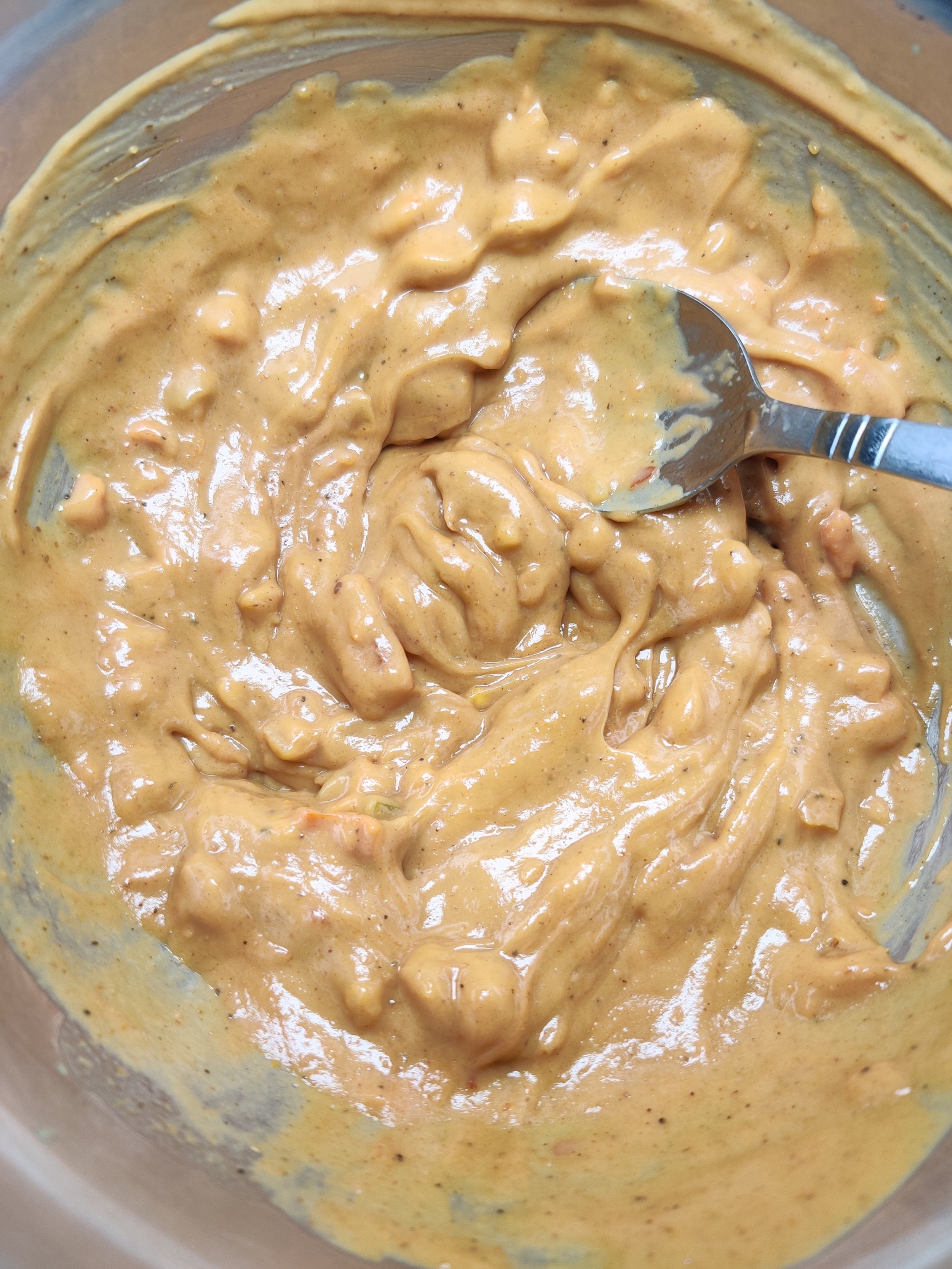
Add the broth and 1/2 of the heavy cream, stir and simmer on low heat for 10 minutes. Mix until peanut butter is fully incorporated. Stir in the butternut and cook for another 5 minutes, then remove from heat. Take out a 1/2 cup and use the hot broth to temper and smoothen the peanut butter before adding it to the pot.
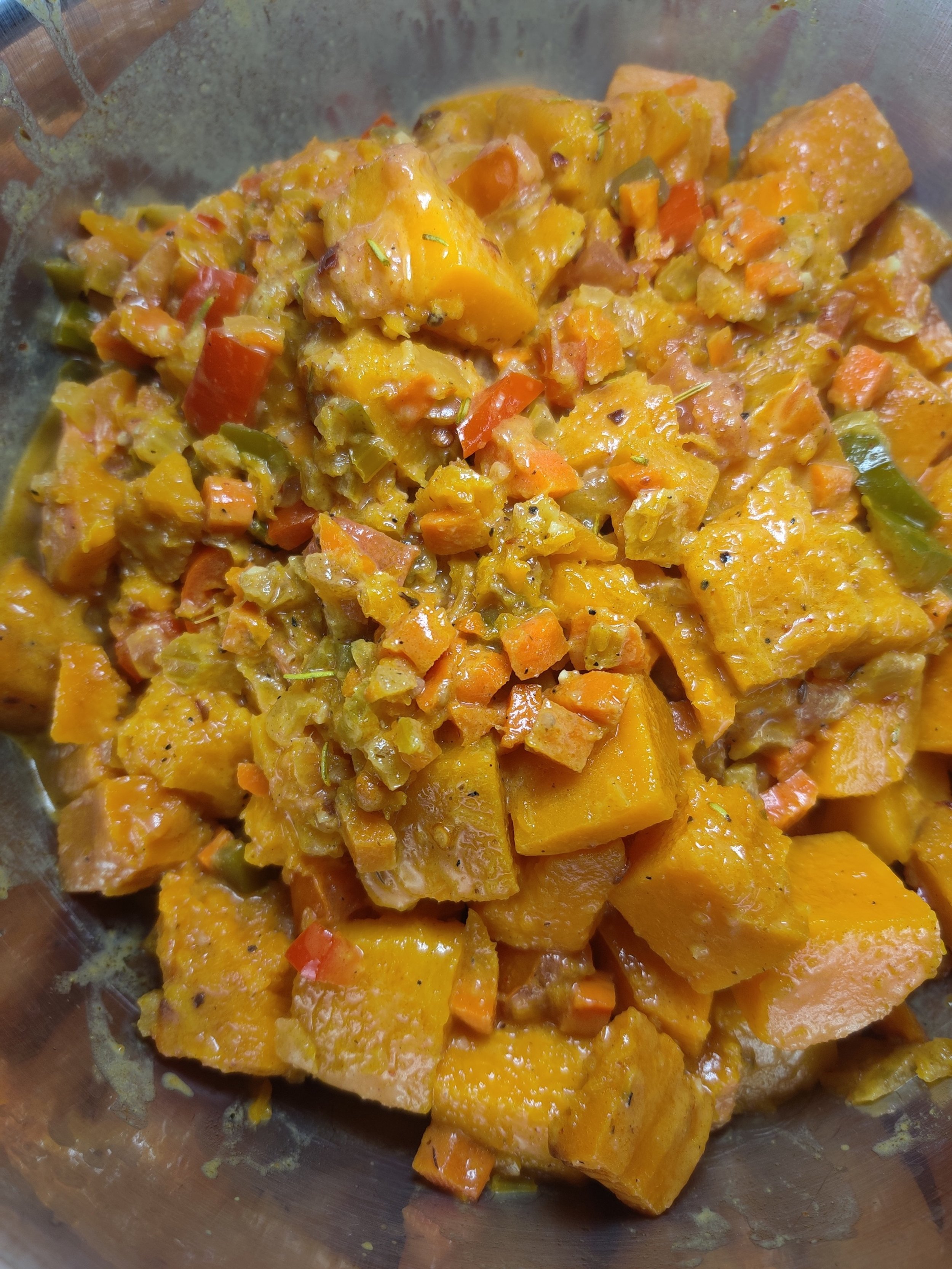
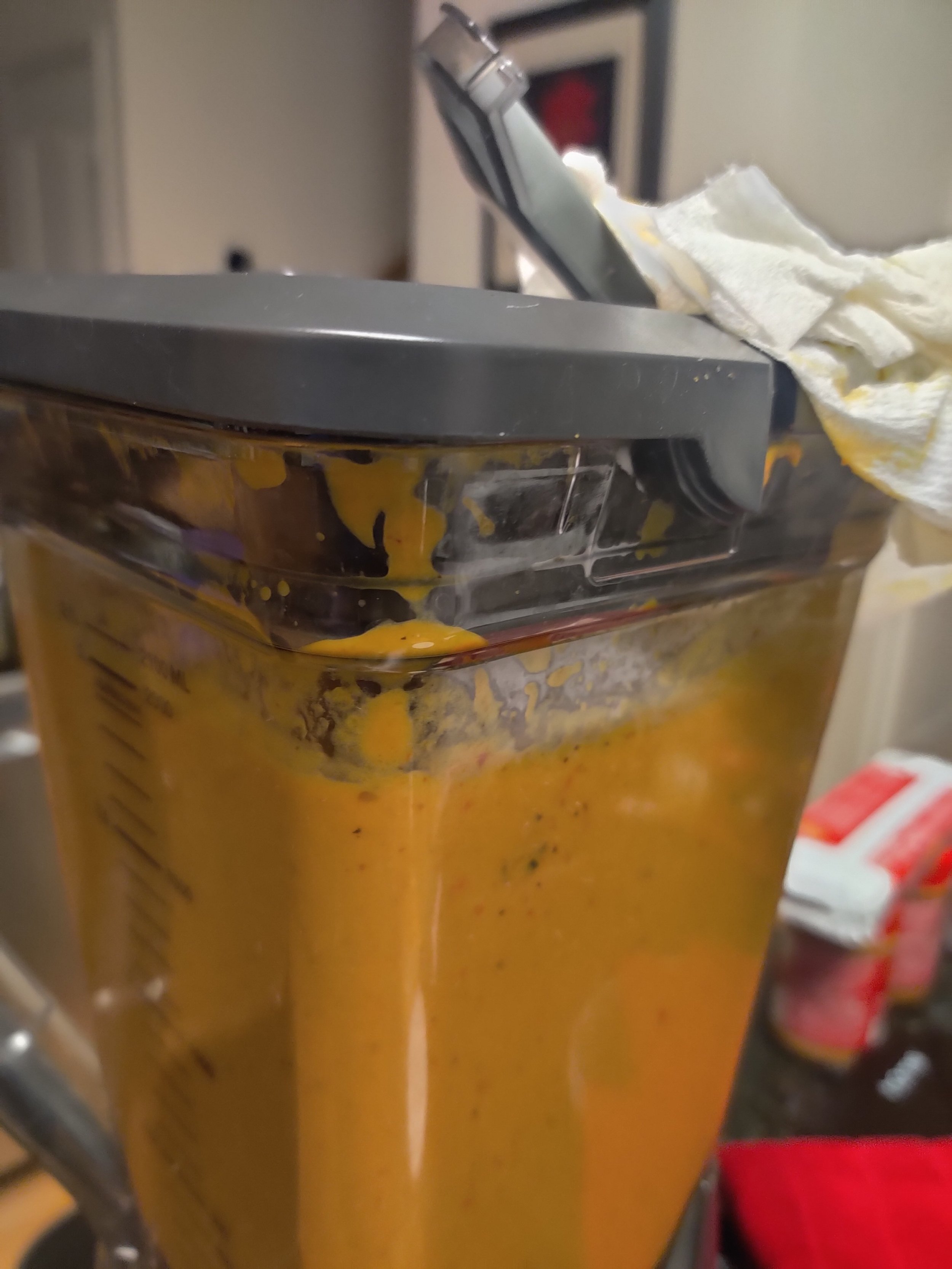
Using a mesh spoon, remove the solids and add them to the blender. Cover the lid and blend the solids until smooth. Season to taste, mixing until you have your desired texture. Control this by using the remaining broth and cream to thin it out.
Return to heat and simmer for 1 minute, season to taste and ensure the cream is incorporated and there are no large chunks of butternut, then serve. Garnish with roasted butternut, peanuts and cilantro.


Matapa (Shrimp and Kale in Coconut Milk and Peanut Butter)
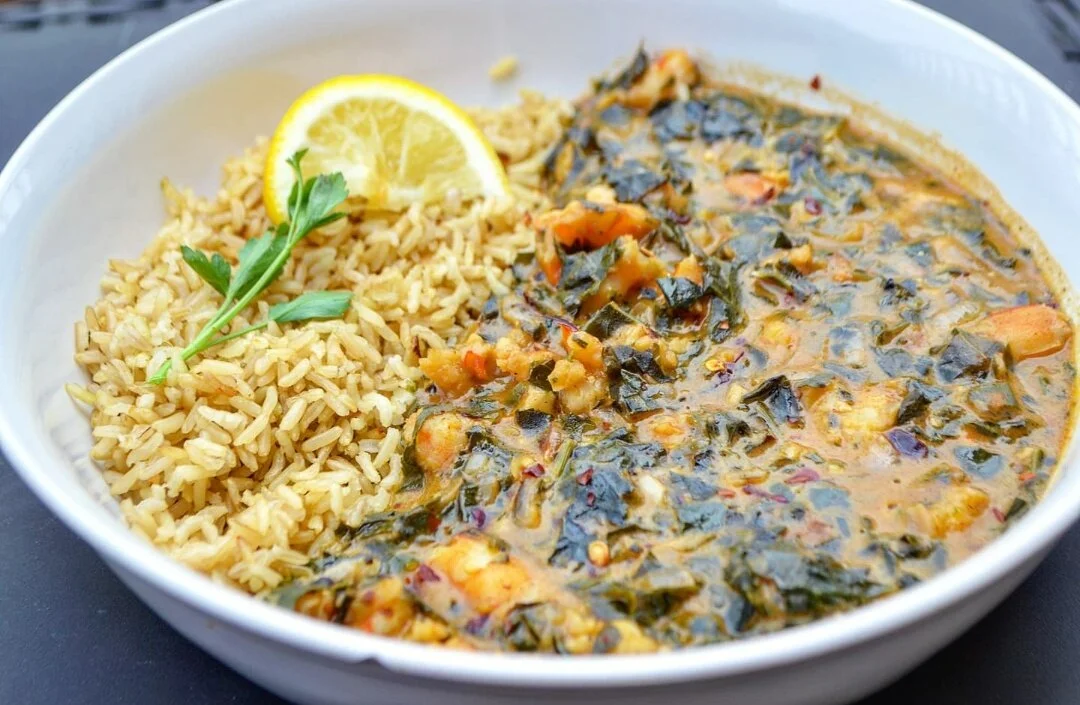
Peanut butter and greens are not an unusual pairing in many parts of Southern Africa and should be embraced everywhere! They are just as delicious as greens with cream, a more widely known dream team when balanced right.
The Mozambican dish Matapa inspired this recipe: cassava leaves cooked in coconut milk with peanuts or cashews and shrimp or crab. I used Tuscan kale, but you can use anything from pumpkin leaves to collard greens and adjust the cooking time.
Coconuts are plentiful in Mozambique, which borders the Indian ocean, and coconut milk, a staple in my pantry, is creamy but not overwhelming. It lends a unique flavour, and in this case, blends well with the sweet and salty peanut butter and the subtle sweetness and texture from the chopped shrimp.
The light and hearty soup stew gets even more delicious overnight, and you can serve it with brown rice, farro, couscous or any other starch or side that will help absorb the tasty juices!
Ingredients
2 pounds cooked shrimp (thaw according to package)
1 large bunch Tuscan kale
Olive oil
1 red onion
4 large garlic cloves
1/4 jalapeno
1/4 cup fresh parsley
1 tablespoon Royco Usavi mix (or you favourite all purpose seasoning)
2 tablespoons peri-peri seasoning
1 cup peanut butter (tempered with 1 cup hot water)
1 packet chicken bouillon powder
2 tablespoons from 1/2 a fresh lemon
1 tablespoon cayenne powder
1 tablespoon black pepper
1 teaspoon salt
1 cup coconut milk
Pepper flakes
Instructions
Remove the stems and chop the kale. Place in boiling water until softened, then remove most of the water. Place in a blender and pulse to shred the greens until they are tiny pieces but not liquid (you can also do it while the leaves are uncooked).
Finely dice and chop the onion, garlic, jalapeno, and parsley and sauté in olive oil until softened for about 3 minutes. Add the Royco Usavi and peri-peri.
In a separate bowl, mix the peanut butter with the boiling water and chicken bouillon. Pour the tempered mixture into the pot, then add the kale. simmer for 5 minutes and mix well.
Add the shrimp, cook for 2-3 minutes, then follow with a squeeze of lemon. Season with salt and pepper to taste, adding extra peanut butter and cayenne if necessary.
Serve hot with brown rice, lemon, chili flakes, and parsley.

Goat Chorizo Samosas with Tomato Mango Chutney
I love goat meat and grew up eating it frequently. I consider it a somewhat neglected meat, but it is delicious and quite versatile! For those of you who appreciate goat meat or love chorizo, this will be quite a treat. I discovered the chorizo as a local farmers market to my delight and imagined this pairing.
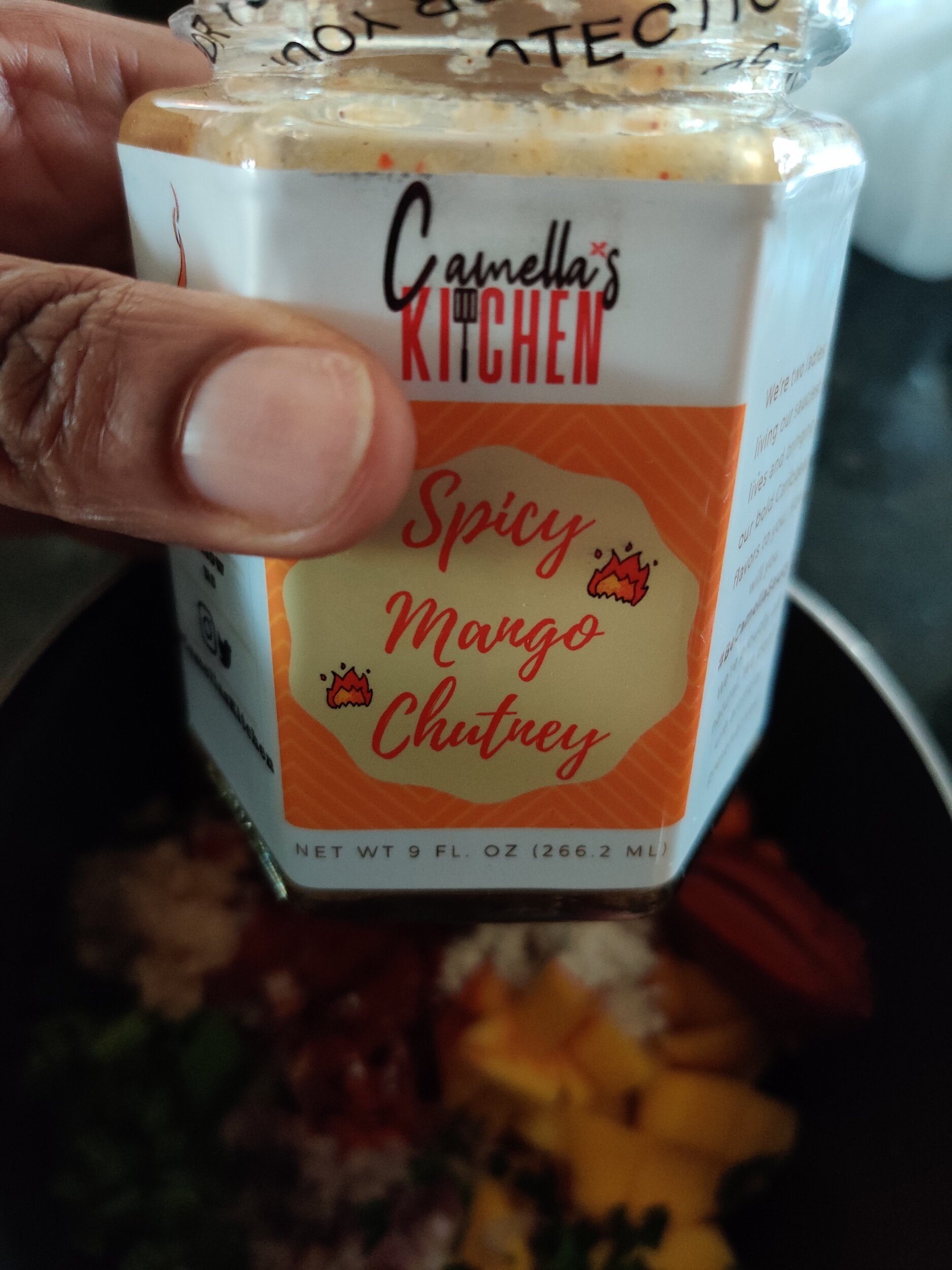
Samosas are curried and/or spiced meat or vegetable-filled pastries wrapped in a thin dough and fried, attributed to South Asia but enjoyed worldwide, including East Africa. A condiment often accompanies them for dipping. In this case, a mango chutney will do the trick, a it is a great balance of sweet and spicy and complements the goat, which is not inherently sweet compared to other meats. The sour cream helps to cool the spiciness. To enhance the mango chutney, I used a spicy mango chutney sauce from Camella’s Kitchen. To view other recipes using their products that boast Caribbean flavours, check out Plantain Stew with Black Beans, Spicy Apple Muffins with a Cider Glaze, and Pineapple Chow Black Seabass Salsa.
Ingredients
Chutney:
1 large mango, diced
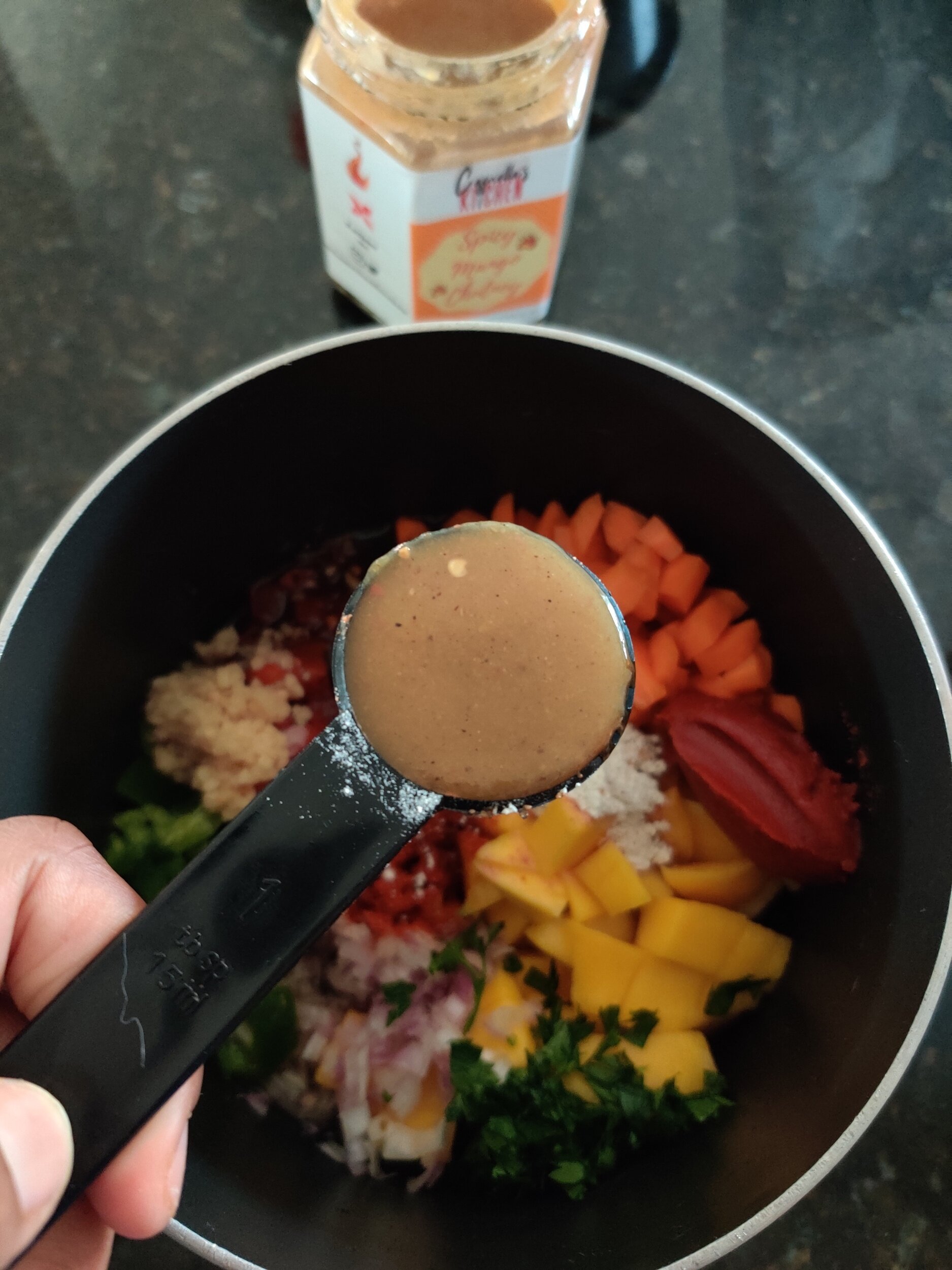
1 tablespoon spicy mango chutney sauce (I used Camella’s Kitchen)
1/3 cup roasted tomatoes
1 tablespoon jalapeno, diced with rib and seeds removed
2 tablespoons smoked paprika
1 tablespoon garlic minced
1/2 shallot minced
1 tablespoon tomato paste
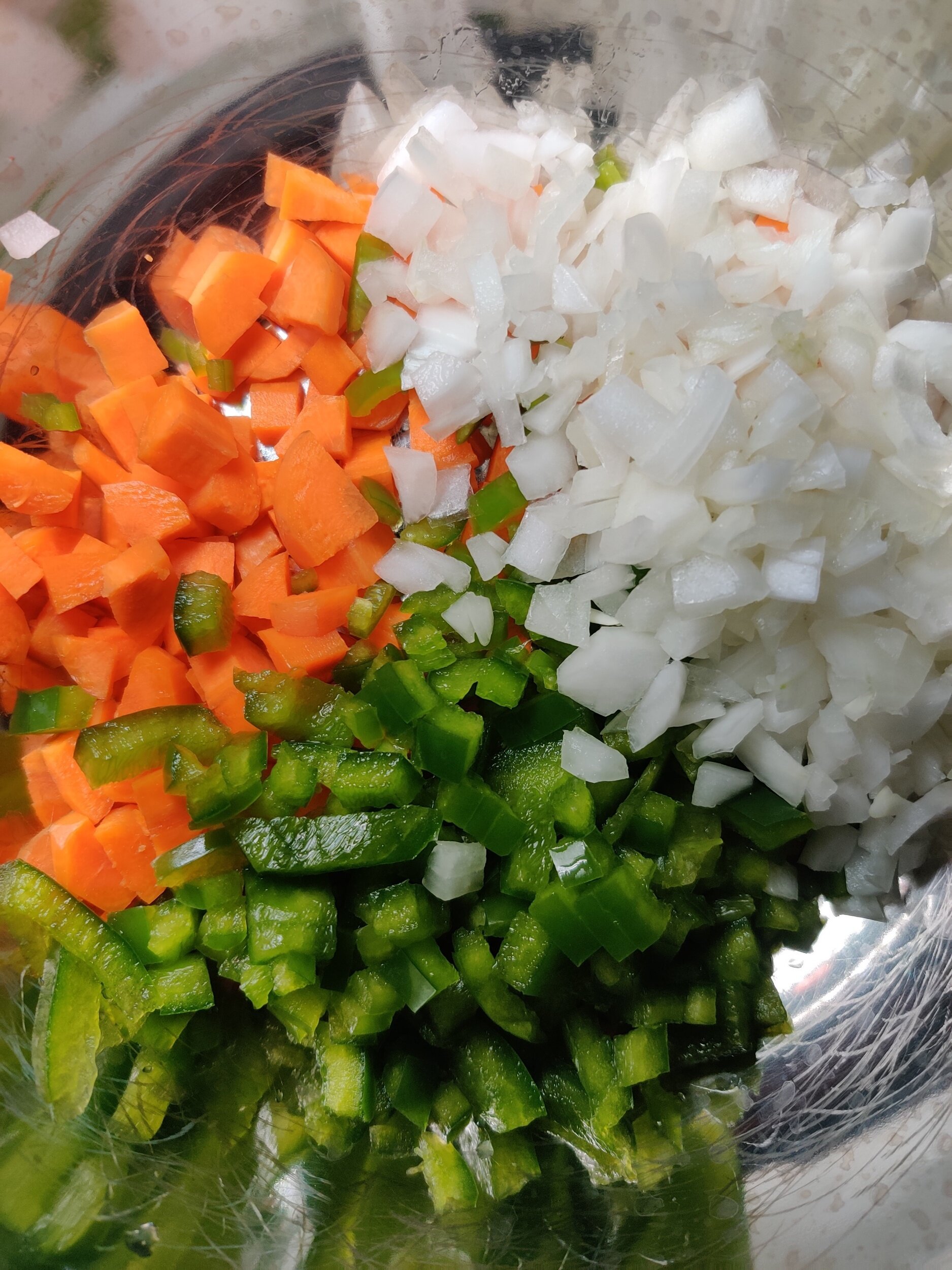
1/4 cup carrots, diced
1 tablespoon parsley, chopped
1 tablespoon Royco Usavi mix (or your favourite all-purpose seasoning)
1 tablespoon Worchester sauce
1 tablespoon mirin or cooking wine
1 teaspoon salt
1 tablespoon black pepper
Anise and bay leaves (optional aromatics)
1 cup water
Samosas:
10 samosa sheets. cut into rectangles
1 tablespoon butter
4 sausages goat chorizo, casings removed (or regular chorizo)
1/4 cup white onion, diced
1/8 cup carrots, diced
1/8 cup green bell pepper, diced
1 tablespoon Spice for Rice (optional)
1 teaspoon garlic powder
1 tablespoon Royco Usavi mix (or your favourite all-purpose seasoning)
1 teaspoon tumeric
1 cup broth
1/4 cup water and 2 tablespoons flour (sealing paste)
Vegetable oil
Sour cream
Instructions
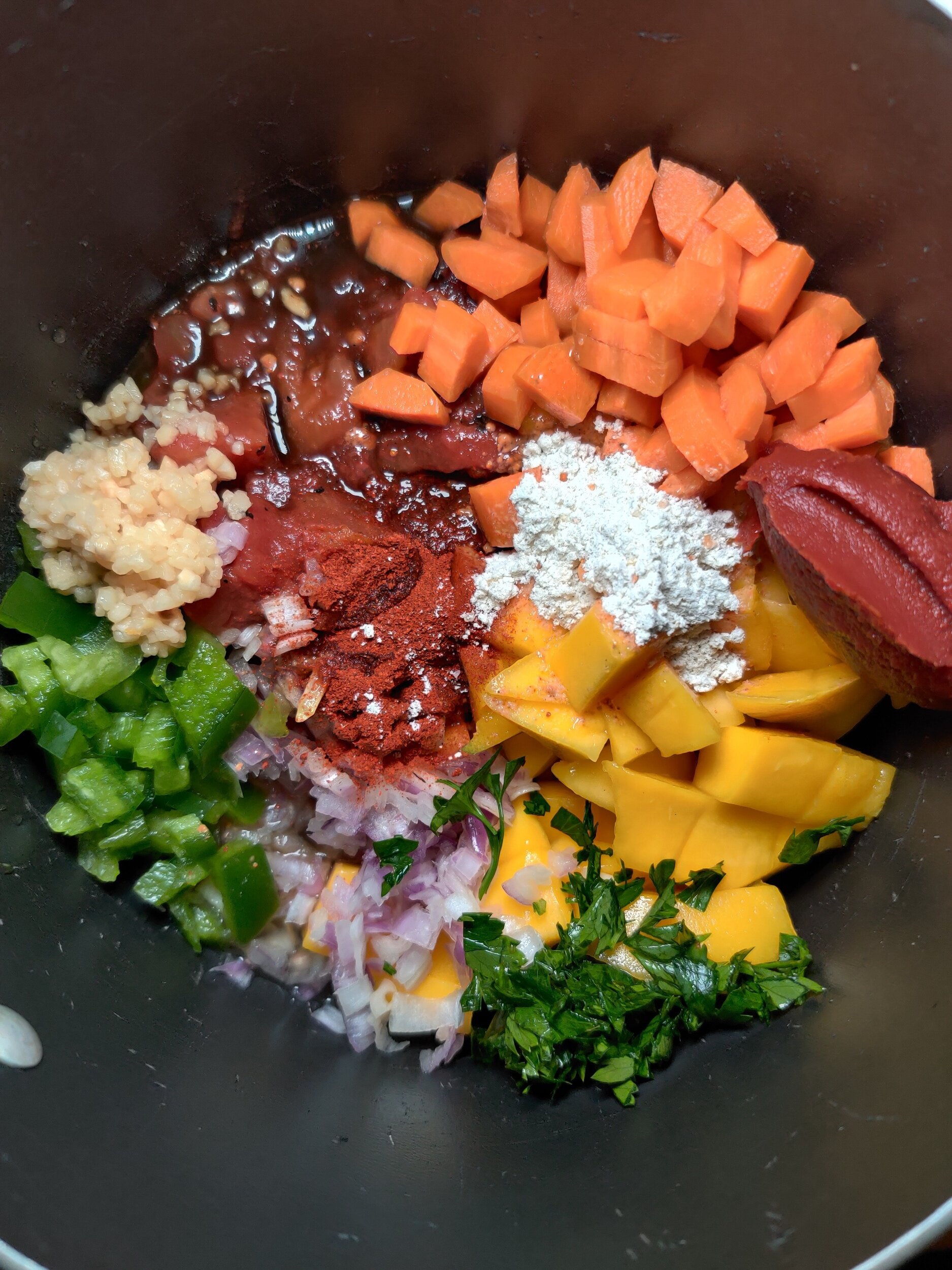
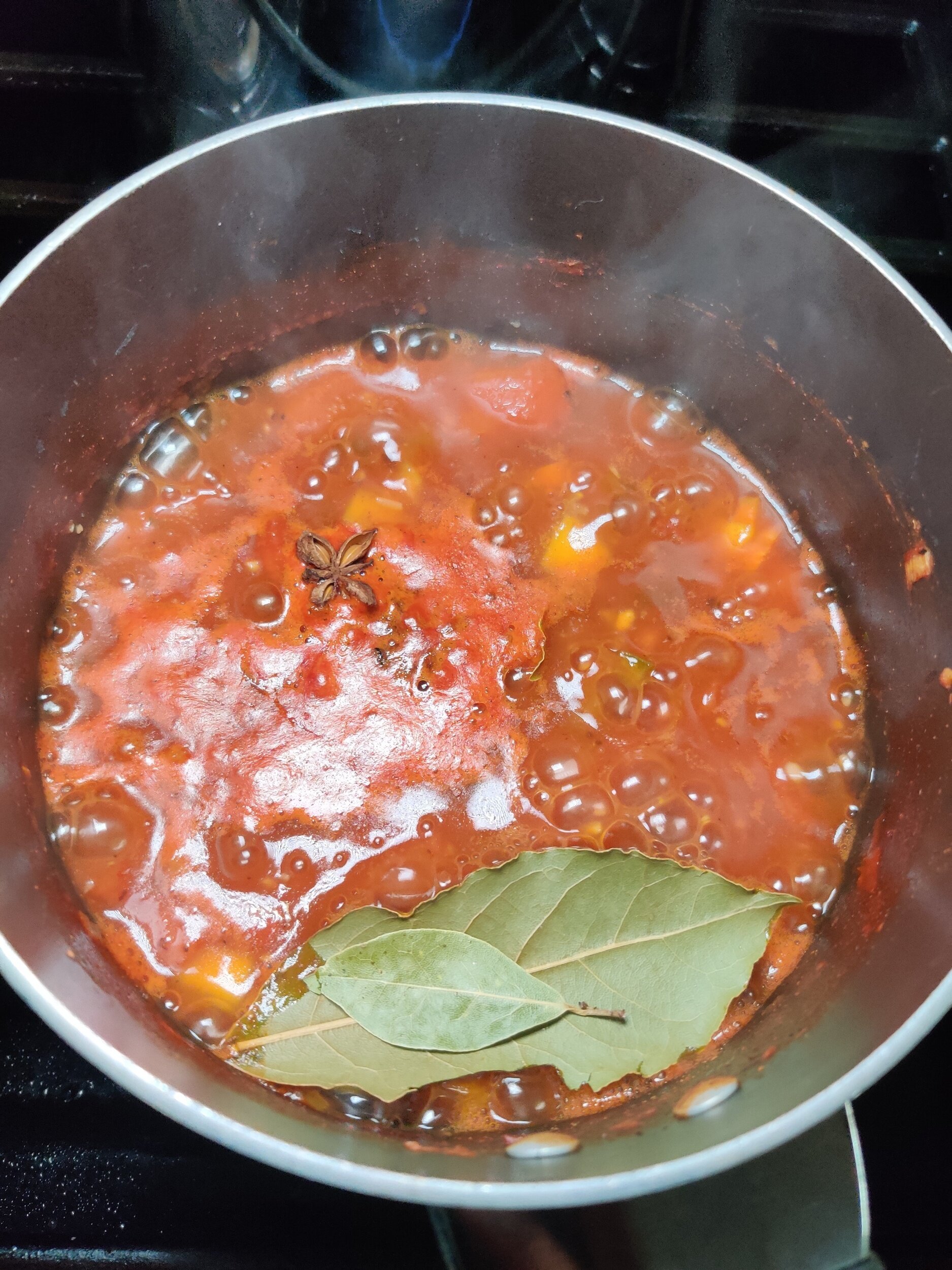
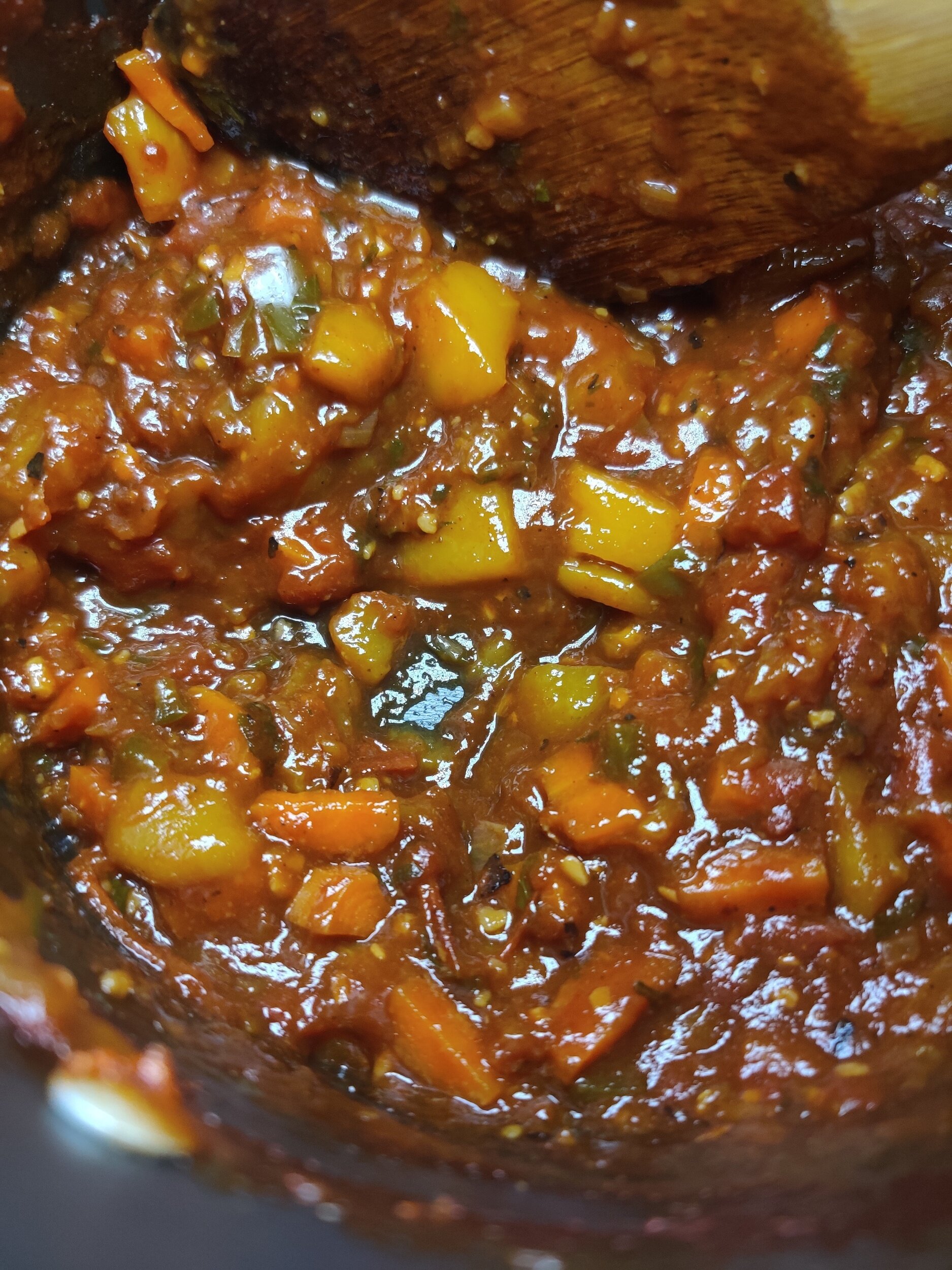
Prepare the chutney. Add all the ingredients except the water and aromatics and bring to a boil. Then add the water and aromatics and reduce the heat to simmer for 15 minutes, stirring frequently and seasoning with additional salt and pepper to taste. Remove the bay leaves and anise after 5-7 minutes to avoid overpowering the other flavours. Add more water if necessary but allow the chutney to thicken. Once it's to your liking, remove the chutney from the heat.
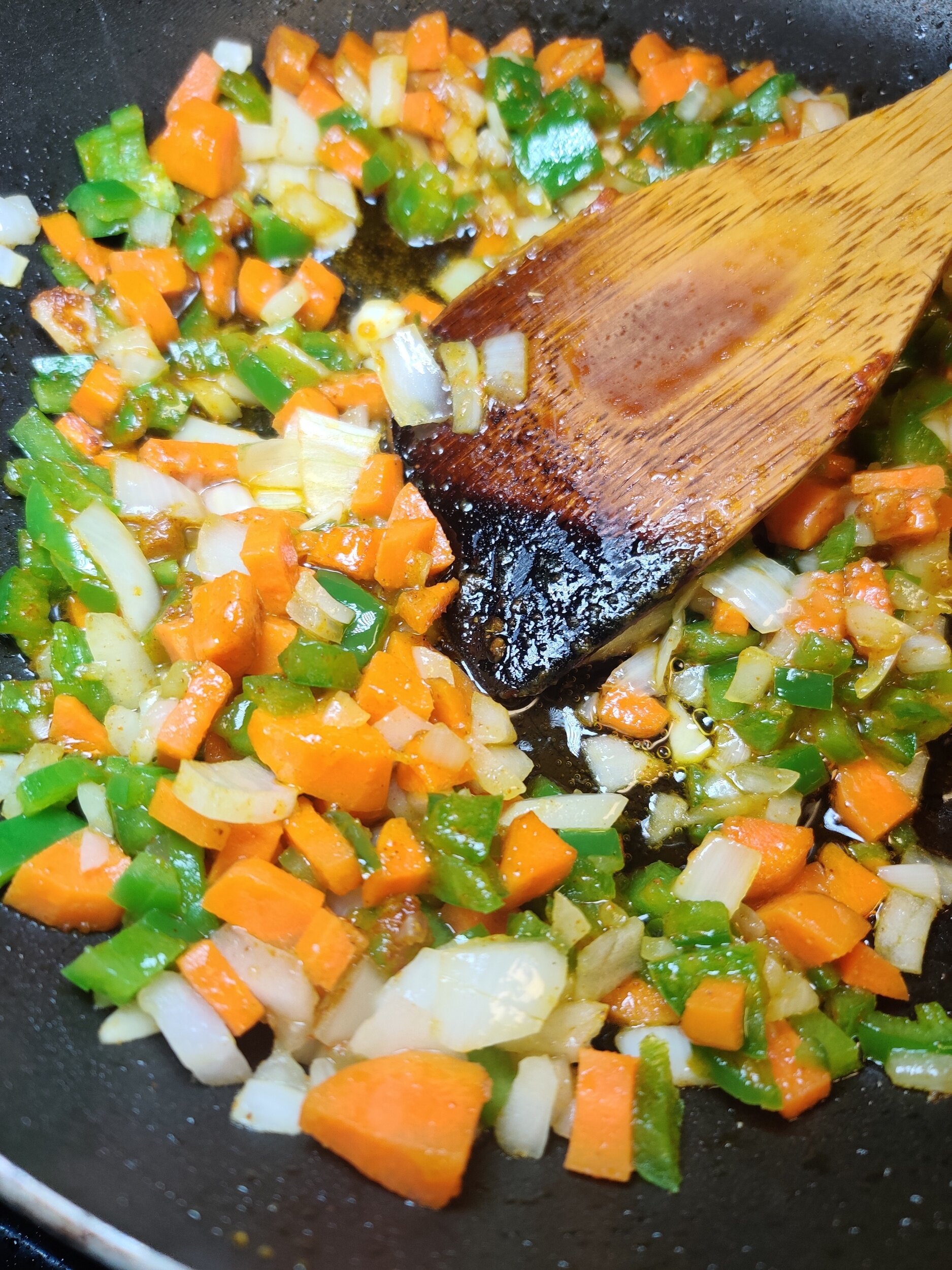
For the samosa filling, add the butter to a pan on medium-low heat. Sweat out the onion, carrots and bell pepper for 2 minutes. Add the seasonings and cook for an additional minute.
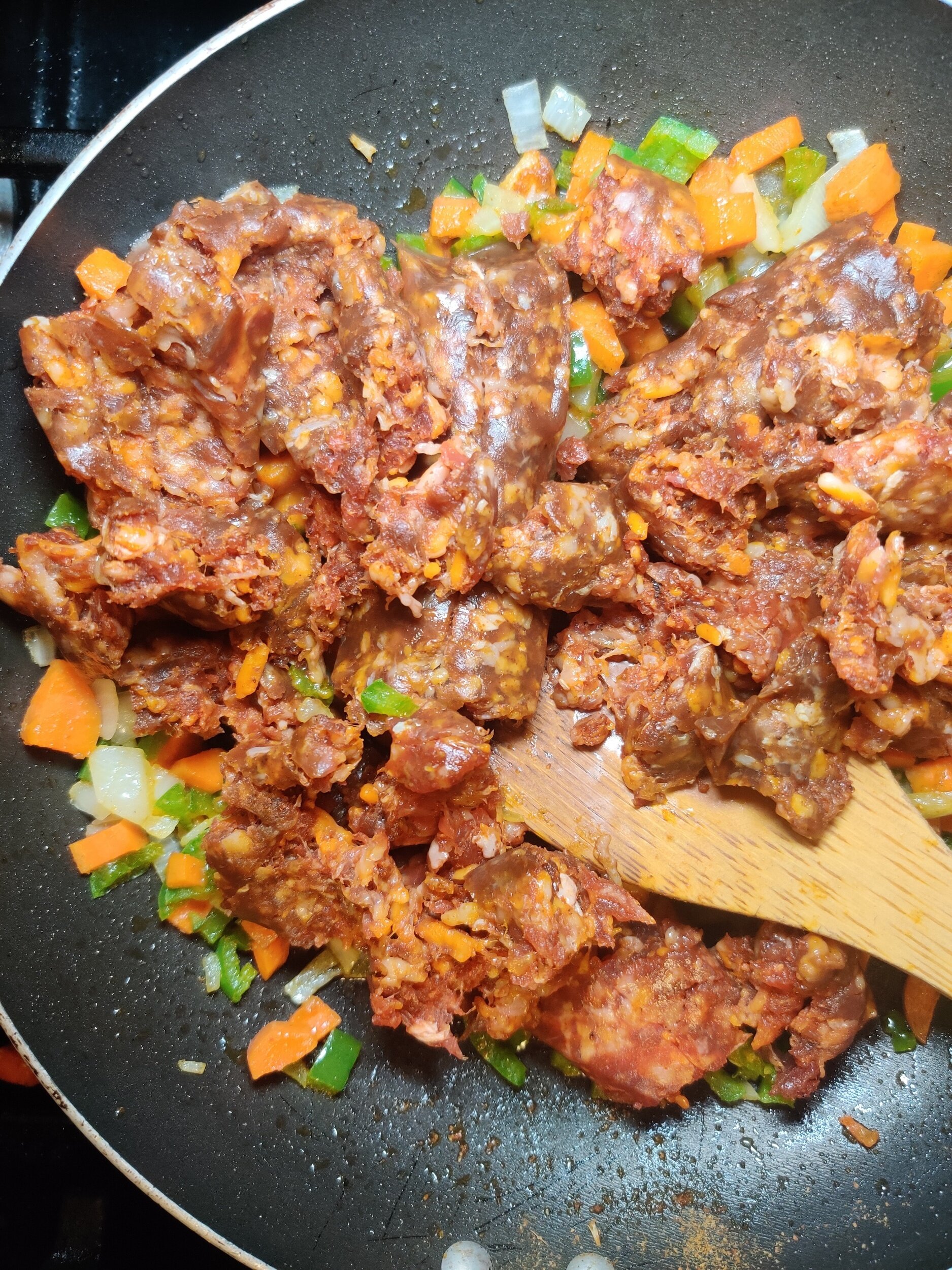
Mix in the chorizo and cook until browned. Pour in the broth and reduce heat to simmer to finish cooking the goat. Season to taste then remove from the heat to cool.
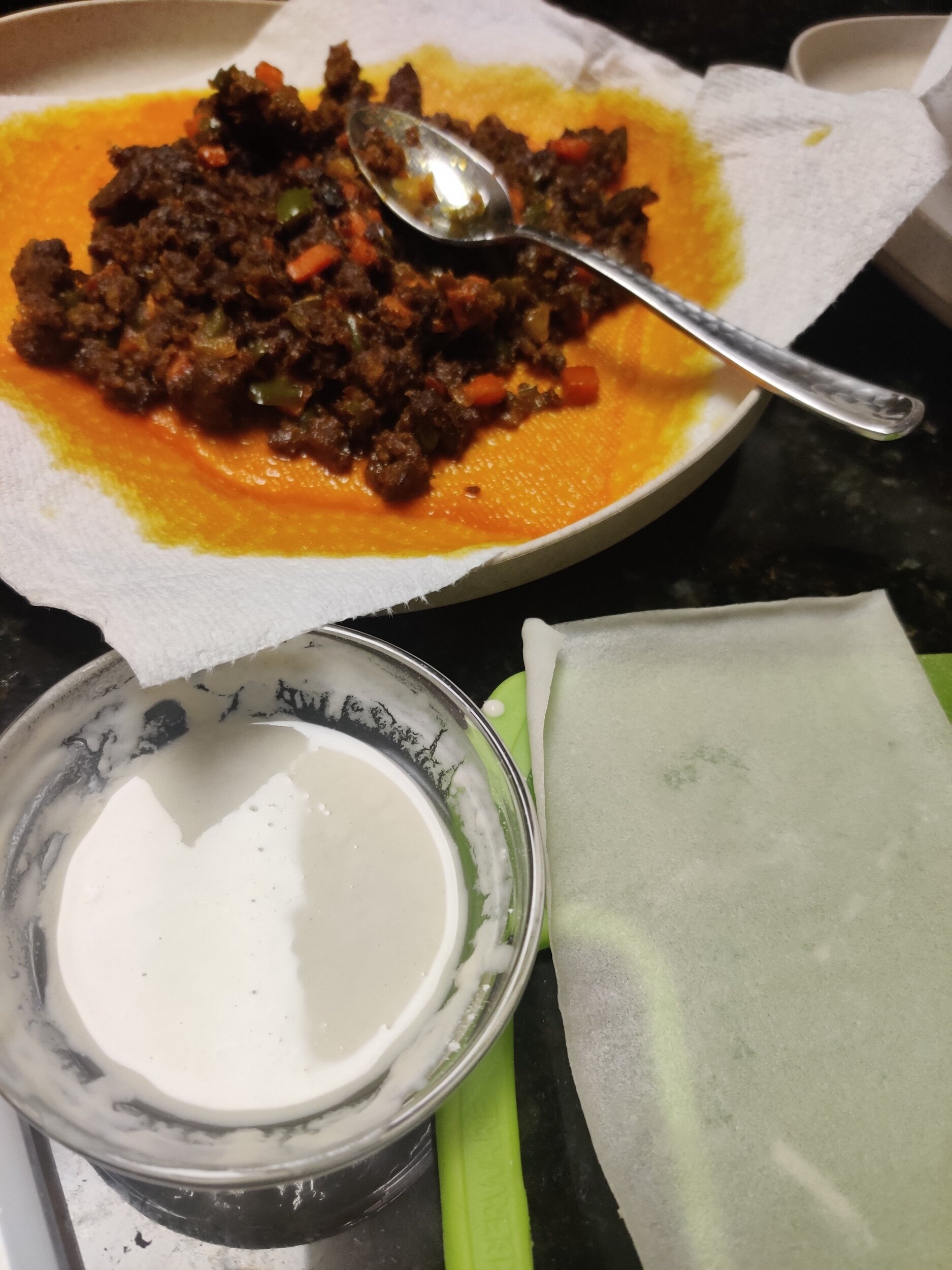
Prepare the samosa sheets according to the package instructions, and ensure they don't dry out. To fill them, fold a bottom corner into a triangle of each samosa sheet, then another triangle to make it a double pocket. Add the filling, sealing the sides with the flour and water mix as needed. Check this video out for clear steps!
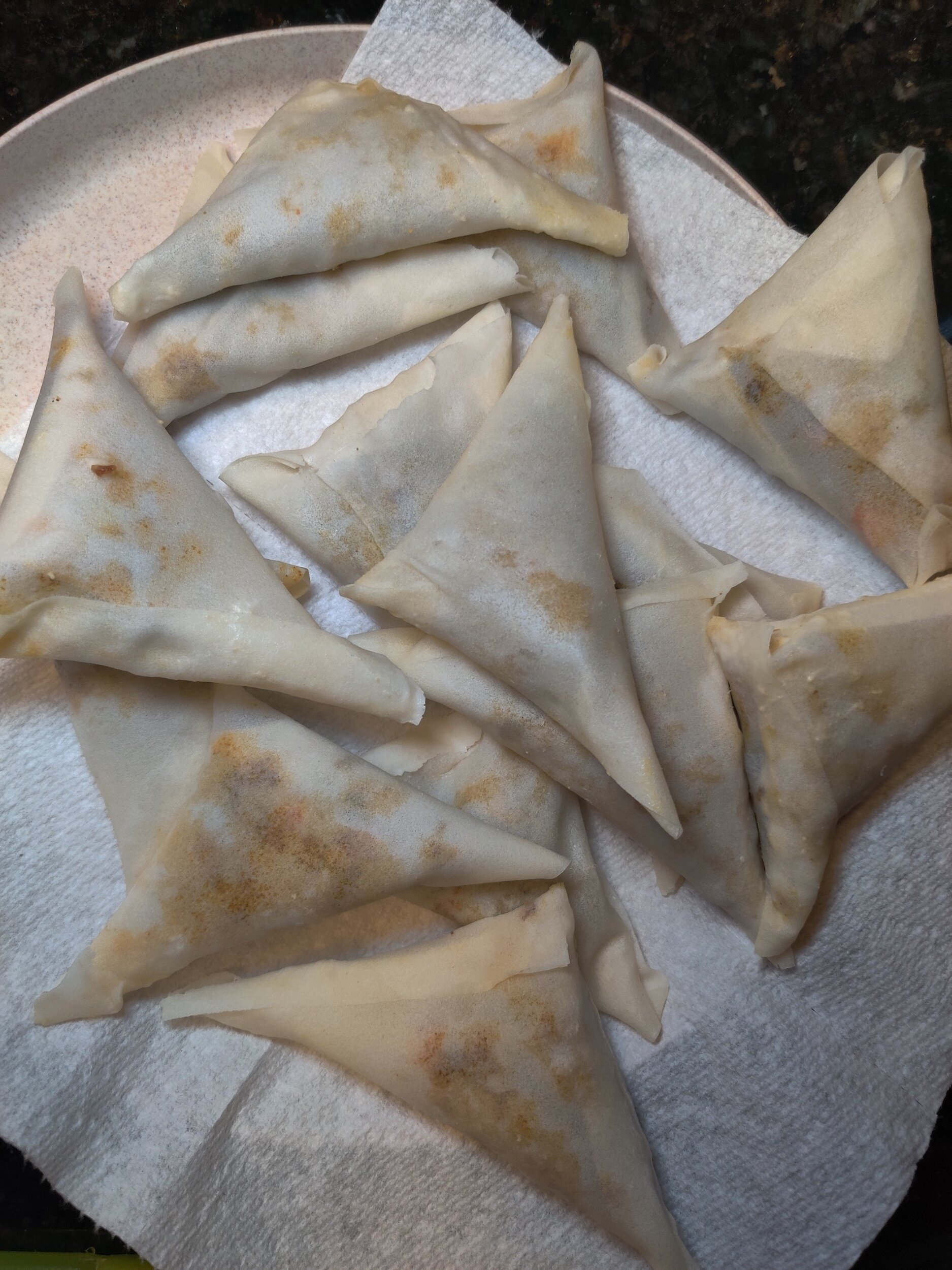
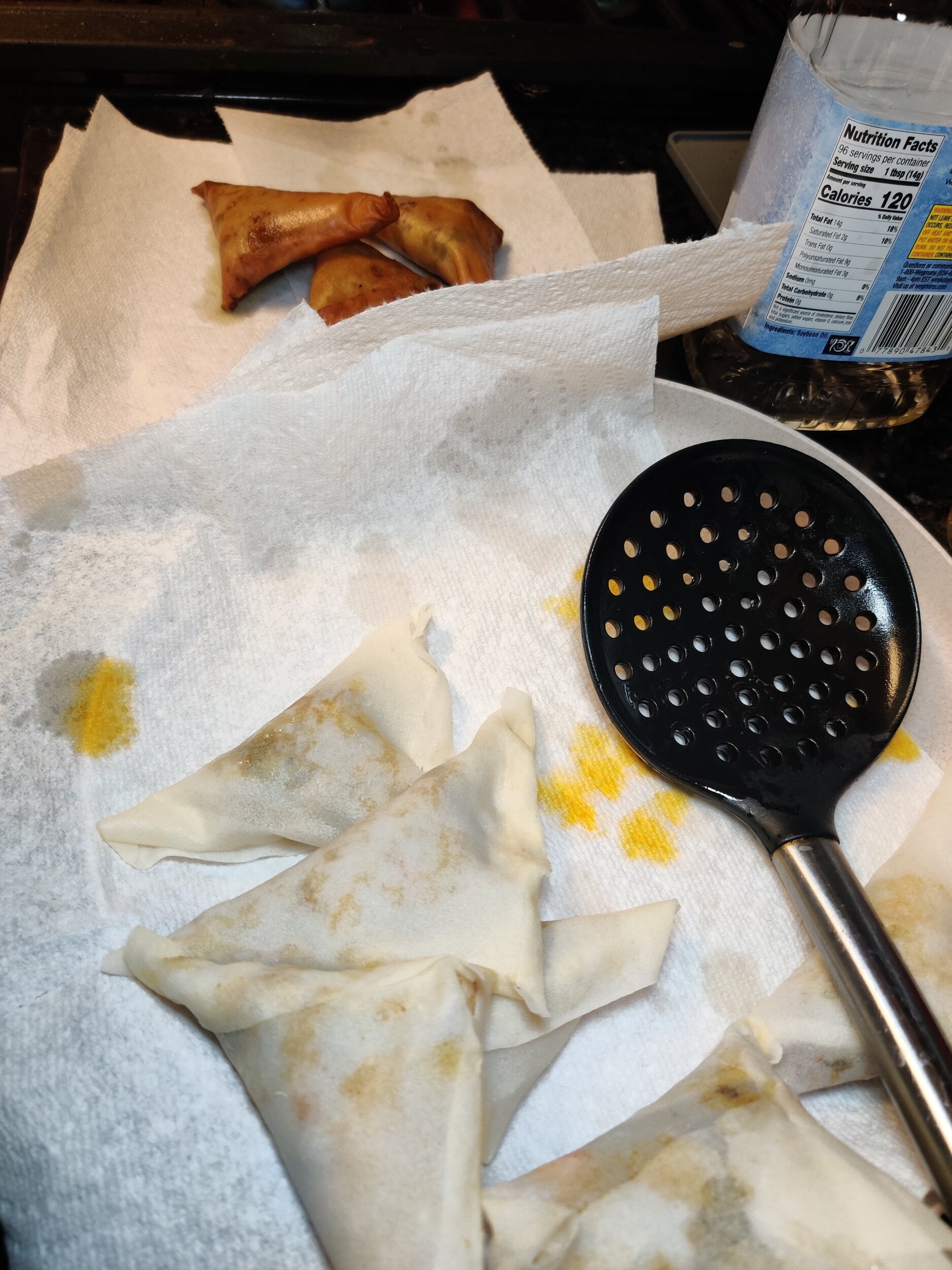
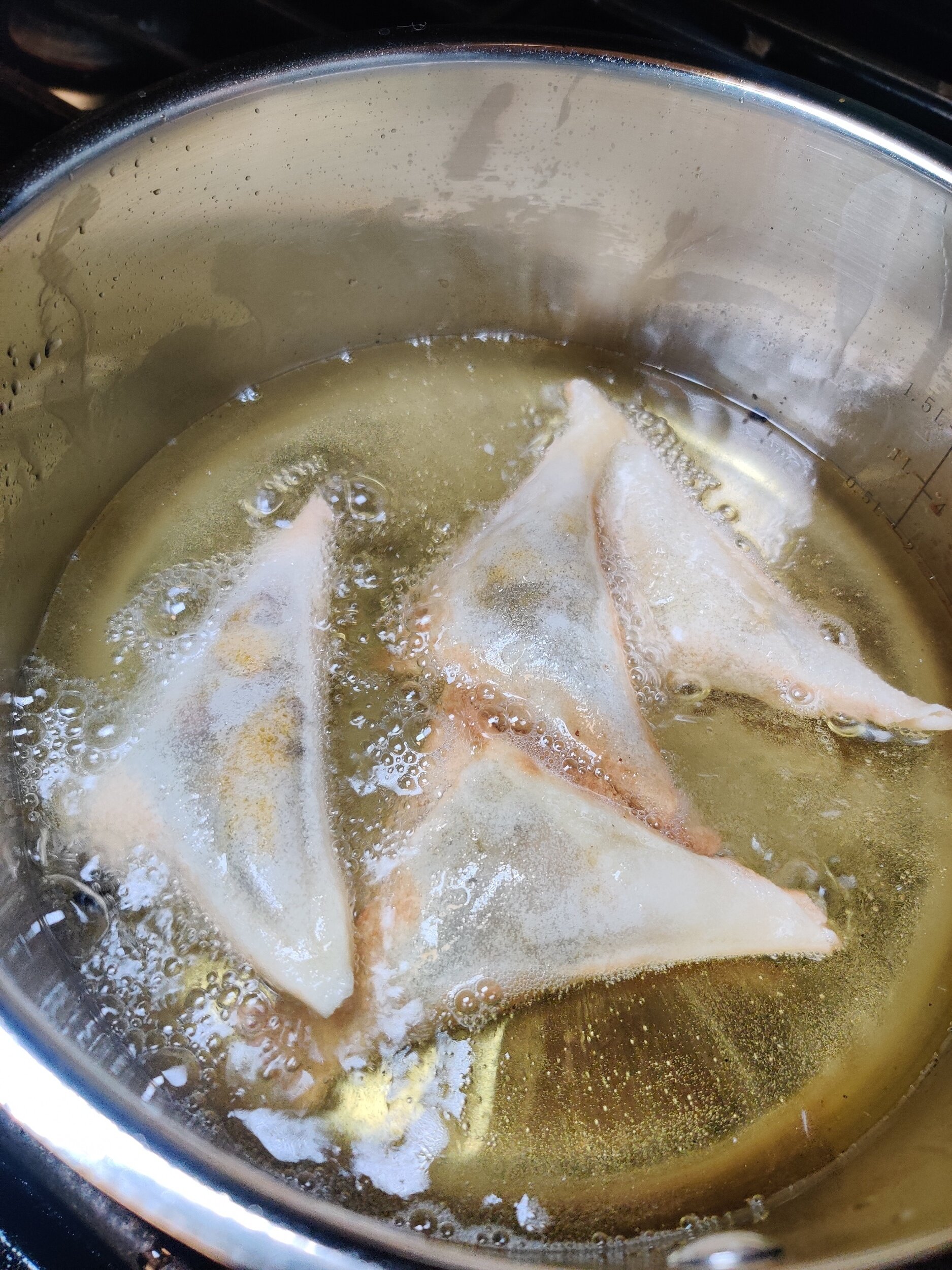
Fry the samosas in vegetable oil for one minute per side, then place on paper towels to drain the extra fat. Don't overcrowd the pot to help them cook evenly.
Serve with the mango chutney (cold or room temperature) and sour cream.


Fried Pumpkin Flowers
In Zimbabwean cuisine, the pumpkin leaves (nhanga) known as muboora are commonly consumed as a relish or dried first, often stewed with peanut butter. They can be bitter similar to mustard greens, and a little tough - but nothing a little bicarbonate soda can't fix. Neighbouring countries like Mozambique like to add shrimp and coconut milk to the mix.
This recipe is super easy and makes for a light and fluffy batter, thanks to carbonated tonic water and egg white.
You'll need to be gentle with them, not overly dredge in batter and shake the excess off, not wash them roughly, and try to keep them as dry as possible before frying. Inspect the flowers for pollen and anything else.


How do they taste? Next time you see the flowers at the farmer's market, give them a try! In this case, sweet and subtle, a floral taste, not like a pumpkin, but delicious and melts in your mouth. Not only can you fry them in a light batter, but you can also stuff the flowers with a filling of your choice and bake or fold them into tortillas.


Fried Pumpkin Flowers
Ingredients
- 12 clean pumpkin flowers
- 1/2 cup + 2 tablespoons flour
- 1 egg white
- 3/4 cups tonic water
- 1 teaspoon sugar
- 1/2 teaspoon table salt
- Sea salt crystals
Instructions
- In a shallow bowl, add the flour, table salt and sugar, set aside.
- Heat your oil in a pan; it should be about 300F+ at the time of frying - you can use a thermometer to check. Make sure the panhandle is turned away from you/not easy to knock over.
- Beat the egg white until stiff peaks form.
- Whisk the tonic water into the bowl into large lumps are gone, and flour is mostly dissolved - don't over mix to keep the batter airy and light from the carbonation. Gently fold in the egg whites.
- Dip each flower carefully into the batter, shaking off excess before placing it in the hot oil )(away from you to avoid the splatters). Keep a close eye; they fry quickly! Flip over after about 20 seconds (30 seconds if you want the batter a bit brown more, though it lightens up a bit after cooling).
- Remove from the pan with a draining spoon and place on paper towels to absorb extra fat. Sprinkle with sea salt crystals and enjoy hot.
Nutrition Facts
Calories
72Fat (grams)
3.5Carbs (grams)
8.7Sugar (grams)
5.1Protein (grams)
1.4
Double Chocolate Hazelnut and Aero Mint Ice Cream with Shortbread (No-Churn)
Ice cream is too easy to make at home to be constantly buying store-bought pints! And no, you don't need an ice cream machine. You can get creative and add in all your favourite sweet treats to the creamy heat reliever. You also have a better sense of what you are adding to the mix from a nutritional perspective.
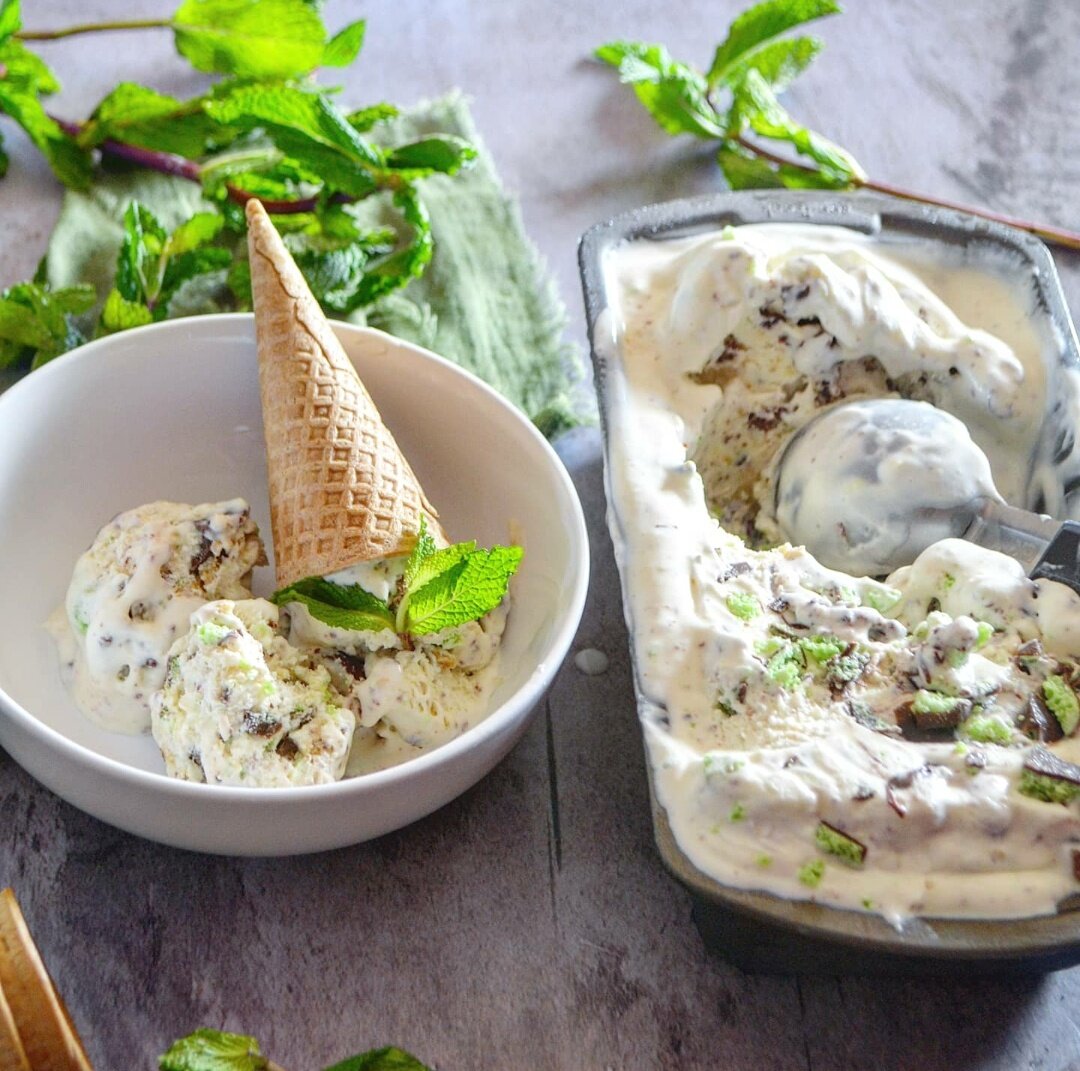
Aero chocolate is unique because it's aerated, i.e. has an air bubble texture, making it one of those candy bars that truly melts in your mouth. Made in the UK and sold across southern Africa, it's one of the chocolate bars I grew up on.
If you are looking for another no-churn ice cream recipe, try this peach crumble with bourbon ice cream. This one takes a different turn but still celebrates the summer heat with chocolate, hazelnut, refreshing peppermint, and another melt-in-your-mouth sweet treat - shortbread! The textures and flavours swim in cream and condensed milk waves effortlessly, making this recipe a win-win perfect for the whole family!


Double Chocolate Hazelnut and Aero Mint Ice Cream with Shortbread (No-Churn)
Ingredients
- 2 cups heavy cream
- 1 (14-ounce can) condensed milk
- 1 teaspoon vanilla extract or paste
- 4 Aero chocolate bars (I used 2 peppermint and 2 chocolate)
- 3 shortbread cookies
- 3 teaspoons chocolate hazelnut spread
Instructions
- Whip the cream to form soft peaks for about 3 minutes (don’t overbeat to avoid separation occurring).
- Fold in the condensed milk and vanilla extract. Whip again for about a minute to form a stiff but smooth consistency.
- Crush the chocolates and shortbread (set some chocolate aside to sprinkle on top), then fold into the ice cream base.
- Transfer to loaf pan, then use a small spatula to even the surface. Place dollops of the chocolate hazelnut spread on top, then make a swirl motion utilizing a knife or small spatula to mix it in.
- Place a layer of cling film directly on top of the ice cream, then use another to seal tightly - the plastic will help prevent too much ice crystalizing on top.
- Freeze overnight. When ready to serve, leave out the fridge for 5 minutes, then enjoy!
Nutrition Facts
Calories
332Fat (grams)
17.9Carbs (grams)
36.7Protein (grams)
5.1I am not a certified nutritionist and any nutritional information on dontmissmyplate.com should only be used as a general guideline.


Sadza Nenyama (Beef and Kale Stew)
This hearty Sadza Nenyama (beef and kale stew served with thick cornmeal porridge) is a comforting meal that tastes like home. Slow-cooked beef creates a rich, savory broth, while nutrient-packed kale balances the richness. Sadza soaks up the flavorful sauce, making every bite satisfying

Sadza Nenyama (Beef and Kale Stew)
Traditional Zimbabwean Sadza with Beef and Kale Stew. Tender beef simmered in tomato and spices, served with hearty cornmeal porridge. Step-by-step instructions included with prep, cook time, and nutrition info.
Ingredients
- 1 lb beef chuck (or other stew cut)
- 1/2 large bunch kale, chopped
- 1 tbsp butter
- 2 tbsp vegetable oil
- 1 tsp salt
- 1 tbsp black pepper
- 3 tbsp Royco Usavi Mix (optional — or substitute 1 tsp cumin, 1 tsp coriander, 1/2 tsp turmeric, 1/4 tsp paprika, 1/4 tsp cornstarch, 1/2 tsp fenugreek powder)
- 1 yellow onion, diced
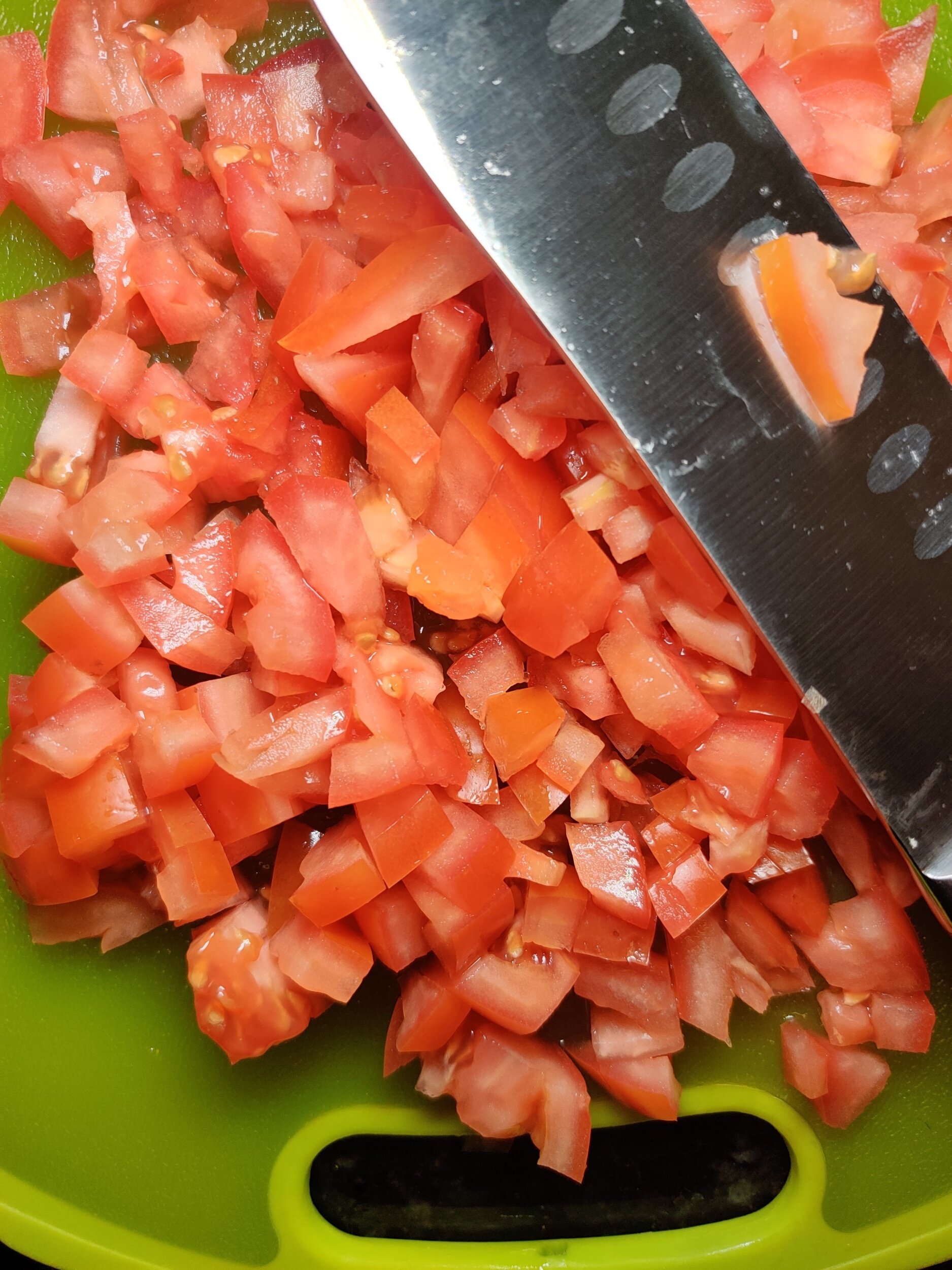
- 3–4 Roma tomatoes, diced
- 1 tbsp garlic, minced
- 1 tbsp chili flakes
- 3 beef or vegetable bouillon cubes
- 3 cups water
- 1 1/2 – 2 cups cornmeal (yellow or white)
- 1 tsp salt
- 3 cups boiling water
- 3/4 cup cold water
- 1 tsp garlic powder
Instructions
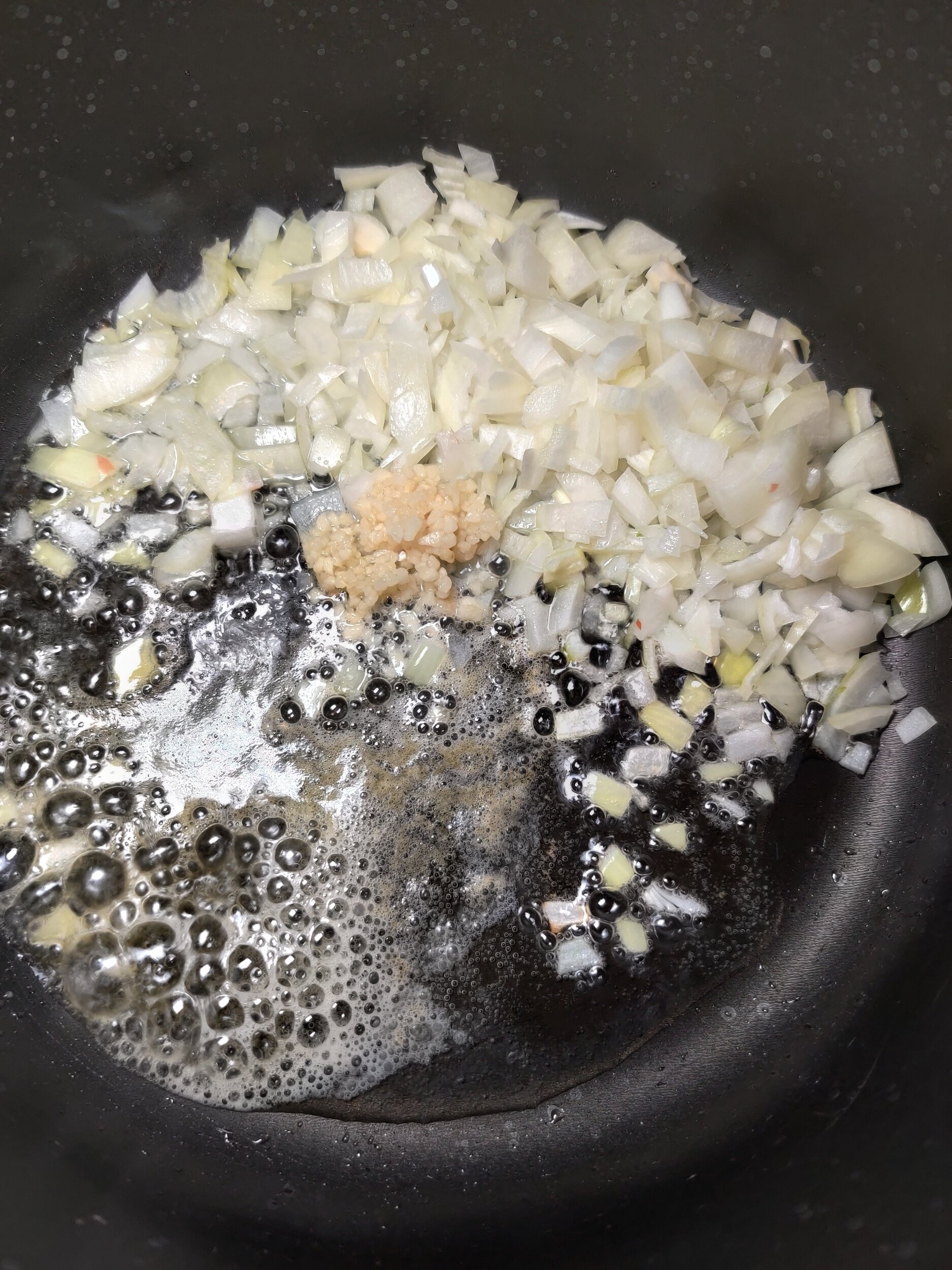
- Heat butter and oil in a large pot. Sauté onion and garlic 3–4 minutes until fragrant.
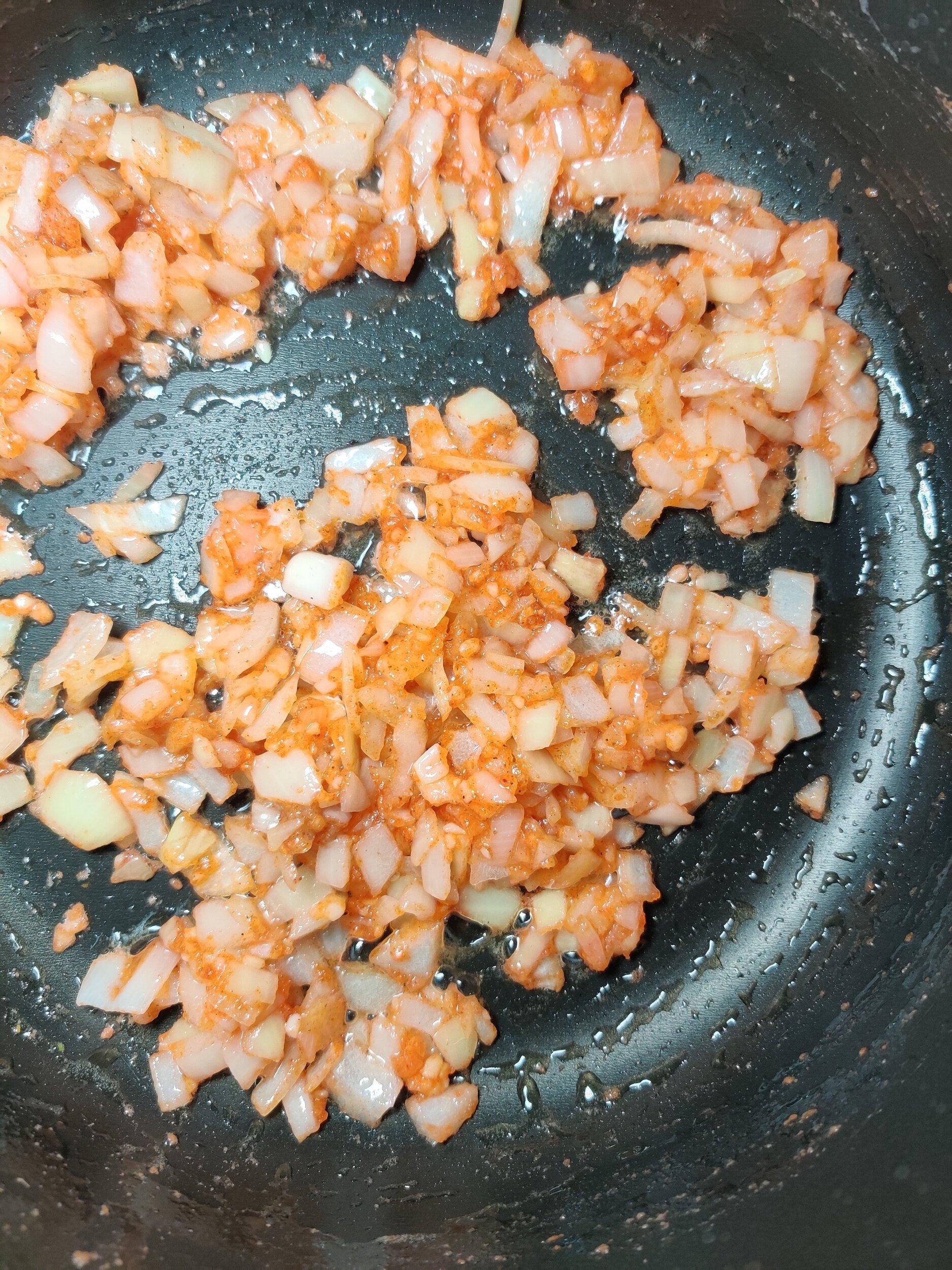
- Add salt, pepper, and spice blend; cook another 2–3 minutes.
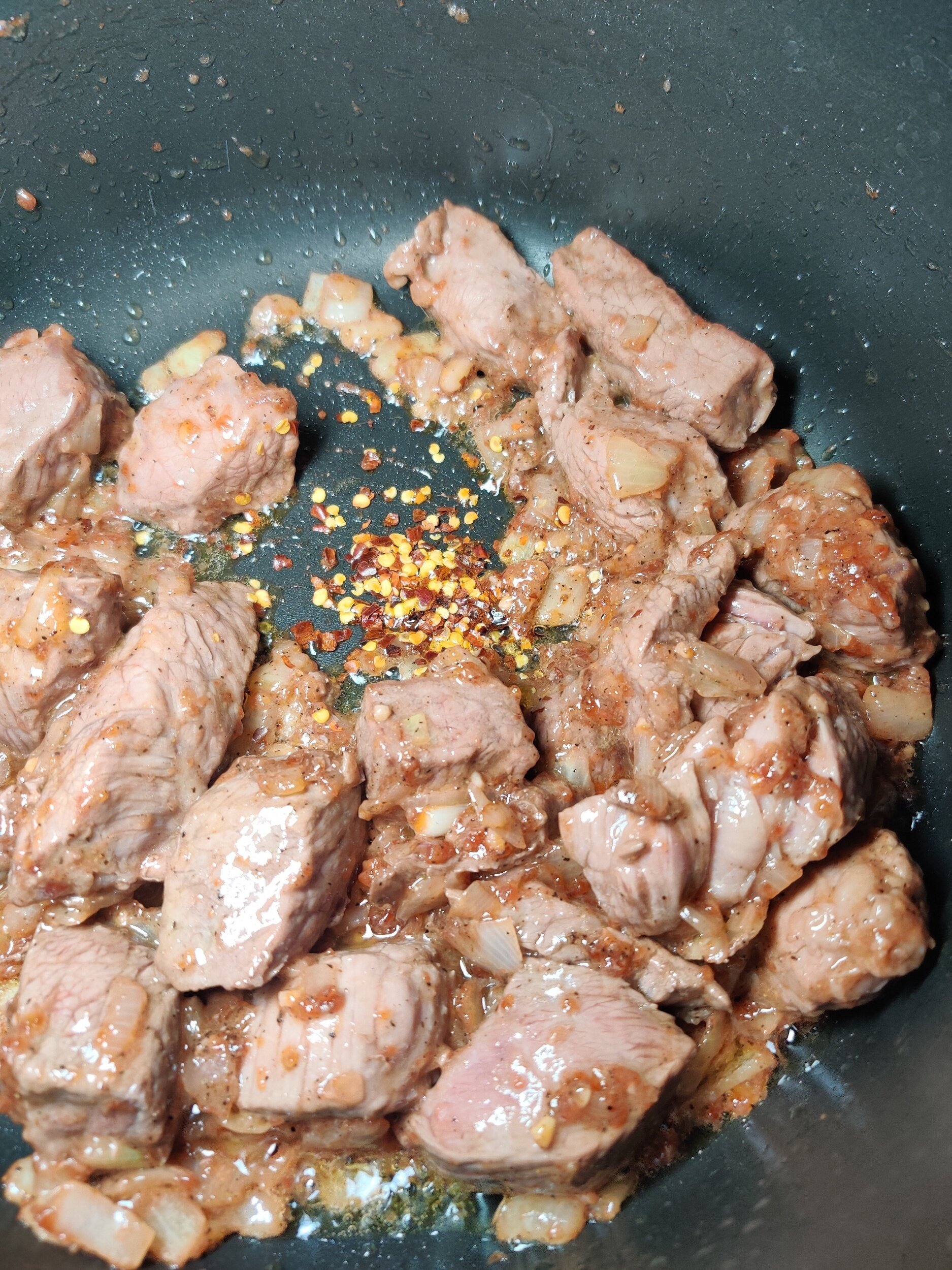
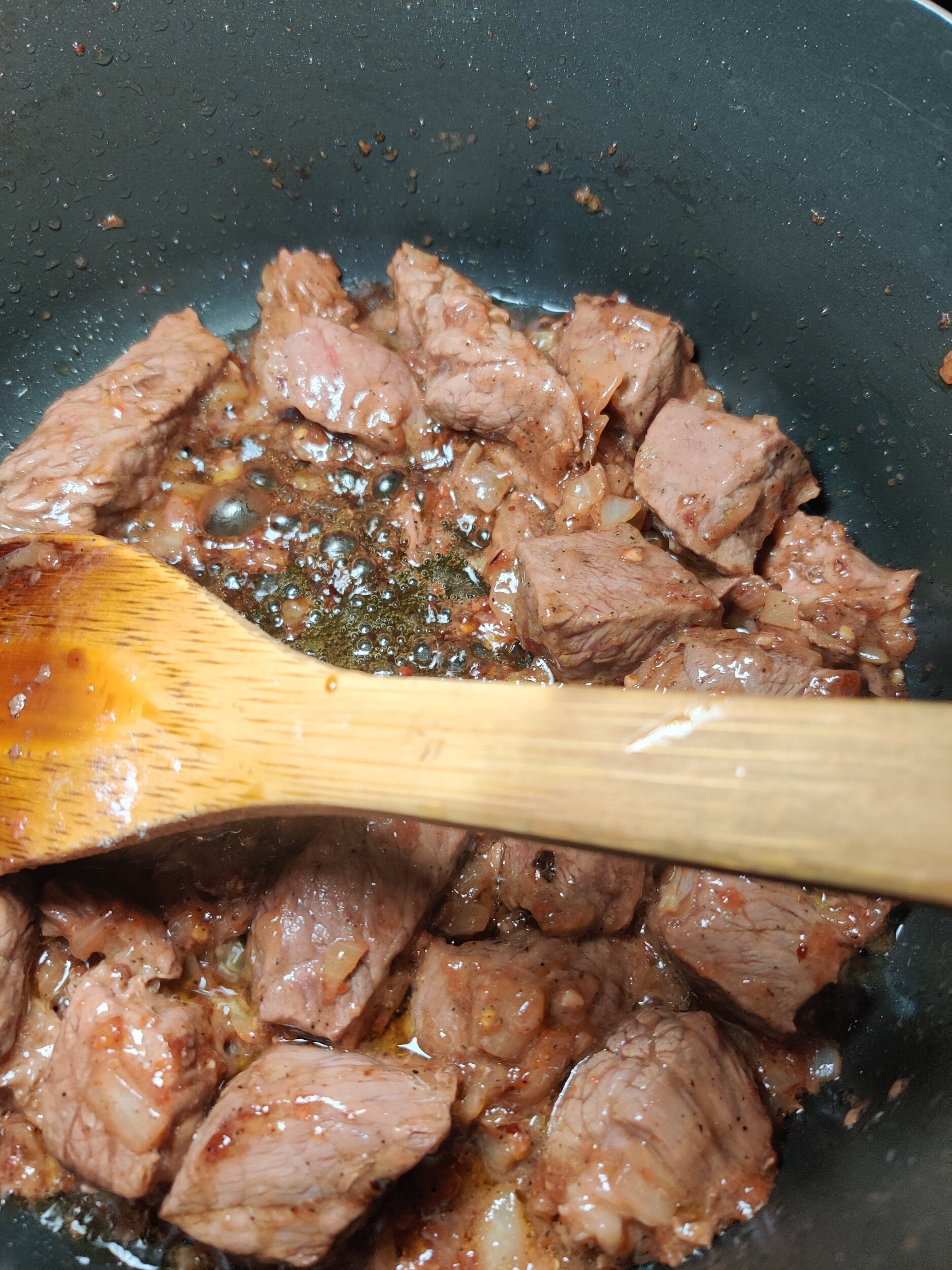
- Brown the beef with chili flakes for 5–7 minutes.
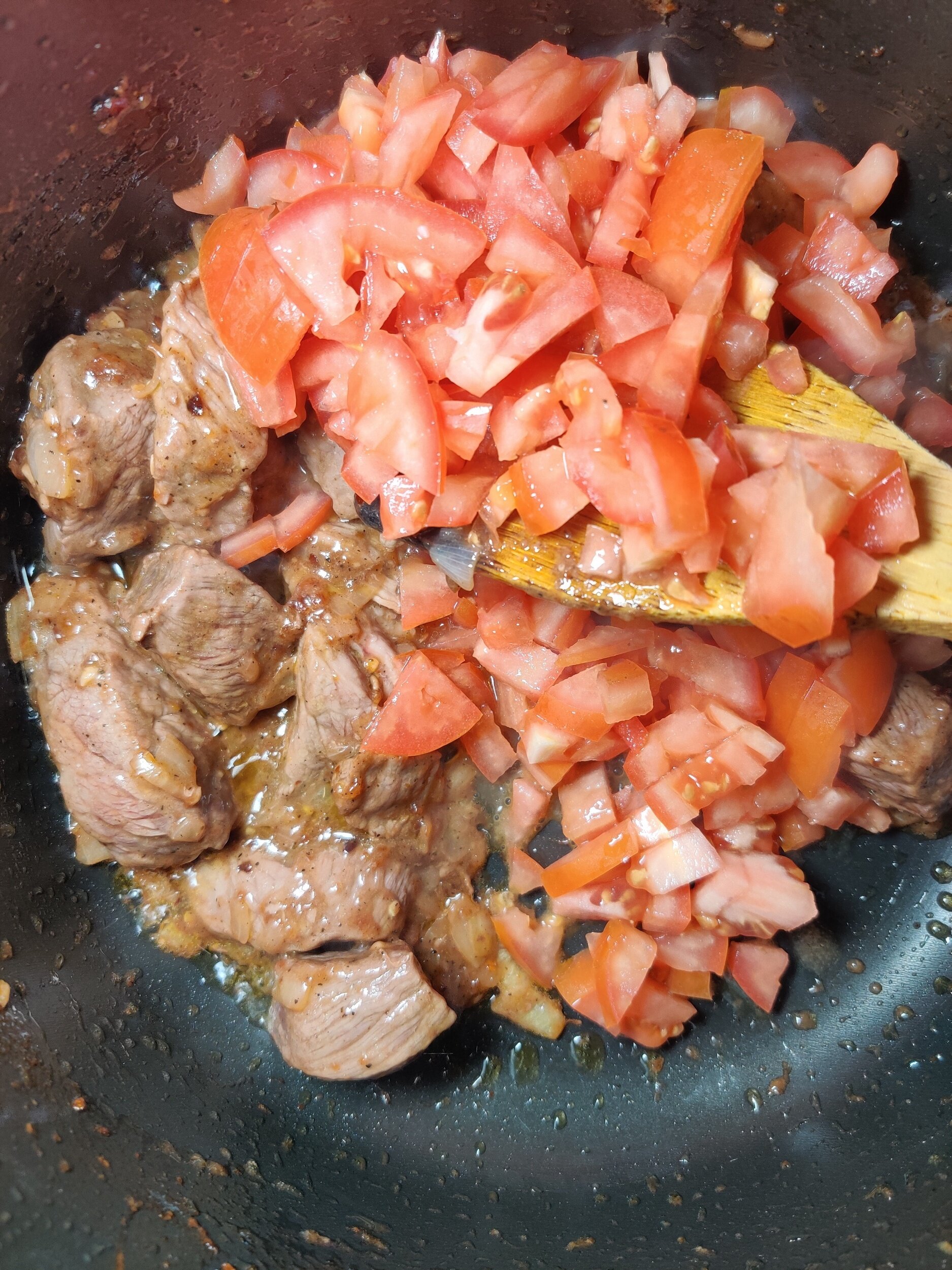
- Add tomatoes and bouillon cubes; stir to combine.
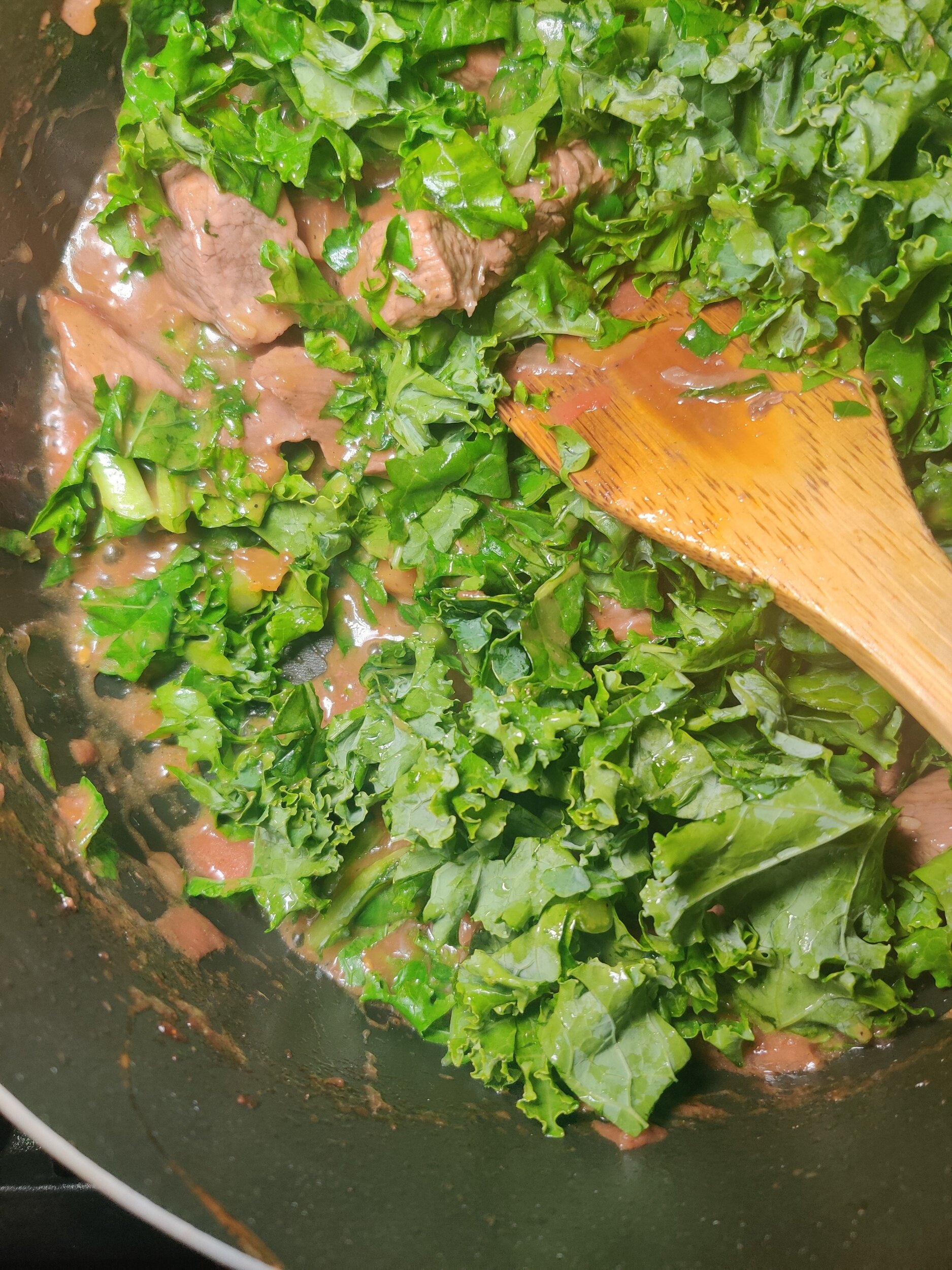
- Add chopped kale and water (or broth). Cover and simmer for 30 minutes, stirring occasionally, until beef is tender.
- Mix 1/2 cup cornmeal with cold water to make a smooth paste.
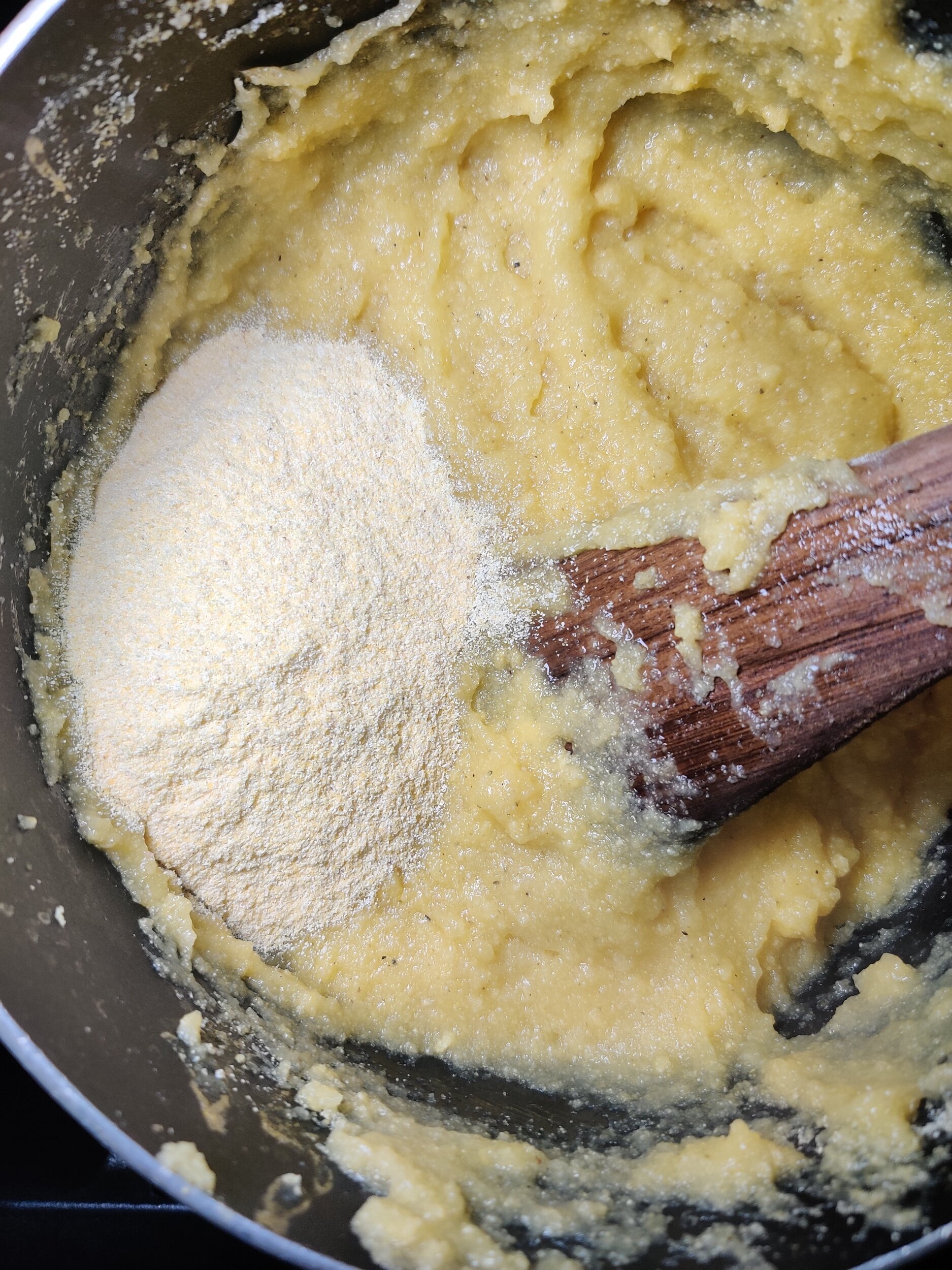
- Gradually stir in boiling water over medium heat. Cook 4–5 minutes until bubbling.
- Slowly add remaining cornmeal, folding to form a soft dough. Reduce heat to low and cook 15–20 minutes, stirring occasionally.
- Shape with a wooden spoon and serve hot alongside the stew.
Notes
- Vegetarian option: Replace beef with butternut or pumpkin cubes for a meat-free version.
- Extra flavor: Use bone-in beef for a richer, more aromatic broth.
- Serving: Sadza is best eaten hot; leftovers can be refrigerated 3–4 days or frozen.
- Pairings: Works beautifully with traditional Southern African sides or simple salads.
- Meat Choice: For quicker cooking, use boneless stew beef or sirloin cubes — they’ll be tender in 30–40 minutes. Bone-in cuts give a richer, more flavorful broth but take longer.
Nutrition Facts
Calories
500Fat (grams)
22 gCarbs (grams)
45 gFiber (grams)
6 gSugar (grams)
5 gProtein (grams)
28 gI am not a certified nutritionist and any nutritional information on dontmissmyplate.com should only be used as a general guideline.
For more traditional Southern African-inspired dishes, check out:
Why You’ll Love This Recipe
Warm, hearty, and authentic — perfect for cold days or cozy meals.
Simple ingredients, big flavor, and easy to follow.
Brings a taste of Zimbabwean culture to your table.
Flexible enough for variations, from vegetarian to bone-in beef for depth.


Pinto Bean and Chickpea Bessara
Bambara groundnuts or nyimo as I knew them, aren't beans you can easily find in the United States. You can, however, cross chickpeas and pinto beans to get a similar taste. That’s what I did for this heart-warming bean dip.
I grew up eating nyimo, they are some of my favourite bean/nuts, and I had to incorporate them into this bessara-inspired dish.
Popular in Morocco, Egypt, and other parts of North Africa, bessara (a bean dip or soup thinned in the process) is comparable to hummus. Typically fava beans are used,along with the lemon, cumin, olive oil and paprika (I add extra which gave it the orangish-red tone and add a smoky, rich, taste).
If you are looking for a quick, savoury snack and have some fresh bread lying around, this might be it for you!
Ingredients
1 cup dried pinto beans (soaked overnight)
1 cup dried chickpeas (soaked overnight)
2 tablespoons smoked paprika
1 teaspoon cayenne pepper
1 tablespoon fresh garlic
1 teaspoon salt
1 tablespoon black pepper
1 teaspoon coriander
1 teaspoon cumin
1 tablespoon scotch bonnet pepper sauce or hot sauce
1/4 cup lemon juice
1/2 cup olive oil
1/4 cup water
Fresh parsley or basil
Chilli flakes
Peanut oil
Instructions
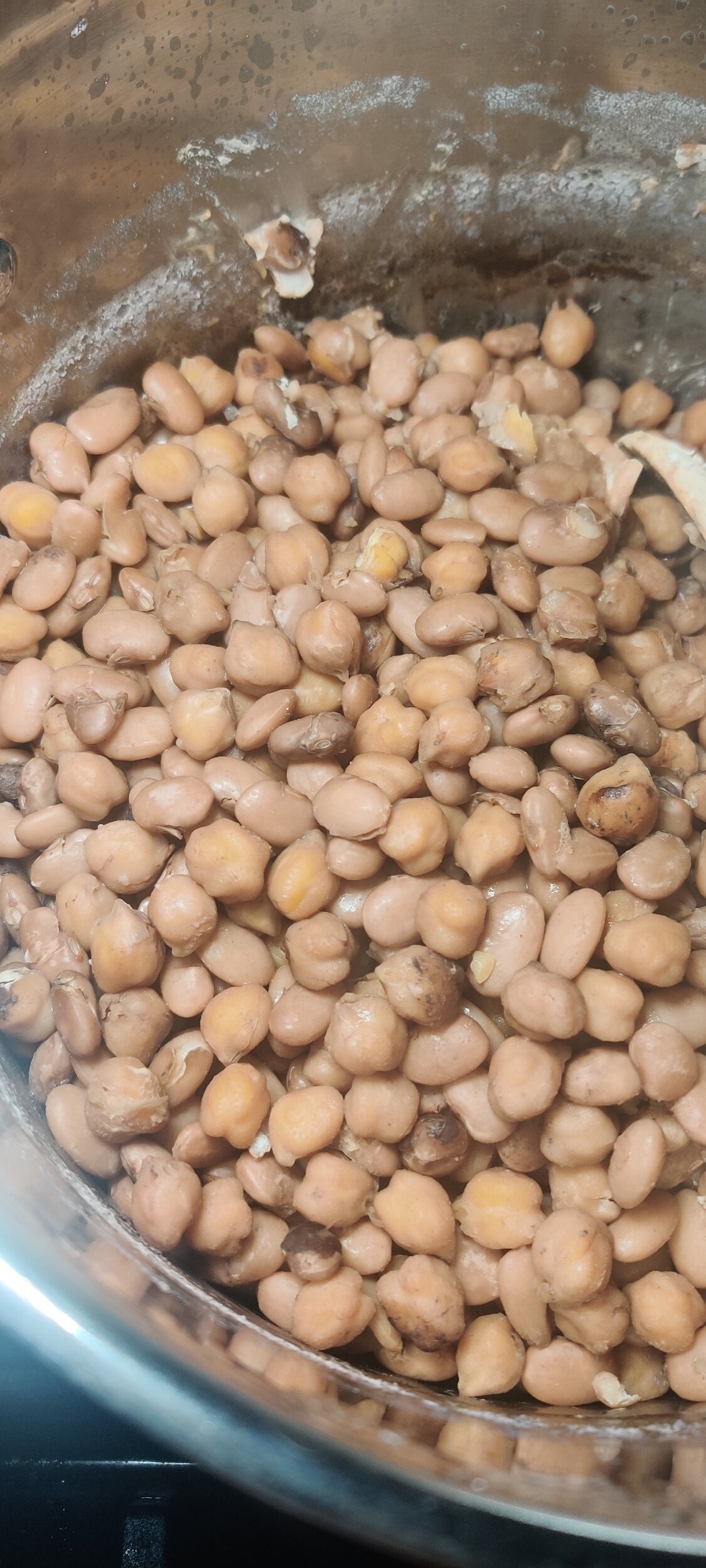
Cook the beans. Bring the pinto and chickpeas to a boil completely submerged in salty water in a large pot, then reduce to a simmer until softened and fully cooked, about 1-2 hours. Drain.
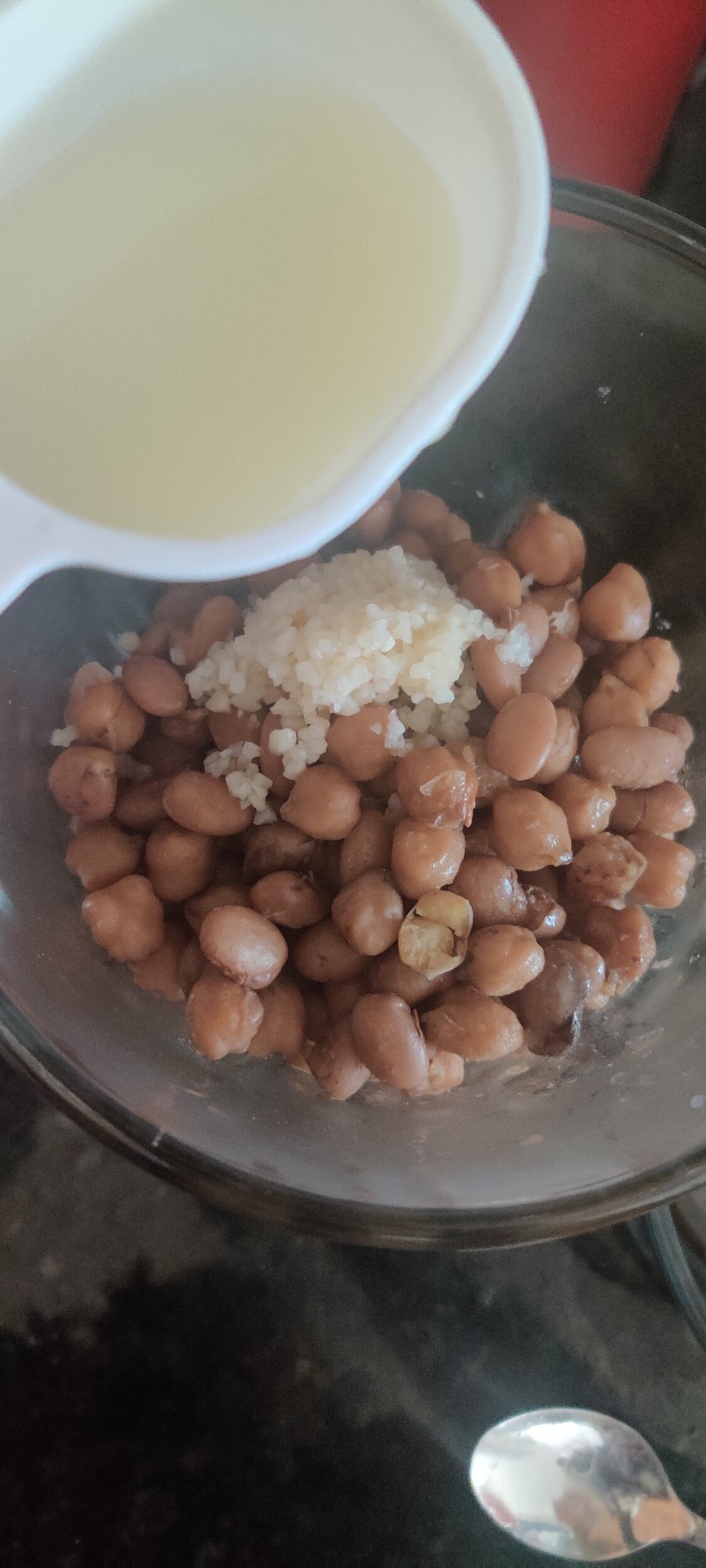
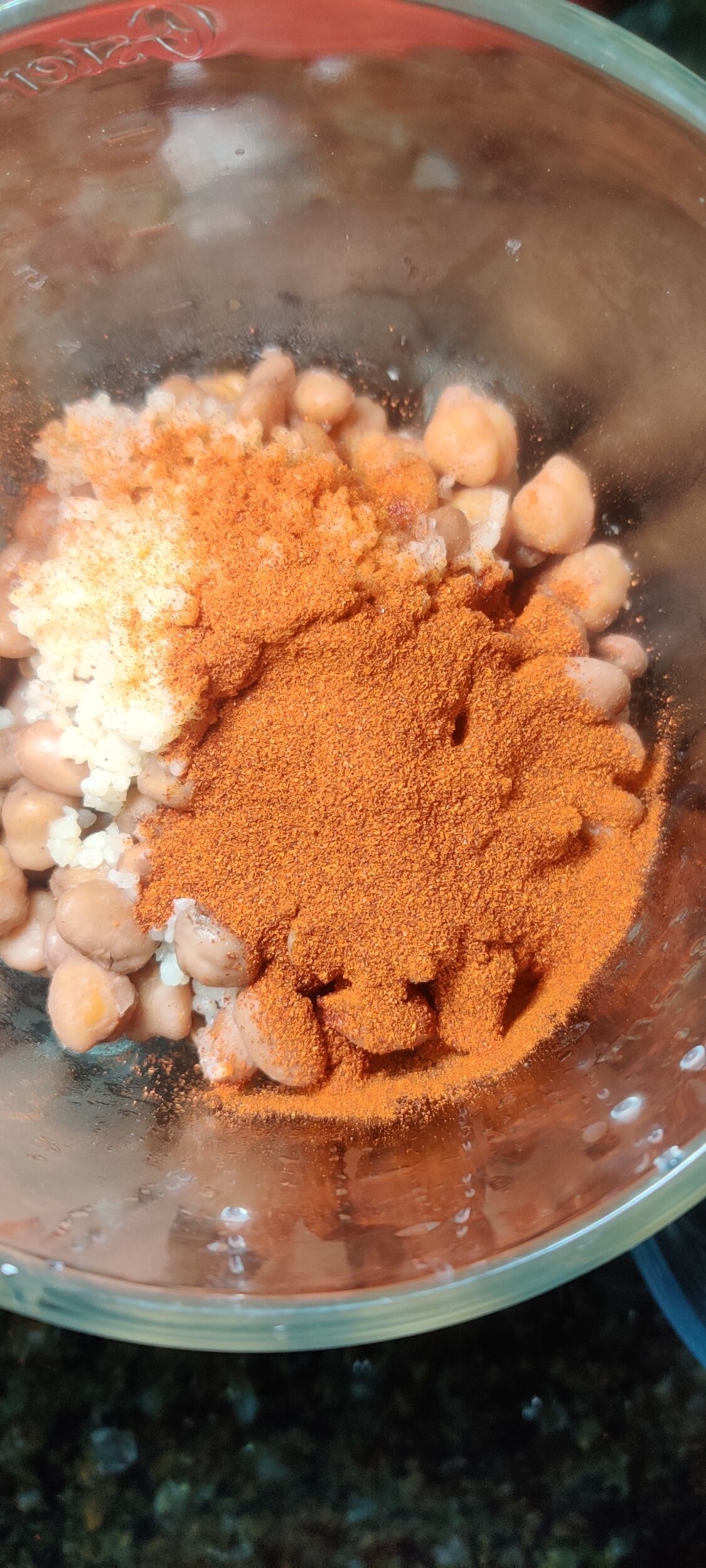
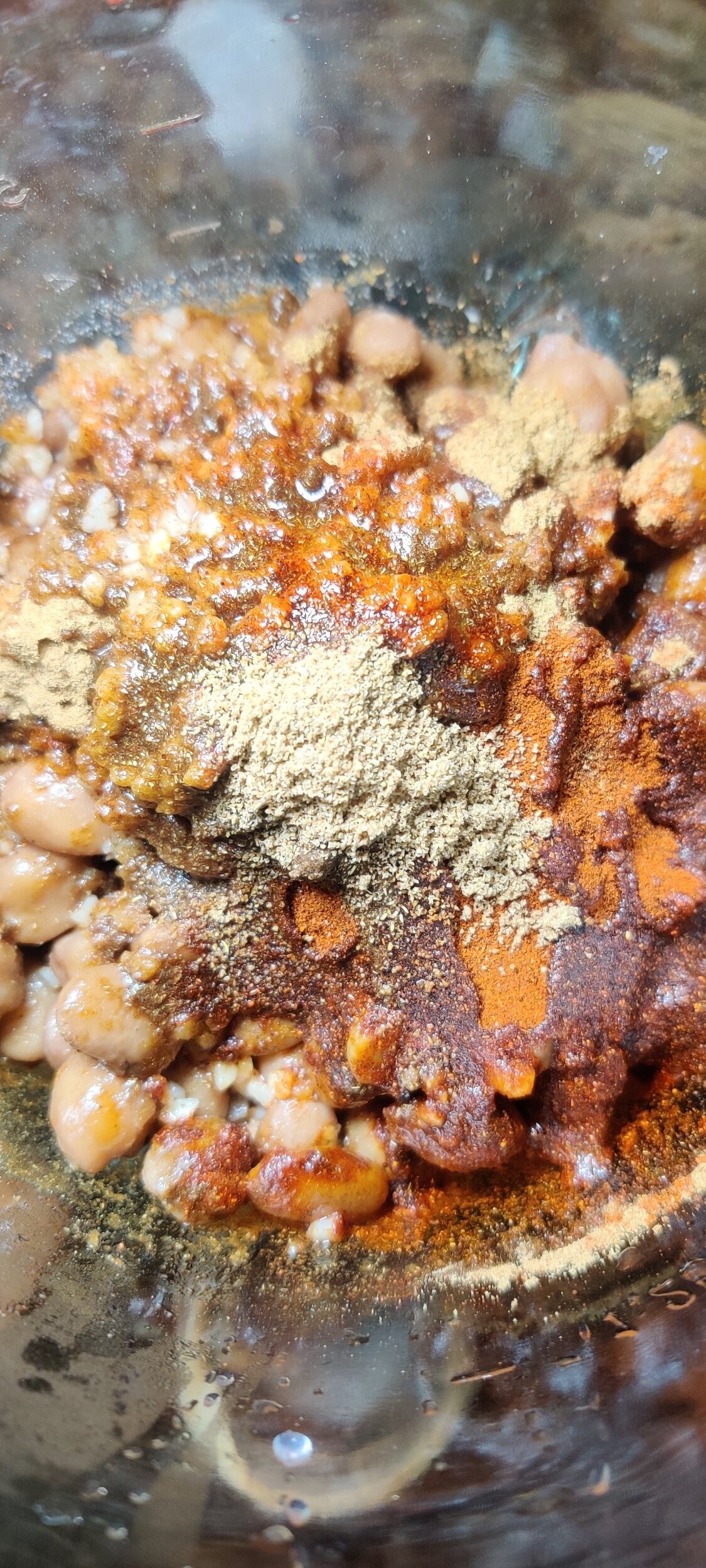
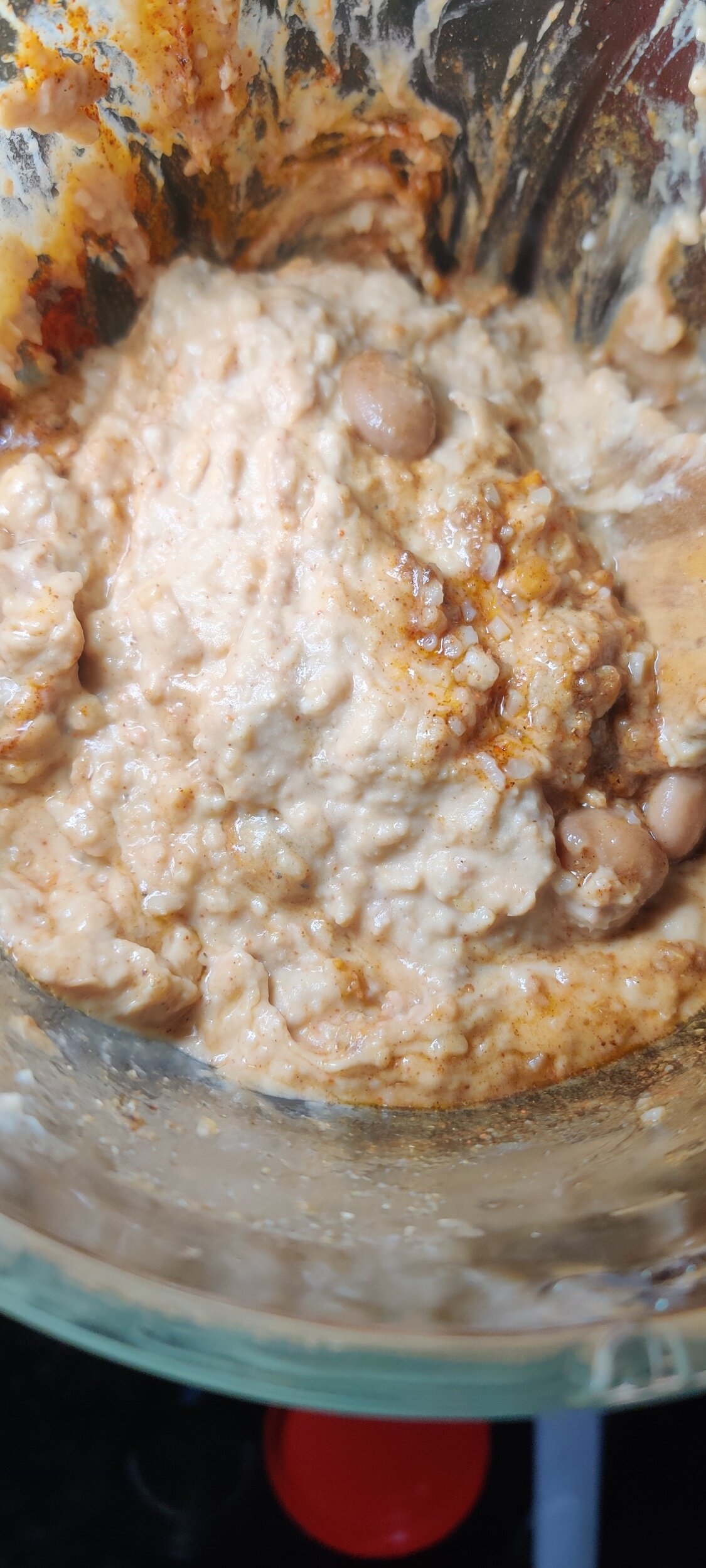
In a blender or food processor, add the cooked beans, olive oil, lemon juice, fresh garlic, salt, pepper, spices, water, and the hot sauce. Puree until a smooth consistency has formed. You can make it more like a soup with extra liquid if you prefer, but a smooth dip with a few chunks is what I did here.
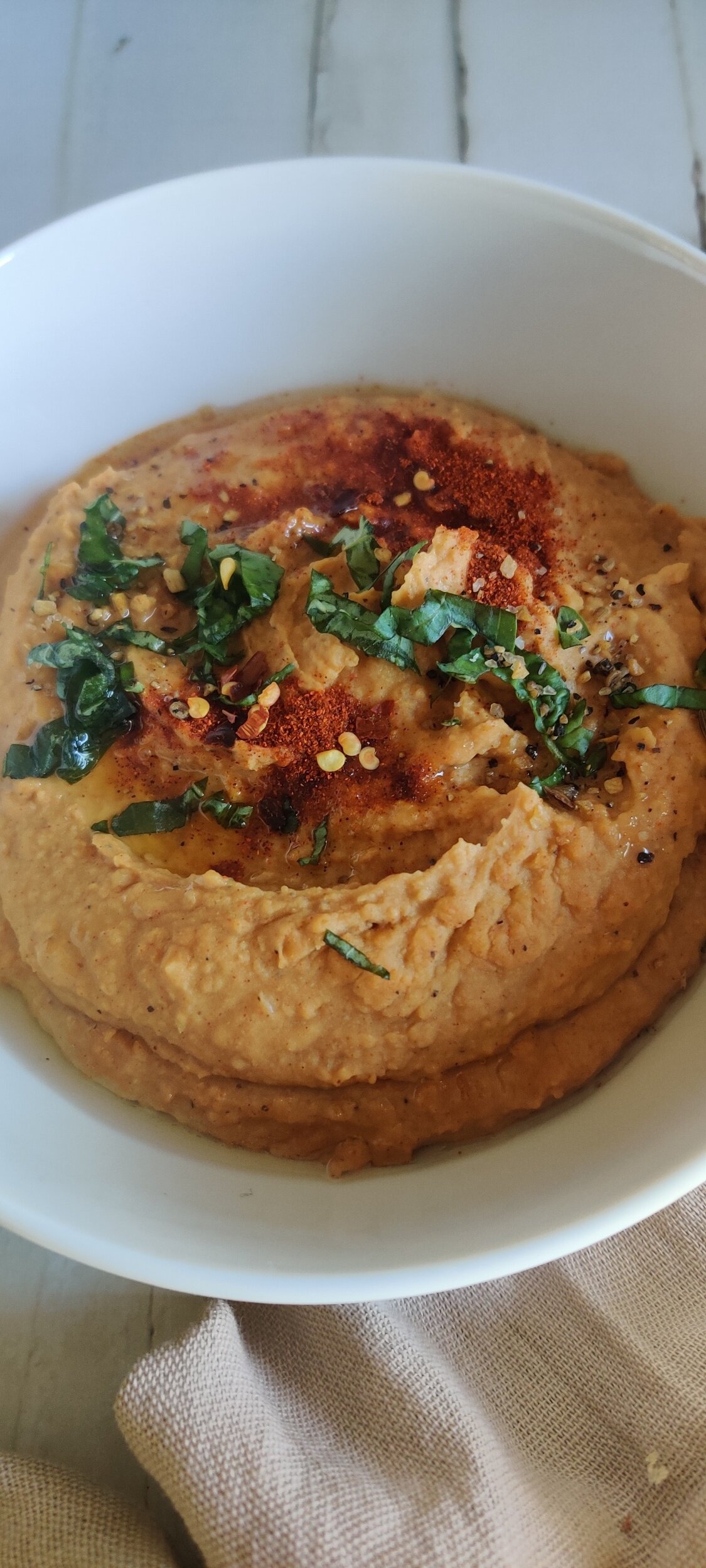
Plate your dip, and garnish with extra paprika, chilli flakes, fresh herbs, peanut oil or olive oil. Add salt and pepper to taste. Serve with fresh baguette or brioche.


Seared Hake with Mofongo Irio (Mashed Plantains with Corn & Peas)
There's nothing like a crispy piece of fish, especially when it’s wild-caught. I was inspired to put this together by MSC Bluefish, a non-profit organization that seeks to protect the oceans by advocating for sustainable fishing practices and educating people on the importance of conscious consumption in a world where our food choices have a huge impact on the environment and food security.
To learn more visit their website, and download their new guide to help out when you are shopping! https://www.msc.org/en-us/what-you-can-do/blue-fish-guide
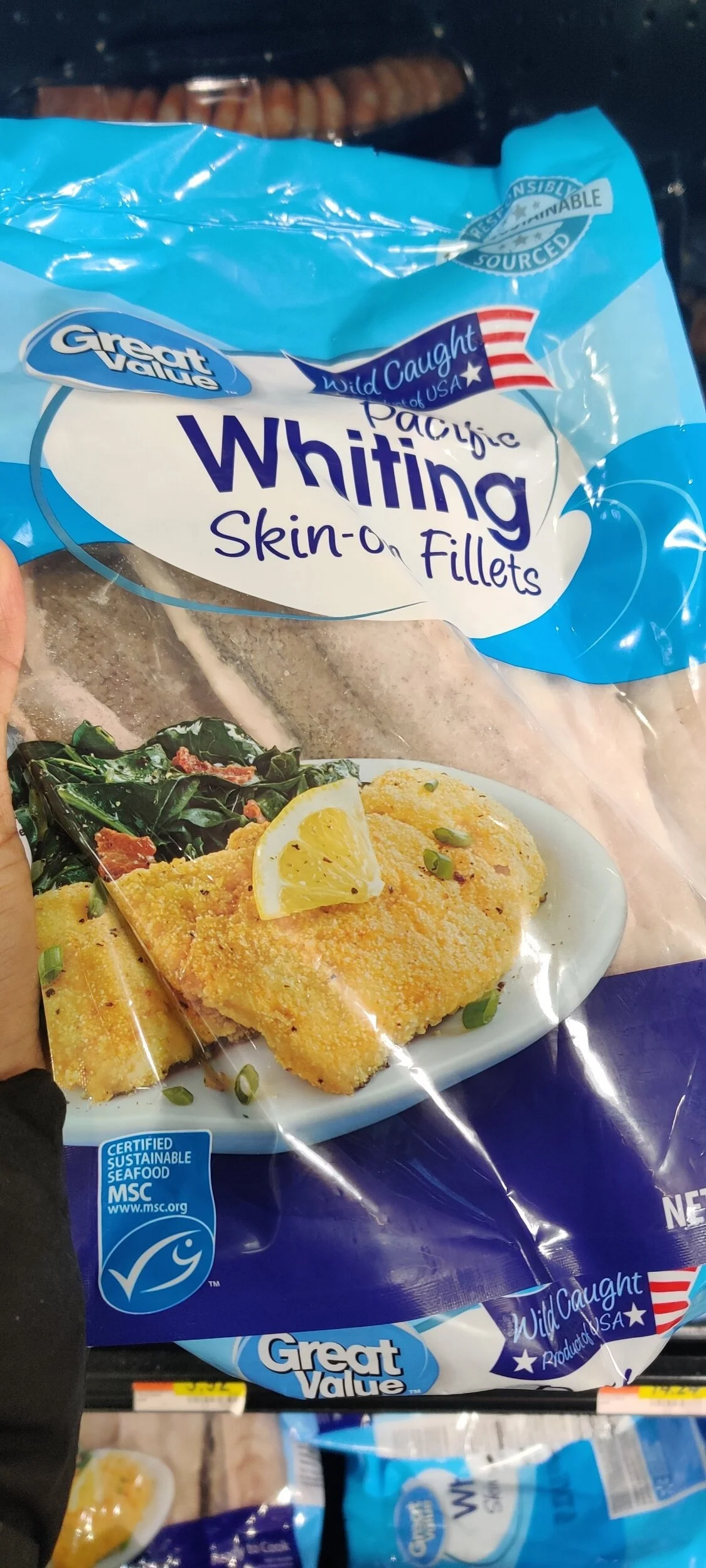
I got my hake fillets at Walmart, but you can find MSC Bluefish labelled products at several grocery stories - tinned, fresh, frozen, in a wide price range that can accommodate your budget.
I love hake, it’s a tasty but mild fish you can pair with almost anything. With the skin on, you can get some great flavours.
I paired the fish with a fusion side dish. One dish is considered Puerto Rican, the other Kenyan. If you're a stickler for traditional meals, this isn’t for you! Experimenting in the kitchen and trying new things can teach you a lot and greatly improves your cooking skills and overall knowledge. This worked out, so I wanted to share the recipe!
Mofongo is fried plantain mashed with garlic, salt and olive oil to be formed into a ball used to eat. Typically you add bacon bits or pork rinds crushed in with a pestle and mortar. I tried it for the first time in New York at a Cuban restaurant with shrimp, and it was delicious! It's origins link back to fufu which was brought by Africans to the Caribbean in the Spanish colonies.
As for irio, that’s a side dish popular in Kenya consisting of mashed potatoes, corn, and peas. I switched out the potatoes for mashed plantains, with the addition of the garlic and voila, a side dish to compliment the crispy-skinned hake! If you like mashed potatoes and as a side for your fish and favour the taste of plantains, the 'mofongo irio' will be a delightful side to your dish!
Ingredients
Seared hake:
2 whole hake filets, with skin on, thawed (I got the MSC Bluefish-certified frozen pack)
1/4 cup vegetable oil
1 teaspoon salt
1 tablespoon black pepper
1 tablespoon fish spice
2 tablespoons lemon juice
1 egg
1/3 cup breadcrumbs
Mofongo irio:
2 large plantains, ripe
1/4 cup green peas, frozen
1/4 cup sweet corn kernels, frozen
1 teaspoon salt
1 tablespoon black pepper
1 teaspoon fenugreek
1 tablespoon garlic, minced
1/3 cup olive oil
Sautéed greens:
1 cup kale, chopped
1 tablespoon olive oil
1/4 teaspoon salt
1/2 teaspoon black pepper
Instructions
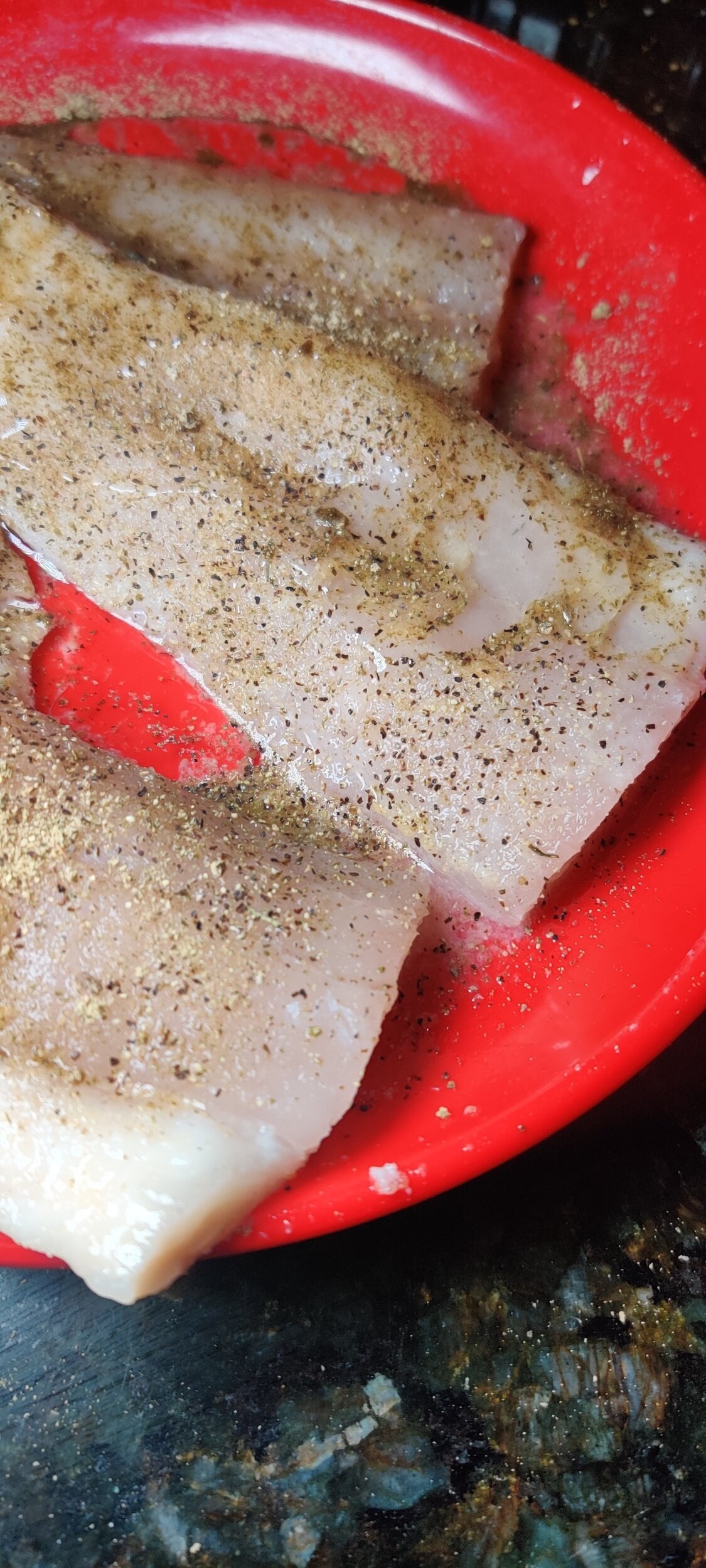
Season the fish with the salt, pepper, fish spice and lemon, set aside. Slice the fillets in half for more manageable pieces, but be careful not to rip the skin.
Get two shallow dishes - add the beaten egg to one and the breadcrumbs to the others. Place the fillets skin side up first in the egg, then the breadcrumbs to add a light coating.
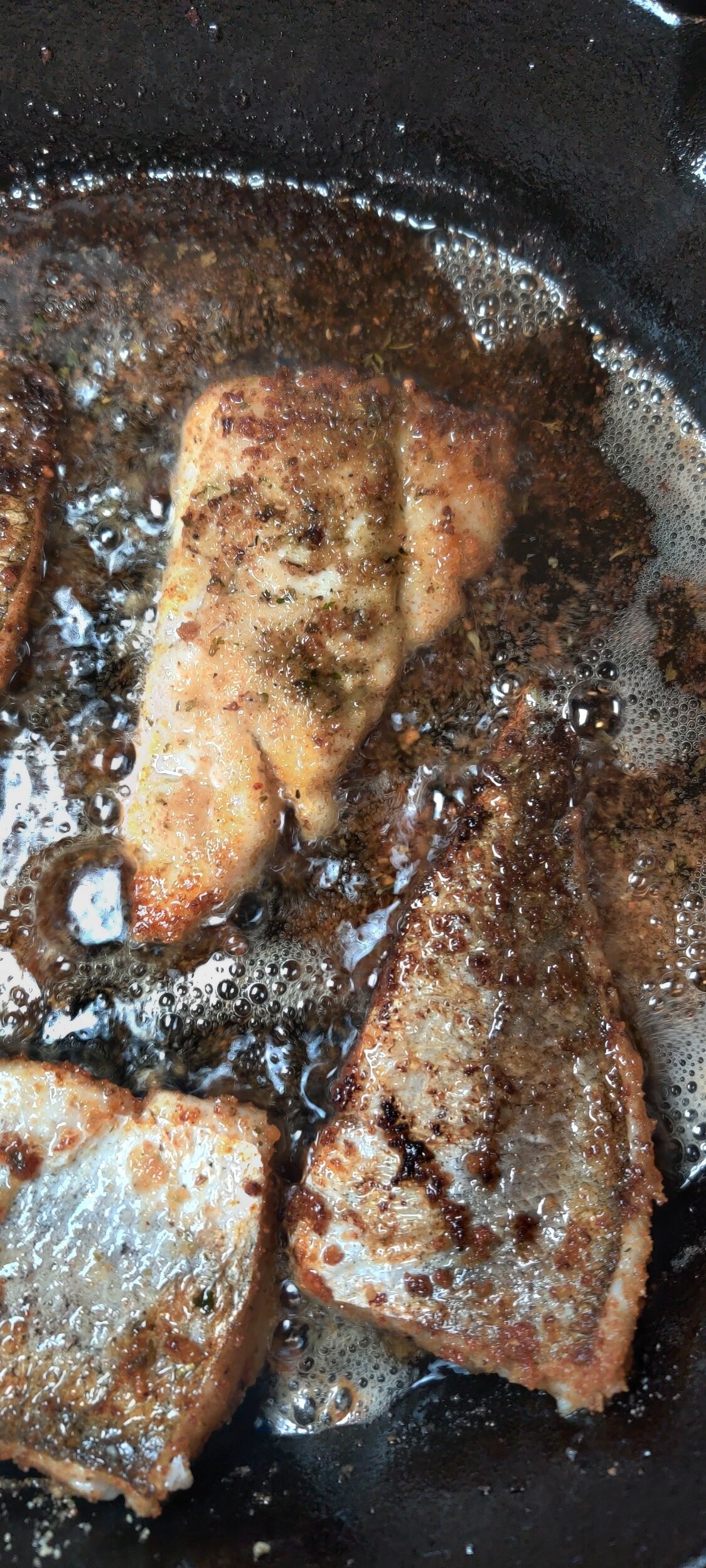
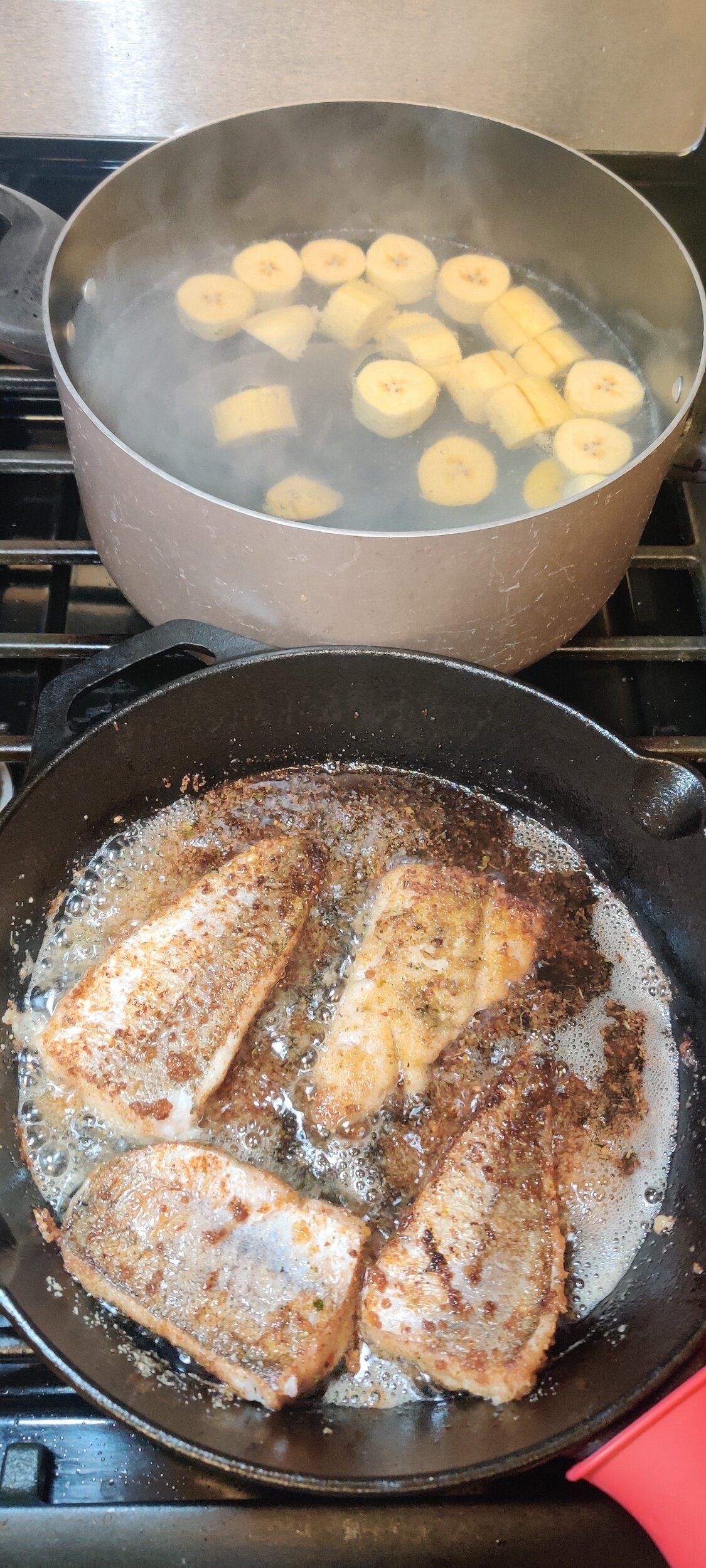
In a hot a skillet, cook the fish in the vegetable oil. Put the fillets skin down, and fry for 3-5 minutes until the skin is crispy, then turn over to finish cooking. Remove from the fish skillet but keep all the juices and bits in the pan, set aside.
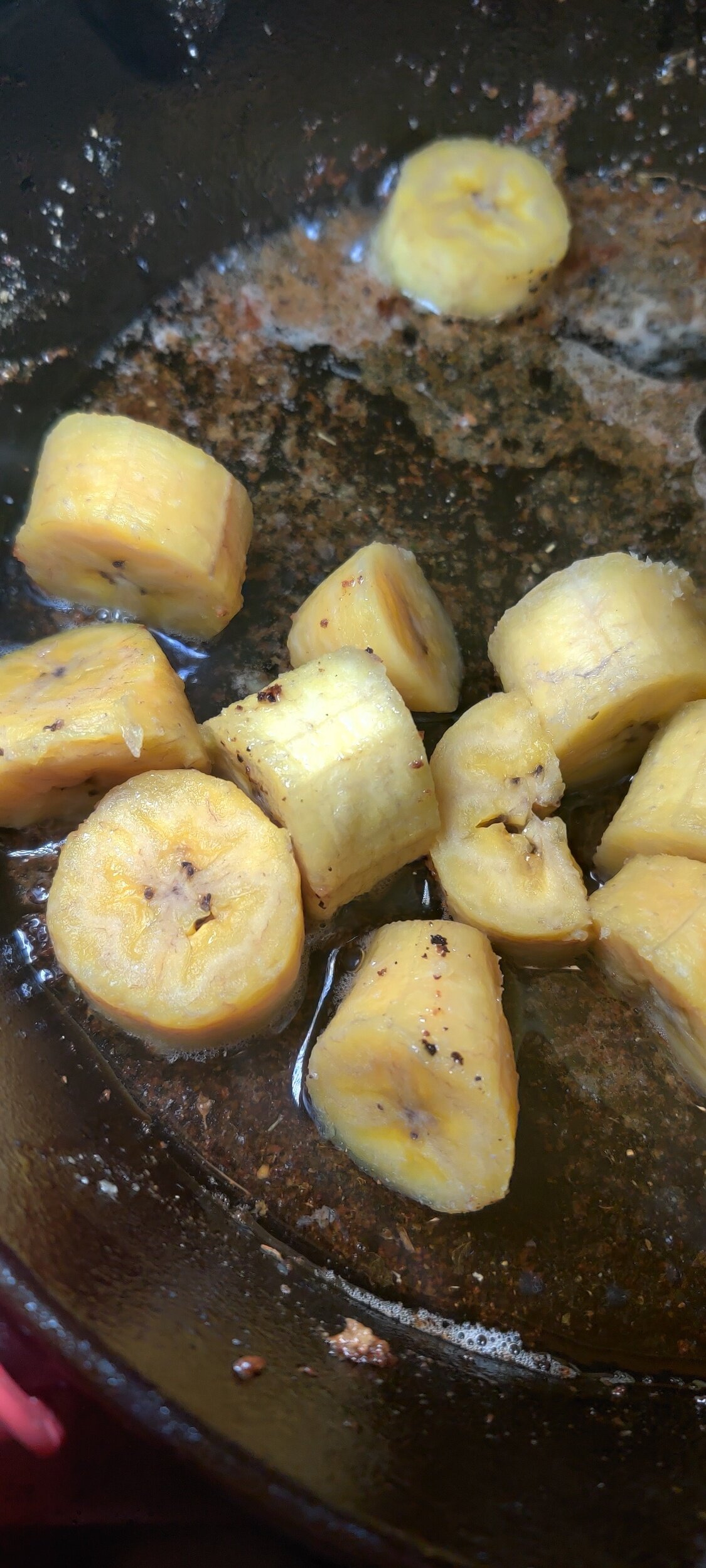
Peel and slice your plantains about 1 inch in thickness. If your plantains are not so ripe, you can boil them until they start to soften. If they are quite ripe, they will be ready to fry immediately.
Add the olive oil and garlic to the skillet and fry the plantains. Season with salt, pepper and fenugreek powder on medium-low heat until the plantains have softened, and are slightly crispy and goldish, about 5 minutes. Place them on a paper towel to remove excess oil once they are done.
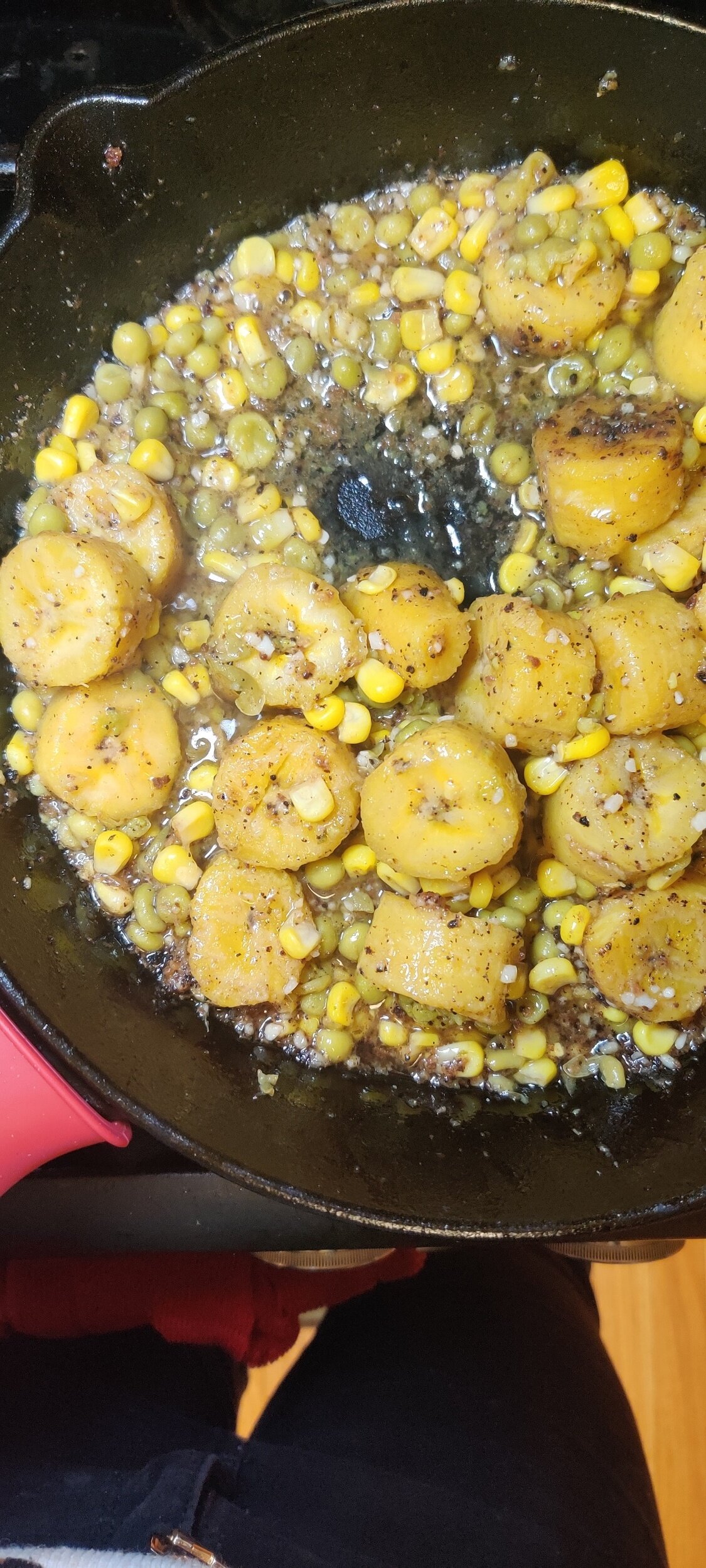
Return to the skillet, add the peas and sweet corn. Cook for another 3-5 minutes to get the peas and corn some flavour.
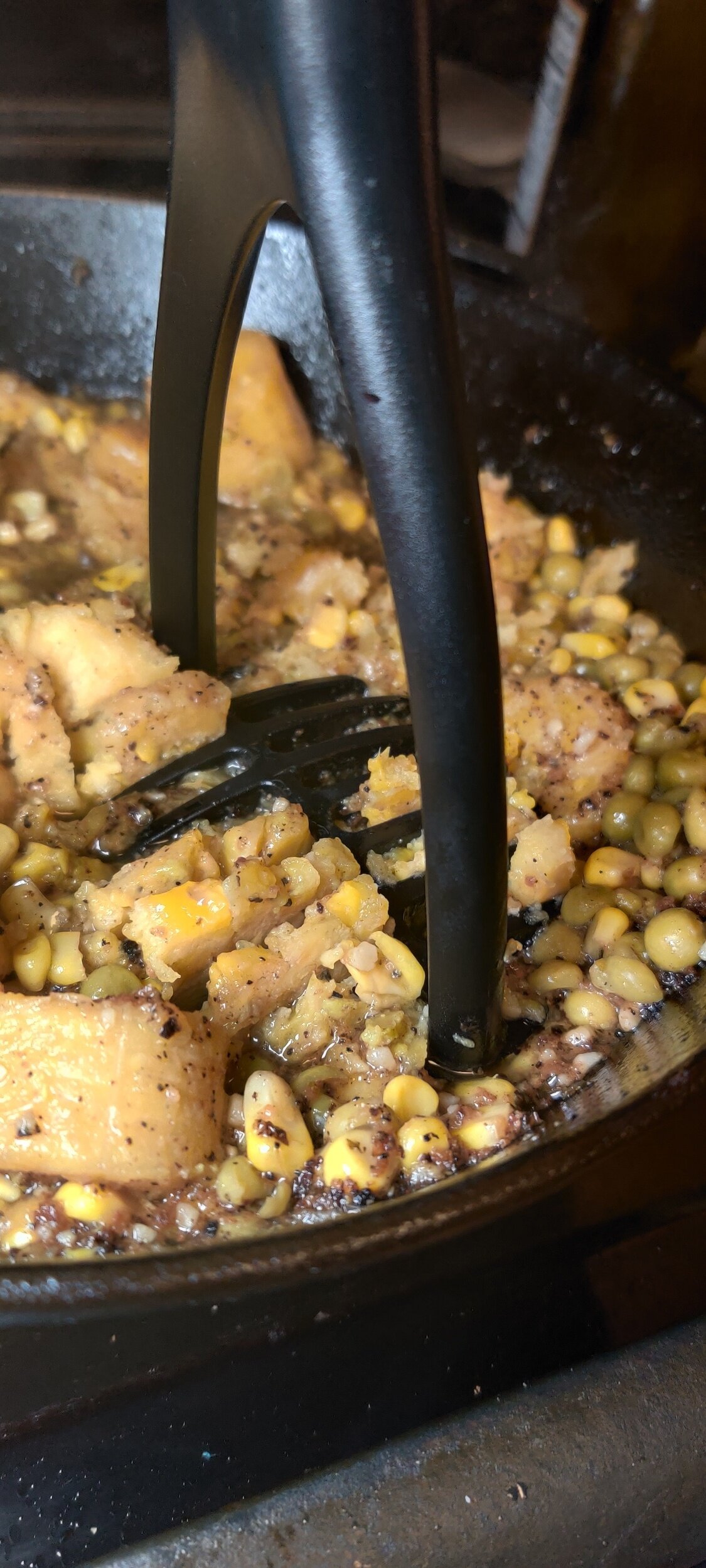
Remove from heat and using a potato masher, press down on the mixture until a mashed potatoes consistency forms - you can leave a few pieces partially whole for texture. If you have a pestle and mortar, you can also transfer the mixer and use that instead!
Prepare your kale. In a small saucepan, saute the leaves in the oil with salt and pepper until wilted, but don’t overcook.
You can also make some chermoula as a sauce for the fish, but the sauteed kale, juicy fish, and moist mofongo irio mash is enough. Find my recipe for the seafood accompaniment, here: https://www.dontmissmyplate.com/how-to-cook/2020/6/30/chermoula-red-snapper-peanut-butter-rice
Now time to plate your dishes! Using a measuring cup, shape the mofongo irio into a dome shape. Place about a tablespoon of the kale on top, then set your crispy, juicy hake on top. Repeat for the desired number of servings. Serve with avocado and lemon, enjoy!

Ugandan Rolex (Omelette Rolled in Chapati)
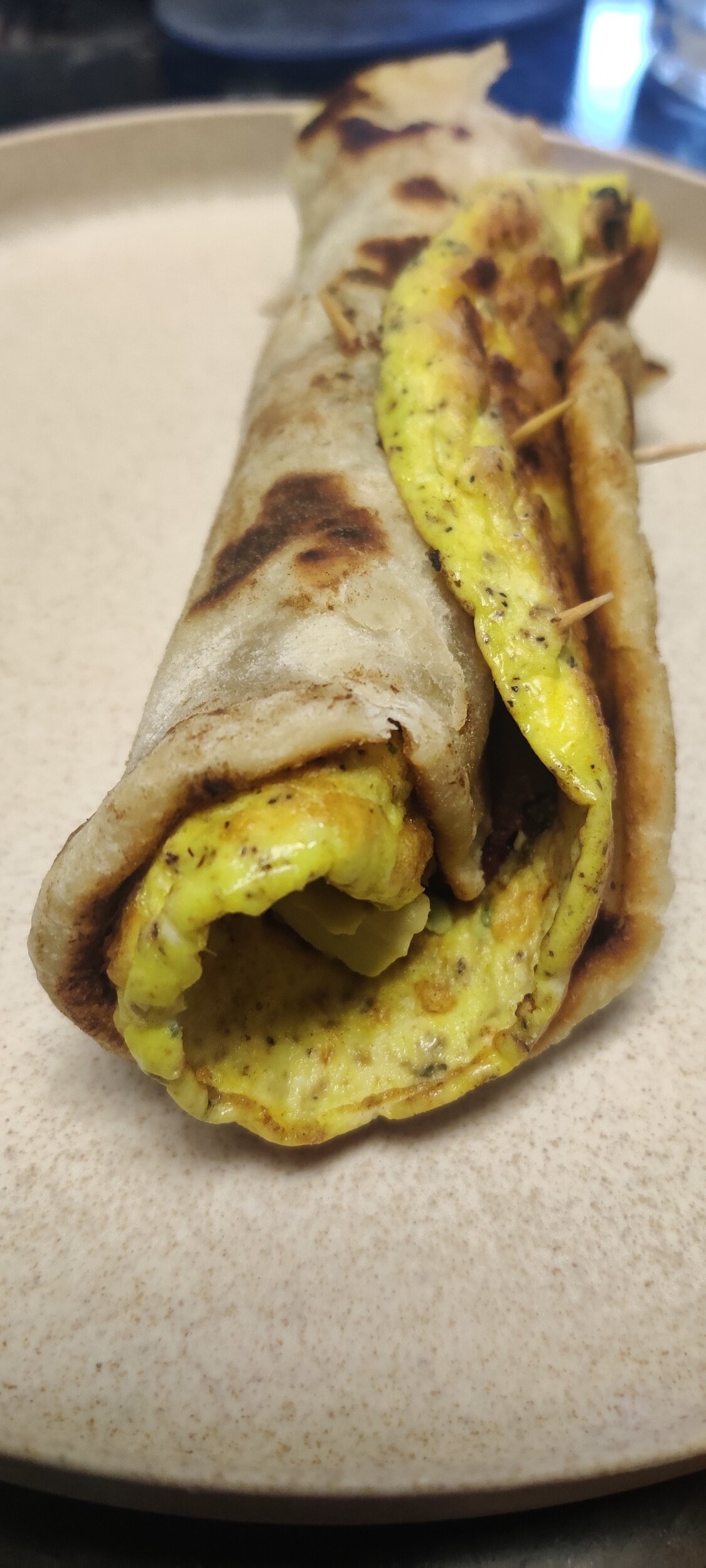
Good street food can be made in the kitchen, make no mistake! Whether you’ve seen it on TV or enjoyed it in person, it’s probably fairly easy to make and perfect to take on the go. If you like breakfast wraps and burritos, this recipe is for you.
The “rolex” is a vegetable omelette wrapped in fresh chapati, a flaky, unleavened flatbread similar to roti. It’s one of my favorite flatbreads, I even have another recipe for it, here. Chapati is very popular across East Africa and often accompanies almost every meal, so it’s no surprise that it’s also used to whip up a quick, on-the-go snack.
“Rolex” definitely rolls off the tongue better than “rolled eggs.” It’s both humorous and ironic for a meal that’s meant to save you time.
But in this case, you can take your time. Because chapati is unleavened, there’s no need to wait for the bread to rise. A batch of these wraps makes a great brunch platter or lunch served with a side salad.
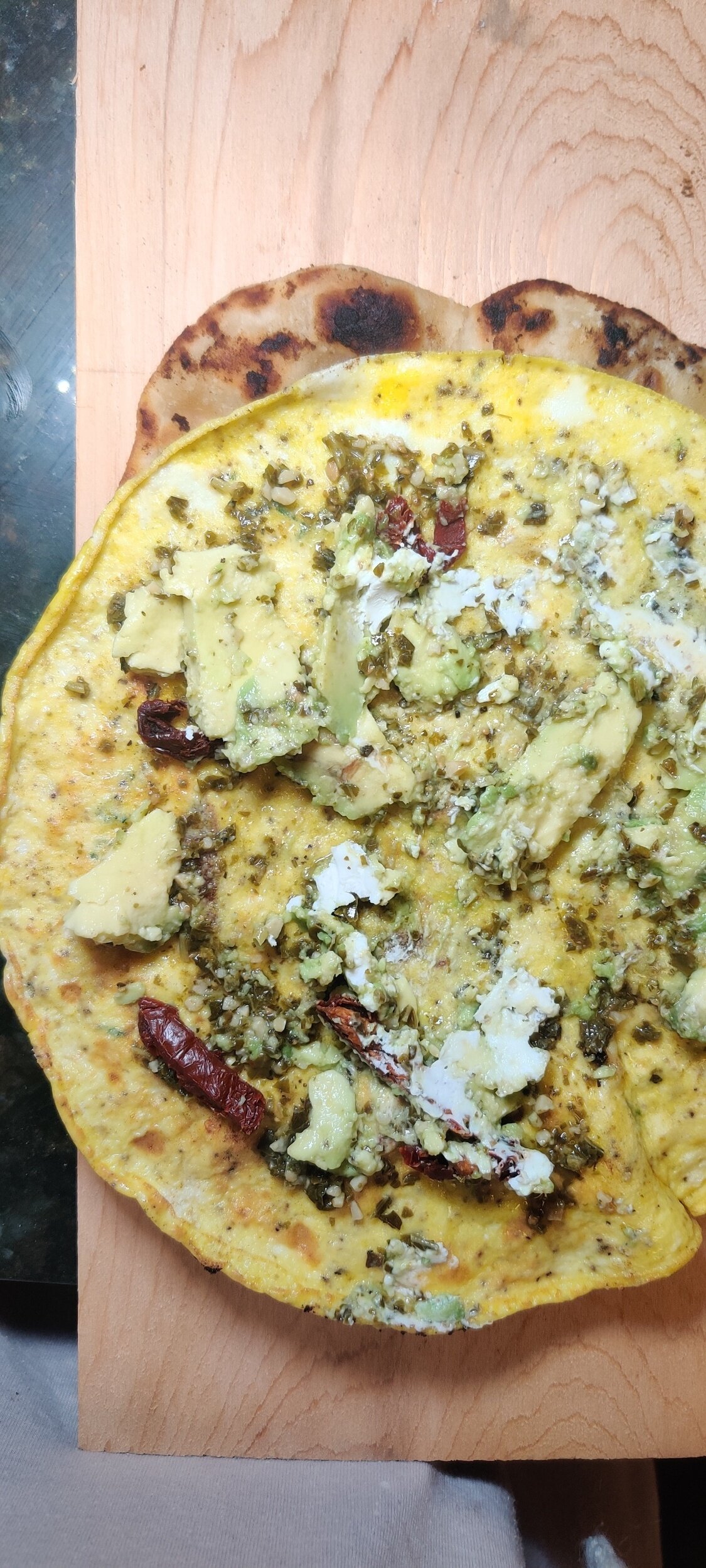
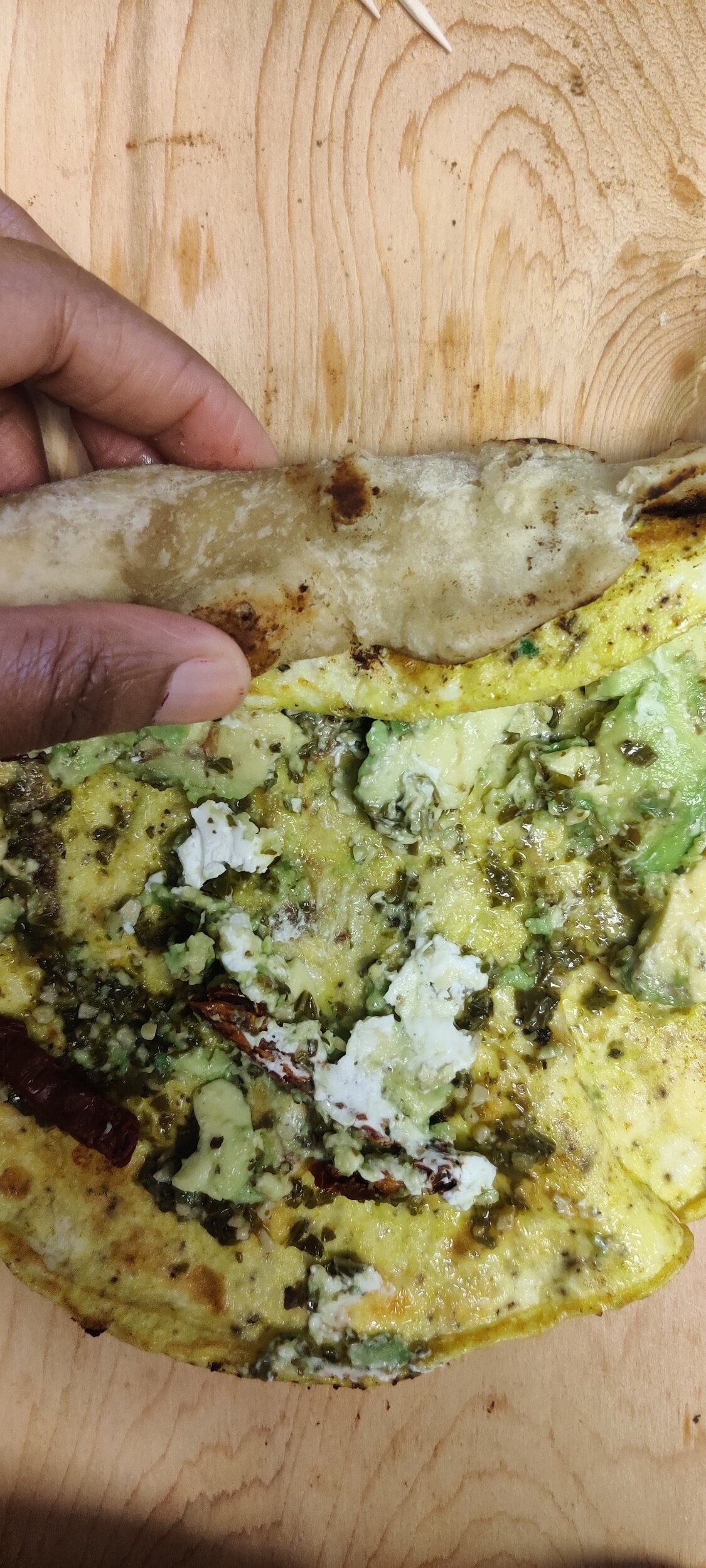
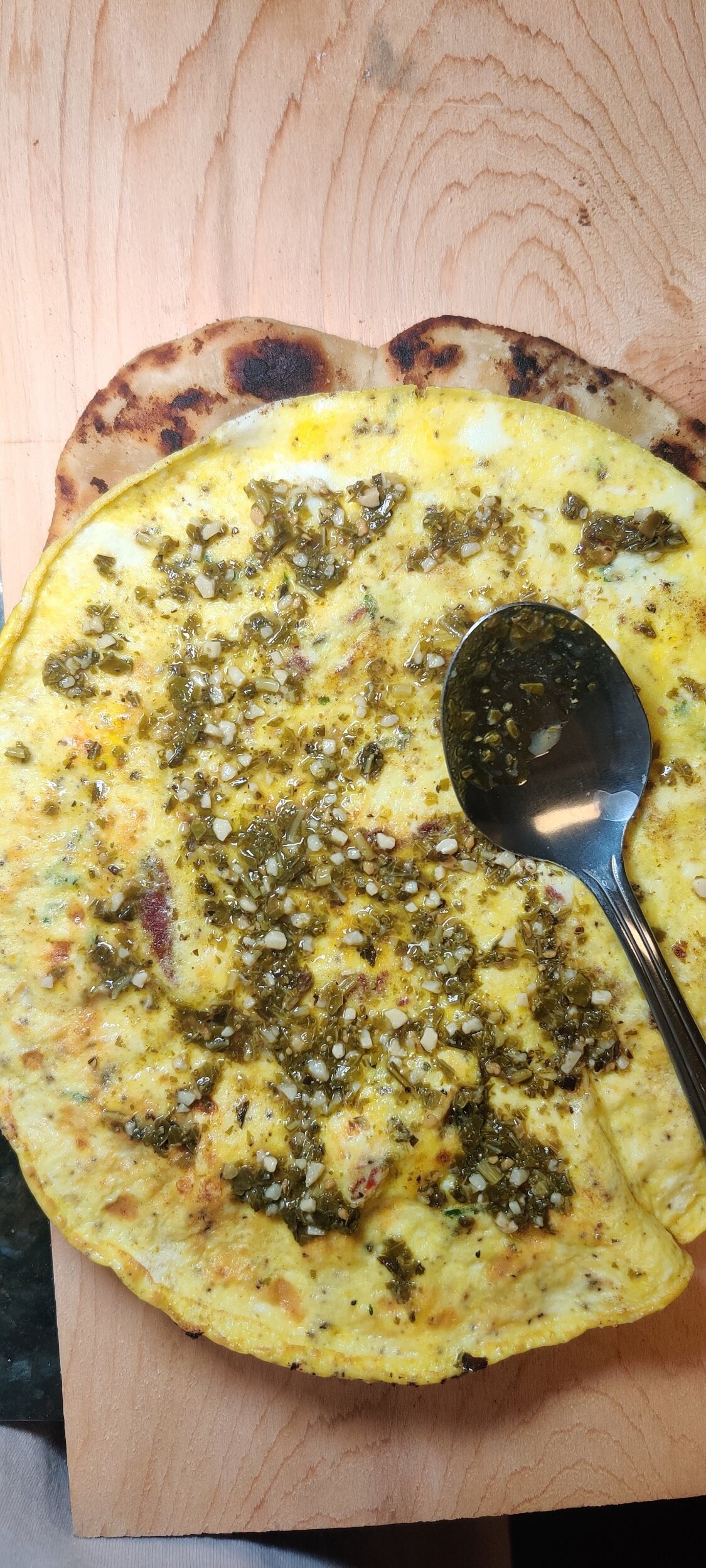
There are no rules about what goes inside or on top of your eggs, this is where you can have fun with flavors! I used sun-dried tomatoes, but you can substitute fresh diced tomatoes. I also added pesto and goat cheese for layers of flavor, and seasoned the eggs with salt, pepper, fenugreek powder, parsley, and Italian seasoning. The avocado was the cherry on top, making each bite extra luscious. If you like a little heat, try adding jalapeño.
This is a great way to start a weekend morning or enjoy a hearty post-workout meal. Give it a try!
Serving Suggestions
Serve these rolex wraps warm with a fresh side salad, such as mixed greens with a light vinaigrette, or roasted veggies for a more filling meal. They also pair well with a cooling yogurt dip or a spicy chutney if you want to add some contrast. Perfect for brunch, lunch, or even a quick dinner.
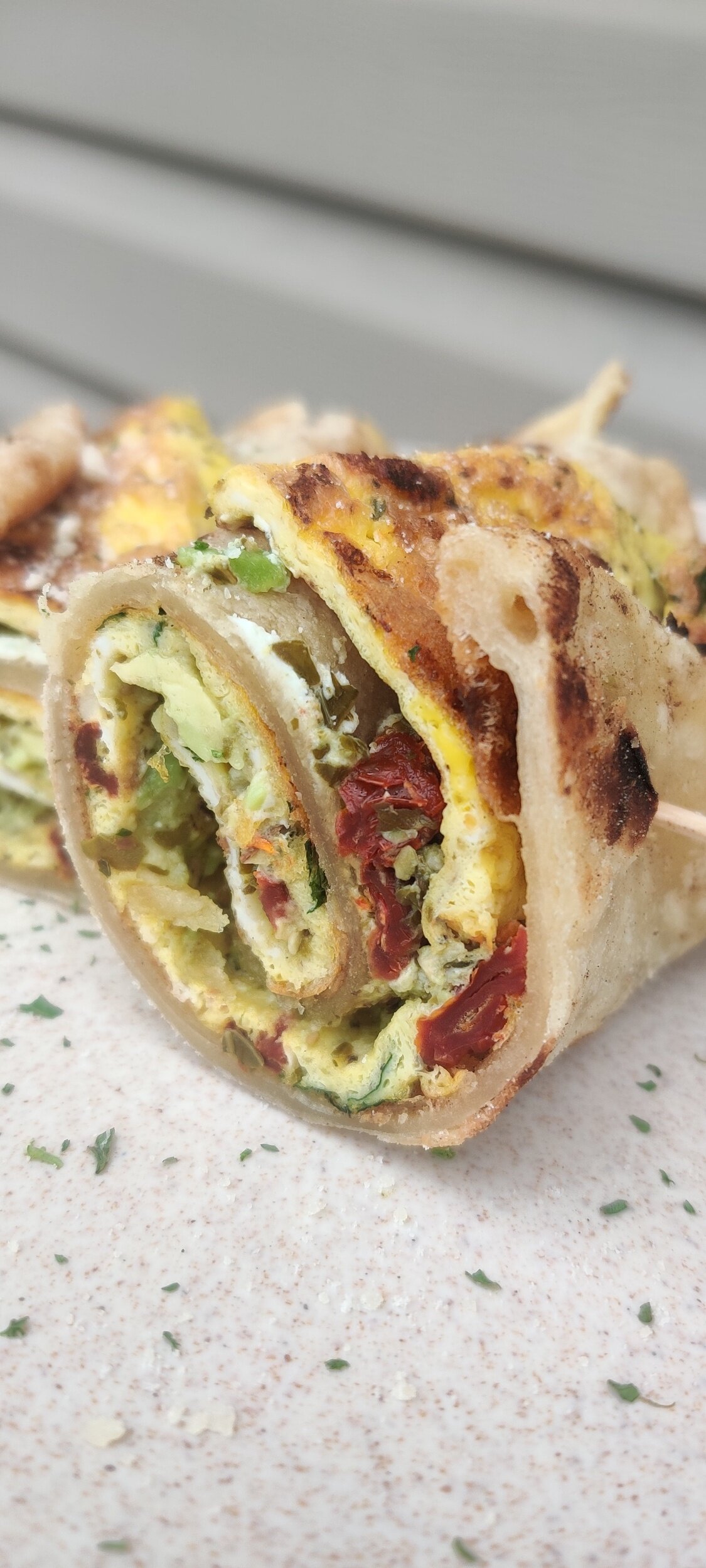

Ugandan Rolex (Omelette Rolled in Chapati)
A delicious and satisfying East African street food classic, fluffy vegetable omelette wrapped in soft, flaky chapati flatbread. This “rolex” is customizable, quick to make, and perfect for breakfast, brunch, or anytime you want a flavorful, handheld meal.
Ingredients
- 1 cup all-purpose flour
- 1 teaspoon salt
- 1 tablespoon vegetable oil, plus extra for cooking
- 1/4 cup hot water + 1 tablespoon hot water (adjust as needed)
- 4 eggs
- 1/2 teaspoon black pepper
- 1 tablespoon fresh parsley, chopped
- 1 teaspoon Italian seasoning
- 1 teaspoon dried parsley
- Pinch of salt
- 2 tablespoons pesto
- 1/4 cup Parmesan cheese, grated
- 2 tablespoons sun-dried tomatoes, chopped
- 2 tablespoons goat cheese
- 1 avocado, mashed or sliced with lemon juice
Instructions
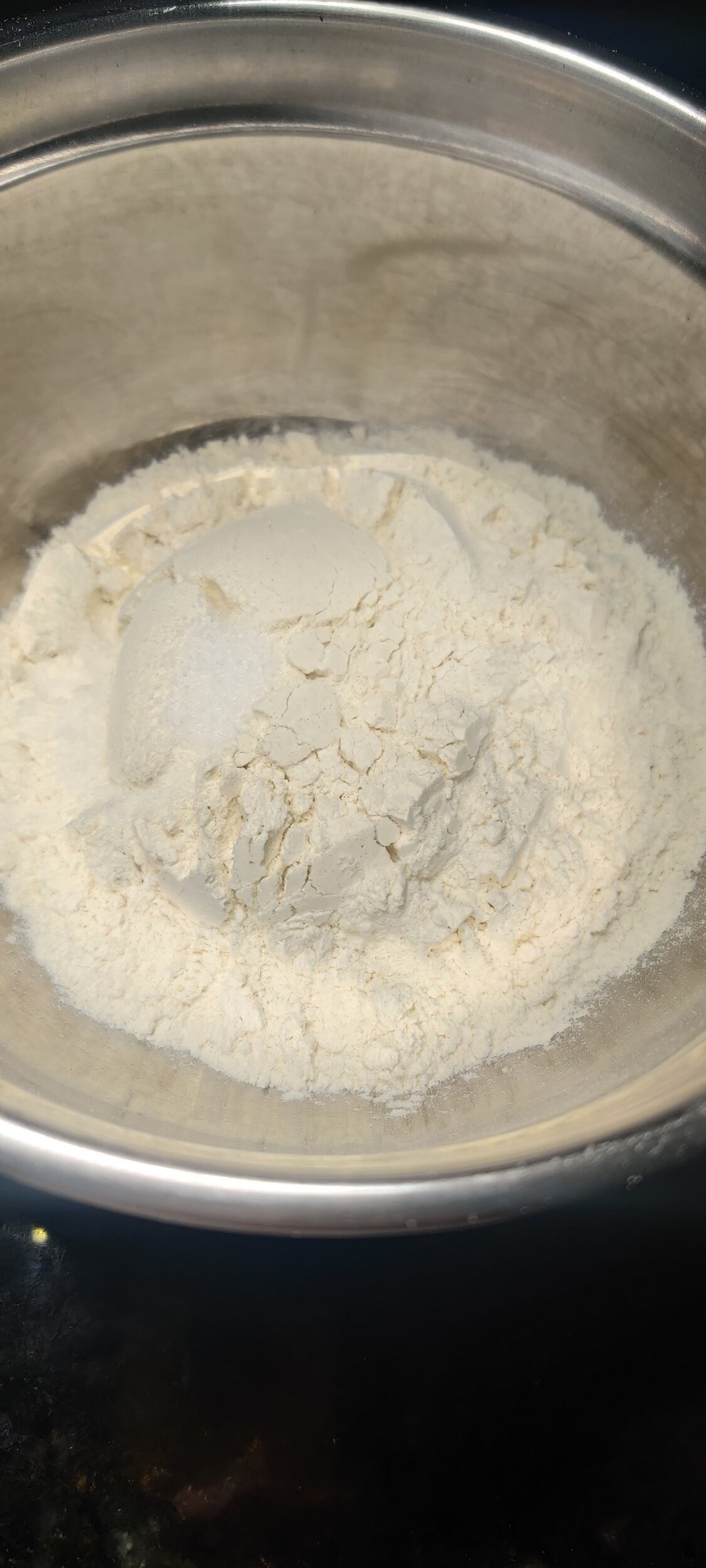
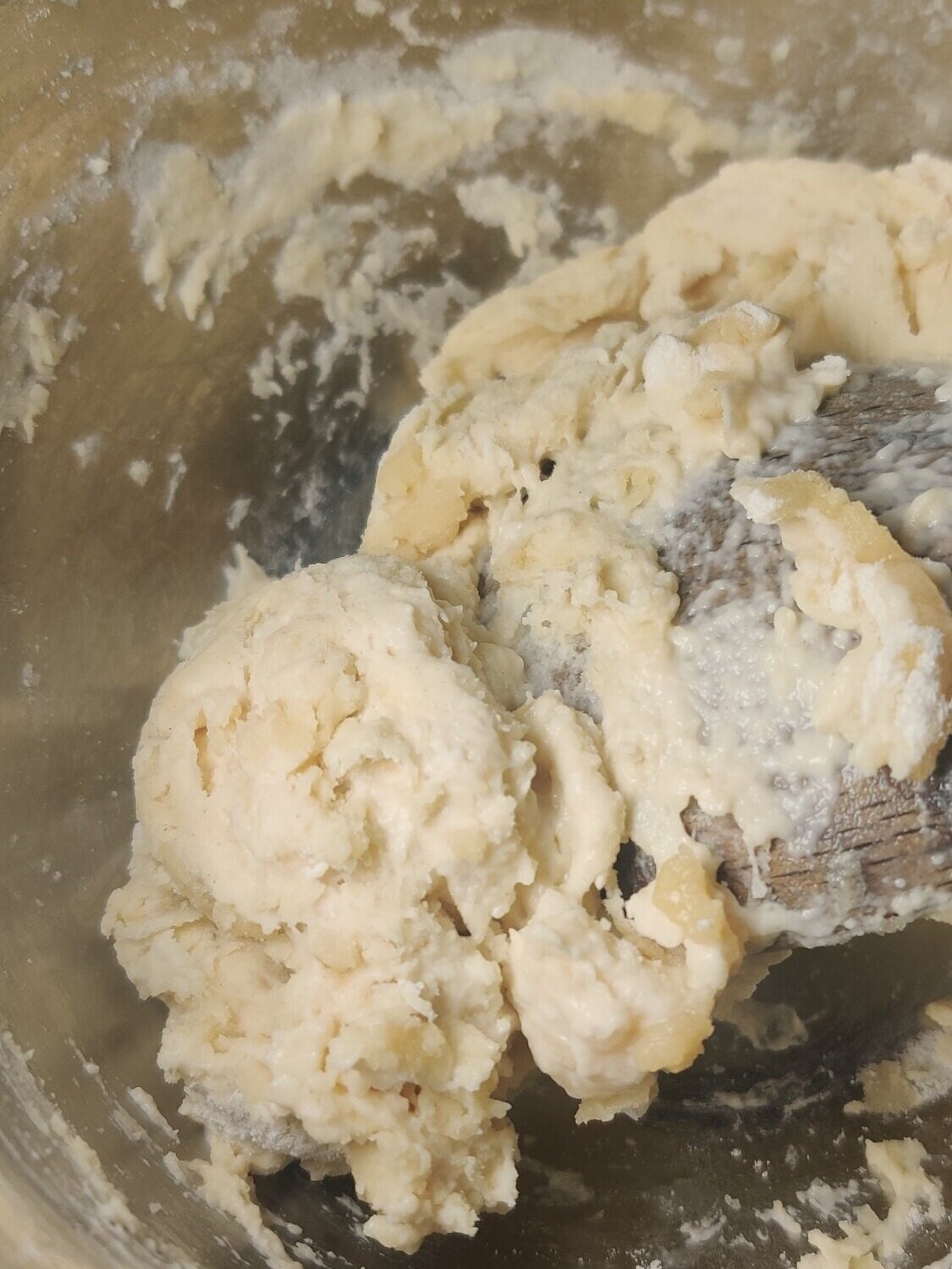
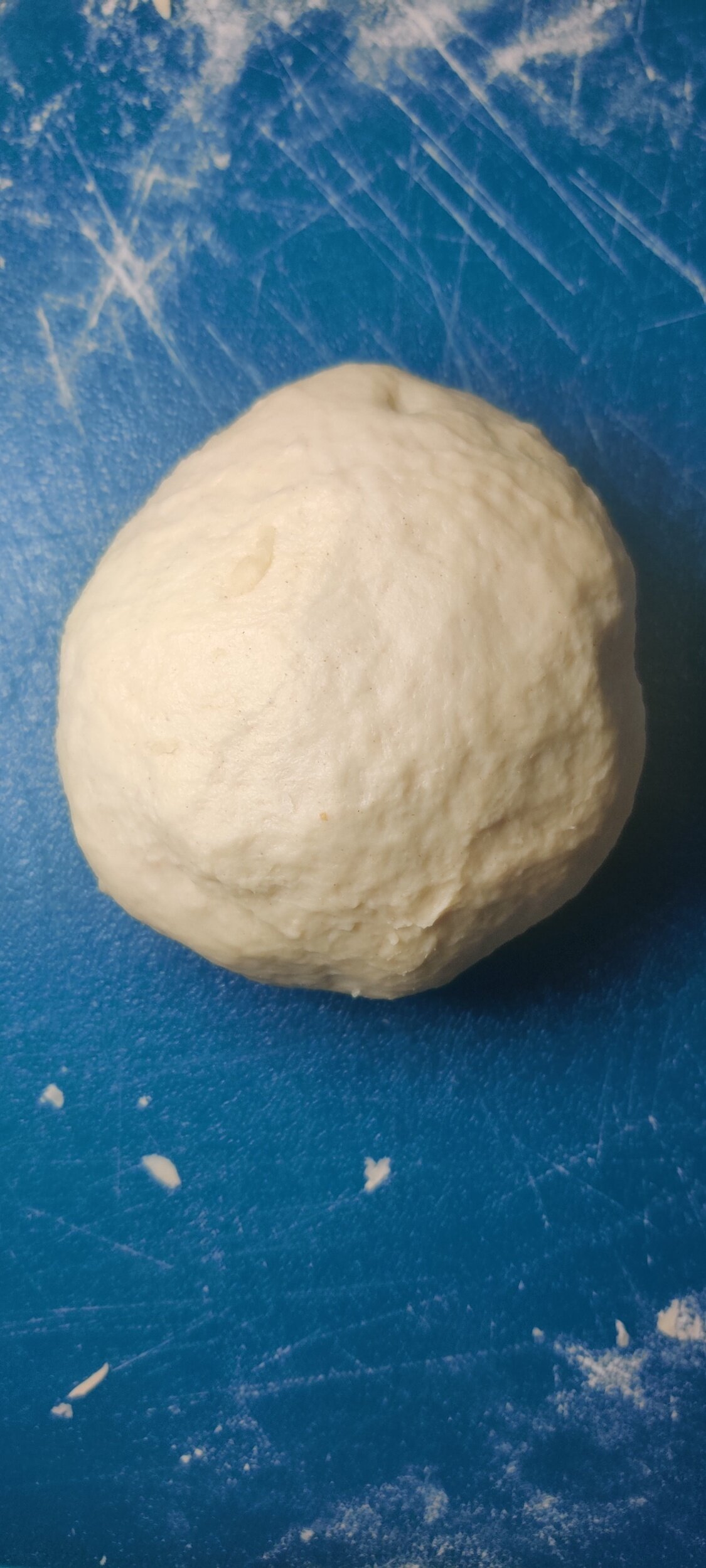
- In a medium bowl, mix the flour and salt. Add the vegetable oil and mix. Gradually add the hot water while stirring to form a soft dough. On a lightly floured surface, knead the dough for about 5 minutes until smooth. Shape into a ball, then divide into two equal pieces. Cover and let rest for 10 minutes.
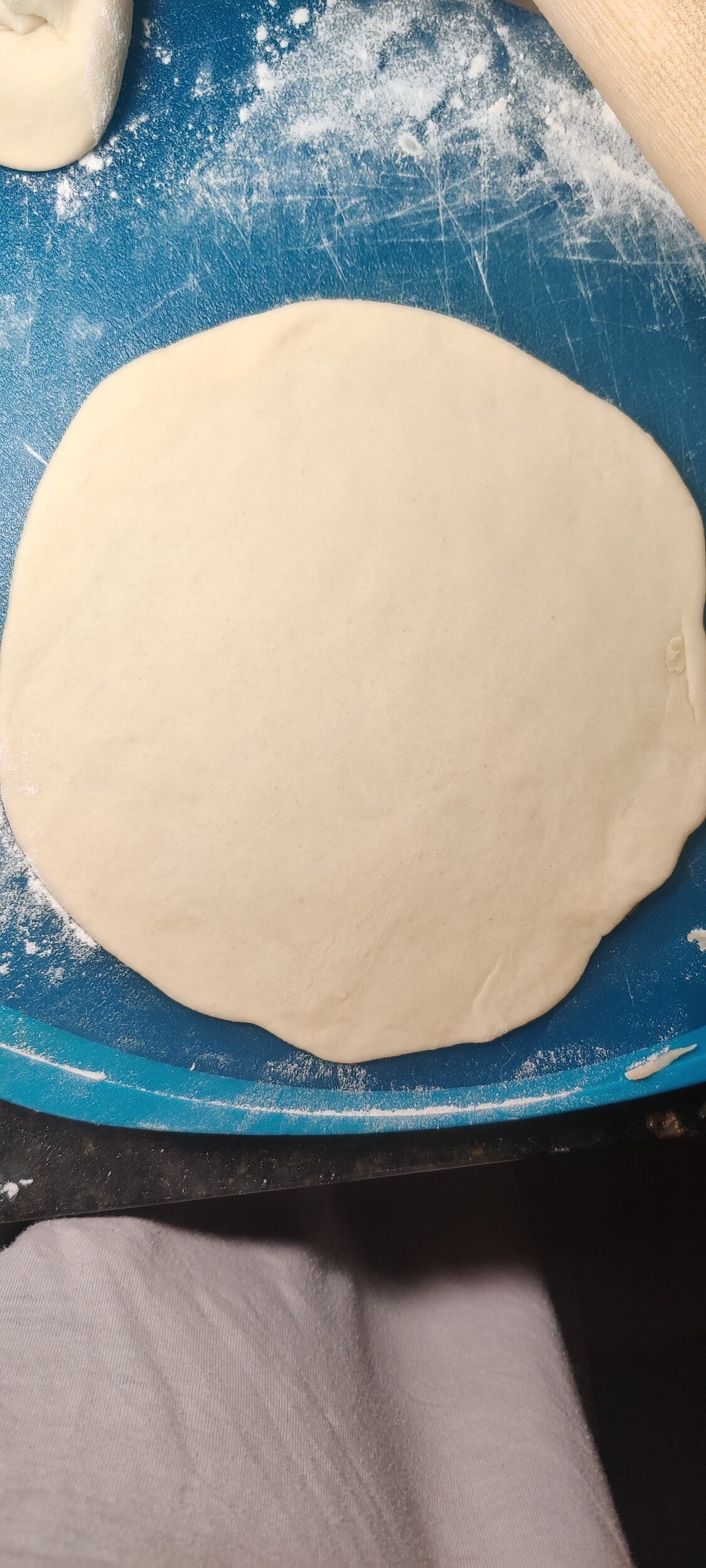
- On a lightly floured surface, roll each dough ball into a circle about 1/4 inch thick and roughly the size of the pan you’ll use to cook the omelette.
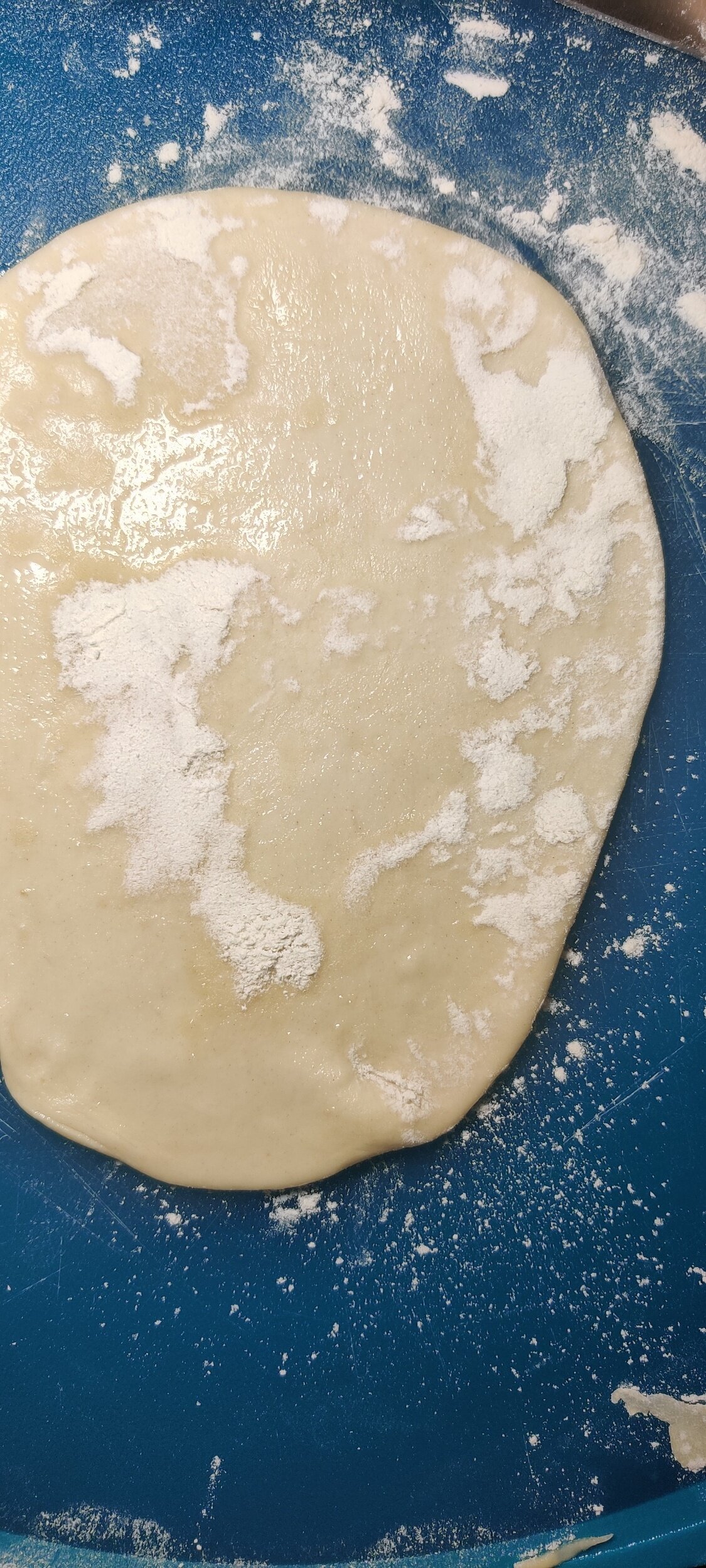
- Lightly brush each chapati with oil, then press into a lightly floured shallow plate. Flip and repeat.
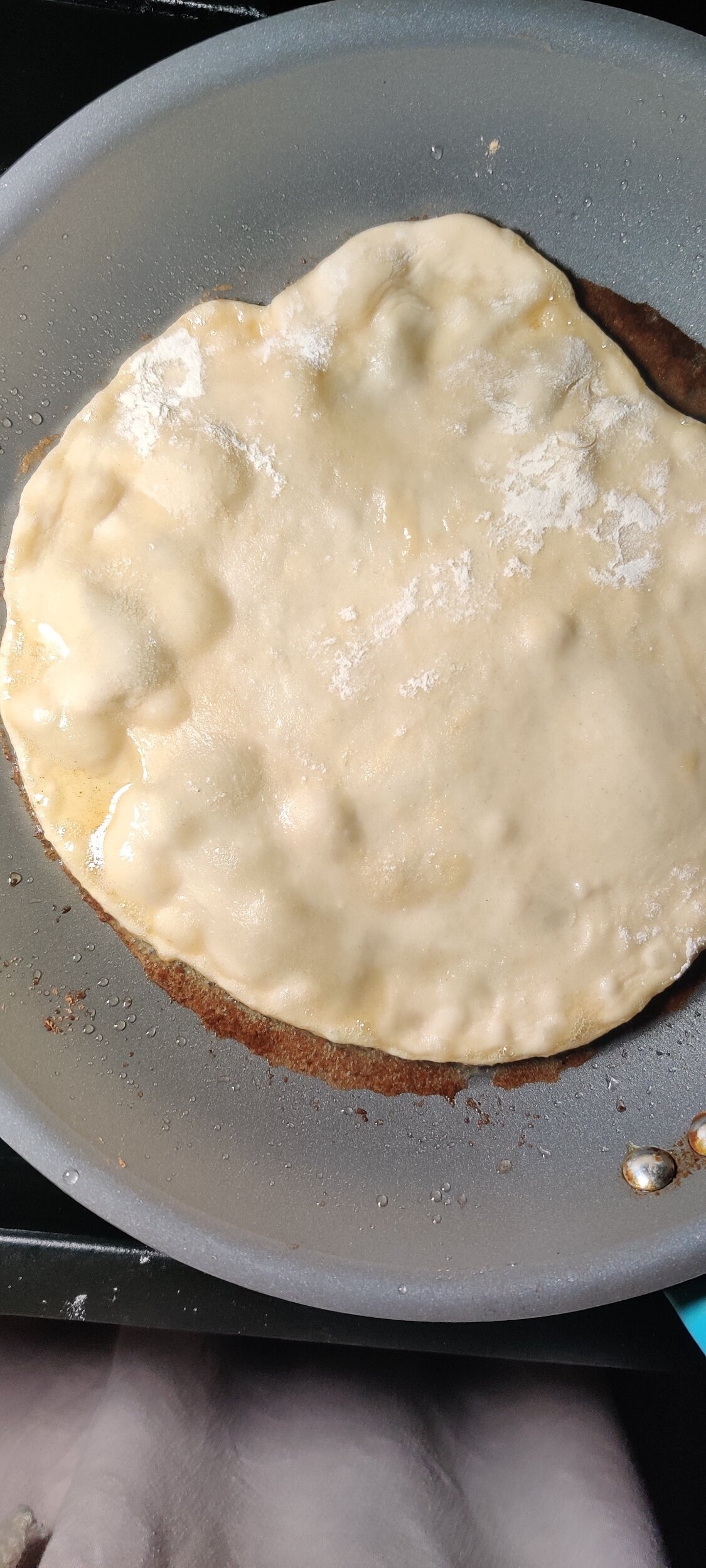
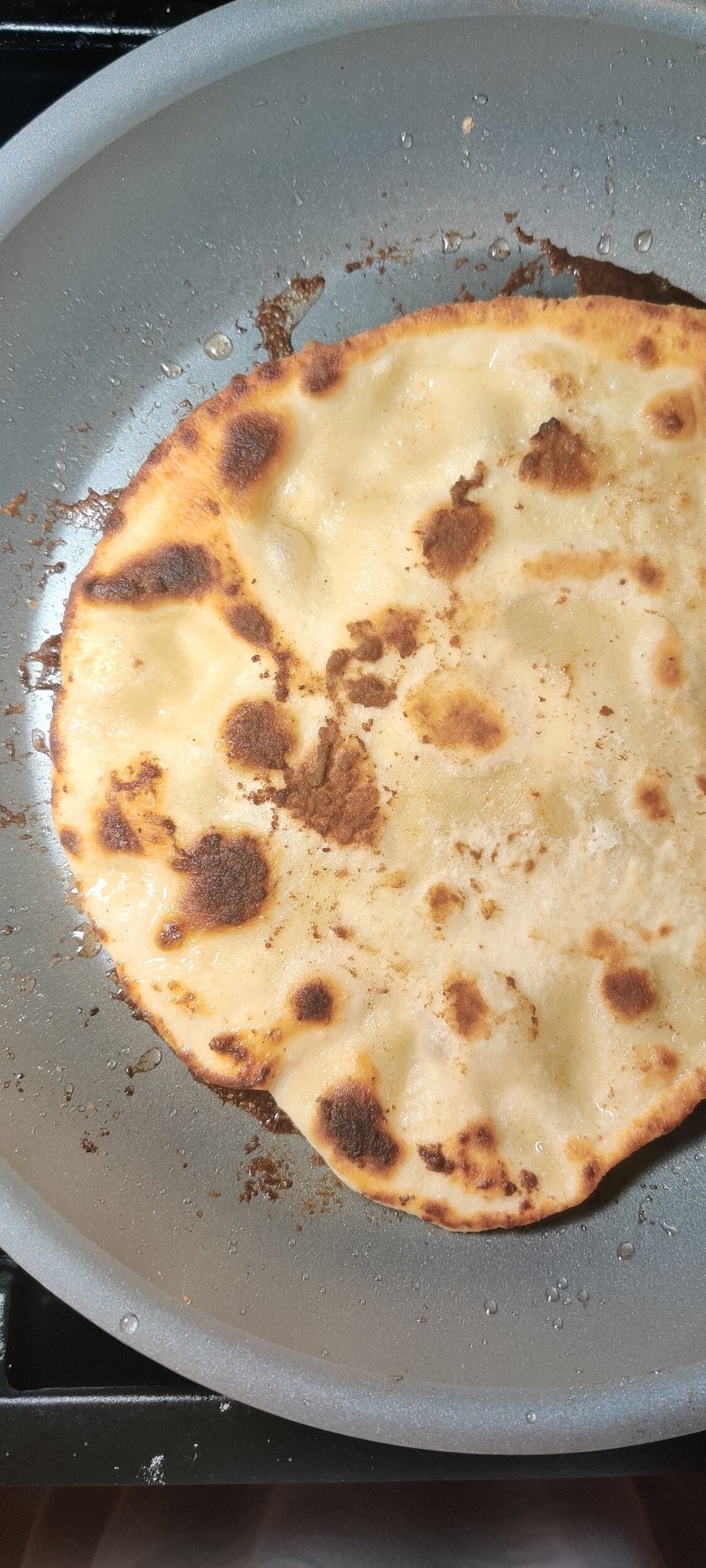
- Heat a non-stick pan over medium-high heat and lightly oil it. Cook each chapati for about 15 seconds per side, flipping once, until you see brown spots and the chapatis are cooked through. Set aside.
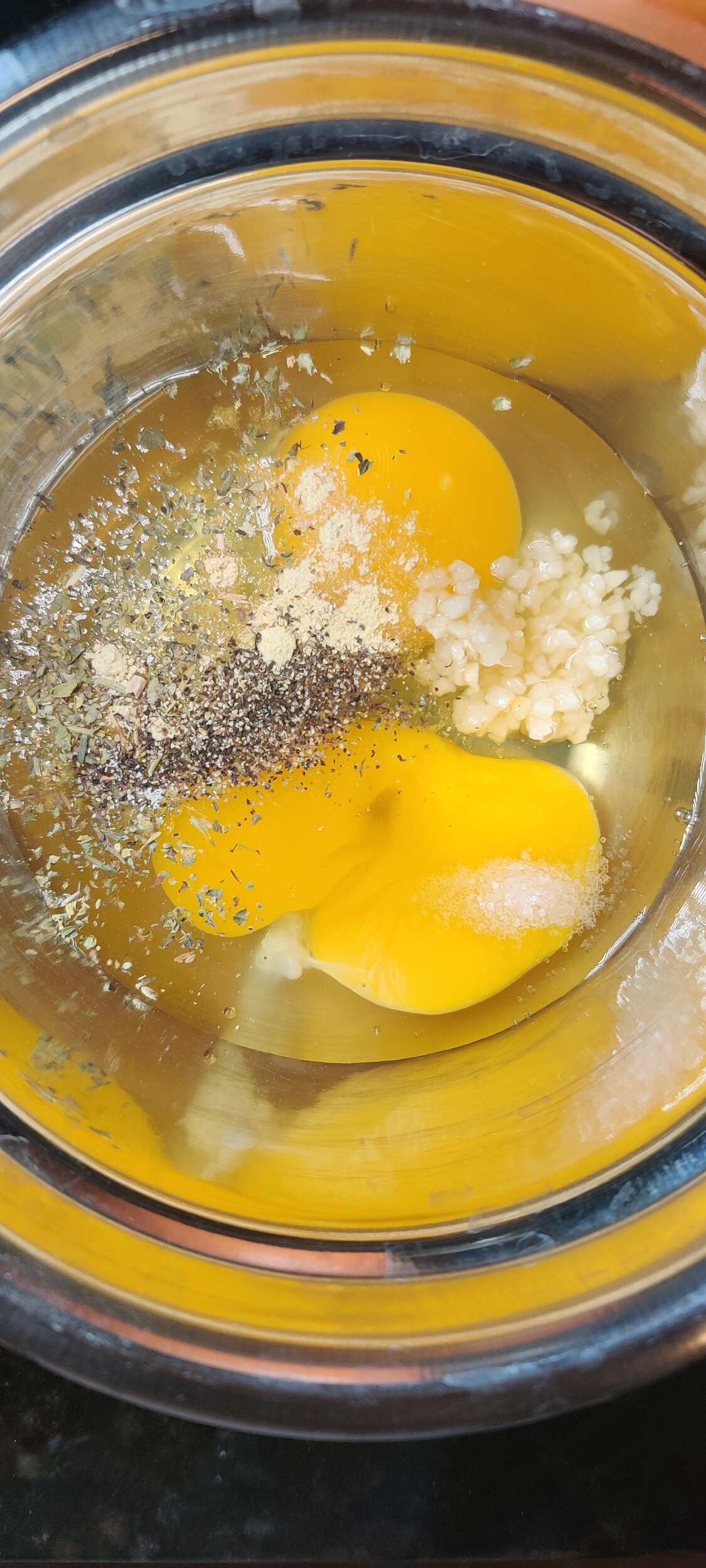
- In a bowl, beat the eggs with black pepper, fresh parsley, Italian seasoning, dried parsley, salt, Parmesan cheese, half of the goat cheese, and half of the sun-dried tomatoes.
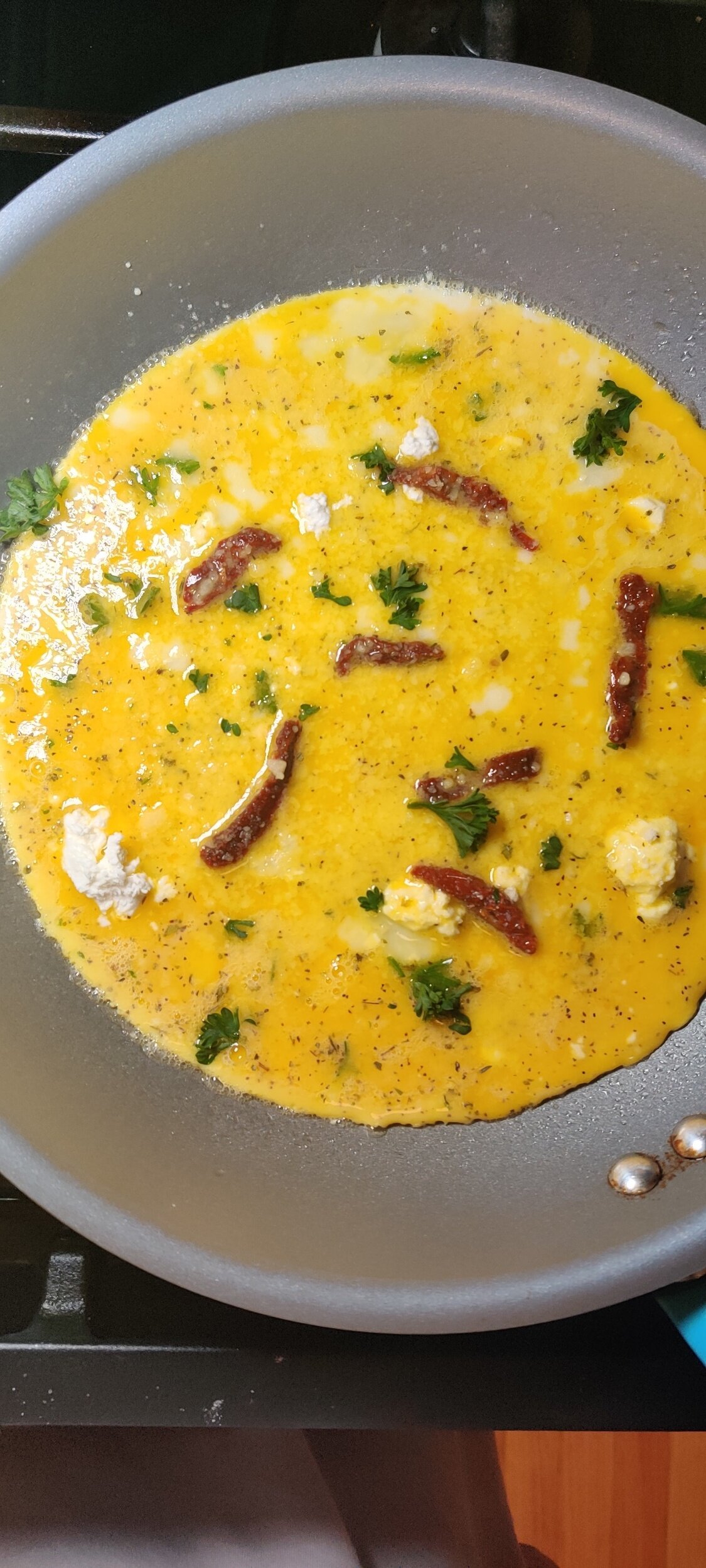
- Pour the egg mixture into the hot pan and cook omelettes one at a time until set.
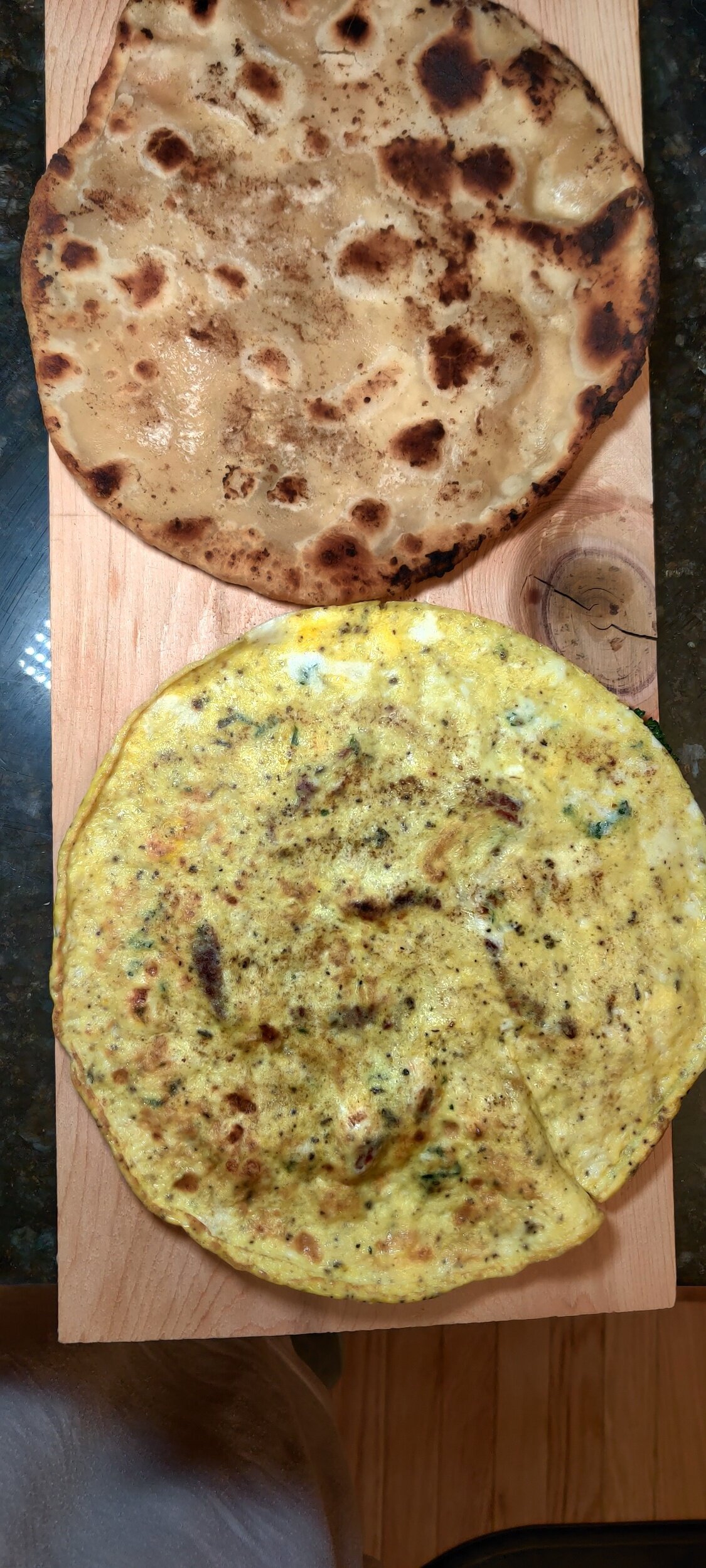
- Place each omelette on top of a chapati. Top each with half an avocado and 1 tablespoon of pesto. Sprinkle with the remaining sun-dried tomatoes and goat cheese.
- Roll up each chapati tightly to form a “rolex.” Cut each in half, secure with toothpicks, and serve hot.
I am not a certified nutritionist and any nutritional information on dontmissmyplate.com should only be used as a general guideline.
Tried this recipe? I’d really love to know how it turned out for you. Leave a quick review or comment below — your feedback helps others (and makes my day!).

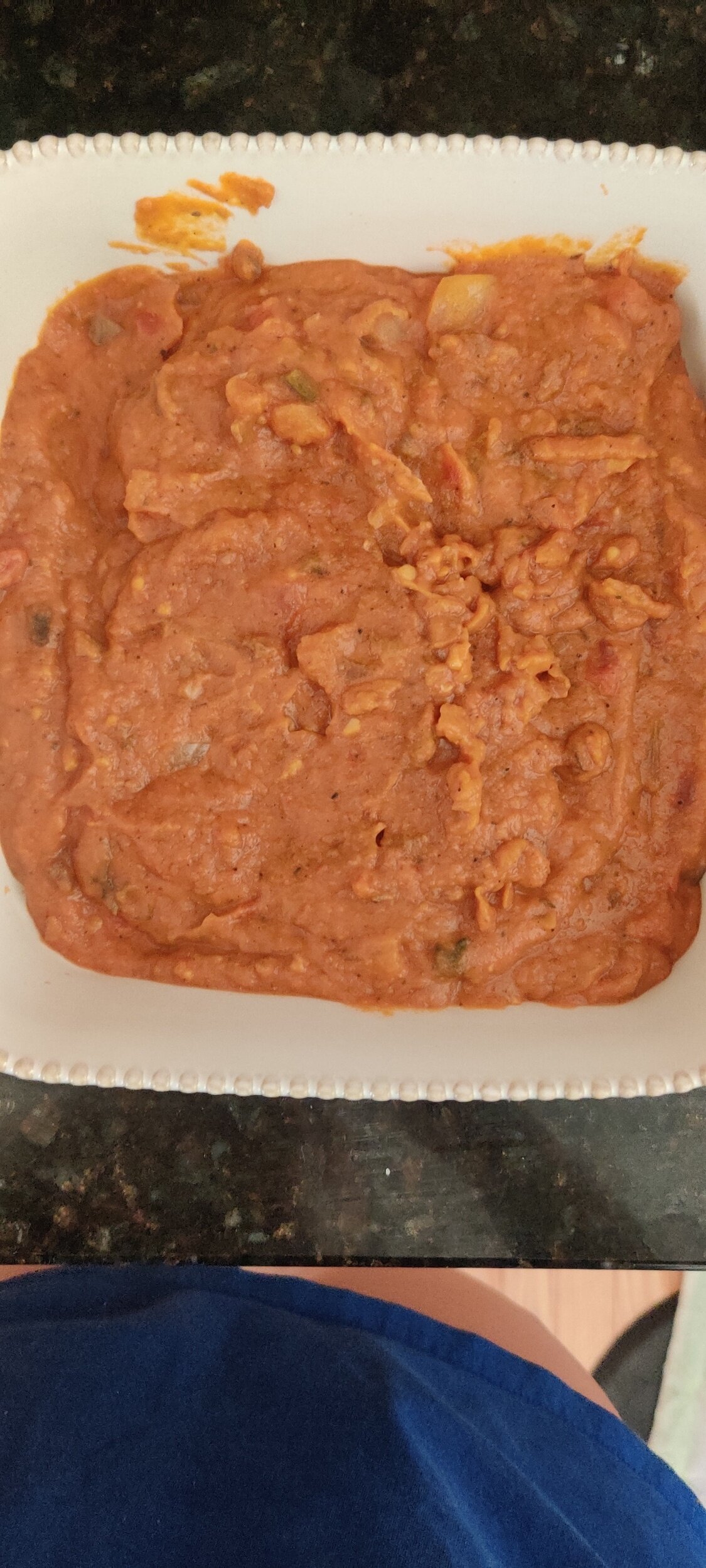
Kale-Stuffed Shells in a Pumpkin Peanut Sauce
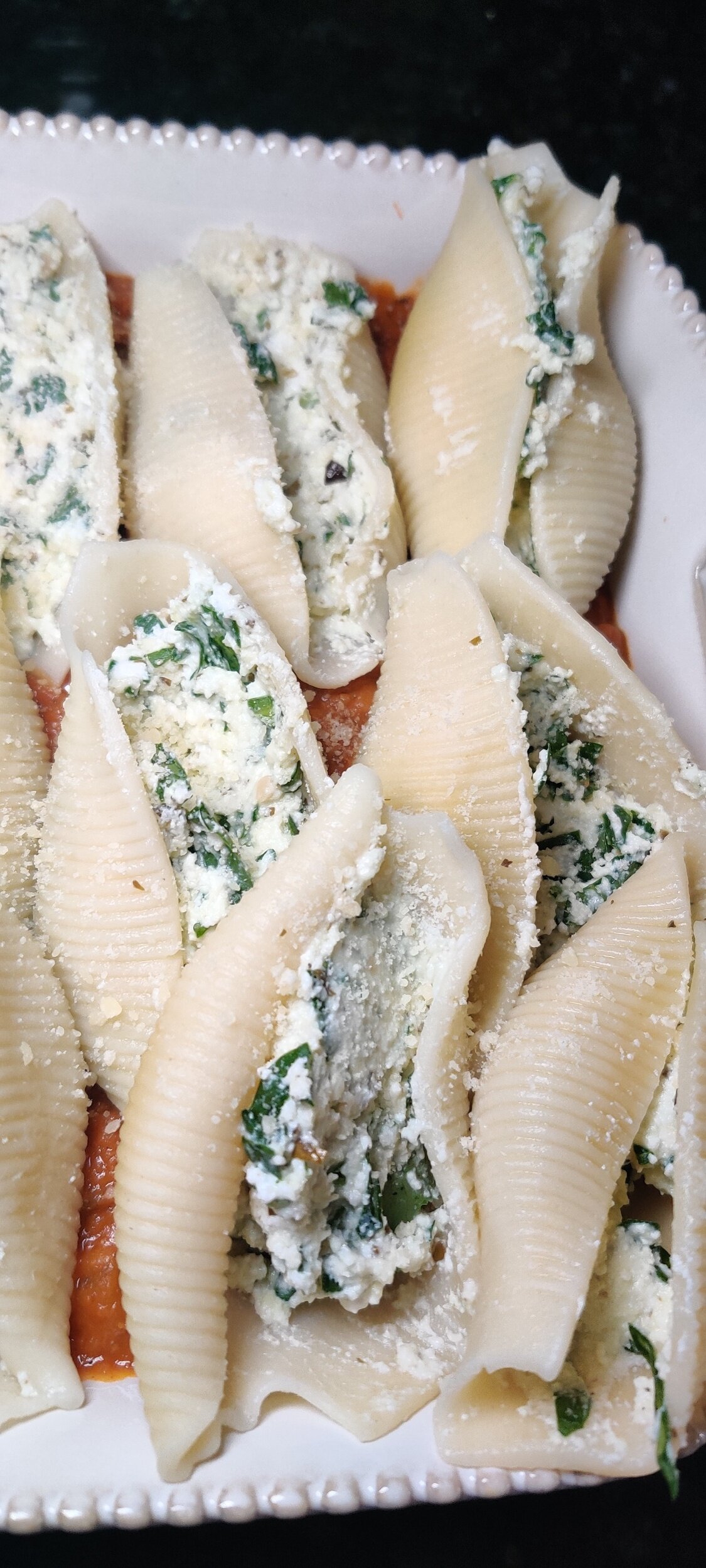
Stuffed pasta shells are an the easy recipe for a quick supper that is sure to please. You can probably make the shell-stuffing a family exercise as well! I reached back to a familiar ingredient trio I grew up on I like to bring to life in modern classics like this one. That is, peanut butter, pumpkin and kale! The recipe, of course, includes other ingredients including spinach, ricotta, parmesan, and pesto, which bring everything together nicely.
The beauty is you can adjust it to suit what you have available in your kitchen, what's in season, and your preferences.
The most important thing is to make sure both the filling AND the sauce the shells are nestled in are equally intense in flavour. Keep tasting as you go. It will make the finished product so much better.
Speaking of which, I had some left over jerk mushroom and lentil mixture I used to stuff some mini turnovers, about 1/4 cup. I add that to the peanut pumpkin sauce. If you want to add another dimension of flavor, you could start off with diced bacon when you sauté the onions, or, add some ground beef to the sauce to make a sort of Bolognese.
Ingredients
Sauce:
1/2 a box of jumbo shells
2/3 cups pumpkin puree
1/4 cup peanut butter
1 tablespoon palm oil
1 tablespoon olive oil
1 teaspoon salt
1/2 cup vegetable broth
2 tablespoons cooking wine
2 tablespoons Worchester sauce
1 tablespoon black pepper
1/2 yellow onion, chopped
1 tablespoon garlic
1 teaspoon fenugreek powder
1 teaspoon fresh sage, chopped
1 teaspoon coriander
1 teaspoon paprika
3 tablespoons pumpkin spice pepper sauce (I used Camella’s Kitchen’s)
1 teaspoon chili flakes
1/2 cup tomatoes, diced
1/4 cup tomato paste
Filling:
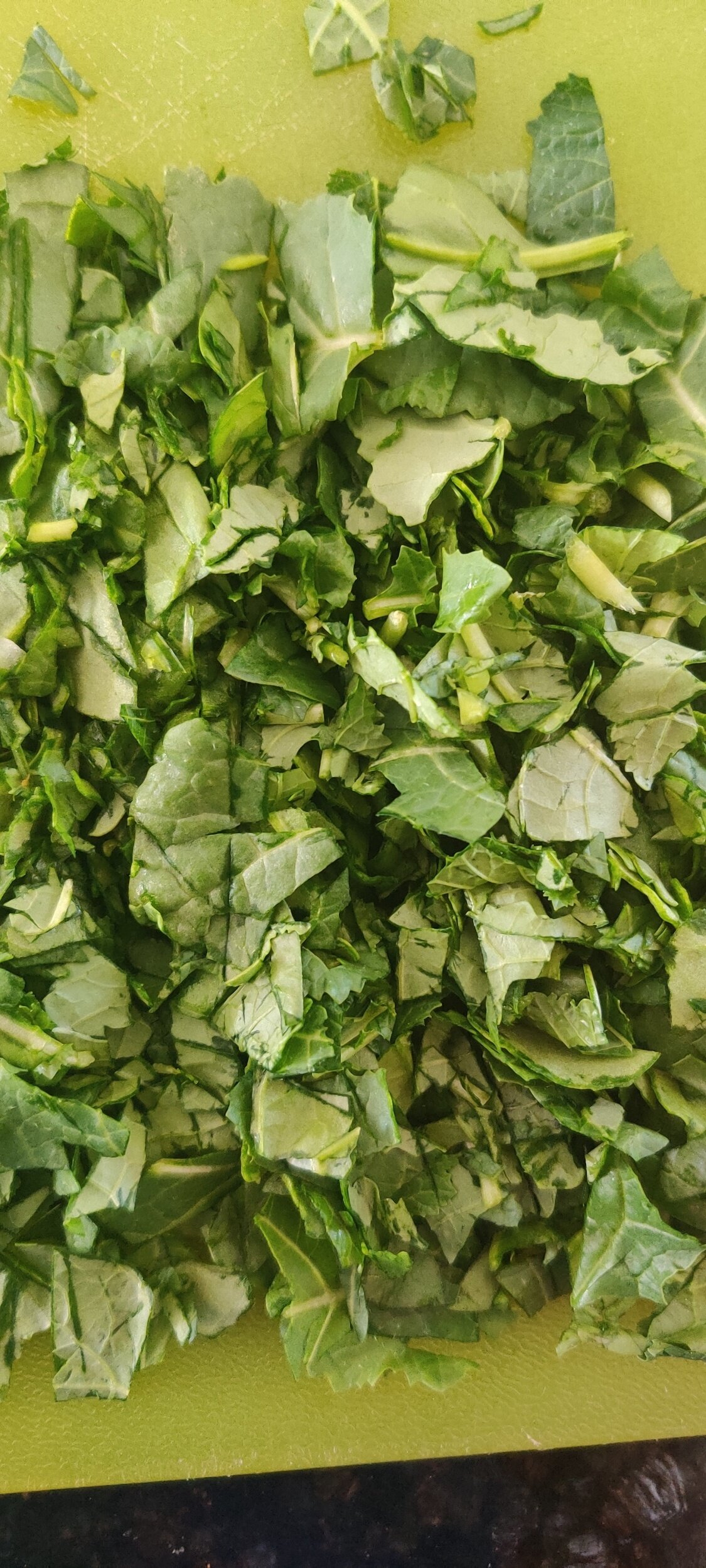
1 cup chopped kale and spinach
1 cup ricotta cheese
1 teaspoon olive oil
1/3 cup grated parmesan
2 tablespoons lemon juice
1 teaspoon salt
1 tablespoon black pepper
2 tablespoons pesto
Instructions
Cook the pasta as directed on the box until al dente, set aside. If you overcook they will break down so keep that mind.
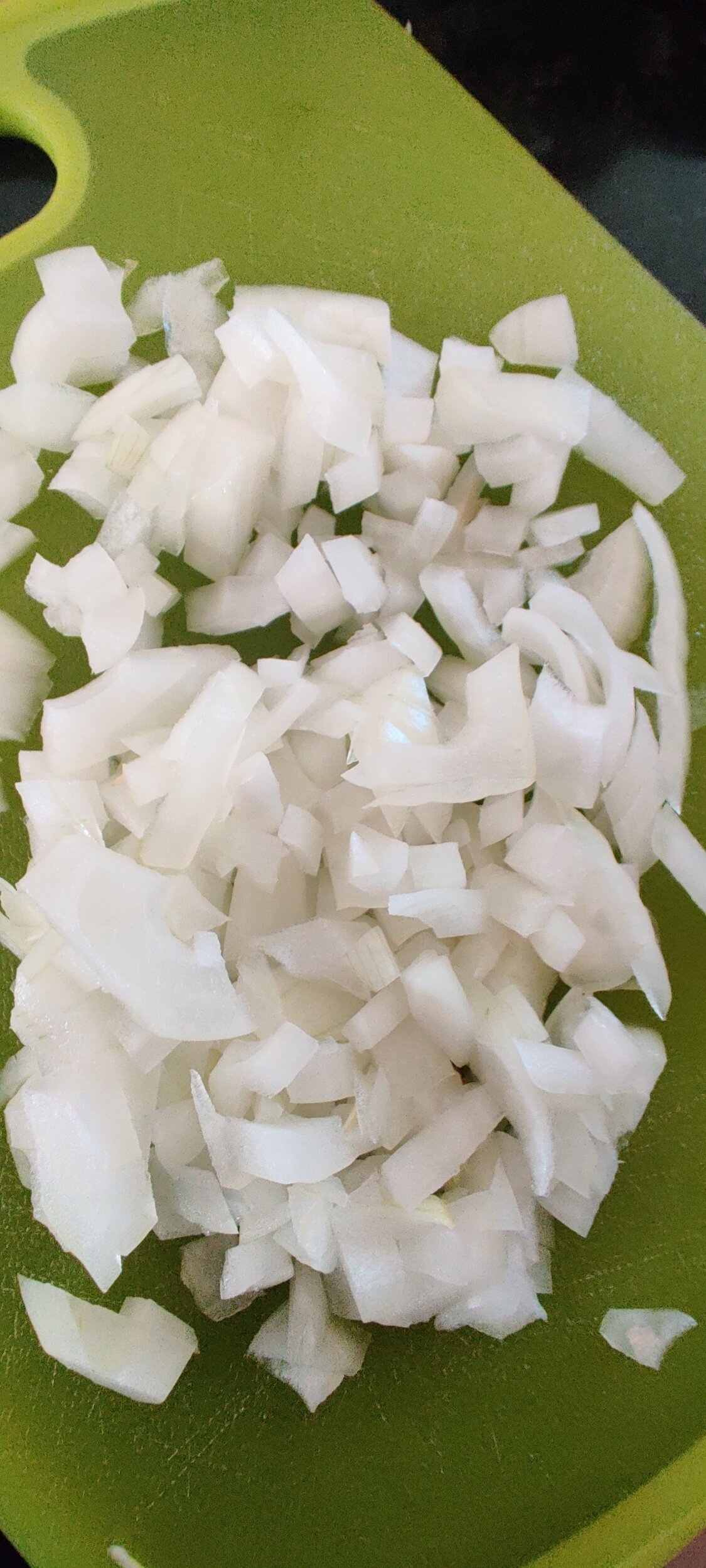
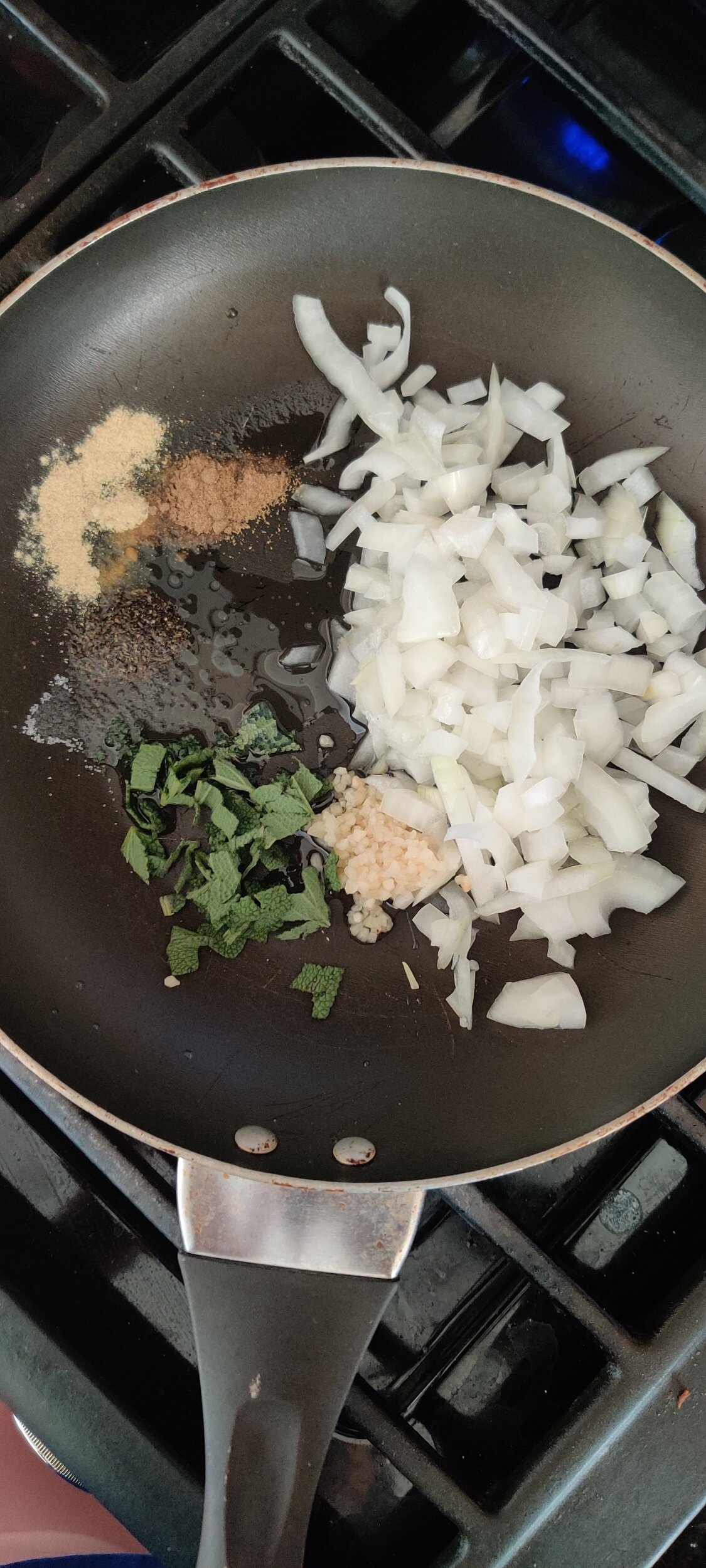
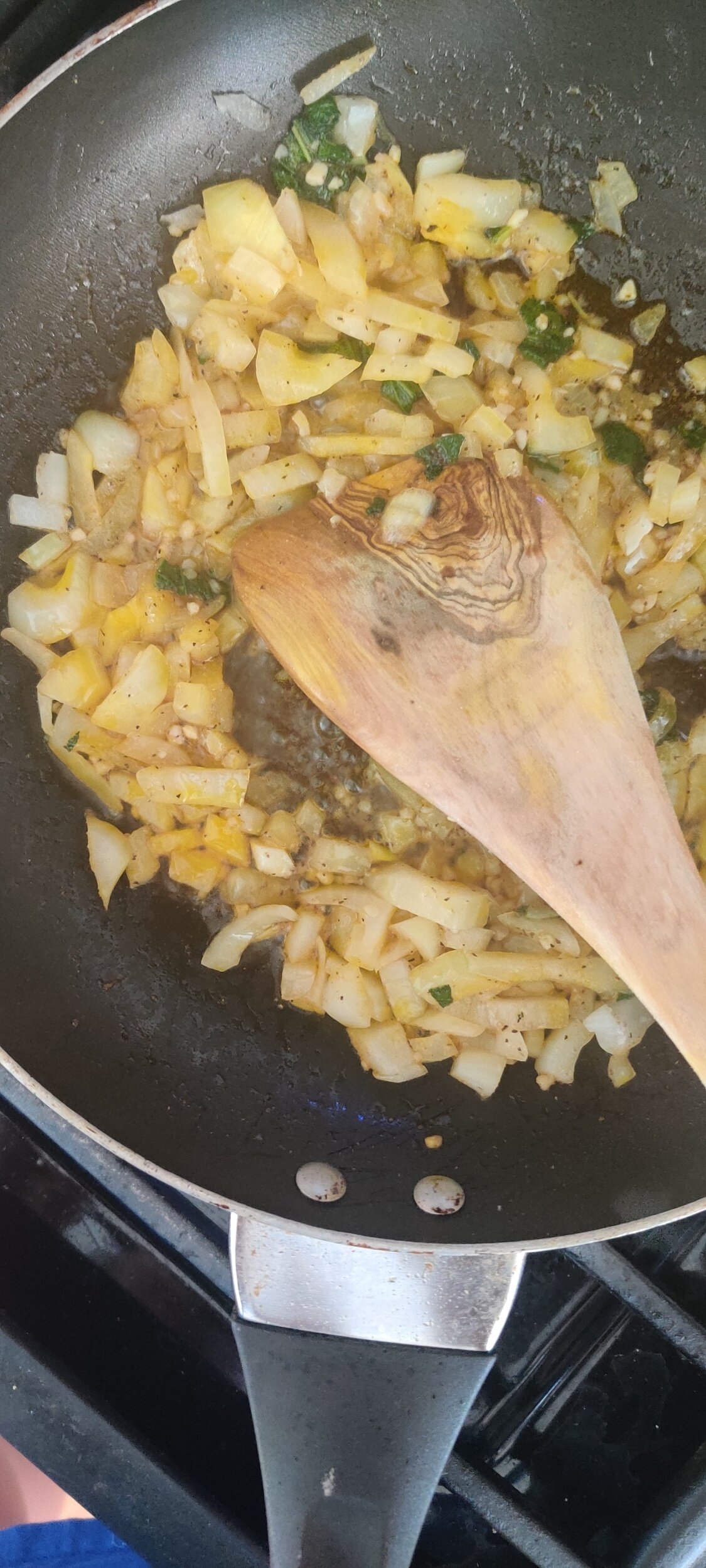
Sauté the onion, spices, sage, and garlic in the olive and palm oil for about 3 minutes until fragrant on medium-low heat - don’t burn!
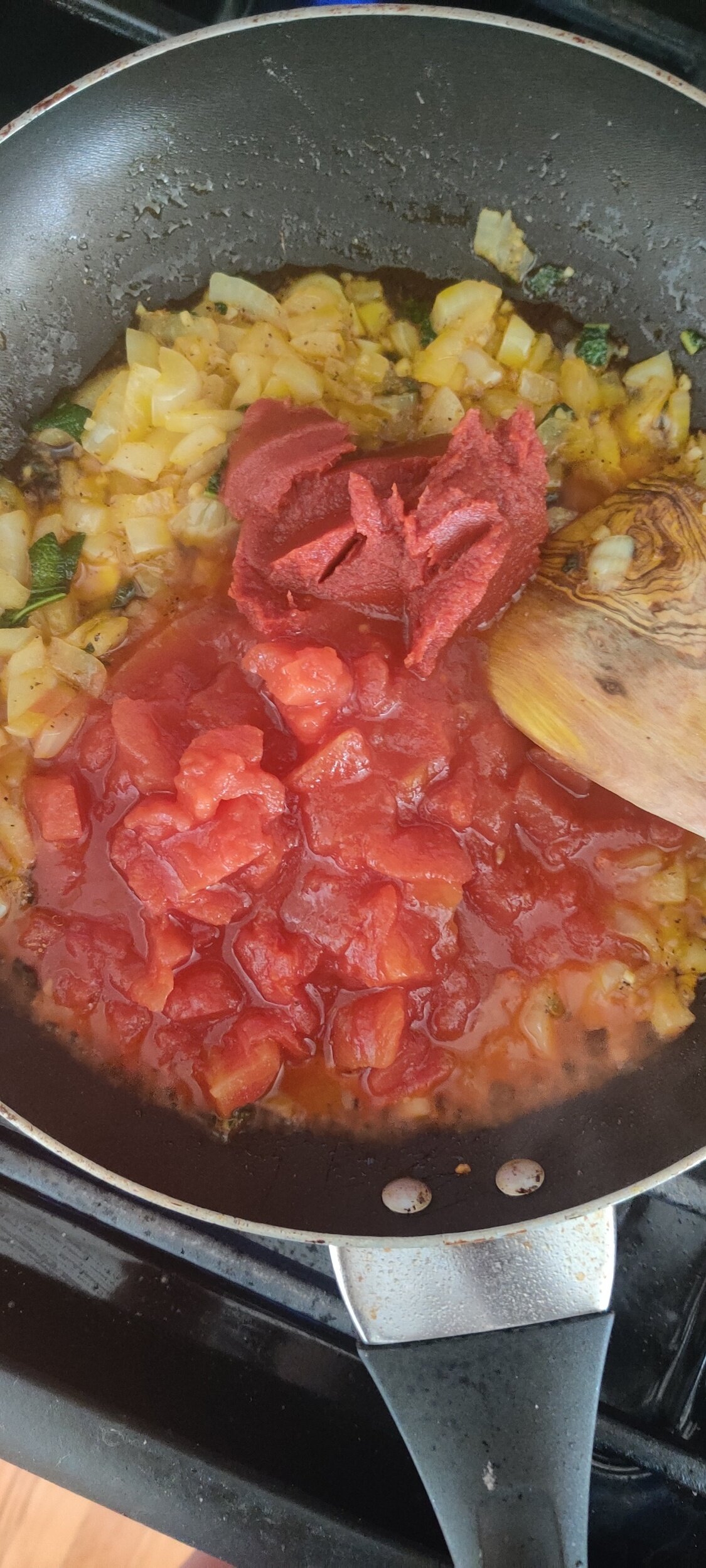
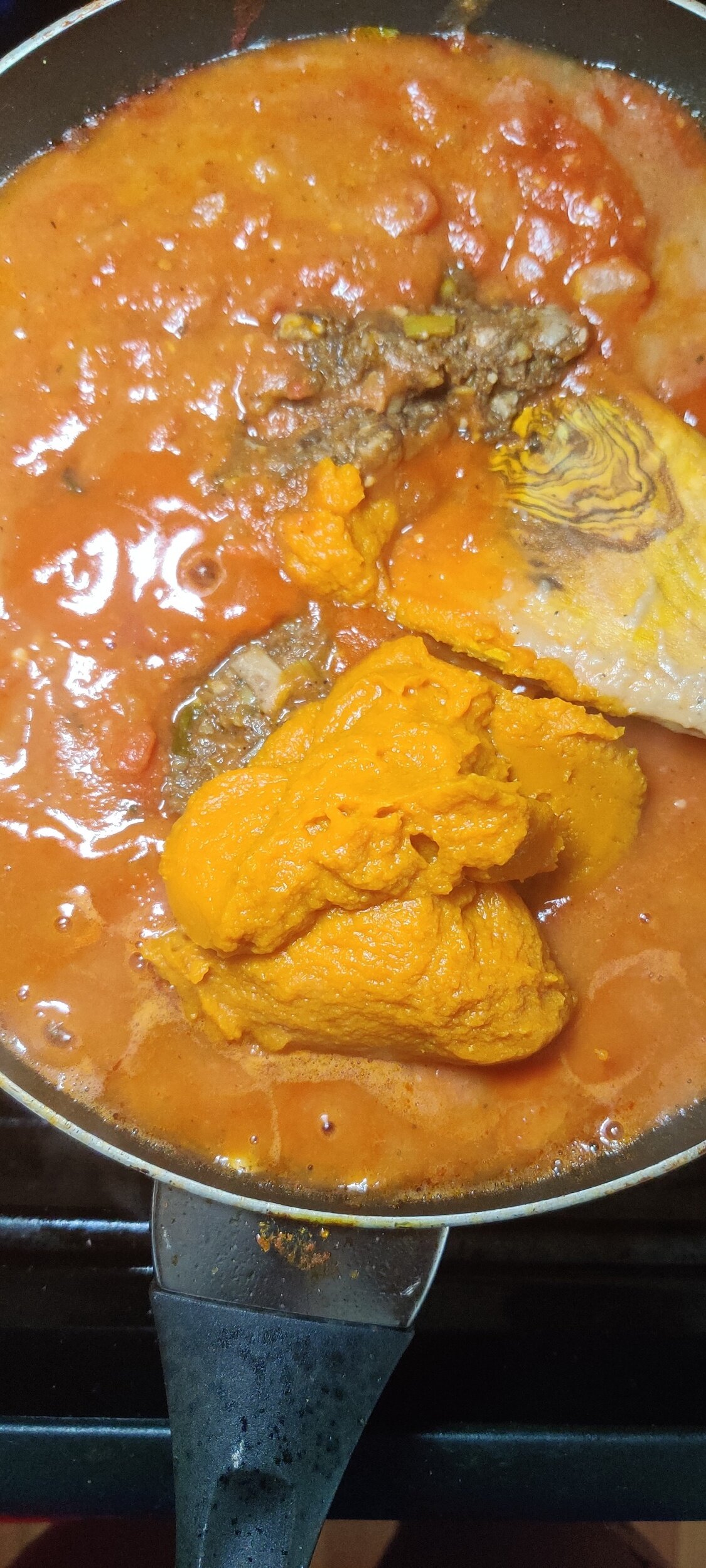
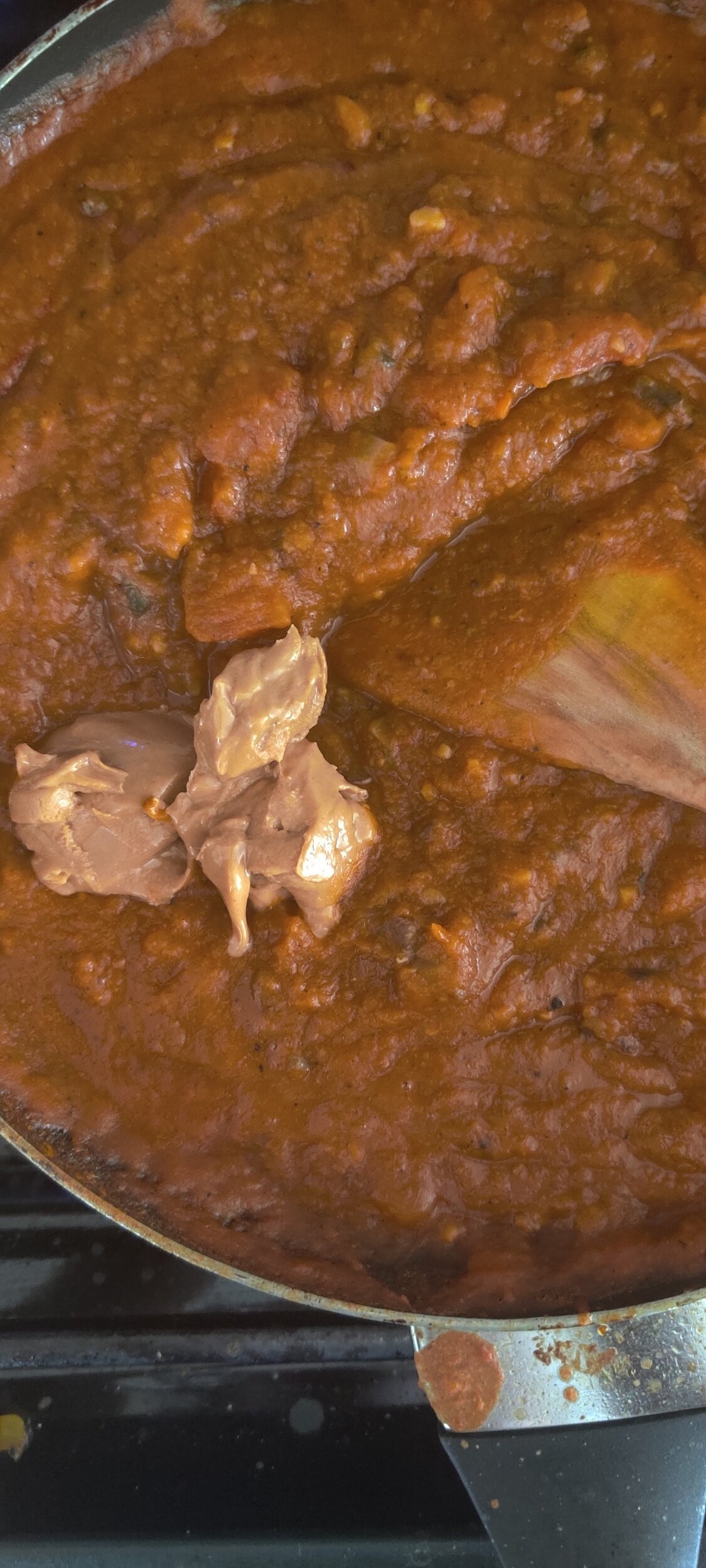
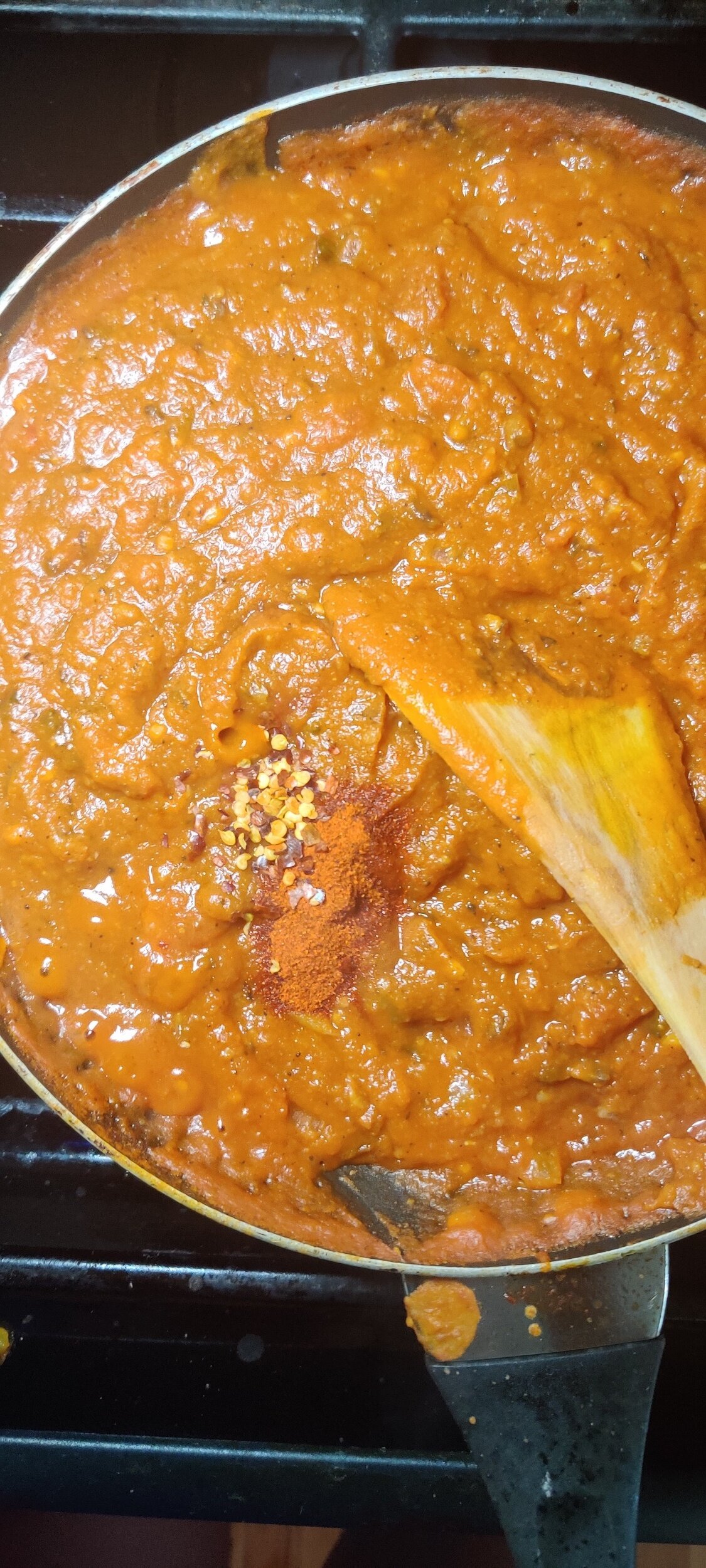
Add the tomato paste and diced tomatoes and cook for 2-3 minutes. Add the pumpkin puree, broth, cooking wine, and Worchester sauce. Stir until evenly mixed and thickened, then add the peanut butter, paprika and chili flakes. Simmer for about 5 minutes, set aside.
Fill your baking tray about halfway with the sauce, set aside.
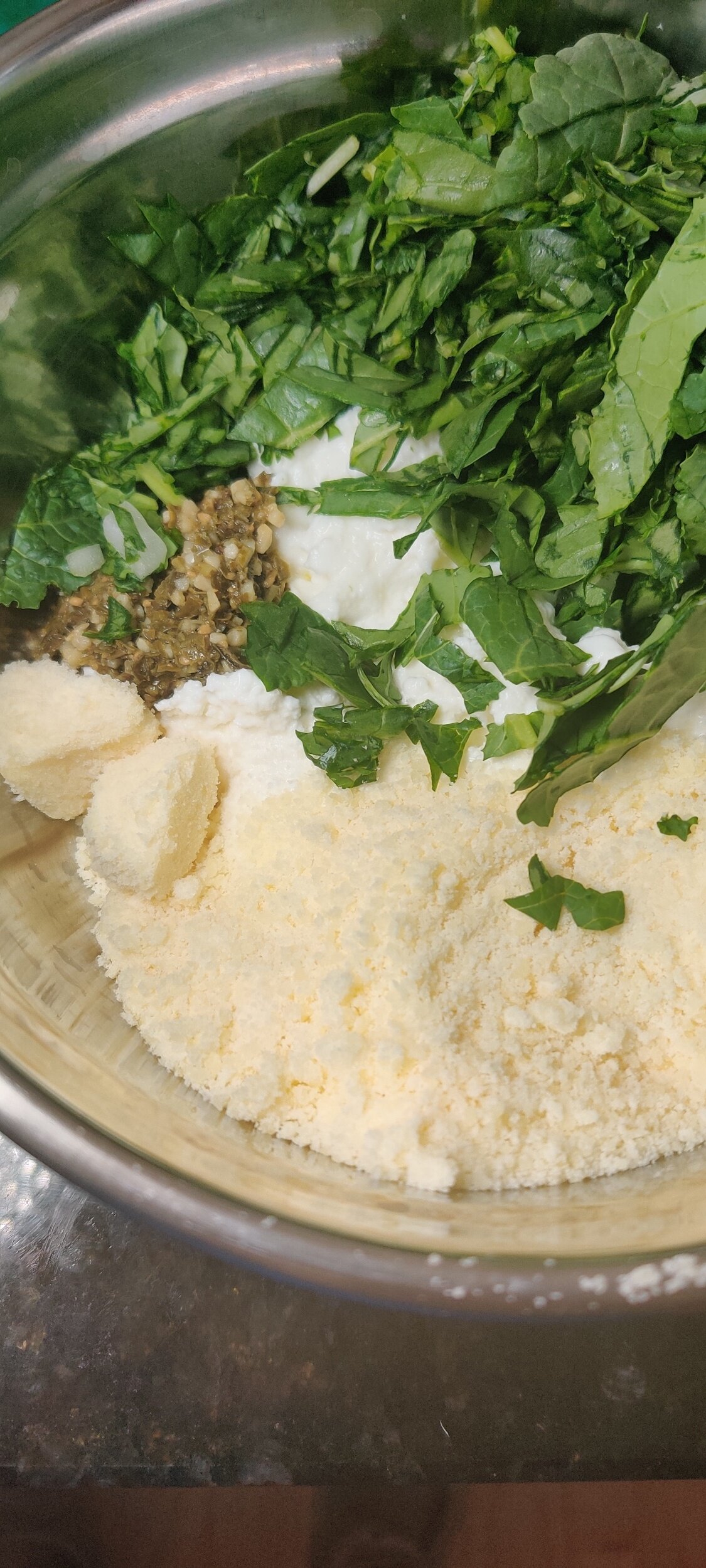
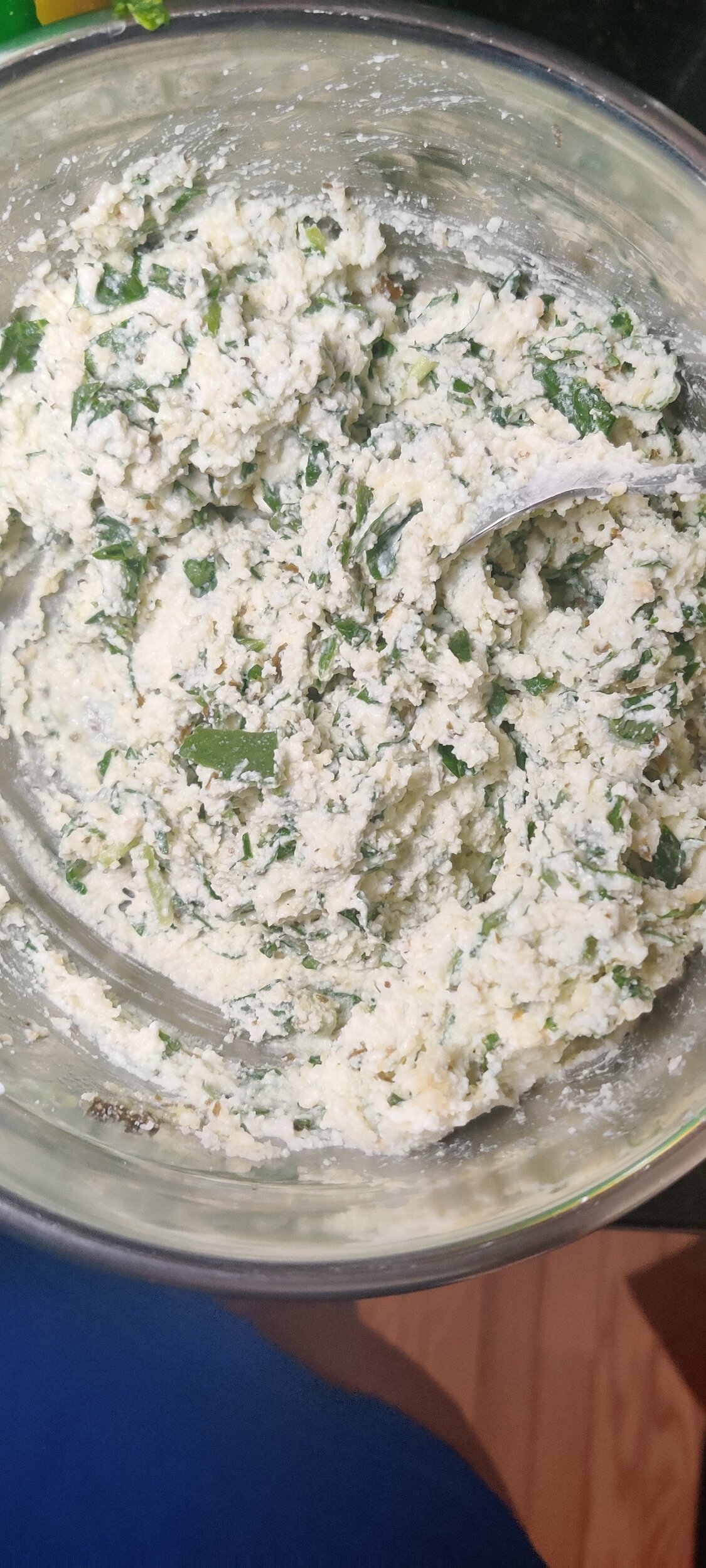
In a small bowl, stir the parmesan, salt, olive oil, pepper, pesto, spinach and kale until evenly mixed.
Stuff the shells with about 1 heaped teaspoon, then carefully lay the shells on top of the pumpkin peanut sauce.. Bake in the oven at 350F for about 25 minutes.
Remove the baking dish to cool for about 5 minutes before serving.

Makai Paka Fish Pie
I’ve mentioned several times before that although I cut back on meat consumption with plans to be completely vegan, I still occasionally eat fish and seafood. What says fall better than a hot, flavourful stew pie? I grew up on both and wanted to share a delicious meal to celebrate them and keep you cozy.The recipe is a combination of two different dishes.
As the weather gets cooler many of us will be seeking out pie recipes. One of the most scrumptious in my humble opinion is fish or fisherman's pie. The flavours the white fish absorbs, muddled with vegetables and a white sauce, topped with creamy, baked mashed potatoes make for the ultimate, mouthwatering treat. Fish pie is similar to the well-known
shepherd's pie. Some classic renditions call for the addition of boiled eggs and shrimp. No need for pastry!
Why not spice things up to make your fish pie extra special?
For this, I turned to a Kenyan preparation of mealie Cobb, also known as makai paka, cooked in coconut milk and spices. Instead of whole mealies, of course, I used corn kernels. It's a popular dish in the South Asian community in Mombasa and across East Africa.
This makes for the kind of meal you'll be happy to serve your guests or present at the Family dinner table. I hope you enjoy it!
Ingredients
Fish stew:
1-2 pounds tilapia fillets (or any boneless white fish)
1/2 cup frozen corn kernels
2 tablespoons mustard
2 tablespoons lemon juice
2 tablespoons soy sauce
3 tablespoons olive oil
1/4 cup frozen peas
1/4 cup leeks, diced
1 can coconut milk
1 tablespoon tomato paste
1 tablespoon Madras curry powder
2 tablespoons black pepper
2 teaspoons salt
1 teaspoon turmeric
1 teaspoon coriander
1/4 cup parmesan cheese
1/3 cup scallions
2 tablespoons fish spice
1 tablespoon dill
1 tablespoon minced garlic
1/4 cup red onion, chopped
2 tablespoons butter
1 jalapeno, diced
1/3 cup crushed tomatoes
2 heaped tablespoons tomato paste
Mashed potatoes:
3 russet Potatoes
1/4 cup coconut cream
2 tablespoons butter
1/4 cup grated parmesan
Salt and pepper
Fresh coriander, scallions or chives to garnish
Instructions
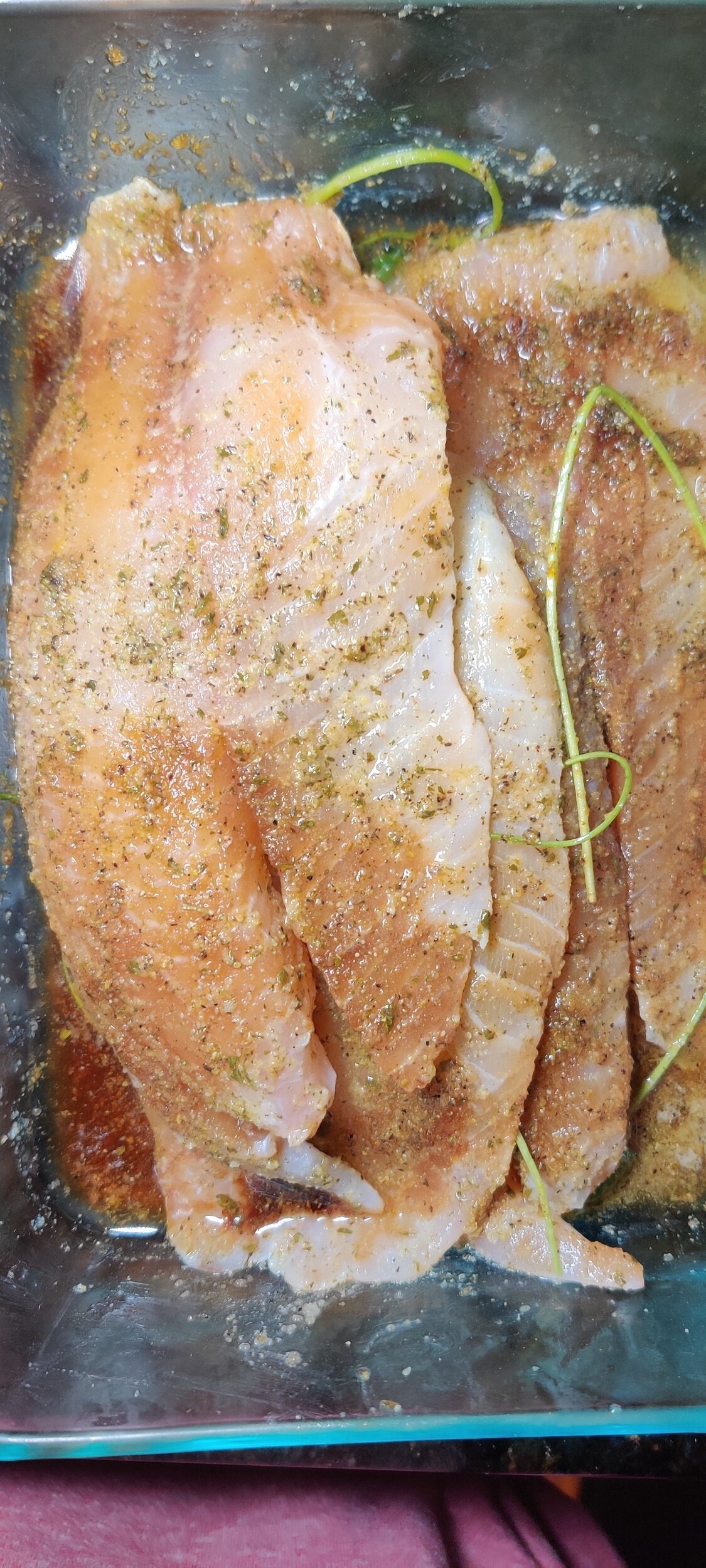
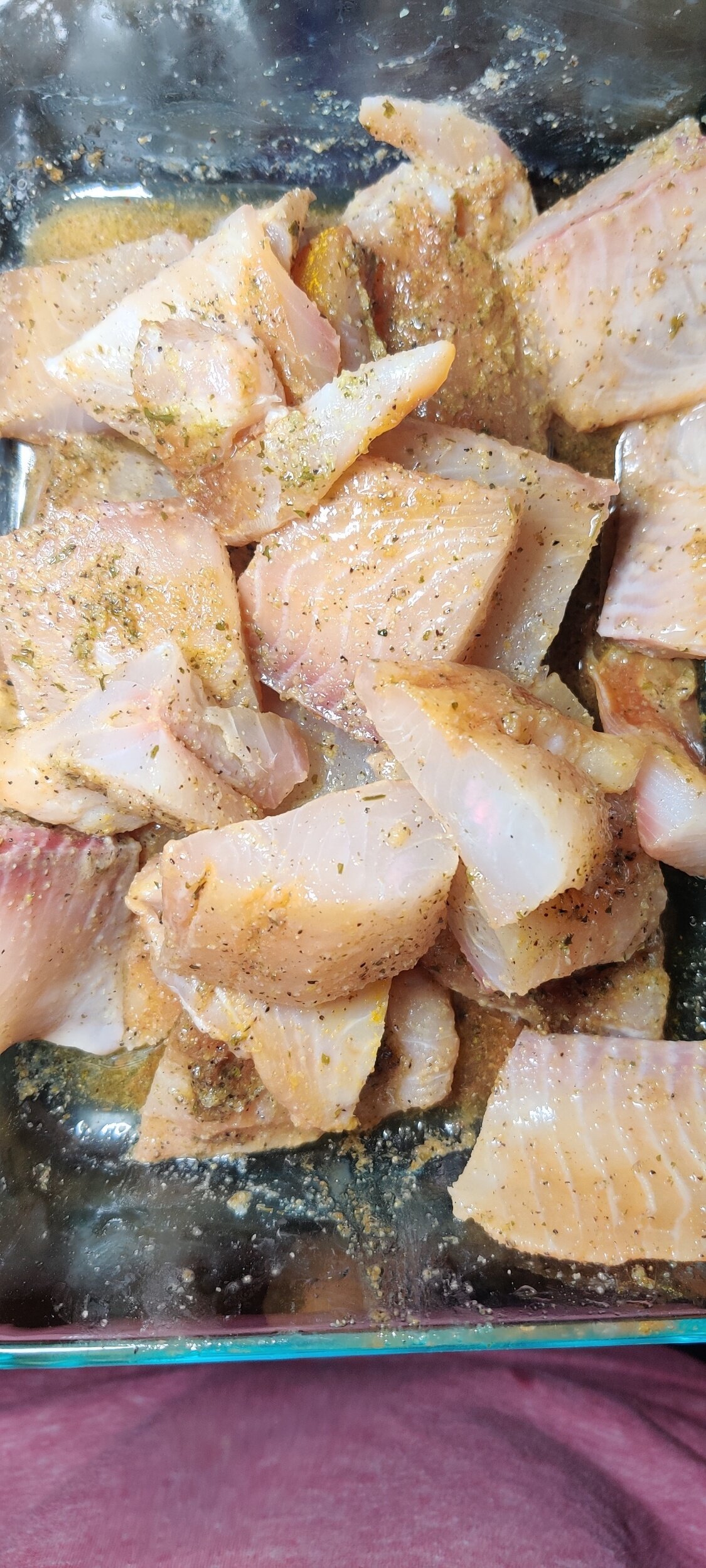
Prepare the fish. In a shallow dish, season the fillets with 1 teaspoon salt, 1 tablespoon black pepper, 1 tablespoon olive oil, dill, lemon juice, soy, and 1 tablespoon fish spice. Set aside to marinate.
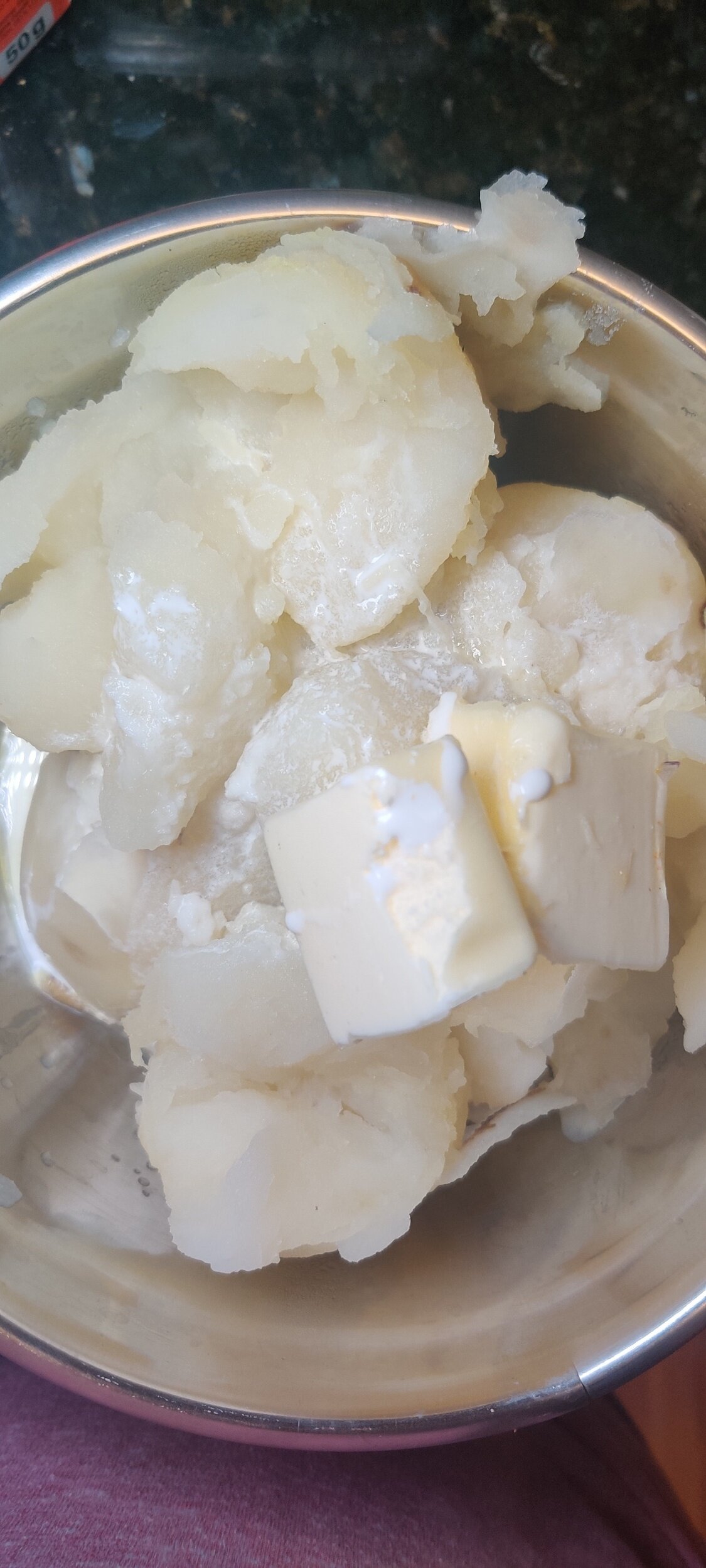
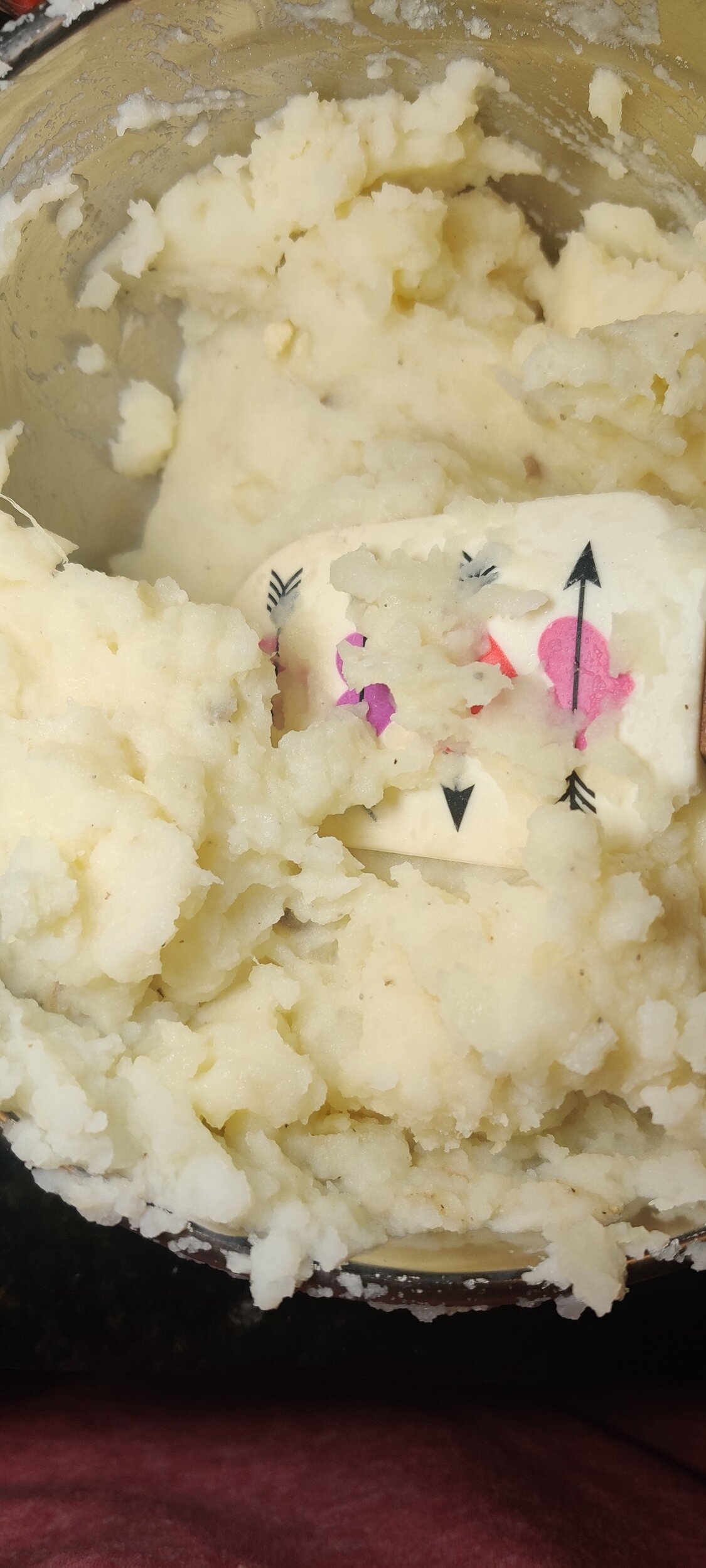
Prepare the mashed potatoes. Boil the potatoes in water until they are soft, about 20 minutes, fully submerged in a large pot. Using a potato masher, crush the potatoes with the butter, parmesan, and coconut cream until smooth. Season with salt and pepper and set aside.
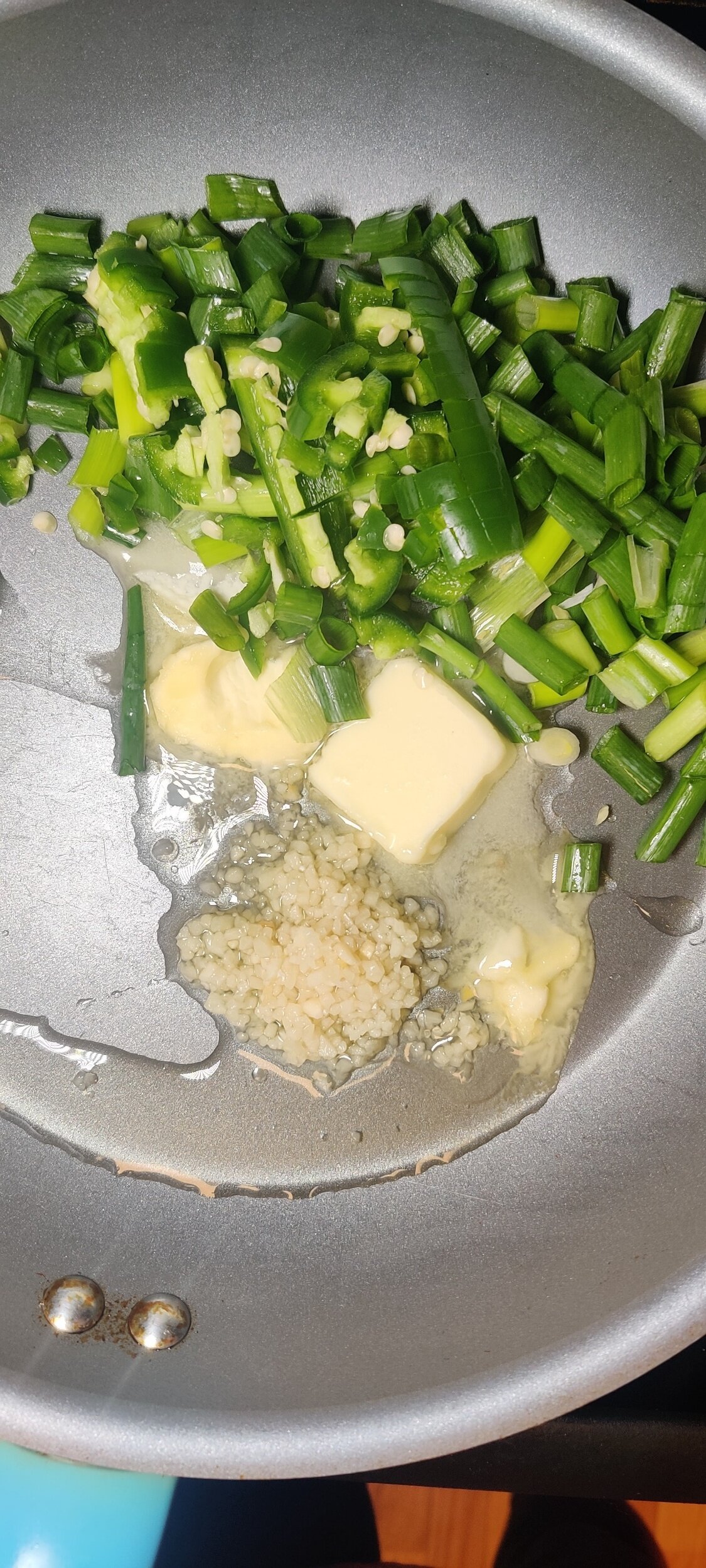
In a large skillet or non-stick saucepan, sauté the jalapeno and green onions in the butter, garlic and olive oil for about 2 minutes, mix in the flour and cook for another minute. Add the red onion, leeks, and spices, cook for about 3 minutes, until fragrant.
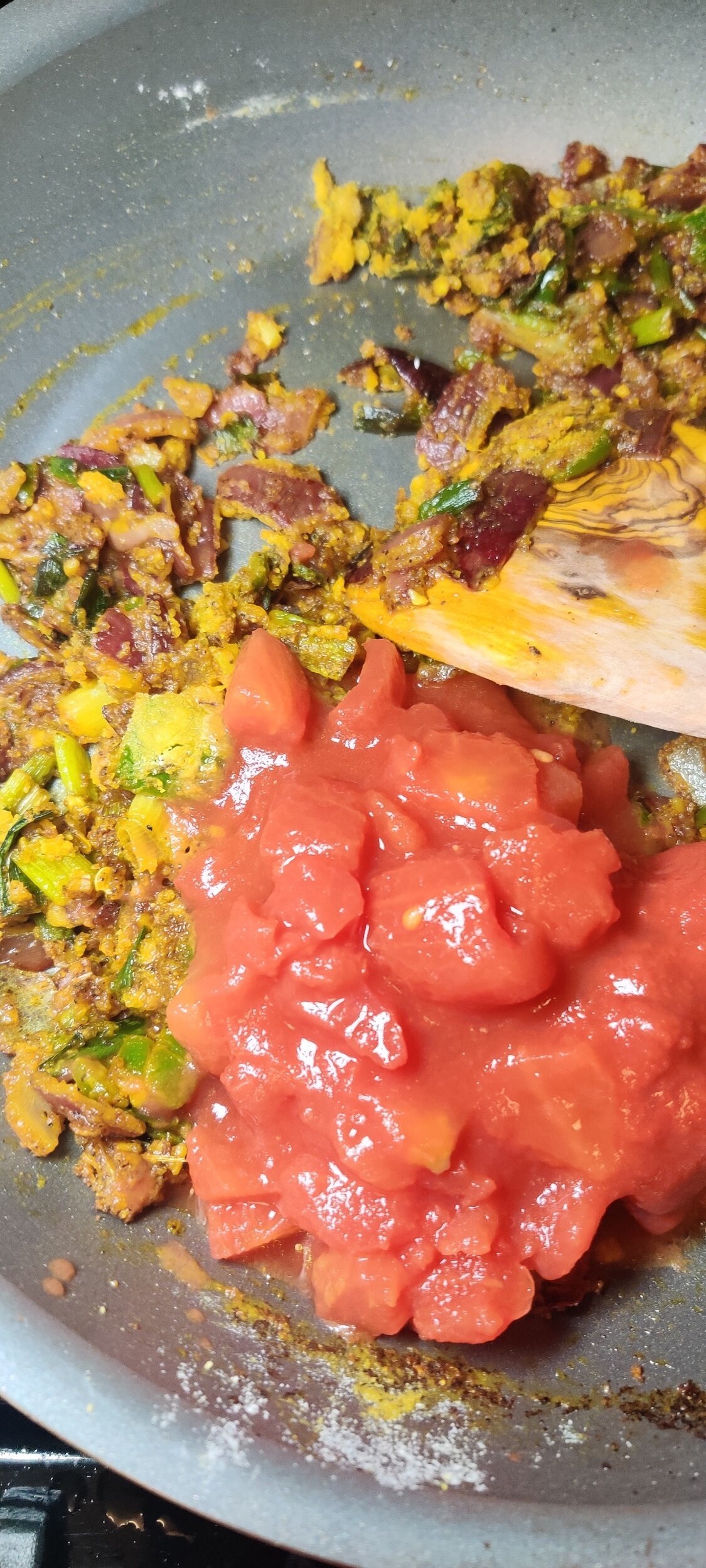
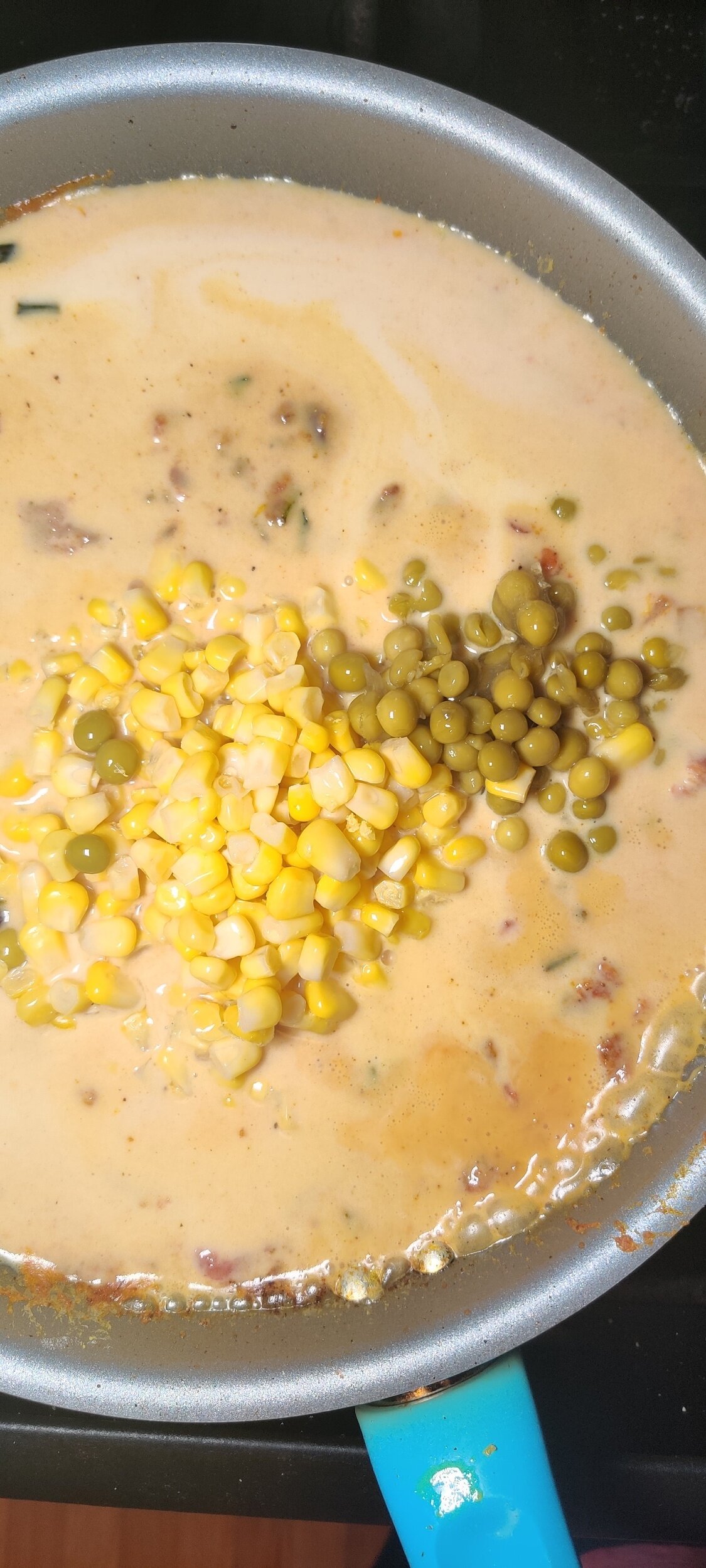
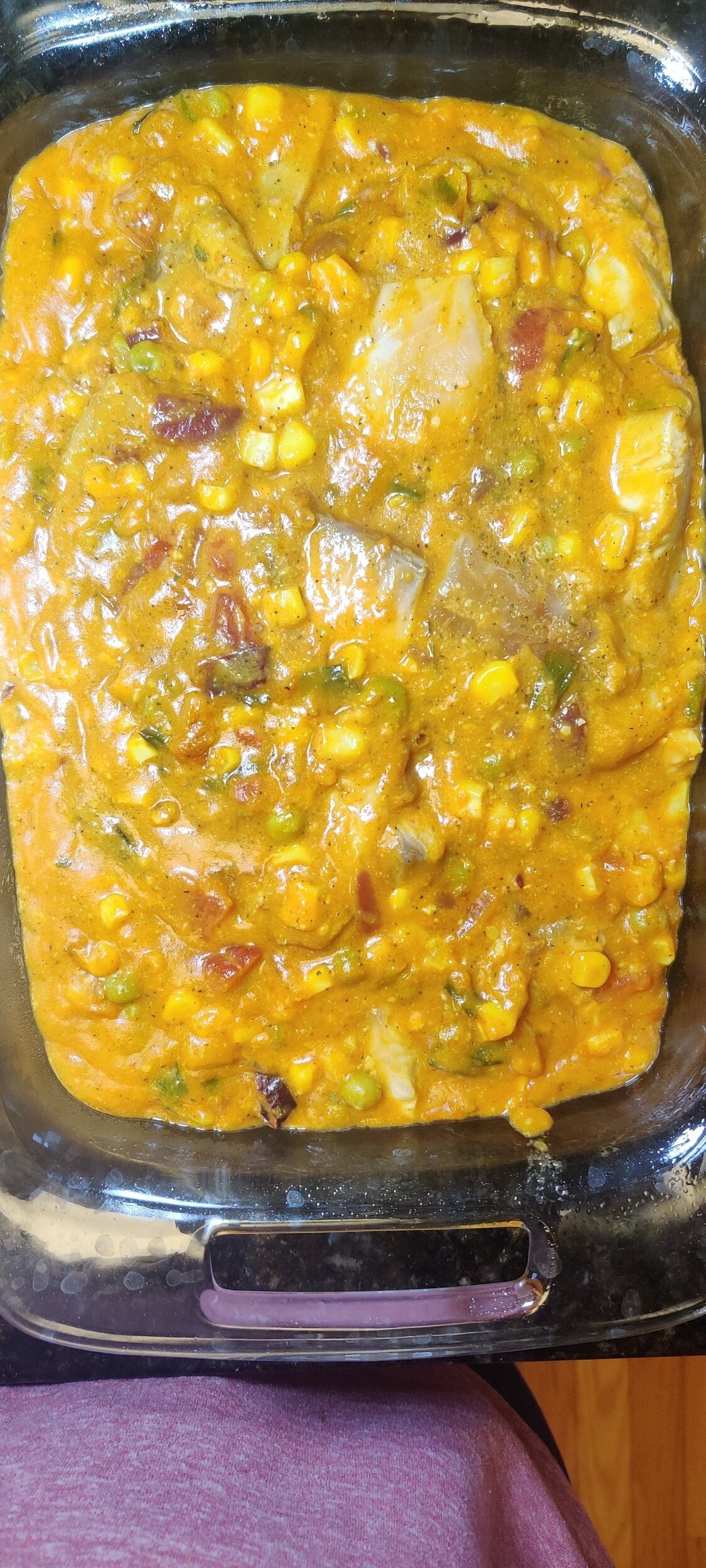
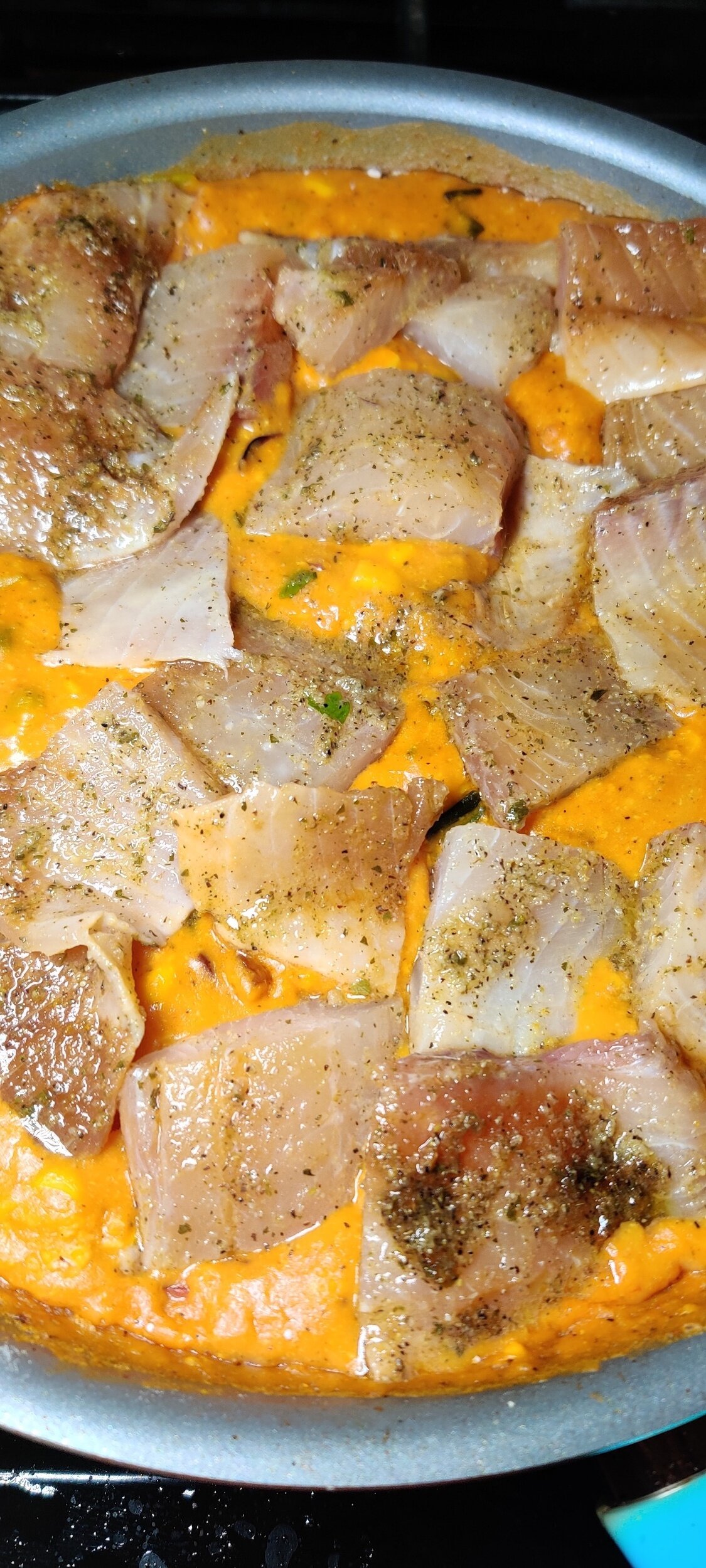
Add the tomatoes and tomato paste, sauté for 2-3 minutes. Add the coconut milk, corn, mustard, and peas, reduce to simmer for about 5 minutes. Add the fish pieces, simmer for another 2-3 minutes before transferring to a sprayed baking dish.
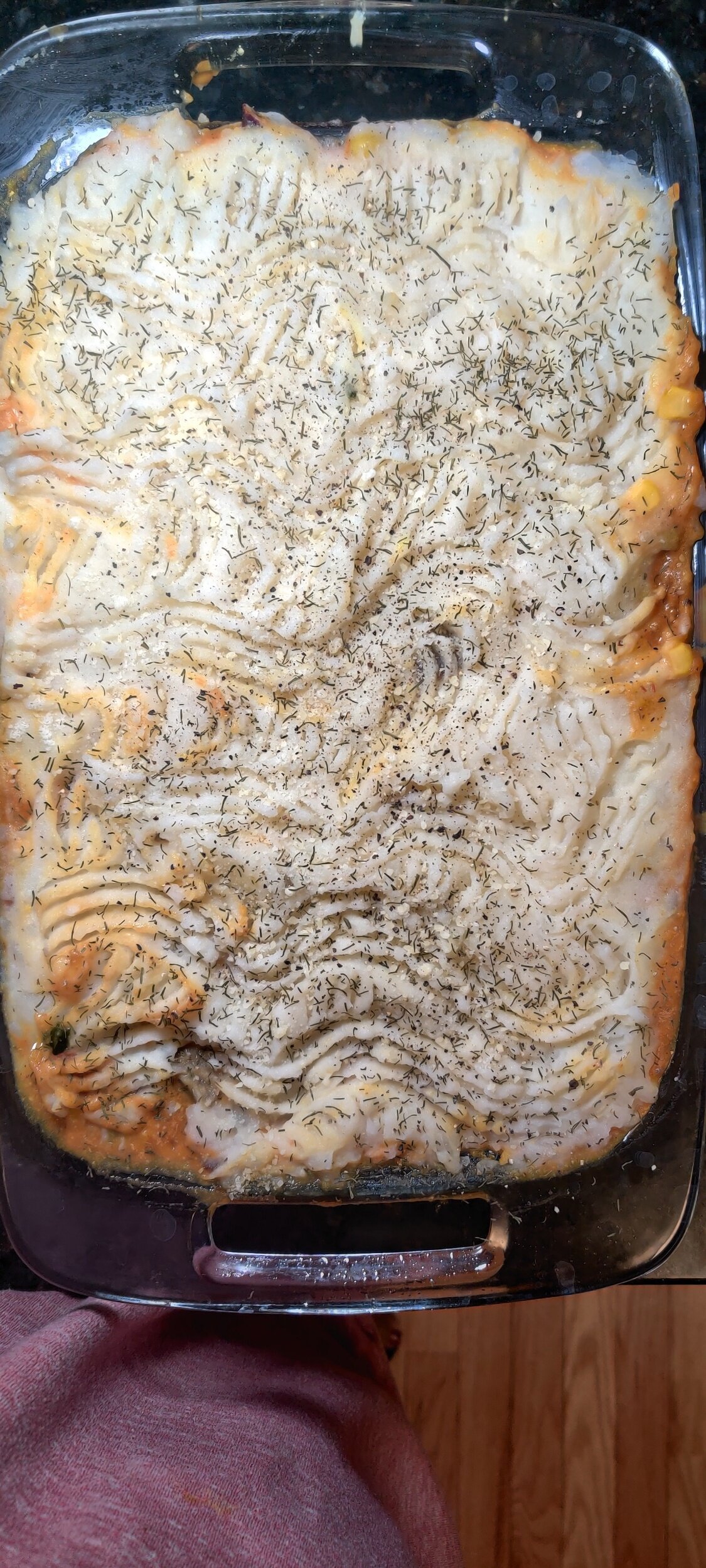
Spoon the mashed potato on top and create a pattern with a fork if desired. Bake at 400F for 25-30 minutes. Rest for 5-10 minutes and serve hot with a side salad.

Black-Eyed Peas with Coconut and Tomato
I'm a huge fan of beans, and they are great if you are looking to cut down or eliminate your meat intake. They are filling, nutritious, and high in protein to name a few benefits.
Black-eyed peas - also known as cowpeas - are hearty and delicious. This bean is eaten extensively across West Africa where it's said to have originated and is an important staple in the Caribbean and the American South - where they are considered a lucky charm by some during New Years.
You can do a lot with black-eyed peas as they are quite versatile, check out my black-eyed pea and pinto bean meatloaf recipe for example.
I served this stew with finger millet in the form of sadza, a thick porridge native to Zimbabwe using an ancient grain much healthier than its white corn counterpart. You can find a recipe for it, here.
The spices muddled in the coconut milk and tomato makes for a rich stew that can be paired with a variety of vegetables or grilled meats or served as a main dish. You won't regret it!
Ingredients
3 cups dry black-eyed peas (soaked for 24 hours and drained)
1 tablespoon salt
2 tablespoons black pepper
1 tablespoon cumin
1 tablespoon coriander
1 tablespoon ginger
1 can coconut milk
3 beef bouillons
6 cups water
1 teaspoon fenugreek
1 teaspoon paprika
1 tablespoon garlic
1/2 yellow onion, chopped
1 small green pepper, finely chopped
1 cup tomatoes, diced
2 tablespoons tomato sauce/ketchup
2 tablespoons butter
2 tablespoons olive oil
2 tablespoons curry powder
Instructions
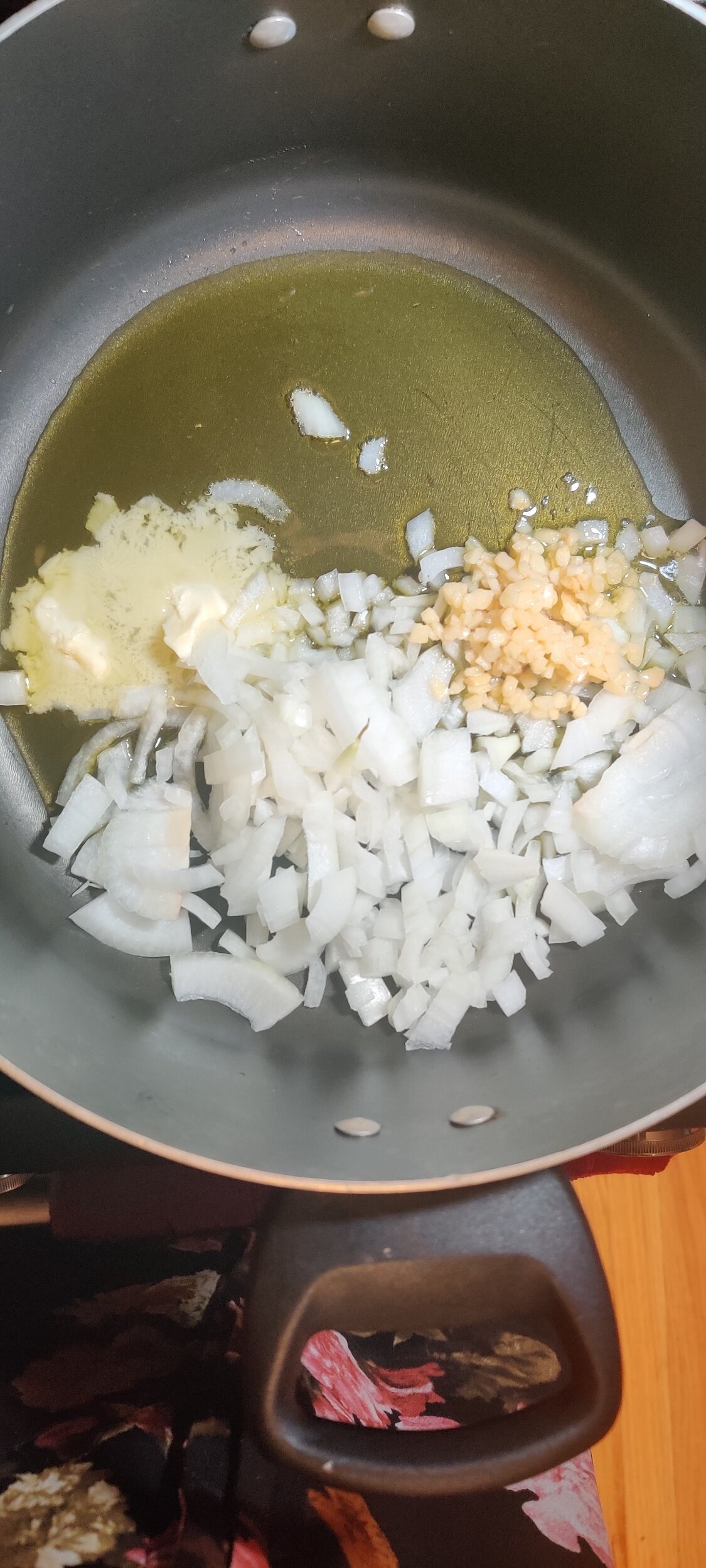
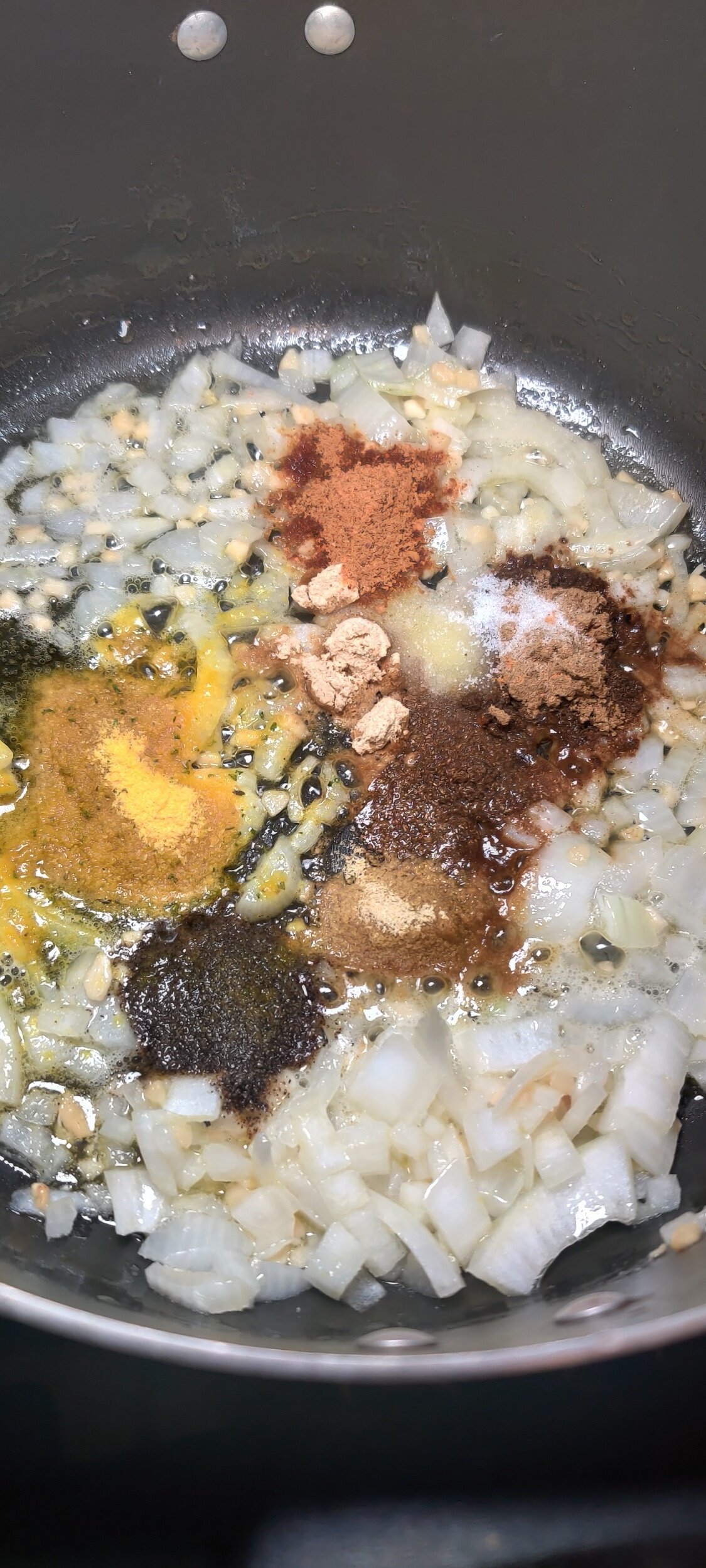
In a large pot, saute the onion and garlic in olive oil and butter for 3 minutes until the onion starts to soften.
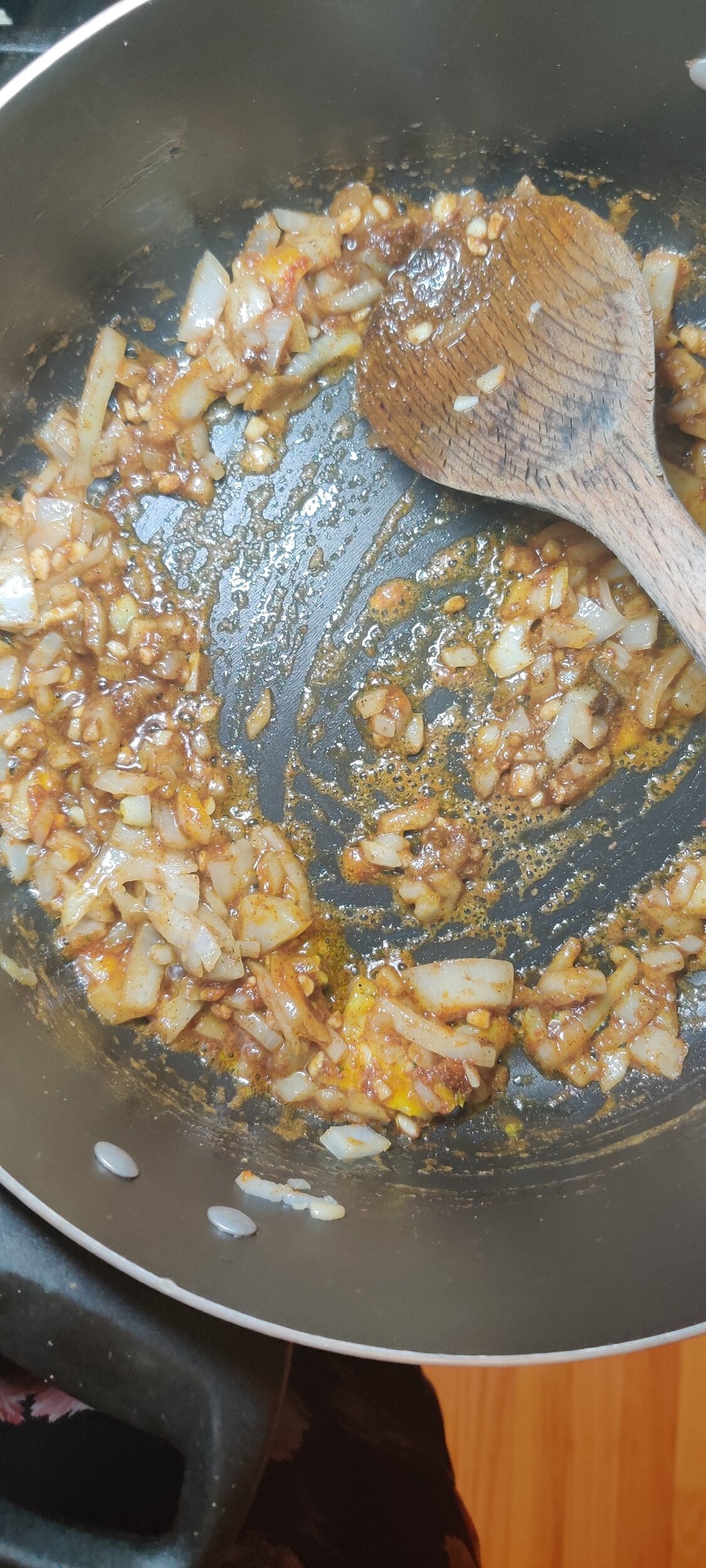
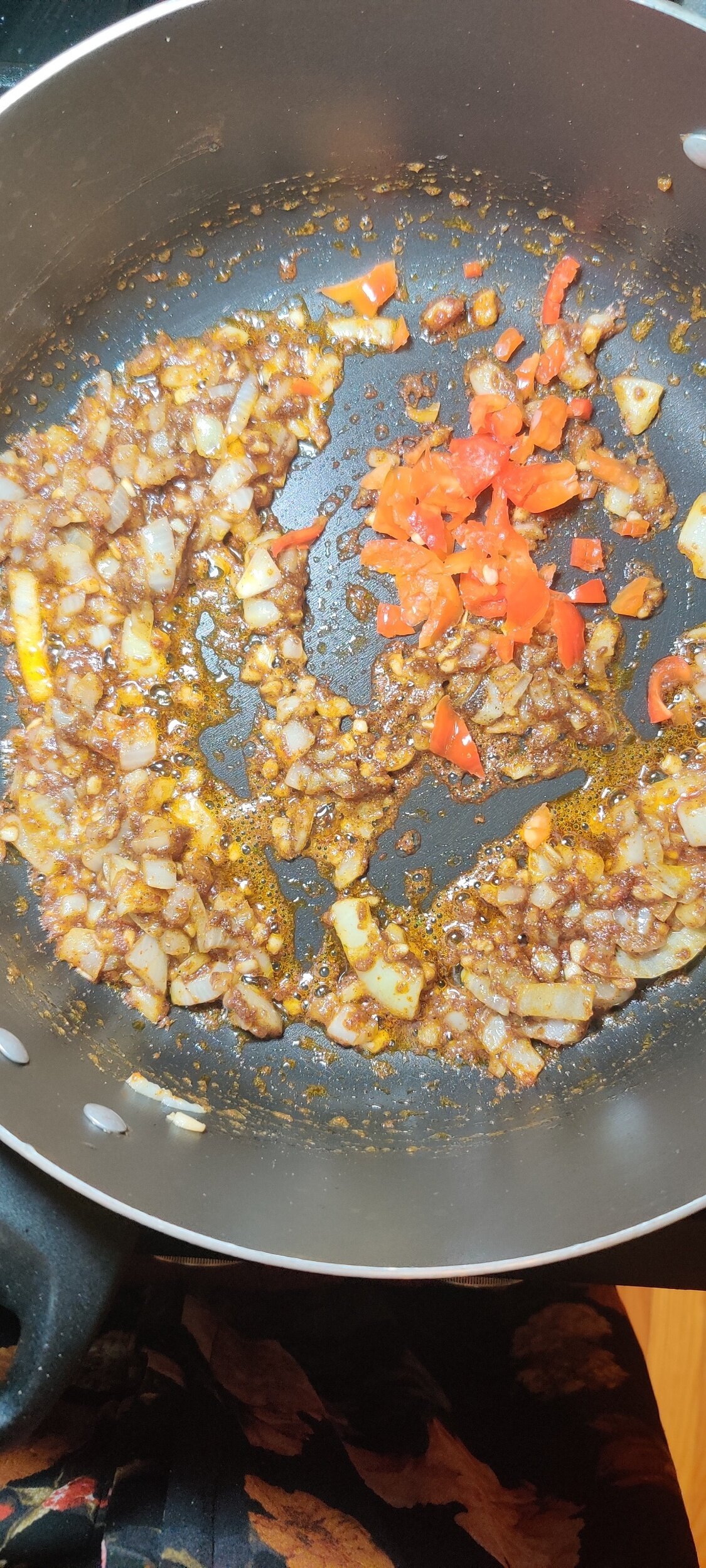
Add the spices, bouillon cubes, salt and black pepper, cook for another 2 minutes.
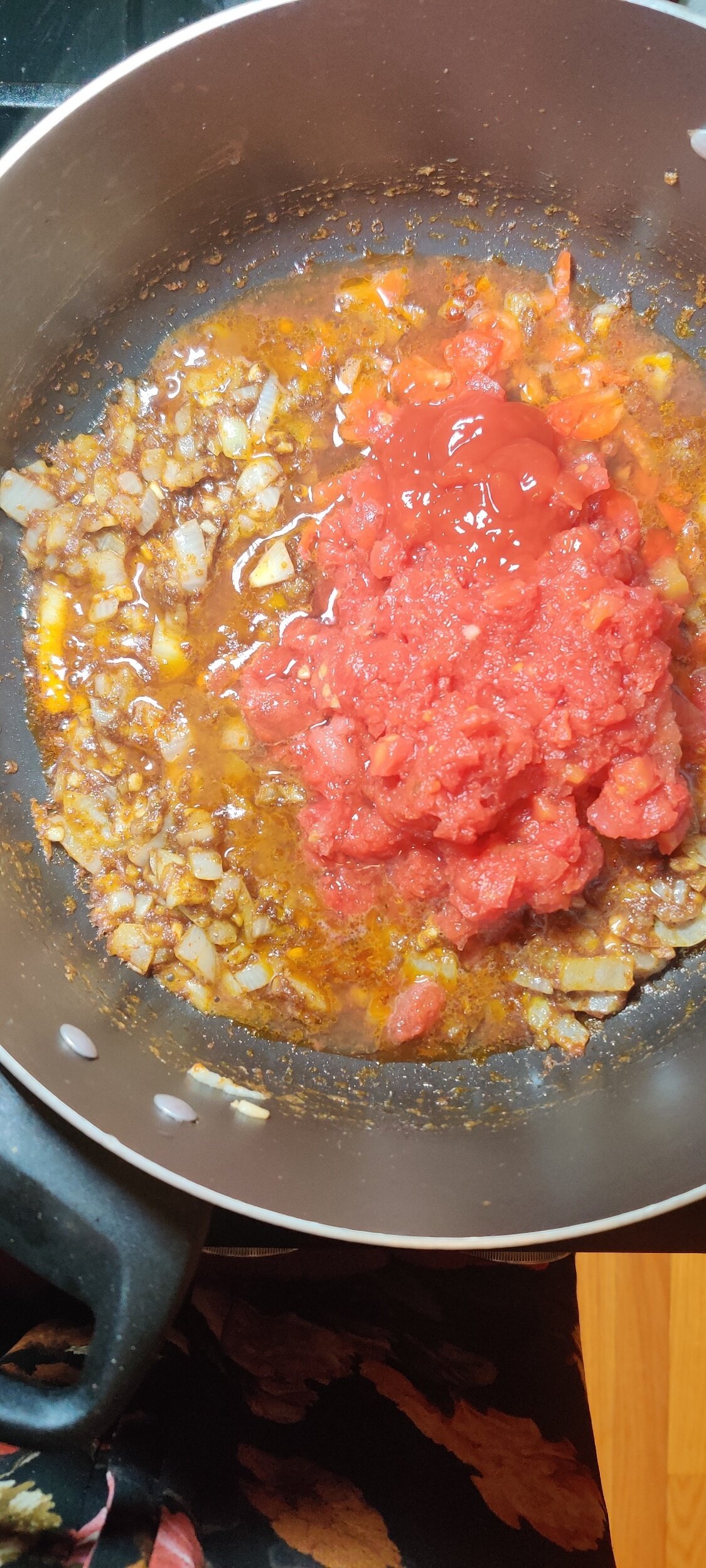
Mix in the diced tomatoes and tomato sauce/ketchup, cook for about 5 minutes.
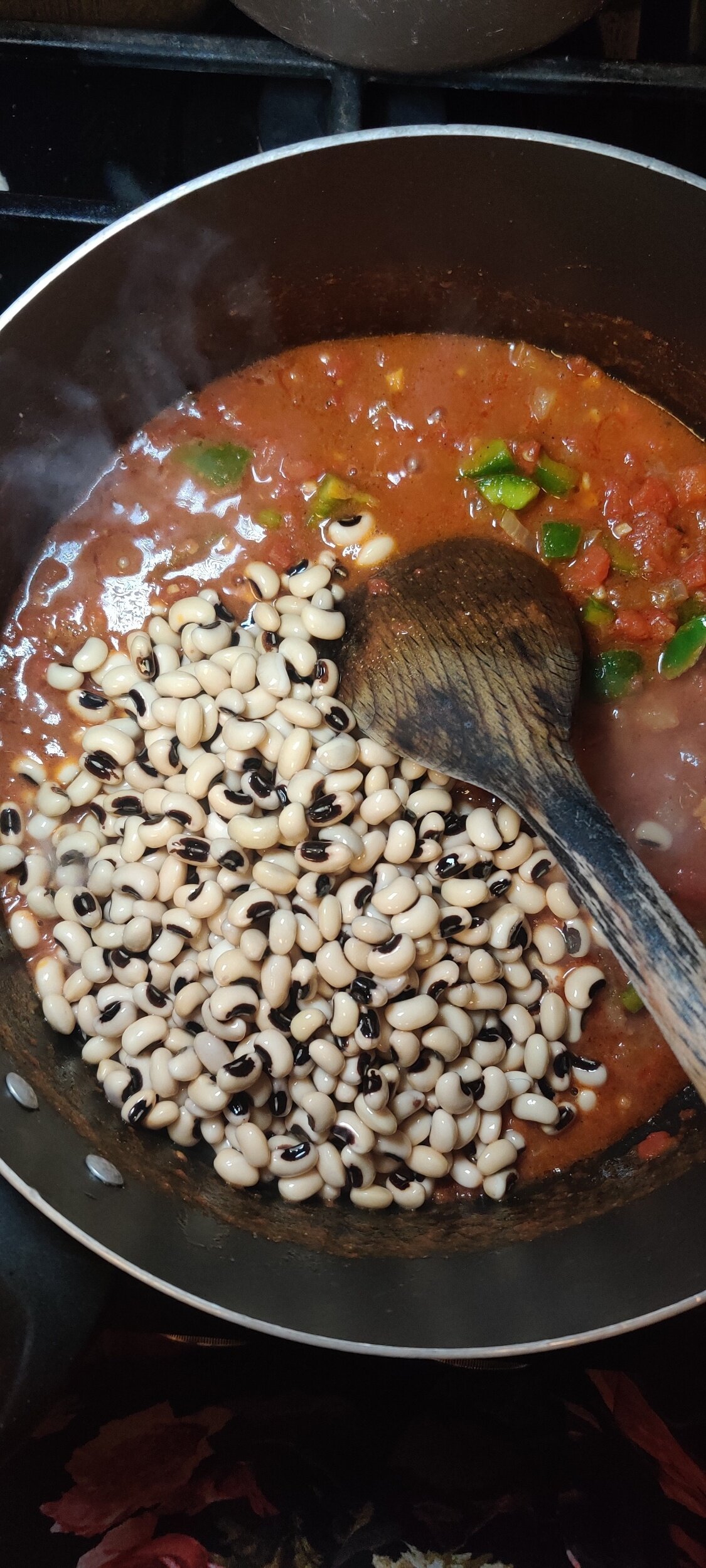
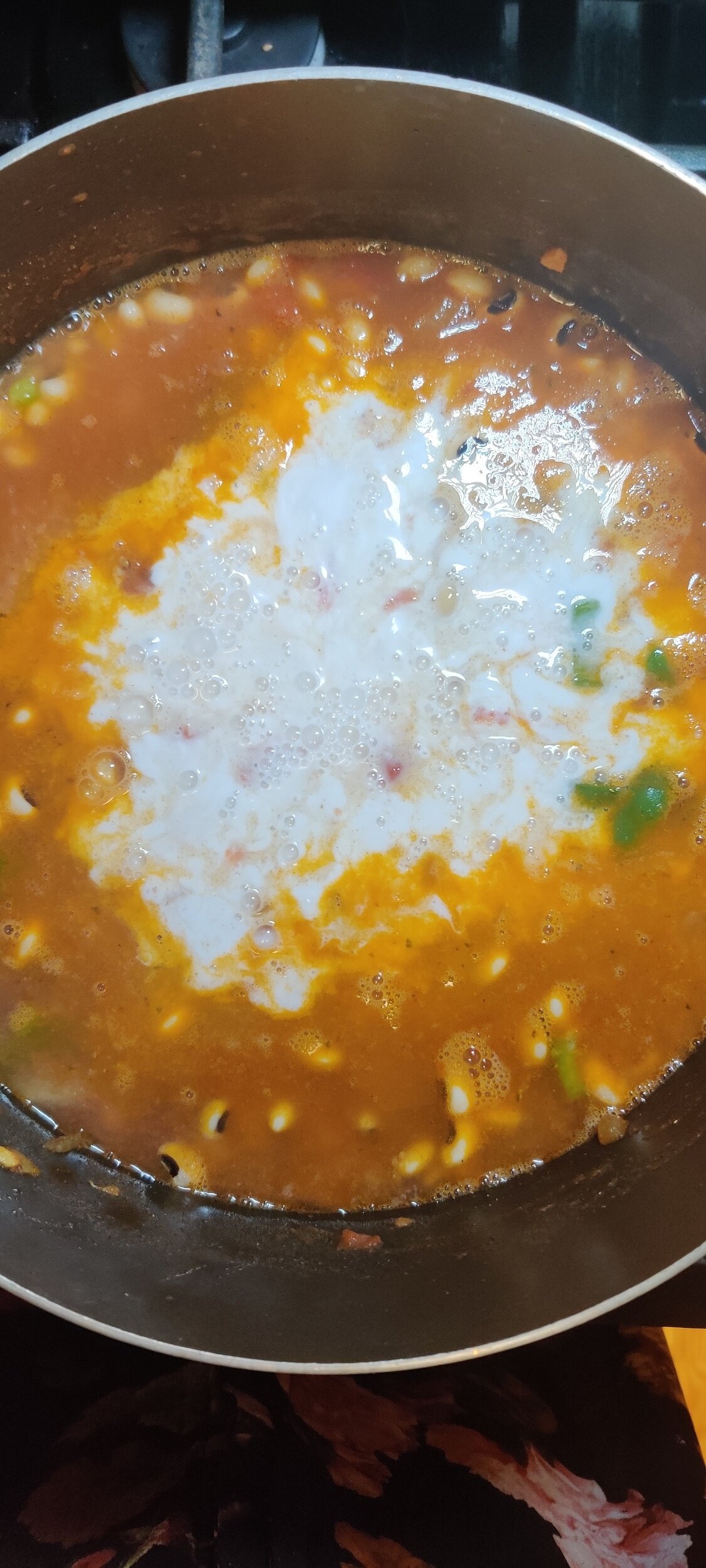
Stir in the green pepper and black-eyed peas, then pour in the water and coconut milk. Season to taste with additional salt and pepper if necessary.
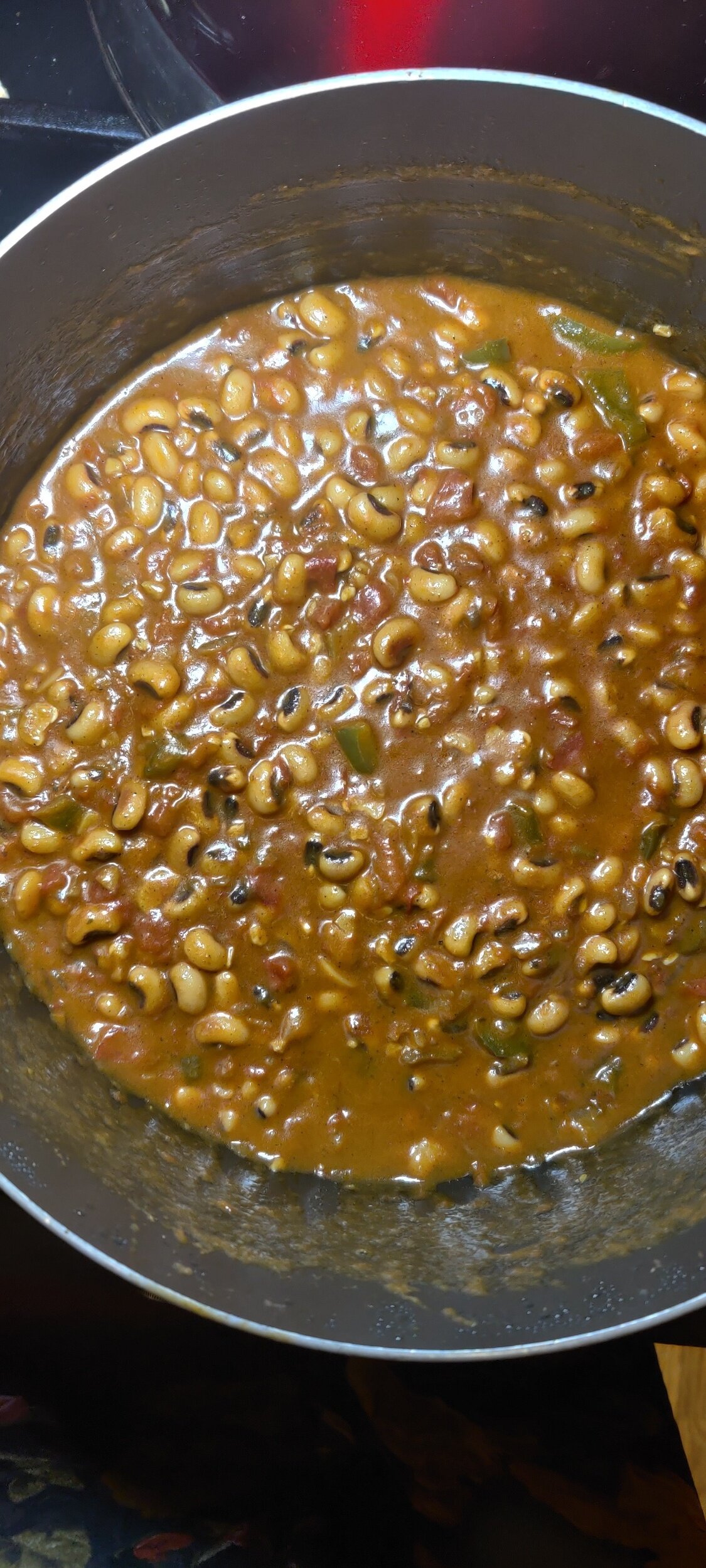
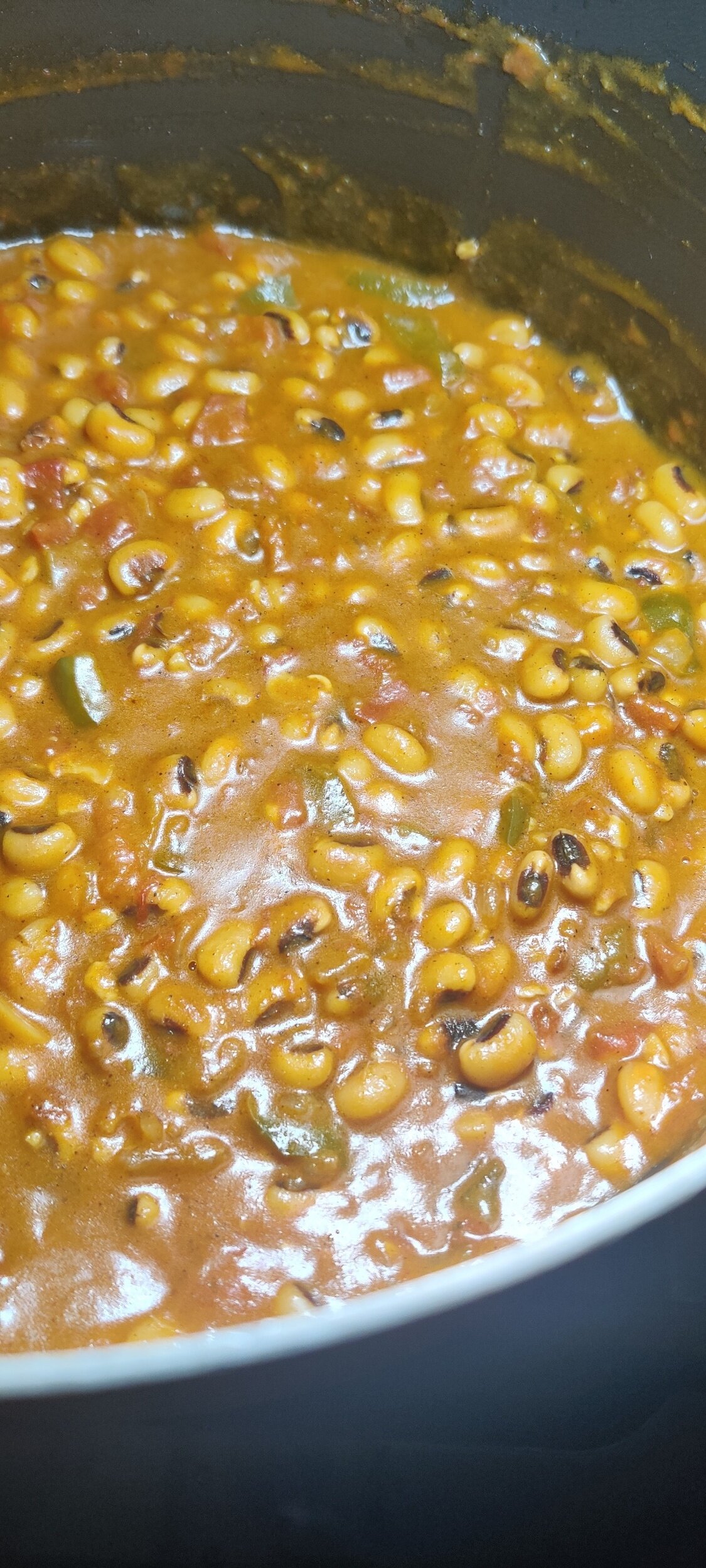
Reduce the temperature and simmer for 35-40 minutes. Check the stew periodically and stir until the black-eyed peas soften and are cooked through. Add more water if needed.
While the beans are cooking, prepare your sadza or whatever starch you want to serve the stew with. All you'll need for that is water and corn/maize/millet meal.
Serve both hot, enough for 4-5.

Spicy Falafel with Cucumber Avocado Salad
Falafel is so satisfying to eat I don't know what it is. Well, maybe I do. Then again I'm biased because I absolutely love chickpeas and if you're reading this you probably are too!
The original recipe is said to have come out of Egypt. This was before it spread to the rest of North Africa and the Middle East where it is now a staple. I had my first encounter with falafel, folded into some pita bread with tomato, lettuce, cucumber, onion and sauce in New York City - I fell in love ever since!
Since they are on the dry side, it's a must that a sauce accompanies the falafel. I used tzatziki to compliment the refreshing cucumber and avocado salad, but tahini salad is another popular condiment you can use too.
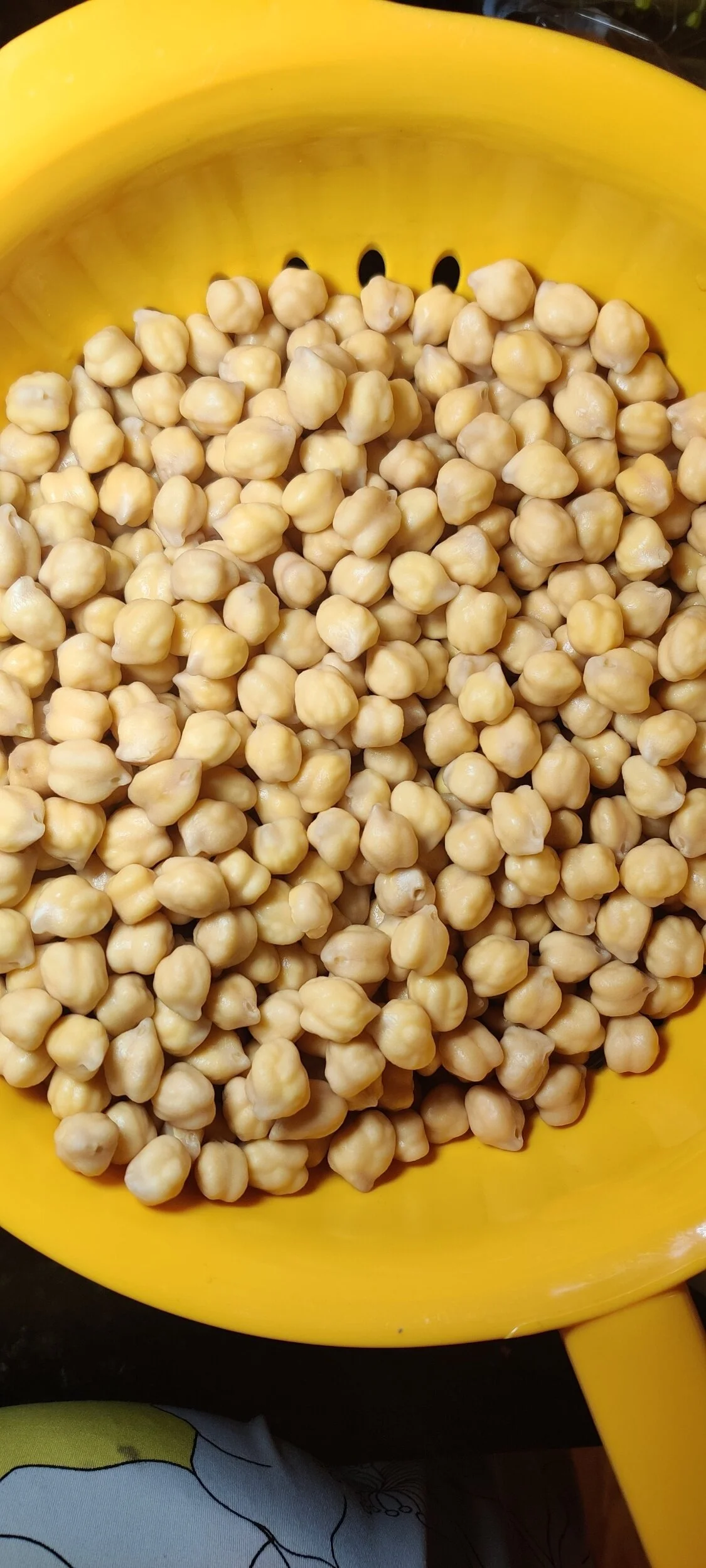
The most important thing to know about this recipe is the use of dried beans.
Even though you soak them and they need to be drained beforehand, this helps with the integrity of the falafel balls versus using canned chickpeas. The same goes for hummus. I've read anecdotes of people drying canned peas in the oven if that is all they have, so it is not impossible.
Ingredients
2 cups dried chickpeas (soaked overnight then drained)
1/2 medium onion, finely minced
1 tablespoon roasted sriracha sesame seeds
2 tablespoons garlic, minced
1/2 cup parsley, finely chopped
1 tablespoon lemon juice
1 teaspoon coriander
1 small habanero, finely minced
1 tablespoon cumin
1/4 teaspoon salt
1 teaspoon black pepper
1 teaspoon chili powder
1 tablespoon paprika
1/2 teaspoon baking soda
1 egg (optional)
Salad:
1 large cucumber, thinly sliced and quartered
1 large avocado, sliced
3 teaspoons olive oil
1 teaspoon lemon juice
1/2 teaspoon salt
1 teaspoon black pepper
Tzatziki sauce
1 1/2 cups sprouts


Instructions
In a food processor, pulse the chickpeas, cumin, coriander, lemon juice, salt, pepper, chilli powder, paprika, parsley, onion, and garlic. A thick paste you can mold should form. If it seems too crumbly, add the egg to help bind everything together.
You can bake or fry falafel depending on your preference. If you like a crunchy exterior, frying will make that happen! I used an air fryer and cooked the falafel balls at 400F for 15 minutes, flipping them halfway after spraying with olive oil. You can also bake them for 30 minutes, turning them over after 15 minutes. Roll your falafel into smoothened balls - about two scoops with a cookie scoop and your hands.
Prepare your salad. In a bowl, toss the cucumber, avocado and sprouts in the olive oil and lemon, season with salt and pepper. Layout the salad on each plate, and add 1-2 teaspoons of tzatziki on top. Set your cooked falafel on top of the tzatziki and eat immediately or warmed.
Serves 2-3 people!
Tip: if your falafel base seems a bit wet and you struggle to form balls, bake in a 350F oven for about 5-7 minutes to dry it out a bit, but don't overcook.

Jollof Rice-Stuffed Tomatoes and Mushrooms
If you haven't had jollof rice yet, you're missing out. It's a cornerstone of West African food. Each country that does make it a central aspect of their cuisine have particular methods of preparing the rice. I’m not going to get into the nuances because I’m from Southern Africa and not really in a position to get into the specifics and get it exactly right! I will say though, that some people might say it my rendition is closer to the 'Ghanaian way', due to the spiciness and lack of bay leaf (common in some Nigerian recipes I've seen). I seasoned the tomato stew the rice cooks in to my liking, and the result is pretty delicious.
You can eat the jollop rice as it is, with beans, fish, plantains, or do what I did and stuff some juicy vegetables! Stuffing veggies with rice (and sometimes a protein) is nothing new. It’s usually an easy and delicious meal, and quick if you have precooked your rice.
This method is something fun to do year-round with whatever is in season.
I was going to get brave and try and stuff some grapes leaves and cabbage, but this kept it simple since tomatoes and mushrooms lend themselves well to stuffing/topping, are easy to find and relatively affordable.
Hope you find this as tasty as I did!
Ingredients
1 large yellow onion, chopped
2 tablespoons olive oil
1 tablespoon garlic, minced
1/4 cup vegetable oil
1 tablespoon butter
1 (14-ounce) can diced tomatoes
1 small habanero pepper, chopped
1 (6-ounce) can tomato paste
2 beef bouillon cubes
1/2 cup frozen peas
1/2 teaspoon cumin
1 tablespoon curry
1 tablespoon paprika
1 teaspoon salt
1 tablespoon black pepper
1 teaspoon garlic and herb blend
1 teaspoon ginger
1/2 teaspoon coriander
3-4 large tomatoes
Fresh thyme
Garlic powder
Olive oil
3-4 portobello mushrooms


Instructions
Blend the onion and olive oil into a paste and set aside.
Clean out the blender and repeat this step with the pepper, tomatoes, and tomato paste.
In a large pot, melt the butter with the vegetable oil. Add the onion paste and garlic and cook on medium-low heat, stirring frequently for 5 minutes. Add the spices, salt, pepper, and bouillon cubes. Simmer for an additional 5 minutes or until the onion paste looks drier and the water content is reduced.
Add the tomato sauce and continue to simmer for about 15-20 minutes, stirring frequently.
Finally, add the rice and frozen peas. Top with water, cover with foil and a lid, and steam cook for 30 minutes until the rice is done. You can check from time to time to make sure the bottom isn’t burning. Note - the foil will help to keep all the flavours in!
Prepare your vegetables for stuffing. Hollow out the insides carefully with a knife, and drizzle with olive oil. Dust with garlic powder, salt, pepper, then top with fresh thyme.
In a 400F oven, bake your vegetables for about 25 minutes, until they have softened (but don’t overcook).
Remove your vegetables and let them cool for about 5 minutes, then using a teaspoon scoop the rice into the tomatoes and mushrooms. Serve hot!

East African Mashed Kale Stew (Sukuma Wiki) with Chapati
This dish is inspired by one of East Africa’s most beloved comfort foods: Sukuma Wiki, a flavorful sautéed kale or collard green dish often served with chapati or ugali. Common across countries like Kenya, Uganda, and Tanzania, Sukuma Wiki is a simple, affordable way to stretch meals, the name literally means “stretch the week” in Swahili.
I’ve taken that foundation and turned it into a heartier, stew-like version by adding peanut butter, yam, mushrooms, and eggplant for extra richness. This version leans into bold spices and a creamy texture, making it filling enough to enjoy as a main dish.
While this stew draws heavily from Sukuma Wiki, I was also inspired by other traditions across the continent. In Zimbabwe, pumpkin leaves (muboora) are cooked with peanut butter to create a deeply savory side or main. They’re often overlooked, but when cooked right, they're just as good as kale or collard greens. Since I’m currently in the United States, I’ve used kale (muriwo) as a substitute, it’s readily available and holds up beautifully in stews.
In Rwanda, a dish called isombe uses ground cassava leaves stewed in a similar way, often served with plantains and, of course, chapati, my favorite flatbread of all time.
I’ve paired this stew with East African chapati, which is soft, flaky, and layered. It’s made differently from Indian chapati, using a coiled rolling technique that creates those signature flaky layers. You can find my chapati recipe [here] if you’d like to make it from scratch.
This dish is warm, deeply nourishing, and full of flavor. It’s a beautiful mix of traditions and ingredients that come together to celebrate African cooking in a way that’s comforting and easy to recreate at home.
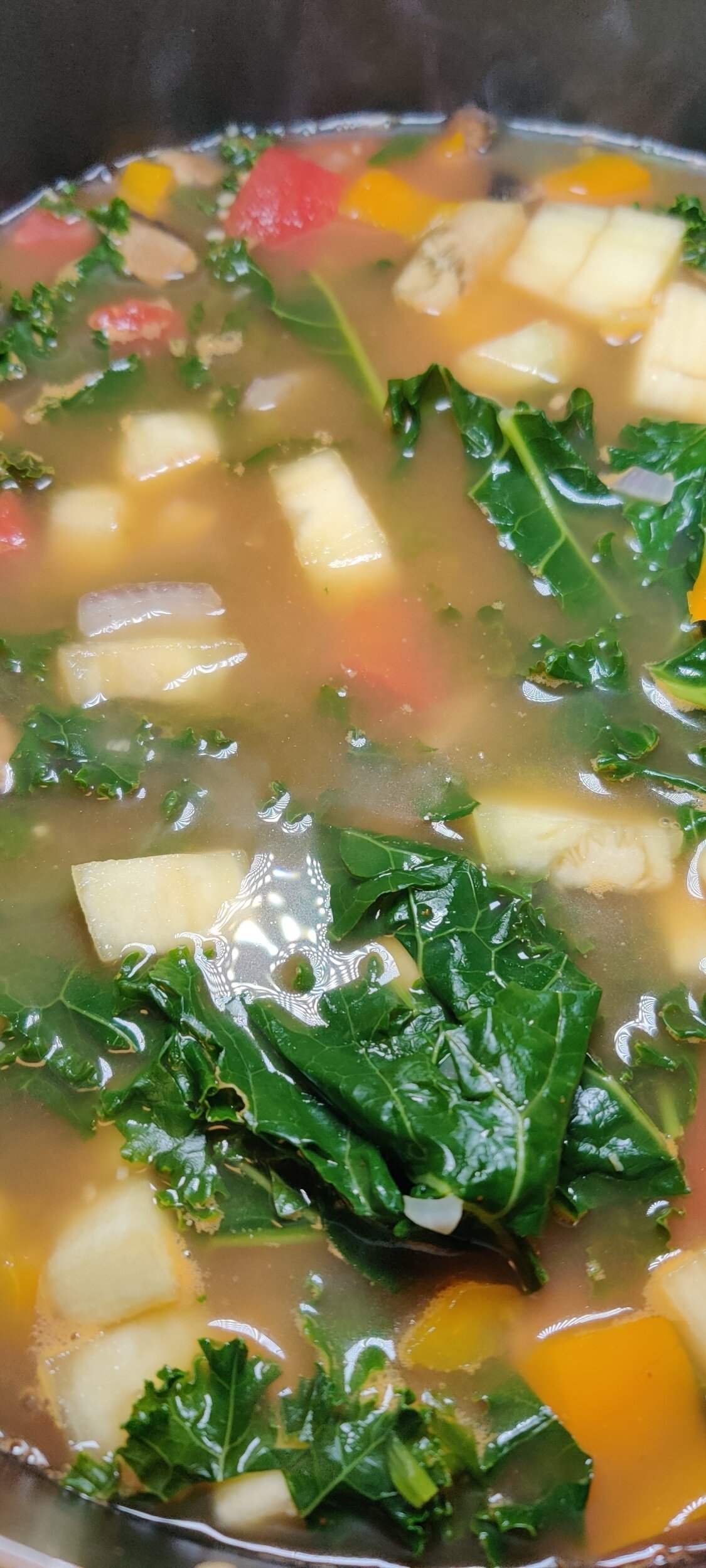
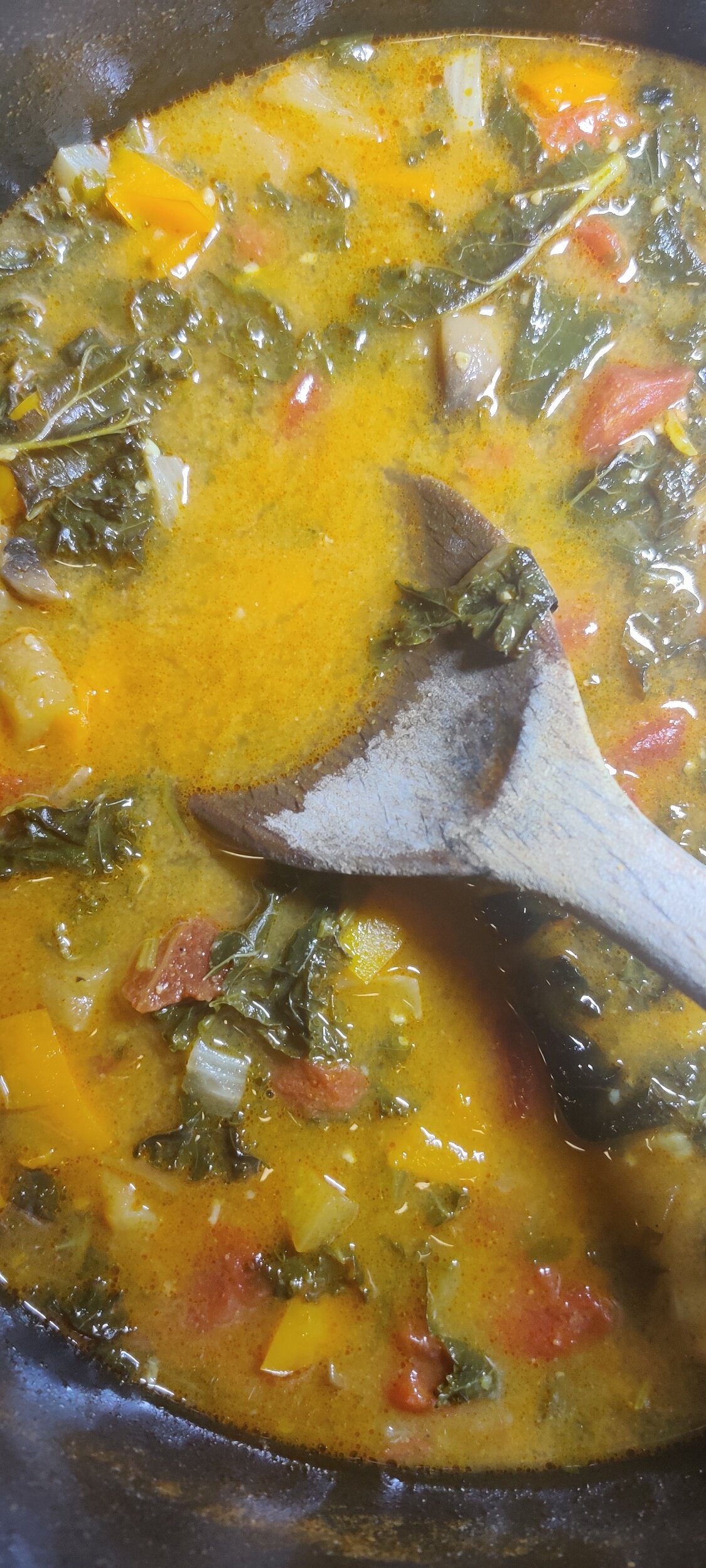
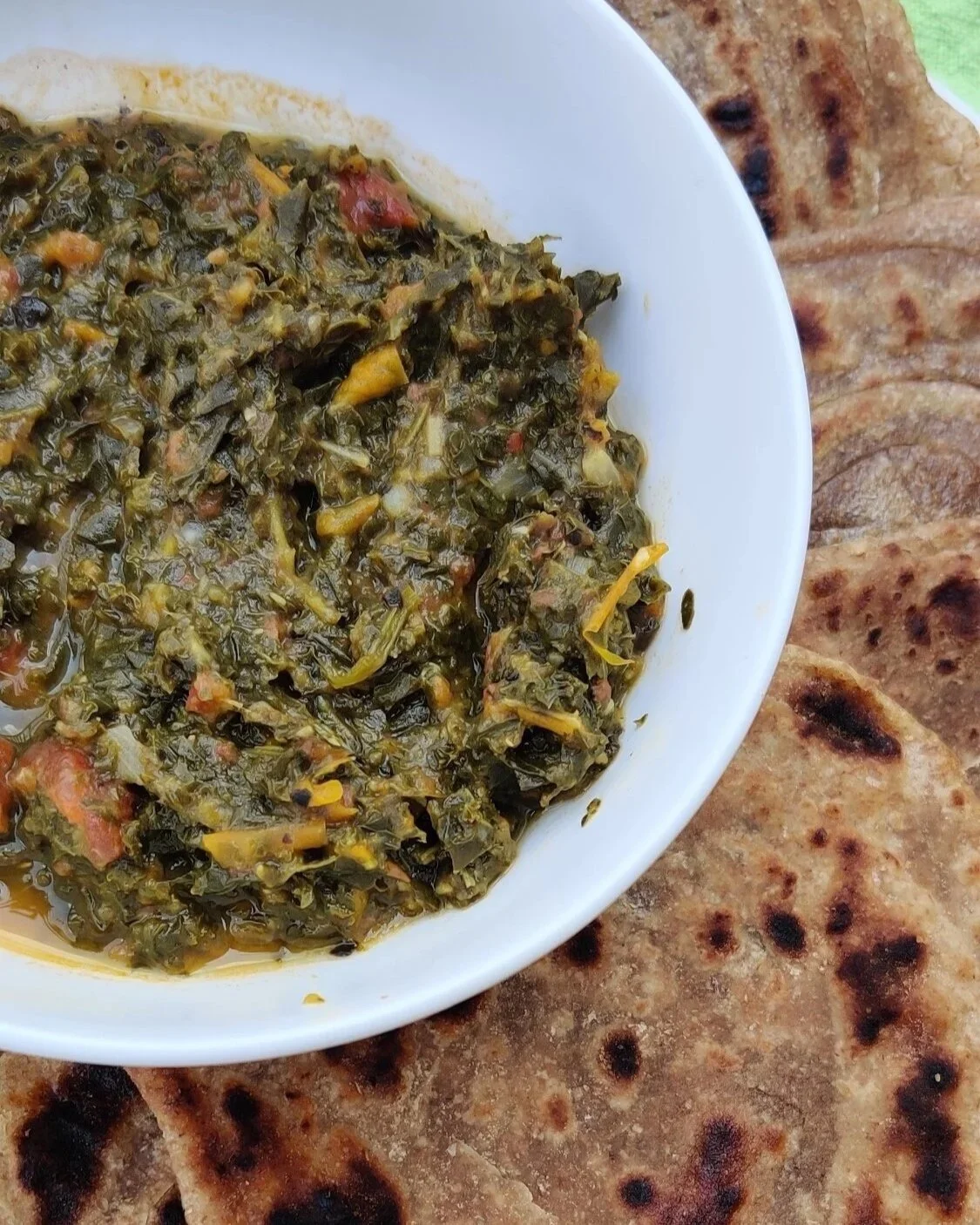
East African Mashed Kale Stew (Sukuma Wiki) with Chapati
A hearty, comforting East African-inspired kale stew packed with vegetables, spices, and richness from peanut butter. Serve with chapati for a complete meal.
Ingredients
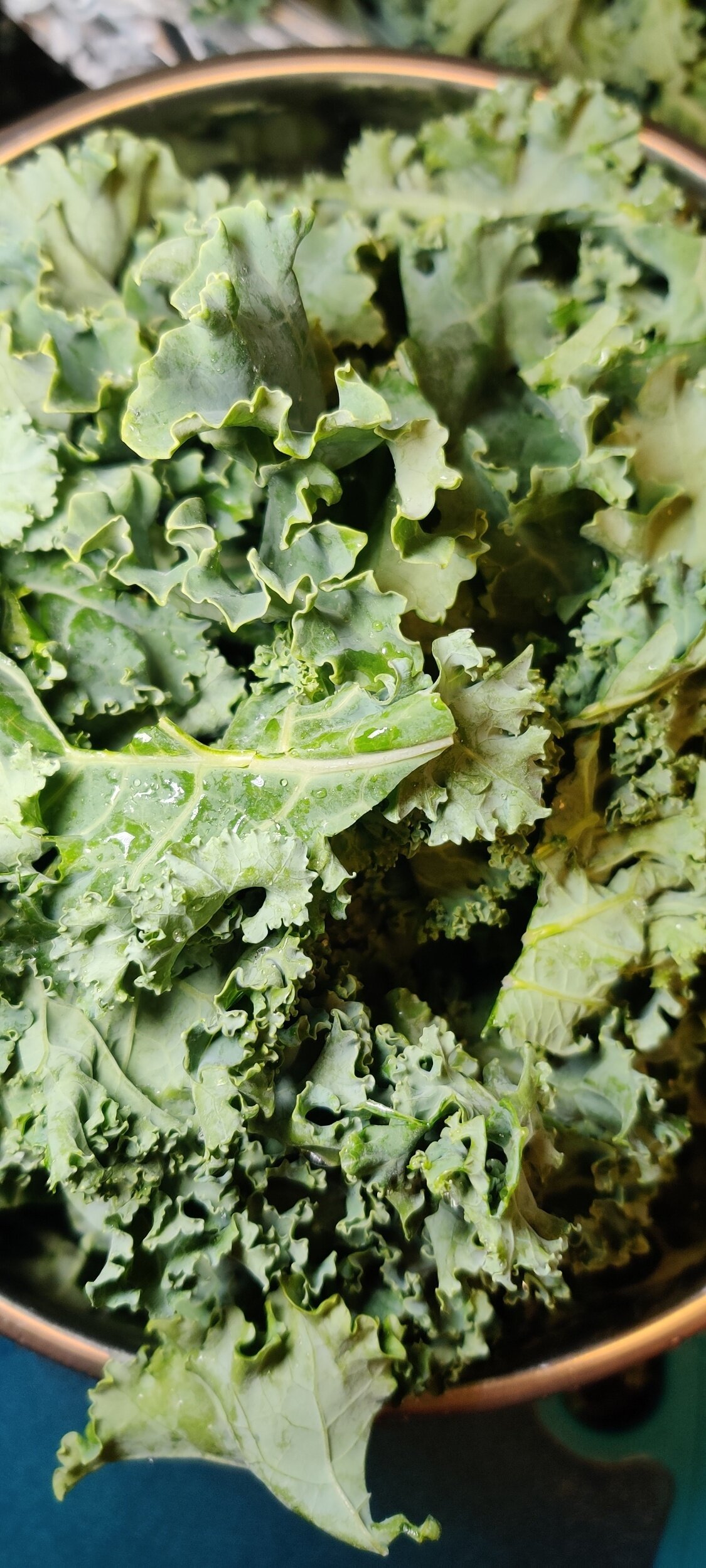
- 1 pound kale, chopped
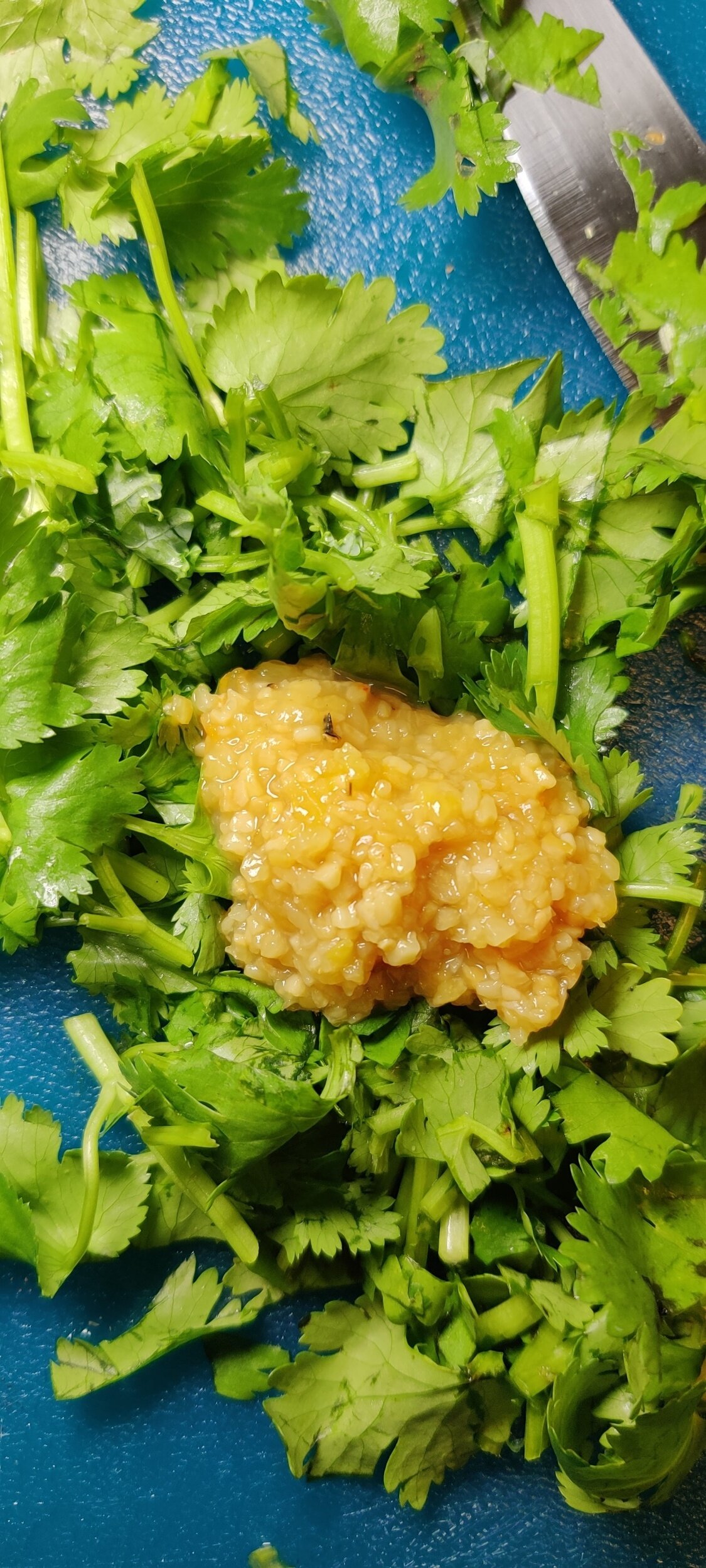
- 2 tablespoons garlic, minced
- ¼ cup fresh parsley, chopped
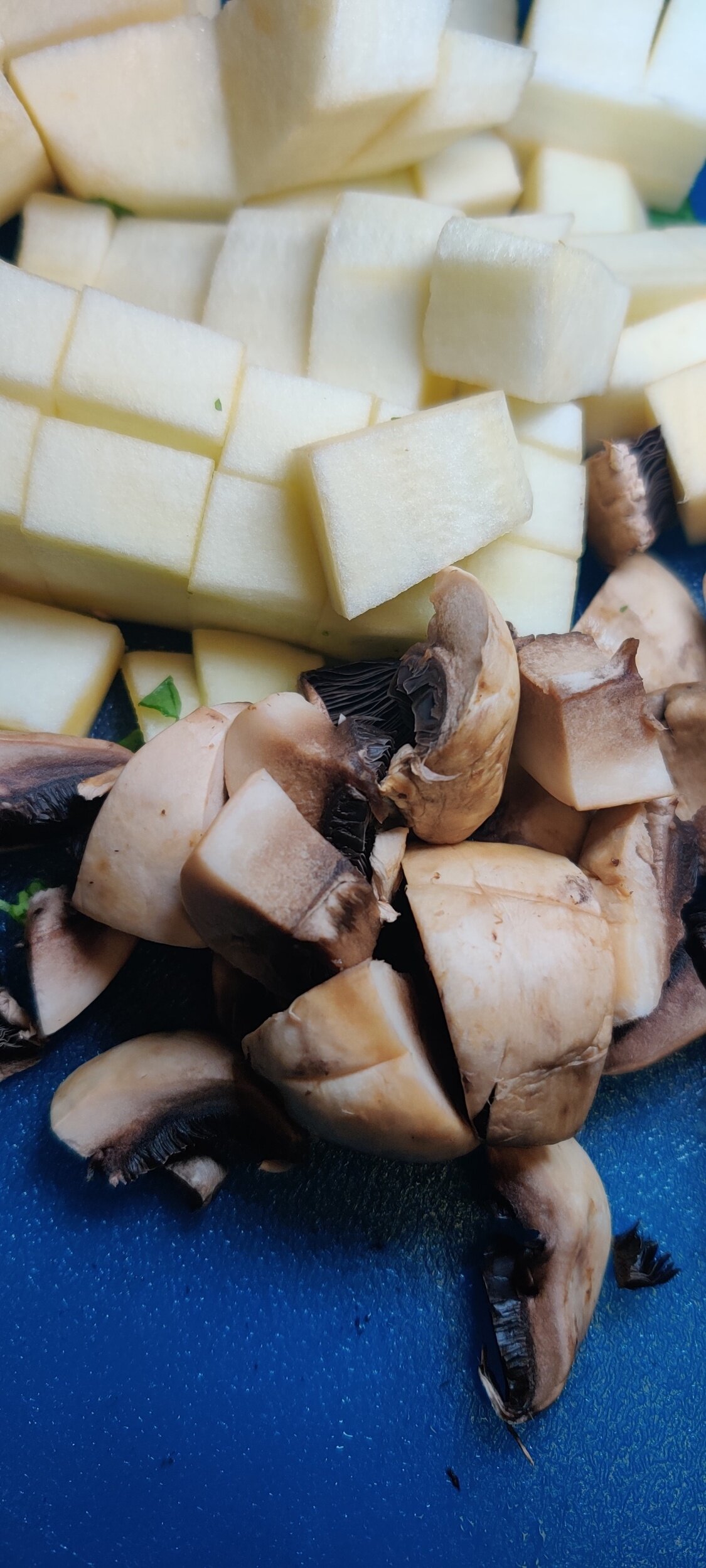
- ½ large eggplant, chopped
- ½ cup mushrooms, chopped
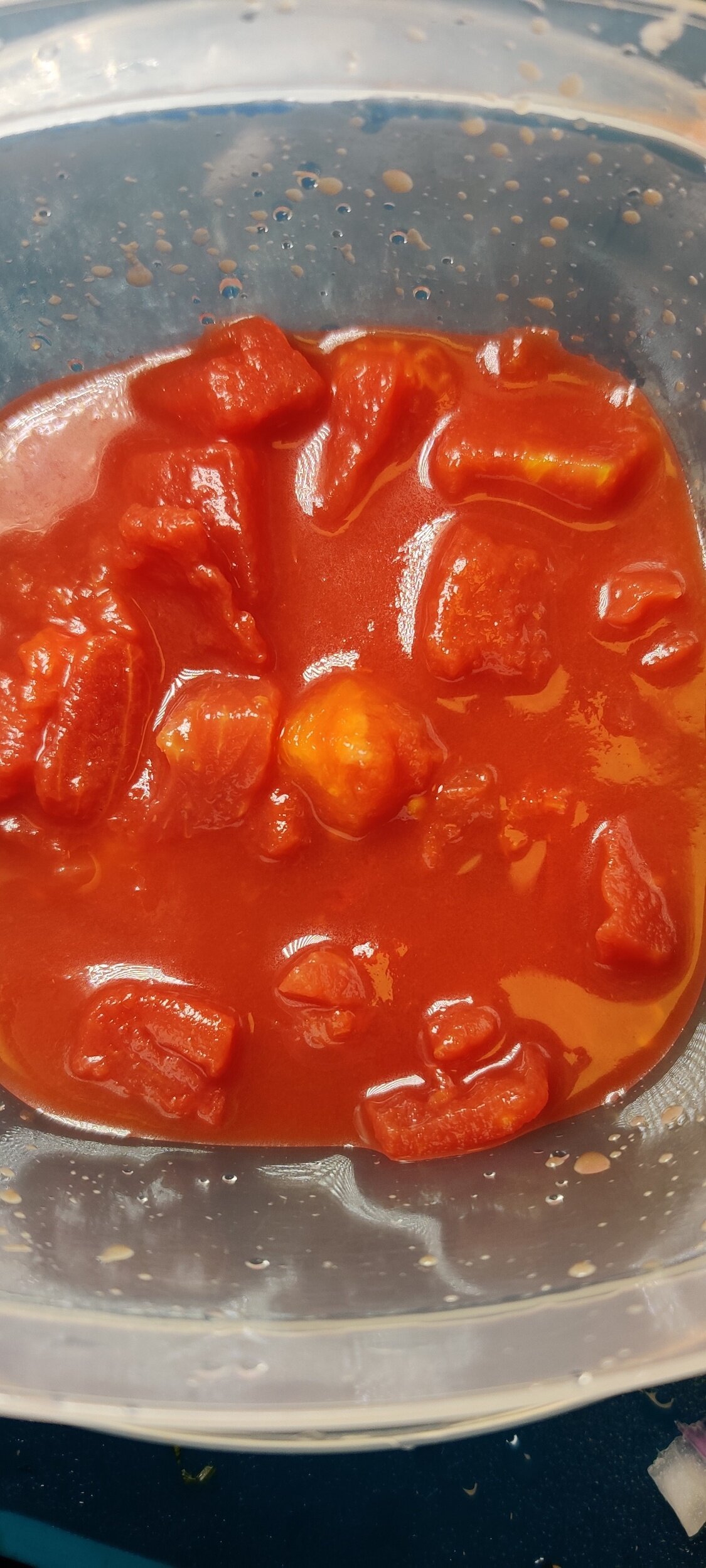
- 1 large tomato or 1 (14-ounce) can diced tomatoes
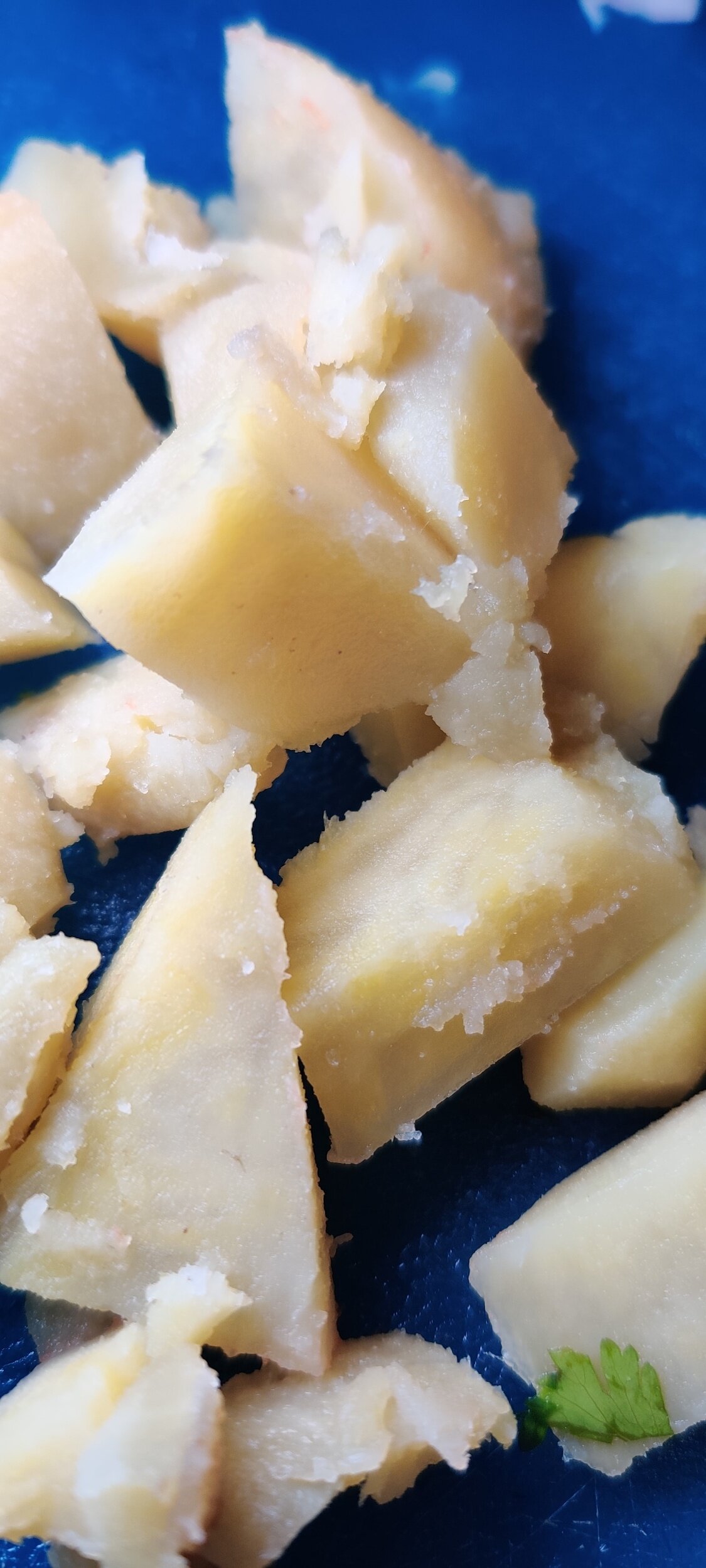
- ½ white-fleshed yam or sweet potato, chopped
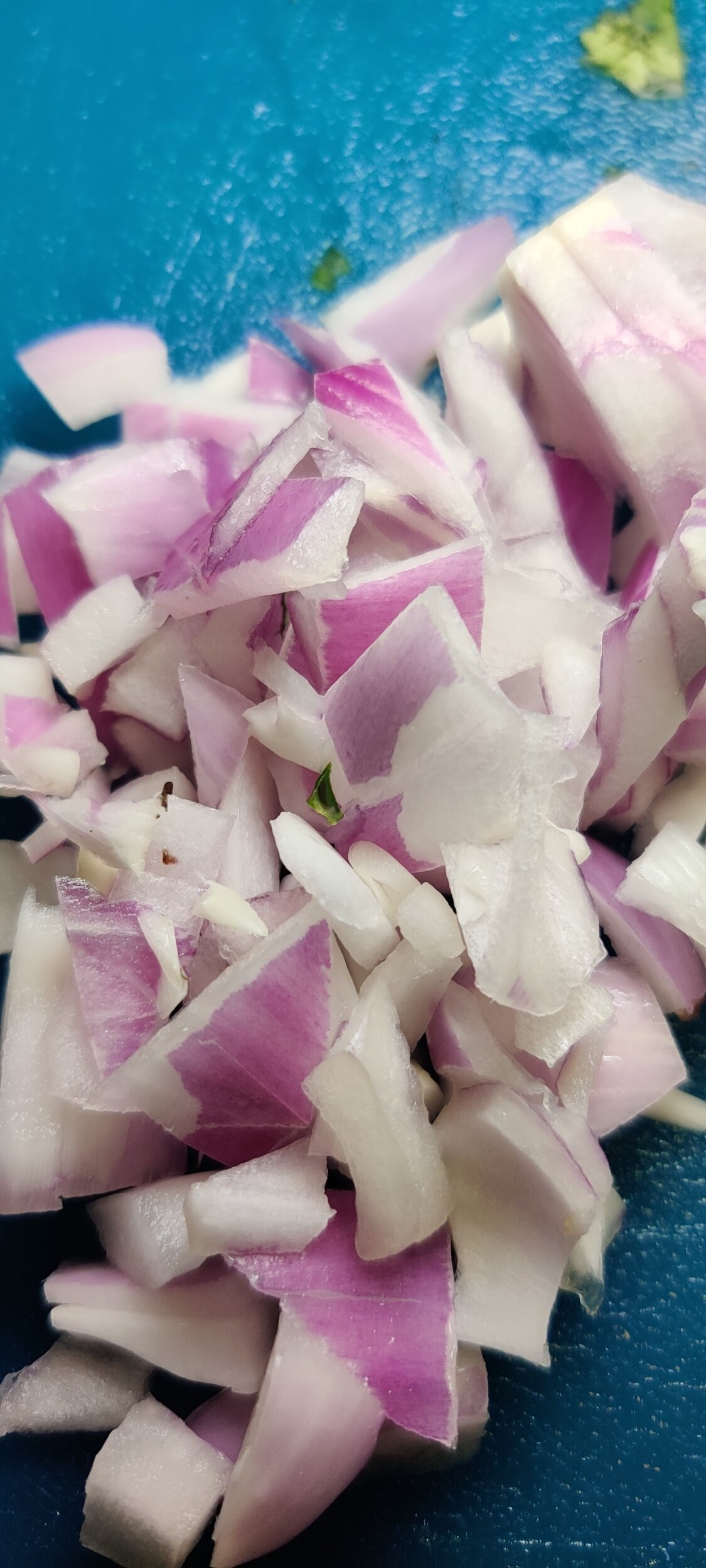
- ½ large onion, chopped
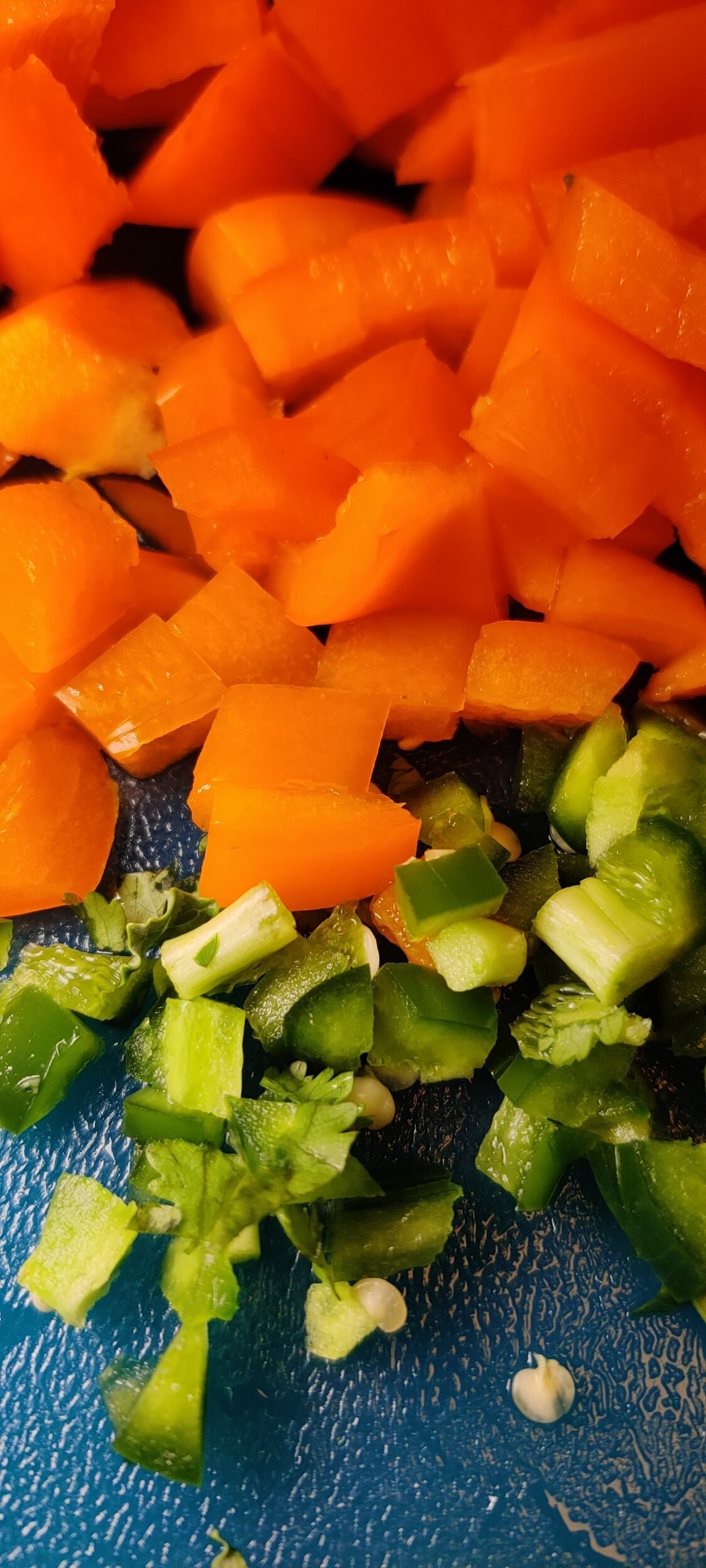
- ½ large bell pepper, chopped
- ½ jalapeño, chopped
- 6 cups beef broth
- 2 vegetable bouillon cubes
- 1 tablespoon salt
- 2 tablespoons black pepper
- 1 tablespoon chili flakes
- ½ cup peanut butter
- 2 cups water
- 2 tablespoons vegetable oil
- 1 teaspoon fenugreek
- 1 teaspoon cumin
- 1 teaspoon coriander
- 1 teaspoon paprika
- 1 teaspoon sugar
- 1 teaspoon fennel
- ¼ cup chopped parsley (for garnish or added at the end)
Instructions
- Heat the vegetable oil in a large pot over medium heat. Add the chopped kale and cook until wilted and the edges begin to crisp slightly.
- Stir in the garlic and parsley. Cook for 2 minutes, until fragrant.
- Add the onion, eggplant, mushrooms, and all the spices (fenugreek, cumin, coriander, paprika, sugar, fennel, salt, pepper, and chili flakes). Sauté for another 2 minutes.
- Add the bell pepper and jalapeño, and cook for 1 more minute.
- Stir in the tomato, yam (or sweet potato), bouillon cubes, water, and beef broth.
- Reduce the heat to low, cover, and let the stew simmer for about 35 minutes. Stir occasionally and add more water if the stew becomes too thick.
- Once the vegetables are soft and the flavors are well developed, stir in the peanut butter and simmer for 5 more minutes. Taste and adjust seasoning as needed.
- Serve hot, ideally with freshly made chapati or another flatbread.
Notes
Tips:
- The richer your broth, the more flavorful the stew will be. Homemade stock or beef bone broth adds incredible depth.
- While traditionally made with beef broth, this stew can easily be made vegetarian or vegan by using a well-seasoned vegetable broth.
- You can also blend part of the stew for a smoother texture or leave it chunky, depending on your preference.
I am not a certified nutritionist and any nutritional information on dontmissmyplate.com should only be used as a general guideline.

How to Make East African Chapati – Step-by-Step Recipe
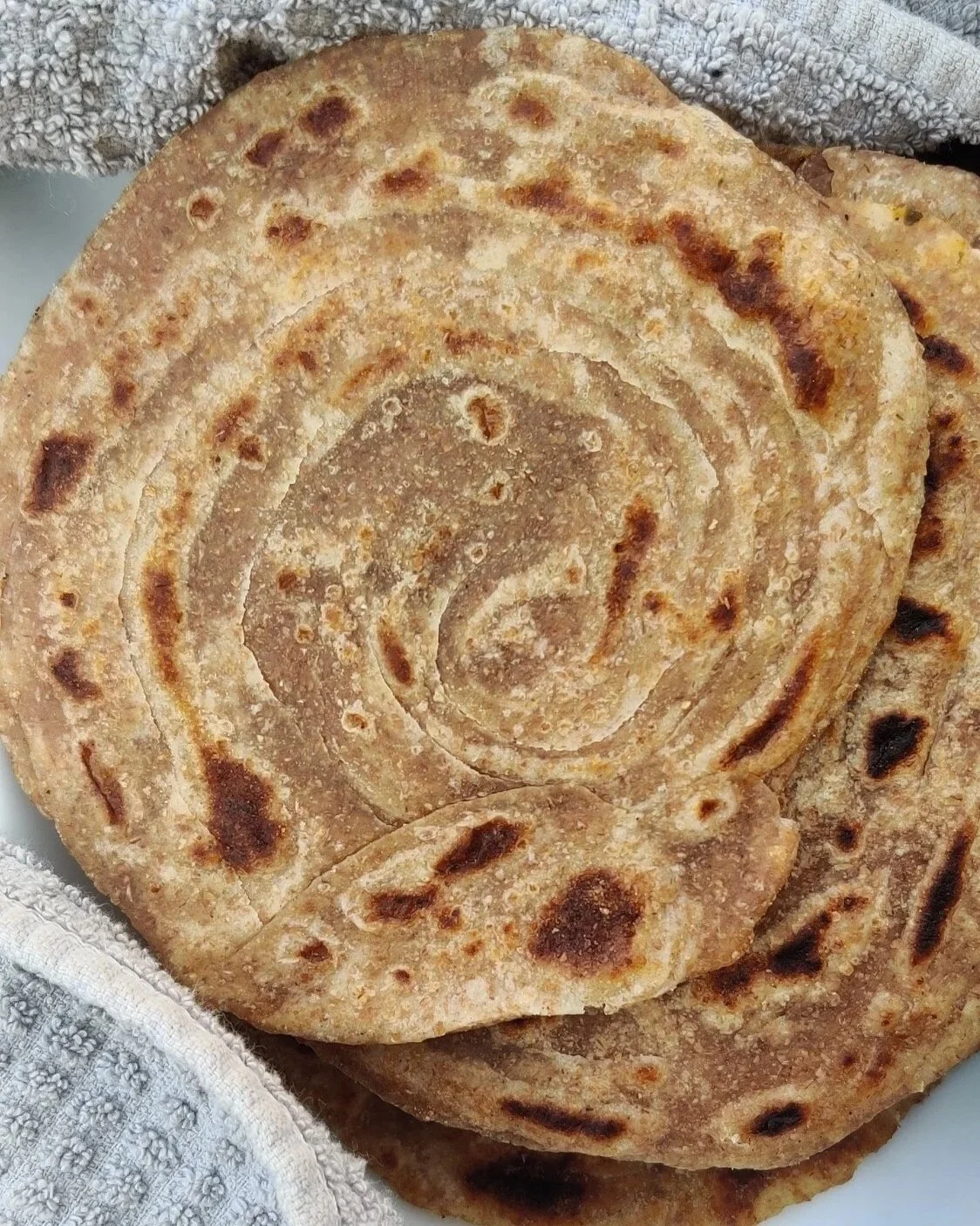
Chapati is one of the most beloved and widely eaten flatbreads in East Africa. Popular in countries like Kenya, Uganda, and Tanzania, it’s a staple at family dinners, street food stalls, and festive gatherings. While chapati originated from the Indian subcontinent and was introduced to Africa through trade and migration, it has evolved into a distinct East African version that is softer, flakier, and richer than its Indian counterpart.
What sets East African chapati apart is the generous use of oil or ghee in both the dough and the cooking process. This gives the bread its signature soft texture and golden, flaky layers. When made well, chapati is slightly crisp on the outside, soft and chewy on the inside, and perfectly seasoned with just the right amount of salt and fat.
In many African homes, bread is more than just food. It plays an important cultural role at the table and is often shared during meals as a symbol of hospitality. Chapati in particular is used to scoop up stews, beans, or vegetables, making it an essential part of everyday meals and celebrations. For many, learning to make chapati from scratch is a family tradition passed down through generations.
I originally created this recipe to pair with a mashed kale stew, but it's incredibly versatile. Chapati is also perfect with curries, lentils, grilled meats, or simply served as a side with a variety of other dishes.
If you’ve ever ended up with dry or tough chapatis, this recipe offers a few simple but essential tips. Be generous with the oil or ghee, knead the dough thoroughly to build elasticity, and give it time to rest before rolling. For extra flaky layers, try the folding and coiling method described in the recipe. These steps make a big difference in achieving that classic East African chapati texture.
Whether served with sukuma wiki, lentils, or a cup of tea, this chapati brings the flavor and comfort of East African home cooking to your kitchen.
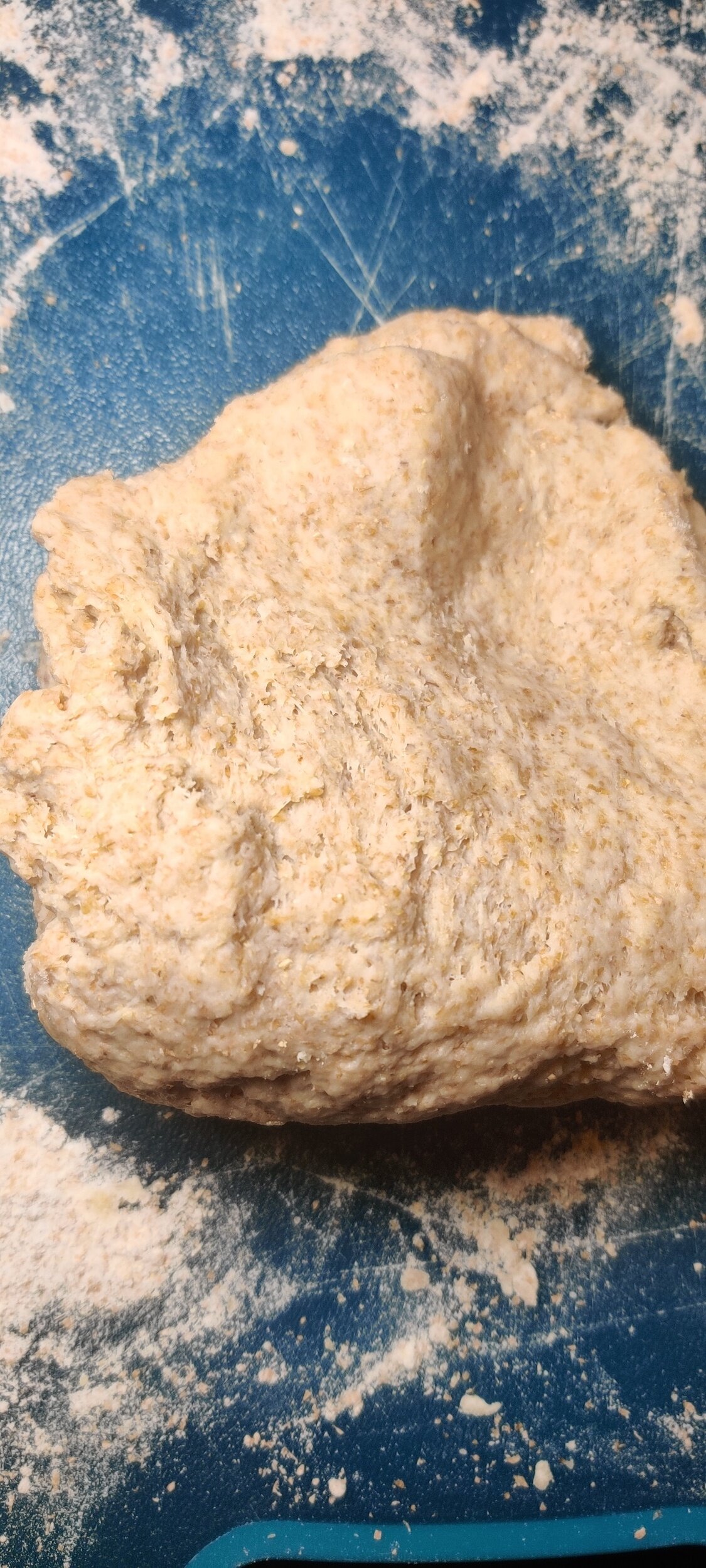


How to Make East African Chapati – Step-by-Step Recipe
A soft, flaky flatbread that's a staple across East Africa. This chapati is easy to make, incredibly versatile, and perfect with stews, curries, or on its own.
Ingredients
- 1 cup whole-wheat flour (you can substitute all-purpose flour if desired)
- 1 cup all-purpose flour, plus extra for dusting
- 1 teaspoon salt
- 2 tablespoons olive oil or ghee, plus extra for brushing
- ¾ cup hot water
Instructions
- In a large bowl, combine the whole-wheat flour, all-purpose flour, and salt.
- Using a wooden spoon or spatula, mix in the oil or ghee. Gradually add the hot water in two parts, mixing until a soft, elastic dough forms. Don’t skimp on the oil or ghee, this helps prevent dry chapatis.
- Turn the dough out onto a lightly floured surface. Knead for about 10 minutes until smooth and pliable.
- Divide the dough into 8 to 10 equal portions, depending on your preferred chapati size.
- Cover and let rest for 10 minutes.
- On a floured surface, roll out each dough ball into a round shape, similar to a tortilla but slightly thicker.
- Lightly brush each side with oil or ghee, then dip both sides in flour, shaking off any excess.
- Heat a dry, non-stick pan over medium-high heat.
- Place one chapati in the pan and cook for about 30 seconds, or until brown spots begin to form. Flip and cook the other side. Repeat with the remaining dough.
- If you'd like to create distinct layers inside your chapati, follow these extra steps after dividing the dough:
- Take each dough ball and fold it back and forth like a fan or piece of paper.
- Alternatively, roll it up tightly like a carpet.
- Coil the folded dough into a spiral shape (like a cinnamon roll), then cover and let rest under a damp towel for 30 minutes.
- After resting, gently press each dough coil flat and roll it out again into a round shape.
- Lightly brush both sides with oil/ghee, press into flour, and shake off the excess.
- Cook as described above.
Notes
Serving and Storage Tips
- Serve chapatis warm, ideally right off the pan.
- To store, wrap them tightly in foil or a clean cloth to keep them soft and prevent drying out.
I am not a certified nutritionist and any nutritional information on dontmissmyplate.com should only be used as a general guideline.

Ras El Hanout- Spiced Eggplant Crust Mini Pizzas
If you have some leftover eggplant and don't know what to do with it, make some mini Margherita pizzas! These crustless babies are keto, low-carb, and vegetarian, with umami taste similar to mushrooms. They absorb flavour like a sponge!
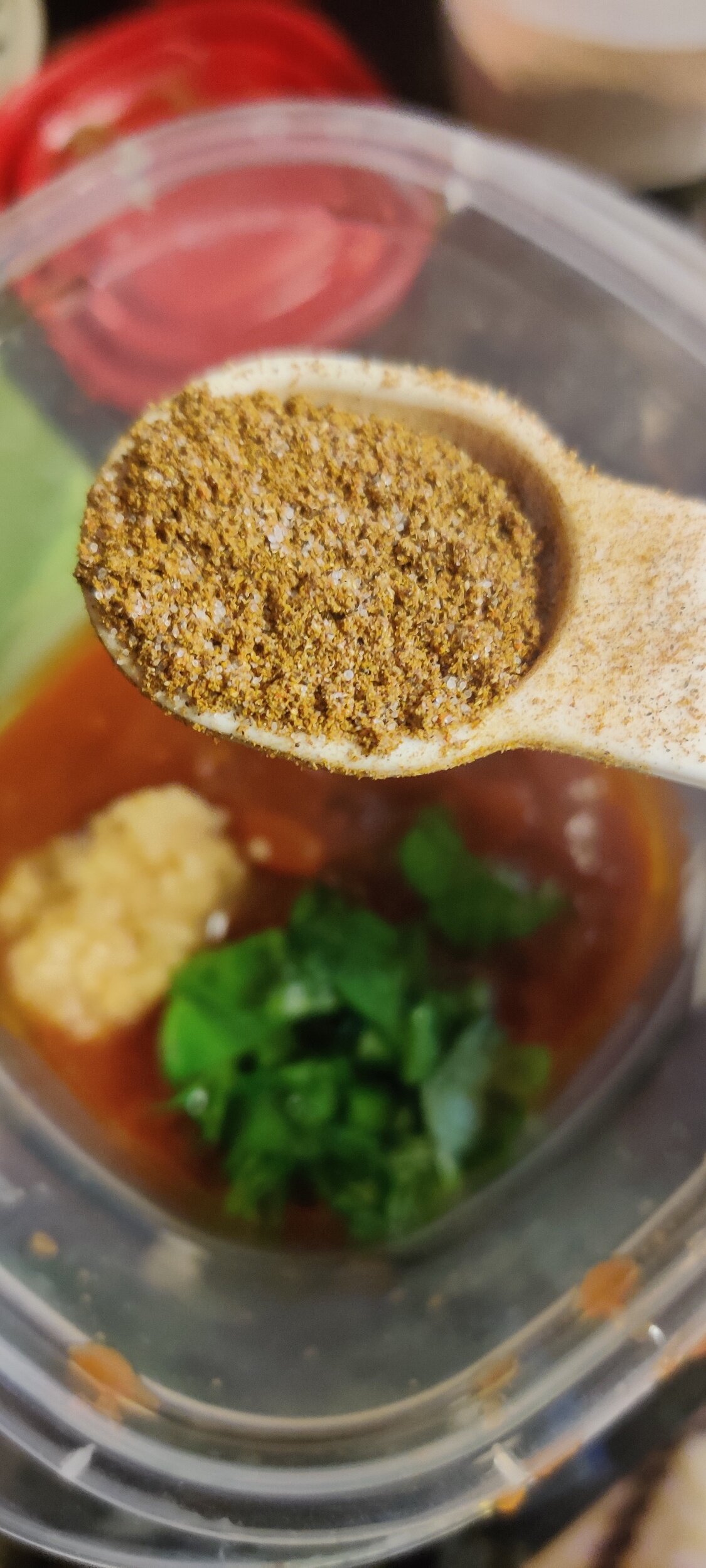
Speaking of flavour, instead of a regular, tomato sauce, I wanted a flavour that would pack a punch and not rely on the cheese. I seasoned the pizza base with homemade ras el hanout, a spice blend prevalent in North Africa, particularly in Algeria, Morocco and Tunisia. It’s a mix of intense, complex flavours (better if you can grind it up to from whole spices)! The ras el hanout enhances the sauce and goes well with the eggplant, and is often used to season meat, fish, couscous and other vegetables.
I love the spice mix because there are no hard rules in terms of ratios, but generally cumin, cardamom, cinnamon, coriander, turmeric, ginger, paprika, black pepper, and cayenne pepper make a feature.
The name ras el hanout translates to ‘head of the shop’, alluding to a blend of the best spices in store!
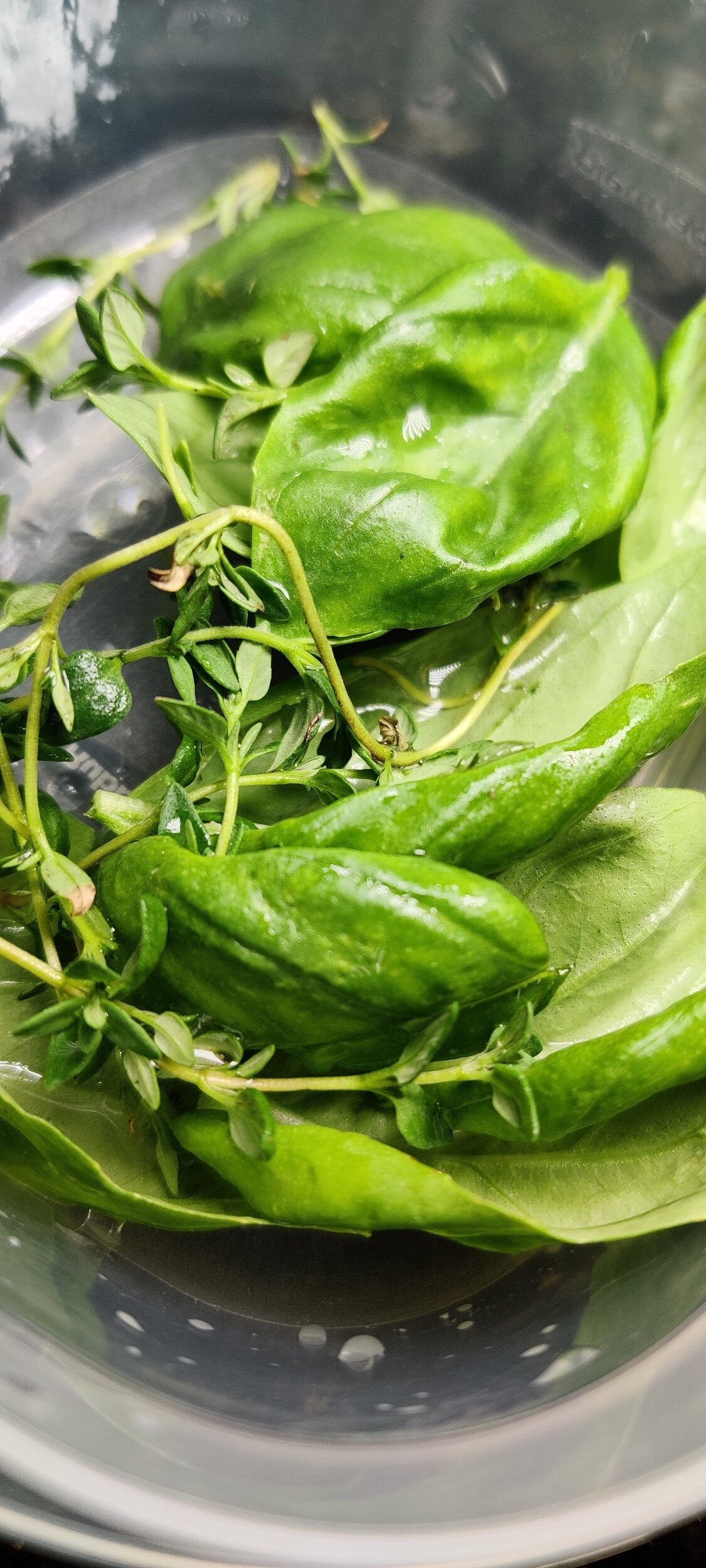
Also, if you can get your hands on fresh herbs, use them! This will give your pizzas a fresh bite.
Ingredients
1/2 large eggplant
Olive oil
1 tablespoon dried thyme
1 tablespoon fresh thyme
1 tablespoon fresh basil, chopped
5 basil leaves
Dried parsley
1 heaped teaspoon garlic
1 teaspoon Worchester sauce
1/4 cup tomato salsa
1/2 cup tomato ragu
Salt and black pepper
Mozzarella or sharp cheddar, cut into small squares
Chili flakes
Ras el hanout:
1 teaspoon salt
1 teaspoon black pepper
1/2 teaspoon cumin
1 teaspoon cinnamon
1 teaspoon coriander
1/4 teaspoon cardamom
1/2 teaspoon cloves
1/2 teaspoon turmeric
1/2 teaspoon cayenne pepper
1/2 teaspoon ginger
1 teaspoon smoked paprika
1/2 teaspoon nutmeg
(Makes about 1/4 cup)
Instructions
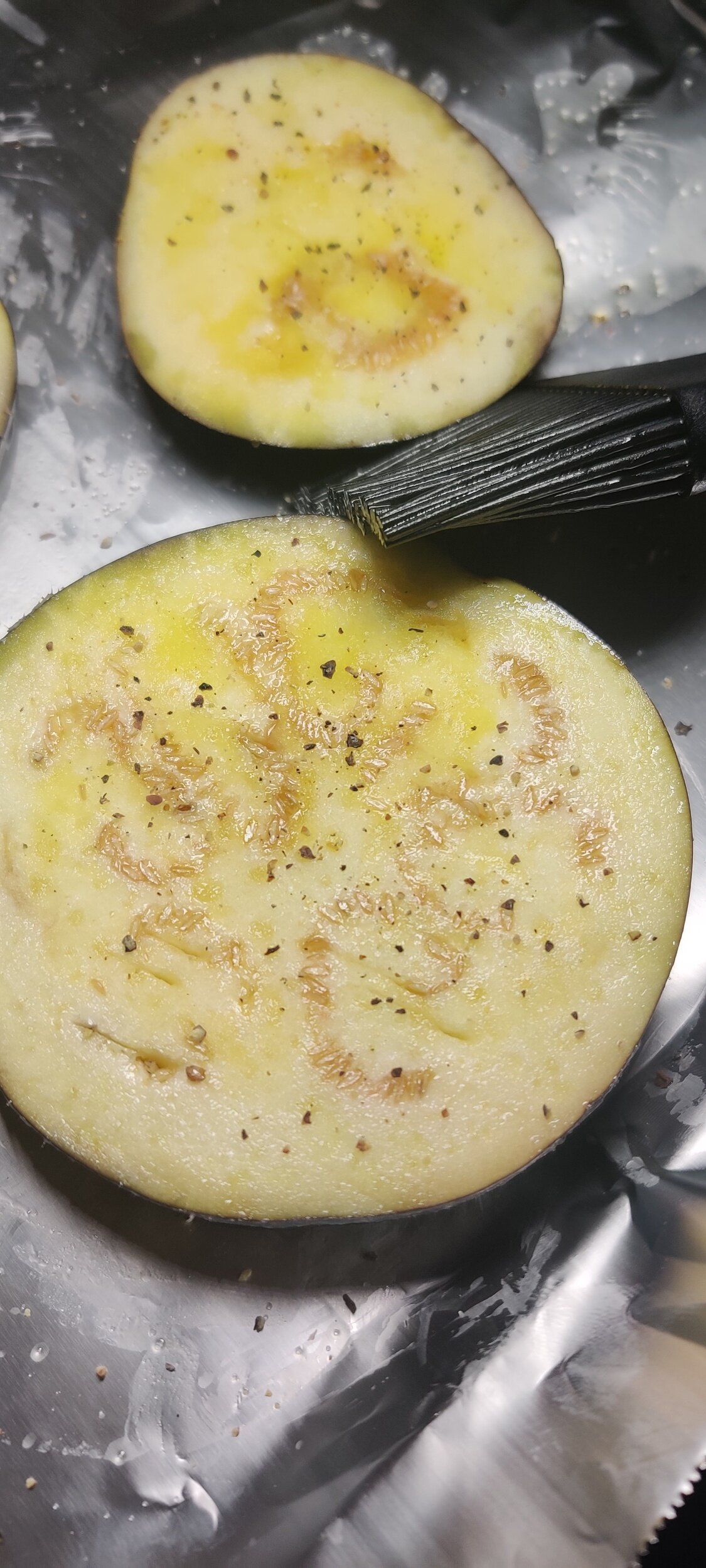
Cut your eggplant into thick slices (not too thin, they will shrink a bit in while baking). Brush them generously with olive oil and sprinkle with dried thyme, salt, and pepper on both sides. Bake at 400F for 15 minutes.
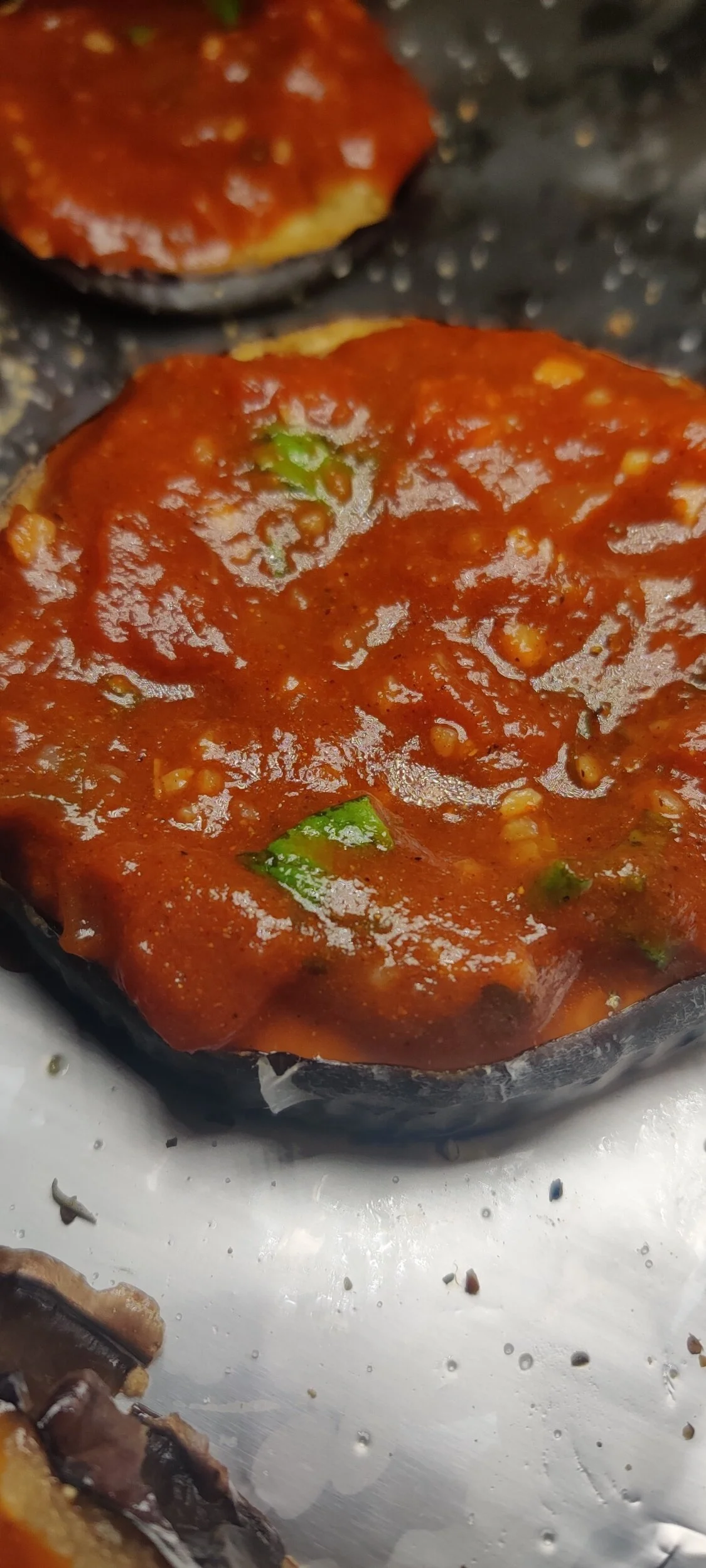
While the eggplant is in the oven, prepare your spiced tomato sauce in a small bowl. Mix the ragu, salsa, Worchester sauce, garlic, and basil. Blend the spices in a small container where you can store what remains. Add one teaspoon to the tomato sauce and mix well.
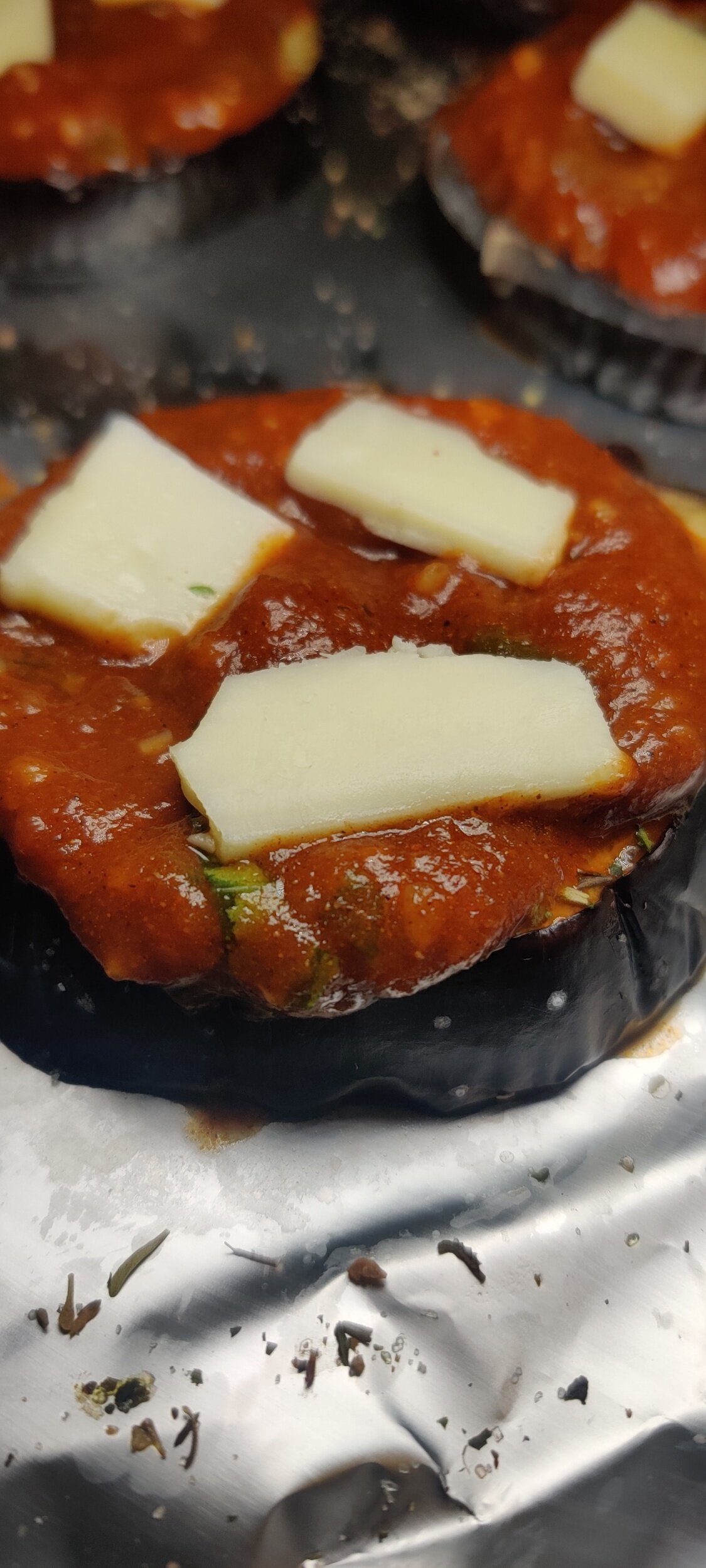
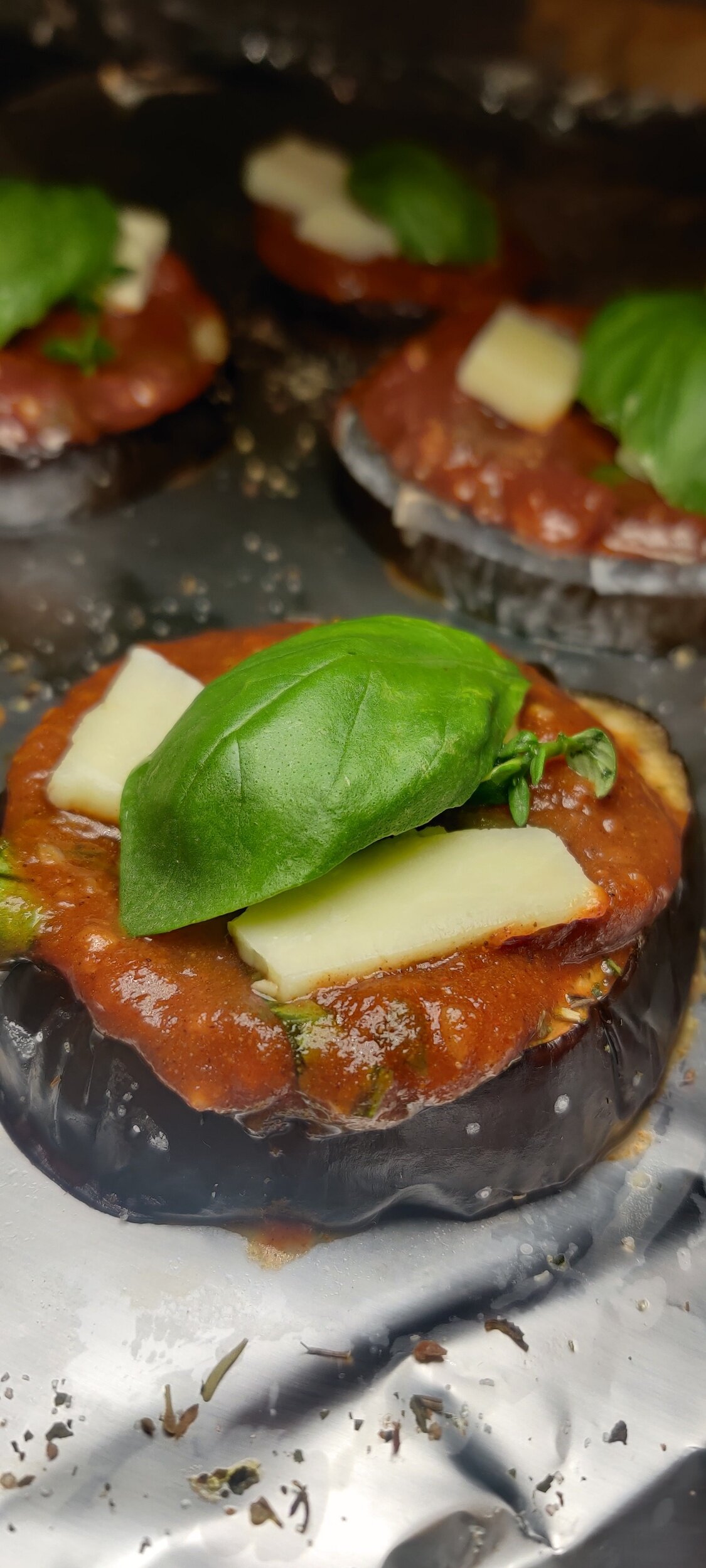
Remove the eggplant from the oven and top with the tomato sauce, cheese squares, fresh thyme, and basil leaves.
Bake for another 10 minutes and until the cheese starts to melt.
Serve hot and garnish with chilli flakes, parsley, and ground pepper.