

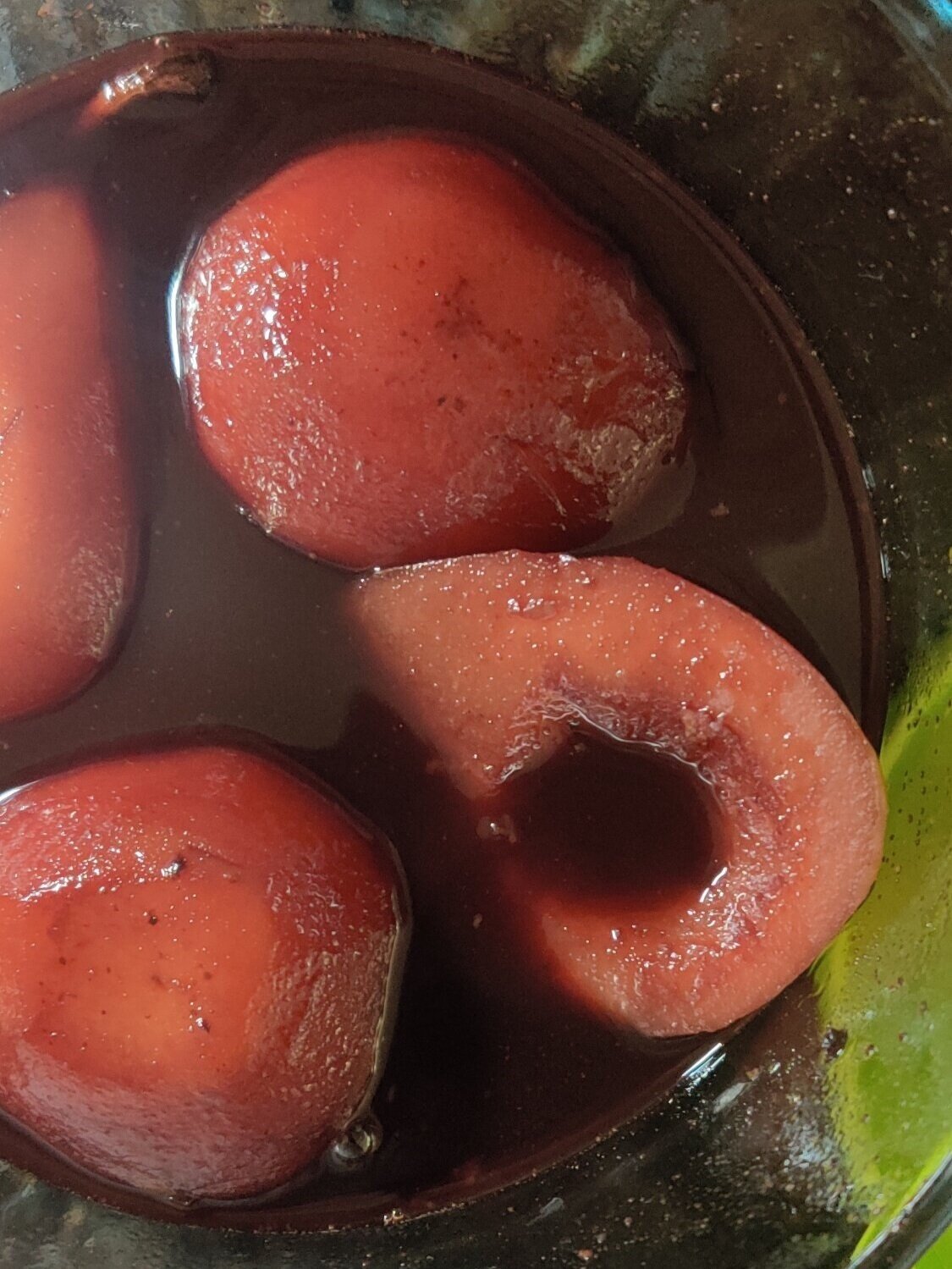
Mulled Sangria Poached Pears
Are you a fan of sangria? A fan of pears? Do you add them to your sangria in addition to lemon, orange, berries or apples?
I typically associate poached pears with winter as I do mulled wine, often enjoyed by the fireplace on a chilly evening. However, you can also take pleasure in both in the warmer months by putting a sangria spin and introducing a fruity flavour.
This recipe soaks the pears in a 'mulled sangria' - a combination of mulled wine with the spices and natural sweetener and sangria with the additional fruit elements.
Sangria is a Spanish/Portuguese concoction I enjoy in the summertime heat and is something quite special. It’s tangy, refreshing, and fun to drink. I didn't grow up drinking it though but had regular fruit punch instead.
As for pears, I didn’t eat very many of those either compared to apples or mangoes. As I understand it, poached pears or Poire à la Beaujolais originates in France.
Whatever the case may be, I'm thankful for both! This recipe celebrates and brings the two together in the form of a sophisticated dessert that’s sure to please!
Ingredients
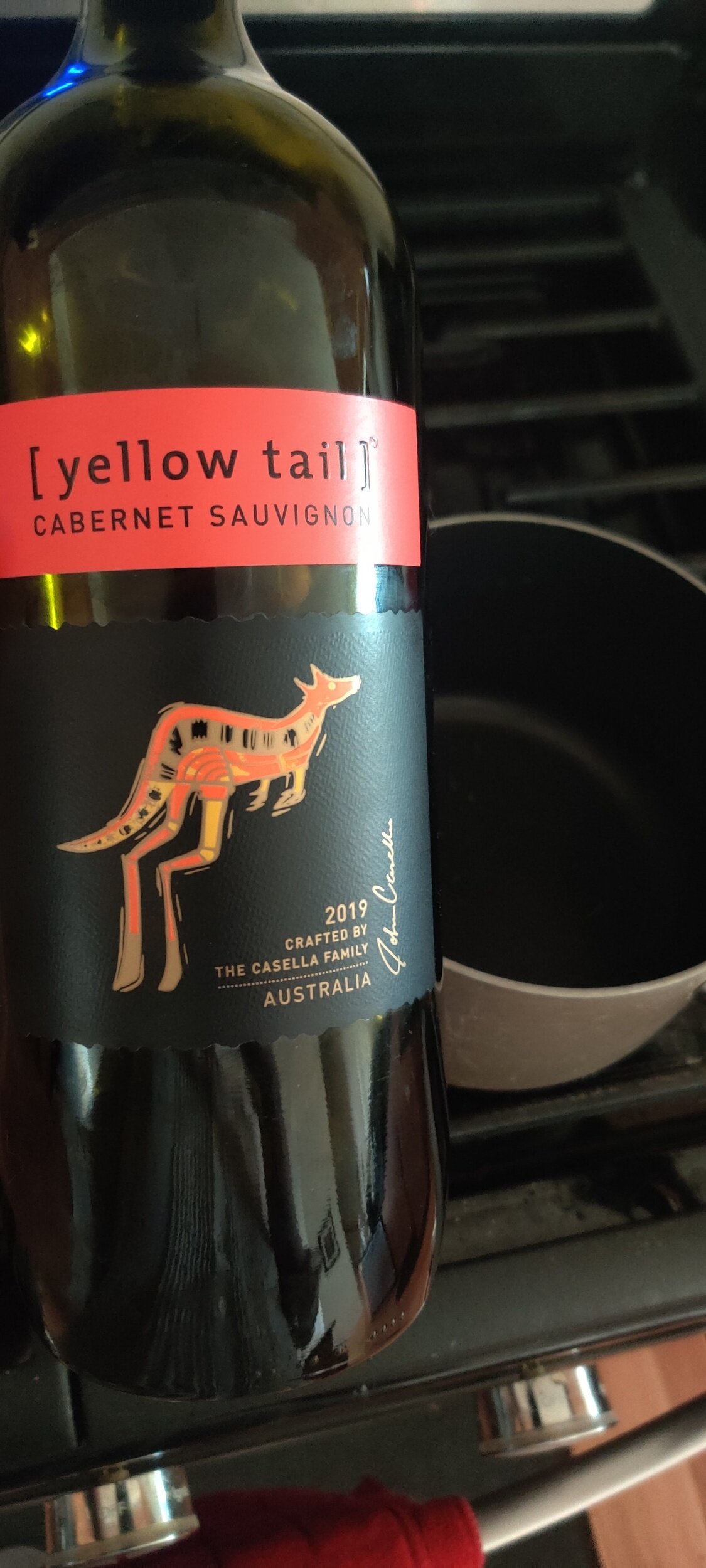
1 cup red wine (I used a Cabernet Sauvignon)
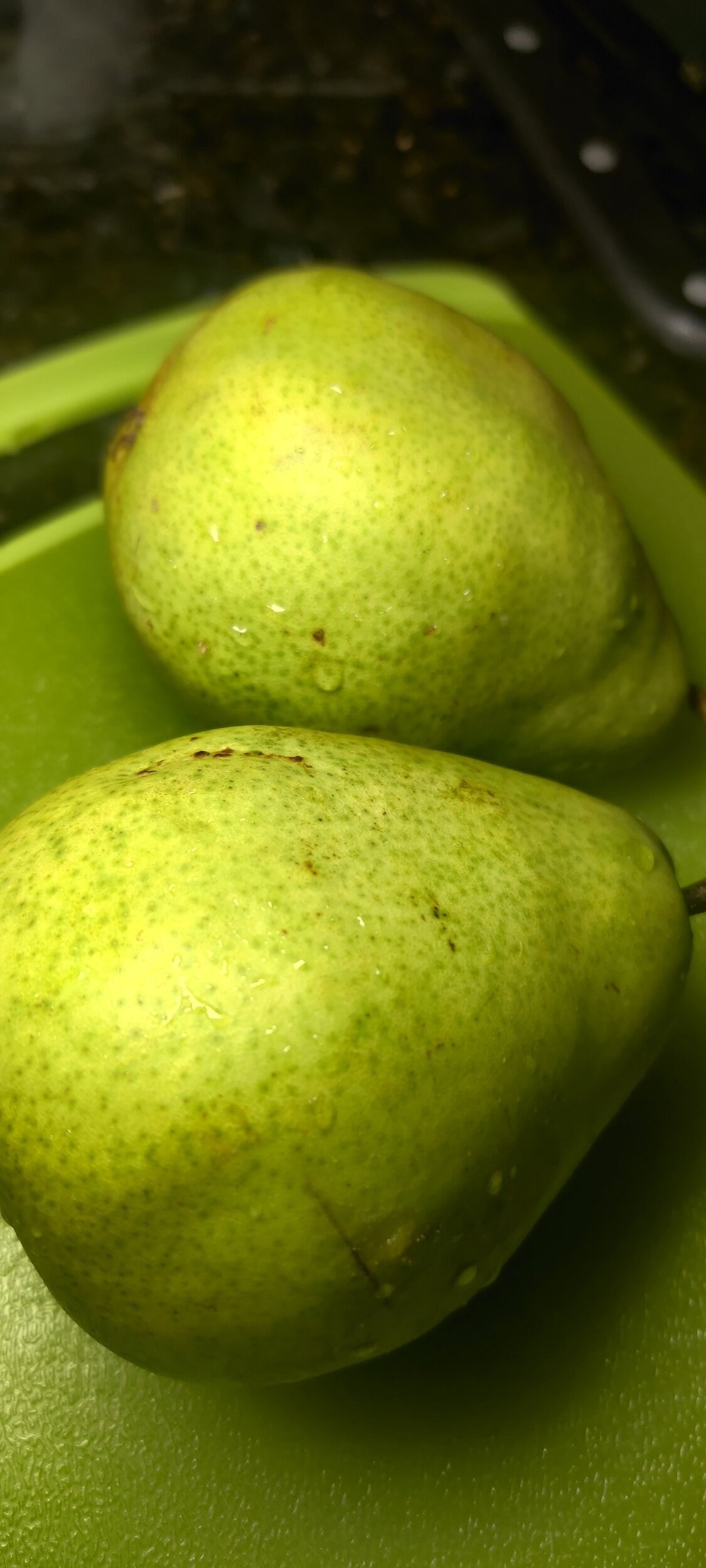
2 Anjou pears (not too ripe)
2 tablespoons white sugar
1/4 cup date syrup or honey
Pinch of salt
1/2 teaspoon cinnamon or a cinnamon stick
1/3 cup orange zest and juice
1 teaspoon vanilla essence or a vanilla pod
1/4 teaspoon almond extract
1/4 teaspoon nutmeg
1/4 teaspoon cloves
1/3 lemon zest and juice
1/4 cup cooking wine
3/4 cup water
Garnish:
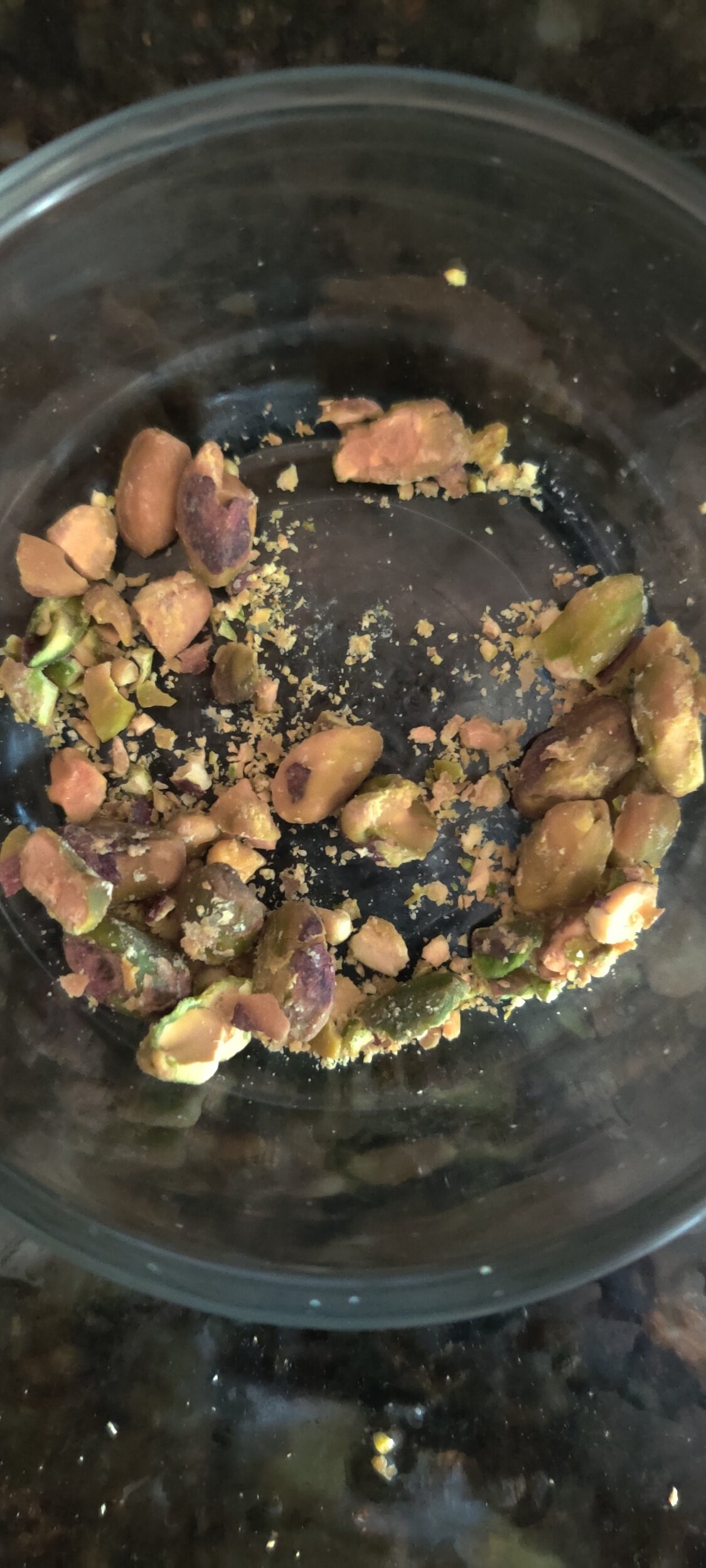
Roasted pistachios, crushed
Coconut whipping cream



Instructions
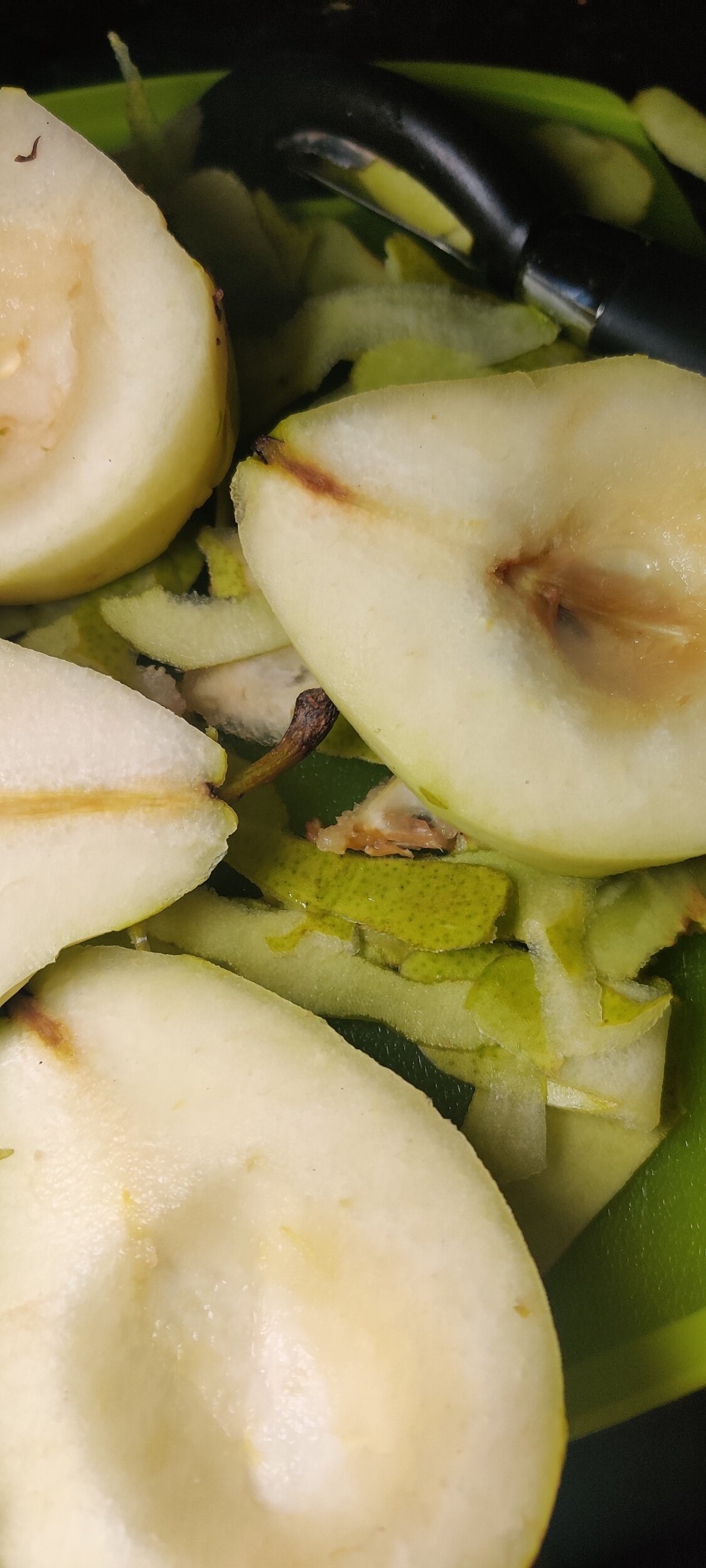
Peel, halve and decore the pears.
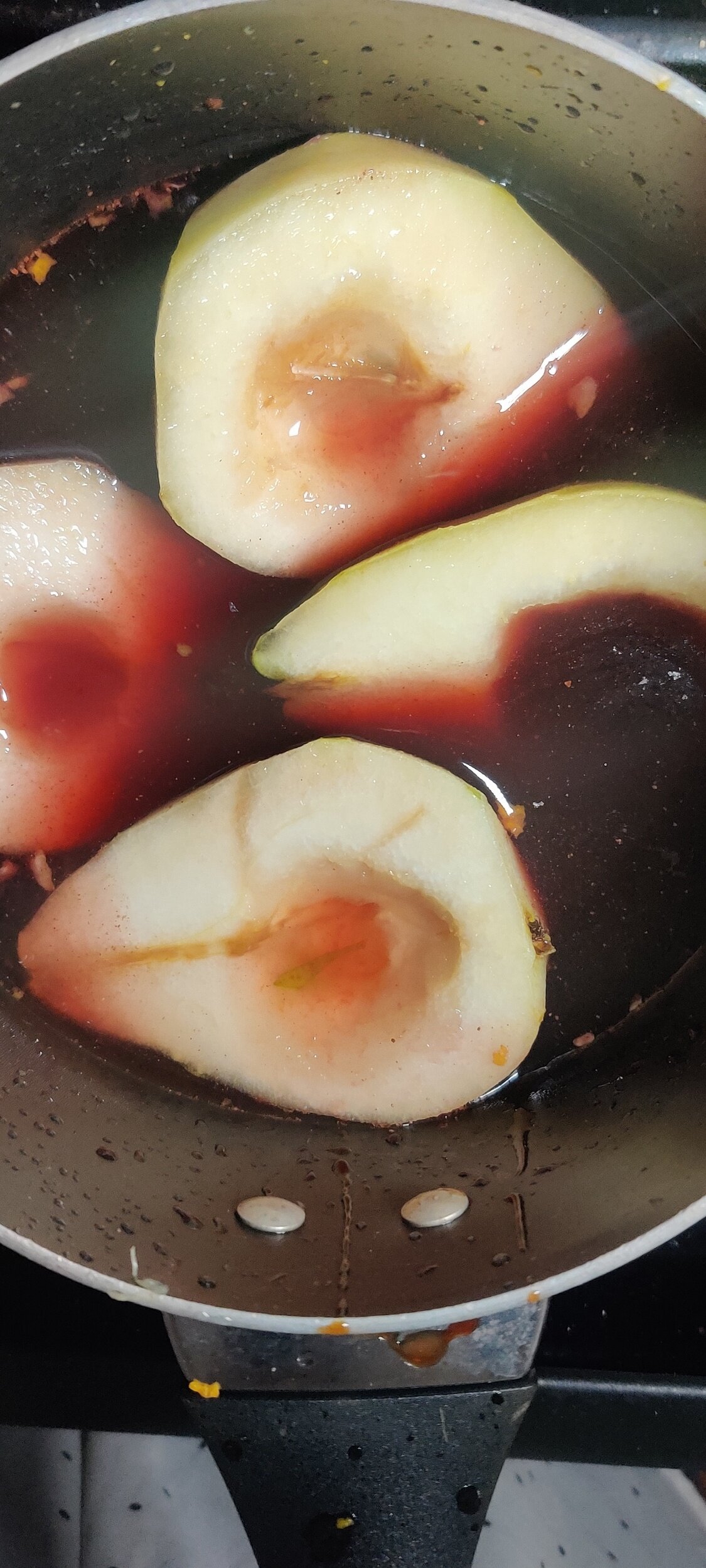
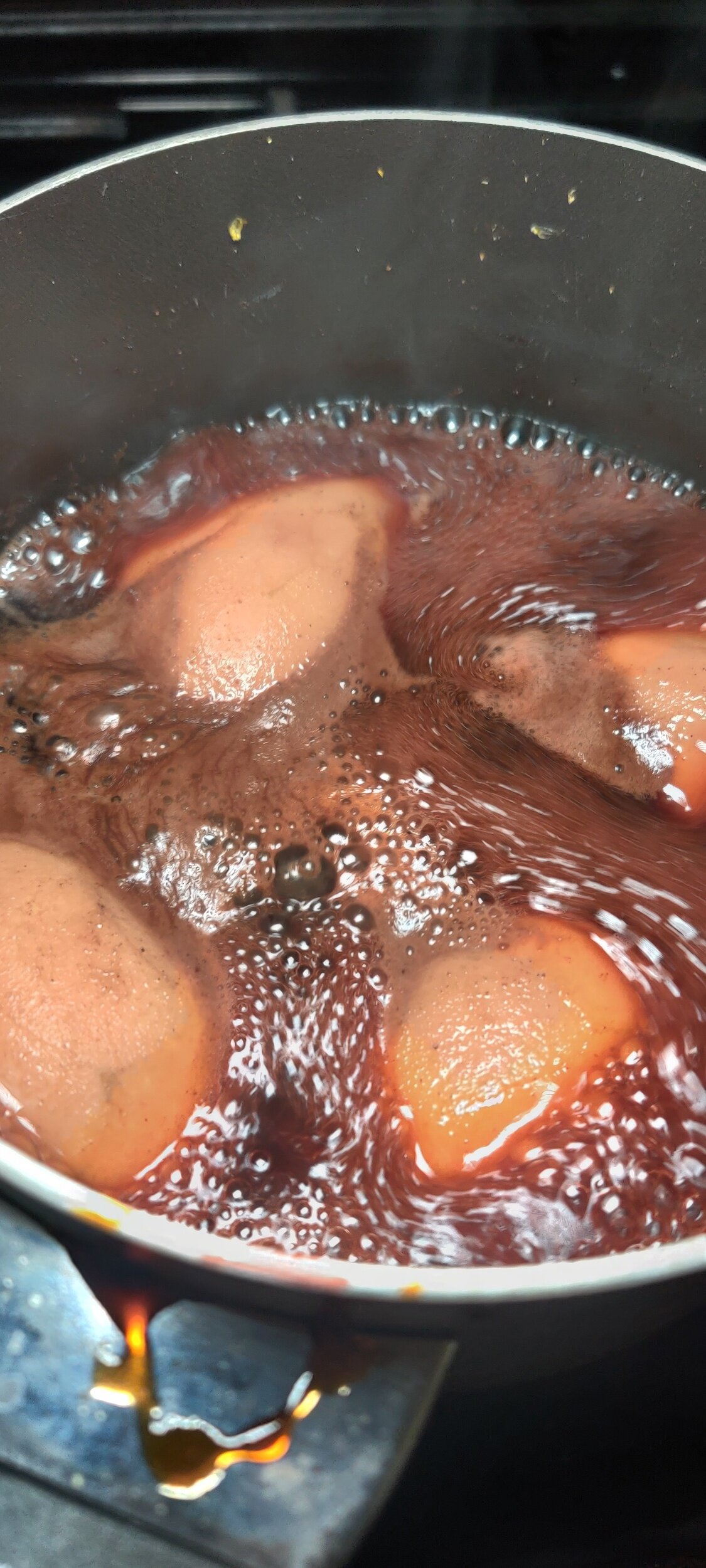
In a medium-sized pot, add all the ingredients including the pears and bring the spiced liquid to a boil (save the garnish ingredients).
Reduce the heat and simmer for 35 minutes with the lid on top. Cook until the pears are softened - test with a knife it should cut into the pears with ease.
Remove the pears and cool the remaining liquid.
Place the pears in a glass container core side down, and pour over the liquid. Place in the fridge overnight.
The next day: remove the pears from the liquid and set aside. Strain the liquid of necessary and simmer the mulled sangria mixture into a reduction until it becomes a thickened liquid.
Seat the pears on whipped cream and pour the reduction on top. Sprinkle with pistachios, enjoy cold or at room temperature! Serves 2 people.


Black Bean and Corn Nachos
You don't have to go to head over to the bar to enjoy some nachos. Those are usually topped with a lot more than your calorie counter bargained for. This recipe will get you by with all the flavours you like, meat-free!
I also selected multigrain tortilla chips - in restaurants they often use the ones stripped of most nutritional value.
For the cheese I suggest a plant-based or low-fat cheese - and you can go easy no need to drench the nachos unless that's what you want!
The toping of the avocado and creamy ricotta is essential in my opinion for adding some moisture and the classic nacho taste. Plus visually, it's the cherry on top! Try these next time you have guests over to watch a game or something.
Ingredients
1/2 packet of multigrain tortilla chips (I used an 11-ounce packet)
1/2 ripe avocado
2 tablespoons ricotta cheese
1/2 cup pepper jack cheese, grated
1 small firm tomato, finely chopped
1/4 red onion, finely chopped
1 teaspoon salt
1 tablespoon black pepper
1/2 teaspoon chili flakes
1 large poblano pepper
Fresh cilantro
1/3 cup corn
1/3 cup black beans


Instructions
Lightly coat your baking tray with cooking spray, lay out the tortilla chips.
Drain the corn and black beans, then evenly distribute over the chips. Sprinkle some of the cheese on top.
Top with the pepper, red onion, tomato, salt, black pepper, chilli flakes, adds some extra cheese. Place in the oven at 450F for 20 minutes.
While the nachos bake, using a fork mash the avocado and squeeze some fresh lemon, season with salt and pepper.
Remove from the oven, sprinkle with fresh parsley and more salt and pepper.
Serve hot and top with the avocado and ricotta cheese! Enough for 2-3.

Black-Eyed Peas with Coconut and Tomato
I'm a huge fan of beans, and they are great if you are looking to cut down or eliminate your meat intake. They are filling, nutritious, and high in protein to name a few benefits.
Black-eyed peas - also known as cowpeas - are hearty and delicious. This bean is eaten extensively across West Africa where it's said to have originated and is an important staple in the Caribbean and the American South - where they are considered a lucky charm by some during New Years.
You can do a lot with black-eyed peas as they are quite versatile, check out my black-eyed pea and pinto bean meatloaf recipe for example.
I served this stew with finger millet in the form of sadza, a thick porridge native to Zimbabwe using an ancient grain much healthier than its white corn counterpart. You can find a recipe for it, here.
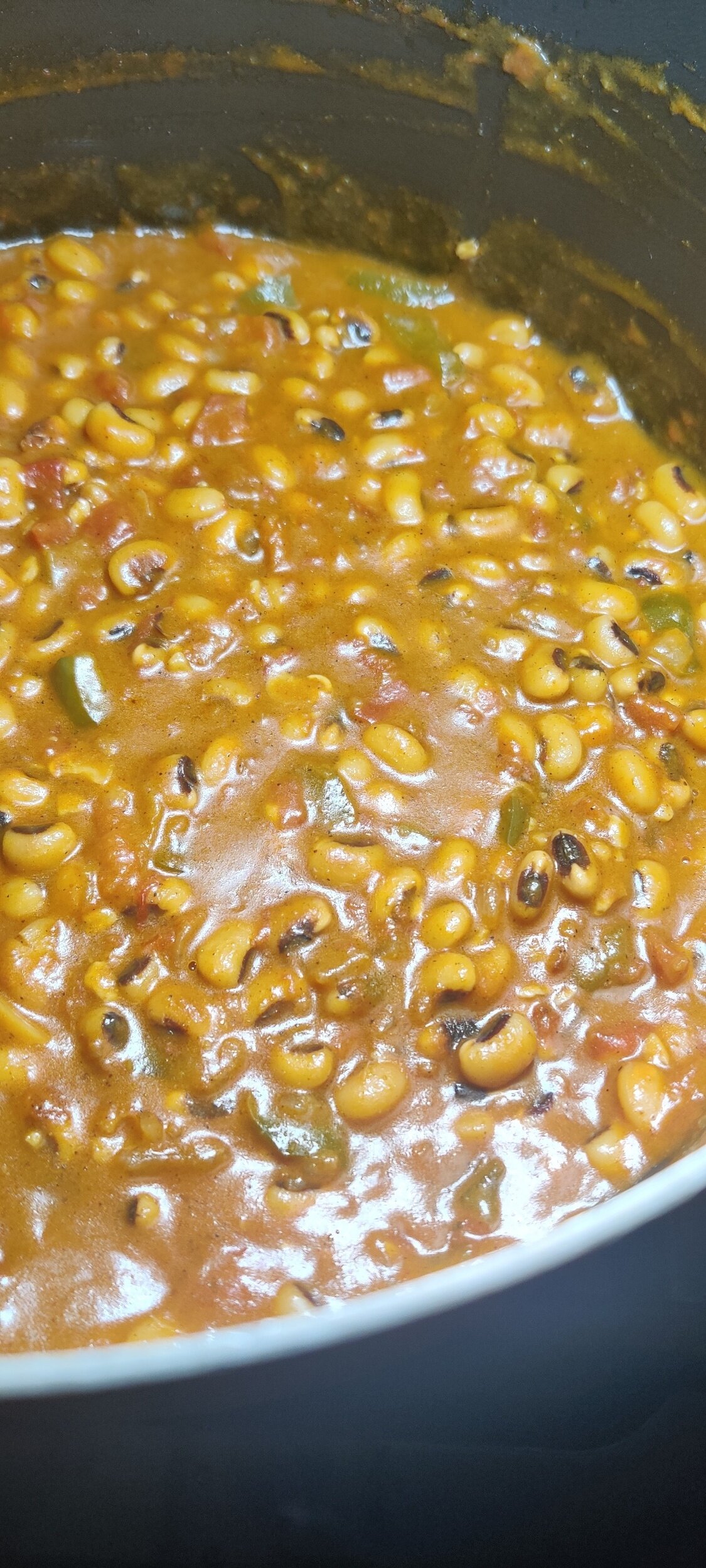
The spices muddled in the coconut milk and tomato makes for a rich stew that can be paired with a variety of vegetables or grilled meats or served as a main dish. You won't regret it!
Ingredients
3 cups dry black-eyed peas (soaked for 24 hours and drained)
1 tablespoon salt
2 tablespoons black pepper
1 tablespoon cumin
1 tablespoon coriander
1 tablespoon ginger
1 can coconut milk
3 beef bouillons
6 cups water
1 teaspoon fenugreek
1 teaspoon paprika
1 tablespoon garlic
1/2 yellow onion, chopped
1 small green pepper, finely chopped
1 cup tomatoes, diced
2 tablespoons tomato sauce/ketchup
2 tablespoons butter
2 tablespoons olive oil
2 tablespoons curry powder
Instructions
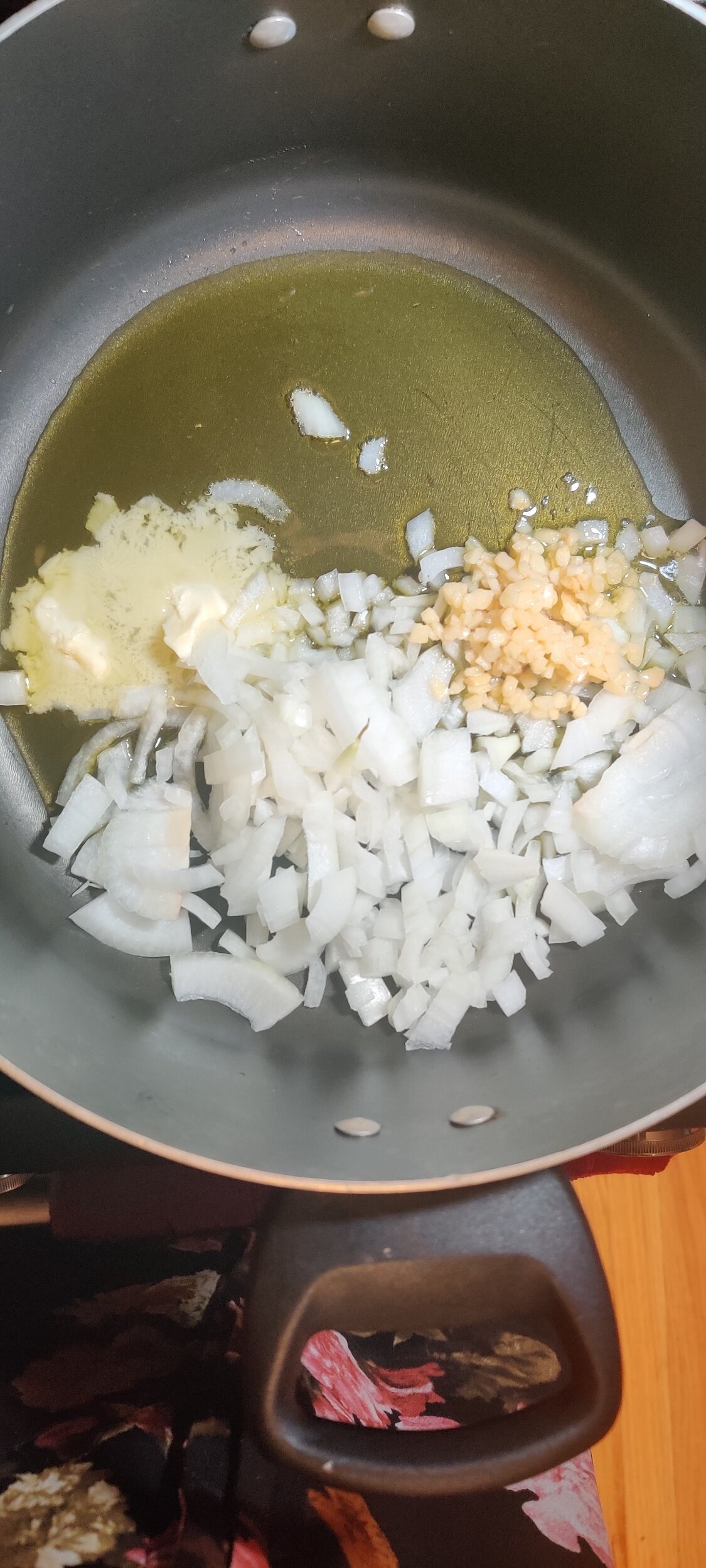
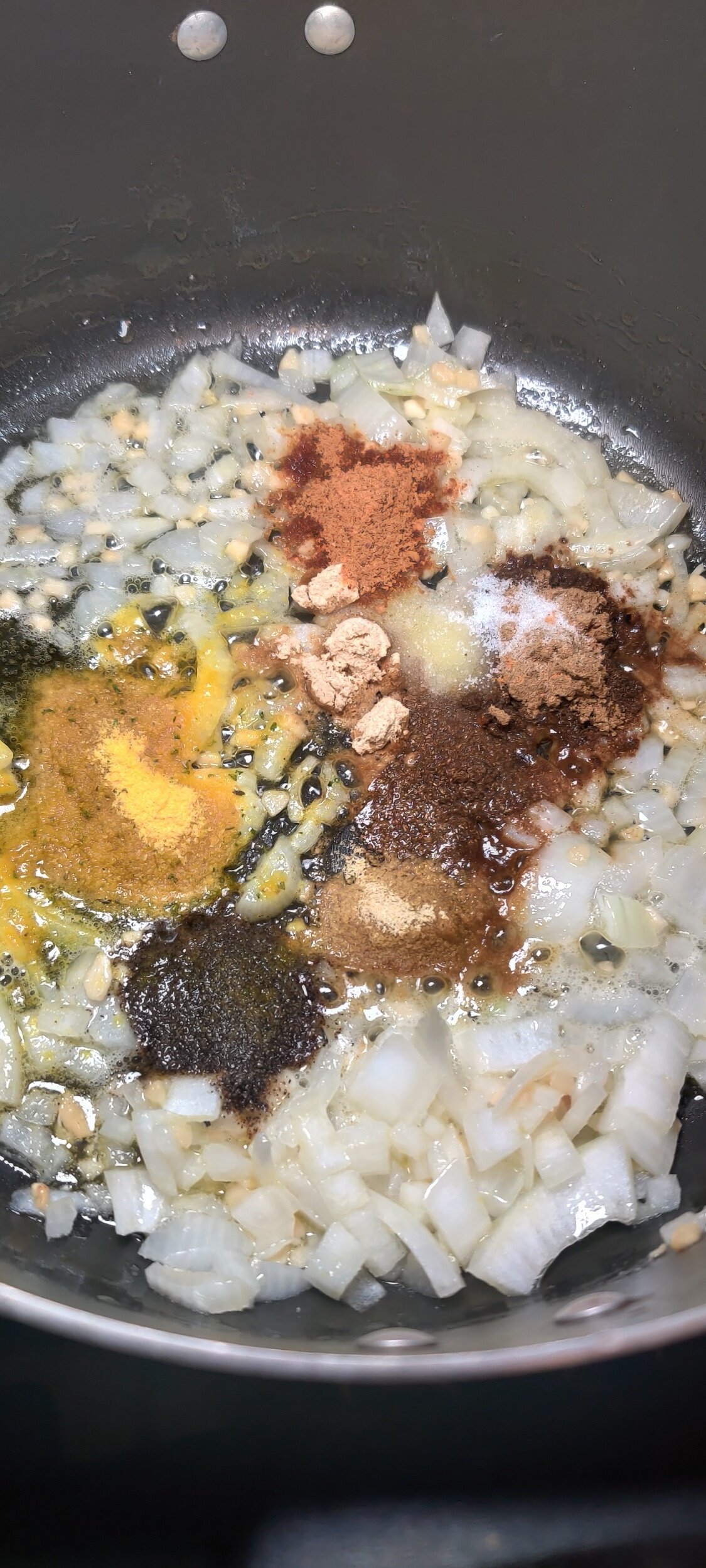
In a large pot, saute the onion and garlic in olive oil and butter for 3 minutes until the onion starts to soften.
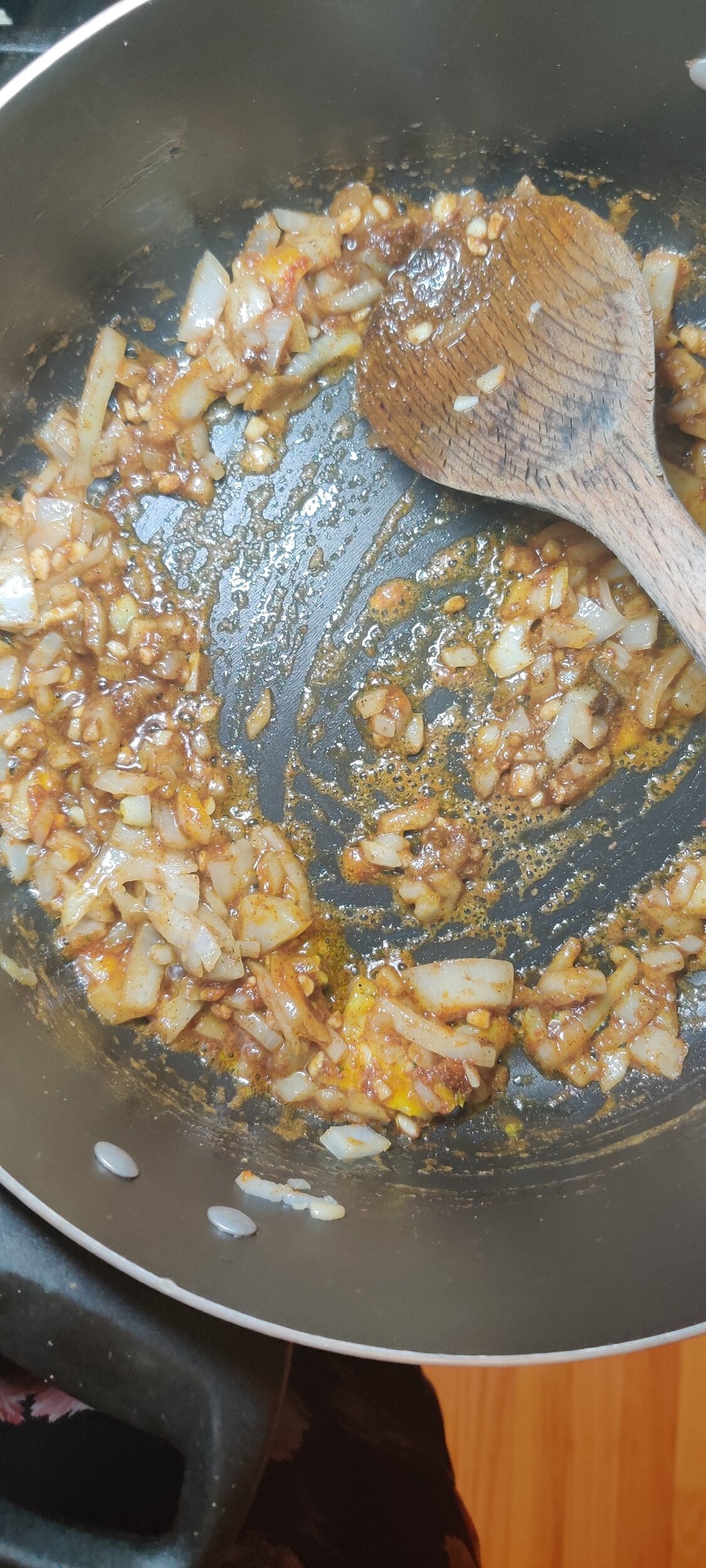
Add the spices, bouillon cubes, salt and black pepper, cook for another 2 minutes.
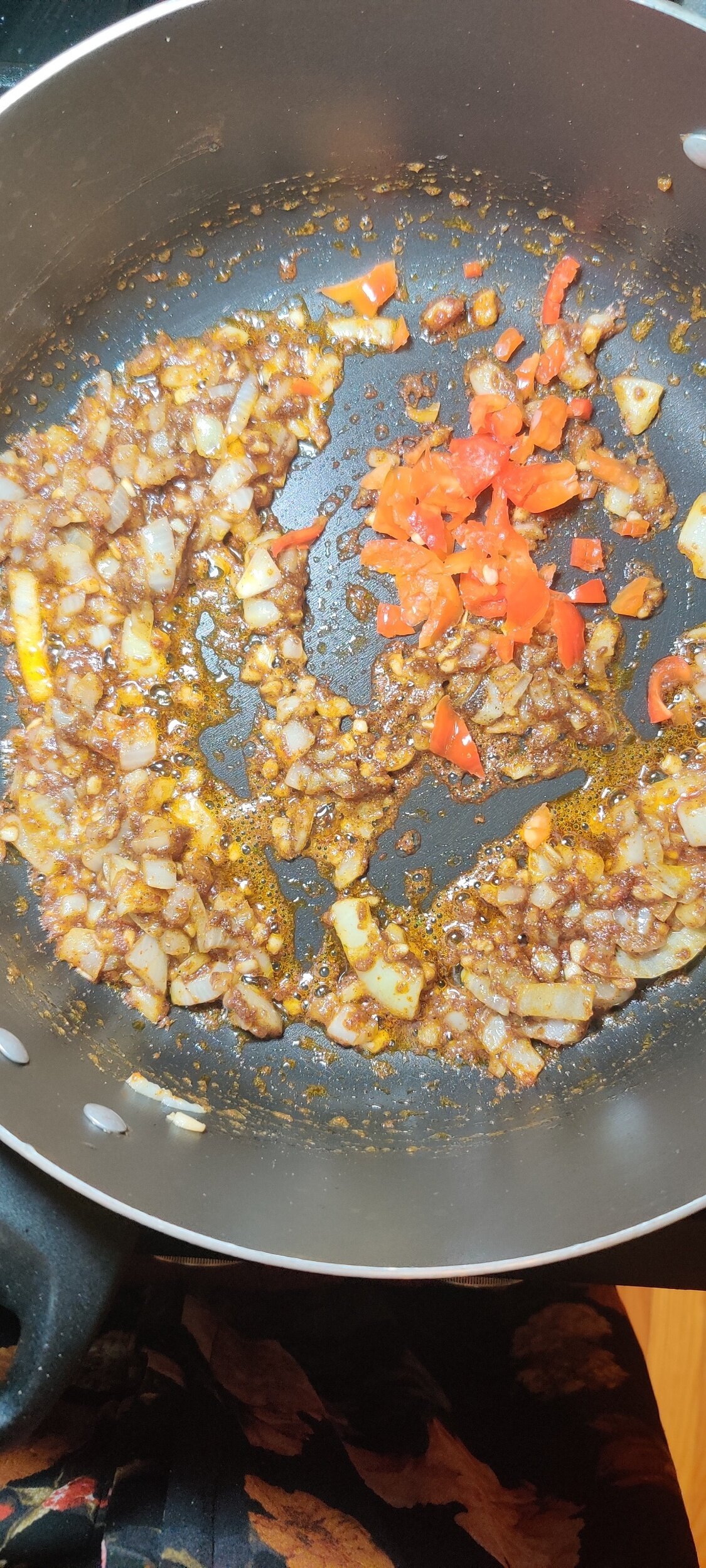
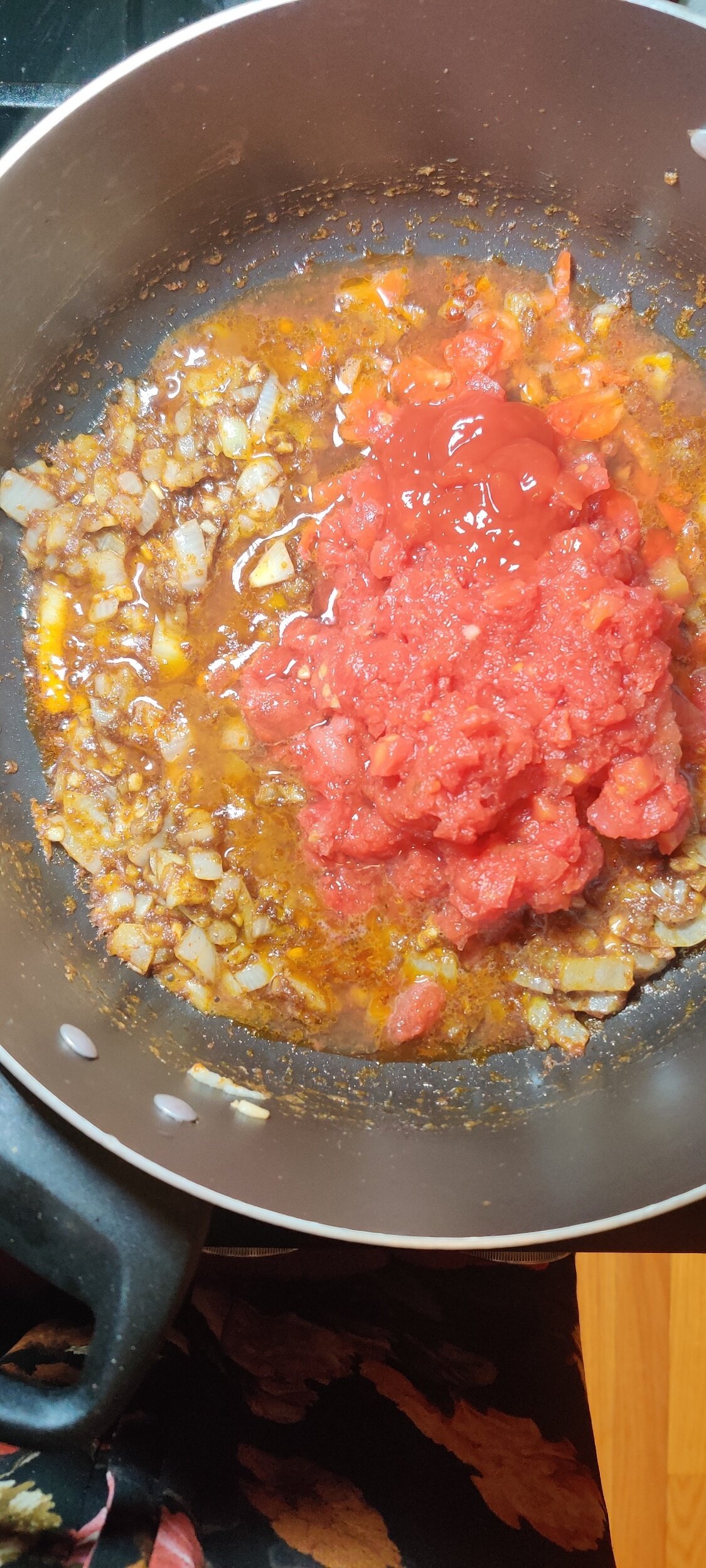
Mix in the diced tomatoes and tomato sauce/ketchup, cook for about 5 minutes.
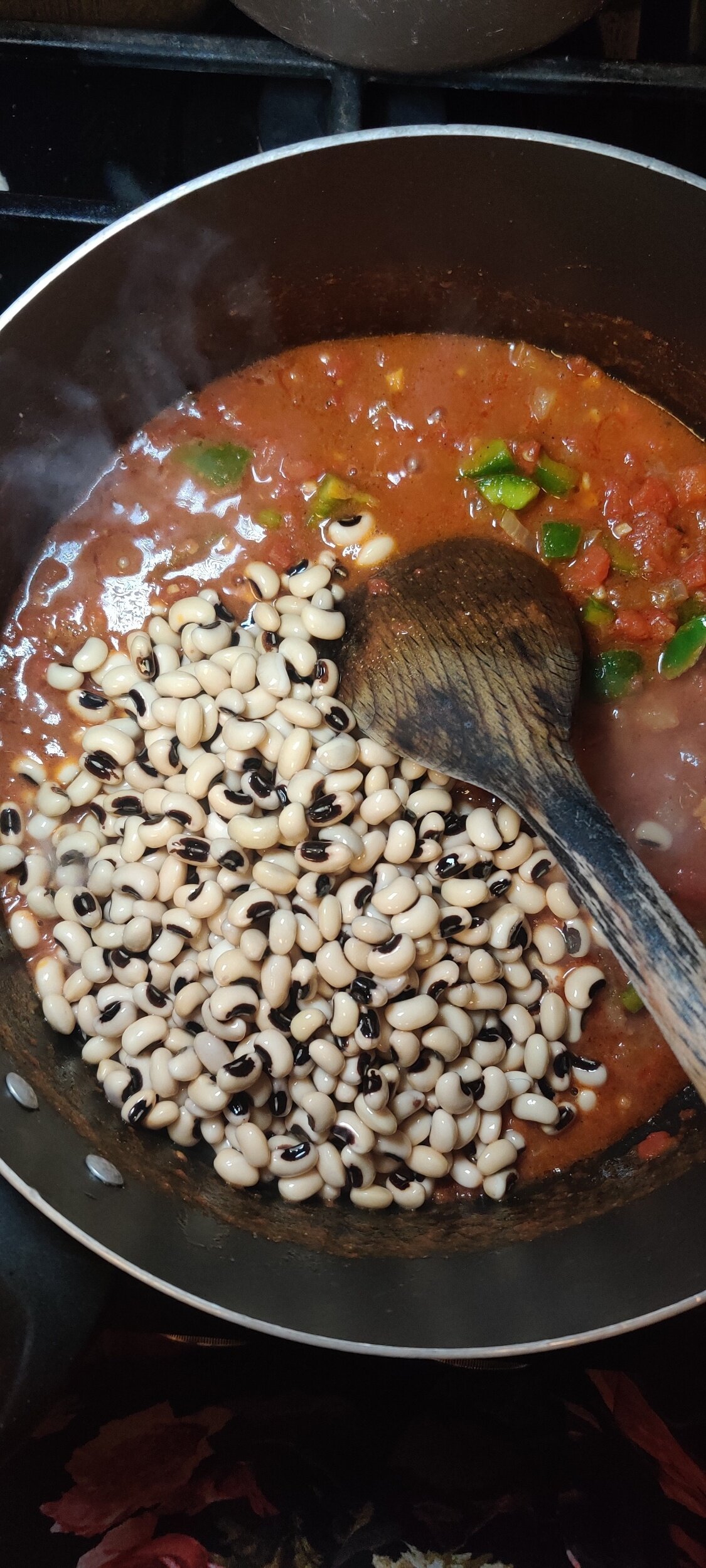
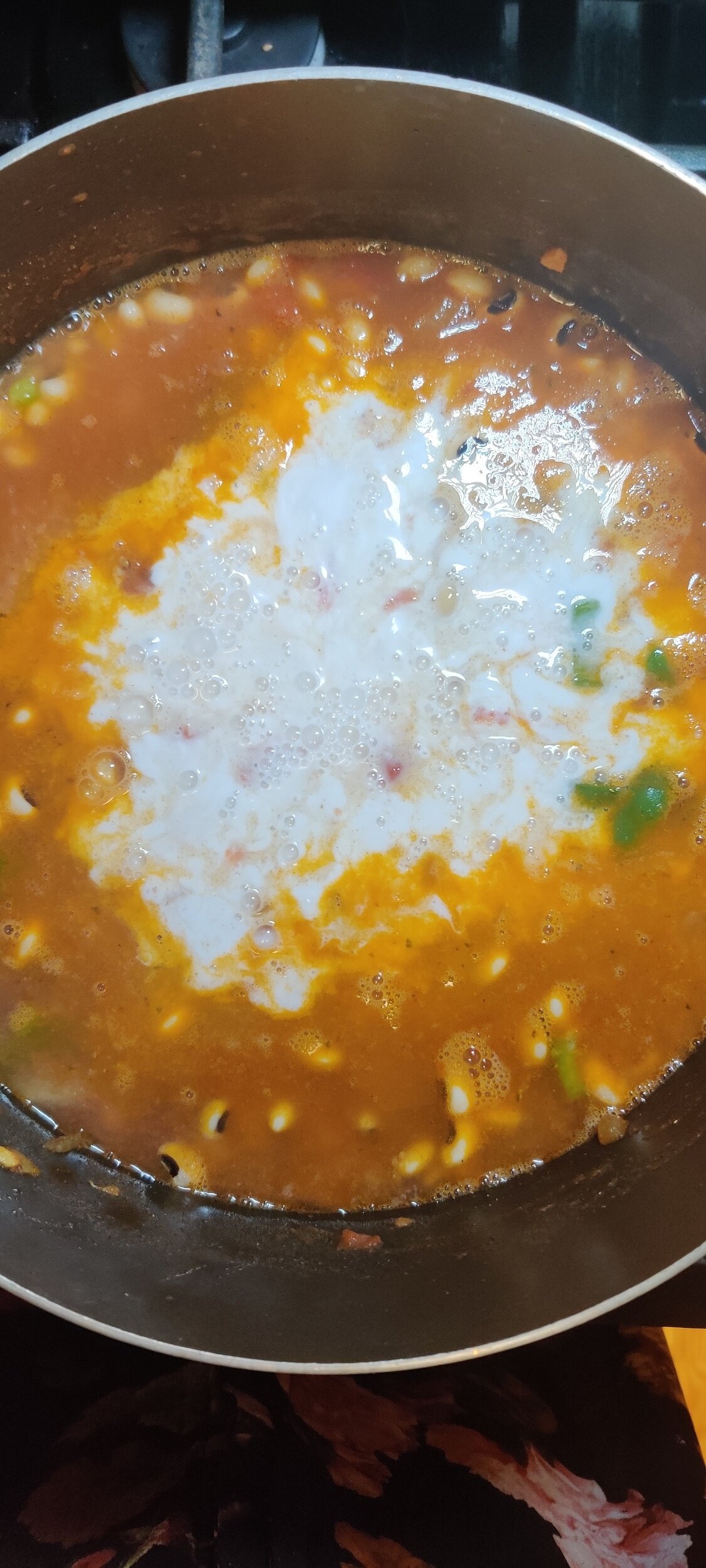
Stir in the green pepper and black-eyed peas, then pour in the water and coconut milk. Season to taste with additional salt and pepper if necessary.
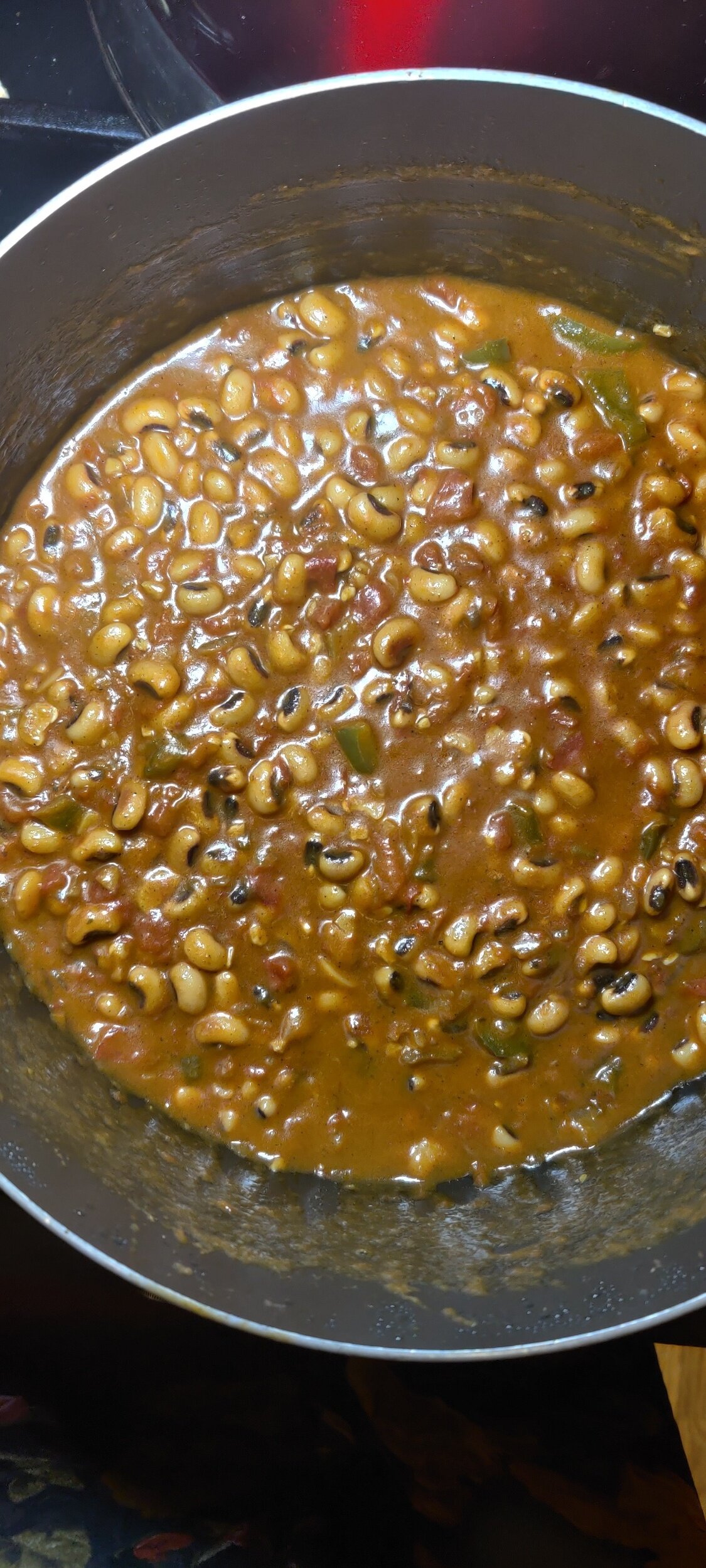
Reduce the temperature and simmer for 35-40 minutes. Check the stew periodically and stir until the black-eyed peas soften and are cooked through. Add more water if needed.
While the beans are cooking, prepare your sadza or whatever starch you want to serve the stew with. All you'll need for that is water and corn/maize/millet meal.
Serve both hot, enough for 4-5.

Creamy Celery Soup
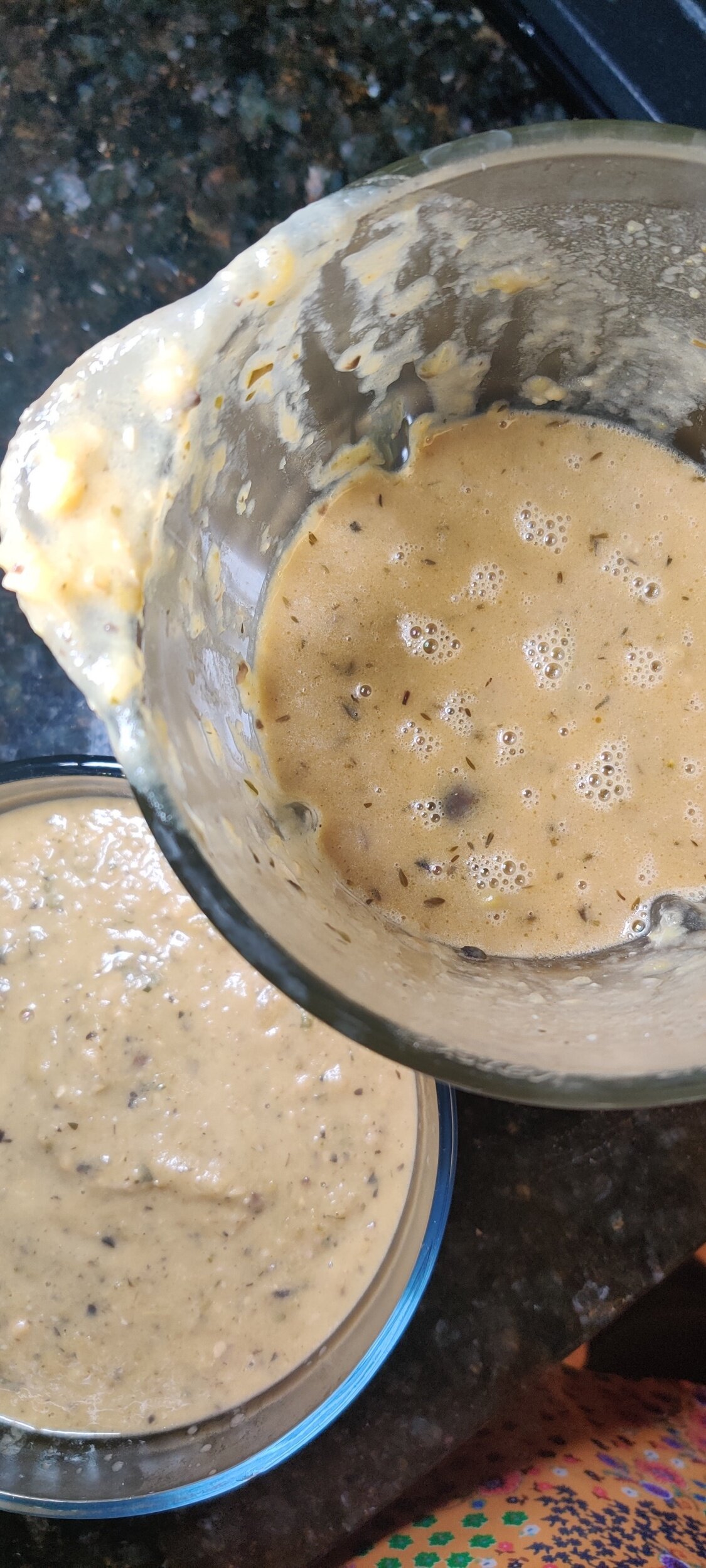
The recipe for this soup came about by chance. I had a whole bunch of celery that I didn't want to toss! The vegetable lends itself brilliantly to soups, and the underlying taste can go either way depending on the additional ingredients. Due to the chickpeas, mushroom and peas, this soup has a sweet, earthy, nutty, lentil-like flavour.
Celery also has a lot of health benefits, such as helping to reduce inflammation and aid digestion. It’s heavy in water content and is often praised by those into fitness and weight loss. No need, in this case, to blend the celery into a bland juice! It's a lot more versatile than that.
Like with all soups, you can get creative, put in your favourite ingredients, and make use of other vegetables you don’t want to go waste.
You also don't need to wait for the cold weather for this one. Celery is in season, and make for a great summertime soup.
I would recommend incorporating some extra greens - I add some zucchini and peas for nutritional value and sweetness. The chickpeas for another flavour element (the nuttiness) and to help thicken the soap. Potatoes are another great option for that. Give it a go!
Ingredients
1 large bunch celery sticks
1 large portobello mushroom, chopped
1 small zucchini, sliced and chopped
1 cup dried chickpeas (soaked overnight and drained)
1/3 cup frozen peas
2 tablespoons vegetable oil
2 tablespoons butter
1/2 large onion, chopped
1 tablespoon garlic, minced
1 tablespoon fenugreek
1 teaspoon mustard powder
1 teaspoon chili powder
1 teaspoon salt
1 tablespoon black pepper
3 vegetable bouillon cubes
1 tablespoon cumin
1 tablespoon coriander
1 tablespoon dried thyme
4-5 cups water
1/4 cup heavy cream or coconut cream
Instructions
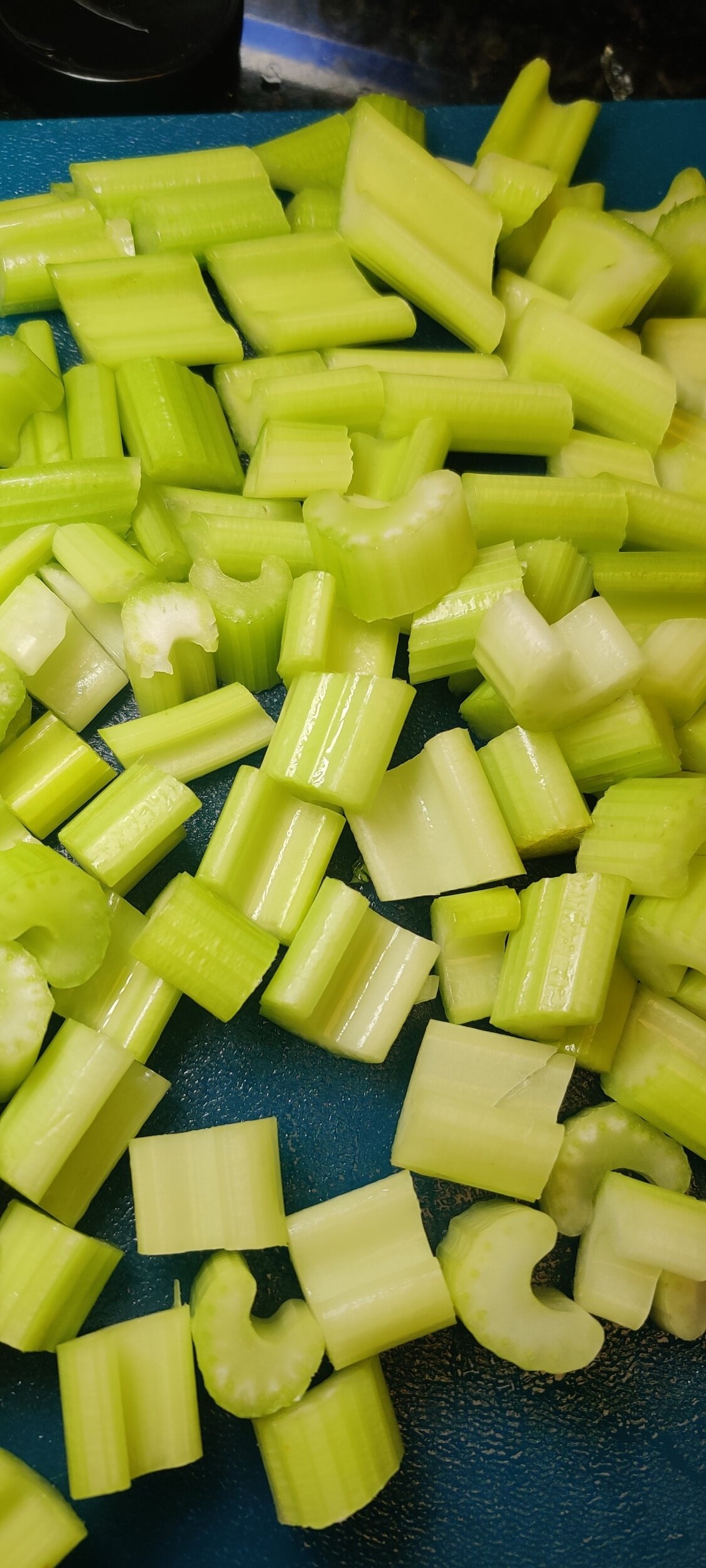
Wash, peel and chop the celery into small pieces - peeling will get rid of the larger strands and make for a more pleasant celery eating experience!
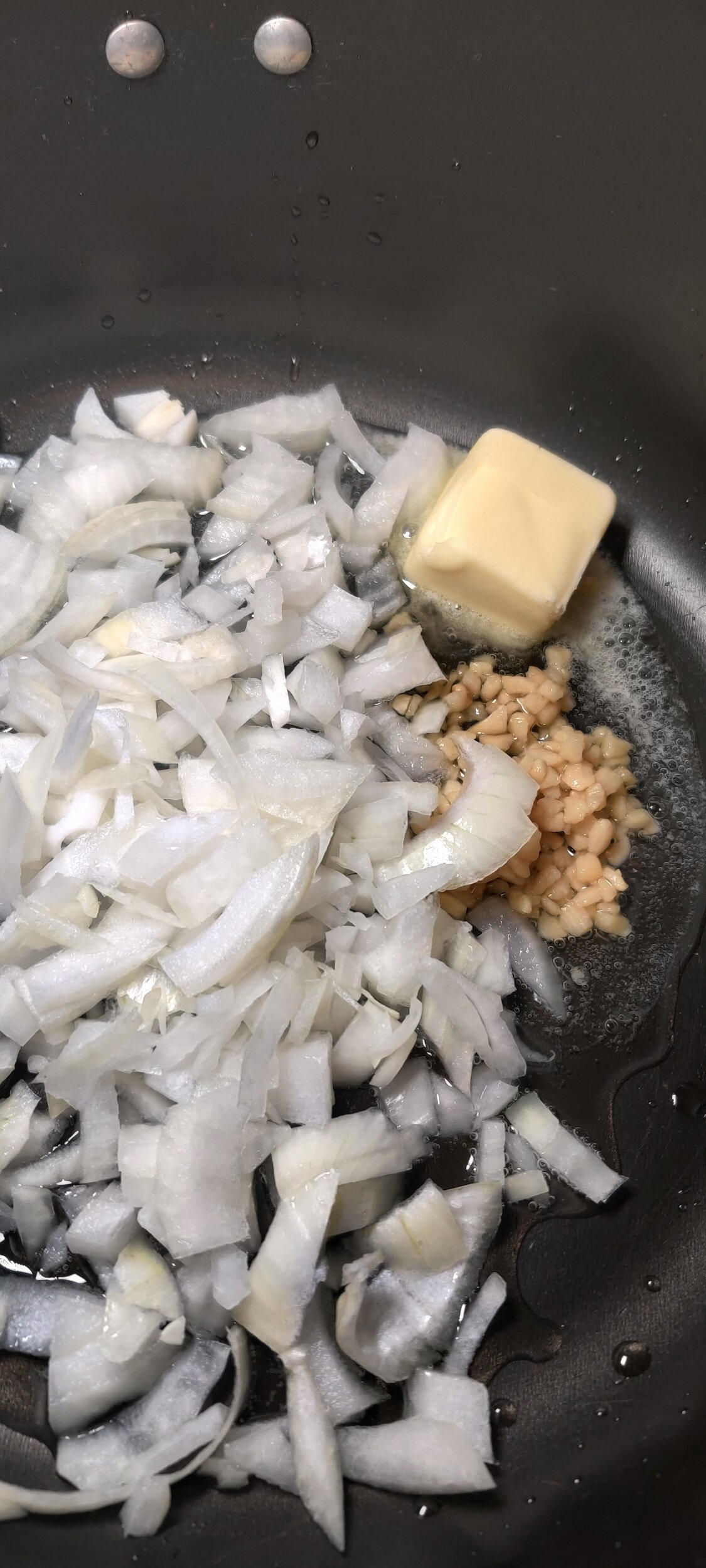
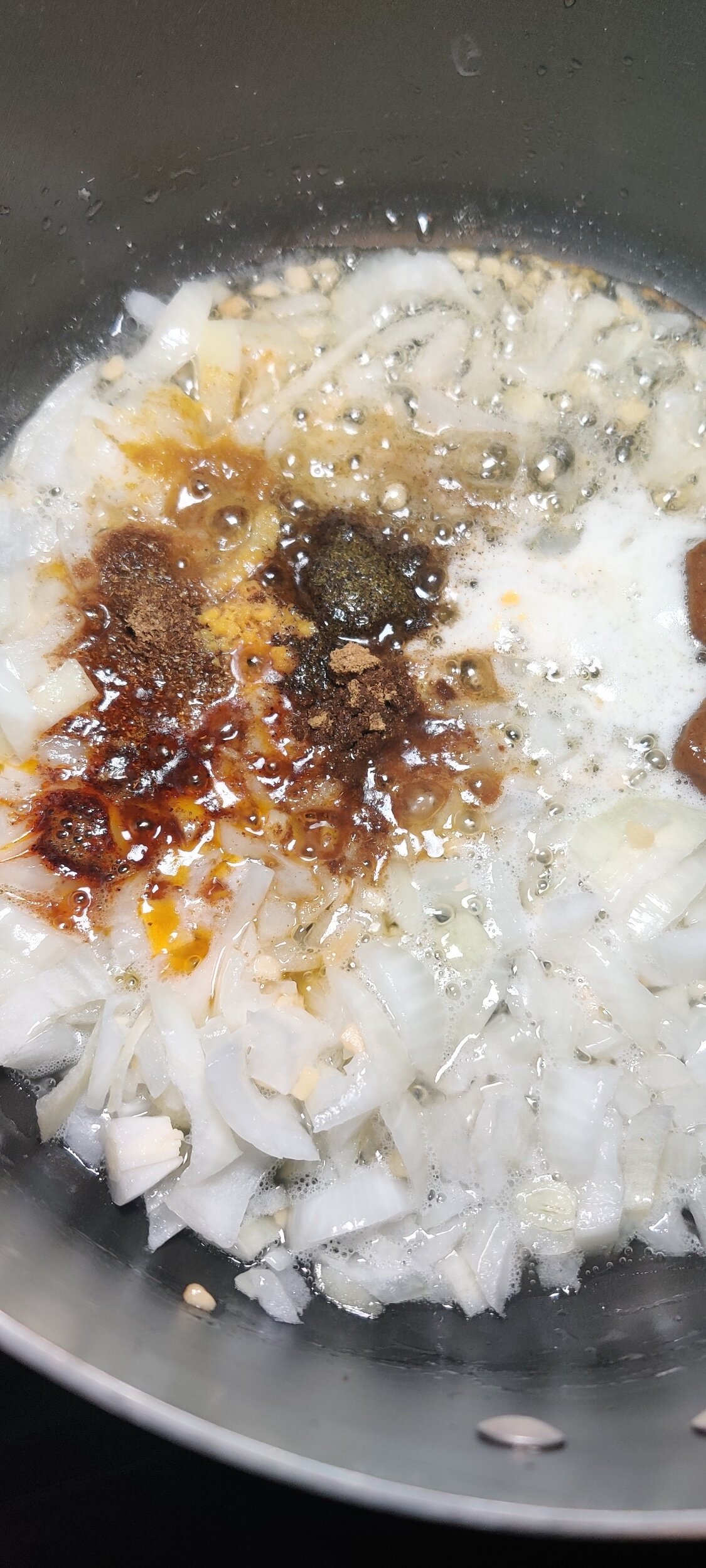
In a large pot, sauté the garlic and onion in the butter and vegetable oil for about 2 minutes. Add the spices, bouillon cubes, salt and pepper, and cook for another 3 minutes.
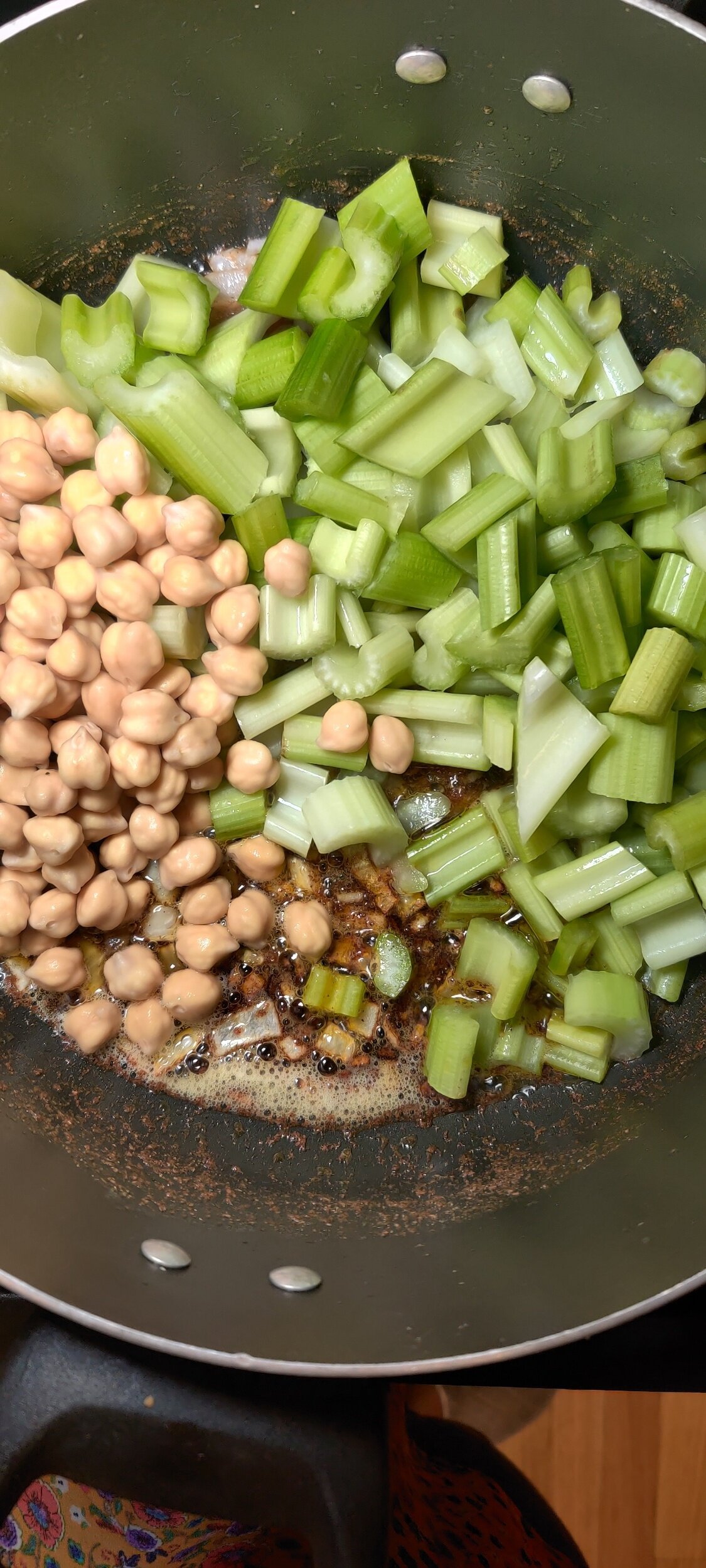
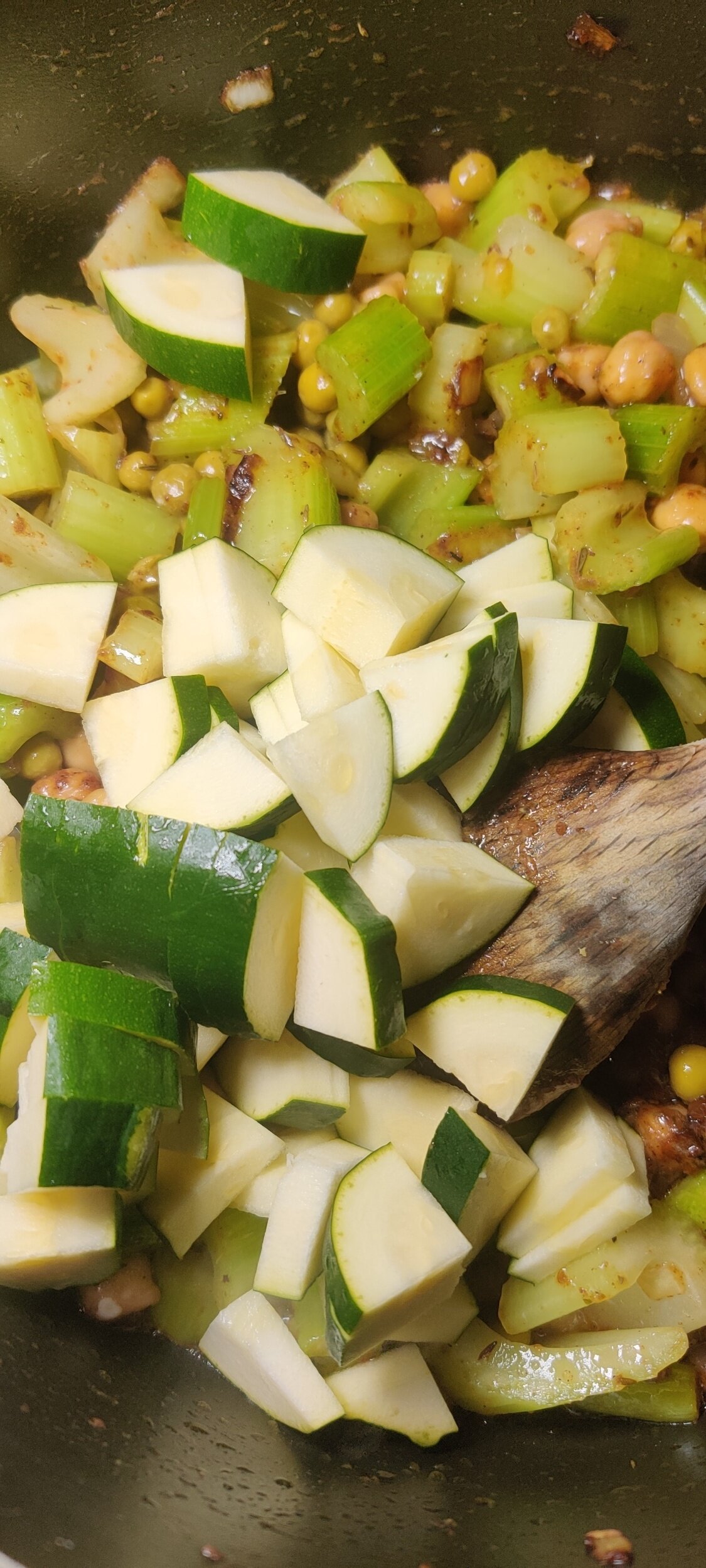
Add the chickpeas, celery and zucchini. Sweat out the vegetables for about 5 minutes.
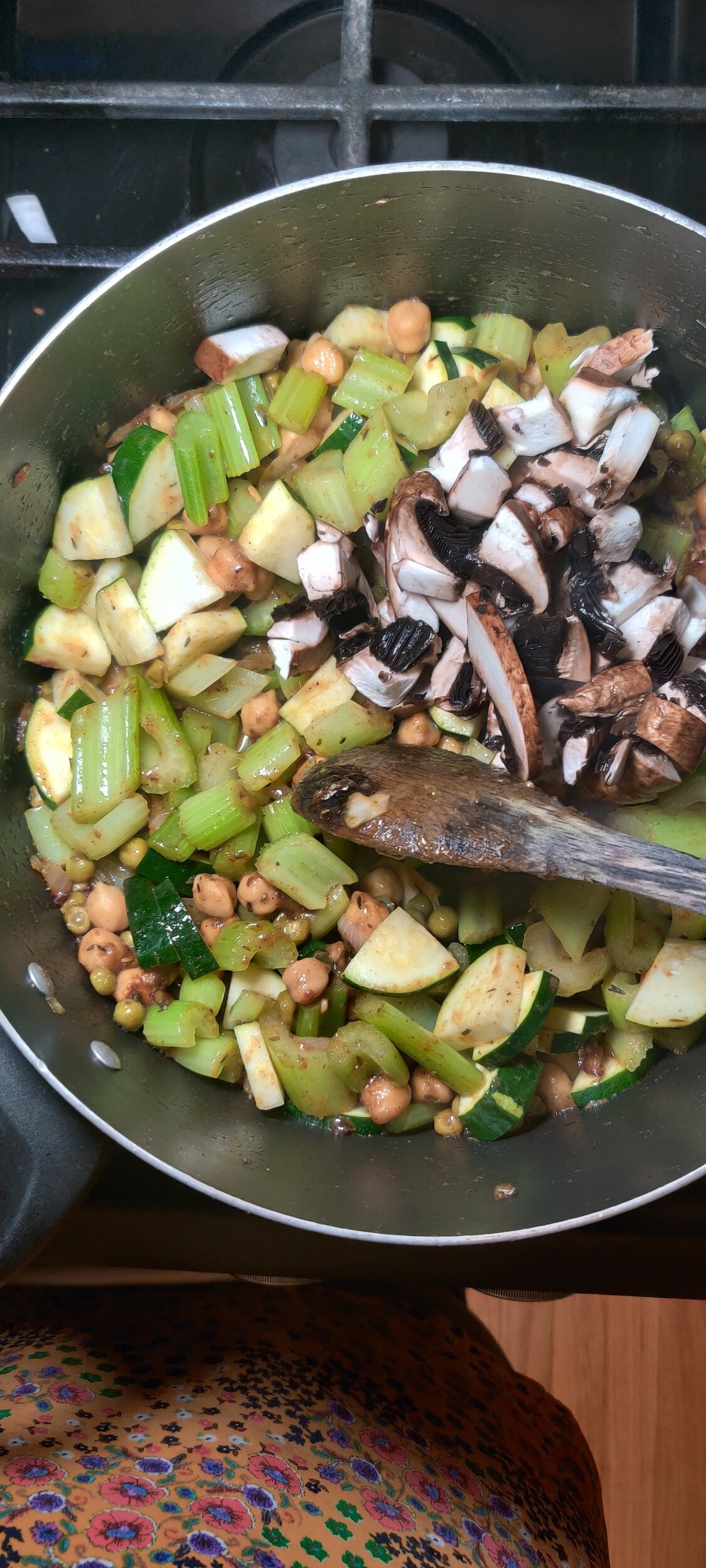
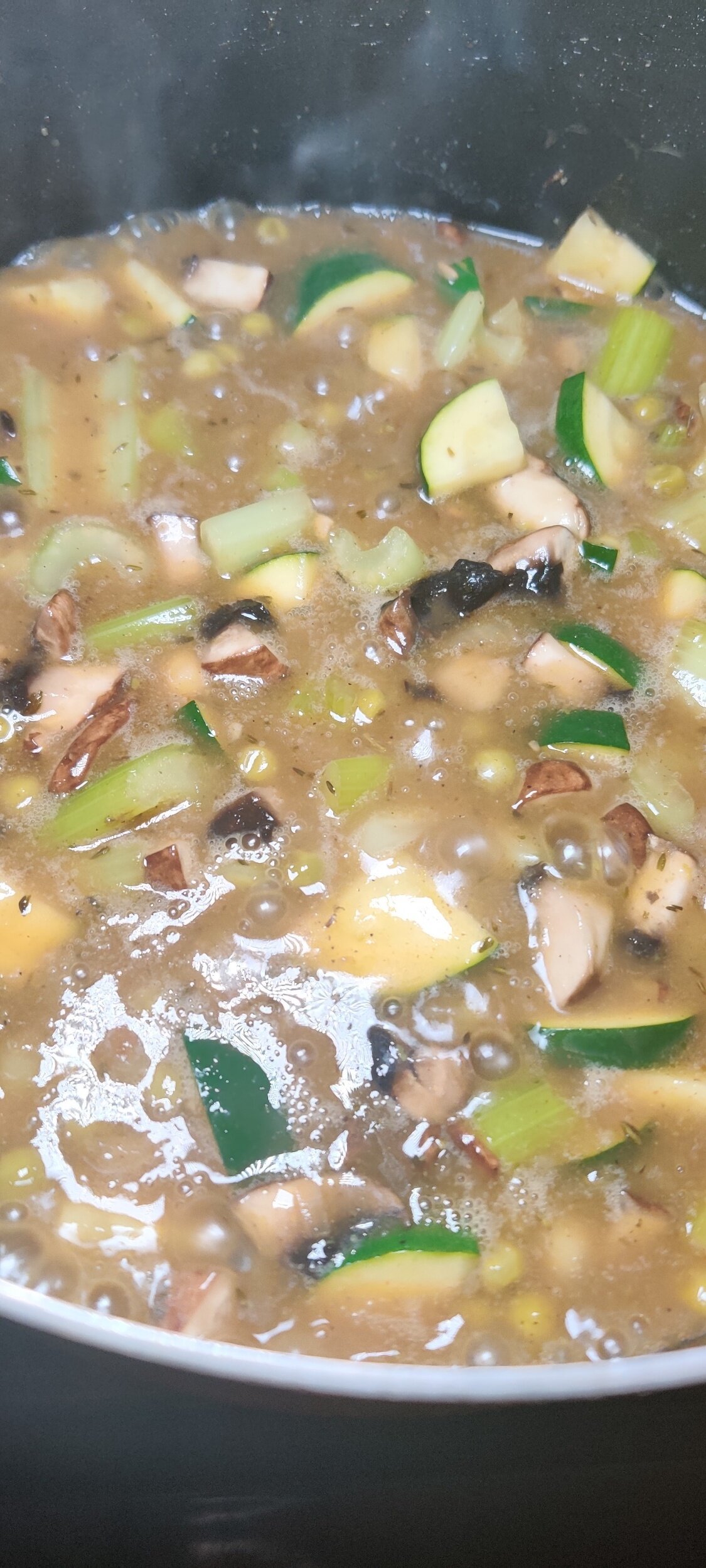
Add the peas and mushroom, cook for another 2 minutes. Pour in the water and simmer on reduced heat with the lid on. Stirring occasionally, do this for about 30 minutes or until the chickpeas and celery have softened. Season to taste.
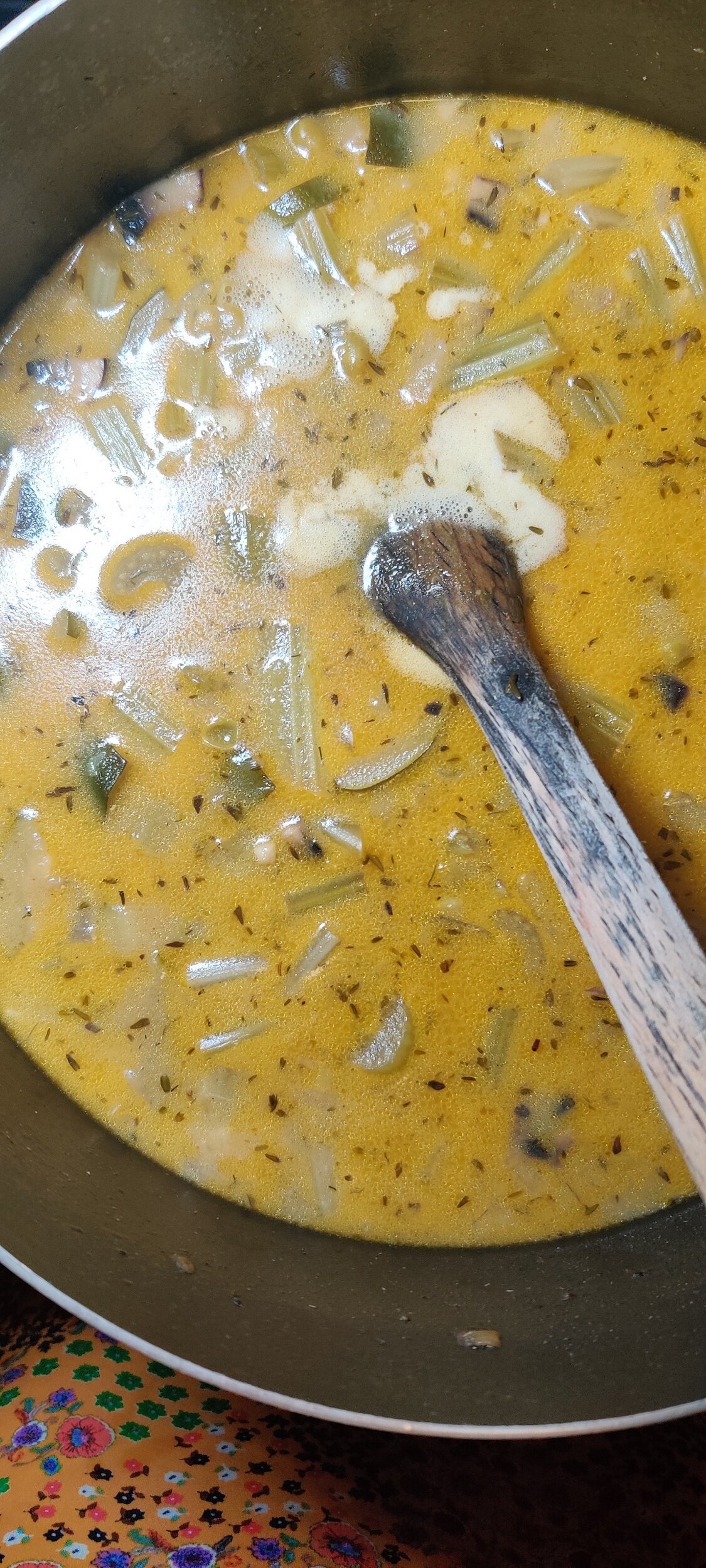
Remove from the heat and stir in the cream, set aside to cool for 10 minutes.
Using a hand mixer or blender, cream the soup until smooth.
Top with fresh basil, thyme and cream, and serve with toasted bread. Enough for 4-5.

Spicy Falafel with Cucumber Avocado Salad
Falafel is so satisfying to eat I don't know what it is. Well, maybe I do. Then again I'm biased because I absolutely love chickpeas and if you're reading this you probably are too!
The original recipe is said to have come out of Egypt. This was before it spread to the rest of North Africa and the Middle East where it is now a staple. I had my first encounter with falafel, folded into some pita bread with tomato, lettuce, cucumber, onion and sauce in New York City - I fell in love ever since!
Since they are on the dry side, it's a must that a sauce accompanies the falafel. I used tzatziki to compliment the refreshing cucumber and avocado salad, but tahini salad is another popular condiment you can use too.
The most important thing to know about this recipe is the use of dried beans.
Even though you soak them and they need to be drained beforehand, this helps with the integrity of the falafel balls versus using canned chickpeas. The same goes for hummus. I've read anecdotes of people drying canned peas in the oven if that is all they have, so it is not impossible.
Ingredients
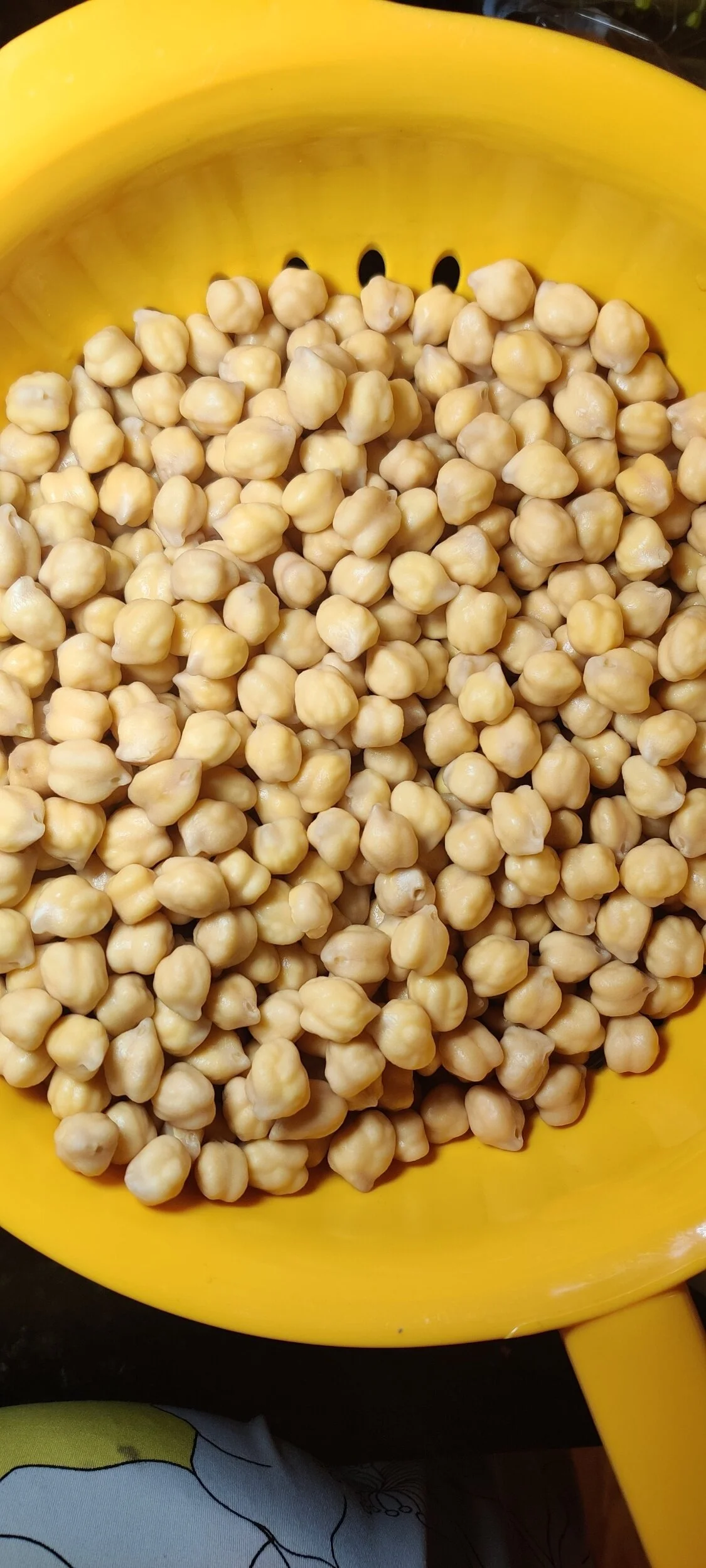
2 cups dried chickpeas (soaked overnight then drained)
1/2 medium onion, finely minced
1 tablespoon roasted sriracha sesame seeds
2 tablespoons garlic, minced
1/2 cup parsley, finely chopped
1 tablespoon lemon juice
1 teaspoon coriander
1 small habanero, finely minced
1 tablespoon cumin
1/4 teaspoon salt
1 teaspoon black pepper
1 teaspoon chili powder
1 tablespoon paprika
1/2 teaspoon baking soda
1 egg (optional)
Salad:
1 large cucumber, thinly sliced and quartered
1 large avocado, sliced
3 teaspoons olive oil
1 teaspoon lemon juice
1/2 teaspoon salt
1 teaspoon black pepper
Tzatziki sauce
1 1/2 cups sprouts


Instructions
In a food processor, pulse the chickpeas, cumin, coriander, lemon juice, salt, pepper, chilli powder, paprika, parsley, onion, and garlic. A thick paste you can mold should form. If it seems too crumbly, add the egg to help bind everything together.
You can bake or fry falafel depending on your preference. If you like a crunchy exterior, frying will make that happen! I used an air fryer and cooked the falafel balls at 400F for 15 minutes, flipping them halfway after spraying with olive oil. You can also bake them for 30 minutes, turning them over after 15 minutes. Roll your falafel into smoothened balls - about two scoops with a cookie scoop and your hands.
Prepare your salad. In a bowl, toss the cucumber, avocado and sprouts in the olive oil and lemon, season with salt and pepper. Layout the salad on each plate, and add 1-2 teaspoons of tzatziki on top. Set your cooked falafel on top of the tzatziki and eat immediately or warmed.
Serves 2-3 people!
Tip: if your falafel base seems a bit wet and you struggle to form balls, bake in a 350F oven for about 5-7 minutes to dry it out a bit, but don't overcook.

Fried Cauliflower 'Chicken’ Sandwich
There is nothing quite like a sandwich with a fried something that has all the textures and flavours going on, especially when you are hungry! This sandwich takes the joys of a fried chicken sandwich but makes it plant-based by switching out the chicken with cauliflower.
Cauliflower is great because it’s surprisingly more versatile than you may expect. Not to mention the health benefits.
You get the crunch from the breaded cauliflower and slaw, the tang from the ranch and pickles, the juiciness from the tomato, and of course the soft bun.
This is a great sandwich for lunch or dinner and will get you filled up. Pair it up with some sweet potato fries or zucchini crisps!
Ingredients
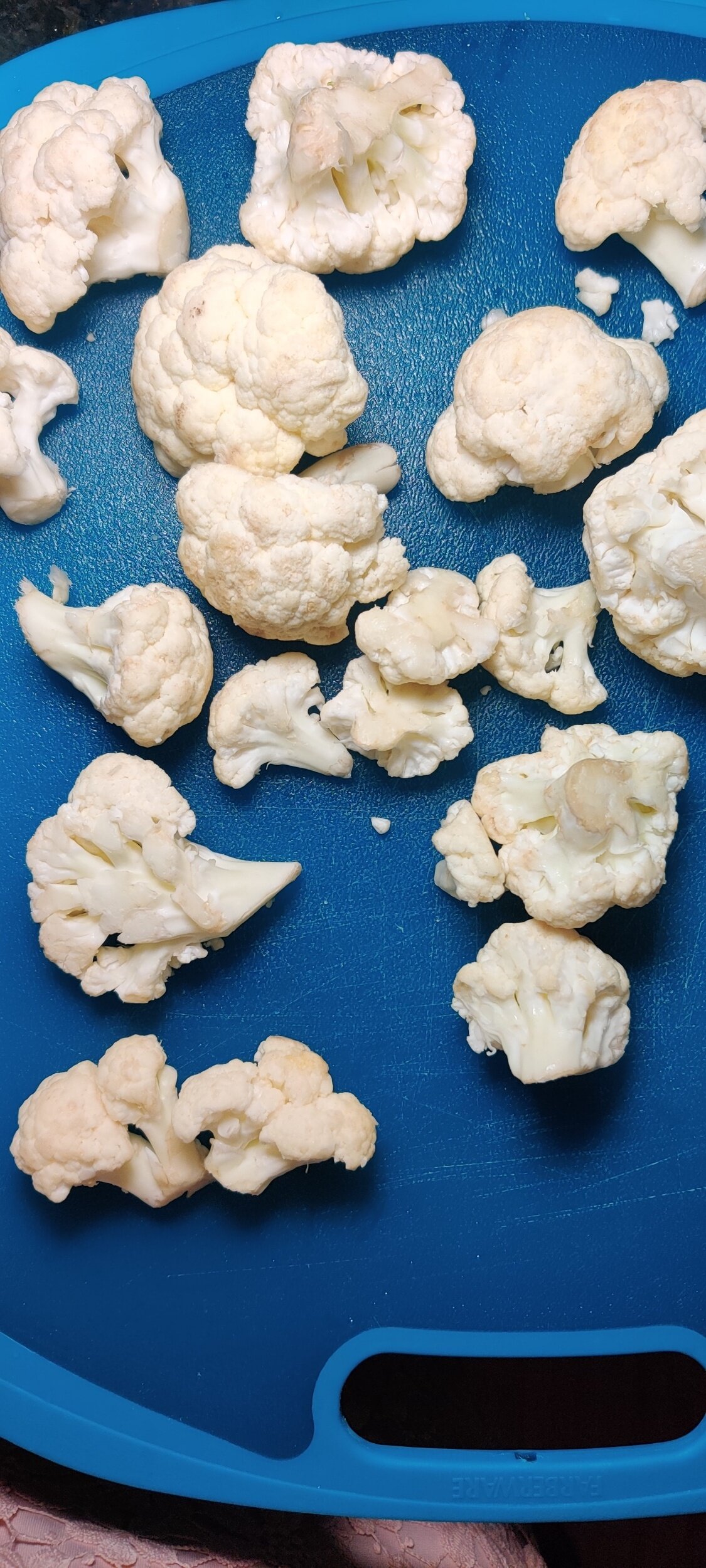
12 ounces cauliflower florets
1 cup red cabbage, chopped into a slaw
Ranch
2 cups breadcrumbs
2 eggs
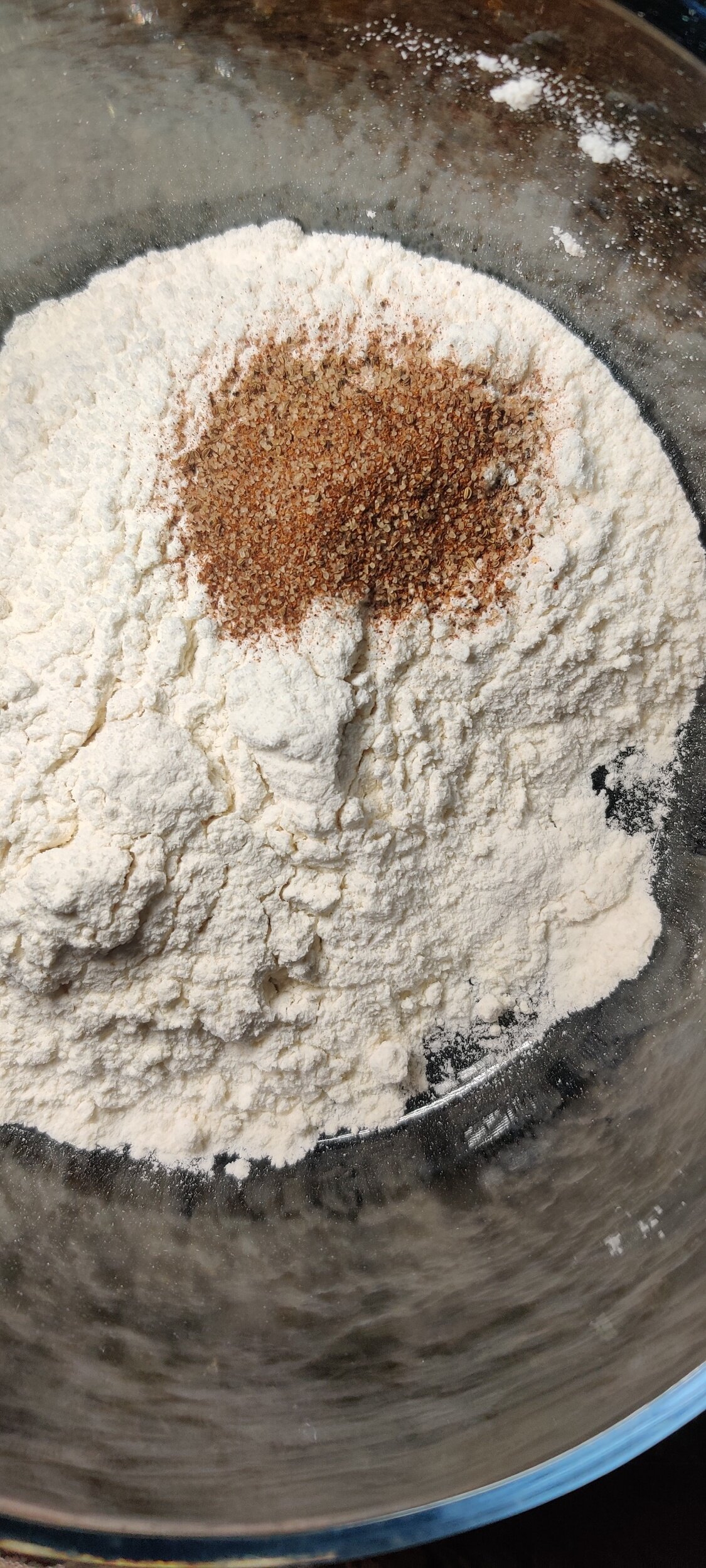
1 cup all-purpose flour
2 tablespoons all-purpose seasoning or old bay (I used Primal Palate’s New Bae)
Mayonnaise and butter
1/2 cup pickles, sliced
1 large, sturdy tomato, cut into thin slices
4 hamburger buns



Instructions
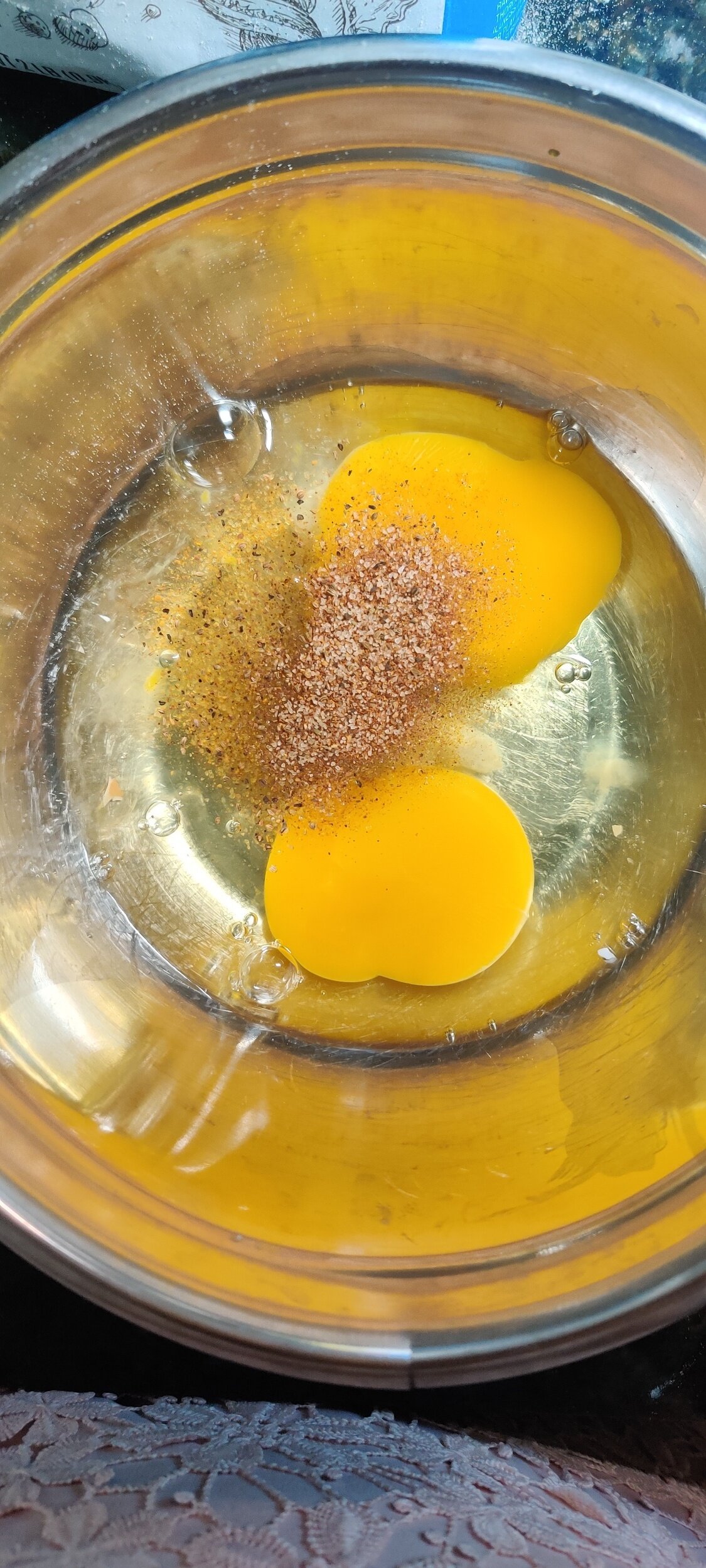
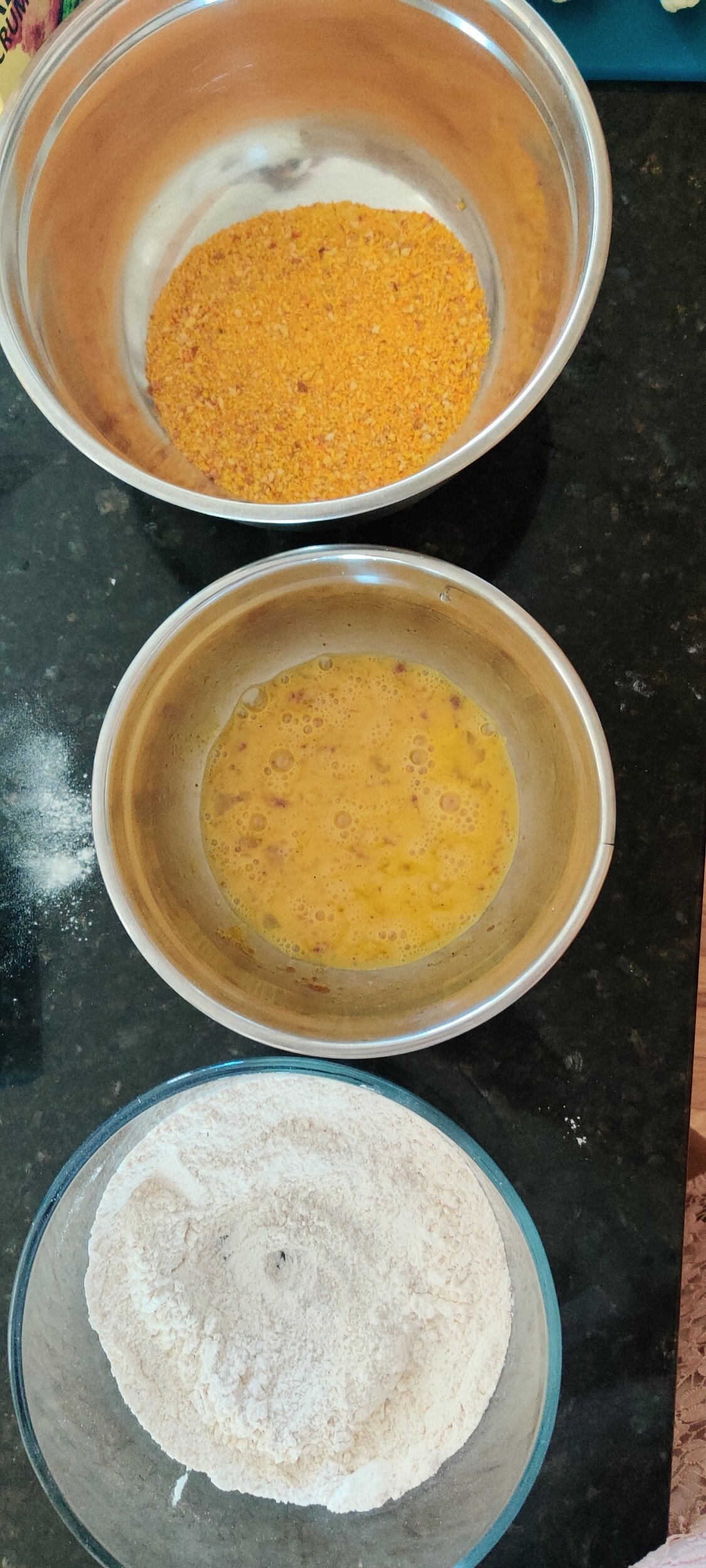
Prepare the cauliflower. Line up your flour, egg mix, and breadcrumbs in separate bowls. Season the eggs and flour. Reserving one hand for dry dipping and one hand for wet dipping, dunk the cauliflower florets in the flour, then egg mix, and breadcrumbs. Set aside in preparation for frying.
I used an air fryer, but you can use vegetable oil in a pot and drain the excess fat on a paper towel. Do it in batches to prevent overcrowding both the air fryer and the pot.
For the air fryer, I sprayed the coated florets who olive oil spray to ensure there would be a nice crunch. Fry at 400F for 14 minutes, turning over after 7 minutes, set aside.
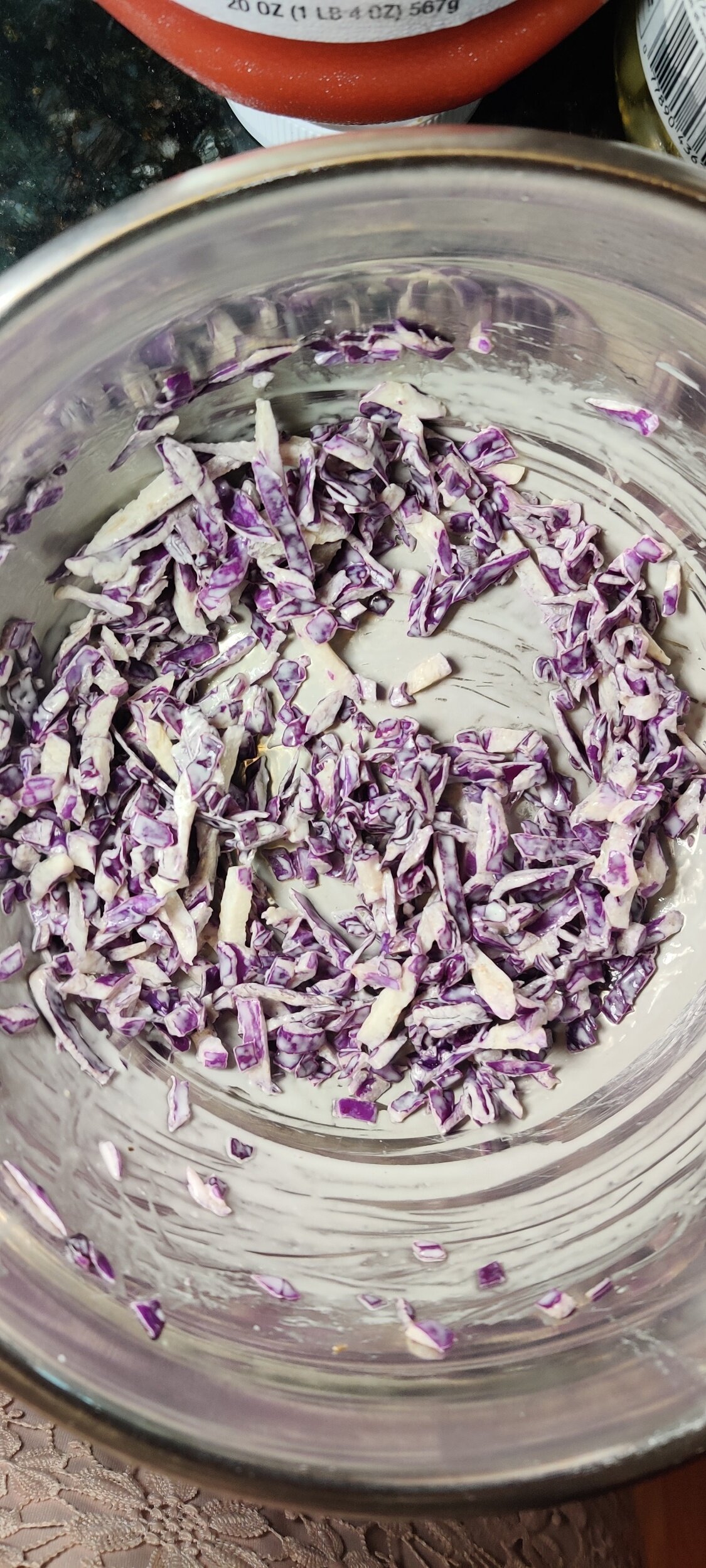
In a small bowl, toss the cabbage in about a tablespoon of the ranch to give it a bit of flavour, but no need to drench the slaw!
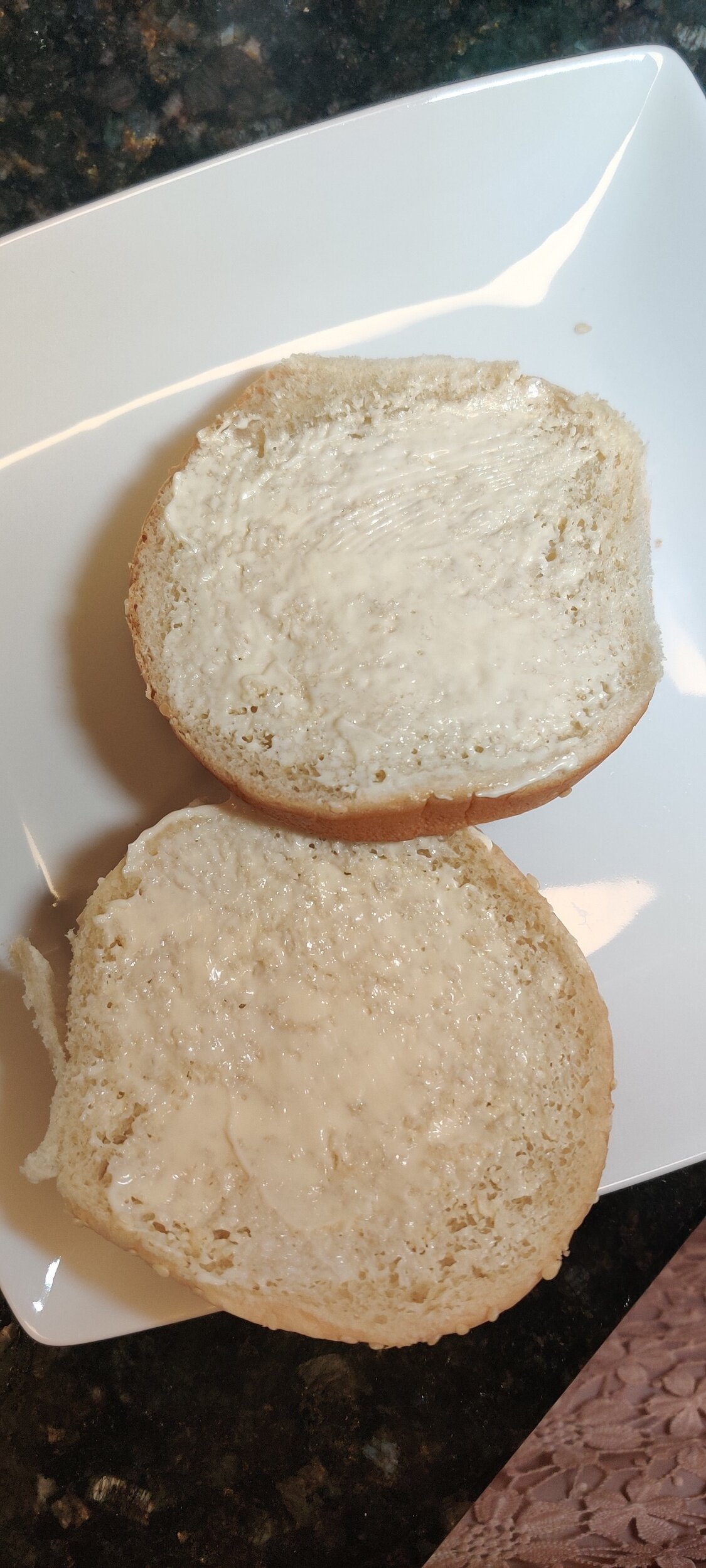
Toast your buns! Smother the insides of each bun with mayonnaise and butter, then broil at 500F for about 2 minutes. Keep an eye to avoid burning anything.
Assemble your sandwich. Place the tomato on the bottom of the bun, then a few pickles, the cauliflower florets, the slaw, and then drizzle with some ranch.

Black-Eyed Pea and Pinto Bean Meatloaf
If you're like me and have reduced your weekly meat intake for health purposes or otherwise, that shouldn’t mean you can’t eat certain meals! Especially with recipes that are flexible about the form of protein you use - and that doesn’t have to be meat! Beans and tofu are just two examples of additions you can make for a recipe that can be equally as delicious, especially when you season everything well. How about some meatloaf? Using black-eyed peas and pinto beans I put together a recipe that should satisfy most vegetarians, and no need for Beyond Meat (although I'm a fan, no shade).
It's quite easy and something you can eat for lunch or dinner. I like to think of meatloaf as a giant, rectangular meatball. For those who find meatloaf to be heavy, this version is light but still filing - you’ll probably get seconds though like I did!
If you're worried about your loaf drying, don't skip on sautéing your vegetables, adding the ketchup and BBQ sauce, and consider soaking your breadcrumbs.
The other thing I did is reduce the temperature halfway into baking to take it nice and easy, and it came out great! Luckily, unlike with meat, you don’t have to worry about the ‘doneness’ as much.
Ingredients
12-ounces black-eyed peas, cooked
15-ounces pinto beans, cooked
1 medium carrot, finely chopped
1 1/2 mushrooms, finely minced
2 celery sticks
1/2 yellow onion, finely chopped
1 tablespoon garlic, minced
2 tablespoon olive oil
1 tablespoon butter
1 teaspoon salt
2 teaspoons black pepper
1/4 teaspoon powdered mustard
2 teaspoons smoked paprika
1/2 teaspoon coriander
1 teaspoon cumin
1/4 teaspoon fenugreek, ground
1 teaspoon cayenne pepper
1/3 cup ketchup
1/3 cup BBQ sauce
2 tablespoons teriyaki sauce
1 tablespoon soy sauce
1 tablespoon plant-based mayonnaise
1/4 cup fresh parsley, finely chopped
1 cup bread crumbs
Instructions
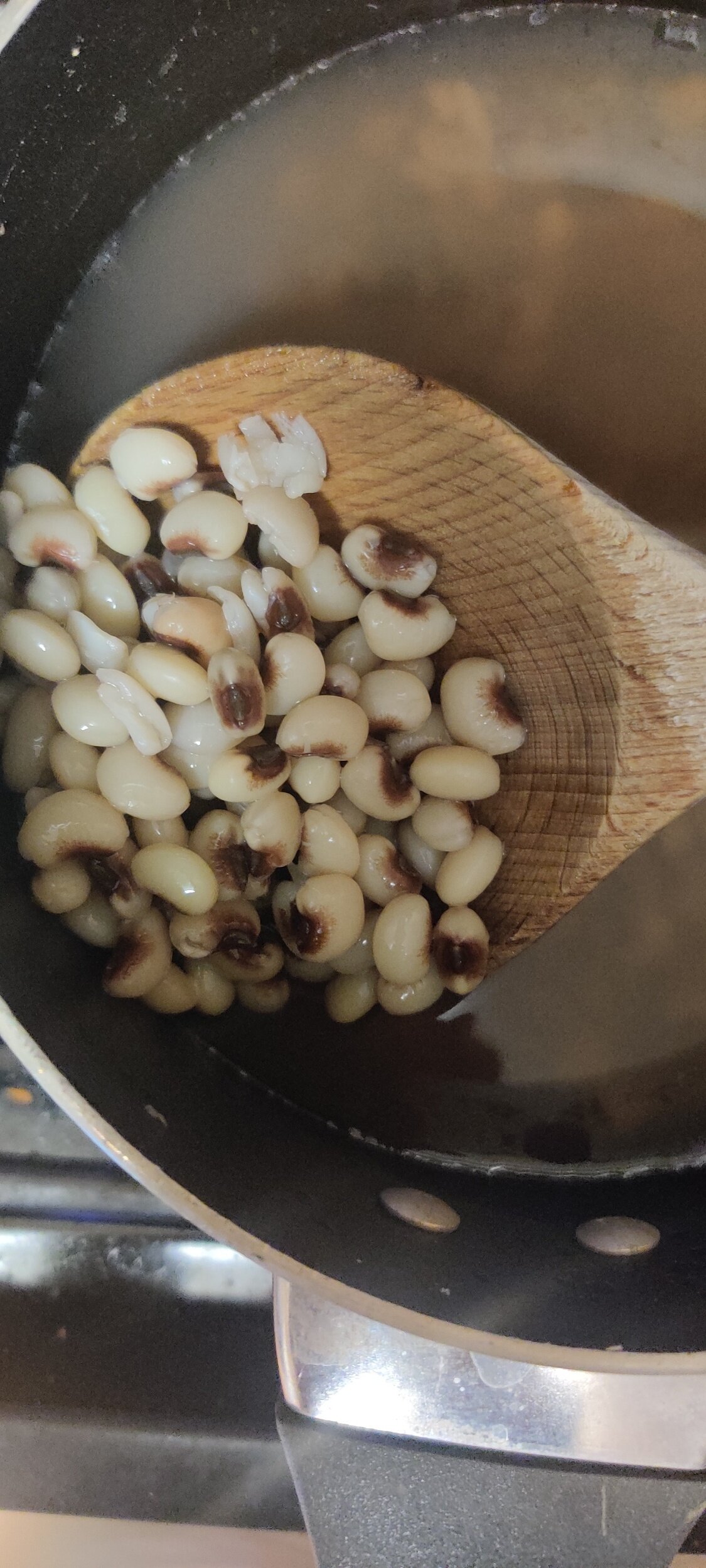
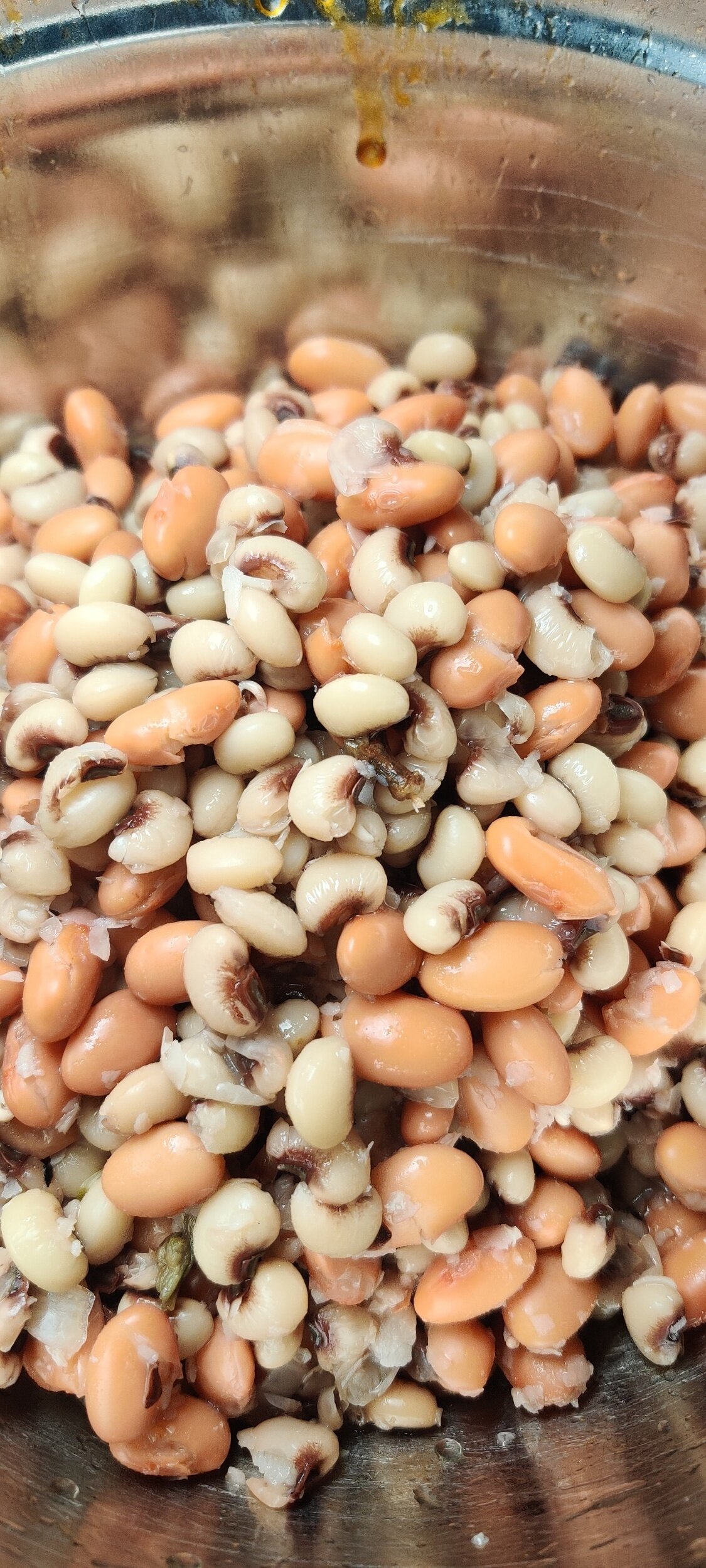
Prepare the black-eyed peas and pinto beans. If you're using dried beans you’ll want to soak them overnight or for at least 4-6 hours. You can also use drained, canned beans.
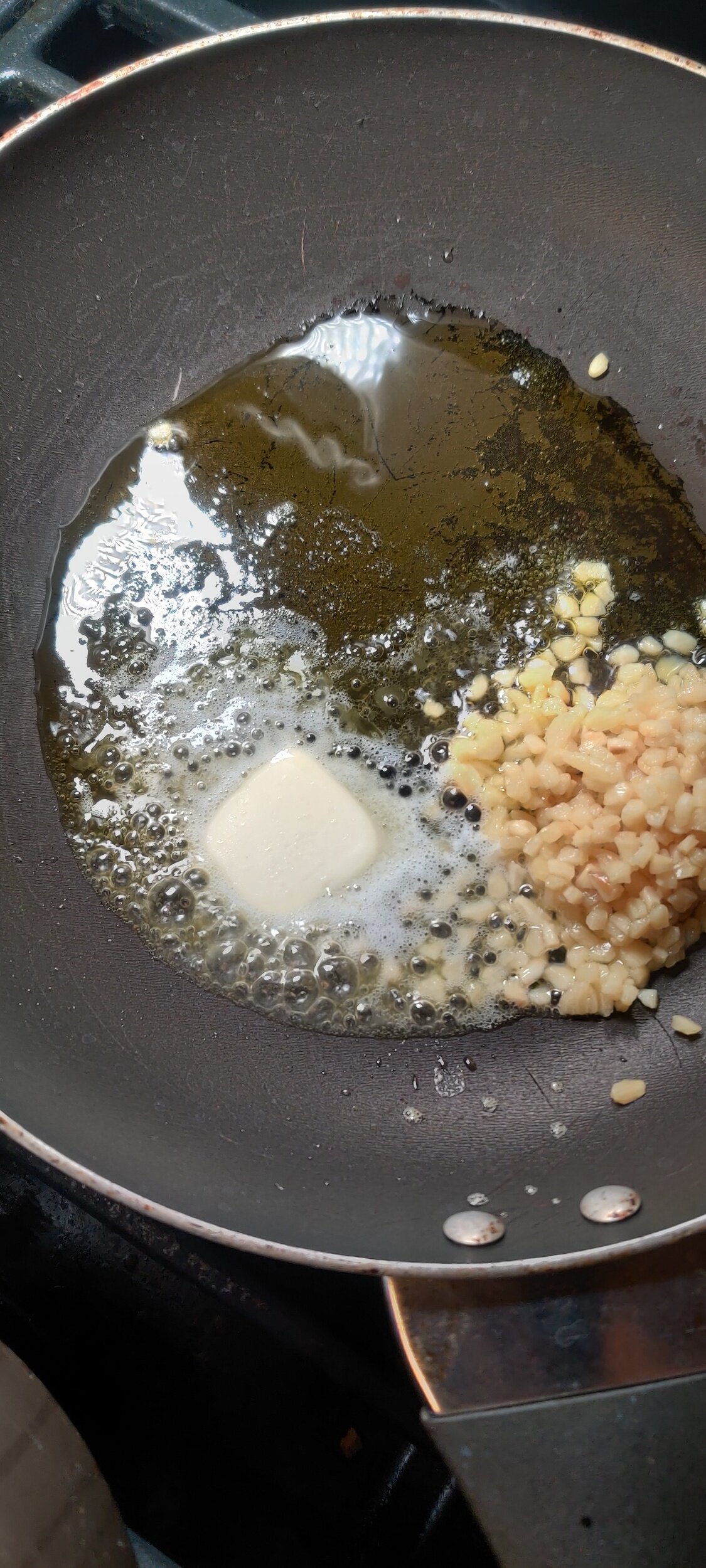
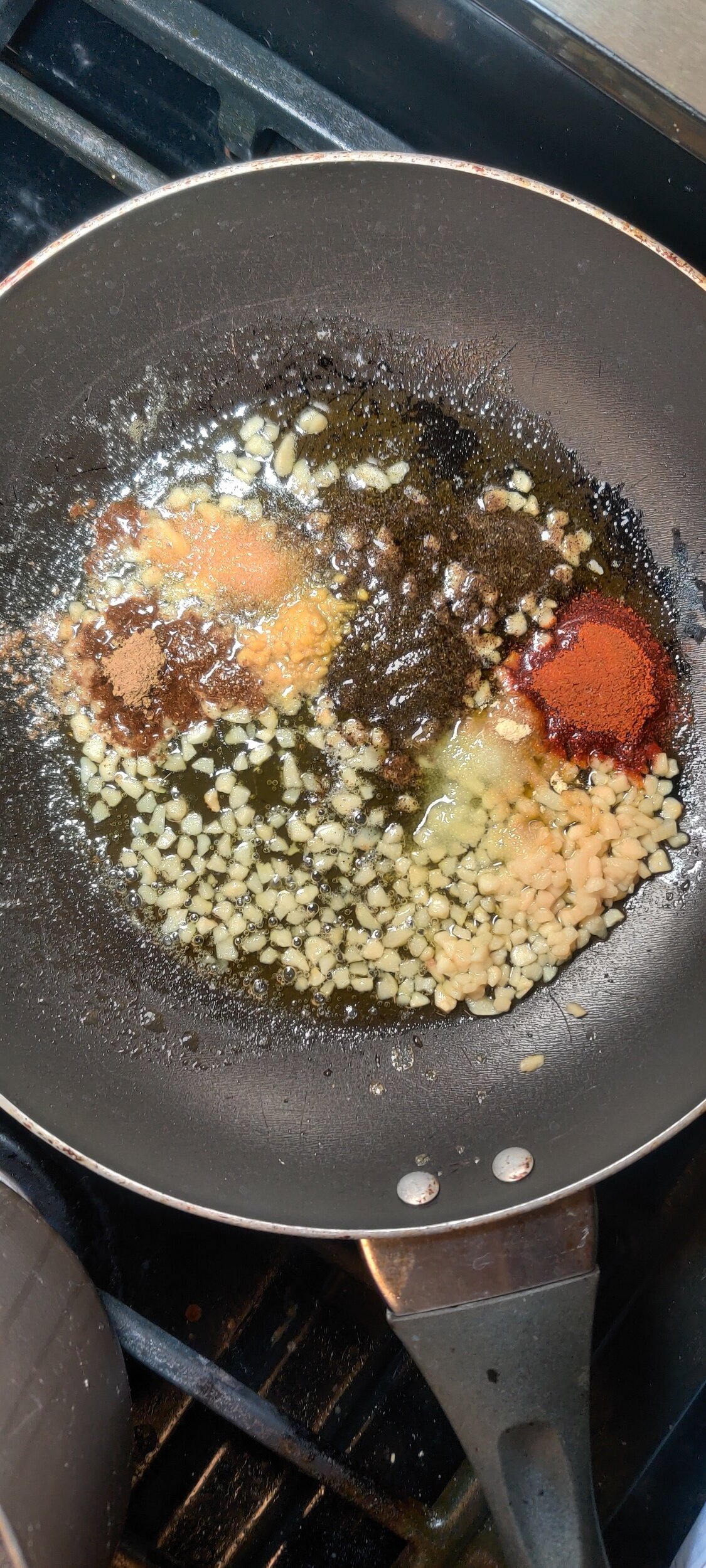
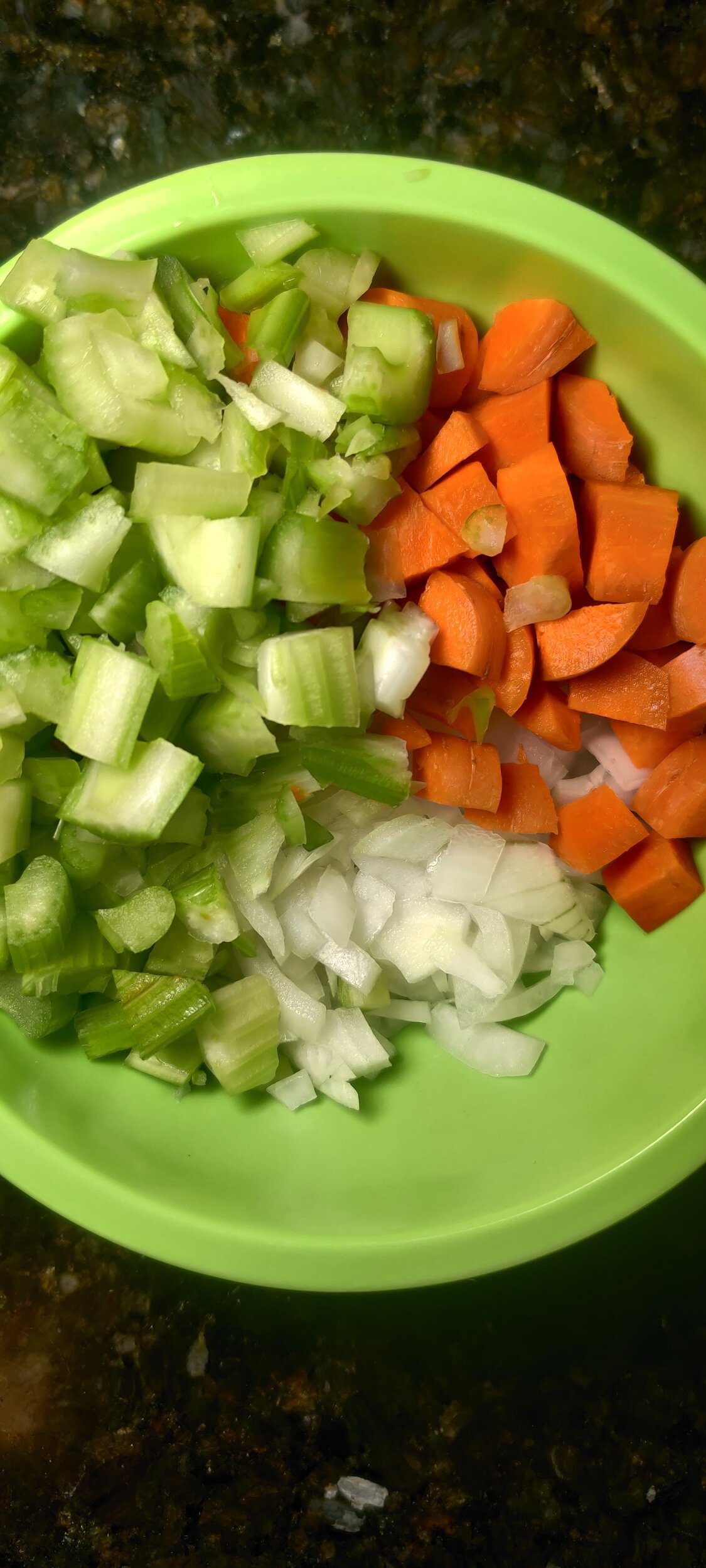
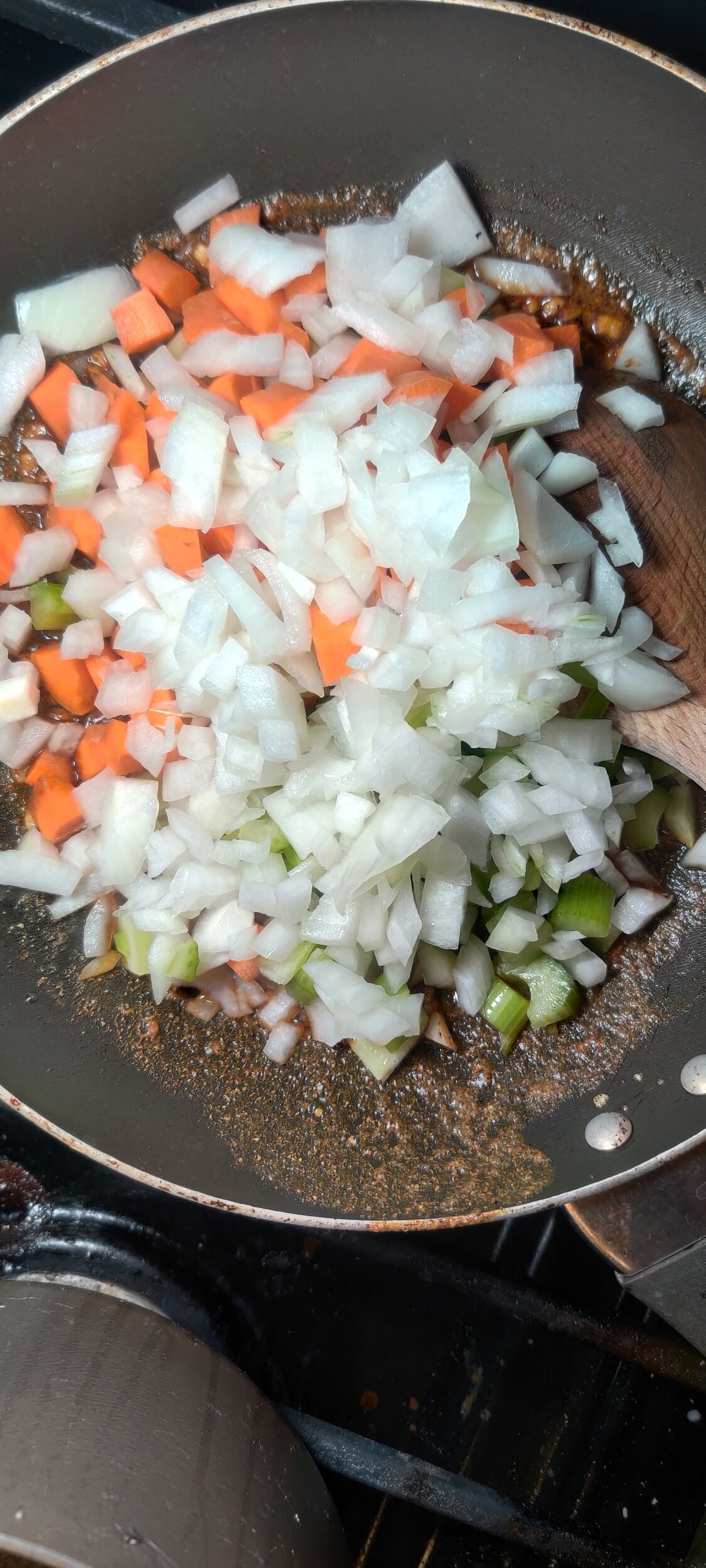
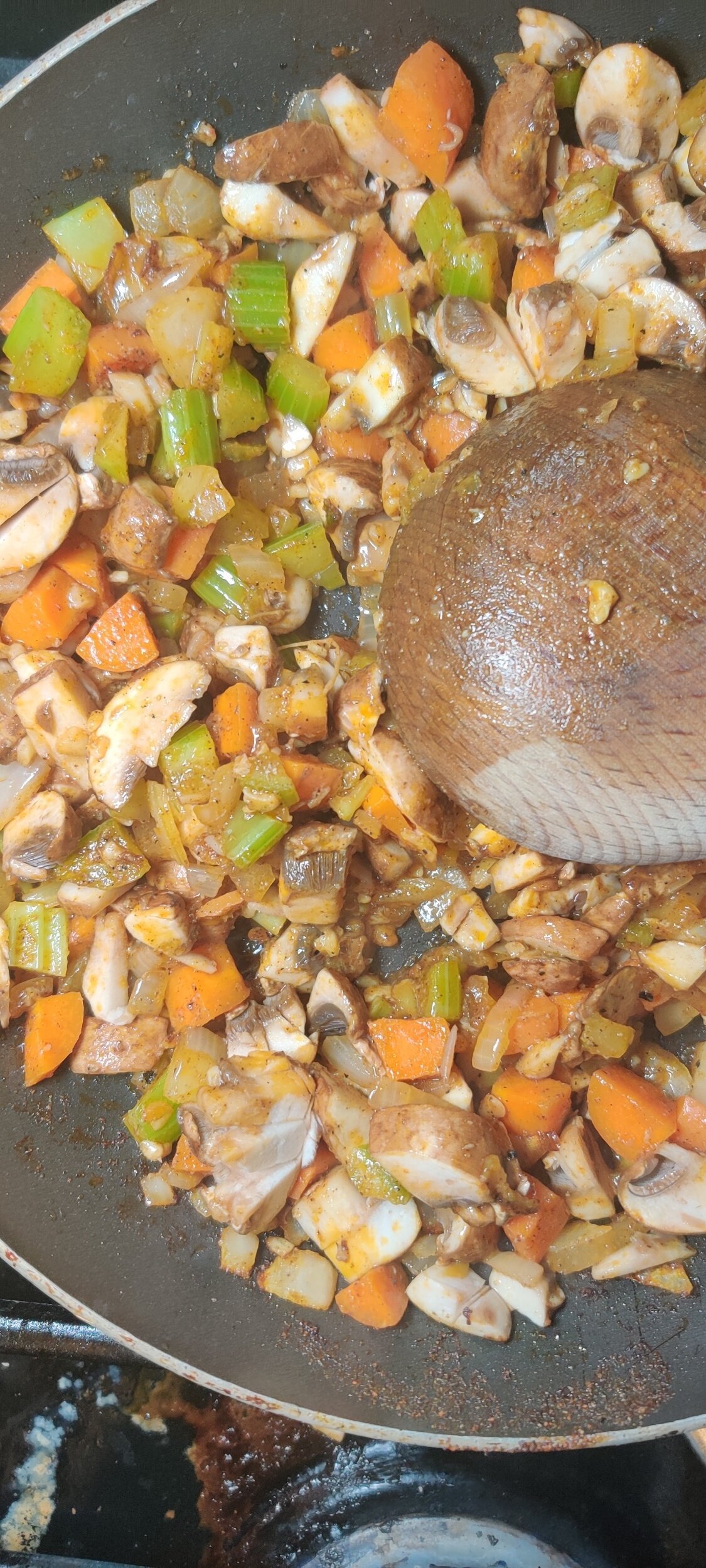
While your beans are cooking, melt the butter with the olive oil and sauté the garlic for about 2 minutes. Add the spices, salt and pepper (reserve 1 teaspoon paprika, 1 teaspoon black pepper, 1/2 teaspoon cayenne, and 1/2 teaspoon salt). Cook for another minute before adding the vegetables - onion, carrot, celery sticks, and mushrooms. Cook for about 5-7 minutes, until the juices, evaporate and the mixture is somewhat dry, set aside.
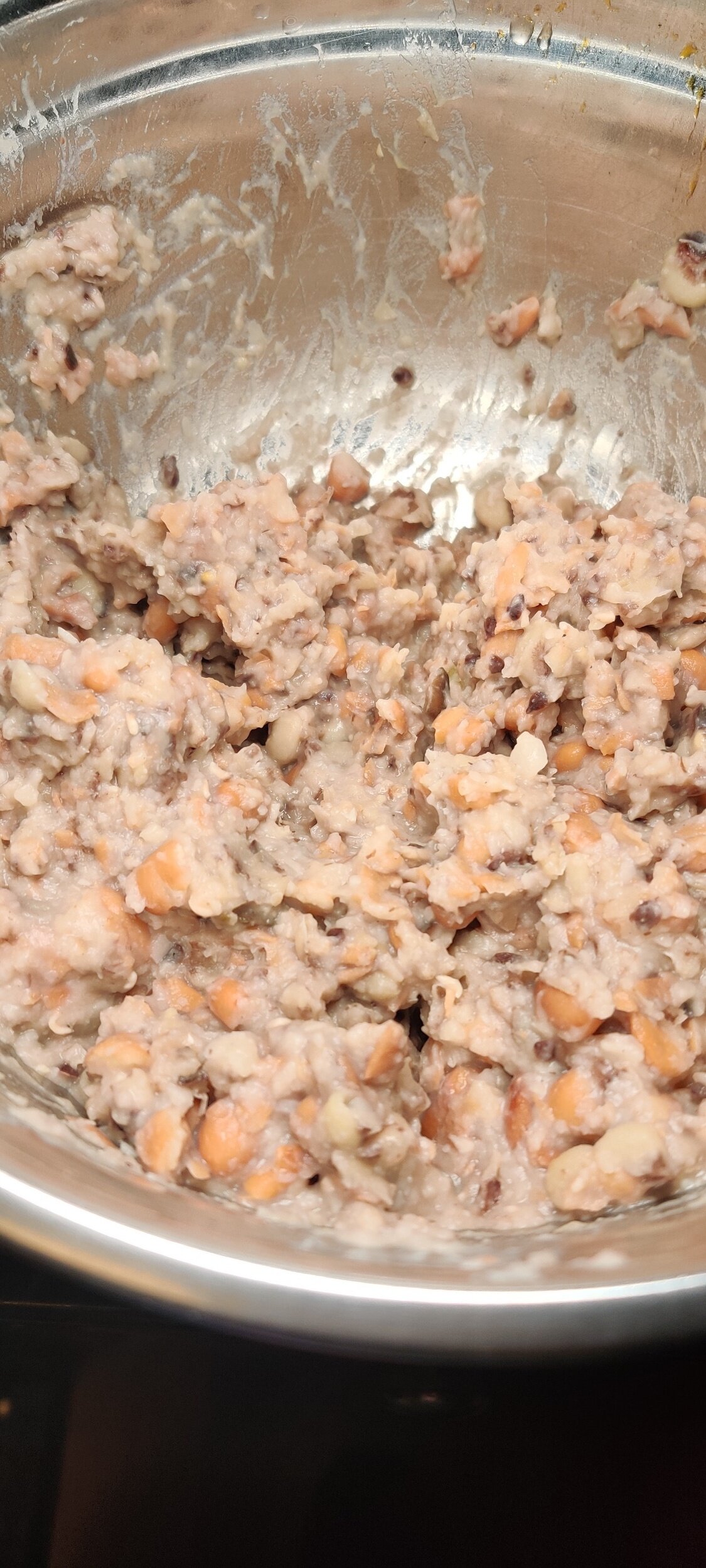
Mash the pinto beans and black-eyed peas until a mush forms - you can use a potato masher or your (clean) hands. It’s okay if you have larger bits as long as the mixture is mostly mashed.
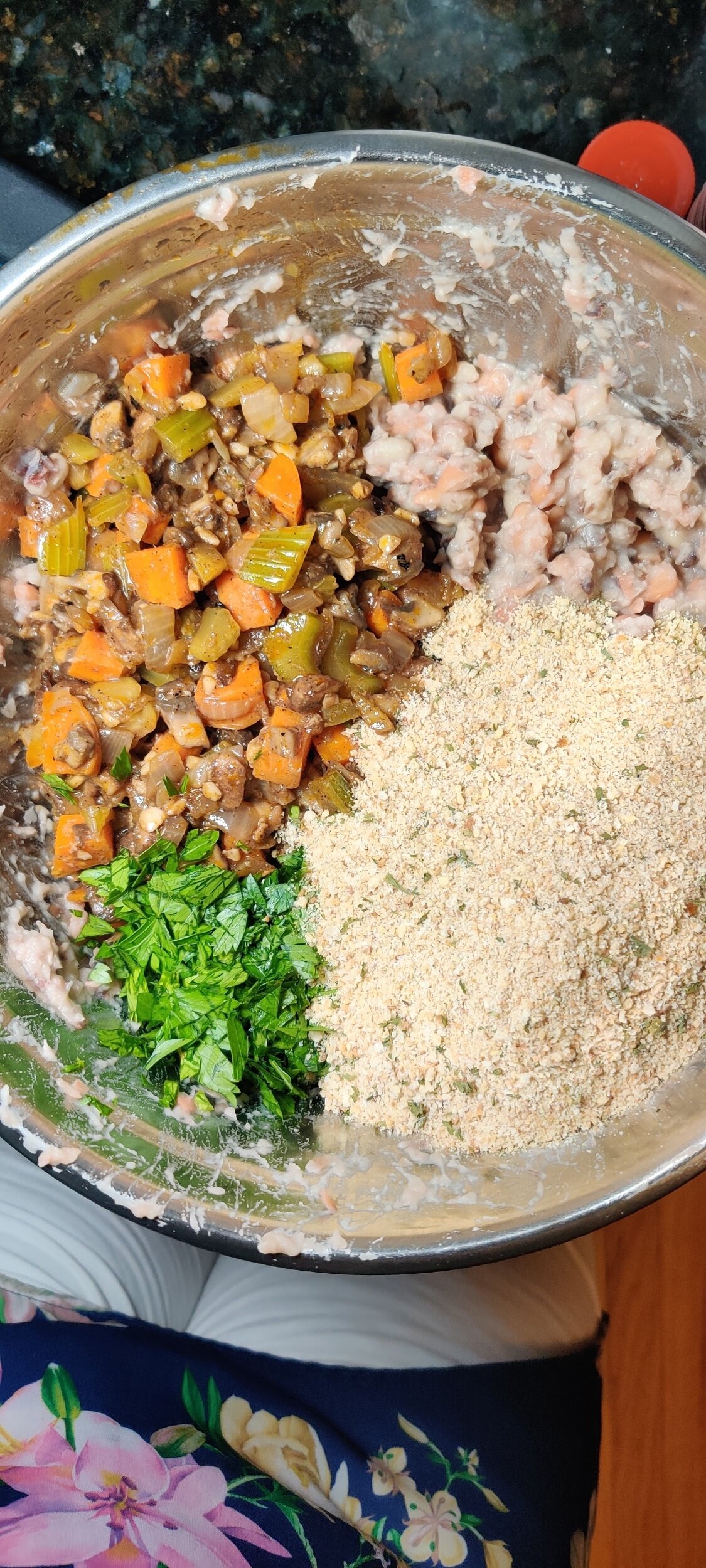
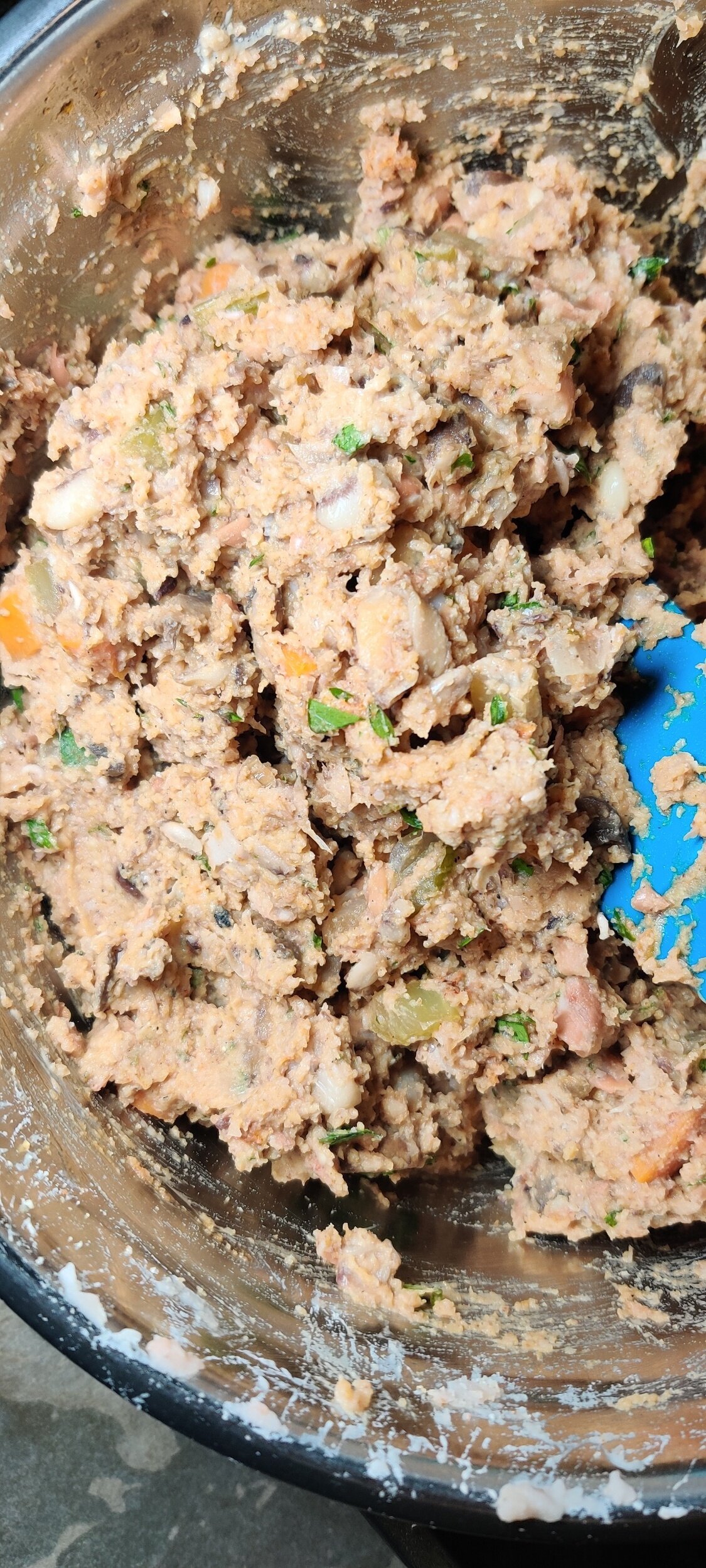
Combine this in a large bowl with breadcrumbs, mayo, parsley, cooked veggies, teriyaki sauce, soy sauce, and the reserved spices.
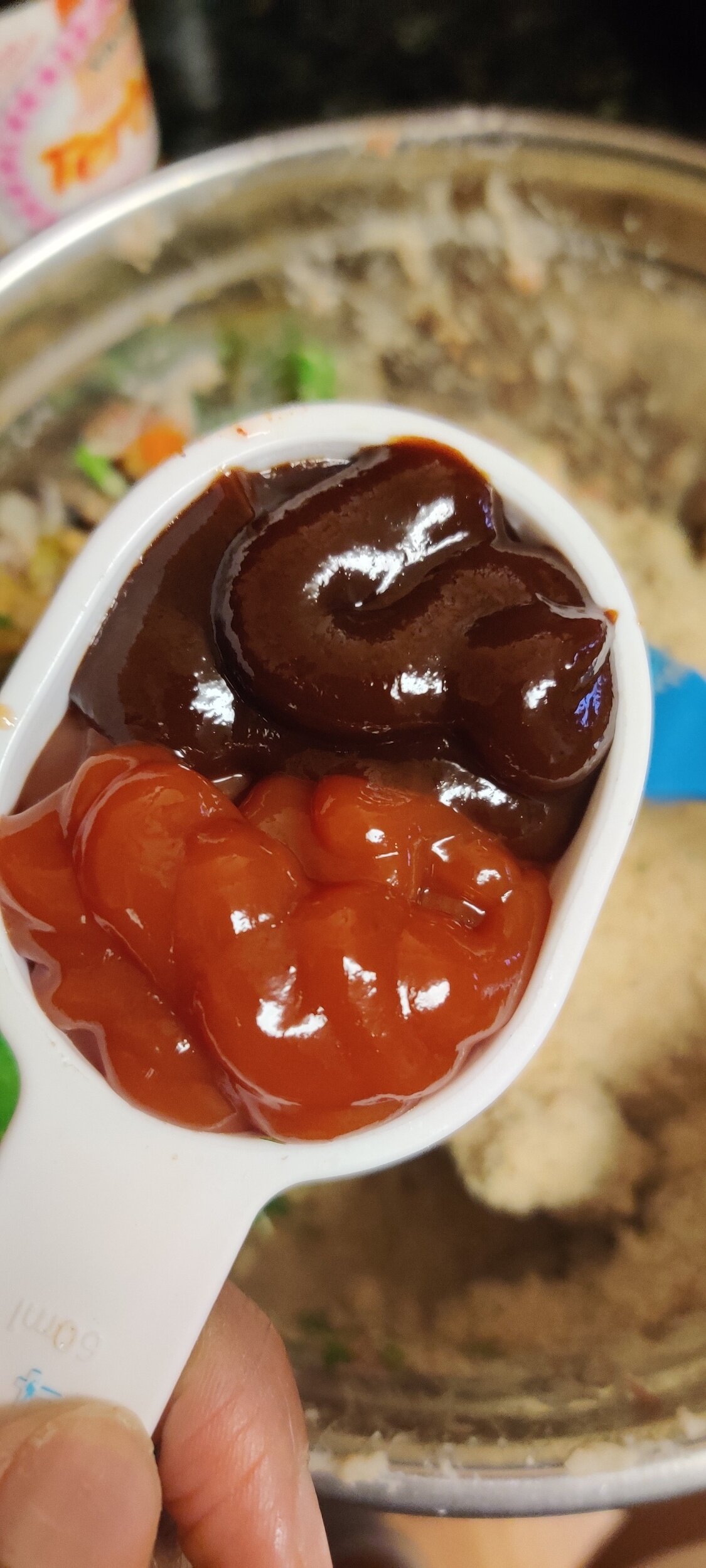
Combine the ketchup and BBQ sauce, add to the bowl and mix until combined but don't overmix - you may end up with a tough meatloaf!
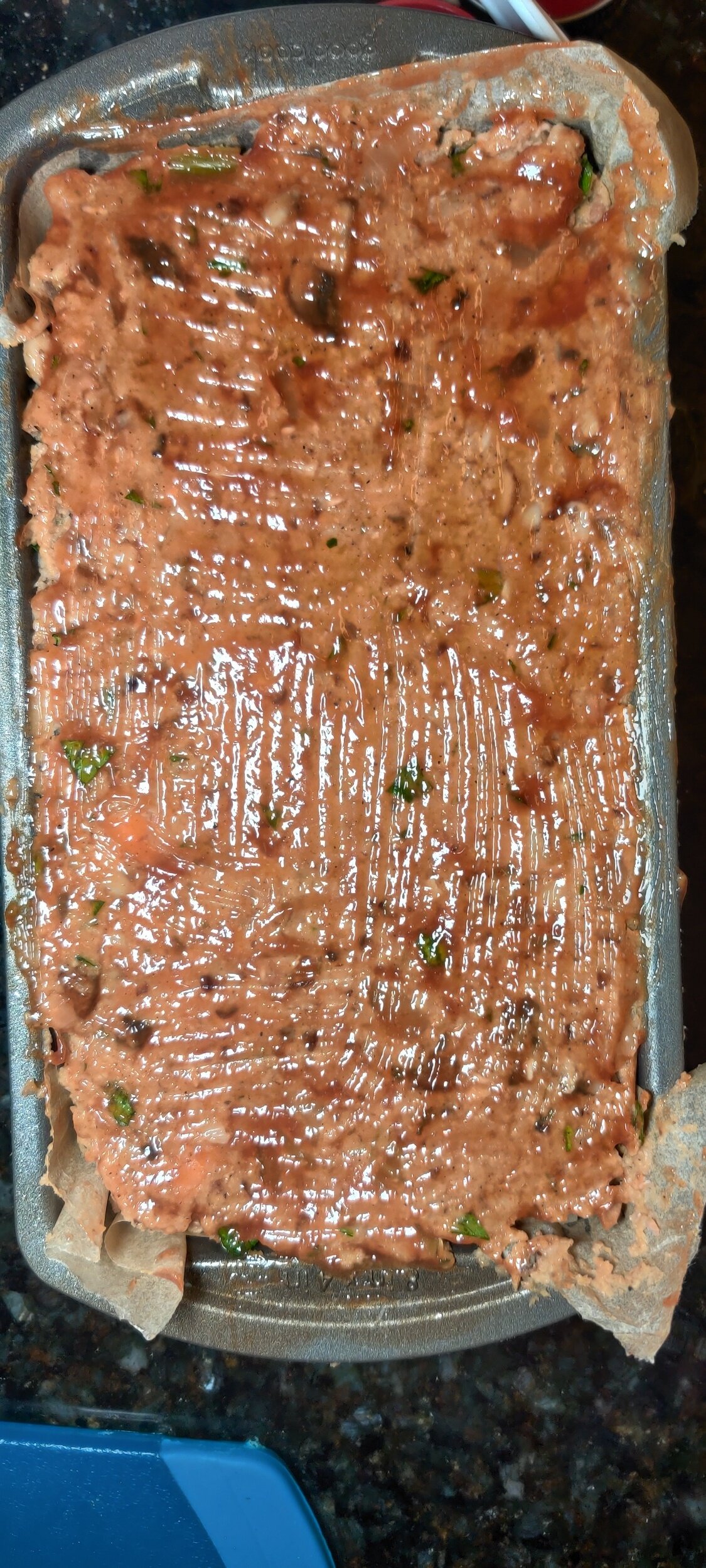
Add the mixture to a bread loaf pan prepped with parchment and cooking spray, then brush with some more of the ketchup and BBQ sauce. Bake the meatloaf at 350F for 30 minutes.
Remove and baste with more of the ketchup and BBQ sauce mixture. Don’t be afraid to lay it on so you have a nice coating once the meatloaf is done! Reduce the temperature to 325F and bake for another half hour.
Remove from oven and rest for at least 10 minutes then chill in the fridge to firm. Serve hot with more sauce.

Jollof Rice-Stuffed Tomatoes and Mushrooms
If you haven't had jollof rice yet, you're missing out. It's a cornerstone of West African food. Each country that does make it a central aspect of their cuisine have particular methods of preparing the rice. I’m not going to get into the nuances because I’m from Southern Africa and not really in a position to get into the specifics and get it exactly right! I will say though, that some people might say it my rendition is closer to the 'Ghanaian way', due to the spiciness and lack of bay leaf (common in some Nigerian recipes I've seen). I seasoned the tomato stew the rice cooks in to my liking, and the result is pretty delicious.
You can eat the jollop rice as it is, with beans, fish, plantains, or do what I did and stuff some juicy vegetables! Stuffing veggies with rice (and sometimes a protein) is nothing new. It’s usually an easy and delicious meal, and quick if you have precooked your rice.
This method is something fun to do year-round with whatever is in season.
I was going to get brave and try and stuff some grapes leaves and cabbage, but this kept it simple since tomatoes and mushrooms lend themselves well to stuffing/topping, are easy to find and relatively affordable.
Hope you find this as tasty as I did!
Ingredients
1 large yellow onion, chopped
2 tablespoons olive oil
1 tablespoon garlic, minced
1/4 cup vegetable oil
1 tablespoon butter
1 (14-ounce) can diced tomatoes
1 small habanero pepper, chopped
1 (6-ounce) can tomato paste
2 beef bouillon cubes
1/2 cup frozen peas
1/2 teaspoon cumin
1 tablespoon curry
1 tablespoon paprika
1 teaspoon salt
1 tablespoon black pepper
1 teaspoon garlic and herb blend
1 teaspoon ginger
1/2 teaspoon coriander
3-4 large tomatoes
Fresh thyme
Garlic powder
Olive oil
3-4 portobello mushrooms


Instructions
Blend the onion and olive oil into a paste and set aside.
Clean out the blender and repeat this step with the pepper, tomatoes, and tomato paste.
In a large pot, melt the butter with the vegetable oil. Add the onion paste and garlic and cook on medium-low heat, stirring frequently for 5 minutes. Add the spices, salt, pepper, and bouillon cubes. Simmer for an additional 5 minutes or until the onion paste looks drier and the water content is reduced.
Add the tomato sauce and continue to simmer for about 15-20 minutes, stirring frequently.
Finally, add the rice and frozen peas. Top with water, cover with foil and a lid, and steam cook for 30 minutes until the rice is done. You can check from time to time to make sure the bottom isn’t burning. Note - the foil will help to keep all the flavours in!
Prepare your vegetables for stuffing. Hollow out the insides carefully with a knife, and drizzle with olive oil. Dust with garlic powder, salt, pepper, then top with fresh thyme.
In a 400F oven, bake your vegetables for about 25 minutes, until they have softened (but don’t overcook).
Remove your vegetables and let them cool for about 5 minutes, then using a teaspoon scoop the rice into the tomatoes and mushrooms. Serve hot!

East African Mashed Kale Stew (Sukuma Wiki) with Chapati
This dish is inspired by one of East Africa’s most beloved comfort foods: Sukuma Wiki, a flavorful sautéed kale or collard green dish often served with chapati or ugali. Common across countries like Kenya, Uganda, and Tanzania, Sukuma Wiki is a simple, affordable way to stretch meals, the name literally means “stretch the week” in Swahili.
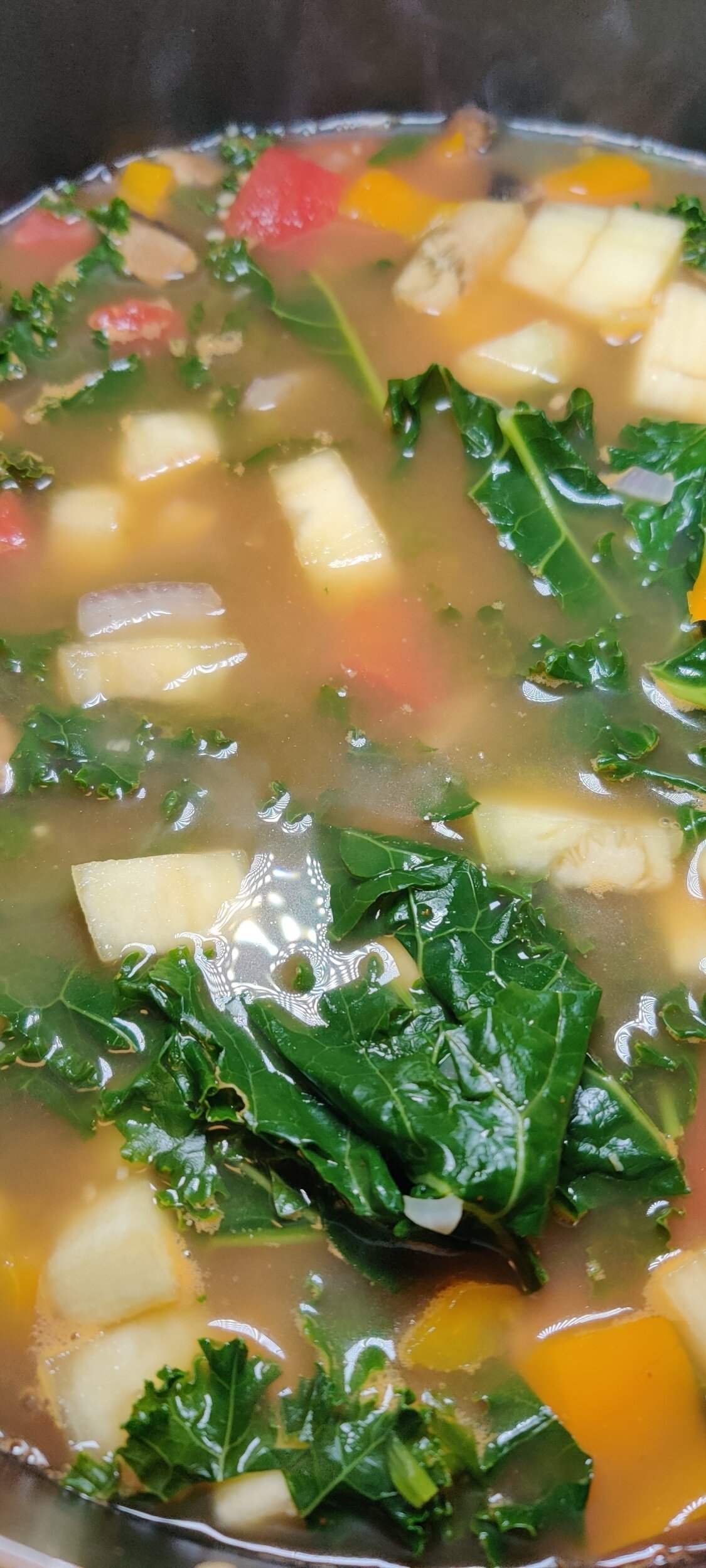
I’ve taken that foundation and turned it into a heartier, stew-like version by adding peanut butter, yam, mushrooms, and eggplant for extra richness. This version leans into bold spices and a creamy texture, making it filling enough to enjoy as a main dish.
While this stew draws heavily from Sukuma Wiki, I was also inspired by other traditions across the continent. In Zimbabwe, pumpkin leaves (muboora) are cooked with peanut butter to create a deeply savory side or main. They’re often overlooked, but when cooked right, they're just as good as kale or collard greens. Since I’m currently in the United States, I’ve used kale (muriwo) as a substitute, it’s readily available and holds up beautifully in stews.
In Rwanda, a dish called isombe uses ground cassava leaves stewed in a similar way, often served with plantains and, of course, chapati, my favorite flatbread of all time.
I’ve paired this stew with East African chapati, which is soft, flaky, and layered. It’s made differently from Indian chapati, using a coiled rolling technique that creates those signature flaky layers. You can find my chapati recipe [here] if you’d like to make it from scratch.
This dish is warm, deeply nourishing, and full of flavor. It’s a beautiful mix of traditions and ingredients that come together to celebrate African cooking in a way that’s comforting and easy to recreate at home.
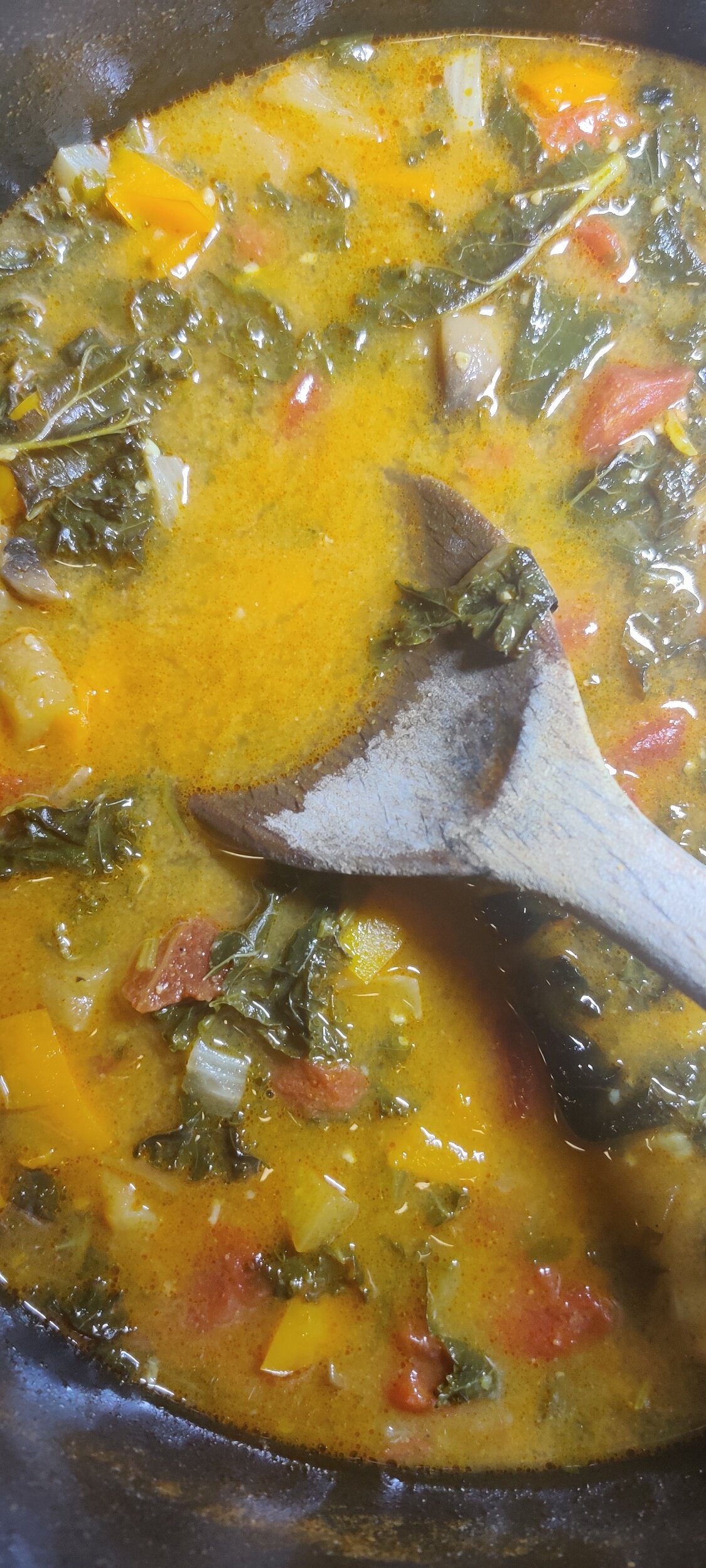
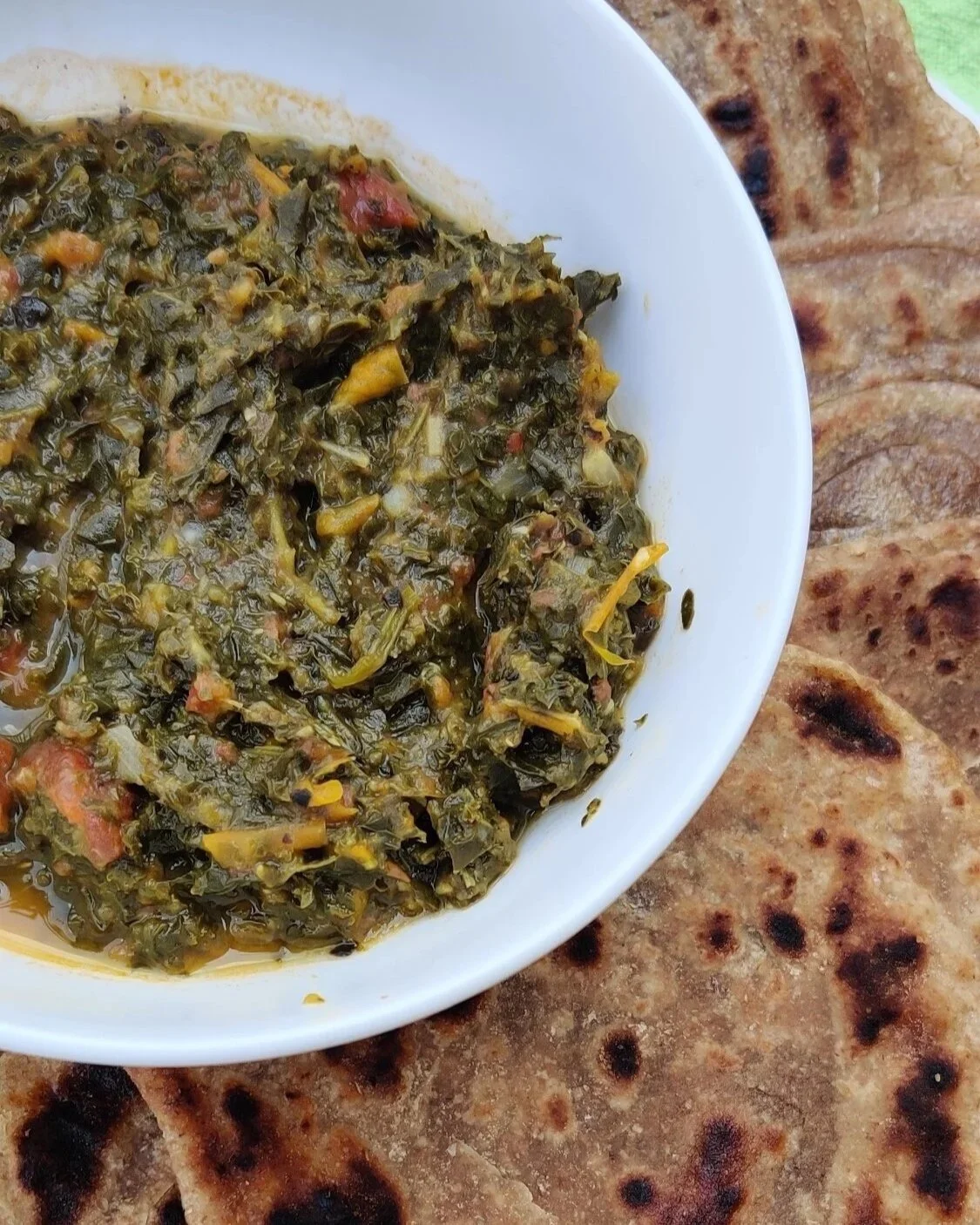
East African Mashed Kale Stew (Sukuma Wiki) with Chapati
A hearty, comforting East African-inspired kale stew packed with vegetables, spices, and richness from peanut butter. Serve with chapati for a complete meal.
Ingredients
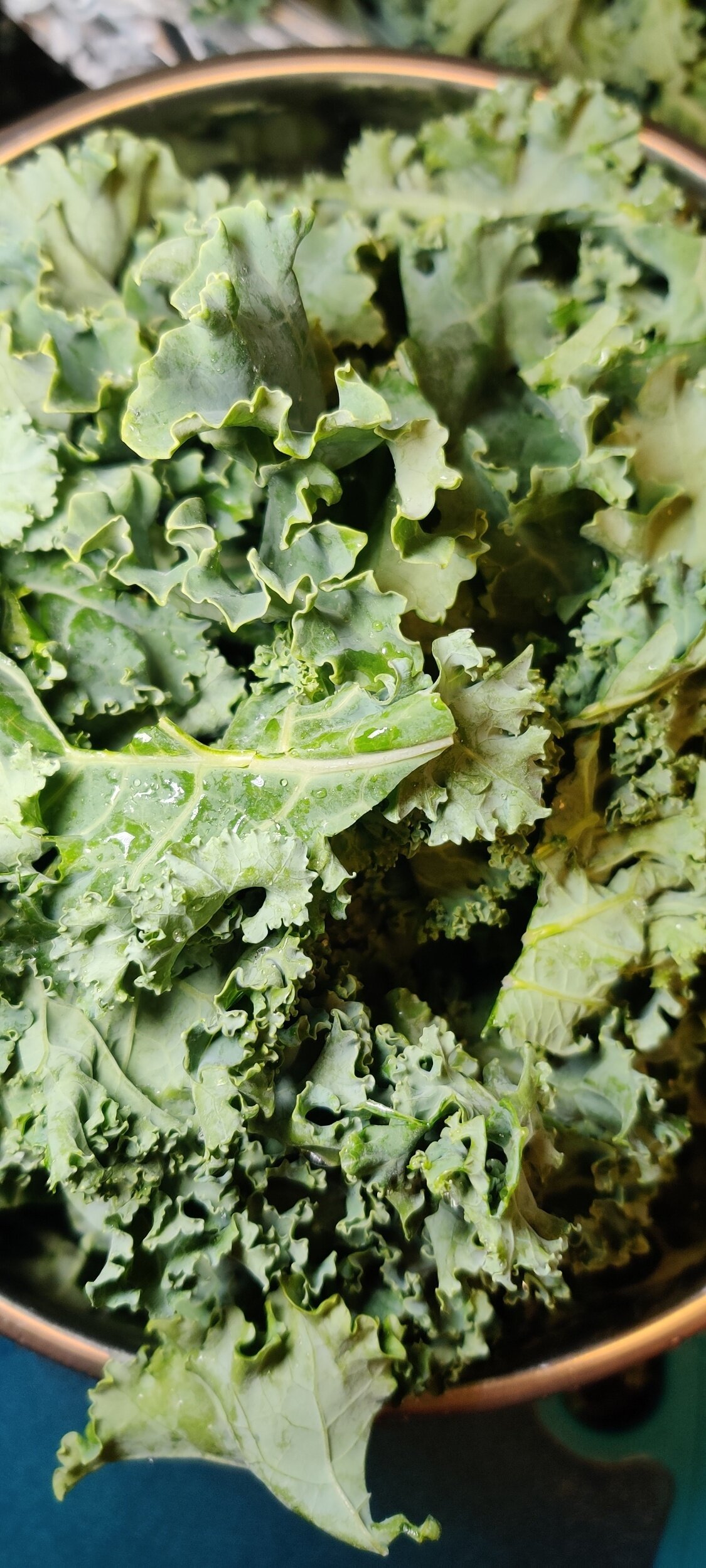
- 1 pound kale, chopped
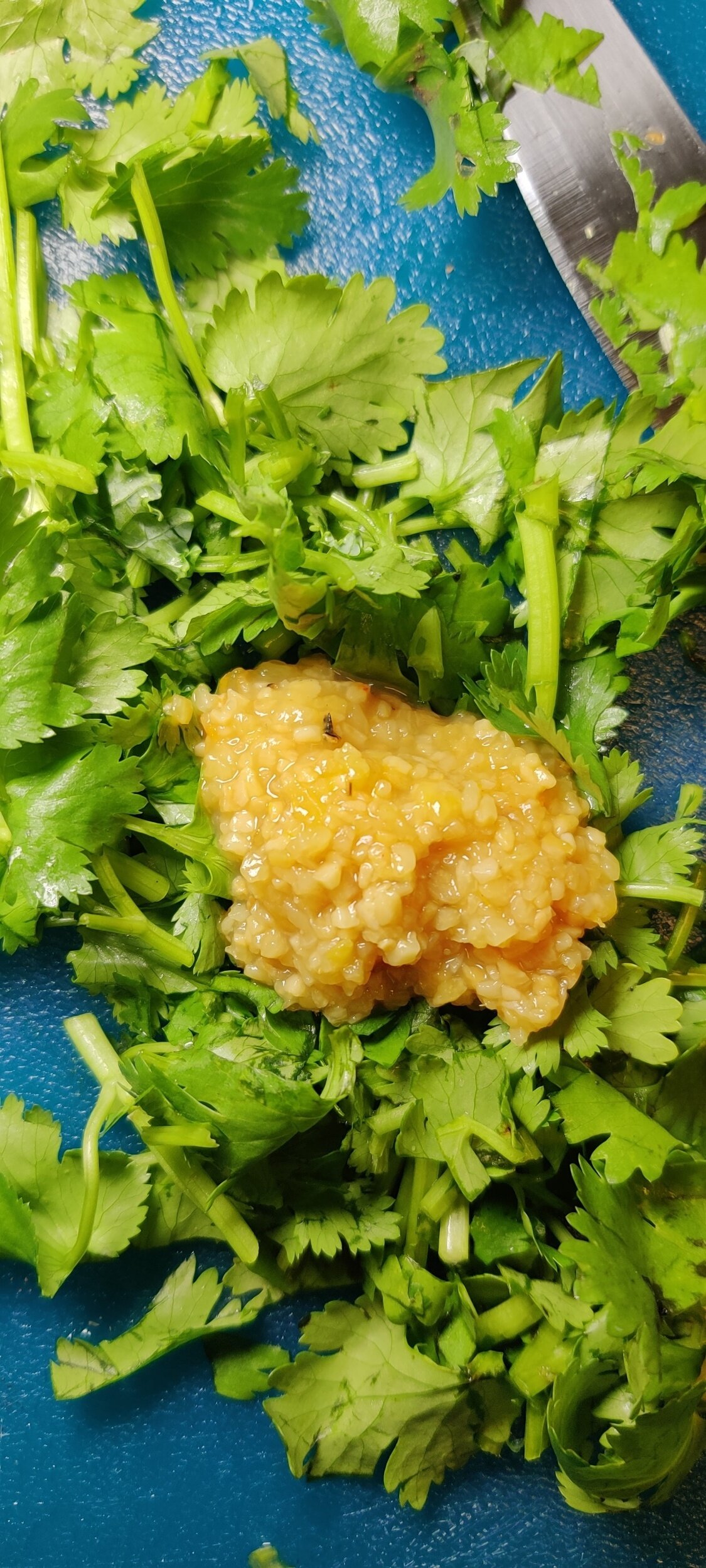
- 2 tablespoons garlic, minced
- ¼ cup fresh parsley, chopped
- ½ large eggplant, chopped
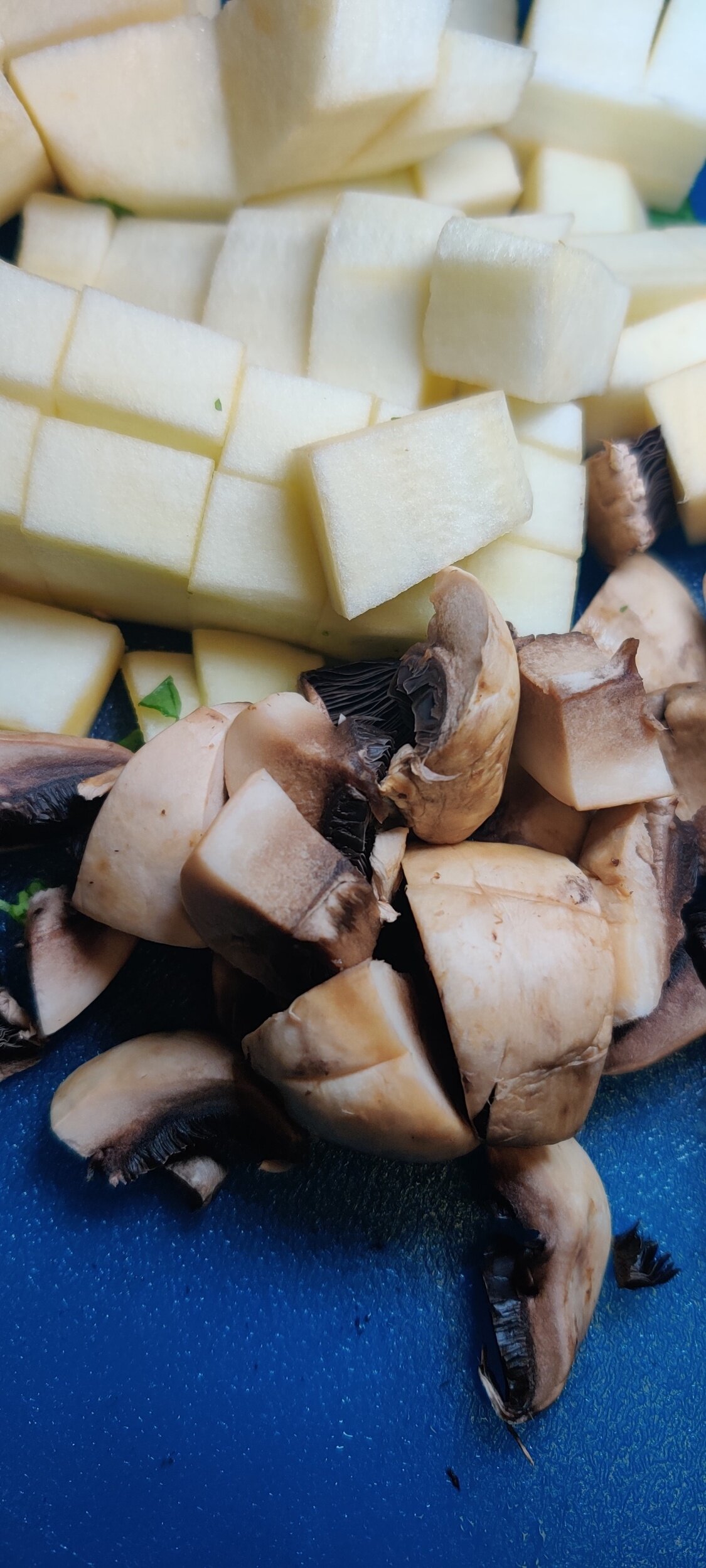
- ½ cup mushrooms, chopped
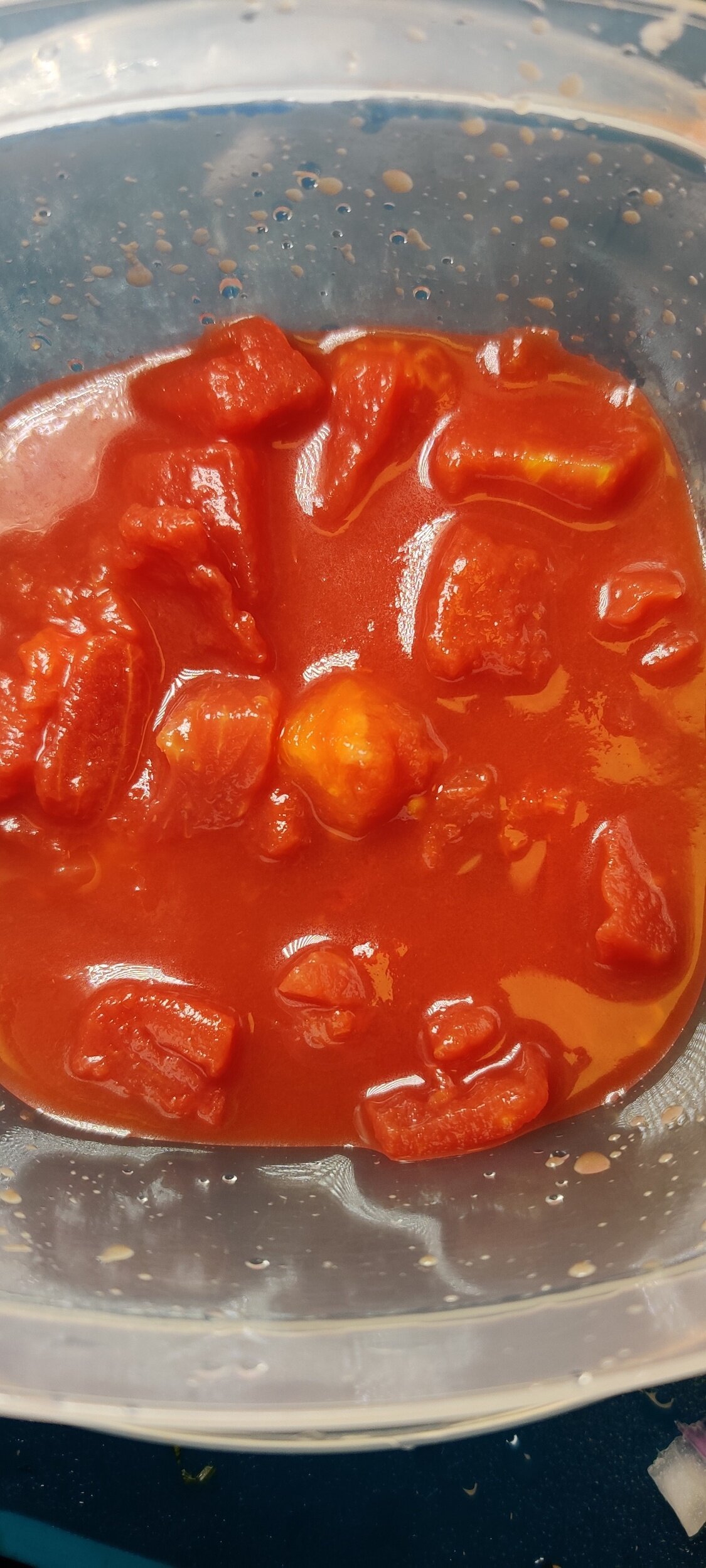
- 1 large tomato or 1 (14-ounce) can diced tomatoes
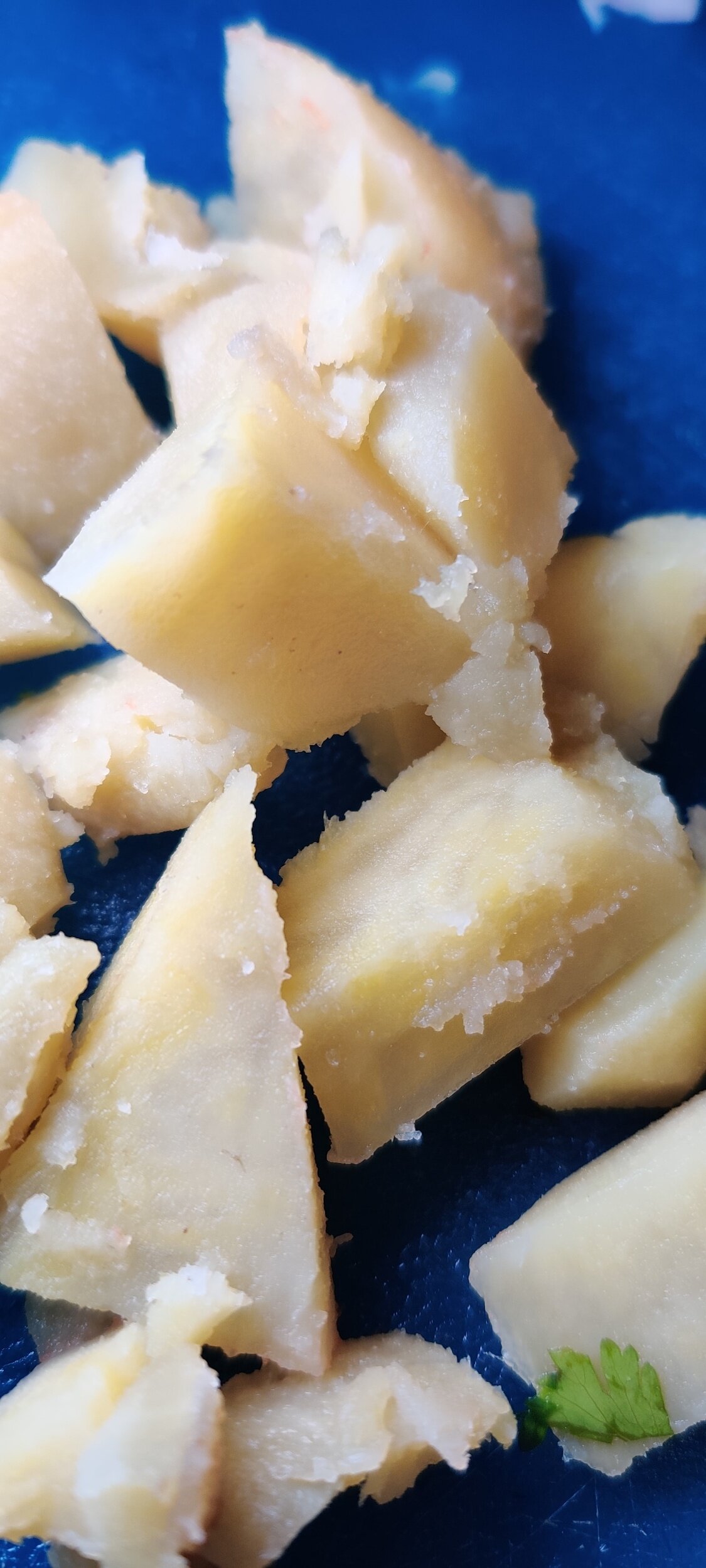
- ½ white-fleshed yam or sweet potato, chopped
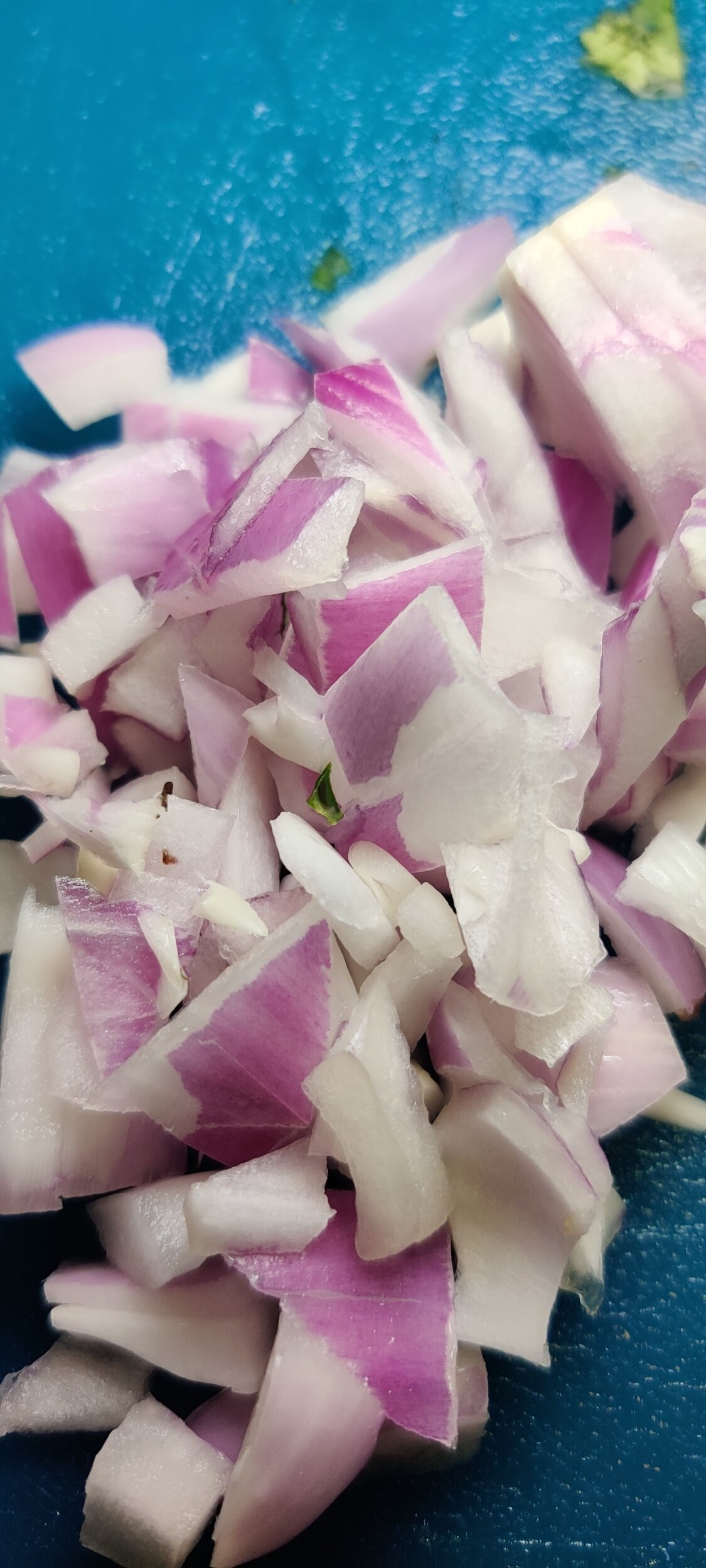
- ½ large onion, chopped
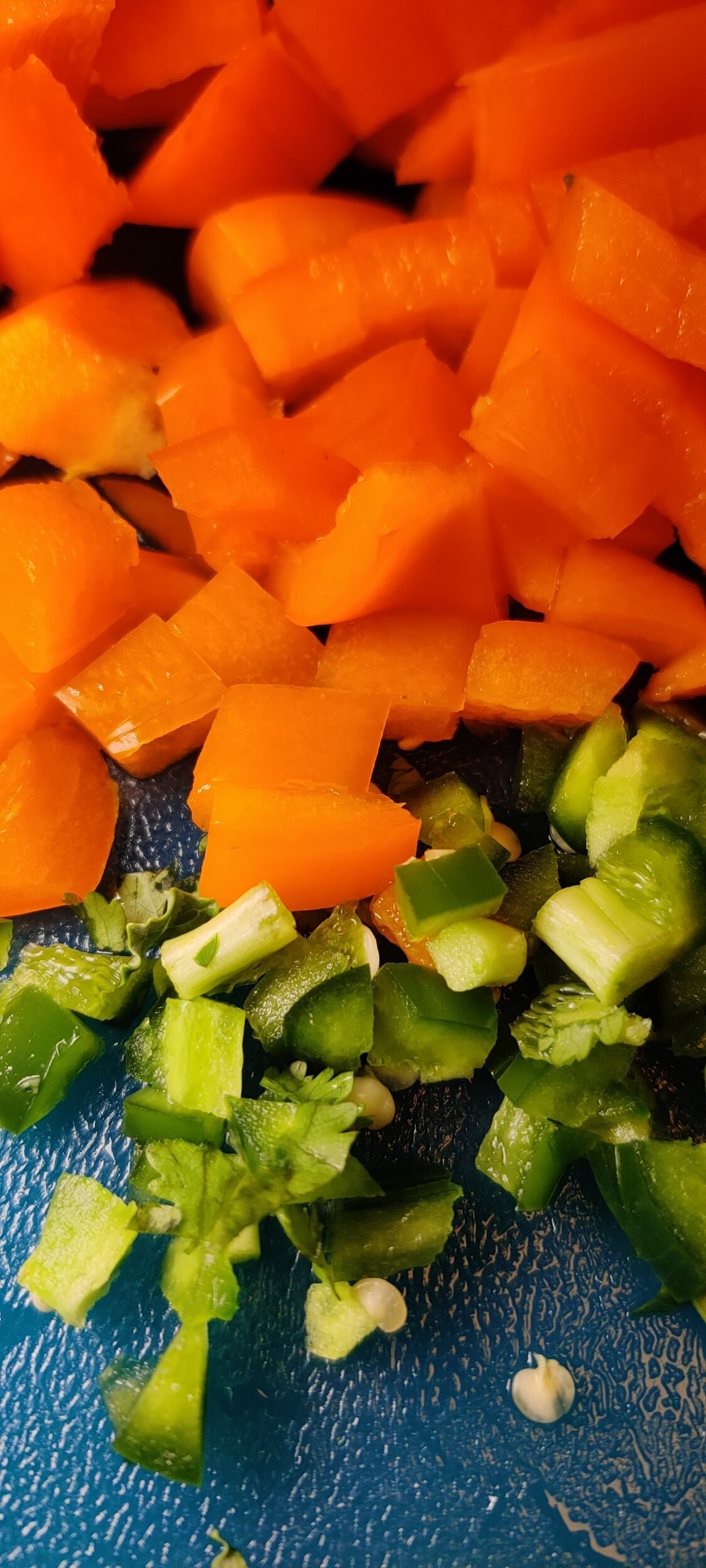
- ½ large bell pepper, chopped
- ½ jalapeño, chopped
- 6 cups beef broth
- 2 vegetable bouillon cubes
- 1 tablespoon salt
- 2 tablespoons black pepper
- 1 tablespoon chili flakes
- ½ cup peanut butter
- 2 cups water
- 2 tablespoons vegetable oil
- 1 teaspoon fenugreek
- 1 teaspoon cumin
- 1 teaspoon coriander
- 1 teaspoon paprika
- 1 teaspoon sugar
- 1 teaspoon fennel
- ¼ cup chopped parsley (for garnish or added at the end)
Instructions
- Heat the vegetable oil in a large pot over medium heat. Add the chopped kale and cook until wilted and the edges begin to crisp slightly.
- Stir in the garlic and parsley. Cook for 2 minutes, until fragrant.
- Add the onion, eggplant, mushrooms, and all the spices (fenugreek, cumin, coriander, paprika, sugar, fennel, salt, pepper, and chili flakes). Sauté for another 2 minutes.
- Add the bell pepper and jalapeño, and cook for 1 more minute.
- Stir in the tomato, yam (or sweet potato), bouillon cubes, water, and beef broth.
- Reduce the heat to low, cover, and let the stew simmer for about 35 minutes. Stir occasionally and add more water if the stew becomes too thick.
- Once the vegetables are soft and the flavors are well developed, stir in the peanut butter and simmer for 5 more minutes. Taste and adjust seasoning as needed.
- Serve hot, ideally with freshly made chapati or another flatbread.
Notes
Tips:
- The richer your broth, the more flavorful the stew will be. Homemade stock or beef bone broth adds incredible depth.
- While traditionally made with beef broth, this stew can easily be made vegetarian or vegan by using a well-seasoned vegetable broth.
- You can also blend part of the stew for a smoother texture or leave it chunky, depending on your preference.
I am not a certified nutritionist and any nutritional information on dontmissmyplate.com should only be used as a general guideline.

How to Make East African Chapati – Step-by-Step Recipe
Chapati is one of the most beloved and widely eaten flatbreads in East Africa. Popular in countries like Kenya, Uganda, and Tanzania, it’s a staple at family dinners, street food stalls, and festive gatherings. While chapati originated from the Indian subcontinent and was introduced to Africa through trade and migration, it has evolved into a distinct East African version that is softer, flakier, and richer than its Indian counterpart.
What sets East African chapati apart is the generous use of oil or ghee in both the dough and the cooking process. This gives the bread its signature soft texture and golden, flaky layers. When made well, chapati is slightly crisp on the outside, soft and chewy on the inside, and perfectly seasoned with just the right amount of salt and fat.
In many African homes, bread is more than just food. It plays an important cultural role at the table and is often shared during meals as a symbol of hospitality. Chapati in particular is used to scoop up stews, beans, or vegetables, making it an essential part of everyday meals and celebrations. For many, learning to make chapati from scratch is a family tradition passed down through generations.
I originally created this recipe to pair with a mashed kale stew, but it's incredibly versatile. Chapati is also perfect with curries, lentils, grilled meats, or simply served as a side with a variety of other dishes.
If you’ve ever ended up with dry or tough chapatis, this recipe offers a few simple but essential tips. Be generous with the oil or ghee, knead the dough thoroughly to build elasticity, and give it time to rest before rolling. For extra flaky layers, try the folding and coiling method described in the recipe. These steps make a big difference in achieving that classic East African chapati texture.
Whether served with sukuma wiki, lentils, or a cup of tea, this chapati brings the flavor and comfort of East African home cooking to your kitchen.
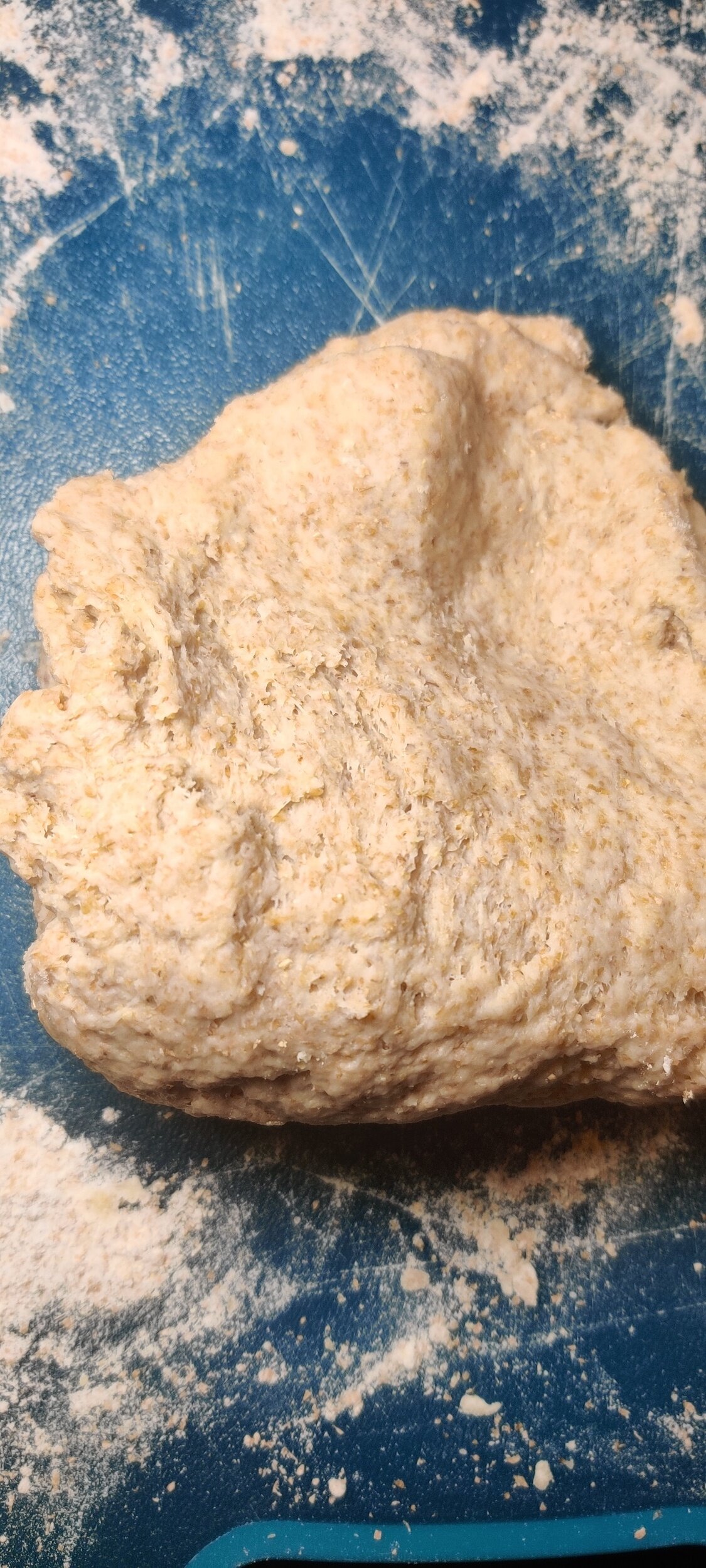


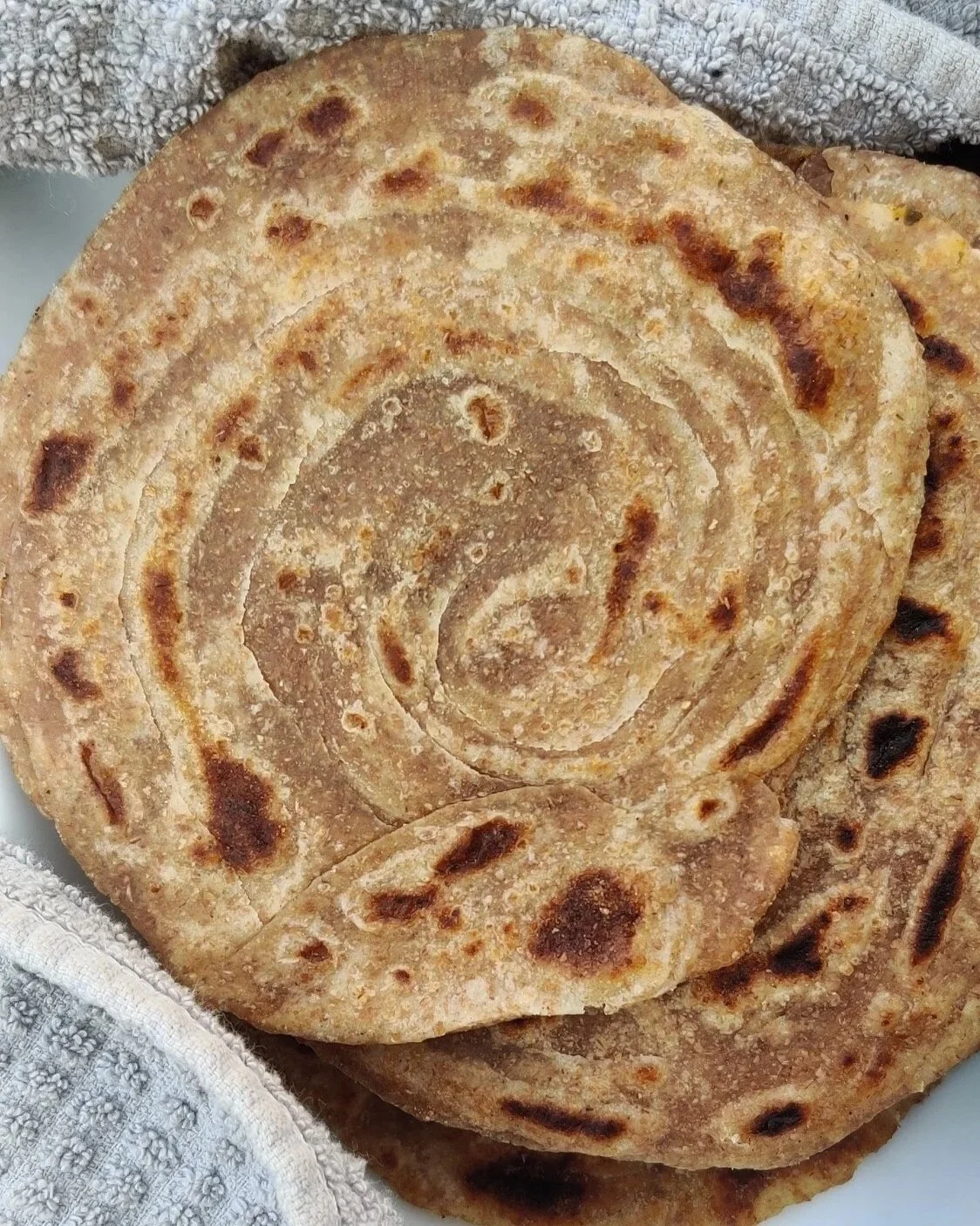
How to Make East African Chapati – Step-by-Step Recipe
A soft, flaky flatbread that's a staple across East Africa. This chapati is easy to make, incredibly versatile, and perfect with stews, curries, or on its own.
Ingredients
- 1 cup whole-wheat flour (you can substitute all-purpose flour if desired)
- 1 cup all-purpose flour, plus extra for dusting
- 1 teaspoon salt
- 2 tablespoons olive oil or ghee, plus extra for brushing
- ¾ cup hot water
Instructions
- In a large bowl, combine the whole-wheat flour, all-purpose flour, and salt.
- Using a wooden spoon or spatula, mix in the oil or ghee. Gradually add the hot water in two parts, mixing until a soft, elastic dough forms. Don’t skimp on the oil or ghee, this helps prevent dry chapatis.
- Turn the dough out onto a lightly floured surface. Knead for about 10 minutes until smooth and pliable.
- Divide the dough into 8 to 10 equal portions, depending on your preferred chapati size.
- Cover and let rest for 10 minutes.
- On a floured surface, roll out each dough ball into a round shape, similar to a tortilla but slightly thicker.
- Lightly brush each side with oil or ghee, then dip both sides in flour, shaking off any excess.
- Heat a dry, non-stick pan over medium-high heat.
- Place one chapati in the pan and cook for about 30 seconds, or until brown spots begin to form. Flip and cook the other side. Repeat with the remaining dough.
- If you'd like to create distinct layers inside your chapati, follow these extra steps after dividing the dough:
- Take each dough ball and fold it back and forth like a fan or piece of paper.
- Alternatively, roll it up tightly like a carpet.
- Coil the folded dough into a spiral shape (like a cinnamon roll), then cover and let rest under a damp towel for 30 minutes.
- After resting, gently press each dough coil flat and roll it out again into a round shape.
- Lightly brush both sides with oil/ghee, press into flour, and shake off the excess.
- Cook as described above.
Notes
Serving and Storage Tips
- Serve chapatis warm, ideally right off the pan.
- To store, wrap them tightly in foil or a clean cloth to keep them soft and prevent drying out.
I am not a certified nutritionist and any nutritional information on dontmissmyplate.com should only be used as a general guideline.
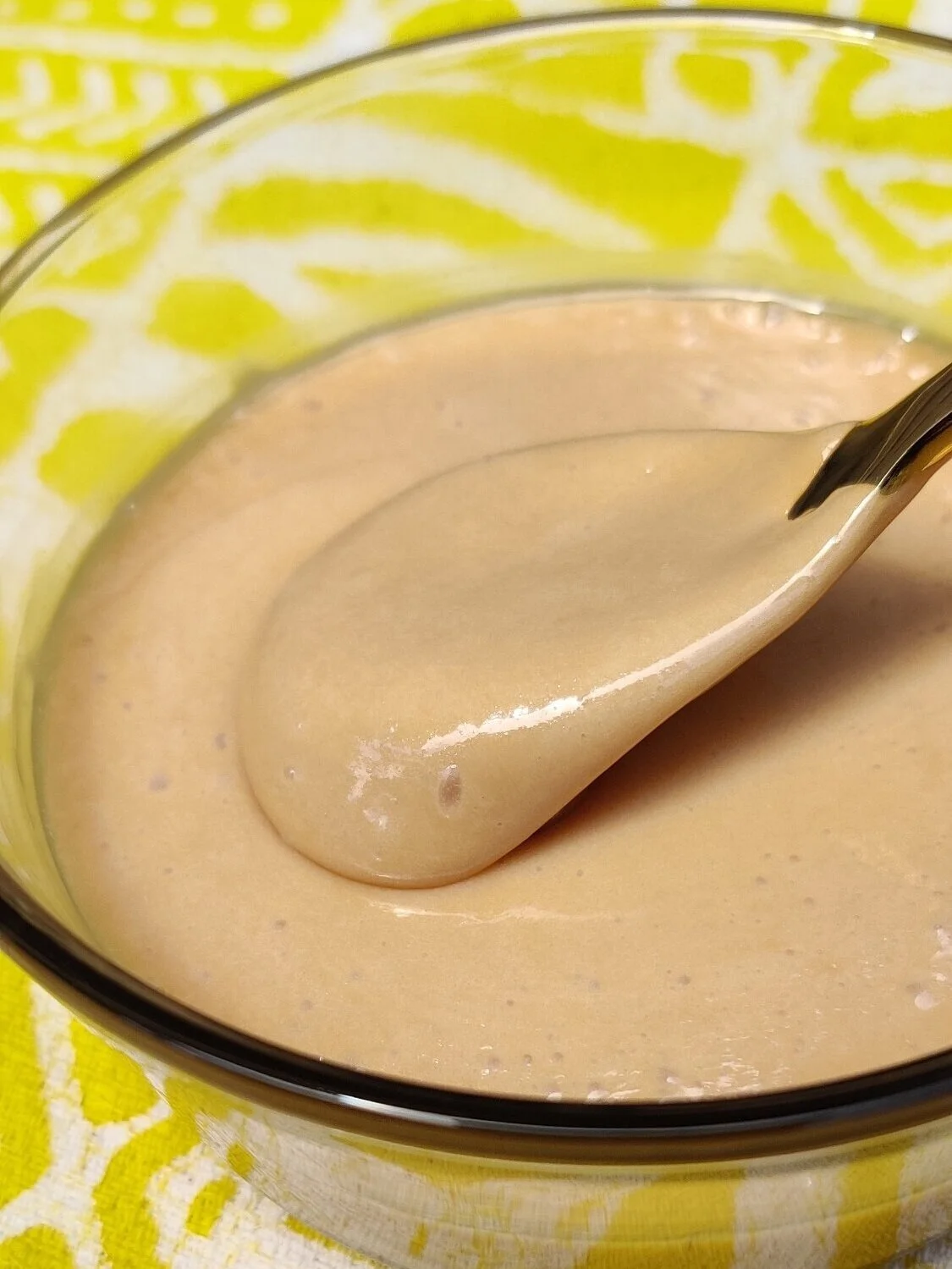
Salted Goat Milk Caramel (Cajeta)
I’m a firm believer that caramel is the best thing ever created.
You can use it as a condiment for your desserts, add it to or on top of cake frosting, or make candy. Most people use cow’s milk for caramel, and you can whip up a delicious vegan version with coconut milk. But how about goat’s milk? It may seem like an unusual choice, but for those of us who grew up drinking it occasionally, it has a unique flavour and tang worth exploring.
You can test it out and try my tiger nut chocolate cake recipe with goat milk cream cheese frosting.
In Mexico, it’s common to make caramel with goat’s milk, and it’s called cajeta. Give it a try!
Ingredients
3/4 cup white sugar
1 cup goat milk
1 1/2 tablespoons butter
2 pinches sea salt crystals
1/2 teaspoon baking soda
1/2 teaspoon vanilla
1/2 teaspoon cinnamon
Instructions
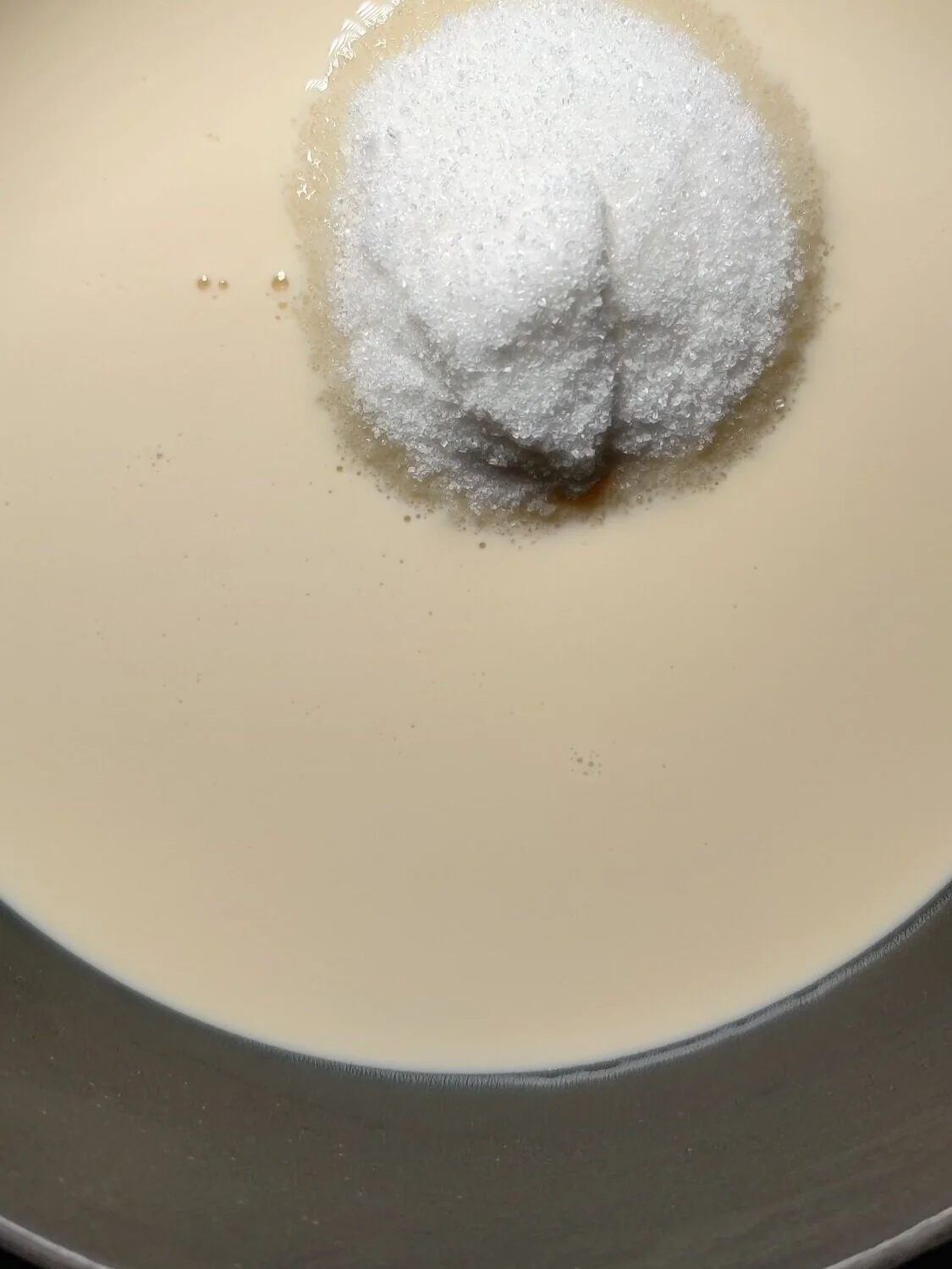
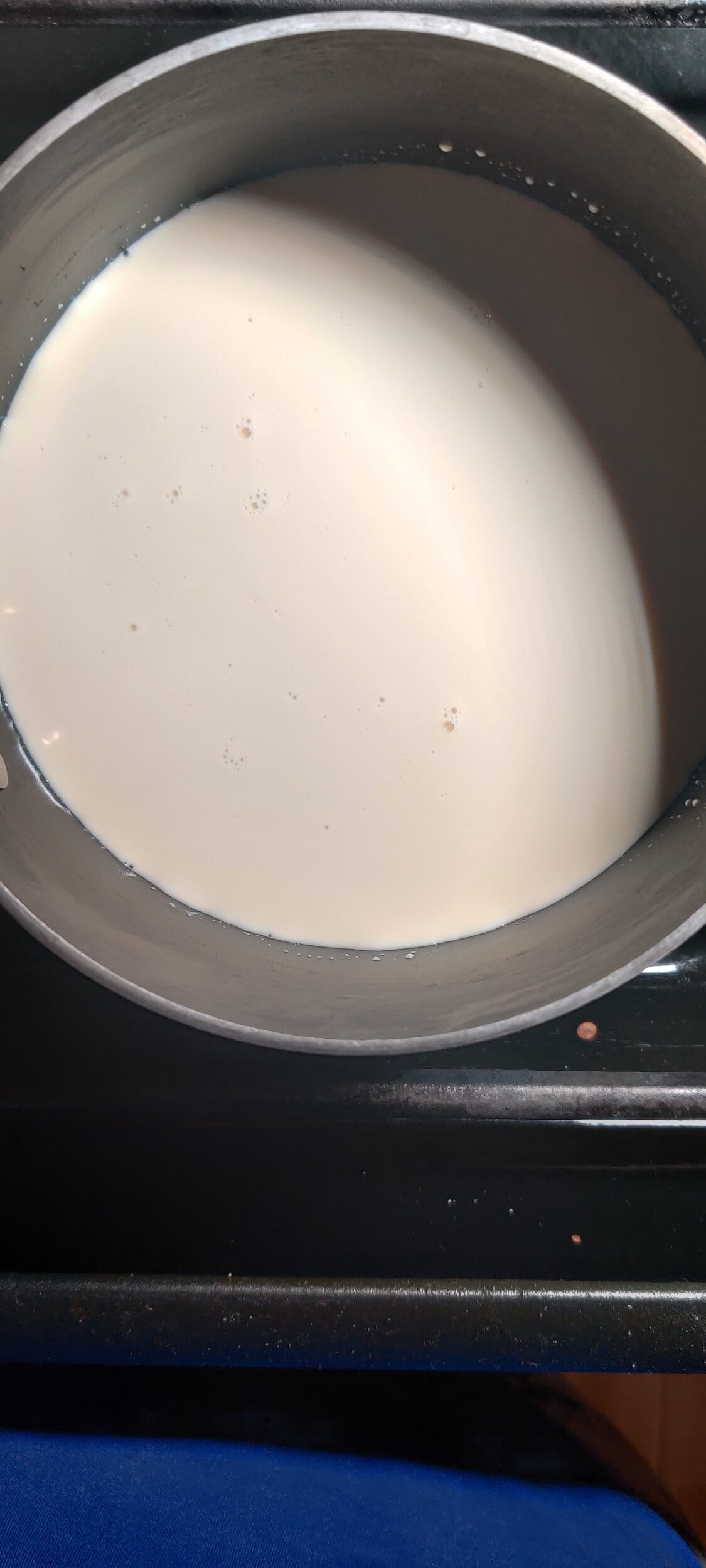
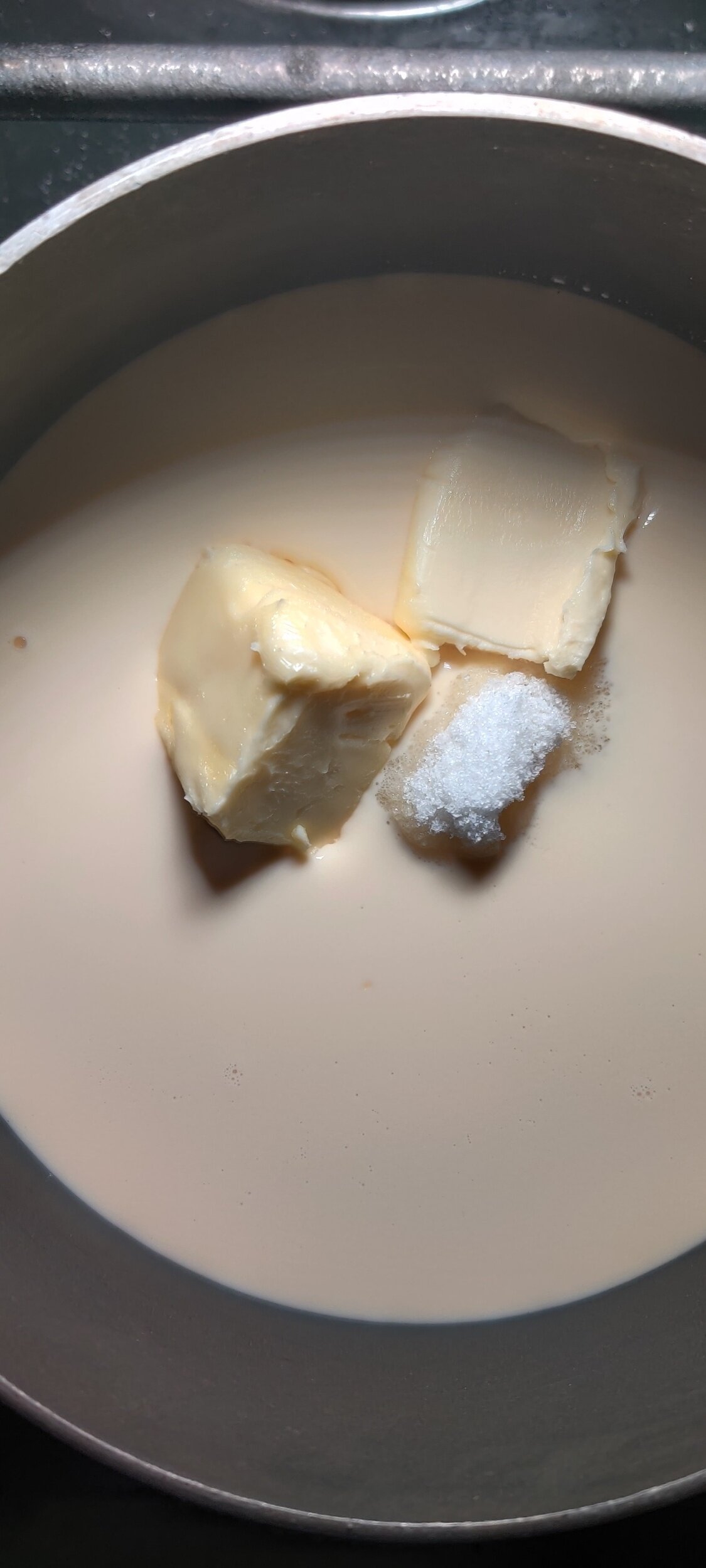
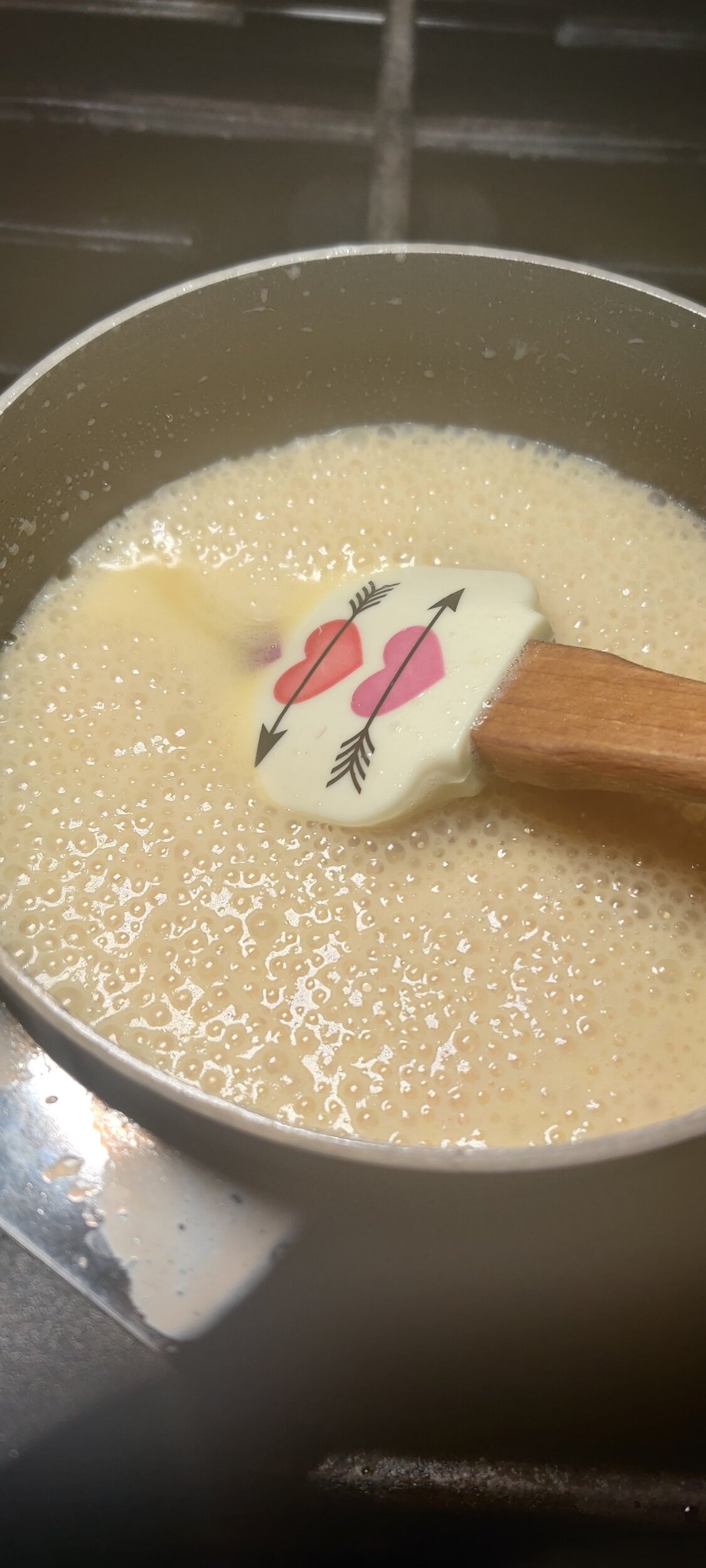
In a medium-sized pot, bring the butter, sugar, and goat milk to a boil.
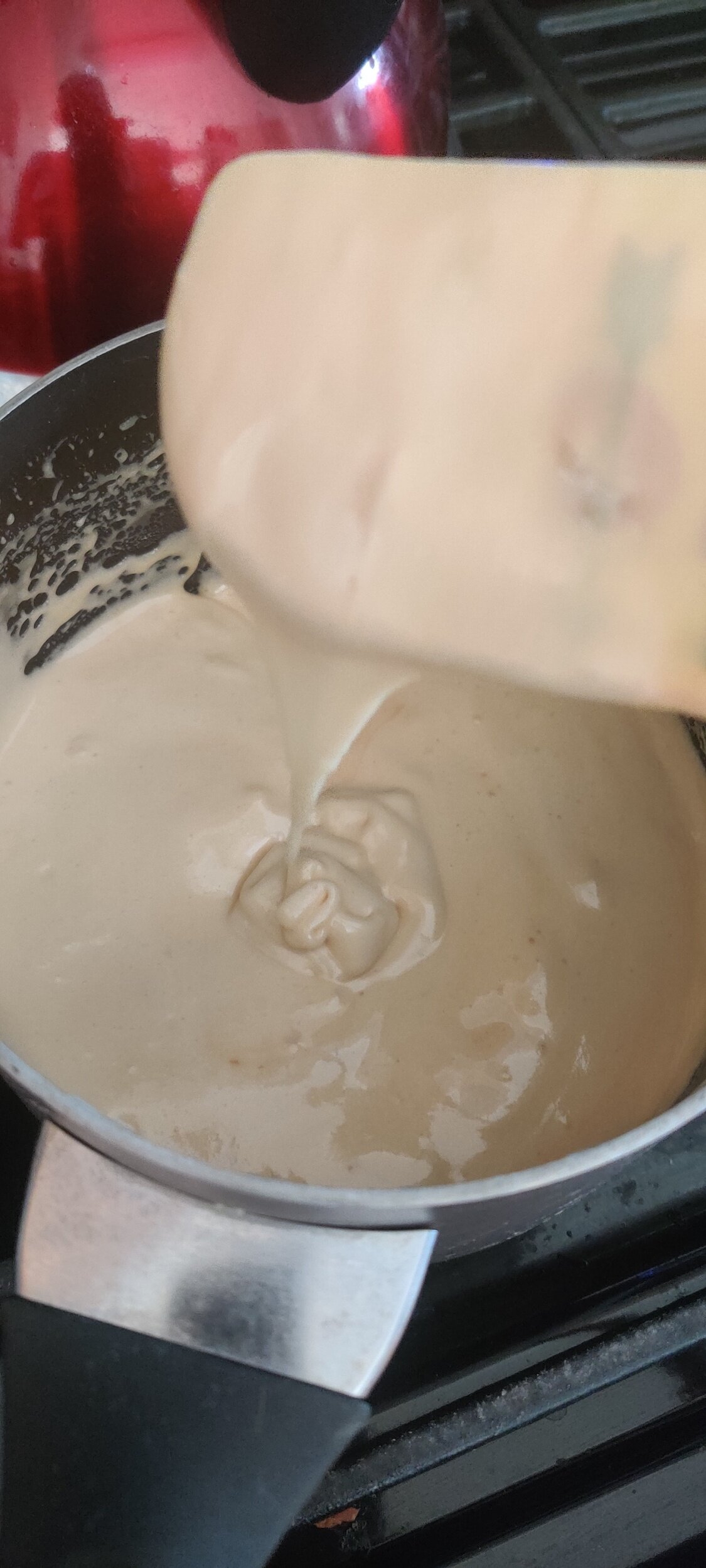
Reduce the heat, then stir frequently for 10 minutes. The caramel will start to thicken.
Allow the caramel to continue to thicken more, and stir frequently for another 10 minutes.
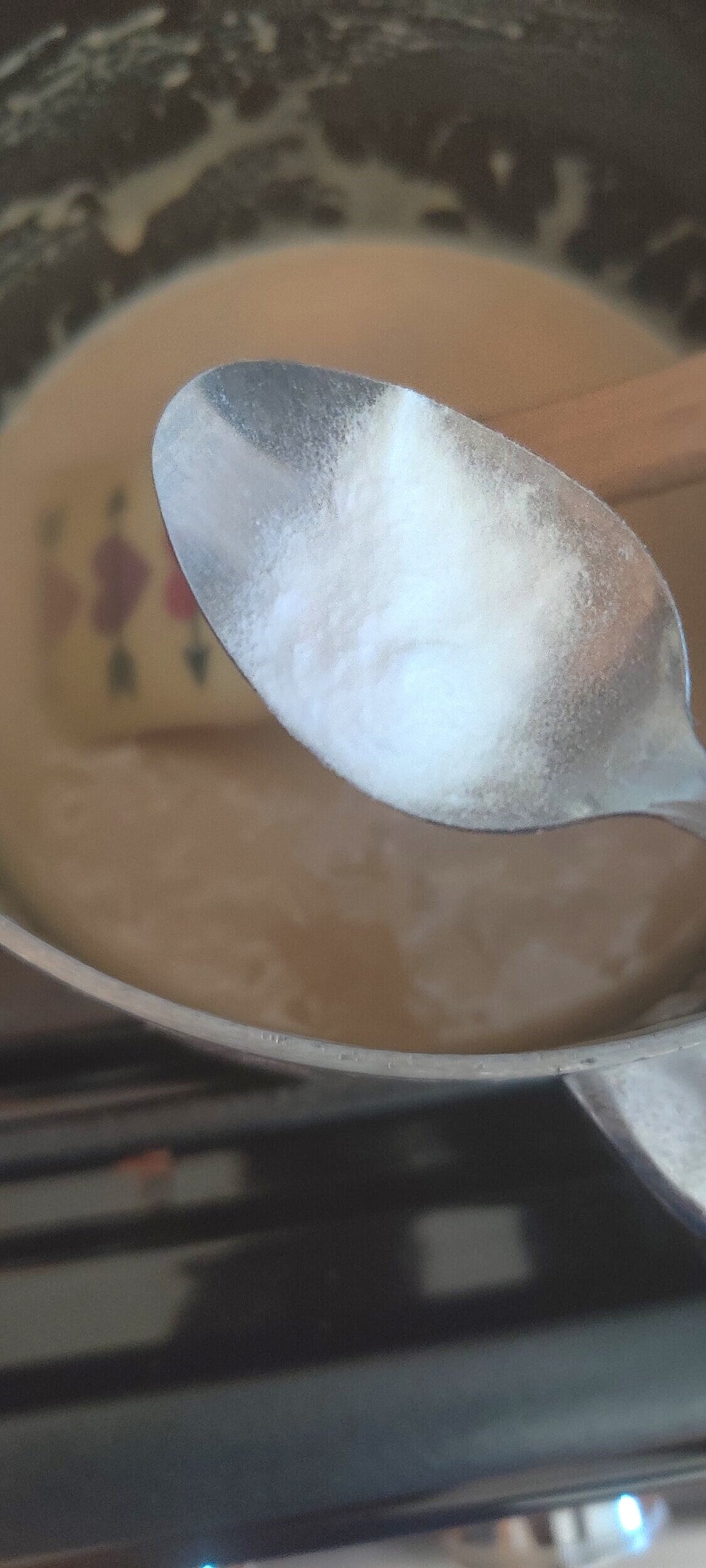
Remove from the stovetop, then stir in the baking soda, salt, and vanilla.
Allow the cajeta to cool, it will eventually darken in colour.
Store in an airtight container and use as needed within 3 months!

Tomato, Thyme and Cheese Galette
Do you need a delicious summertime pie for brunch or dinner? If you are a lover of fresh tomatoes and thyme, this galette is for you! It's an amazing combination of sweet and savoury and perfect on a hot day. The cheese base provides the fat, which the acidity and the tartness from the tomatoes cut through. Then you have the pie crust which offers a crunchy, buttery, flakey texture.
I love this galette pie and hope you will try it! You can serve it as it is or with a small scoop of sour cream.
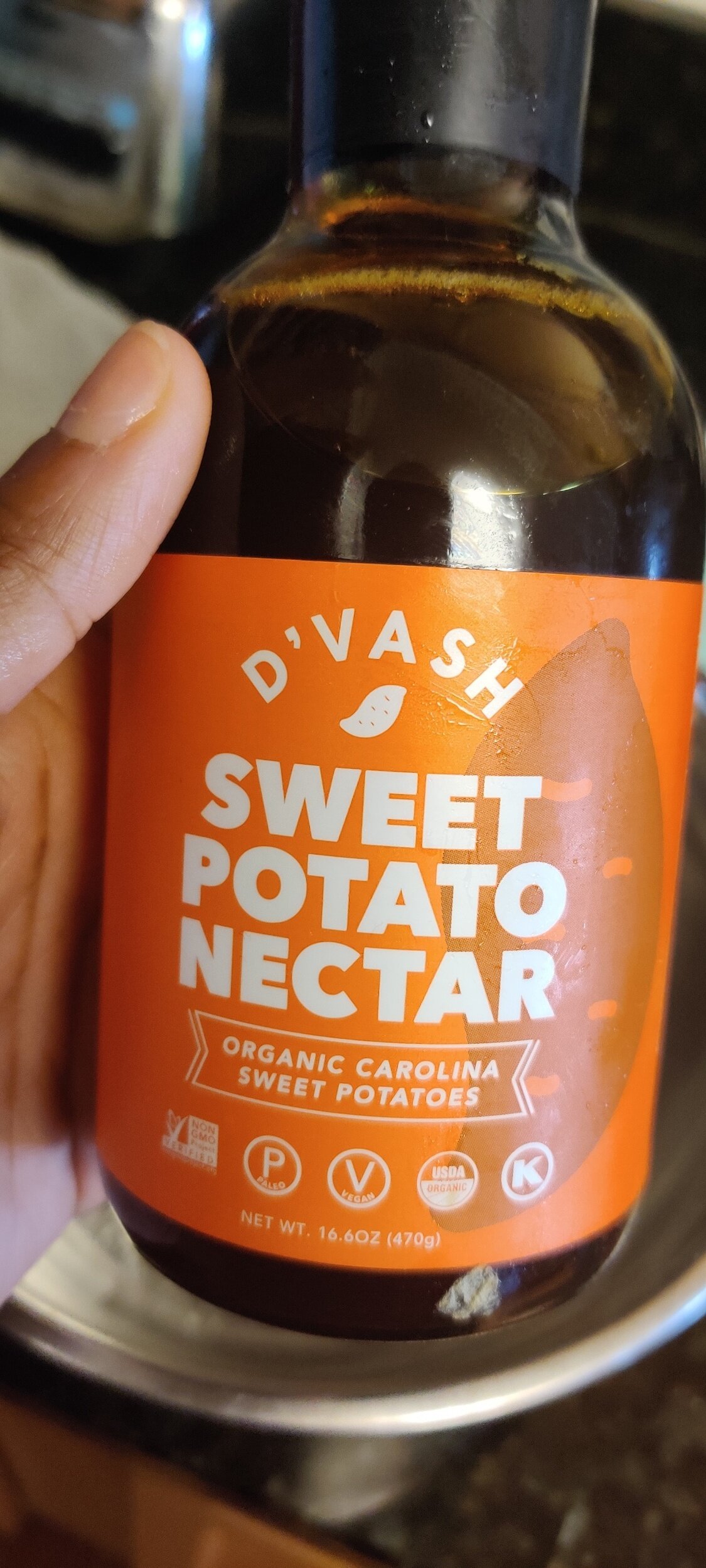
The sweet potato nectar in the marinade adds a subtle sweetness as well as a concentrated, depth of flavour that mingles well with the tomatoes.
The great thing about this free from crust pie is that it doesn't have to be perfect, so have fun with it!
Ingredients
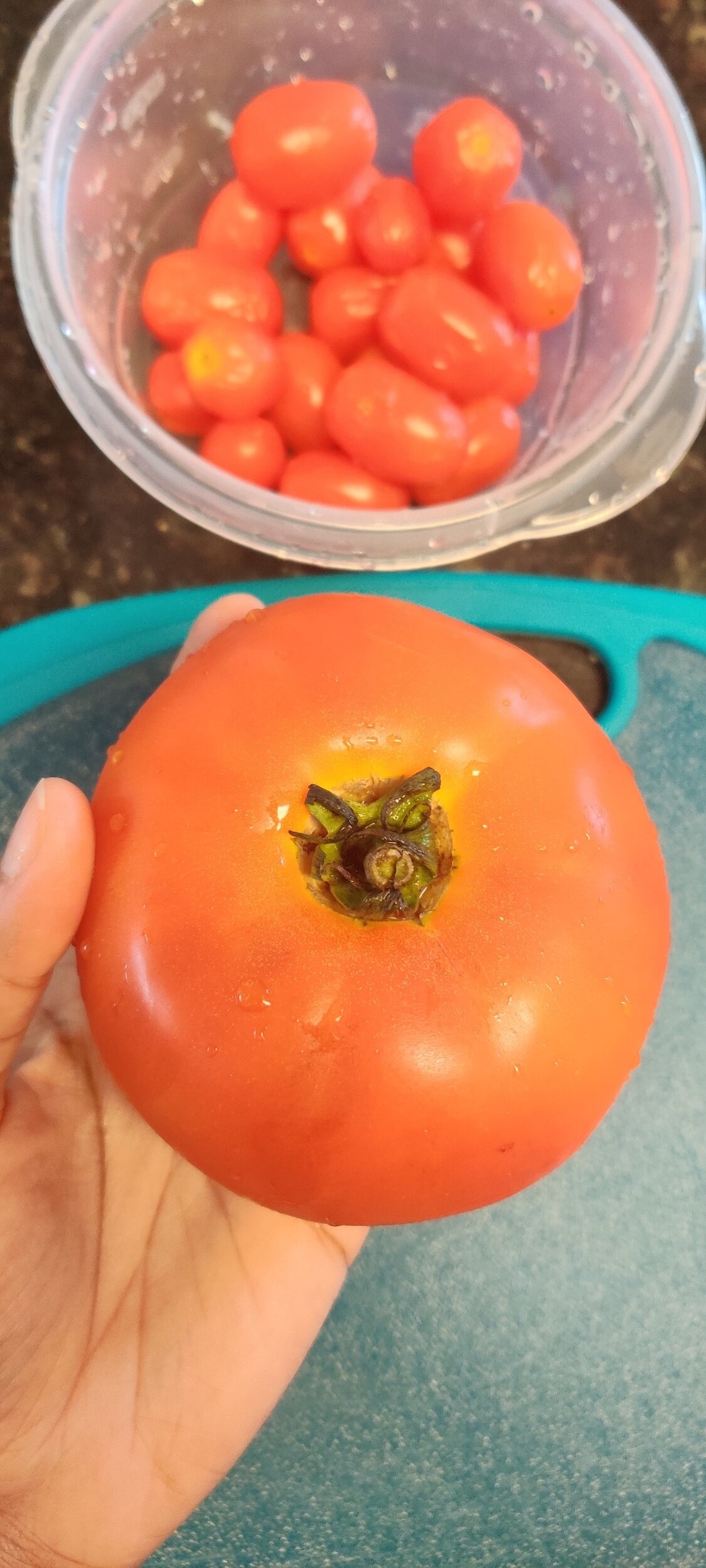
1 large beefsteak tomato
1/4 cup cherry tomatoes
1 tablespoon fresh thyme
1 tablespoon dried thyme
1/4 cup sweet potato nectar (I used D’Vash but you can use another plant-based sweetener)
1 teaspoon salt
1 tablespoon black pepper
1 teaspoon coarsely ground steak seasoning
1 teaspoon chili flakes
1 heaped teaspoon garlic, minced
1 tablespoon Worchester sauce
1 tablespoon olive oil
1 tablespoon smoked paprika
1 teaspoon dried parsley
1 pie crust
1 egg, beaten
Cheese base:
1/8 cup heavy cream
1/3 cup cheddar cheese, grated
1 tablespoon queso fresco, crumbled
1/2 teaspoon fresh thyme
1/2 teaspoon dried thyme
1 teaspoon smoked paprika
1 teaspoon cayenne pepper
1/2 teaspoon salt
1 teaspoon black pepper
1 tablespoon sour cream
Instructions
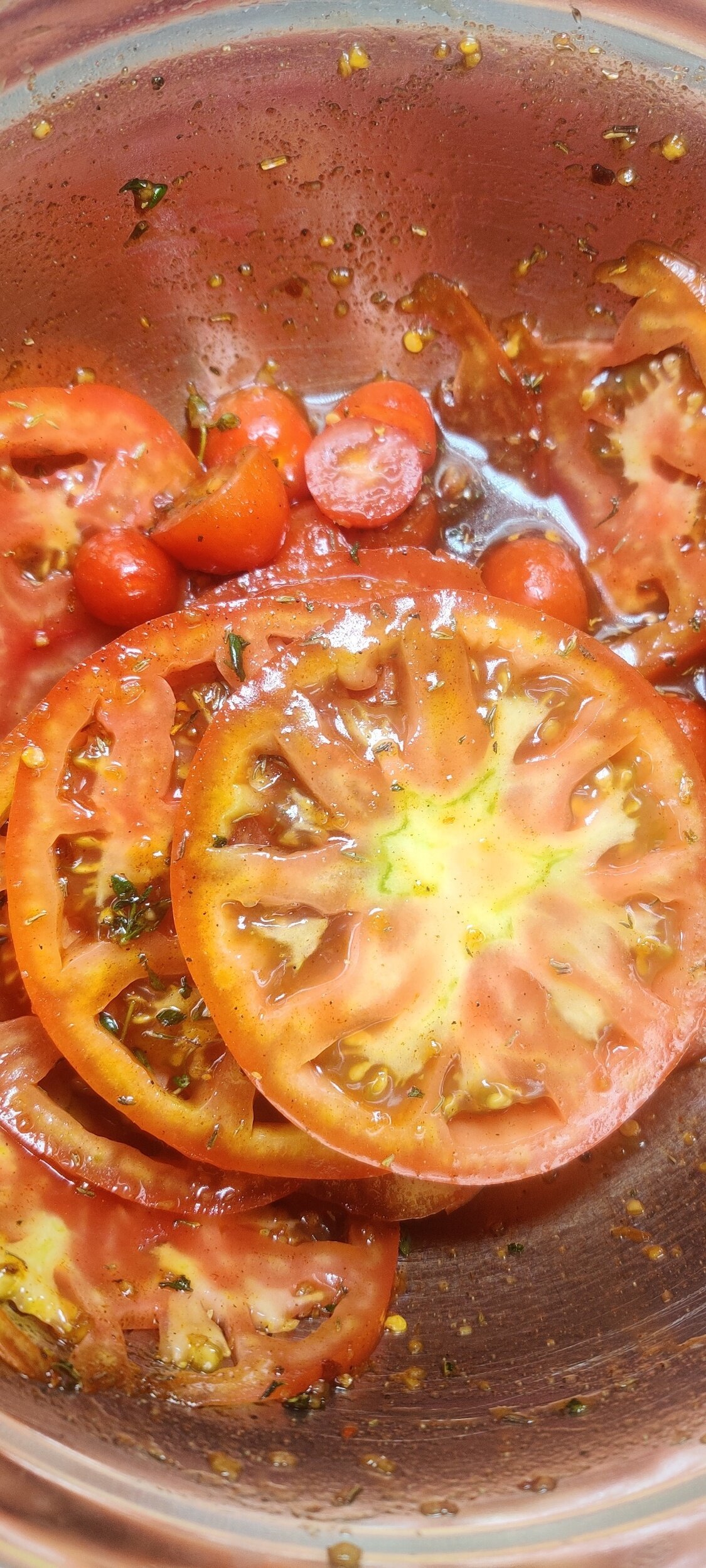
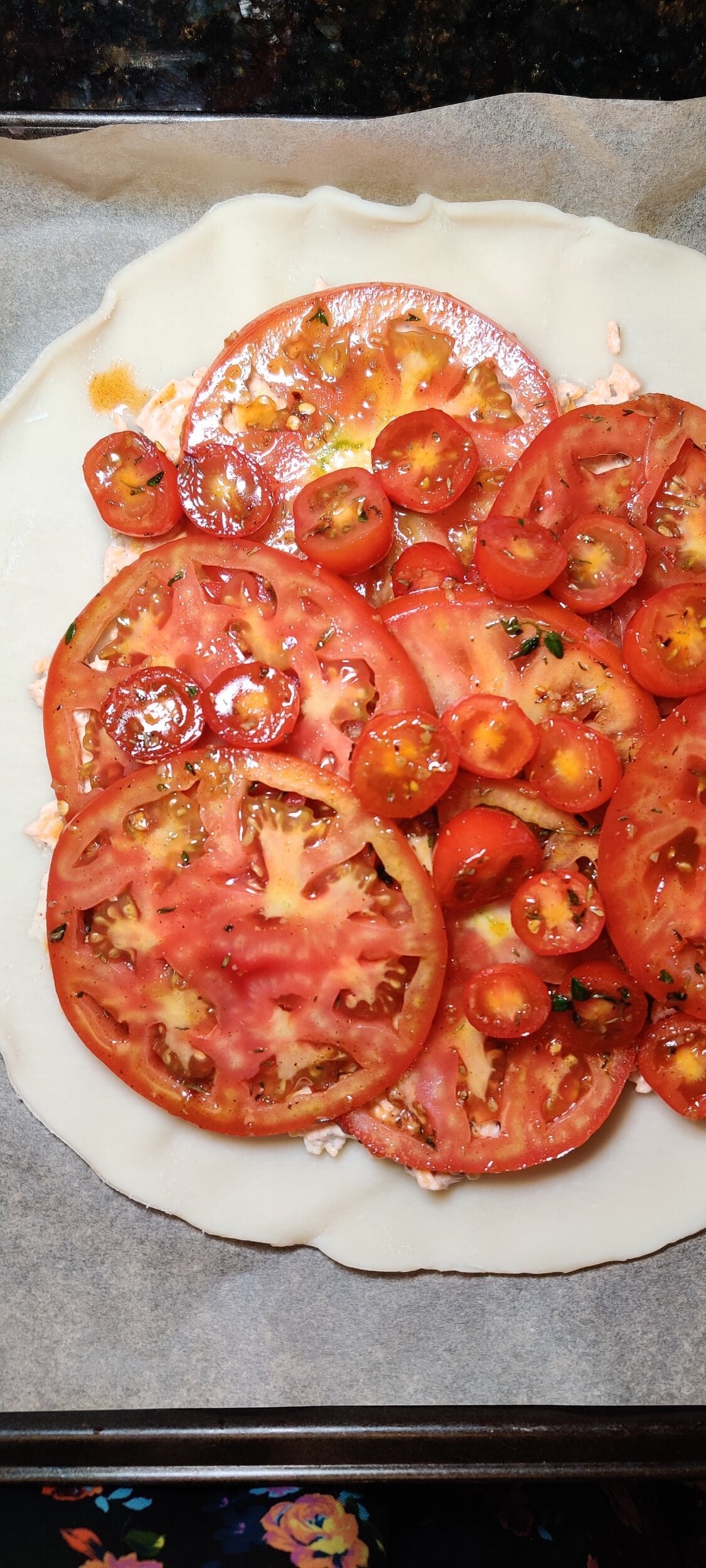
Prepare your tomatoes. Thinly slice the beefsteak tomato and slice the cherry tomatoes in half.
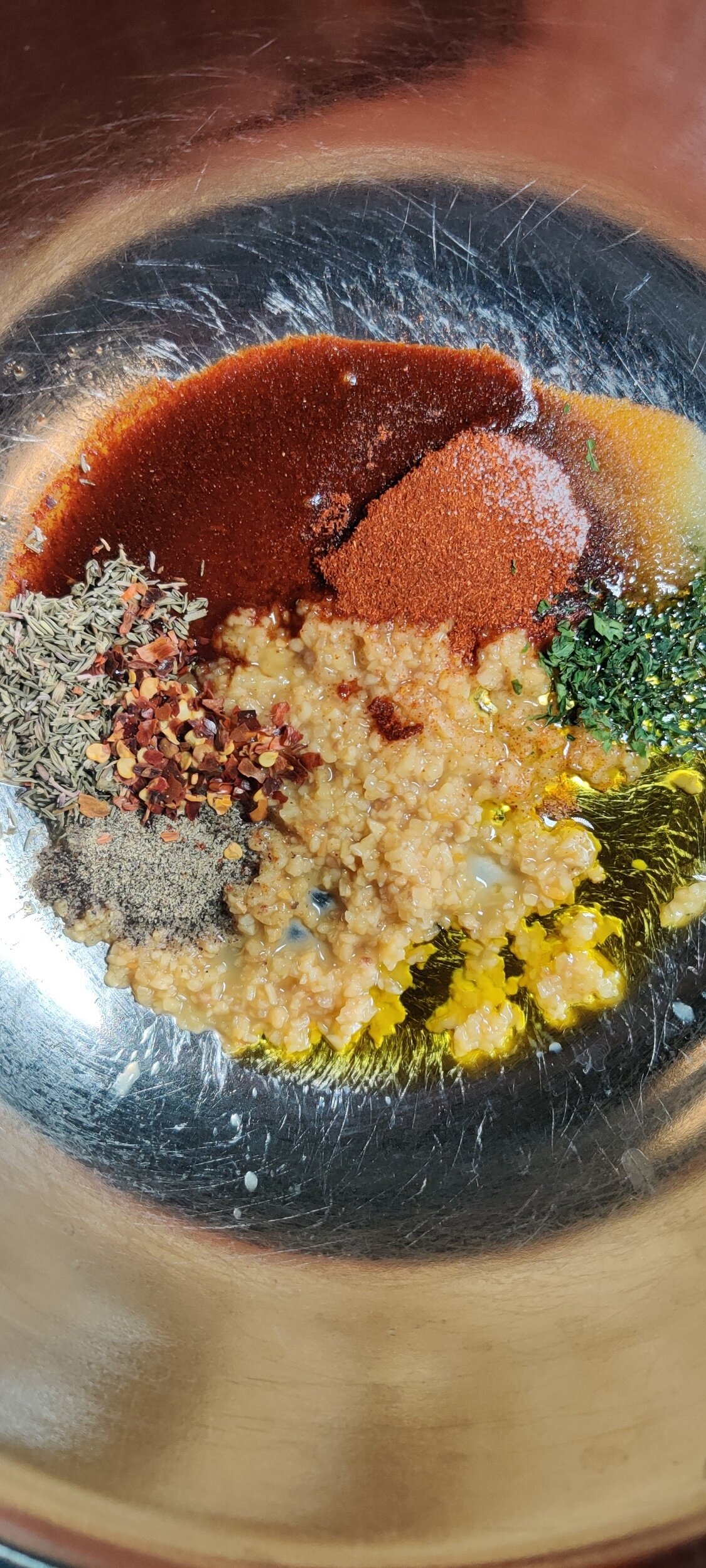
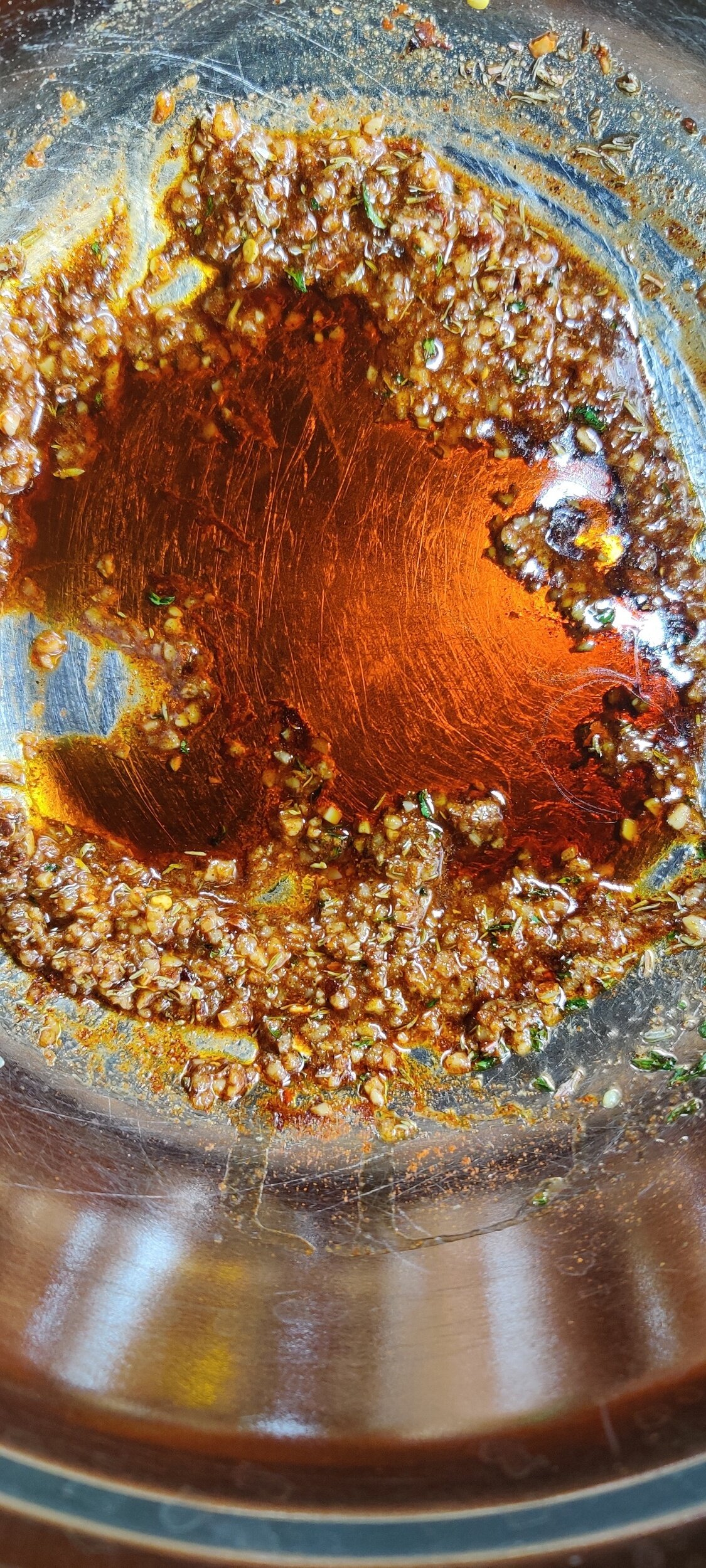
Make the marinade. Whisk together the olive oil, garlic, paprika, salt, pepper, Worchester, sweet potato nectar, chilli flakes, and thyme in a bowl. Place the tomatoes in the bowl and gently mix until all are coated evenly. Set aside.
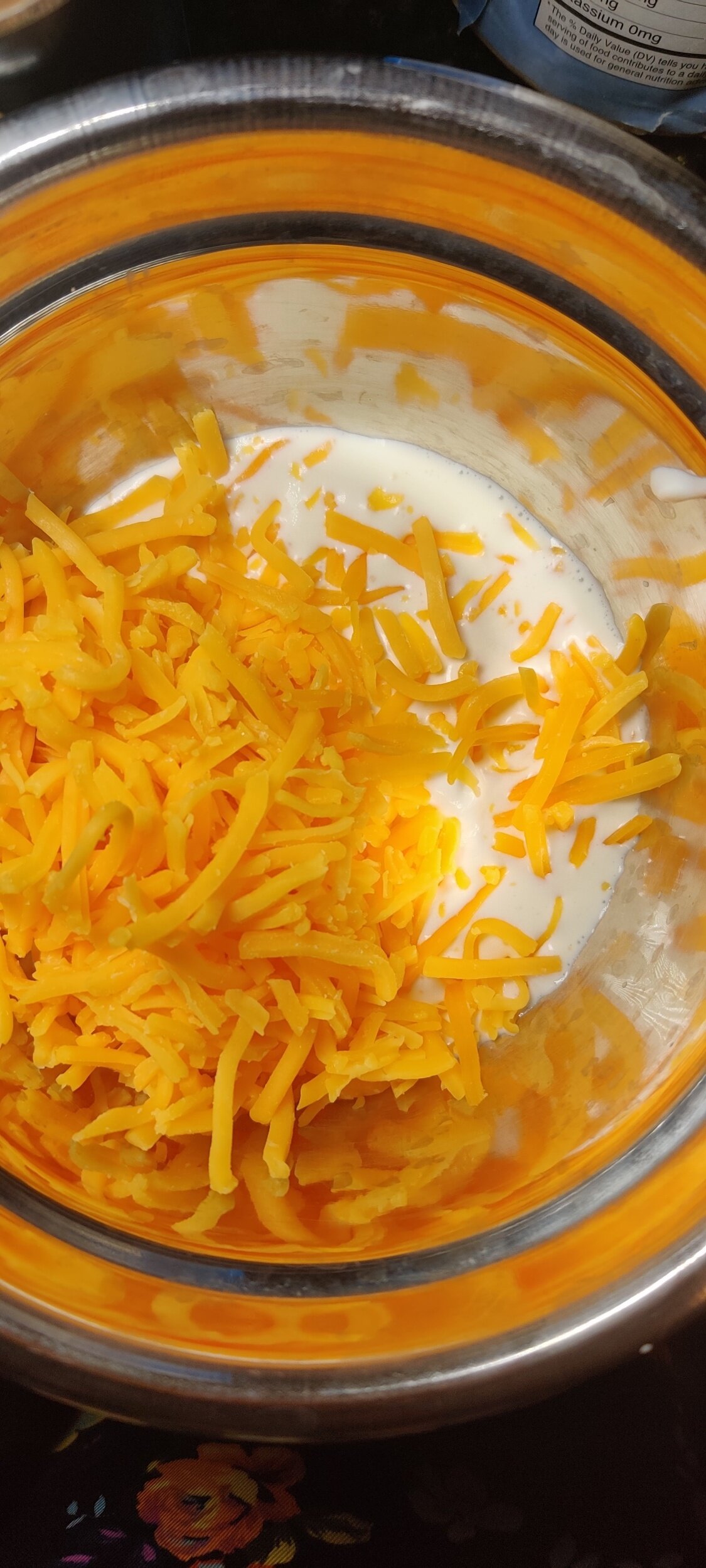
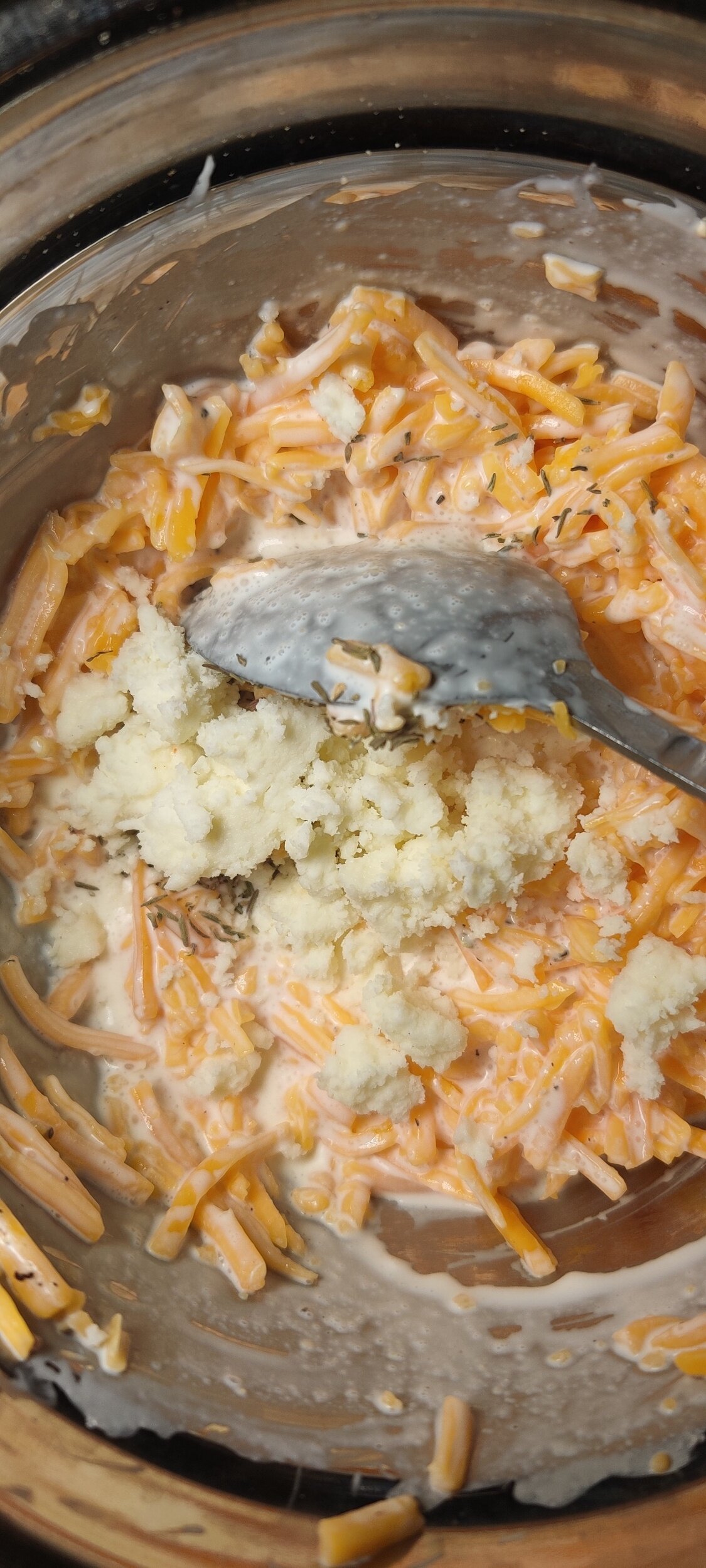
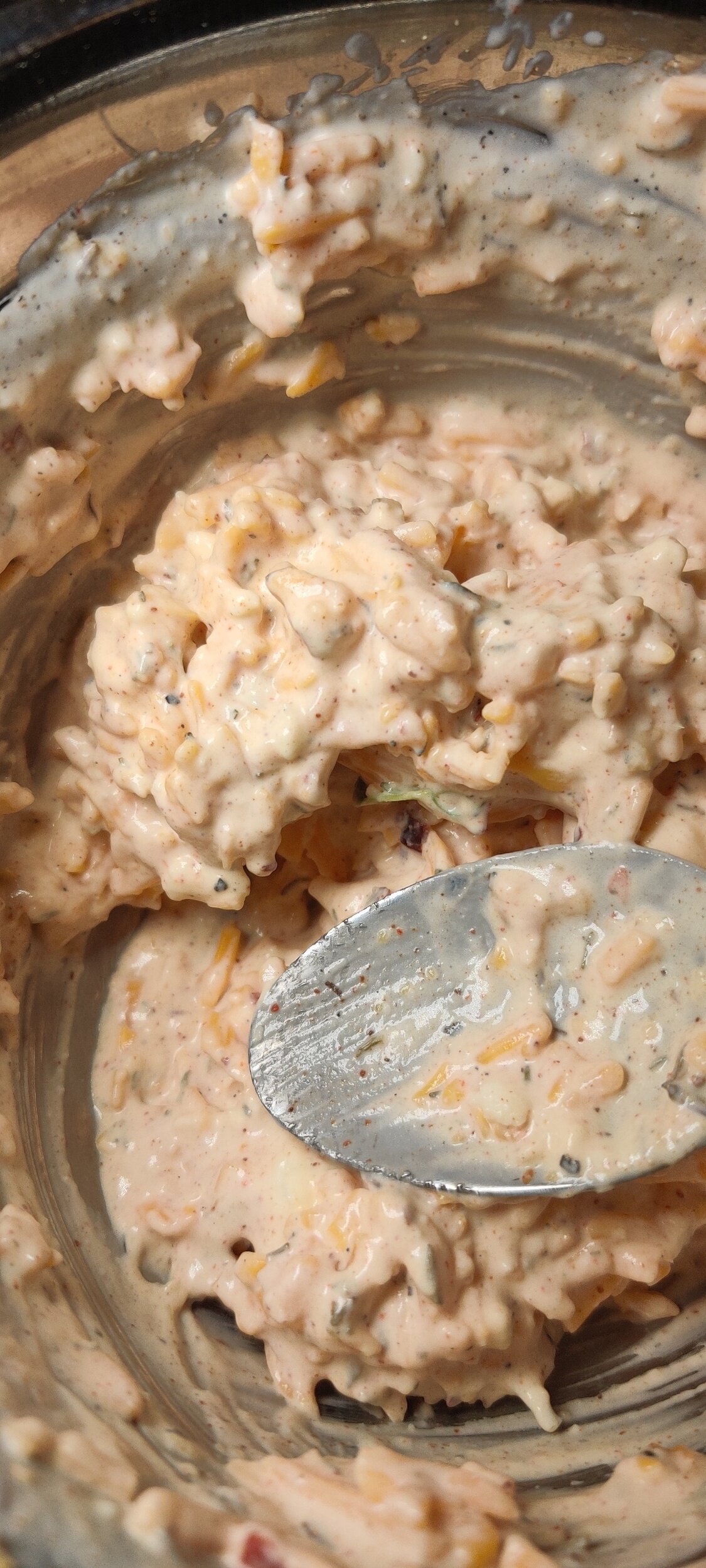
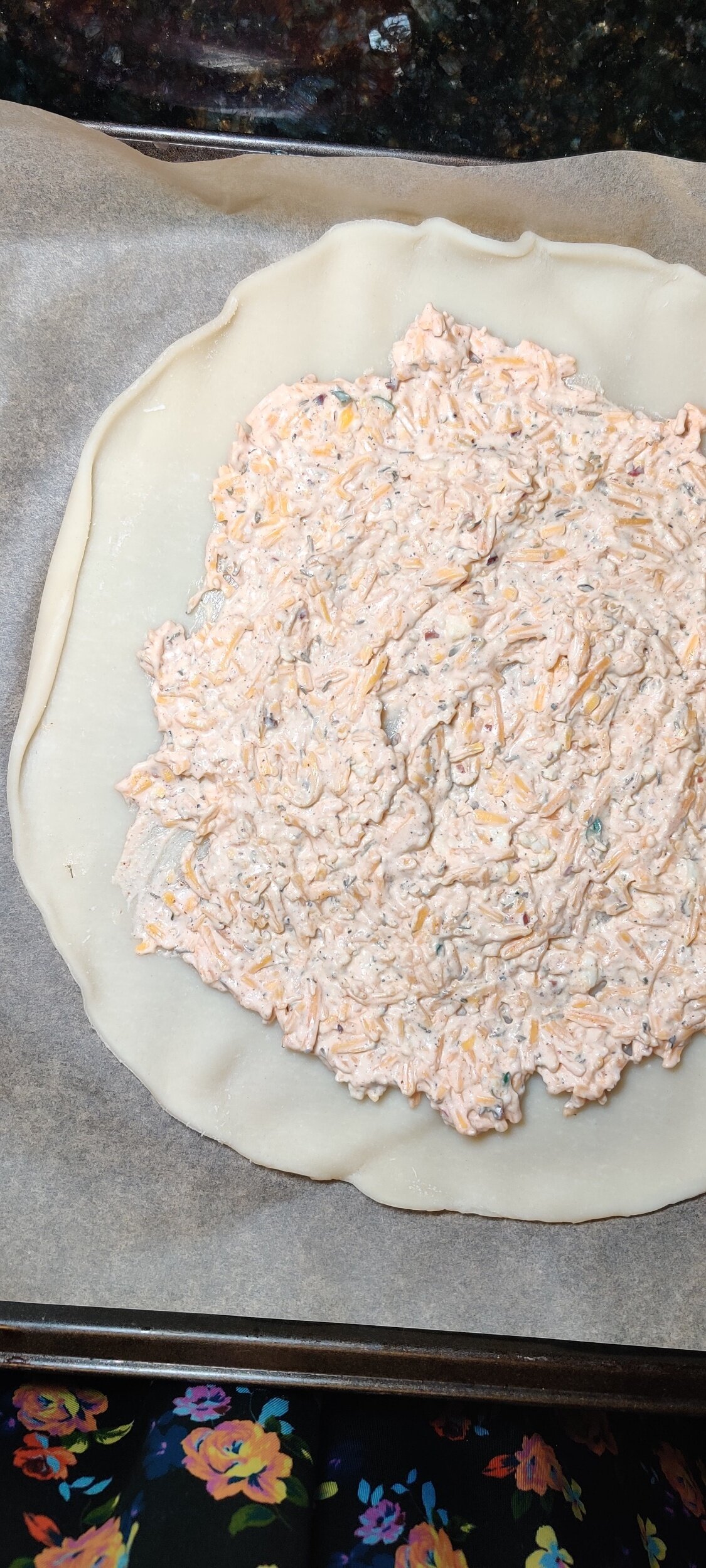
Make the cheese base. Mix the cheddar cheese, queso cheese, seasoning, fresh thyme, heavy cream, and sour cream. Taste and make sure you like the flavour. Spread the cheese mix over the centre of the pie crust, leaving a few inches to fold over.
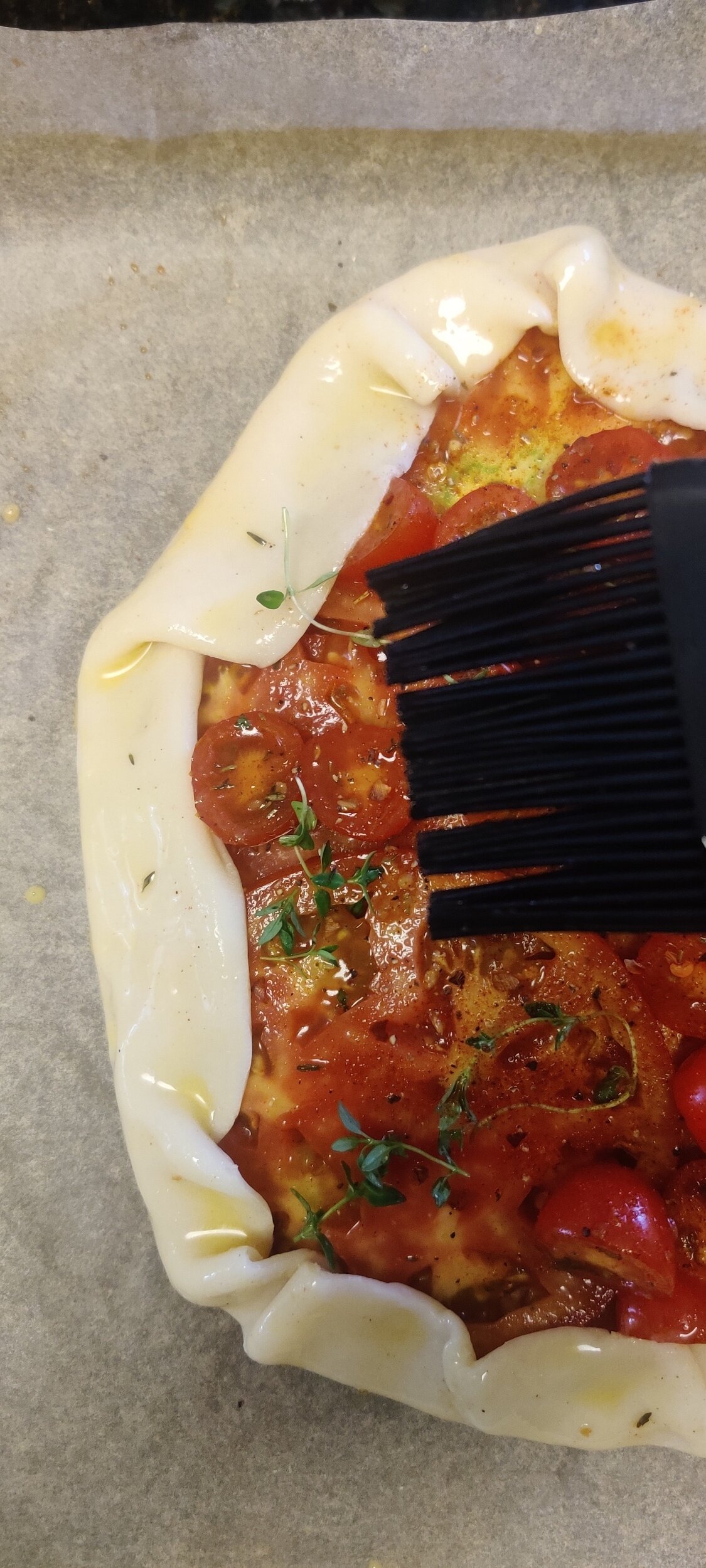
Lay the marinaded tomatoes on top, then fold the edges of the pie crust to encase the filling (leave the remaining liquid out).
Brush the sides of the pie with the egg wash, then sprinkle with the steak seasoning for texture and taste.
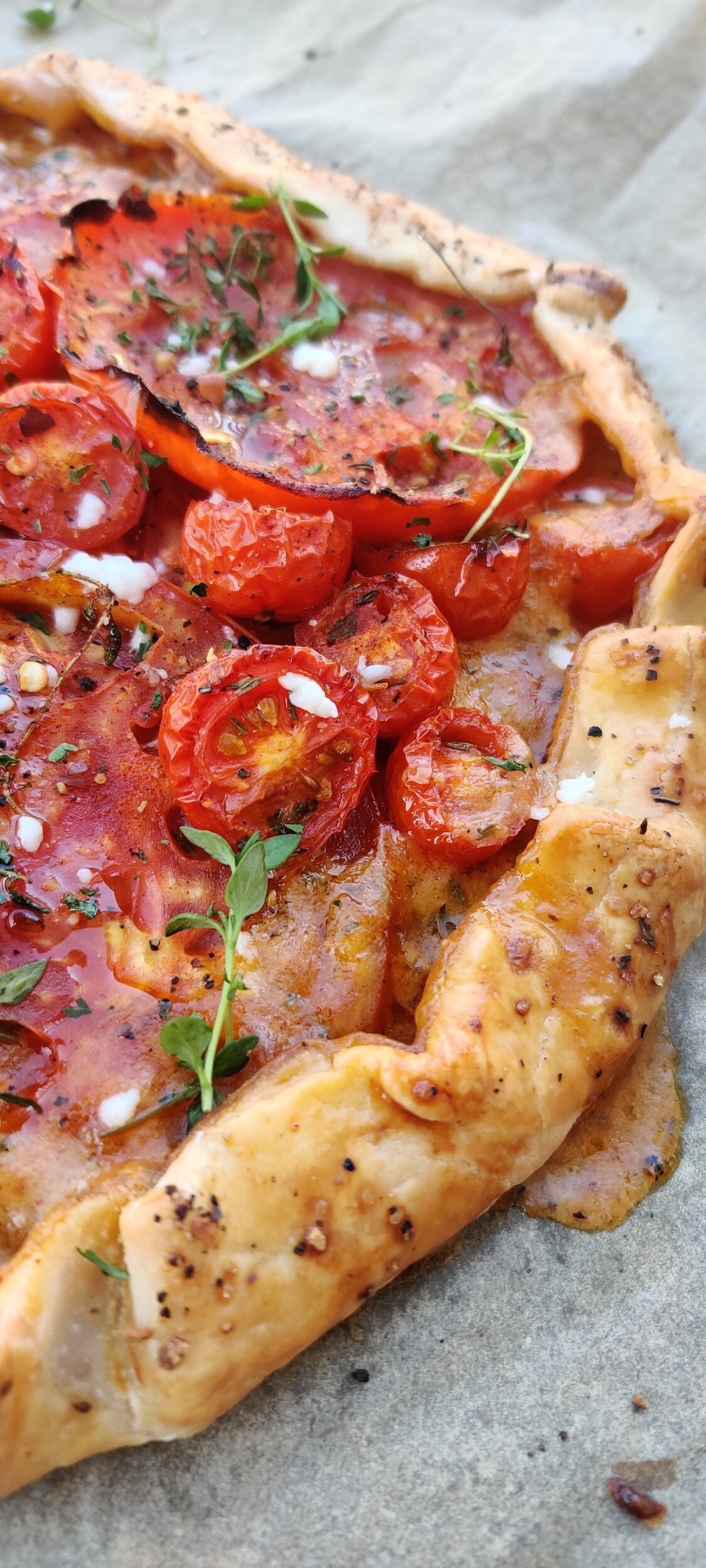
Bake in a 425F oven for 25-30 minutes. Watch so the crust and tomatoes on top don't burn.
Remove the galette from the oven and garnish with fresh thyme, chili flakes, queso, and a drizzle of olive oil.

Ras El Hanout- Spiced Eggplant Crust Mini Pizzas
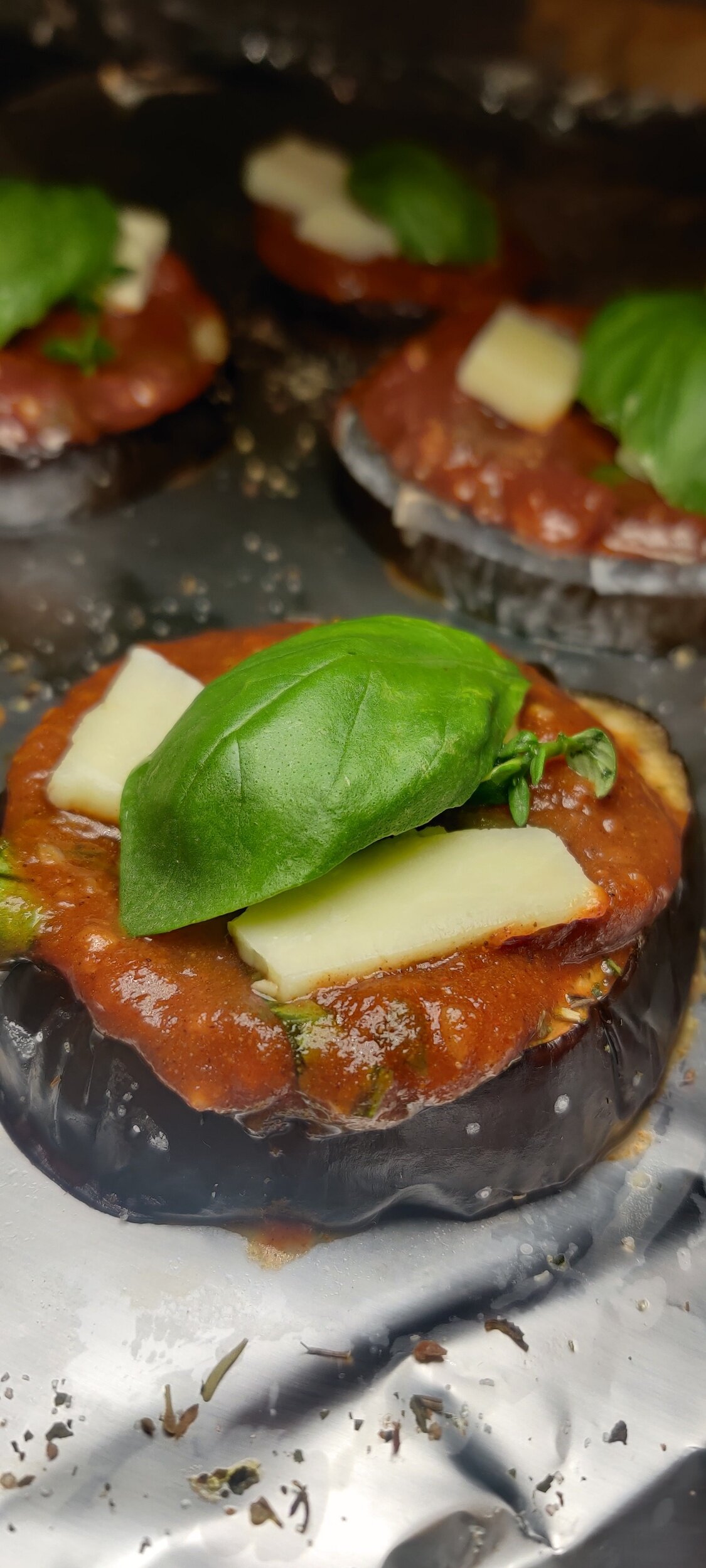
If you have some leftover eggplant and don't know what to do with it, make some mini Margherita pizzas! These crustless babies are keto, low-carb, and vegetarian, with umami taste similar to mushrooms. They absorb flavour like a sponge!
Speaking of flavour, instead of a regular, tomato sauce, I wanted a flavour that would pack a punch and not rely on the cheese. I seasoned the pizza base with homemade ras el hanout, a spice blend prevalent in North Africa, particularly in Algeria, Morocco and Tunisia. It’s a mix of intense, complex flavours (better if you can grind it up to from whole spices)! The ras el hanout enhances the sauce and goes well with the eggplant, and is often used to season meat, fish, couscous and other vegetables.
I love the spice mix because there are no hard rules in terms of ratios, but generally cumin, cardamom, cinnamon, coriander, turmeric, ginger, paprika, black pepper, and cayenne pepper make a feature.
The name ras el hanout translates to ‘head of the shop’, alluding to a blend of the best spices in store!
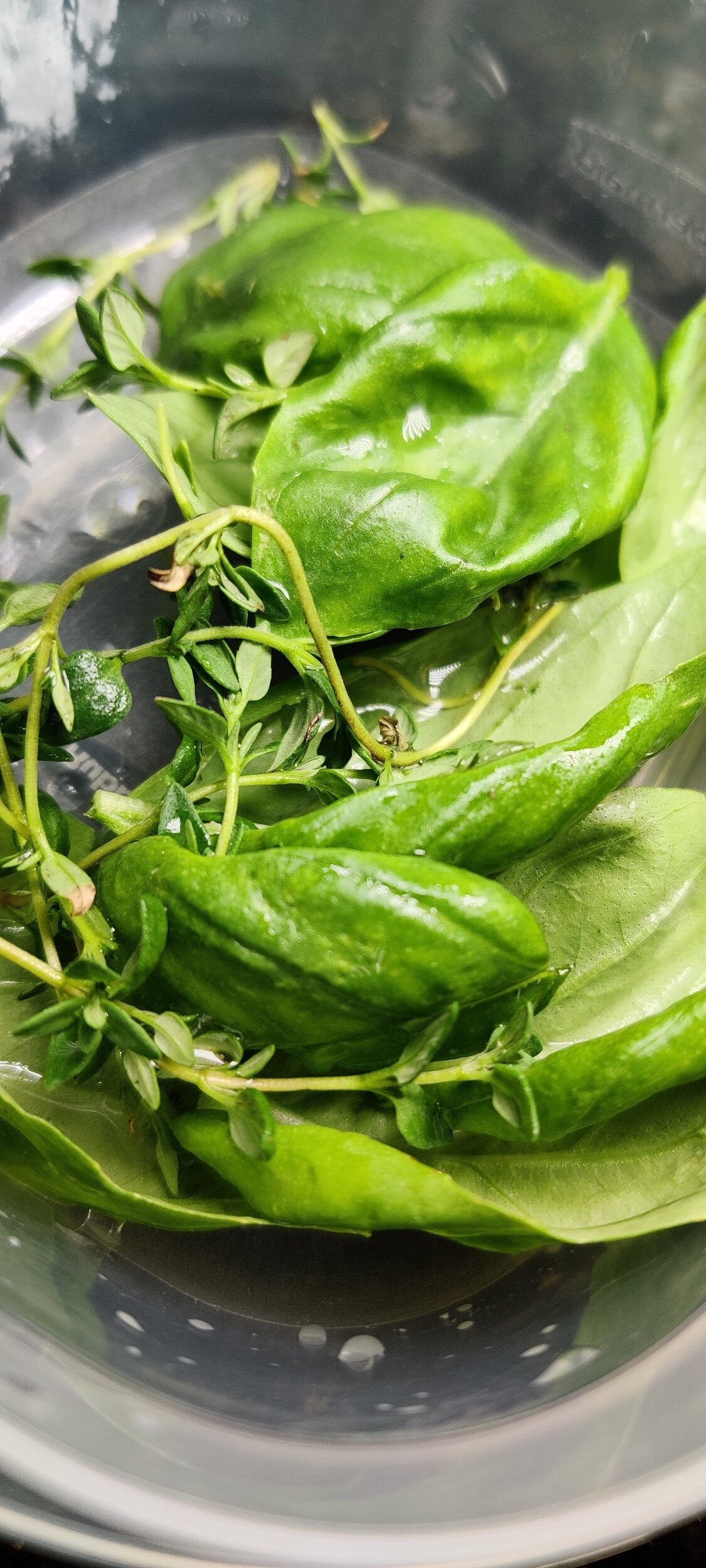
Also, if you can get your hands on fresh herbs, use them! This will give your pizzas a fresh bite.
Ingredients
1/2 large eggplant
Olive oil
1 tablespoon dried thyme
1 tablespoon fresh thyme
1 tablespoon fresh basil, chopped
5 basil leaves
Dried parsley
1 heaped teaspoon garlic
1 teaspoon Worchester sauce
1/4 cup tomato salsa
1/2 cup tomato ragu
Salt and black pepper
Mozzarella or sharp cheddar, cut into small squares
Chili flakes
Ras el hanout:
1 teaspoon salt
1 teaspoon black pepper
1/2 teaspoon cumin
1 teaspoon cinnamon
1 teaspoon coriander
1/4 teaspoon cardamom
1/2 teaspoon cloves
1/2 teaspoon turmeric
1/2 teaspoon cayenne pepper
1/2 teaspoon ginger
1 teaspoon smoked paprika
1/2 teaspoon nutmeg
(Makes about 1/4 cup)
Instructions
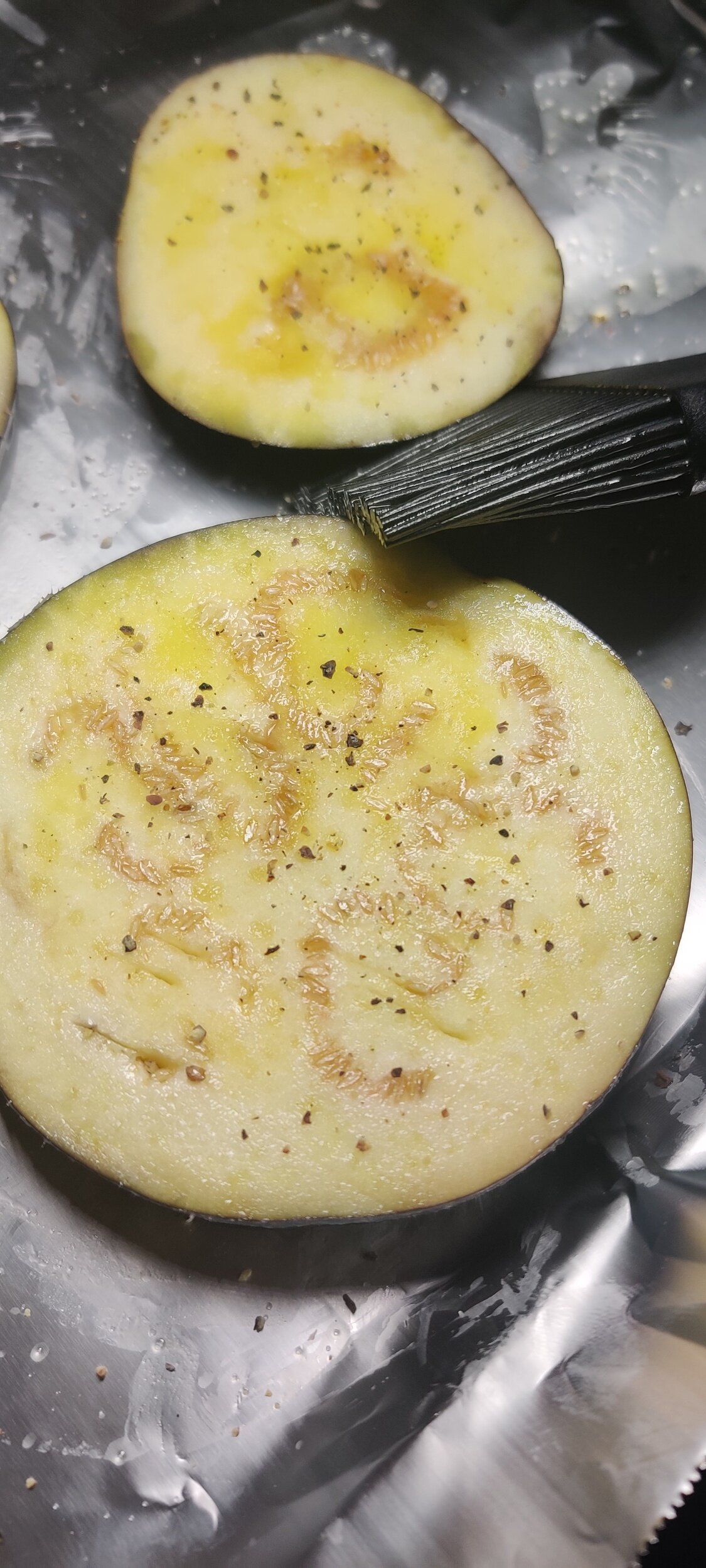
Cut your eggplant into thick slices (not too thin, they will shrink a bit in while baking). Brush them generously with olive oil and sprinkle with dried thyme, salt, and pepper on both sides. Bake at 400F for 15 minutes.
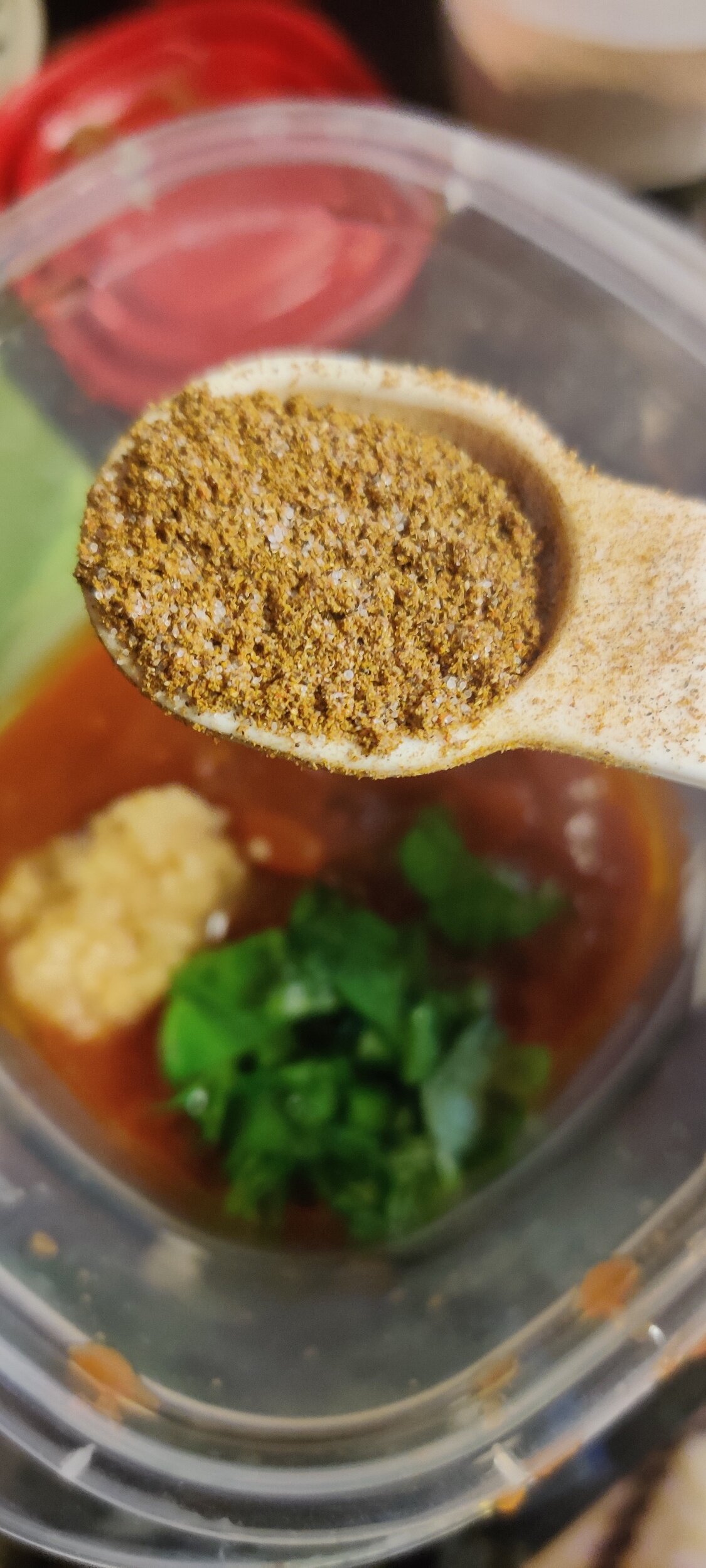
While the eggplant is in the oven, prepare your spiced tomato sauce in a small bowl. Mix the ragu, salsa, Worchester sauce, garlic, and basil. Blend the spices in a small container where you can store what remains. Add one teaspoon to the tomato sauce and mix well.
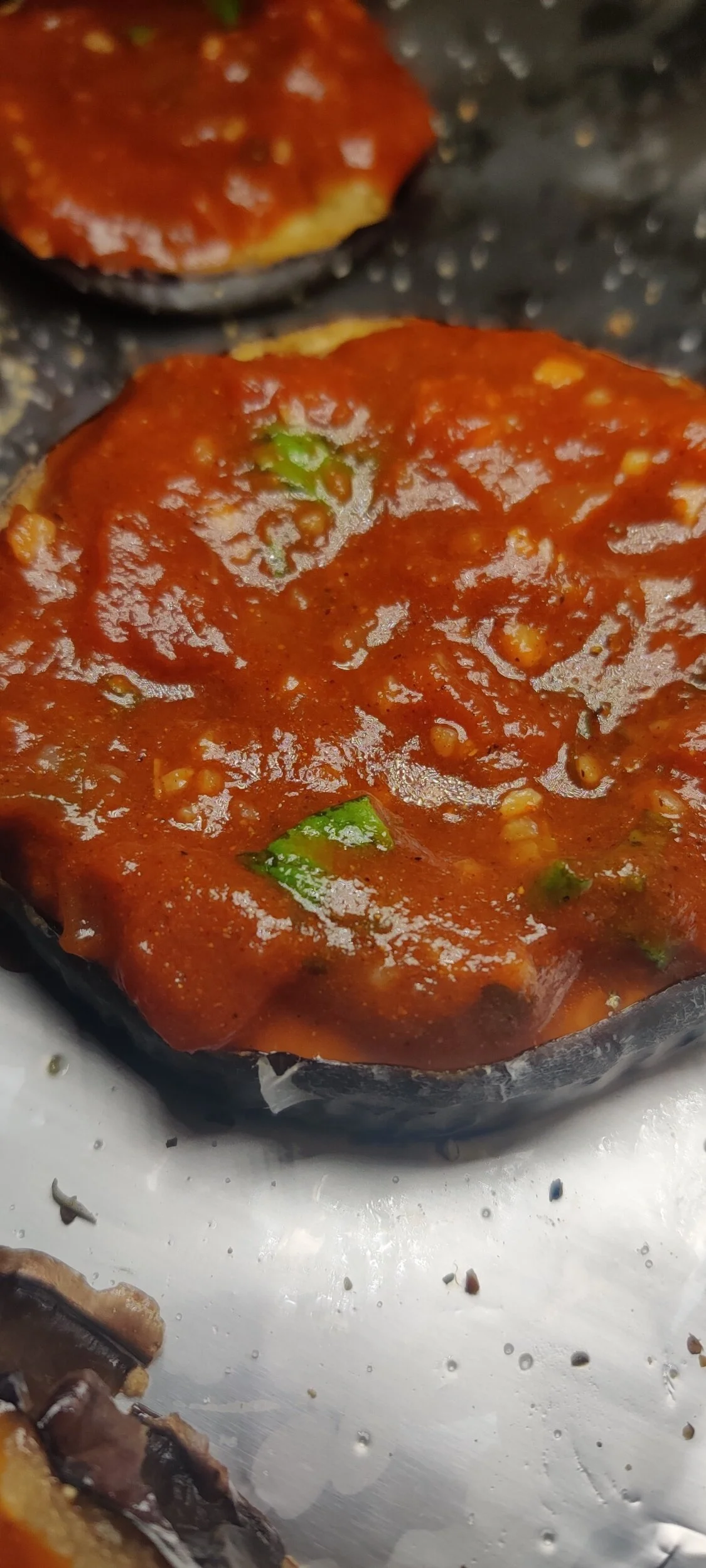
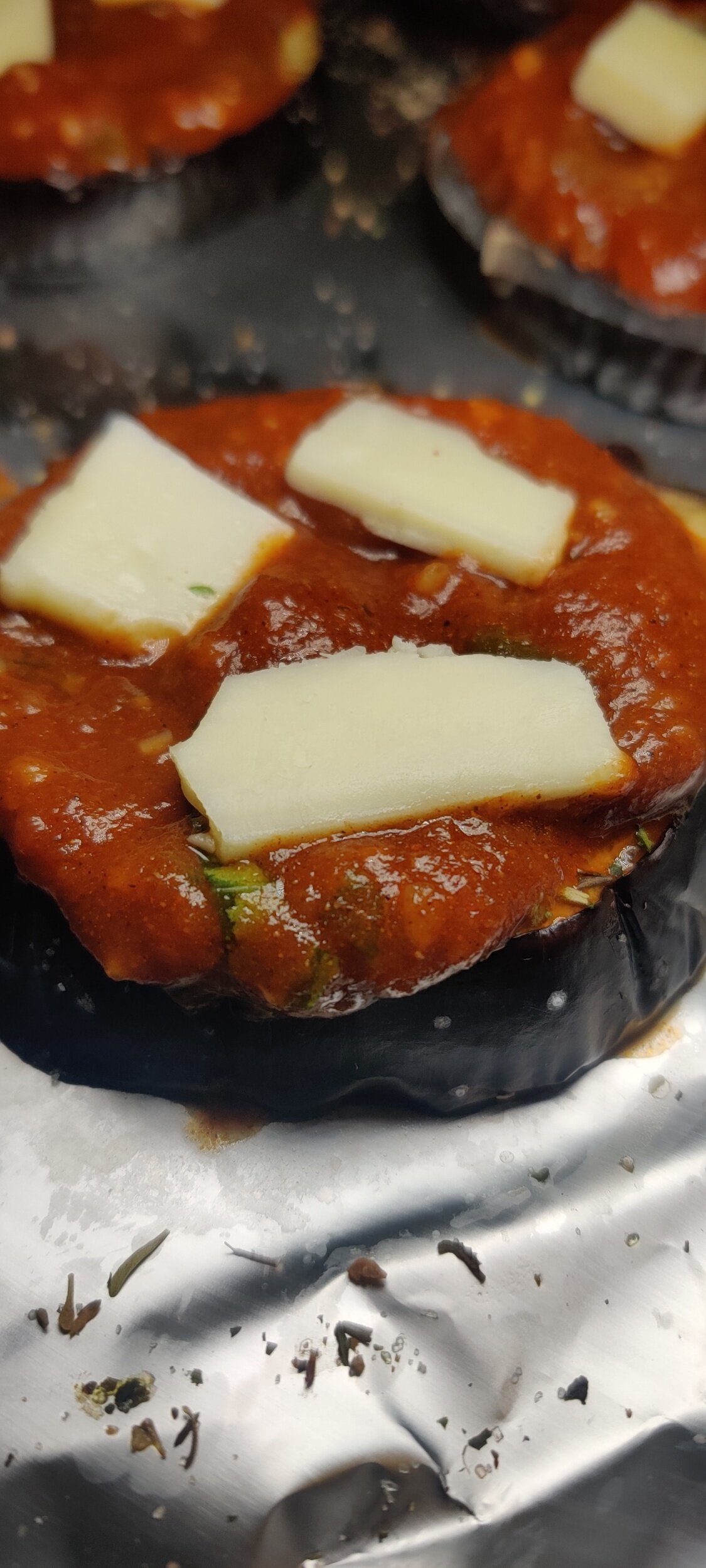
Remove the eggplant from the oven and top with the tomato sauce, cheese squares, fresh thyme, and basil leaves.
Bake for another 10 minutes and until the cheese starts to melt.
Serve hot and garnish with chilli flakes, parsley, and ground pepper.

Tigernut Chocolate Cake with Goat Milk Cream Cheese Frosting
I love chocolate cake. I think it's safe to say that most people do. It is, after all, an all-time classic for dessert lovers. This cake, however, uses two ingredients that are considered unconventional, making for a gritty, earthy tasting cake, but still delicious. The cake is moist, not too sweet, and the frosting just melts in your mouth!
If you need to balance the texture a bit you can serve the cake with ice cream or a berry coulis!
This is a flourless cake, and the substitute I used was tigernut flour. The ancient grain dates back to the Egyptians and is considered a superfood by some. Alternatively, you could use almond, cassava, or any other gluten-free flour. Tigernut is a starchy root with a nutty taste, and they are great for your gut due to their prebiotic fibre content.
Many ancient grains that are better alternatives health-wise compared to the processed grains we eat today. The good news is a lot of them are making a comeback!
I also used goat milk in both the batter and the cream cheese frosting. Goat milk has a very unique, tangy flavour compared to cow's or plant-based milk, giving the frosting a subtle, earthy taste as well.
I also used Greek yoghurt cream cheese, which ensured the frosting didn’t have the metallic taste the sugar often gives the icing!


Ingredients
Cake:
1/3 cup white sugar
6 tablespoons cocoa powder
2 teaspoons vanilla
1 teaspoon espresso powder
1/3 cup goat milk
1/2 teaspoon salt
1 1/2 cups tigernut flour
1/2 teaspoon almond extract
2 1/4 teaspoons baking powder
3 eggs
Frosting:
1 packet (8 ounce) Greek yoghurt cream cheese (room temperature)
1/4 cup melted chocolate
2 1/2 tablespoons goat milk
1/4 cup butter (room temperature)
Pinch of salt
1/2 teaspoon espresso powder
1/2 teaspoon lemon juice
1 1/2 cups icing sugar
1 1/2 teaspoons vanilla
1/2 cup cocoa powder

Instructions
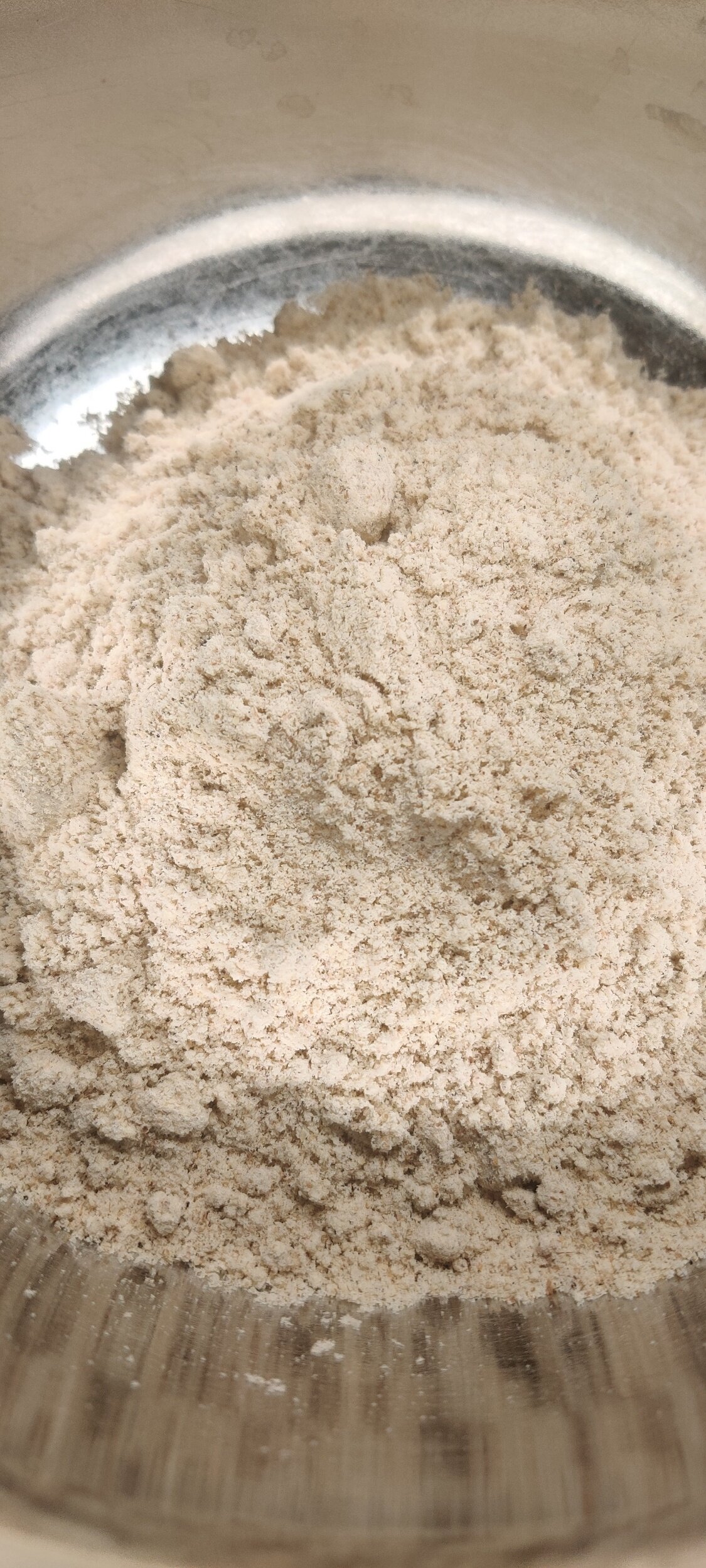
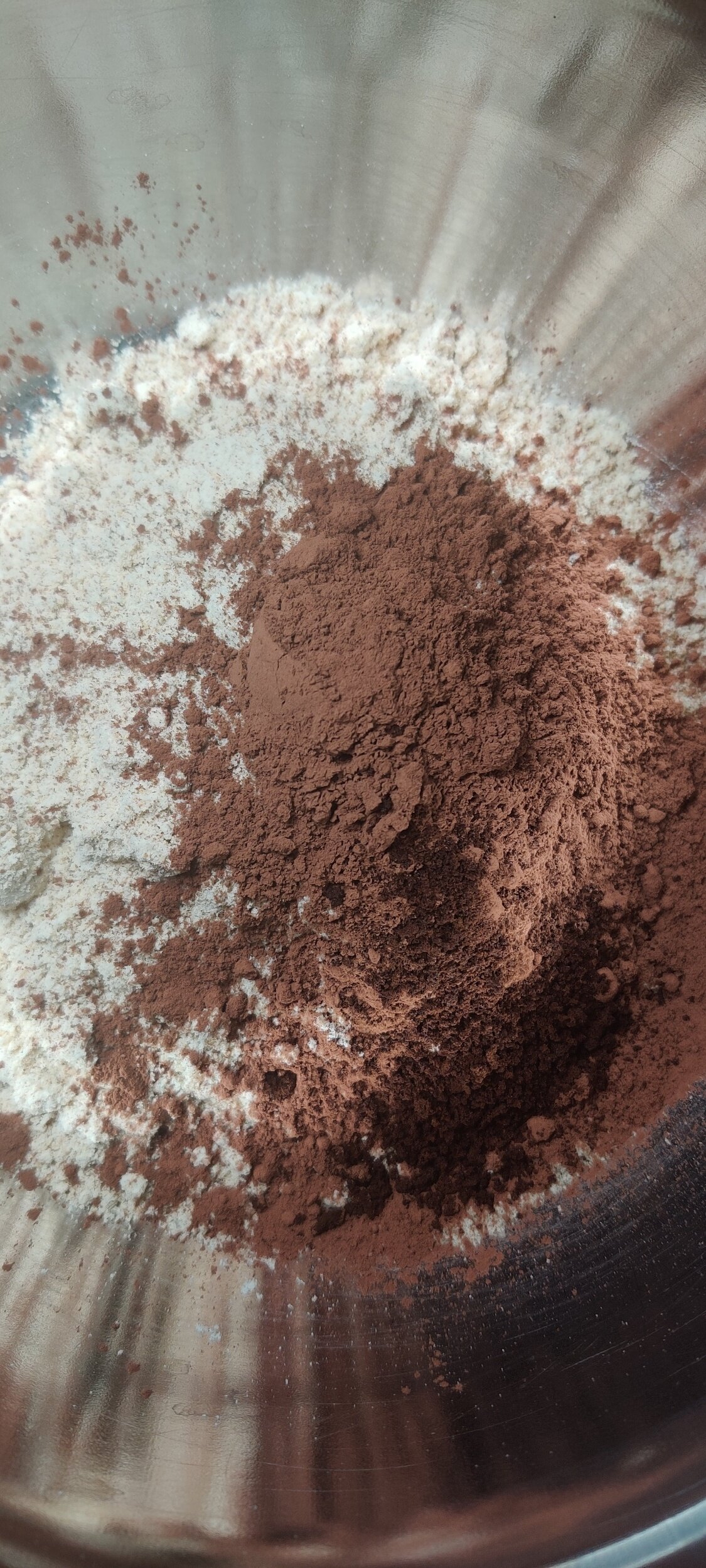
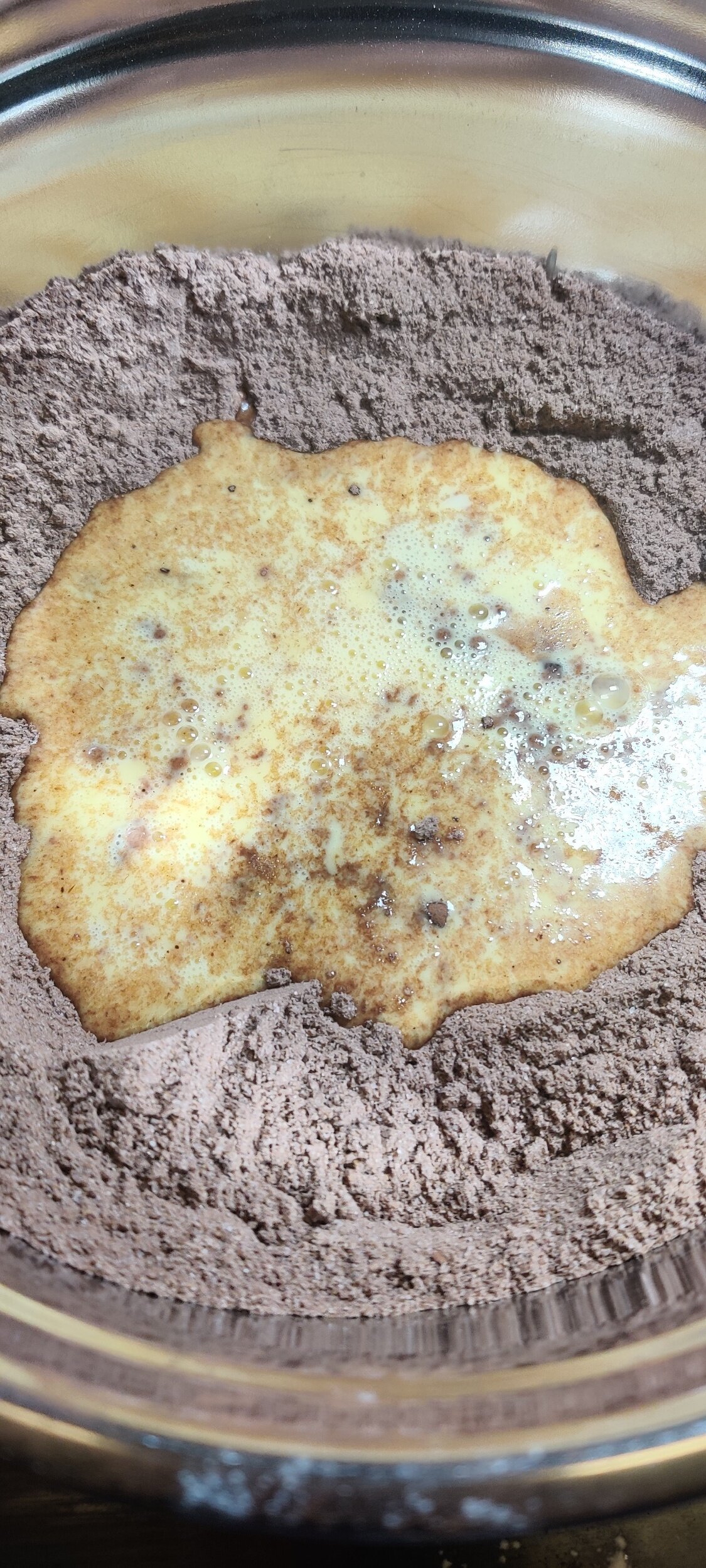
For the cake, in a large bowl mix the dry ingredients and make sure there are no lumps.
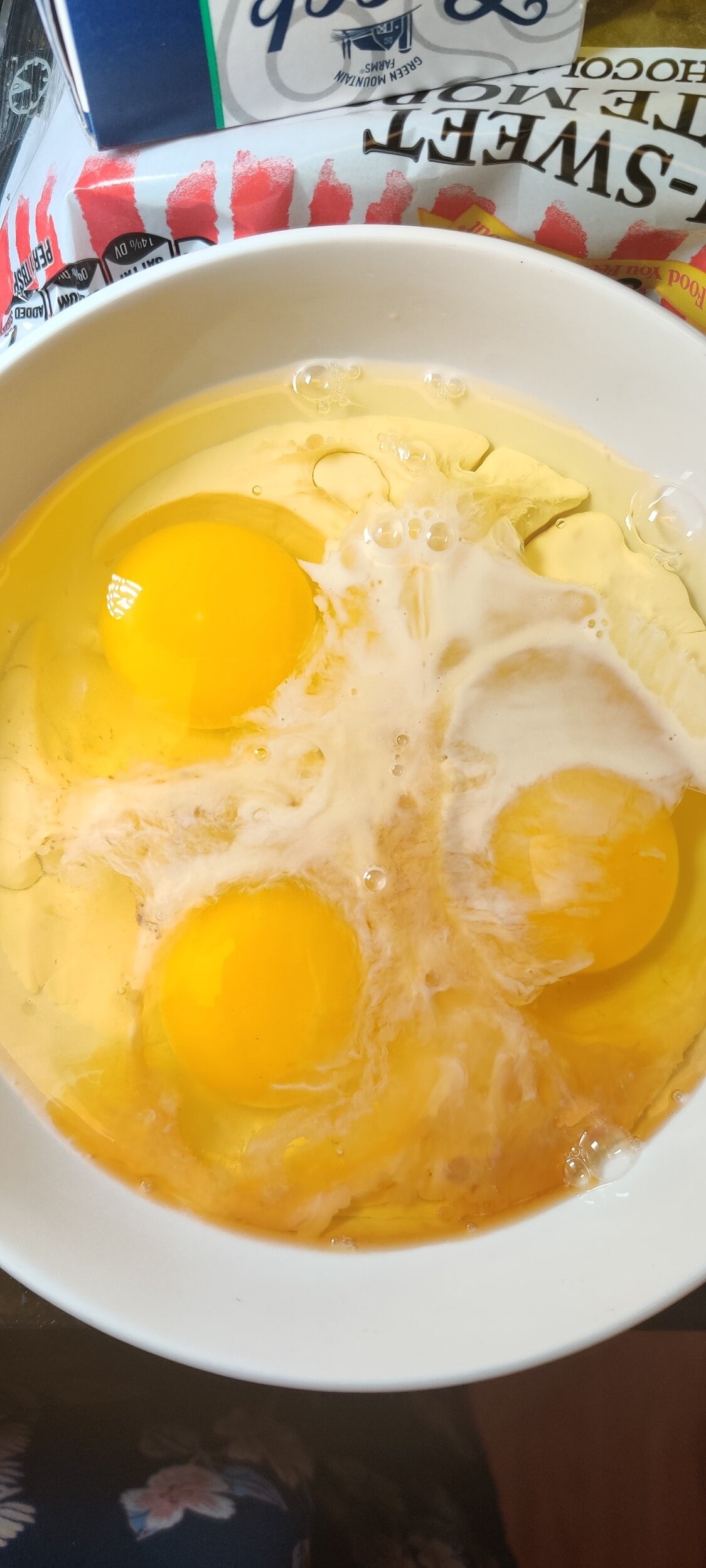
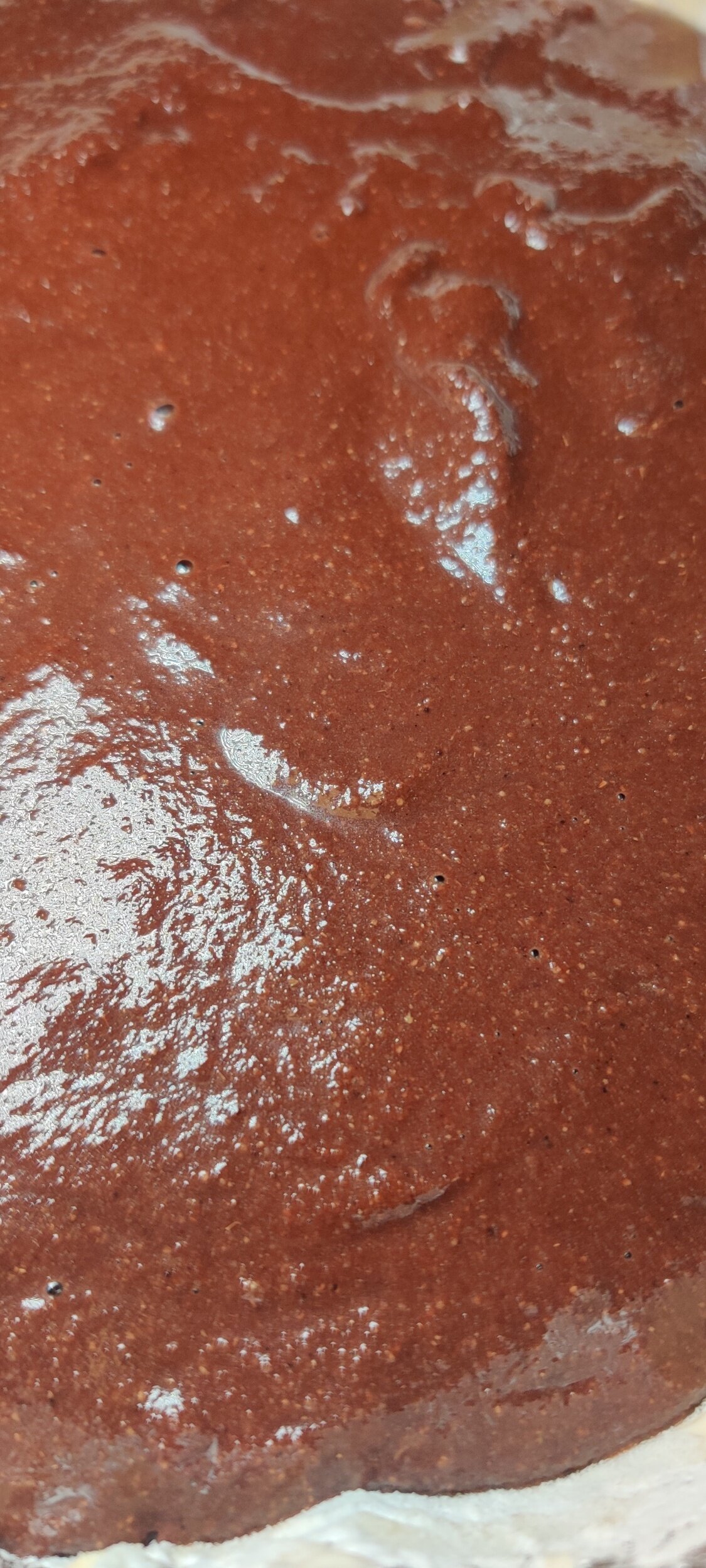
Make a well then pour in the beaten wet ingredients. Fold the egg mixture into the batter and mix until smooth and well incorporated with no lumps.
Prepare a baking tin (I used an 8-inch cake tin) and pour in the batter.
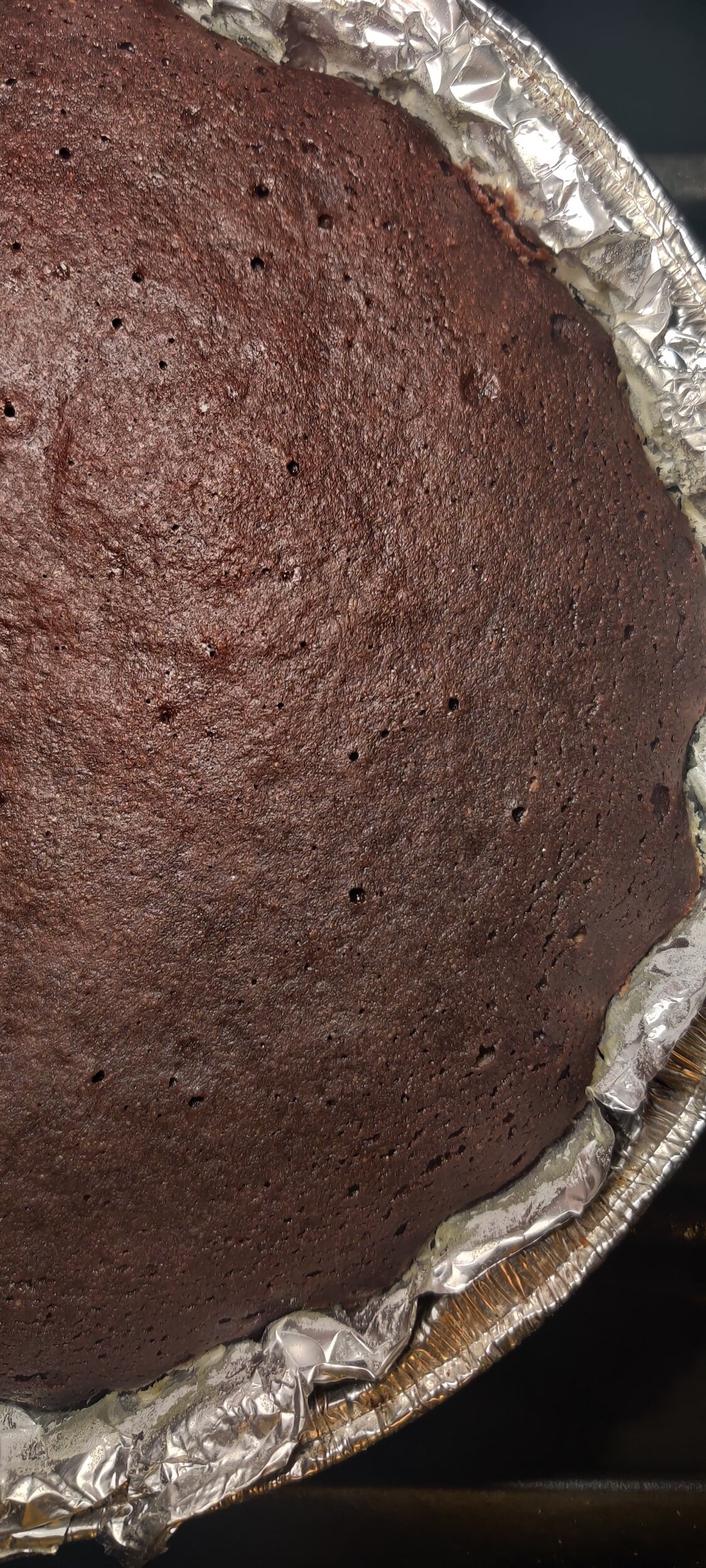
Bake at 350F for 15-20 minutes or until the cake firms and a toothpick comes out clean in the middle. Set aside to cool.
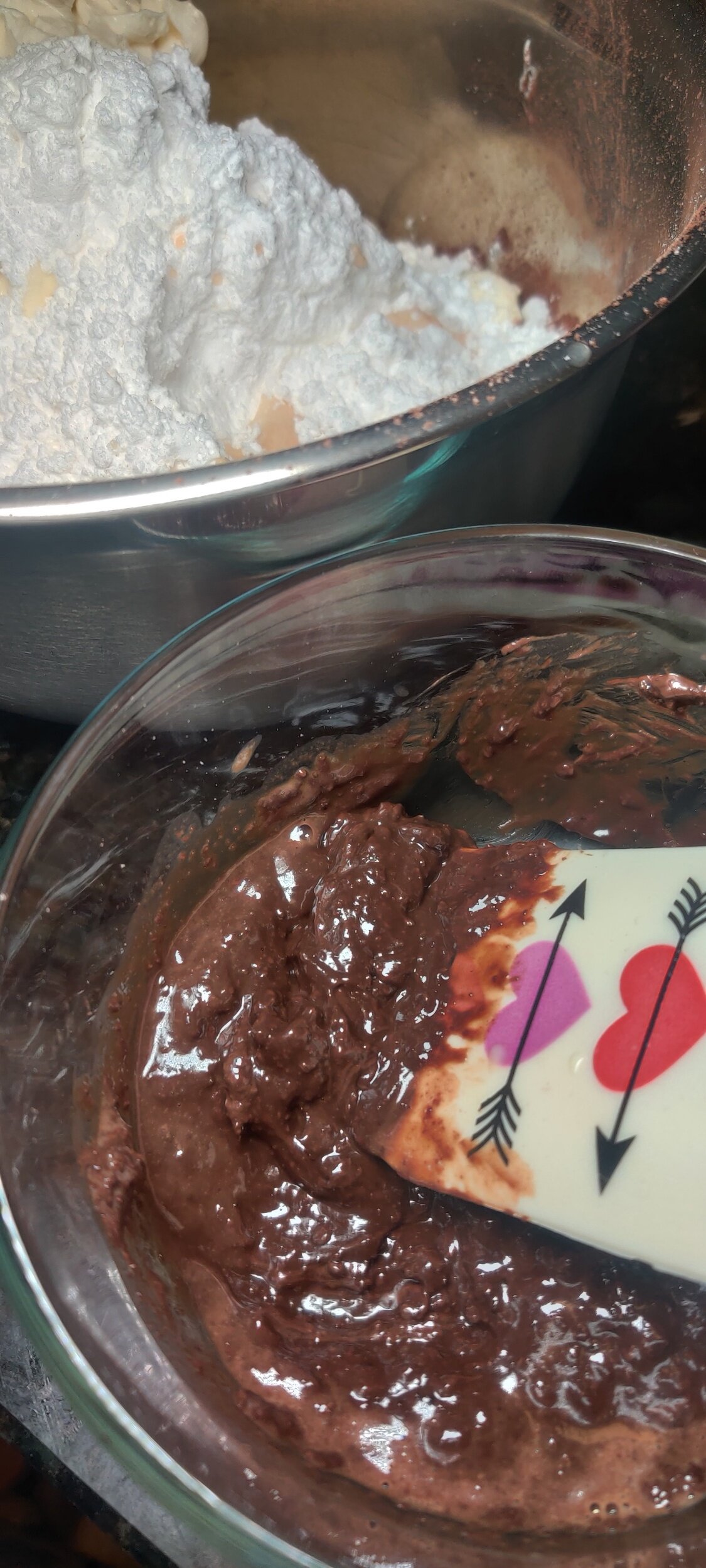
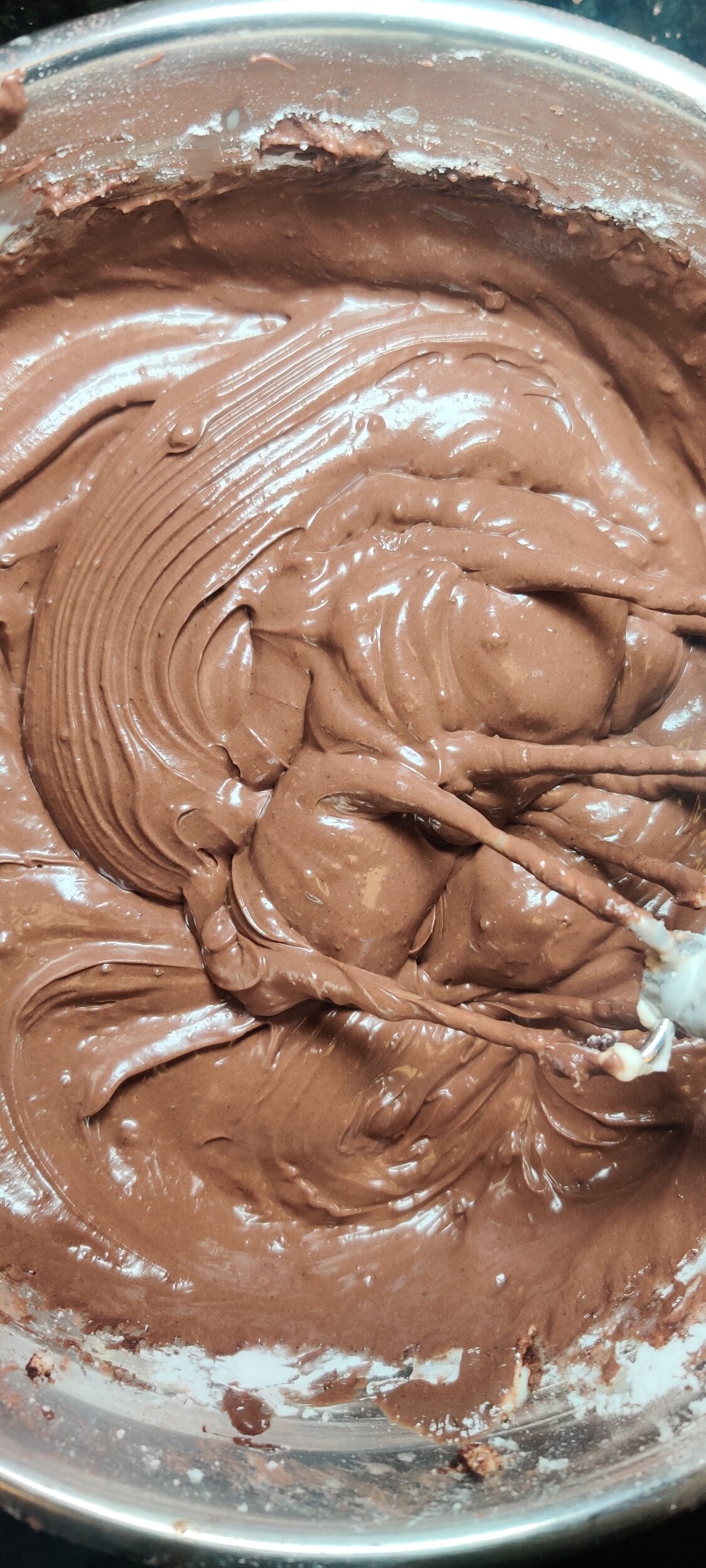
Make the frosting. With an electric mixer, blend all the ingredients. Add more icing sugar or milk according to your desired frosting consistency.
Chill the frosting in the fridge until you are ready to frost the cooled cake!


Bourbon Peach Crumble Ice Cream (No-Churn)
Summertime calls for pies, tarts, and cakes that feature fresh, seasonal fruit. Heavy hitters include strawberries, blueberries, lemons, and peaches, and I love it! But why not turn these dessert classics into something to cool you down like ice cream? It’s fun, delicious, and will please the kids if you have any around!
And no, you do not need an ice cream maker for this recipe, it’s no-churn.
The heavy whipping cream makes up for the churning process which adds air to prevent large ice crystals forming. This makes for a smoother, creamier finished product. The condensed milk serves as your ice cream base typically prepared with milk, sugar, cream and eggs.
I have made homemade ice cream before. For while I thought it was difficult it doesn't have to be! All you need is your base/condensed milk, some heavy cream, and your flavours. If you do it right it comes pretty close to what you get in the stores. You may never buy again and make your own from now on.
This ice cream takes the favoured peach crumble (or cobbler) and turns it into a decadent dessert, hope you enjoy it!
If you don’t consume dairy, there are alternatives for whipping cream and condensed milk on the market.
Ingredients
1 (14-ounce) can condensed milk, chilled
2 cups heavy cream
1 cup peach crumble or cobbler (you can use my recipe)
1 teaspoon bourbon

Instructions
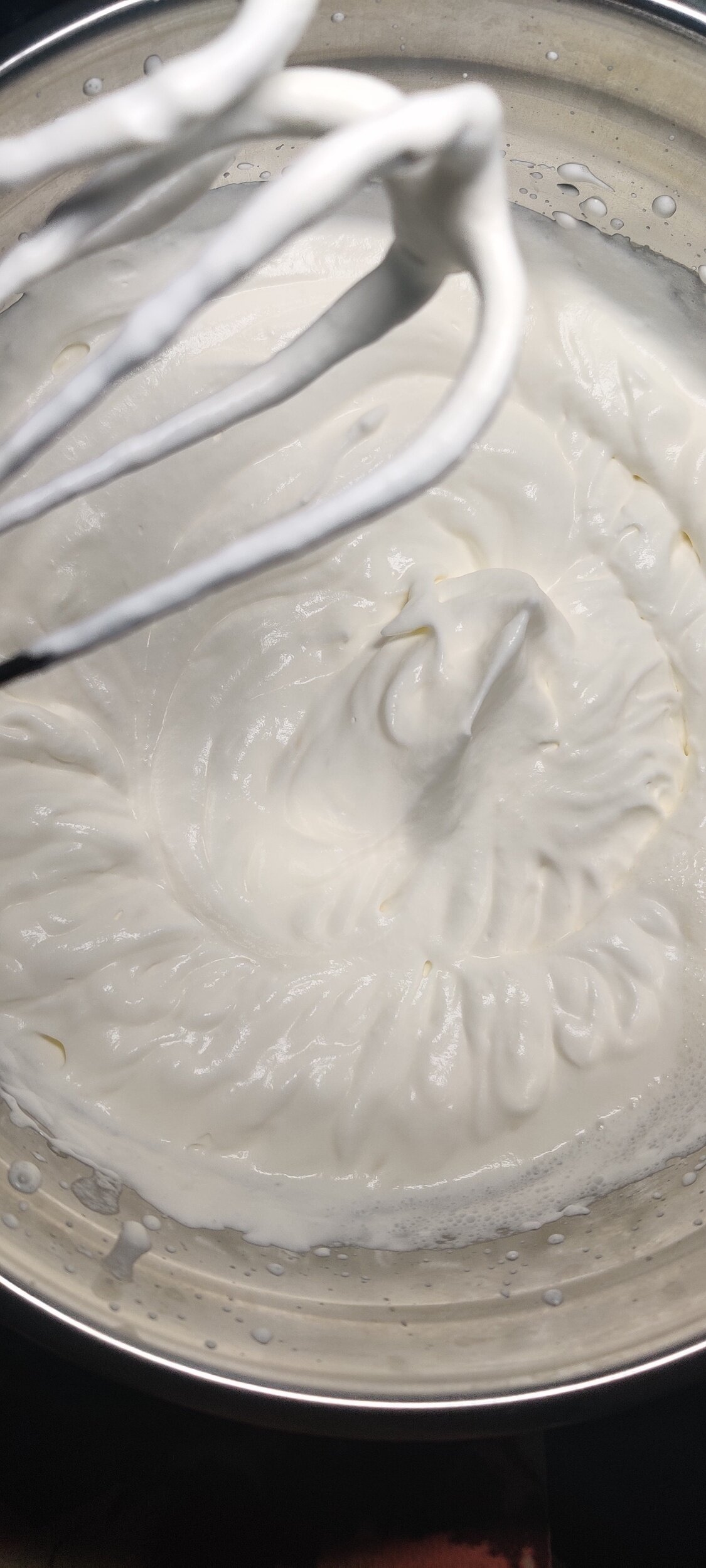
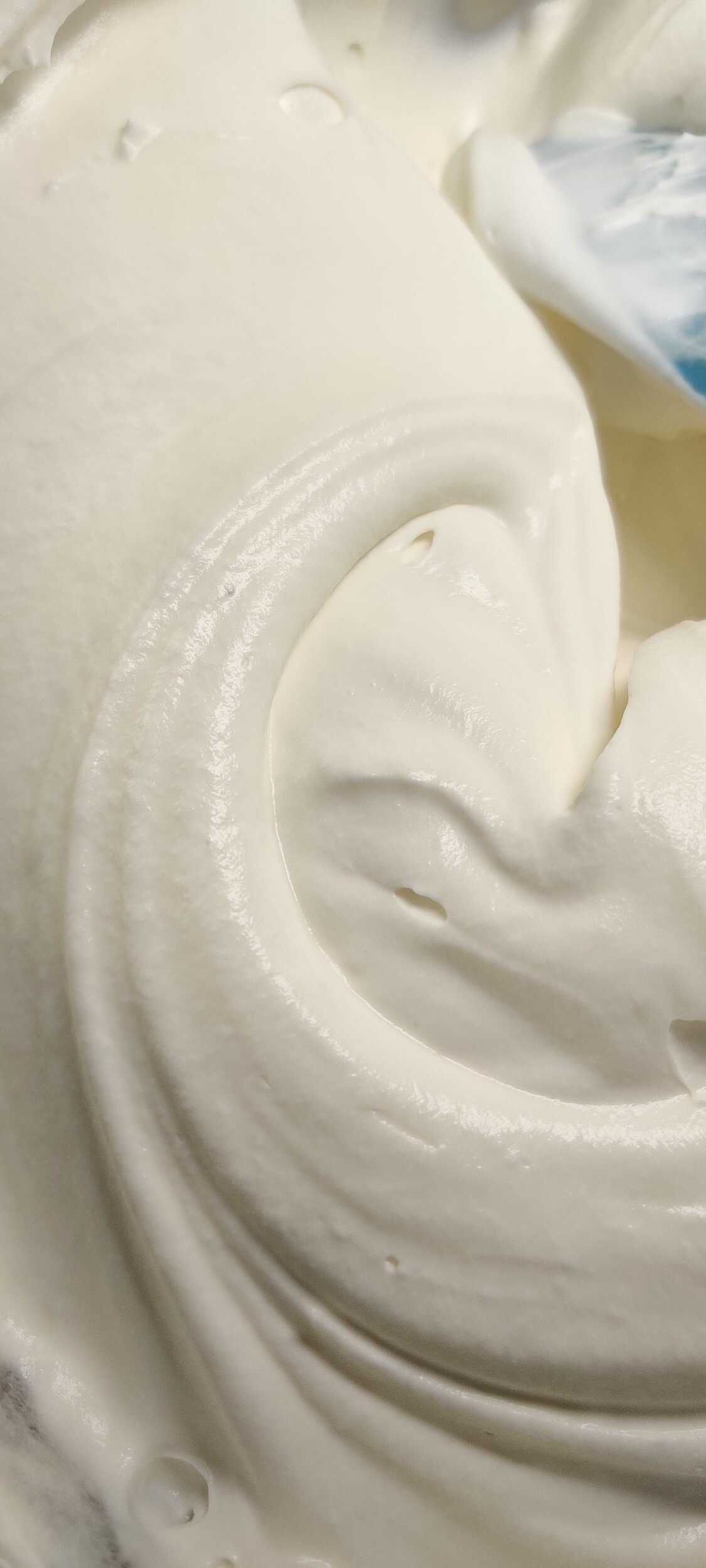
Whip the heavy cream with an electric or stand mixer until soft peaks form about 3-4 minutes. The cream should stand but with a slight slump.
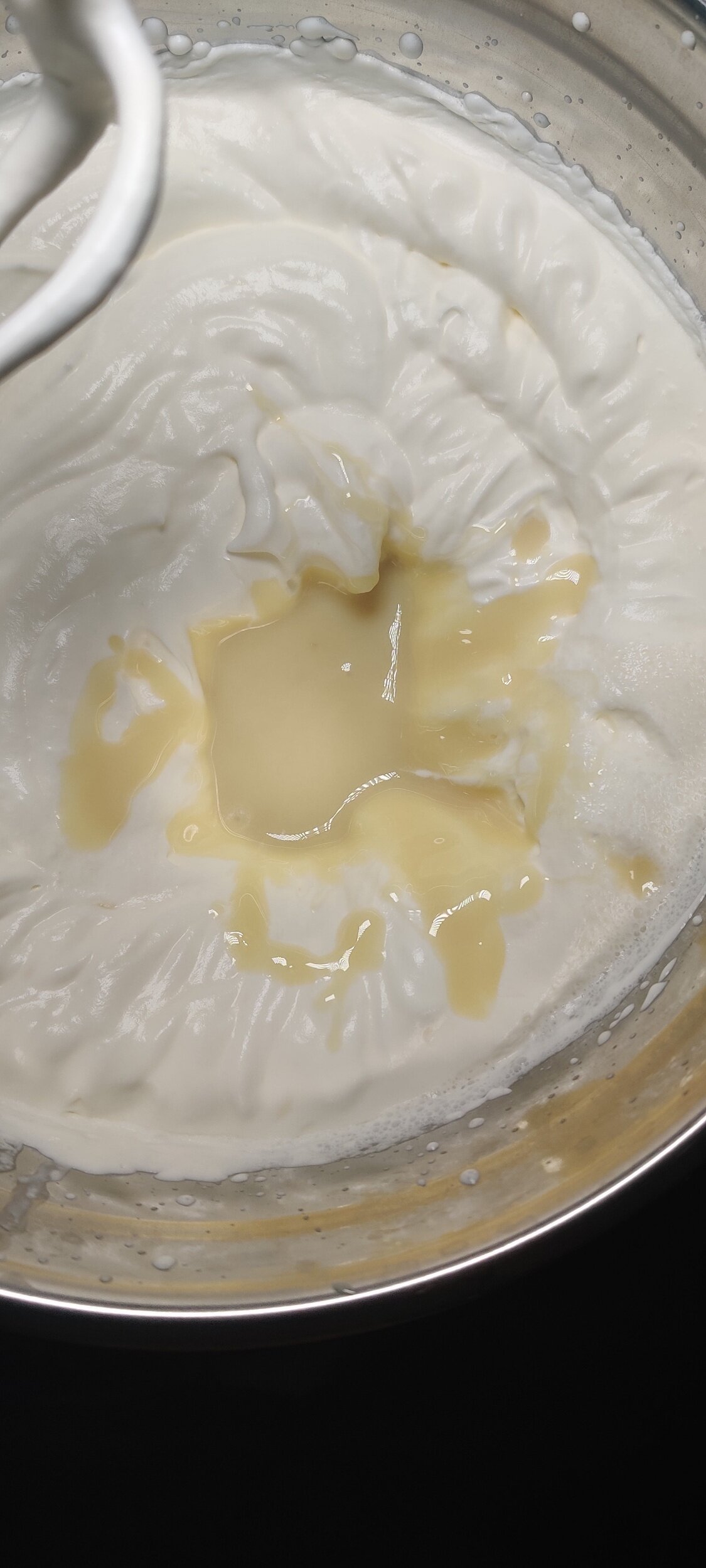
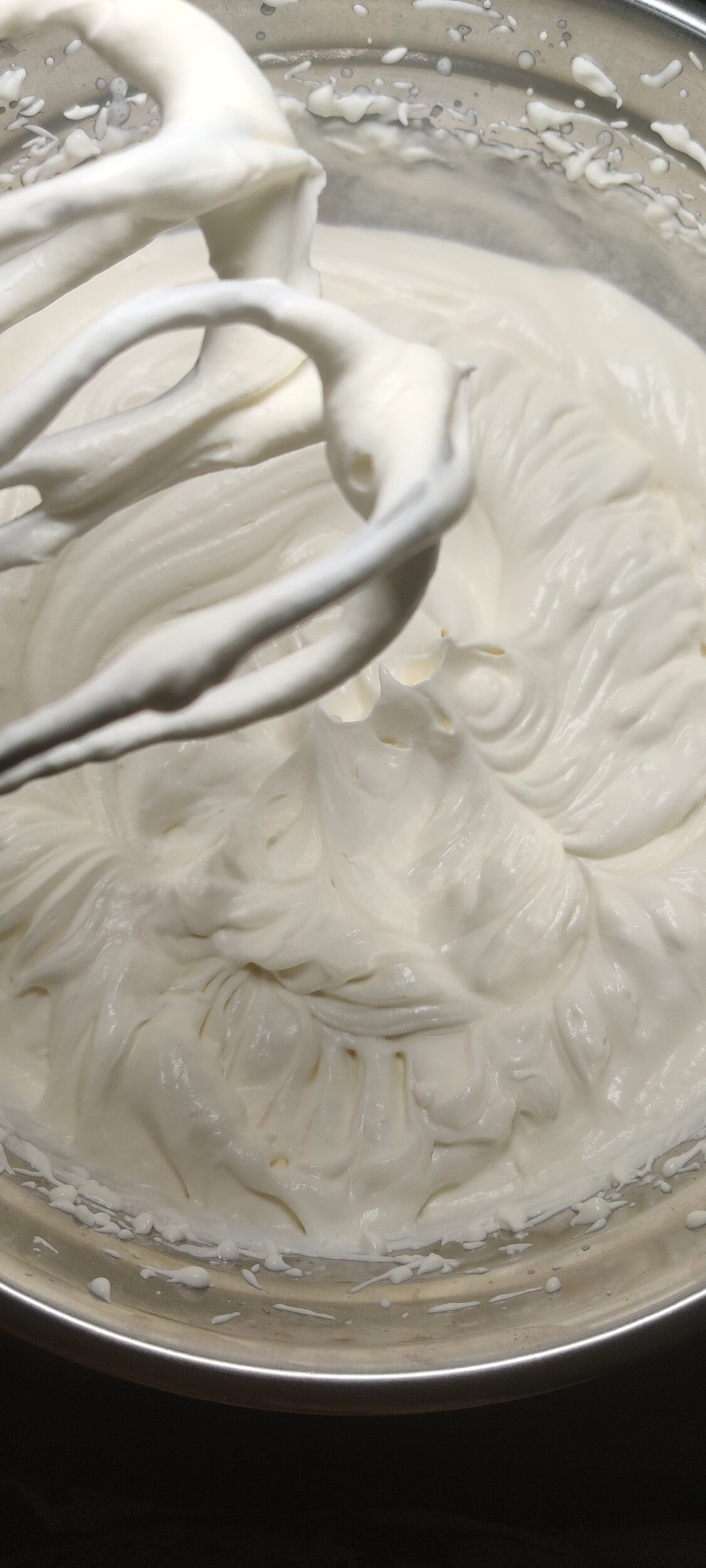
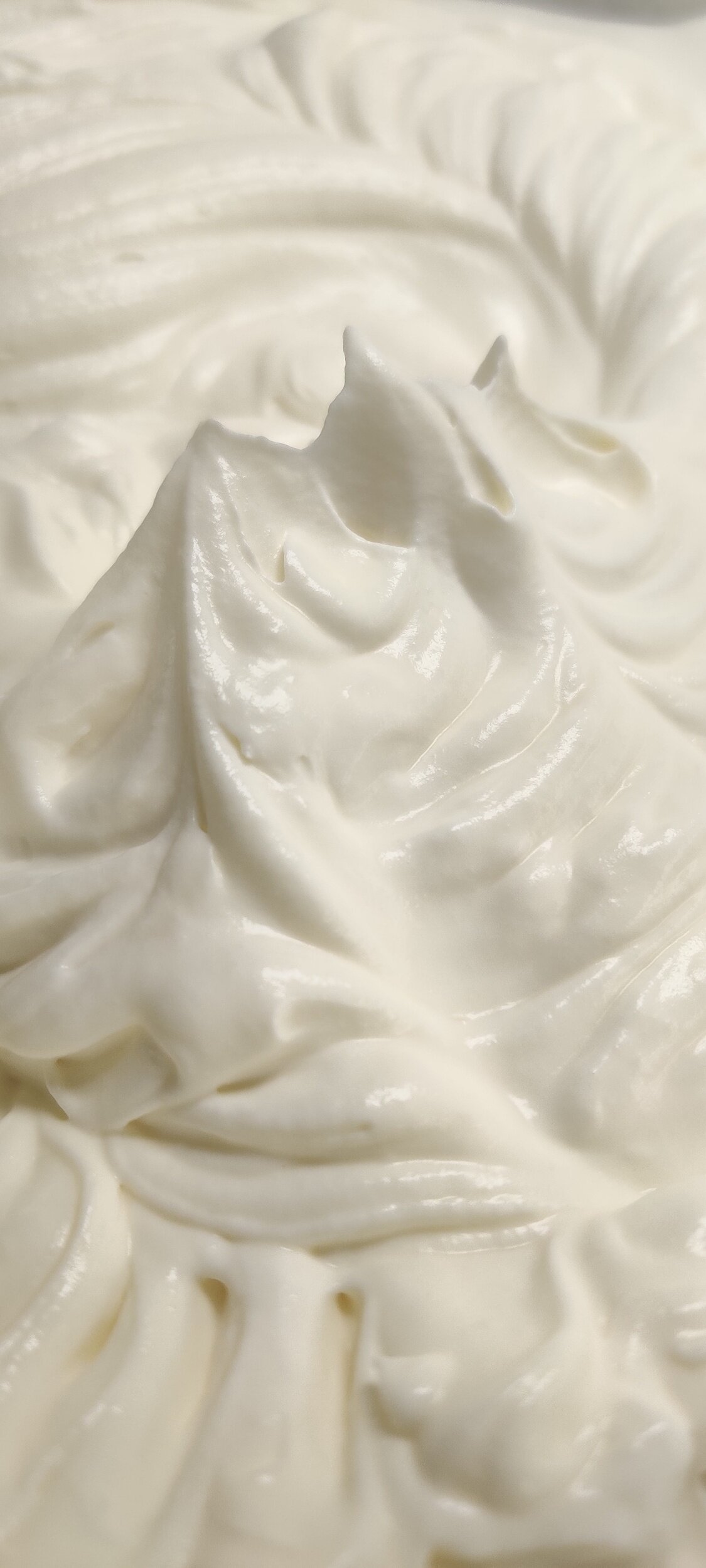
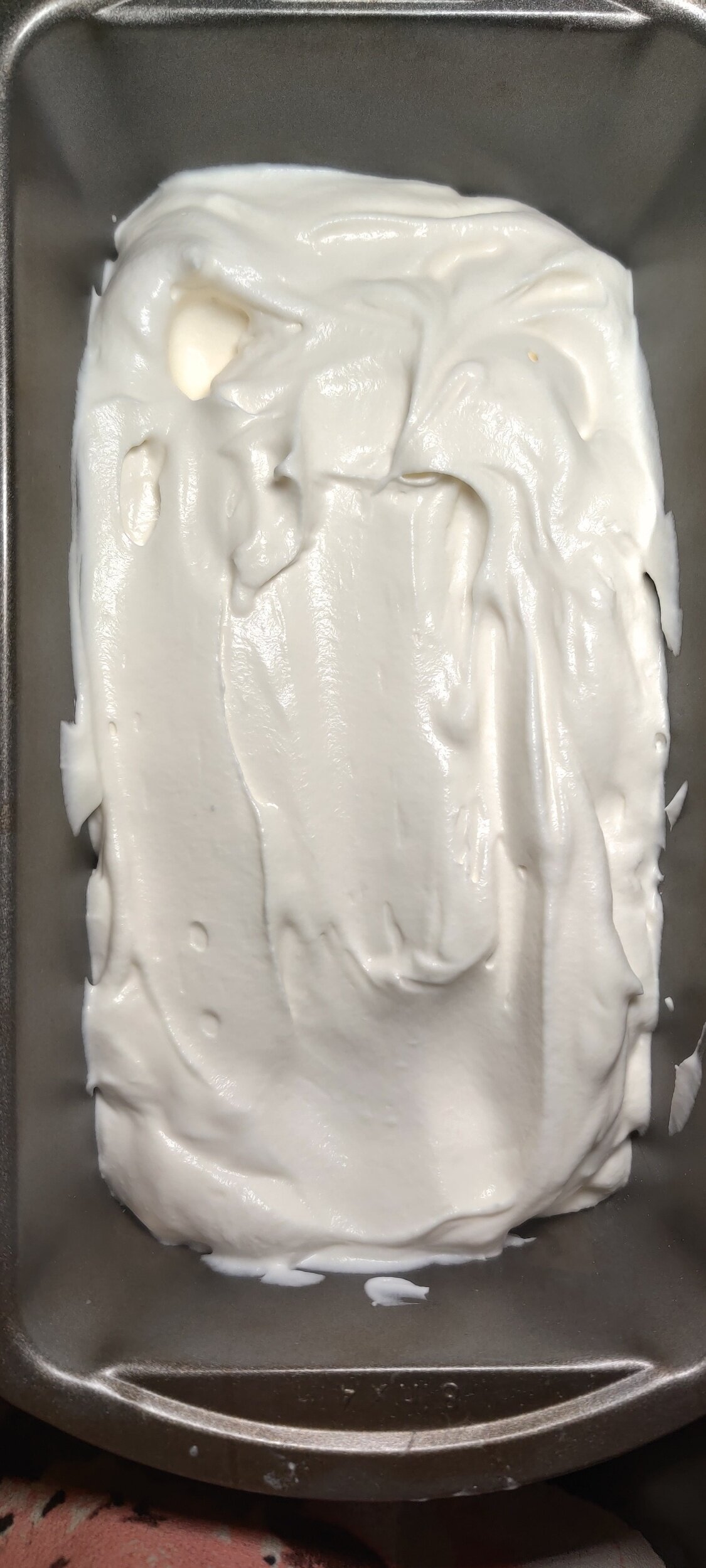
Fold in the condensed milk then beat until stiff peaks form, another 3-4 minutes. The cream should look thicker with a wavy pattern. Fold in the bourbon.
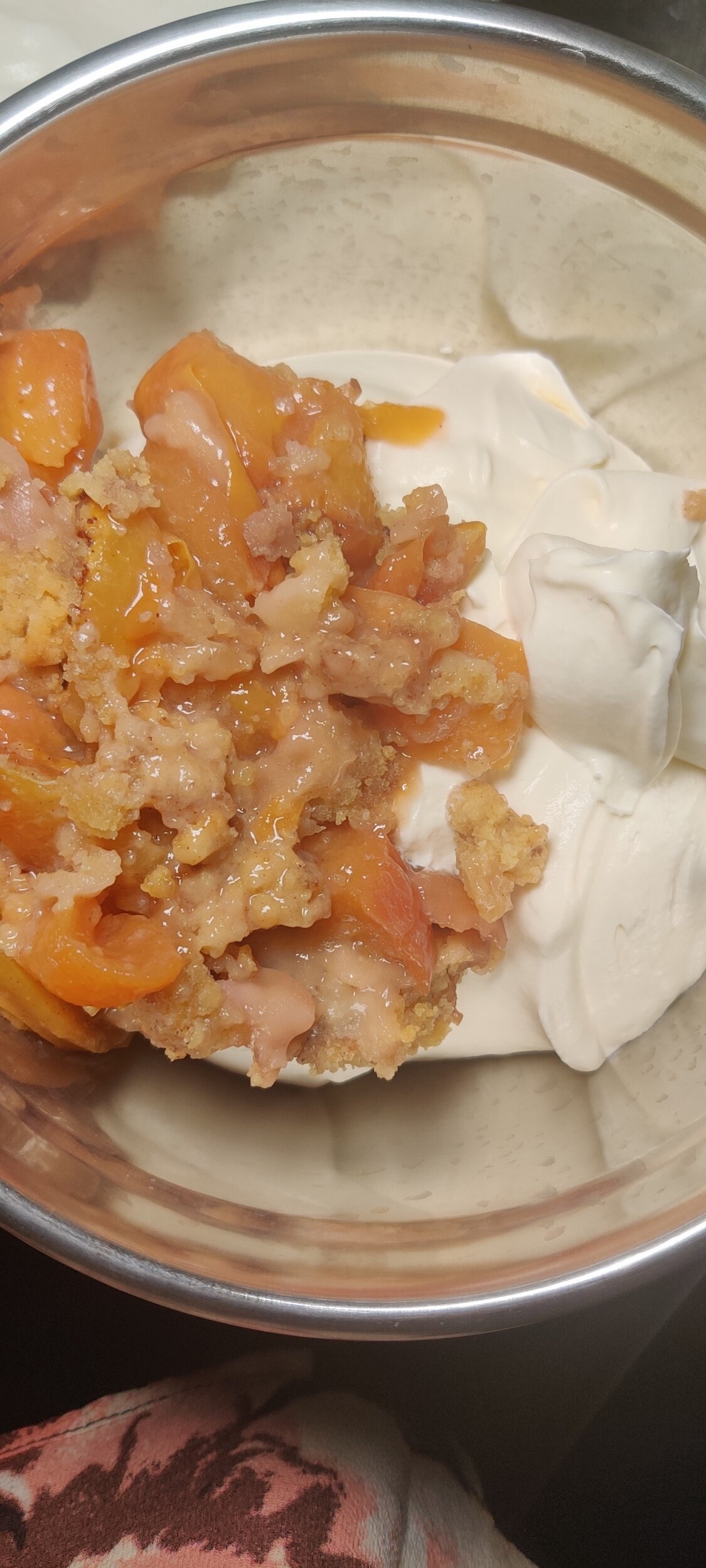
In a small bowl, mix about 1 1/2 cups of ice cream with the peach crumble.
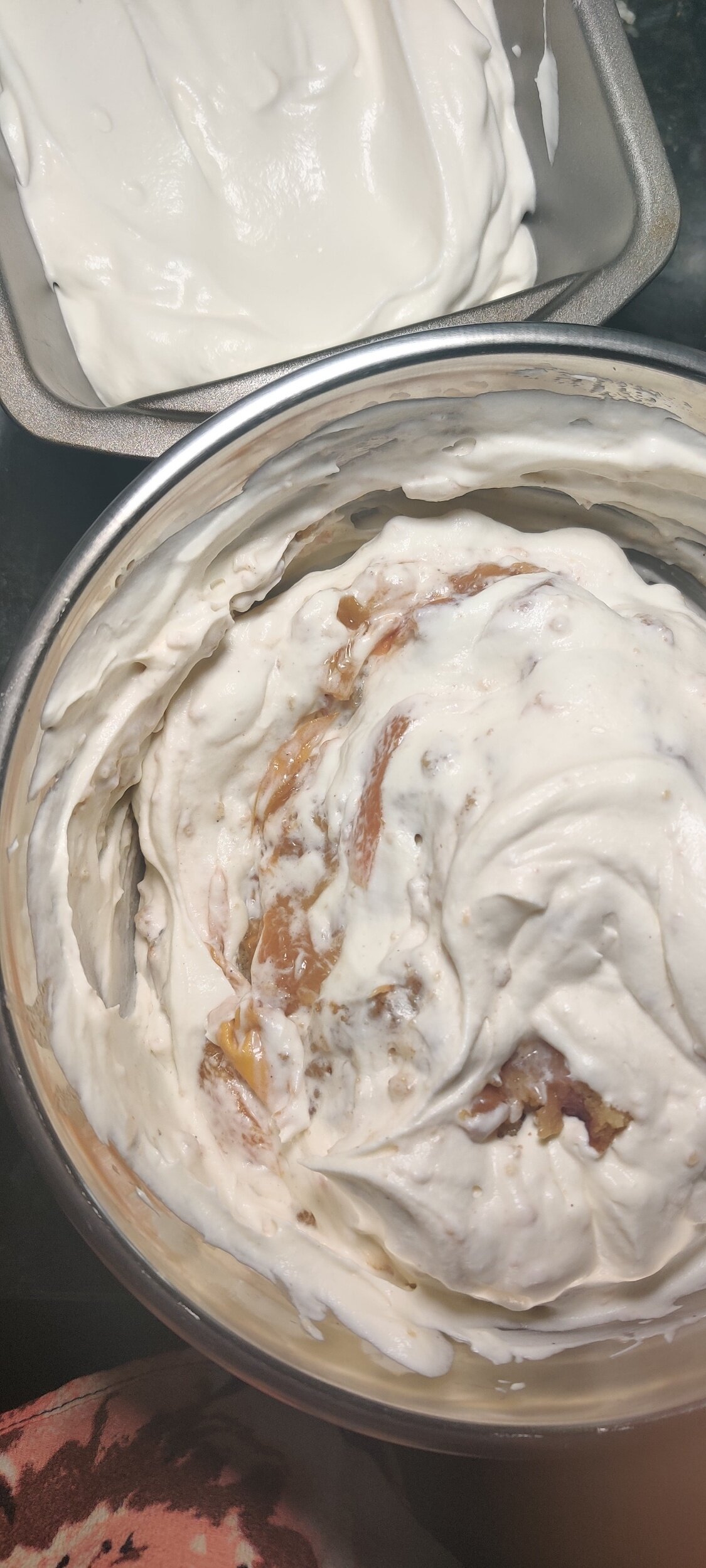
In your loaf pan or ice cream container, fill it halfway with the rest of the ice cream, then add the portion with the crumble on top. Take a knife or spoon and swirl to distribute the crumble. You can sprinkle some on top if you desire as well!
Before placing in the freezer overnight or for at least 6 hours, make sure the ice cream is airtight! If not, ice crystals may on the surface. You can also place a piece of wax paper on top to help prevent this in addition to sealing.
Serve with sugar cones or as a side to peach crumble or any other dessert!

Chermoula Red Snapper with Peanut Butter Rice
This dish is a combination of a lot of different influences. Meals like this that make me appreciate the exposure I've had to food from my background, visiting restaurants, reading, and exploring in the kitchen.
Let’s start with the peanut butter rice!
This is a favoured way of preparing rice in Zimbabwe. It’s an easy, affordable way to add protein to the rice when there is no meat, but even when there is adds an interesting dimension to rice. If you haven’t tried peanut butter rice, I encourage it of course!

The second most important thing, the fish and the marinade!
Chermoula is a herb marinade used to season fish and vegetables in Morocco, Tunisia, Libya, and other parts of North Africa. It adds a rich taste to even the mildest fish. Once you make it you will be using it forever.
As for the red snapper, once clean, stuff it with simple herbs and add some lemon slices for favour on the inside. You can also get it from the butcher prepared for you, but that doesn’t mean you can’t add seasoning!

Ingredients
Chermoula and fish:
1 red snapper, cleaned
1/2 cup parsley, chopped
1/4 cup cilantro, chopped
1 teaspoon cumin
1/2 teaspoon black pepper
Pinch of salt
1 teaspoon paprika
1/2 cup olive oil
1 tablespoon lemon zest
4 teaspoons garlic, minced
1 teaspoon chili powder
4 lemon slices
1 thyme sprig
1 parsley spring
Peanut butter rice:
1 cup white rice
1/3 cup peanut butter
1/2 teaspoon black pepper
1/4 teaspoon salt
1/4 hot cup water
1 3/4 cups water
1 vegetable sachet or bouillon
1 tablespoon olive oil
1 teaspoon garlic, minced
Beans:
1 teaspoon paprika
1 teaspoon chili powder
1 can pinto beans (sugar beans if you can get them, that was my first choice!)
1 teaspoon black pepper
1/2 teaspoon salt
1/2 cup water
1/2 vegetable bouillon, crushed
1 tablespoon Scotch bonnet pepper sauce
Instructions
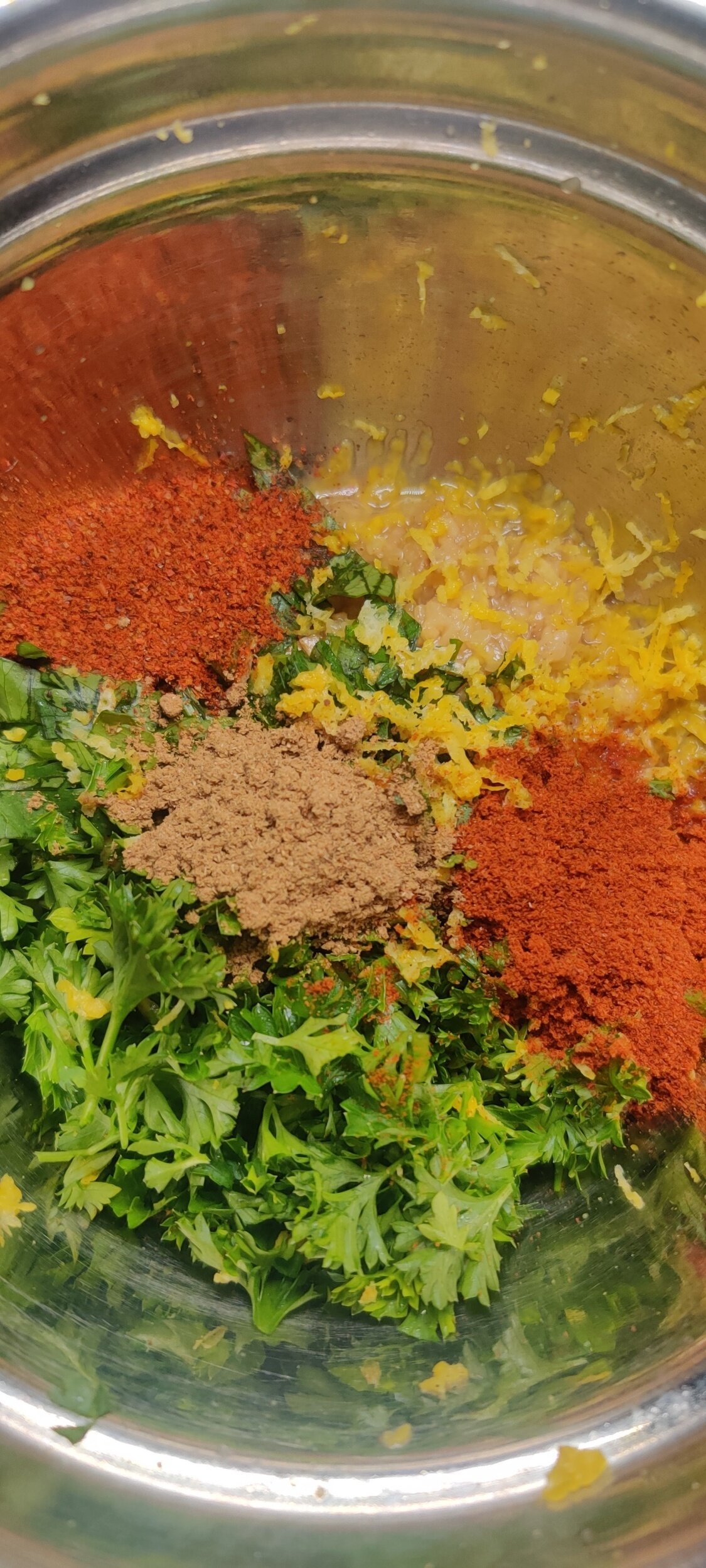
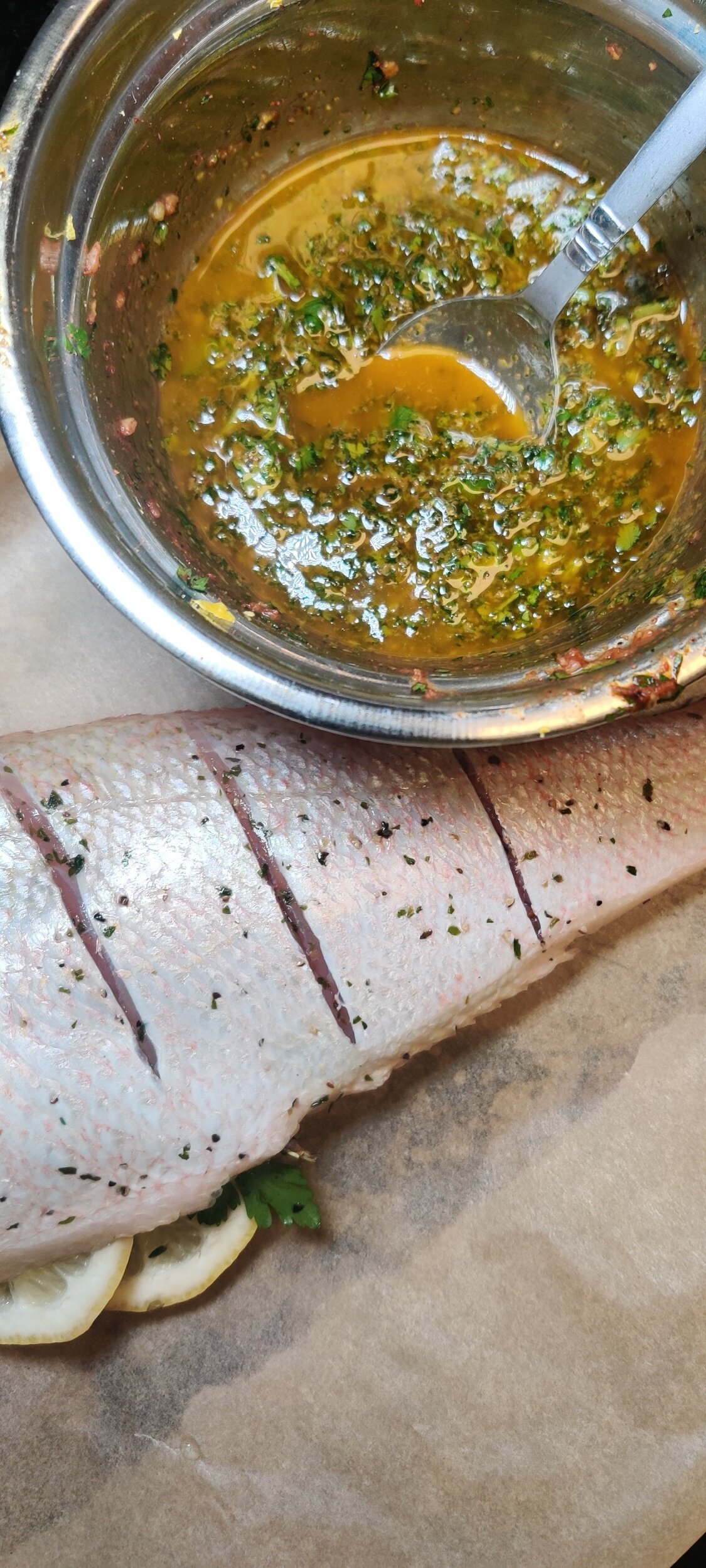
Prepare the chermoula. In a blender or food processor, add the parsley, cilantro, lemon zest, paprika, cumin, and chilli powder. Mix on low while adding the olive oil to create a paste, so don’t blend until it turns into a liquid! If you accidentally do, add some more parsley to thicken.
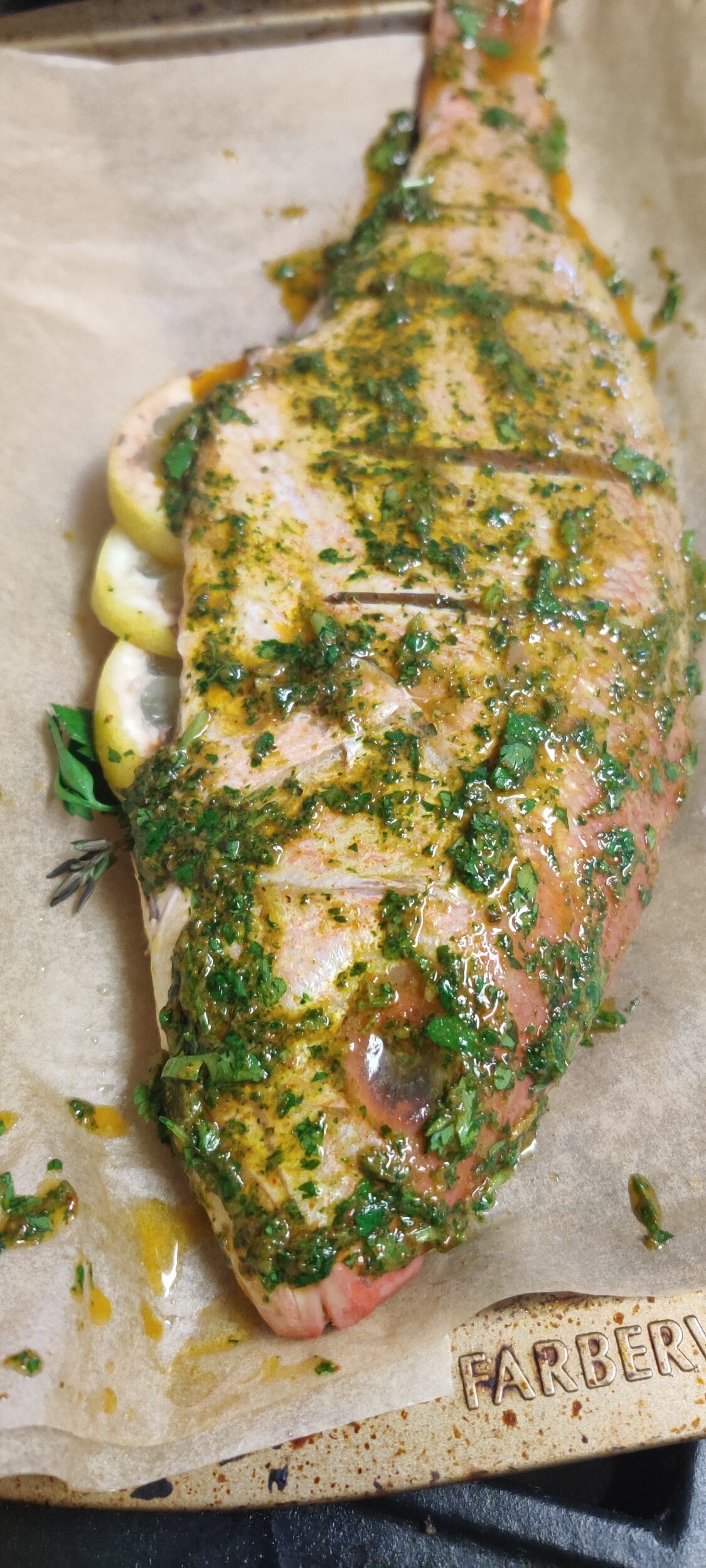
For the red snapper, if it isn’t already, stuff the fish with the herb sprigs and lemon slices. Baste the fish on both sides with the chermoula and chill what remains for later. Bake the fish at 450F on each side for 10-15 minutes. When done, the fish should flake easily using a fork. You can also check the internal temperature and go by what’s recommended. Set aside to rest.
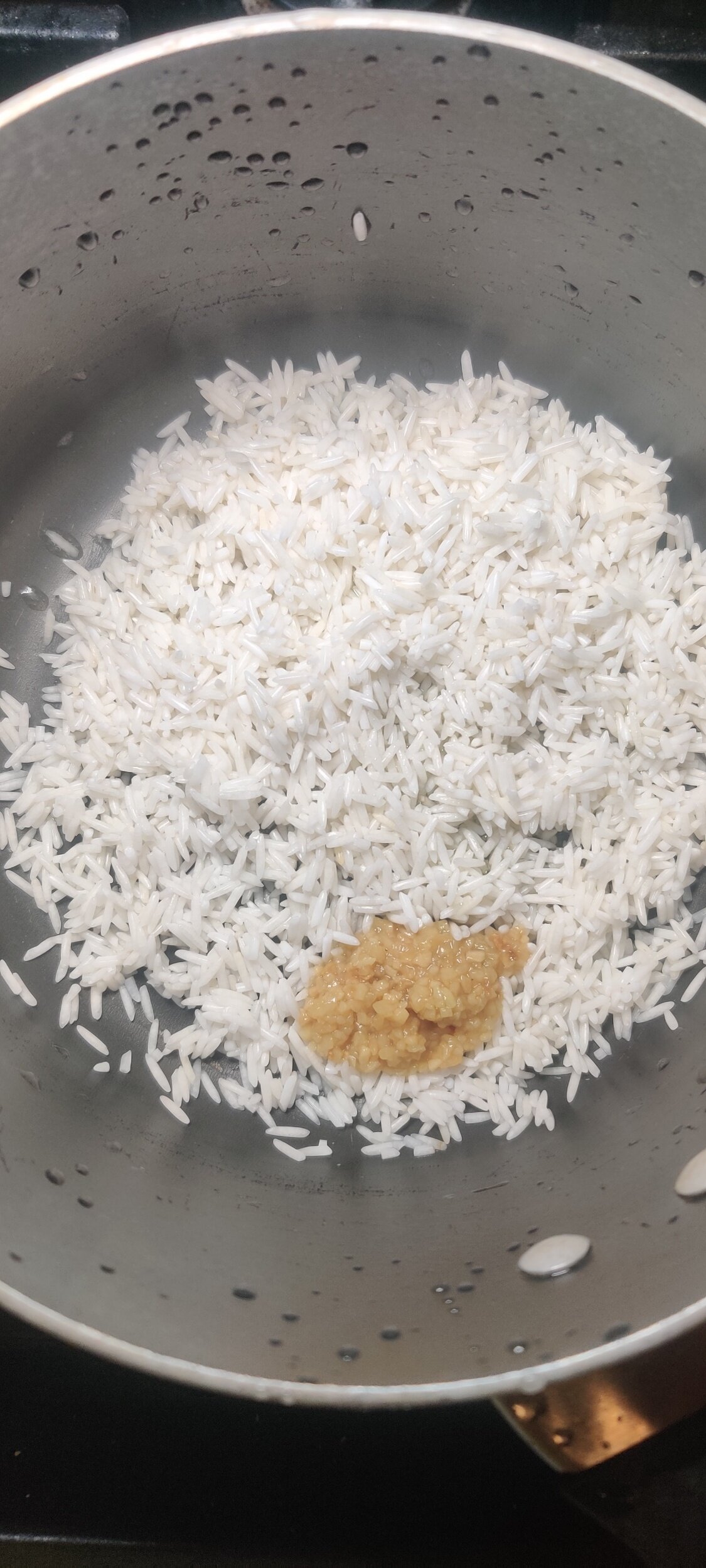
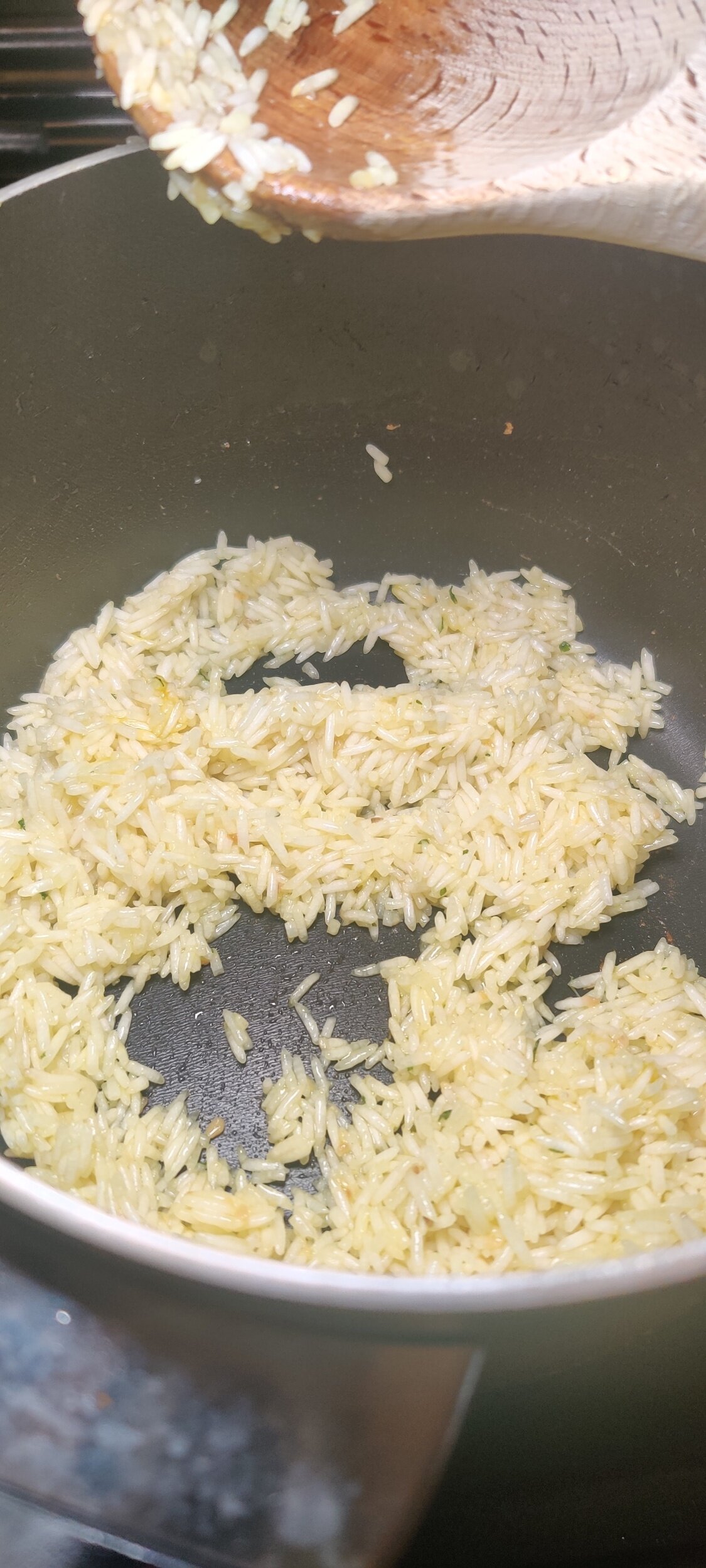
While the fish bakes, prepare your rice. Cook the rice with garlic and olive oil before adding the broth sachet. Follow up with 1 3/4 cups water (or whatever rice quantity you want according to the package) and simmer with a lid until the water has evaporated - you want your rice on the drier side because the peanut butter will be added.
Mix the hot water with the peanut butter to make a smooth paste and mix it into the rice. Steam with the lid on for 5 minutes, then remove from heat.
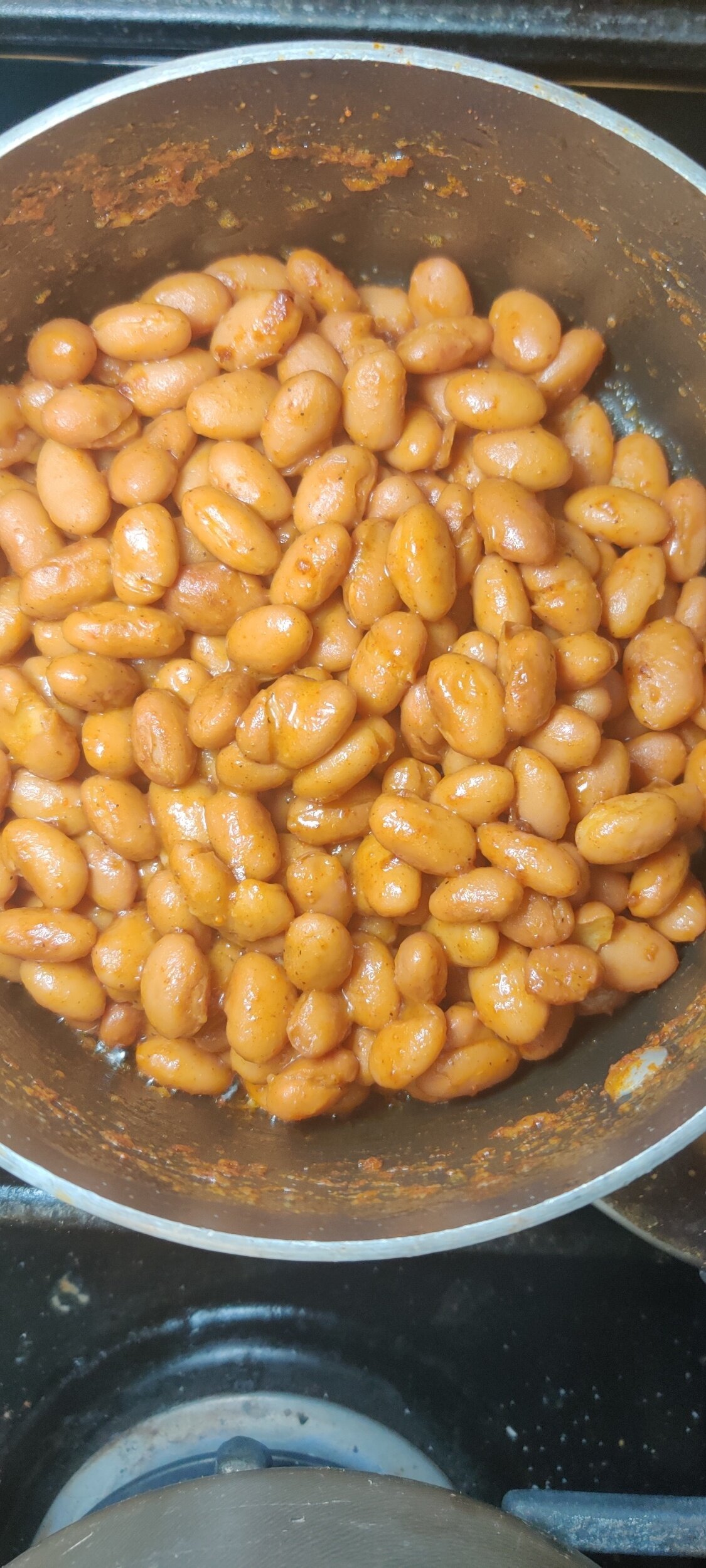
For the beans, sauté them in the oil, bouillon, and spices for about 3 minutes, then simmer in water for about 5-7 minutes. Since canned beans are cooked this should not take long otherwise the beans will break down into mush.
Use the chermoula to baste the cooked snapper and serve with the hot beans and peanut butter rice, feeds 2!

Plantain Stew with Black Beans
If you're looking for a rich, plant-based meal, this is it. I was inspired to cook these plantains and make them the star of the dish like matoke, Uganda’s national dish that uses East African Highlands bananas. They are starchy bananas made into a stew and sometimes mashed, often mixed or served alongside stewed beef. I substitute the beef with mushrooms and still got a great flavour with simple spices and broth. This melody makes for a comforting dish that is mostly guilt-free!
Ugandan cuisine does have some elements also found in Zimbabwe such as ugali (thick corn porridge), but cooked bananas play an unparalleled role in the region as a whole which I don't see in Southern Africa.
Many people are familiar with fried plantains, but they are just as delicious stewed!
Since you already have starch in this dish, I would suggest pairing the plantains with some high protein beans! I seasoned my black beans with a pepper sauce, and it all came together perfectly.
Ingredients
2-3 plantains, chopped
1/2 white onion, finely chopped
1 tablespoon garlic, minced
1 tablespoon black pepper
1 teaspoon salt
1/2 bell pepper, chopped
2 dried peppers, finely chopped
8 ounces mushrooms (1/2 pound, cubed)
1/2 cup tomatoes, chopped
2 cups vegetable or beef broth
2 cups water
2 vegetable or beef bouillons
1/2 teaspoon Usavi mix
1/2 teaspoon coriander
Lemon juice
2 dried chili peppers, finely minced (keep the seeds for more heat)
1/3 cup tomato ragu sauce
Black beans:
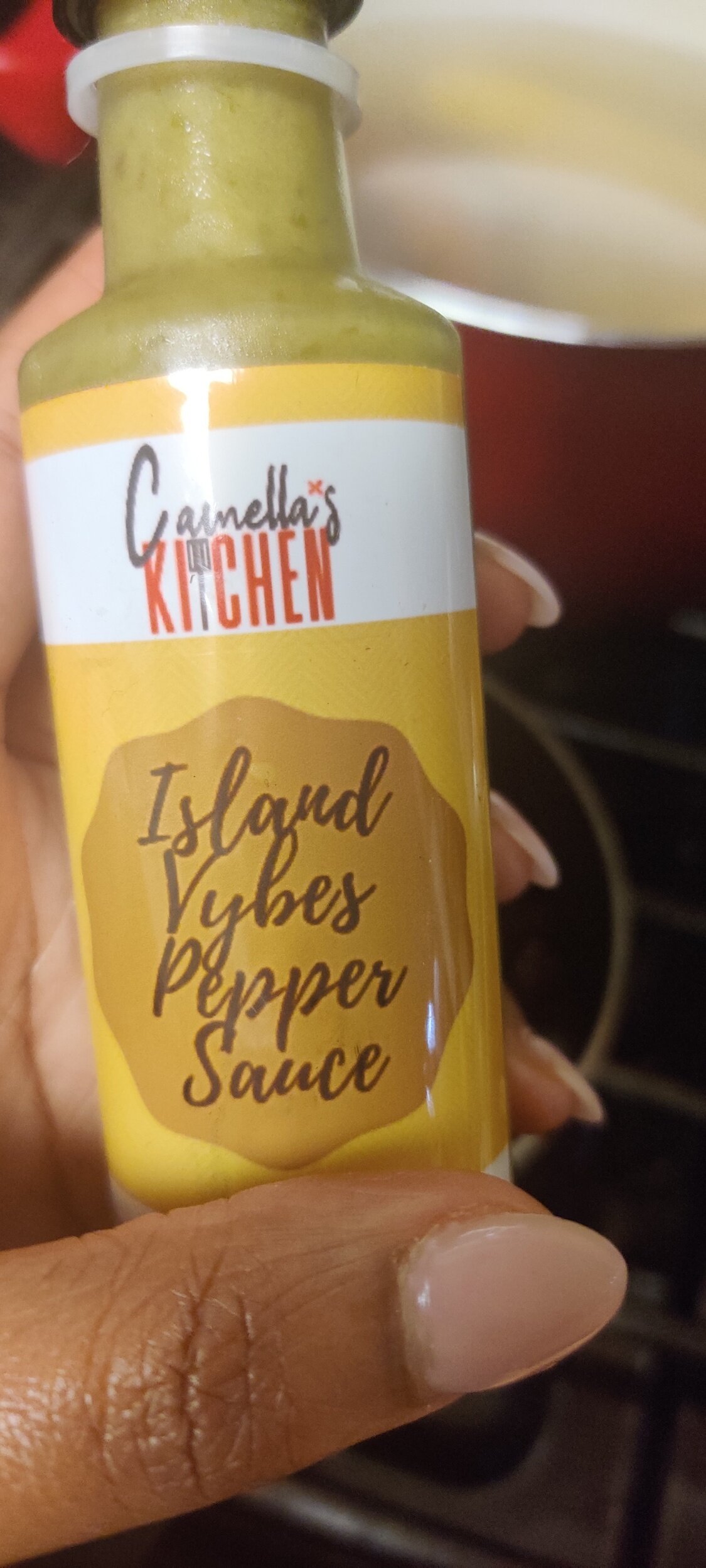
1 tablespoon pepper sauce (I used Camella's kitchen)
1/4 cup onion, finely chopped
1/2 teaspoon salt
1 can black beans
1 teaspoon black pepper
1/4 cup tomato ragu sauce
1/4 cup water
Instructions
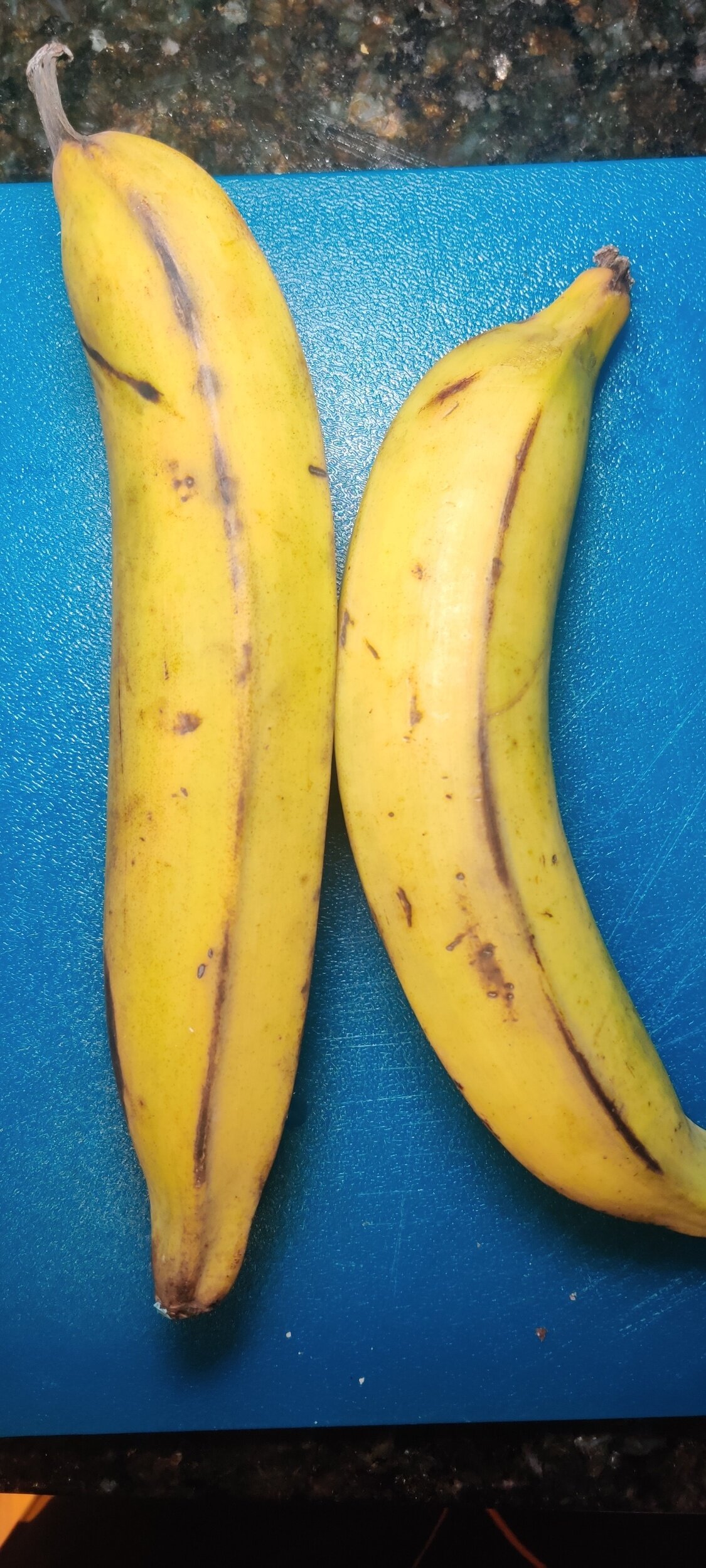
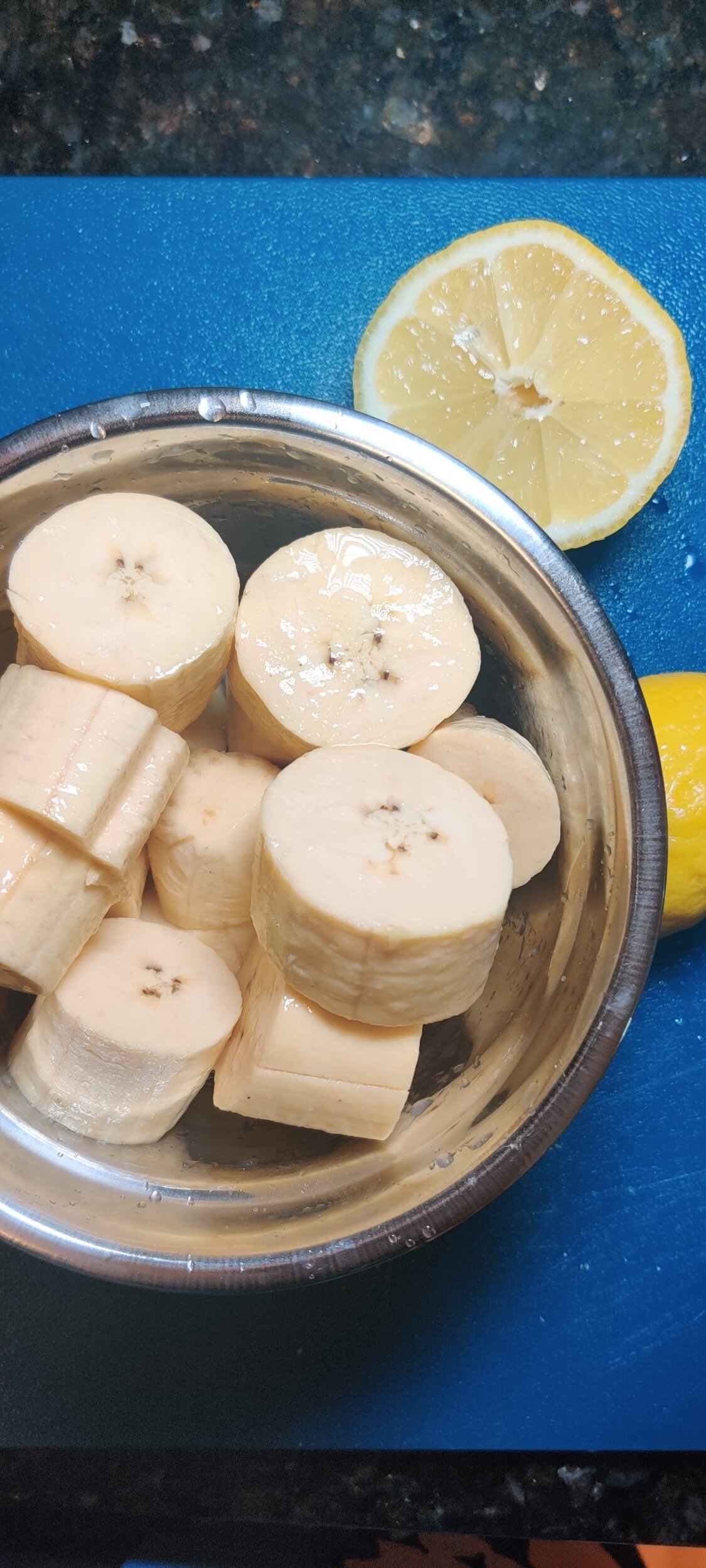
Cut your plantains or green bananas into small pieces lengthwise, toss in lemon juice and set aside.
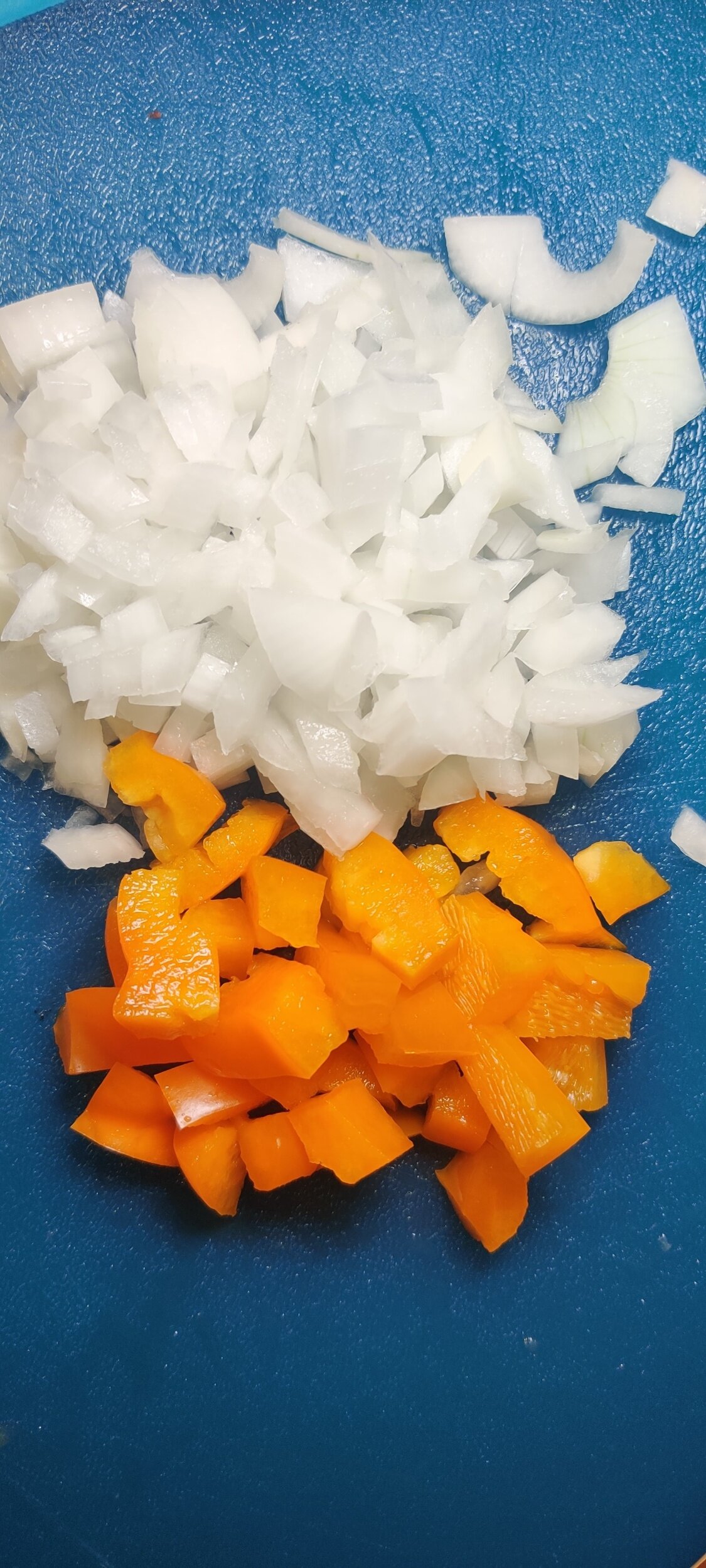
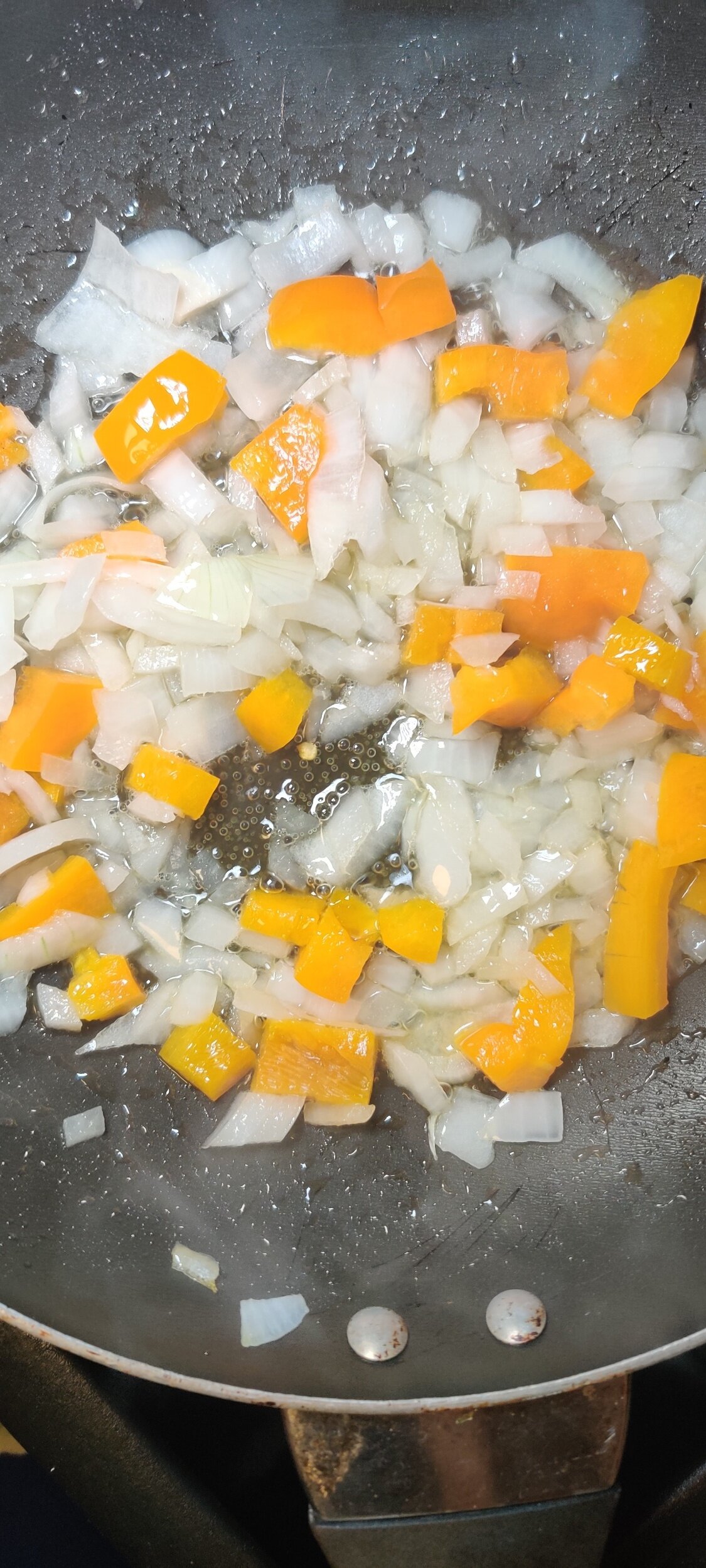
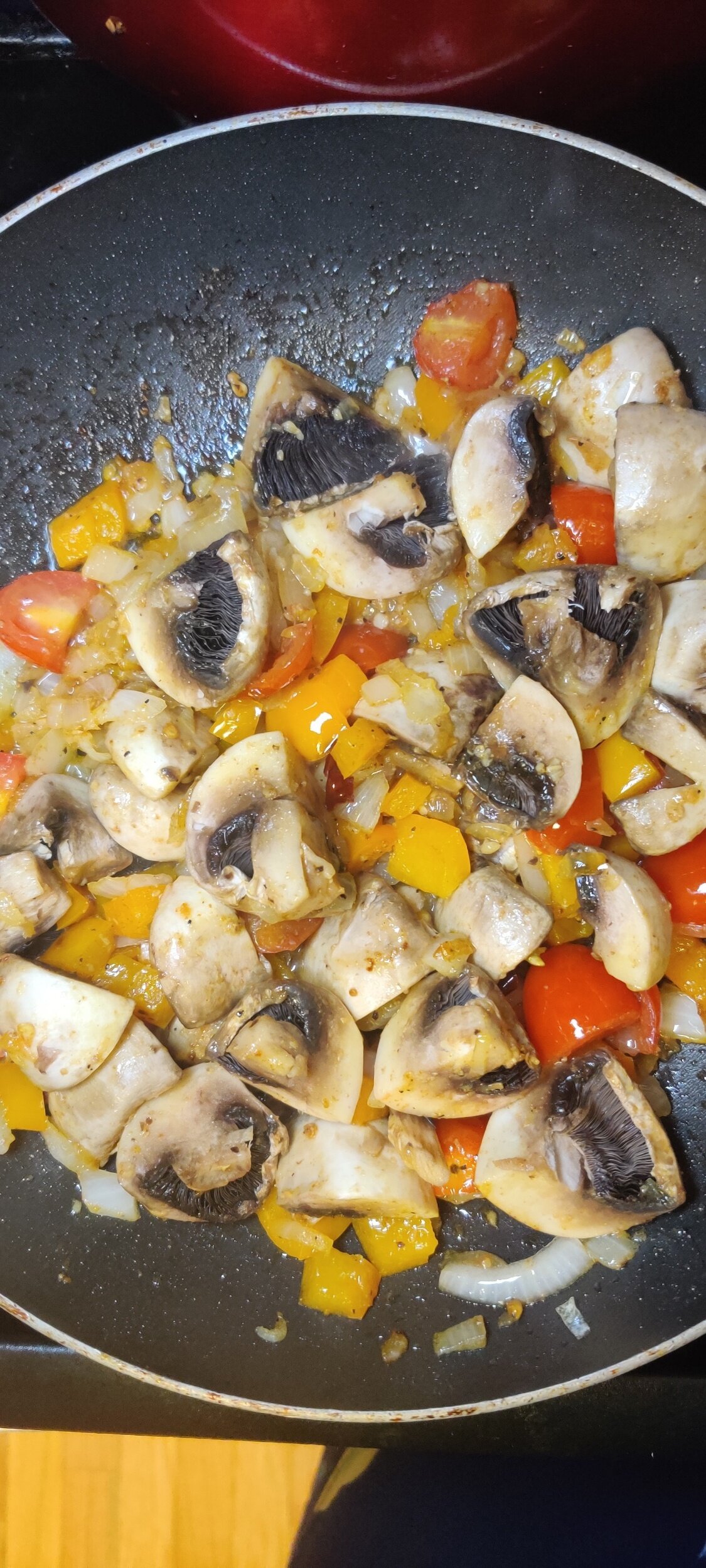
Saute the onion and pepper in the vegetable oil, cook for 3-4 minutes.
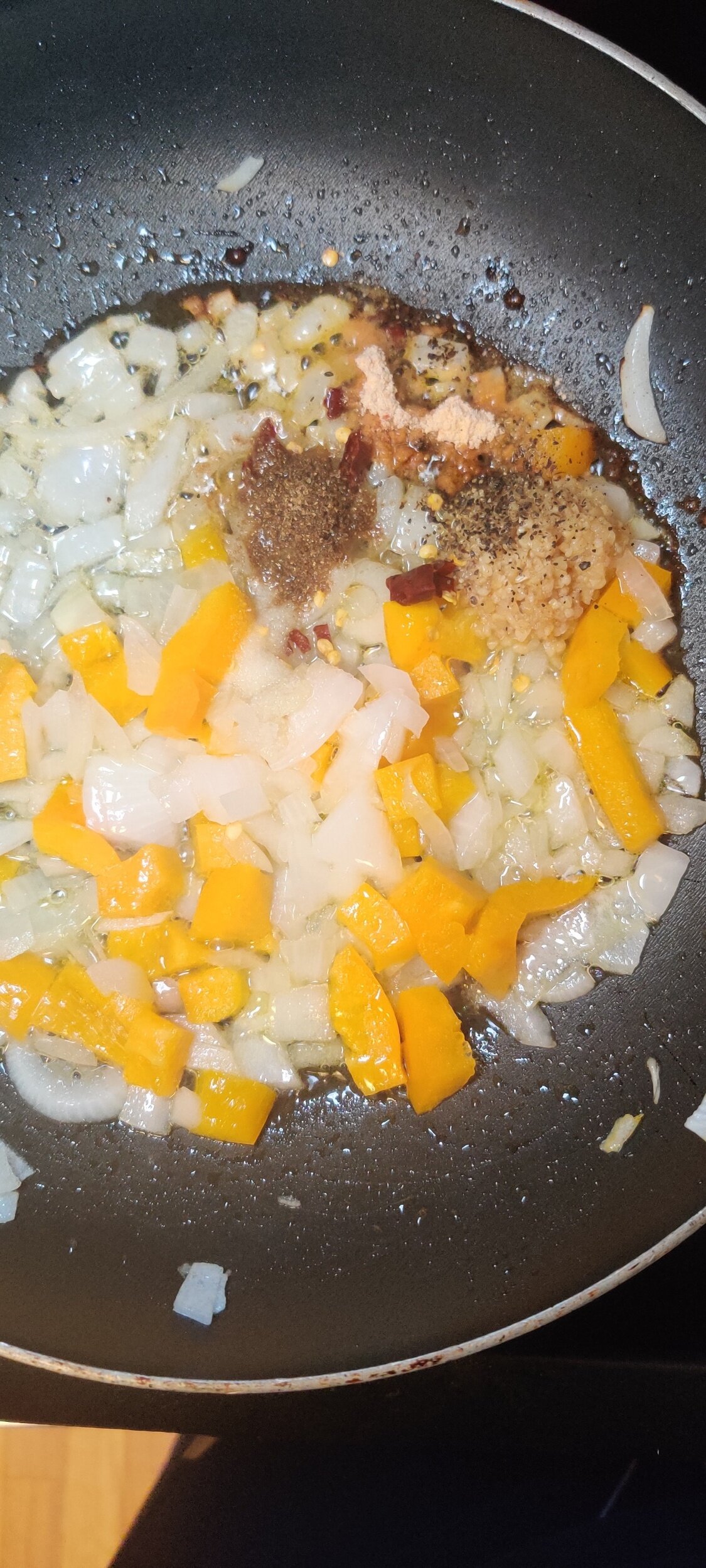
Add the spices, chilli peppers, and the garlic, cook for another 2 minutes until fragrant.
Add the tomato, mushrooms, and ragu, cook for 5 minutes to sweat out the tomato.
Add the bouillons and water. Reduce the heat and simmer for 10 minutes.
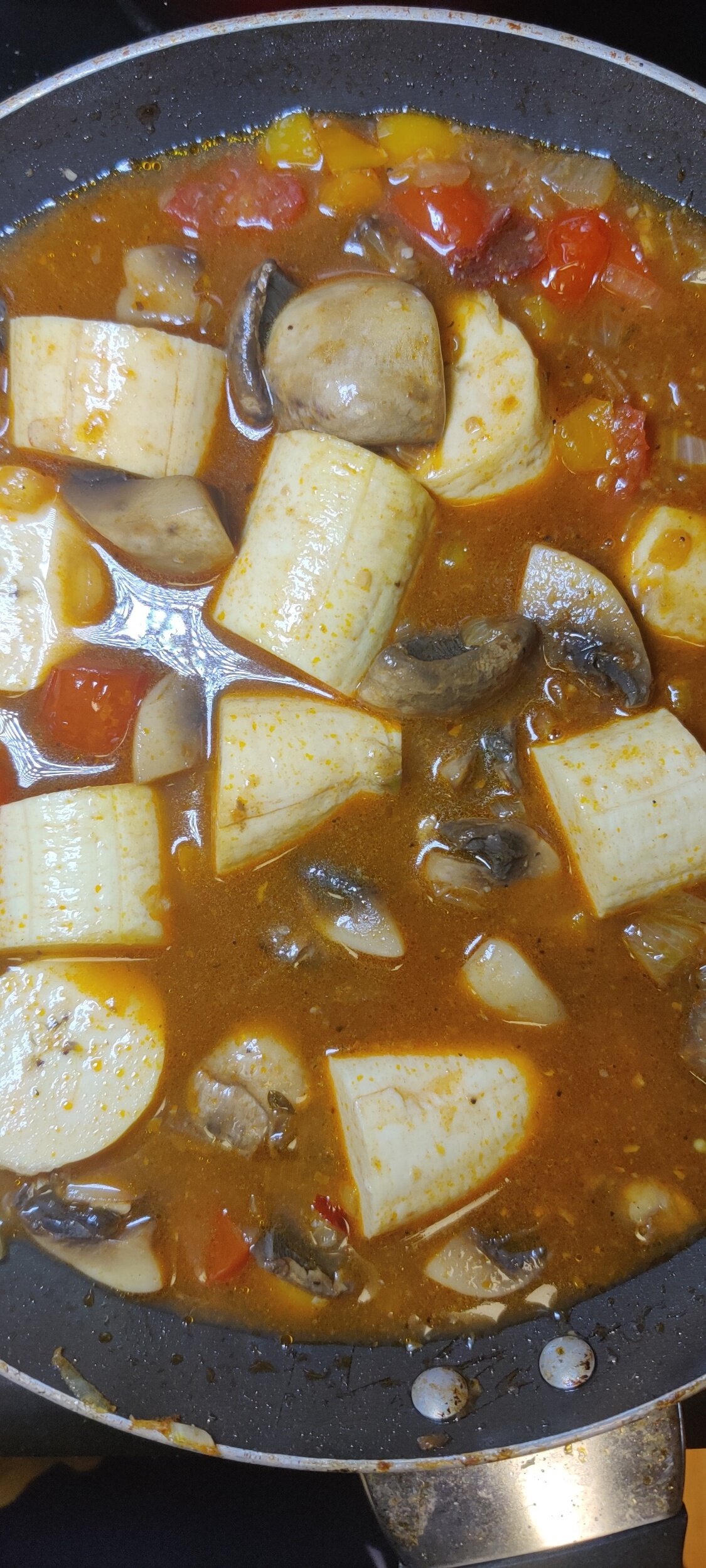
Add the plantains and the broth, season with additional salt and pepper if needed. Simmer for another 20 minutes or until the plantains have softened.
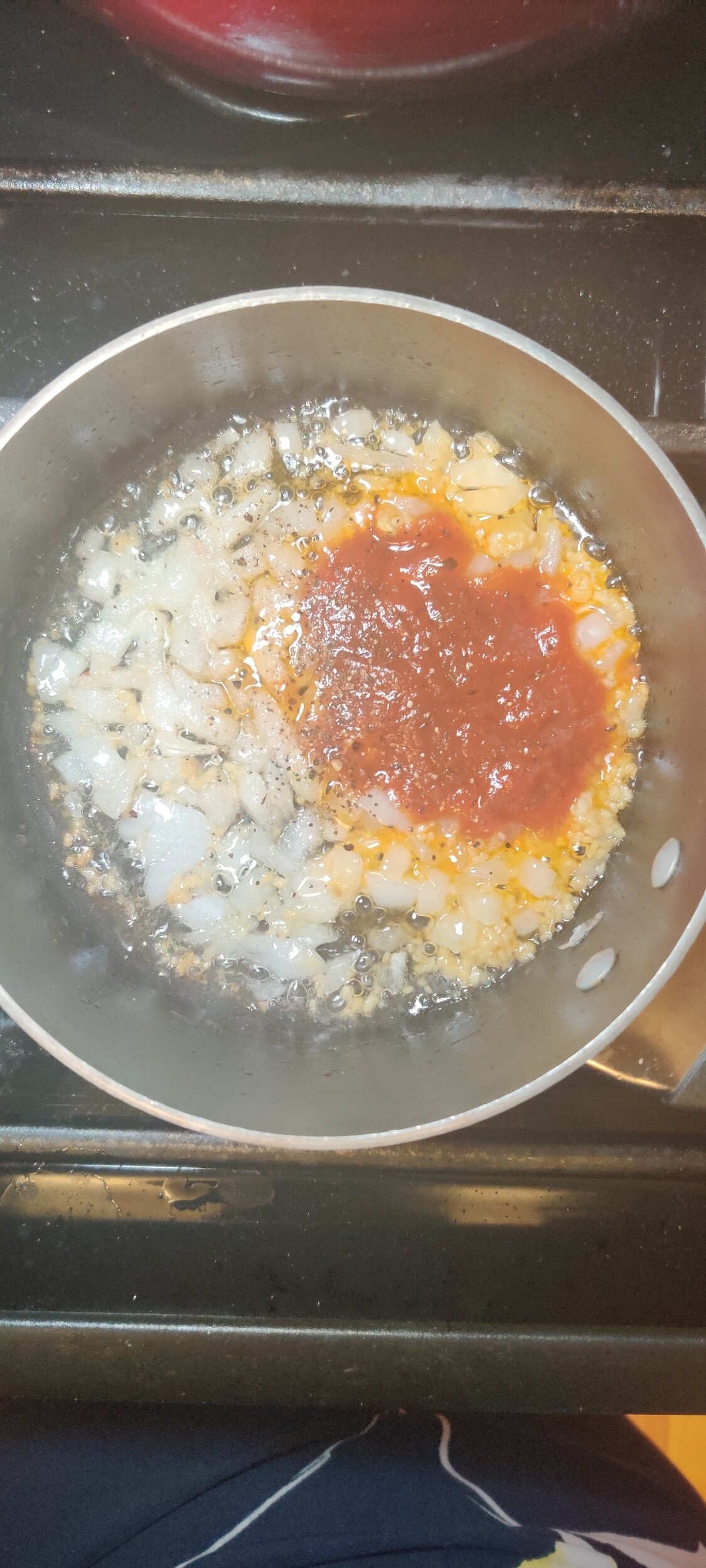
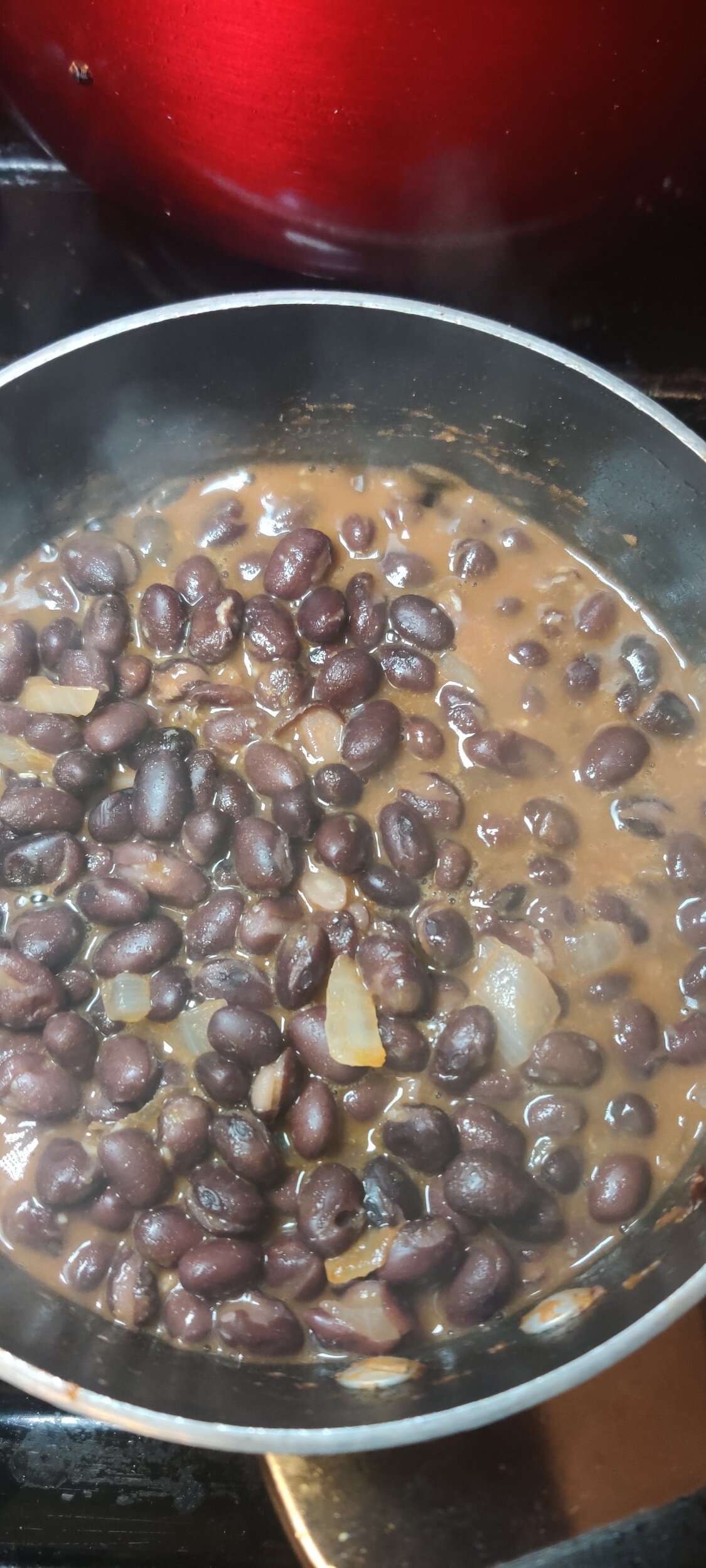
As the plantains simmer, prepare the beans (or whatever side you have in mind). Cook the onion, water, ragu, salt, and black pepper for about 3 minutes, until the onions softened.
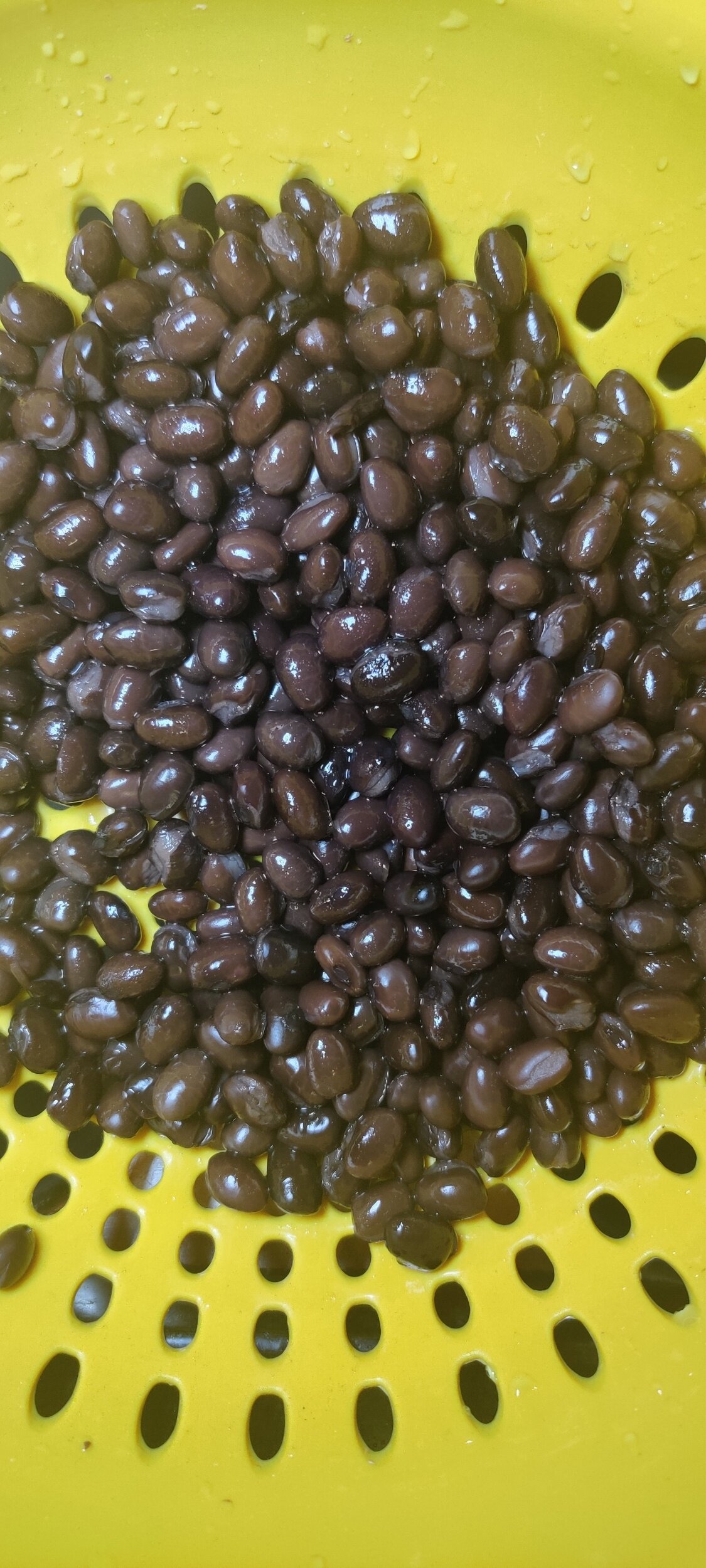
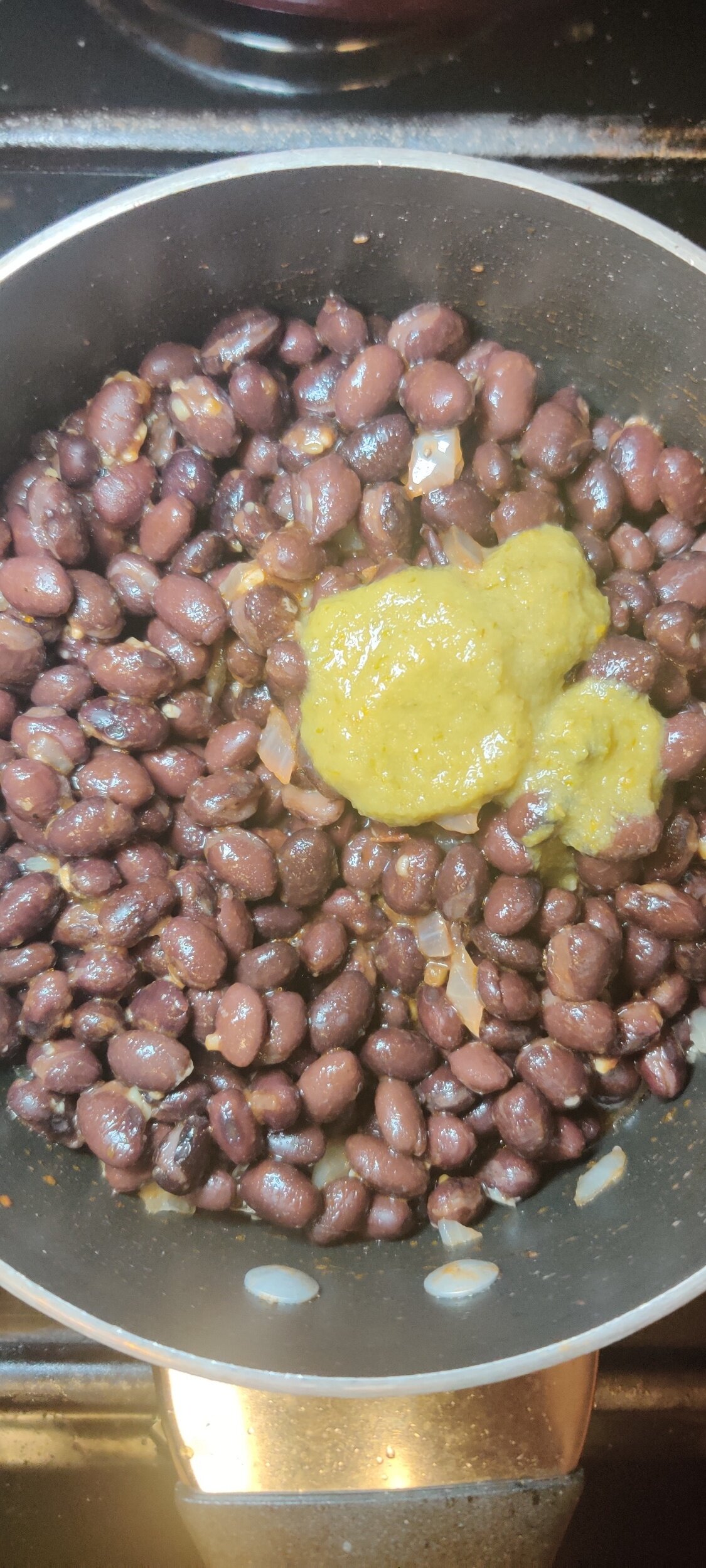
Add the beans and pepper sauce, simmer for about 3-5 minutes, season to taste and serve with the plantain stew.
Serves 2-3 people!
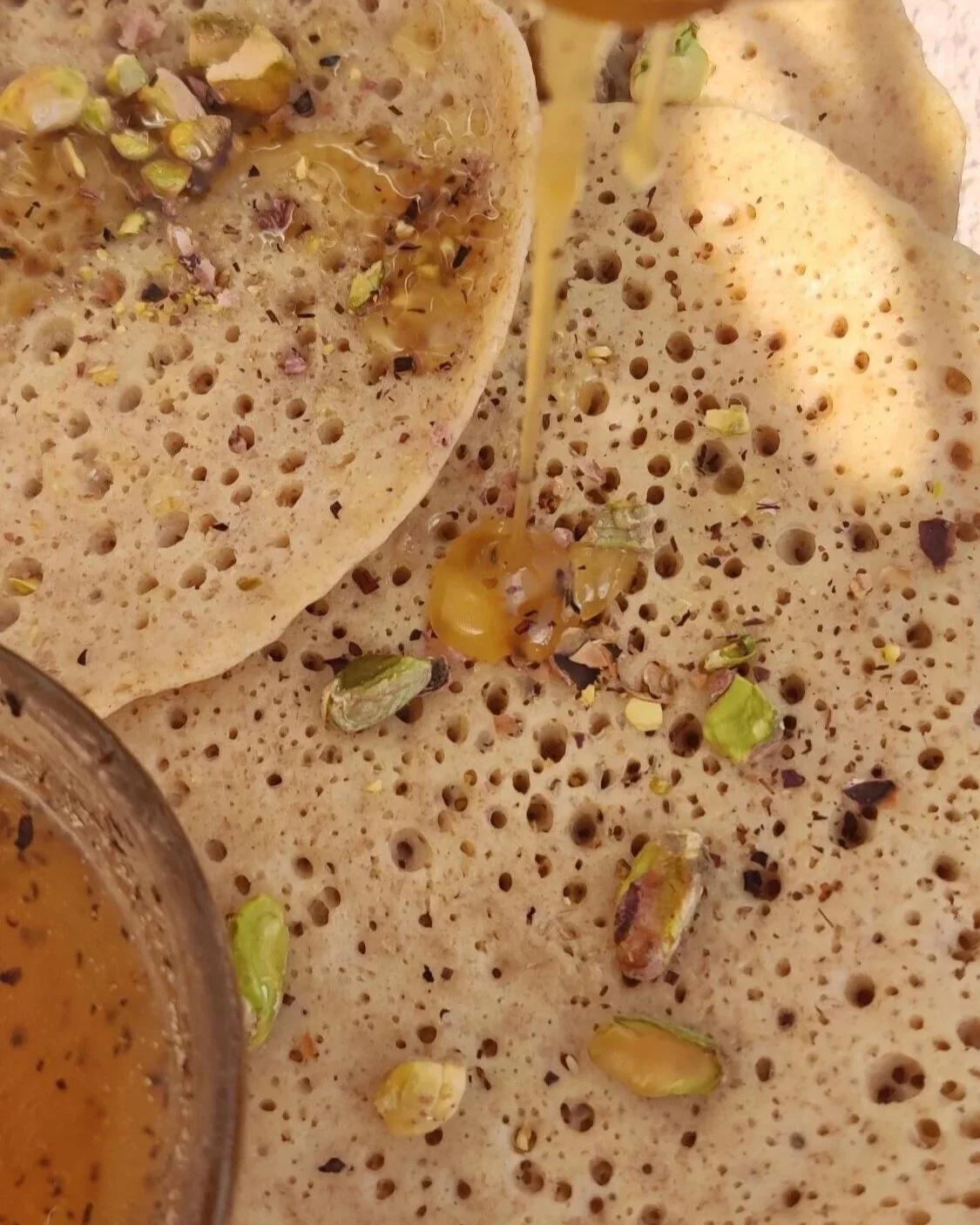
Pistachio and Orange Pancakes (Inspired by North African Baghrirs)
Breakfast in North Africa often feels like a celebration: yeast-based breads and pancakes, drizzled with honey, sprinkled with nuts, and bursting with flavor. It’s rich, fragrant, and indulgent in the best way — a meal you savor slowly, sip tea alongside, and truly embrace. Contrast that with much of Southern Africa, where breakfasts tend to be simpler, often hearty porridge or grain-based staples like sadza, comforting, filling, but less sweet and spongy.
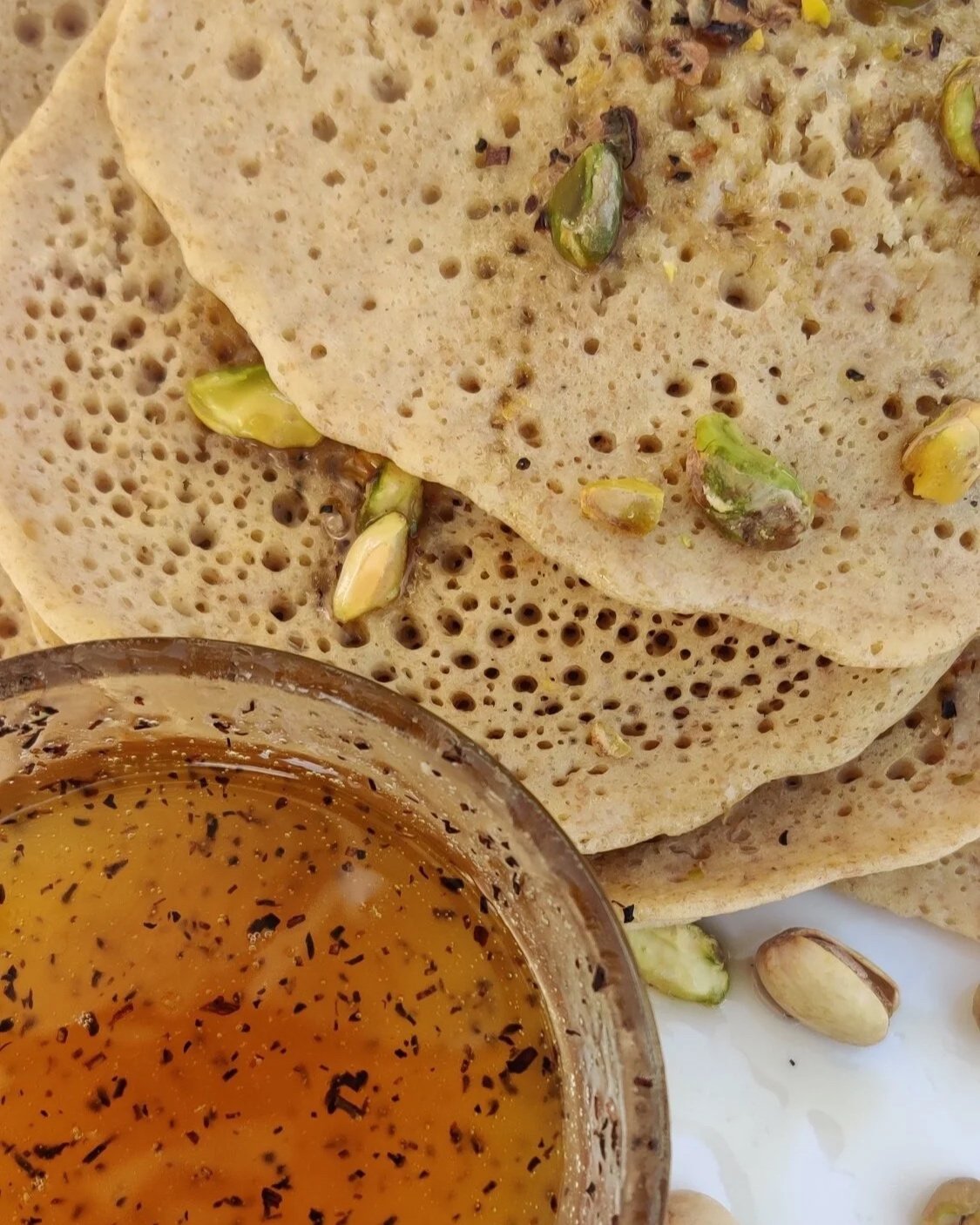
These Pistachio and Orange Pancakes take inspiration from Moroccan baghrirs, the famous spongy pancakes with signature holes that soak up syrup beautifully. I had some pistachios on hand and wanted to play with the citrus flavors common in North African breakfasts, the result is light, fluffy, and fragrant.
Unlike traditional baghrirs made with semolina and yeast, this version uses whole wheat flour for a more approachable, everyday pancake, while still keeping that airy, holey texture. Crunchy pistachios complement the orange notes perfectly, and a honey-orange glaze ties everything together.
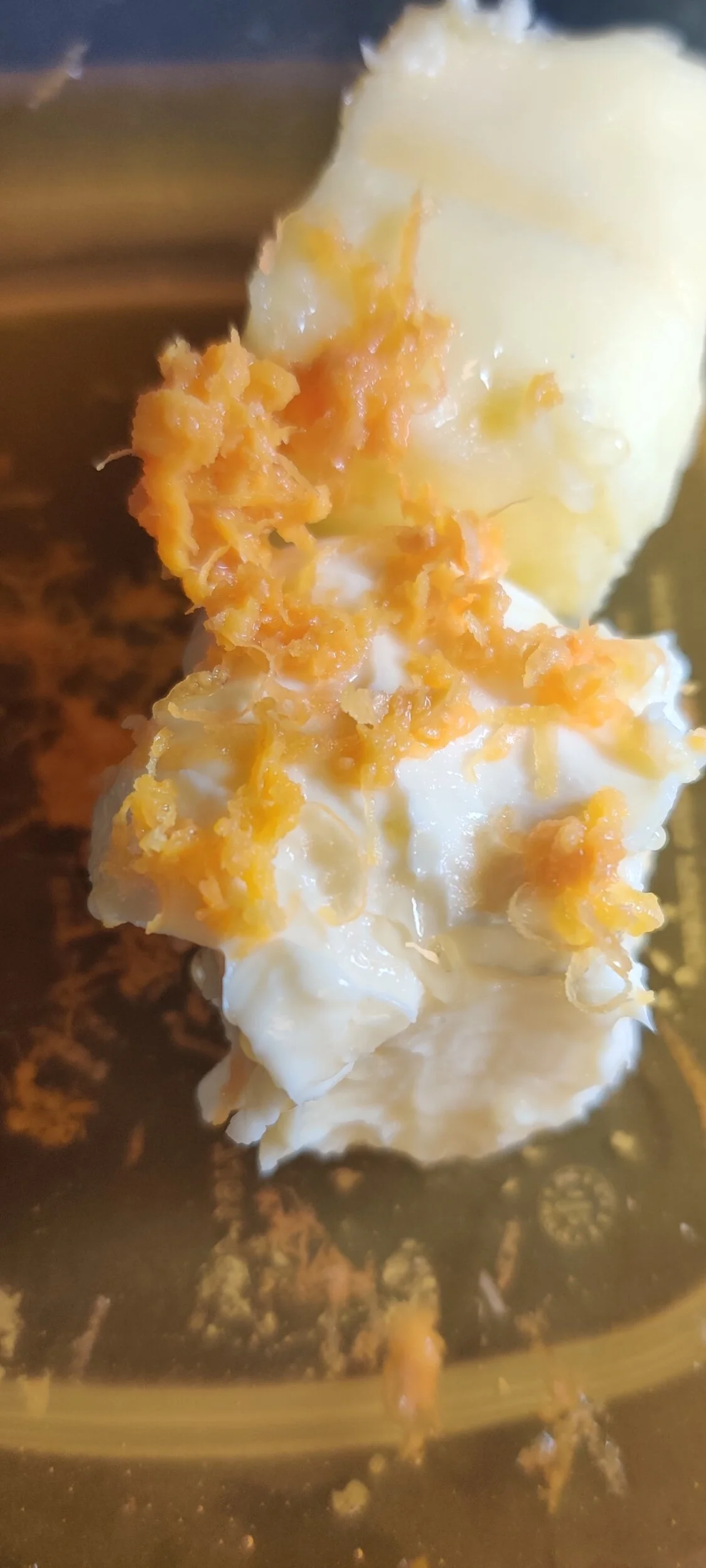
These pancakes are perfect for breakfast, brunch, teatime, or even a light dessert. Optional whipped ricotta adds a creamy touch, but they’re delicious on their own.
Why make these vs. regular pancakes? They’re a little more adventurous, packed with flavor, and offer a taste of North African breakfast traditions — honey, nuts, and subtle citrus notes that make every bite feel special.
Tip: For a more traditional baghrir experience, swap in semolina flour and adjust the yeast and glaze slightly.



Pistachio and Orange Pancakes – Moroccan-Inspired
Light, spongy pancakes inspired by Moroccan baghrirs, topped with crunchy pistachios and a fragrant honey-orange glaze. Perfect for breakfast, brunch, teatime, or dessert!
Ingredients
- 1 cup all-purpose flour
- 1 cup whole wheat flour (or semolina for traditional texture)
- 2 tsp baking powder
- 1/2 tsp fast-acting dry yeast
- 1/2 tsp salt
- 1/2 tsp sugar (optional)
- 2 eggs
- 1 cup warm milk
- 1 cup warm water
- 1 tsp orange zest
- 1 tsp orange juice
- 1/4 tsp vanilla extract
- 1/4 cup crushed pistachios (plus extra for garnish)
- 1/2 orange herbal tea bag (or 1 tsp loose orange tea)
- 1/2 cup honey
- 4 tbsp butter
- 1 tsp orange zest
- 1 tsp orange juice
- 1/8 tsp almond extract
- Contents of brewed orange tea (see above)
- 1 tsp orange blossom syrup (optional)
- Ricotta cheese
- Orange zest and juice
- Pinch of salt
- Sugar to taste
- Few drops of orange syrup
Instructions
- Mix warm water, sugar, and yeast. Let sit 5–10 min until foamy.
- Add flours, milk, baking powder, salt, vanilla, eggs, orange zest & juice, and tea to yeast mixture.
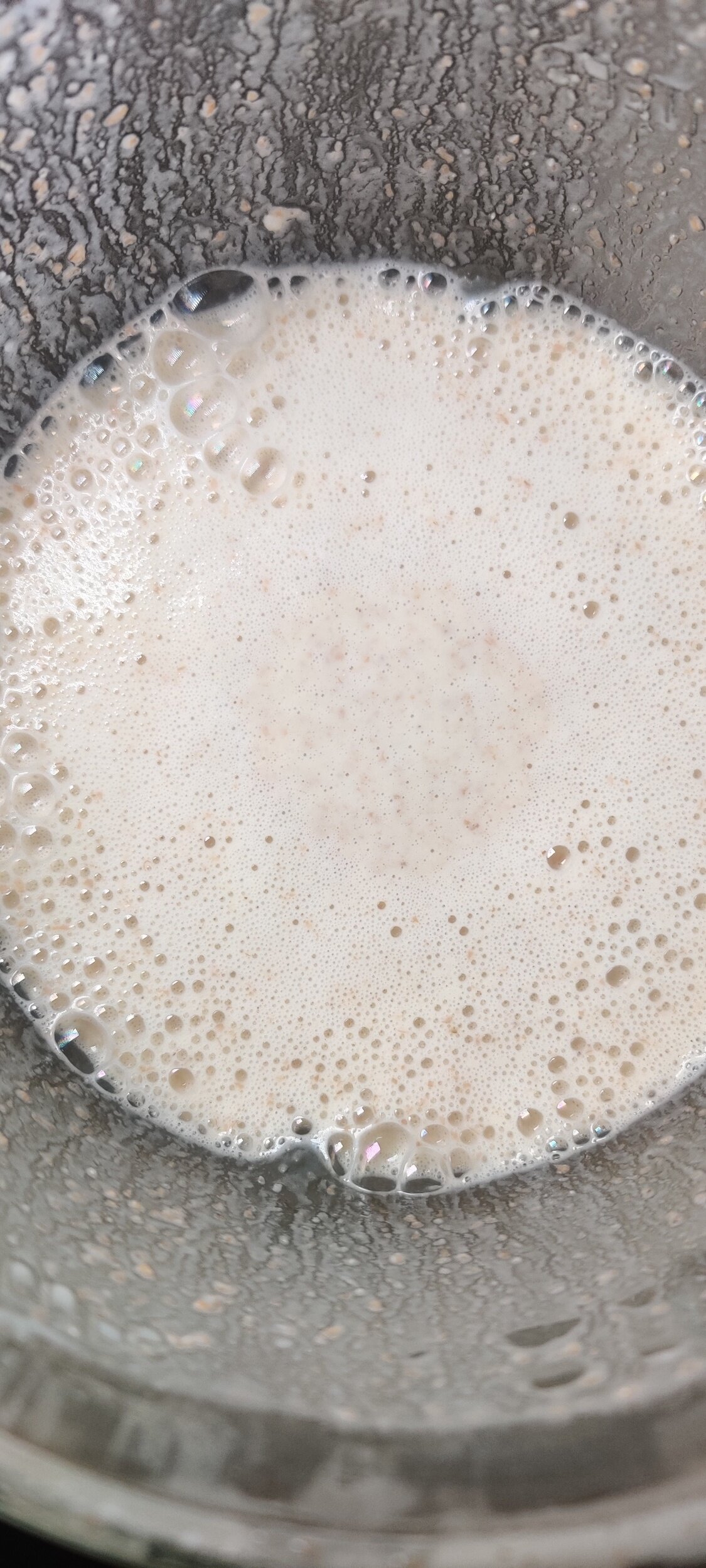
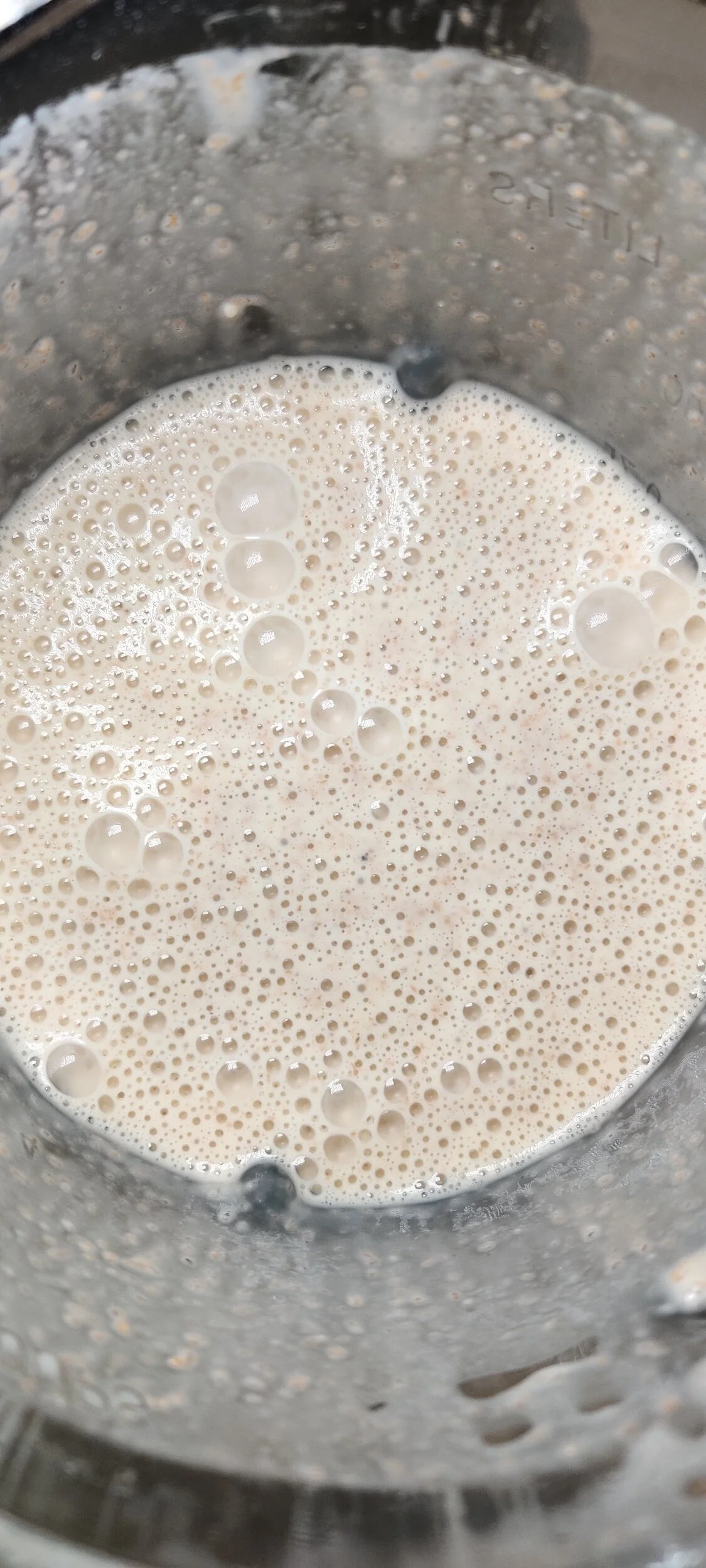
- Blend or whisk until smooth. Let rest 35 min to develop bubbles.
- Heat non-stick pan over medium. Scoop 1/4 cup batter per pancake.
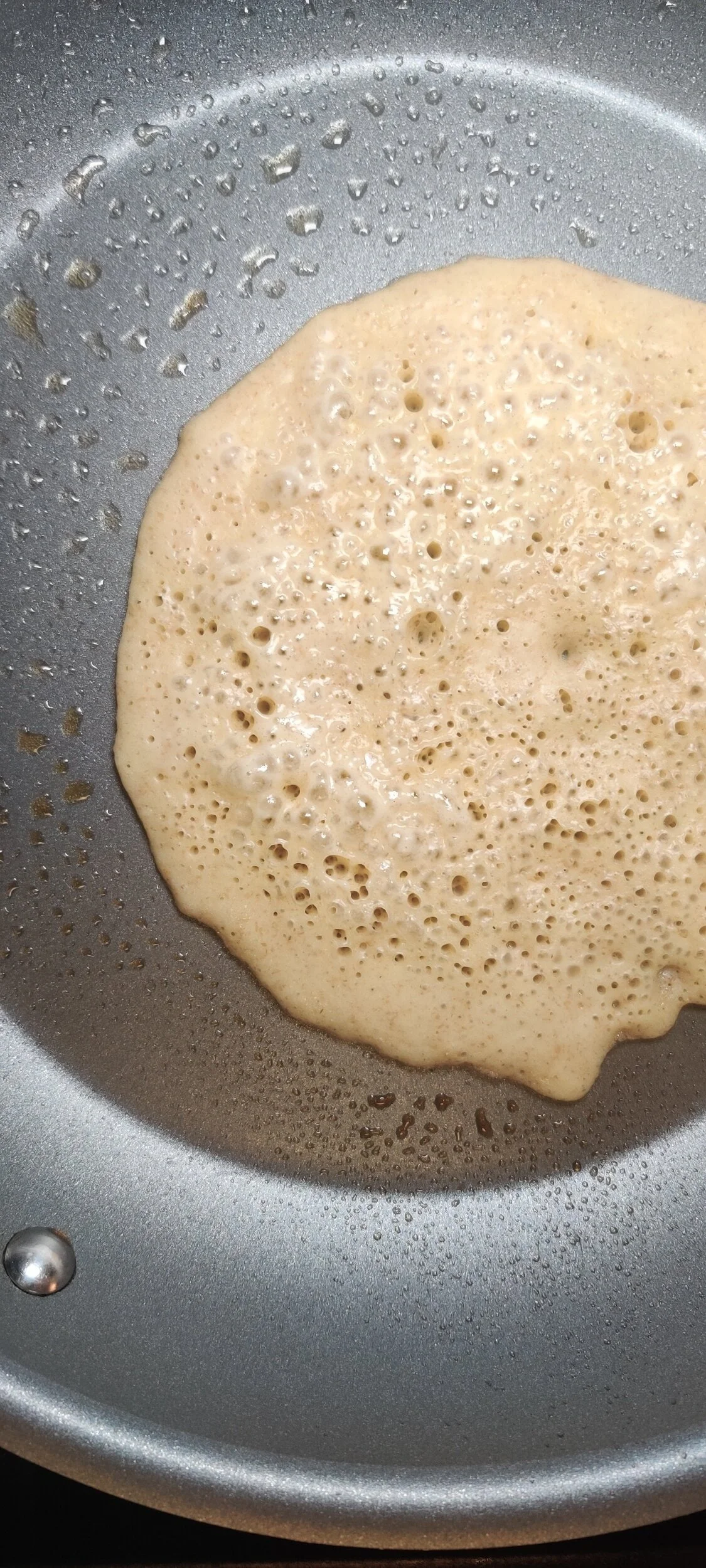
- Cook without flipping until bubbles form and burst on the surface, bottom golden. Remove and repeat.
- Heat butter, honey, orange zest & juice, almond extract, and brewed tea in a saucepan or microwave until combined.
- Pour glaze over pancakes, sprinkle pistachios, add candied peel if desired.
- Optional: top with whipped ricotta.
Notes
- Toasting pistachios: Toast in a dry pan over medium heat for 2–3 minutes, stirring frequently, to enhance flavor and crunch.
- Candied orange peel: Adds a beautiful garnish and little bursts of citrus sweetness.
- Texture: Resting the batter allows the yeast to create the signature spongy texture with holes that soak up the glaze.
- Make ahead: Batter can rest up to 1 hour before cooking; the glaze can be prepared ahead and warmed before serving.
Optional: Semolina Variation (More Traditional)
- Use 2 cups semolina flour + 1/2 cup all-purpose flour instead of the flours in the main recipe.
- Increase sugar to 1 tbsp and salt to 1/2 tsp.
- Add 1/2 tsp cinnamon for warmth.
- Use 1 tsp instant yeast.
- For the glaze, reduce honey to 1/4 cup, brewed tea to 2 tbsp, and add 1 tsp orange blossom honey.
- Optional whipped ricotta topping: mix orange zest, juice, salt, sugar, and a few drops of orange syrup.
Serving: Same as main recipe — ~4 servings.
Nutrition Facts
Calories
290Fat (grams)
10 gCarbs (grams)
42 gSugar (grams)
18 gProtein (grams)
6 gI am not a certified nutritionist and any nutritional information on dontmissmyplate.com should only be used as a general guideline.

Corn and Sweet Potato Chowder
As someone who has lived on the East Coast of the United States, close enough to New England, I don't eat enough chowder! On restaurant menus, I always thought it wasn't as exciting enough option to kick off a 3-course menu comparatively speaking.
I had some leftover corn and sweet potatoes in the freezer and decided to make some chowder (basically a soup or stew with some potatoes, corn, and cream or milk thickened with a roux or crackers).
I didn't add any clams or other type of seafood as traditionally used, but I did have some clam juice handy and a few strips of bacon in the fridge to help enhance the flavour of the vegetables.
Dear plant-based eaters, you don't need bacon or clam juice, butter and the vegetable broth is enough!
Ingredients
1 cup sweet corn kernels
1 cup sweet potato, chopped
1 cup clam juice
1 teaspoon butter (use 1 tablespoon if you don't use bacon)
2 strips of bacon, chopped
1 vegetable bouillon
2 cups water
3/4 can coconut milk
1 teaspoon salt
1 teaspoon thyme
1 tablespoon black pepper
2 teaspoons chili powder
2 teaspoons paprika
4 tablespoons flour
1 tablespoon garlic, minced
1/2 white onion, chopped
1 cup carrots, finely chopped


Instructions
Cook the bacon until it starts to get crisp around the edges and the oil seeps out, for about 3-4 minutes. Add the onion and garlic, saute for about 3 minutes until the onions begin to soften.
Add the seasoning and the vegetable bouillon, crush and mix until everything is well incorporated and your pot is flagrant, for about another 2 minutes.
Add the carrots and flour, cook for about 2 additional minutes.
Add the water, corn, sweet potato and clam juice, stirring to make sure there are no lumps or dry bits of flour. Bring to a boil. Reduce the heat and simmer for 15-20 minutes until the sweet potatoes are soft. Add additional broth or water if you need it.
Add the coconut milk gradually, stirring to thicken the soup. Let it simmer for another 5-10 minutes.
Enough for 4, serve with warm bread or crackers!
Chickpea Curry with Flatbread
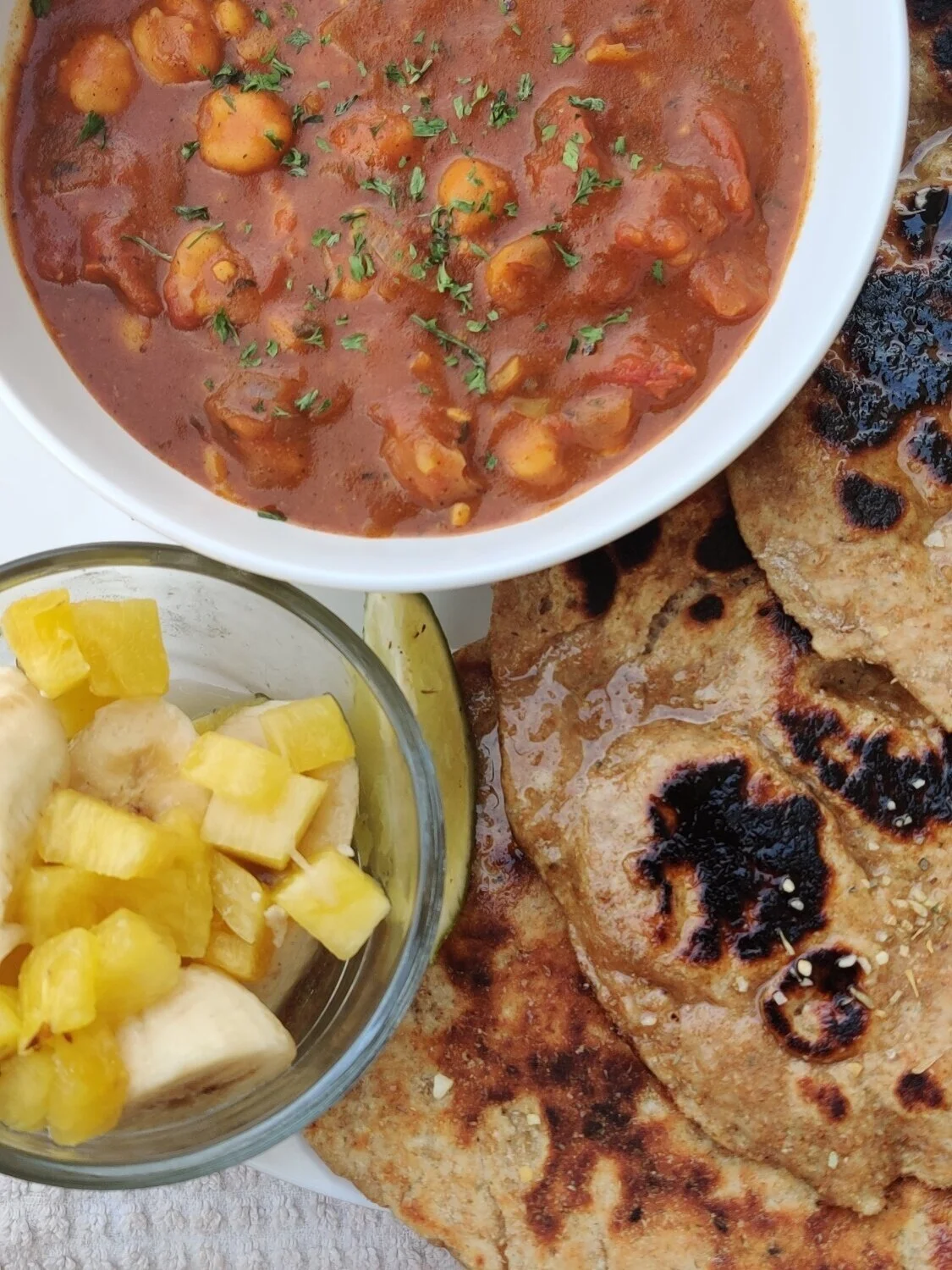
There's nothing like a hot curry served with warm flatbread and a condiment to cool the tongue. I love chickpea curry, and even if you’re an avid meat eater if seasoned right you’ll love it too. It's a good transitional dish if you're trying to eat less meat and adopt a plant-based diet.
Chickpea curry and flatbread work for weeknights, weekends, rainy days, winter days. The meal lacks much of the grease and calories we associate with other comfort food.
Chickpeas have several health benefits such as improving digestion and reducing cholesterol, while curry helps reduce inflammation and boosts your immune system.
If you're intimidated by making bread, this flatbread shortcut offers an easy fix and delicious side to your curry.
Ingredients
1/2 large red onion, chopped
1 heaped teaspoon garlic, minced
1 teaspoon cumin
2 bay leaves
1/2 teaspoon salt
1 tablespoon hot Madras curry powder
1 teaspoon garlic powder
1 teaspoon chili powder
1 teaspoon black pepper
1 teaspoon parsley
1 teaspoon cinnamon
1/4 teaspoon cardamom
1/4 teaspoon cloves
1 teaspoon coriander
1 teaspoon chili flakes (optional)
1/4 cup marsala cooking wine
1 vegetable bouillon
2 cups water
1 cup coconut milk
1 tablespoon butter
1 tablespoon olive oil
2 tablespoons tomato paste
1 cup peeled tomatoes in sauce
1 teaspoon spicy mango chutney (I used Camella’s Kitchen’s)
1 tablespoon scotch bonnet pepper hot sauce (optional)
1 teaspoon chili flakes (optional)
Flatbread:
1 cup plant-based yoghurt
1 cup whole-wheat flour
1 tablespoon garlic and herb seasoning (optional - I used Primal Palate)
1 teaspoon baking powder
Video Tutorial
Instructions
Prepare your flatbread. You can store it in the warmer drawer until the curry is ready.
Mix the flour, baking powder, herbs, and yoghurt to form a soft dough. It may be slightly sticky. Using your hands or a rolling pin on a lightly floured surface, divide the dough into 4 parts and shape into flat, circular discs.
Brush them on one side with olive oil. On high heat in a greased skillet, cook the flatbreads until bubbles start to puff up, for about 2 minutes. Flip over and cook for another 1-2 minutes.
Prepare your curry. In a pot, sauté the onion and garlic in the butter and olive oil for about 3 minutes, until the onions start to soften.
Add your spices, cook for about 2 minutes until fragrant.
Add the tomato paste, the cooking wine, the mango chutney, vegetable bouillon, water, coconut milk, peeled tomatoes and salt. Mix and reduce heat, simmer for about 5 minutes.
Add the chickpeas, bay leaf, chili flakes, and scotch bonnet sauce, simmer on low heat for another 20 minutes. Mix occasionally to help thicken the curry.
Serve hot with flatbread and chopped pineapples and bananas on the side. Enough for 2-4 people.